Gut diseases and bioregenerative medicine: Integrating anatomy, microbiota, and stem cell therapy
$56.00 – $136.00Price range: $56.00 through $136.00
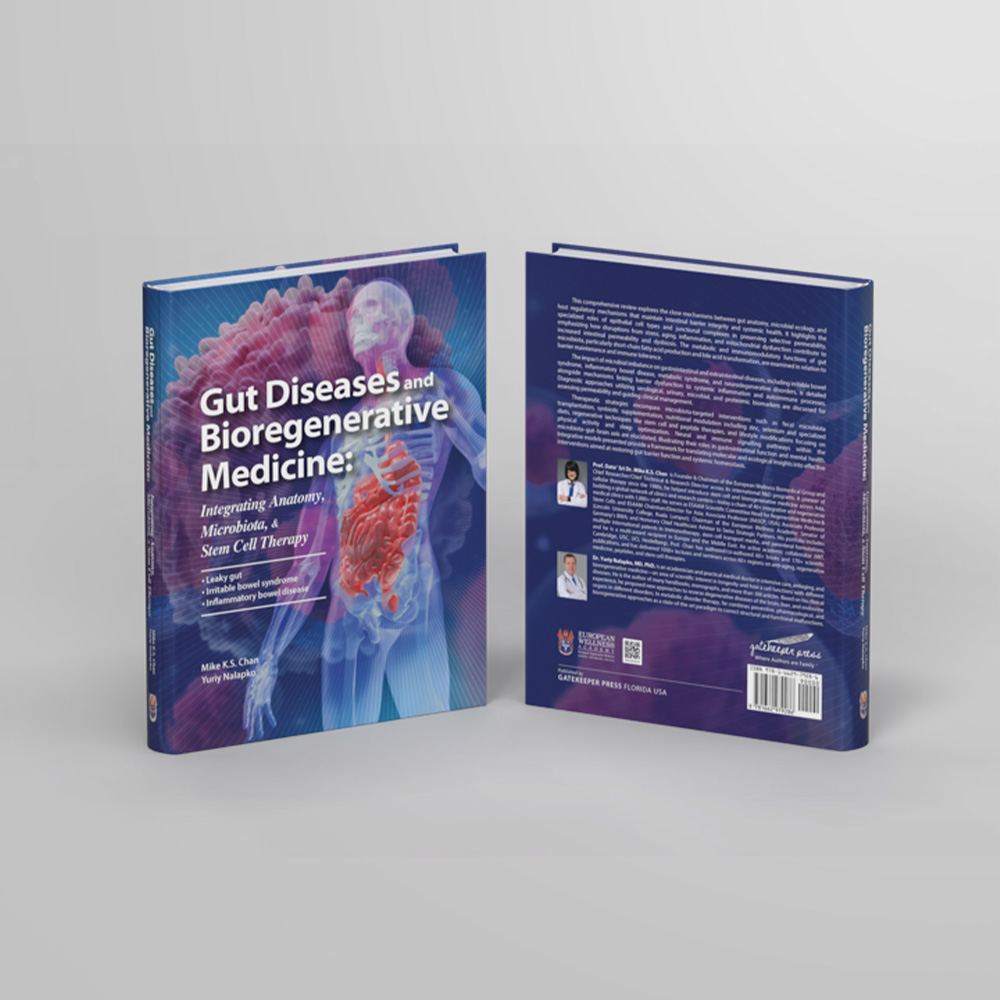
This comprehensive review explores the close mechanisms between gut anatomy, microbial ecology, and host regulatory mechanisms that maintain intestinal barrier integrity and systemic health. It highlights the specialized roles of epithelial cell types and junctional complexes in preserving selective permeability, emphasizing how disruptions from stress, aging, inflammation, and mitochondrial dysfunction contribute to increased intestinal permeability and dysbiosis. The metabolic and immunomodulatory functions of gut microbiota, particularly short-chain fatty acid production and bile acid transformation, are examined in relation to barrier maintenance and immune tolerance. The impact of microbial imbalance on gastrointestinal and extraintestinal diseases, including irritable bowel syndrome, inflammatory bowel disease, metabolic syndrome, and neurodegenerative disorders, is detailed alongside mechanisms linking barrier dysfunction to systemic inflammation and autoimmune processes. Diagnostic approaches utilizing serological, urinary, microbial, and proteomic biomarkers are discussed for assessing permeability and guiding clinical management. Therapeutic strategies encompass microbiota-targeted interventions such as fecal microbiota transplantation, synbiotic supplementation, nutritional modulation including zinc, selenium and specialized diets, regenerative techniques like stem cell and peptide therapies, and lifestyle modifications focusing on physical activity and sleep optimization. Neural and immune signalling pathways within the microbiota–gut–brain axis are elucidated, illustrating their roles in gastrointestinal function and mental health. Integrative models presented provide a framework for translating molecular and ecological insights into effective interventions aimed at restoring gut barrier function and systemic homeostasis.
