
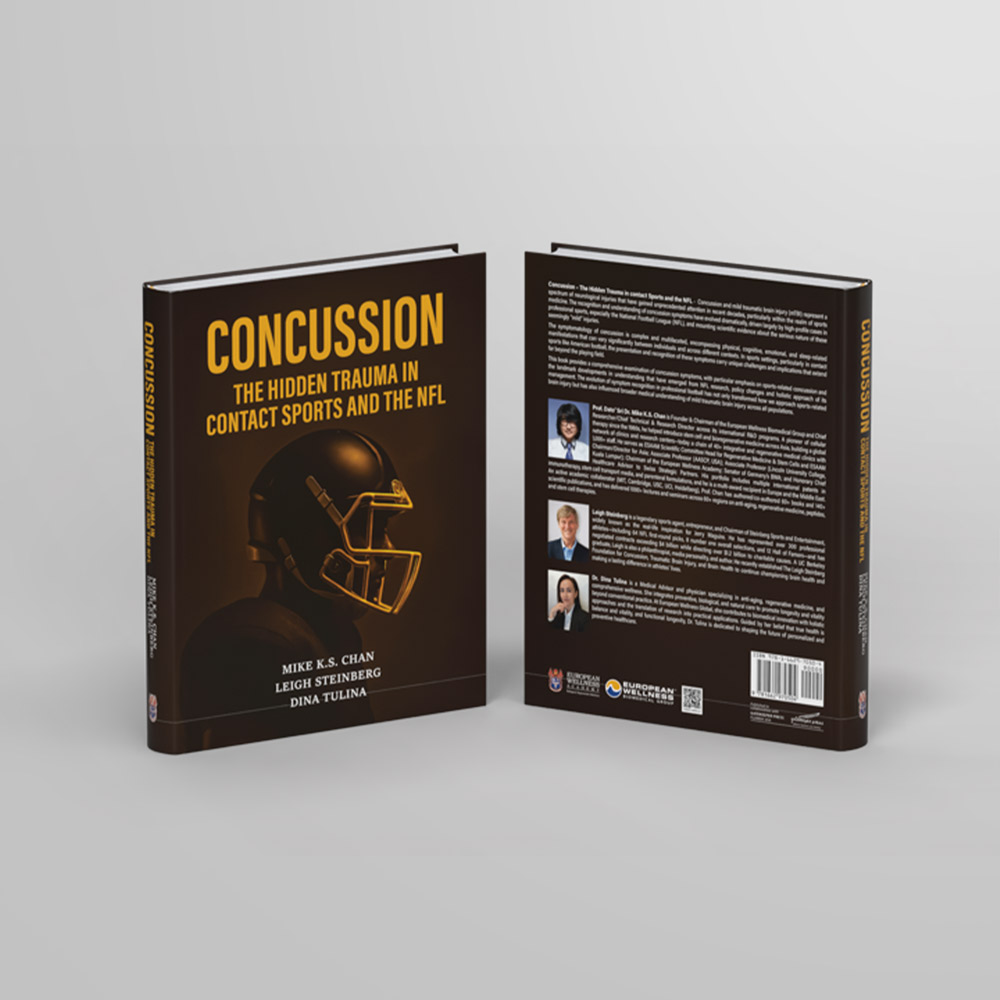
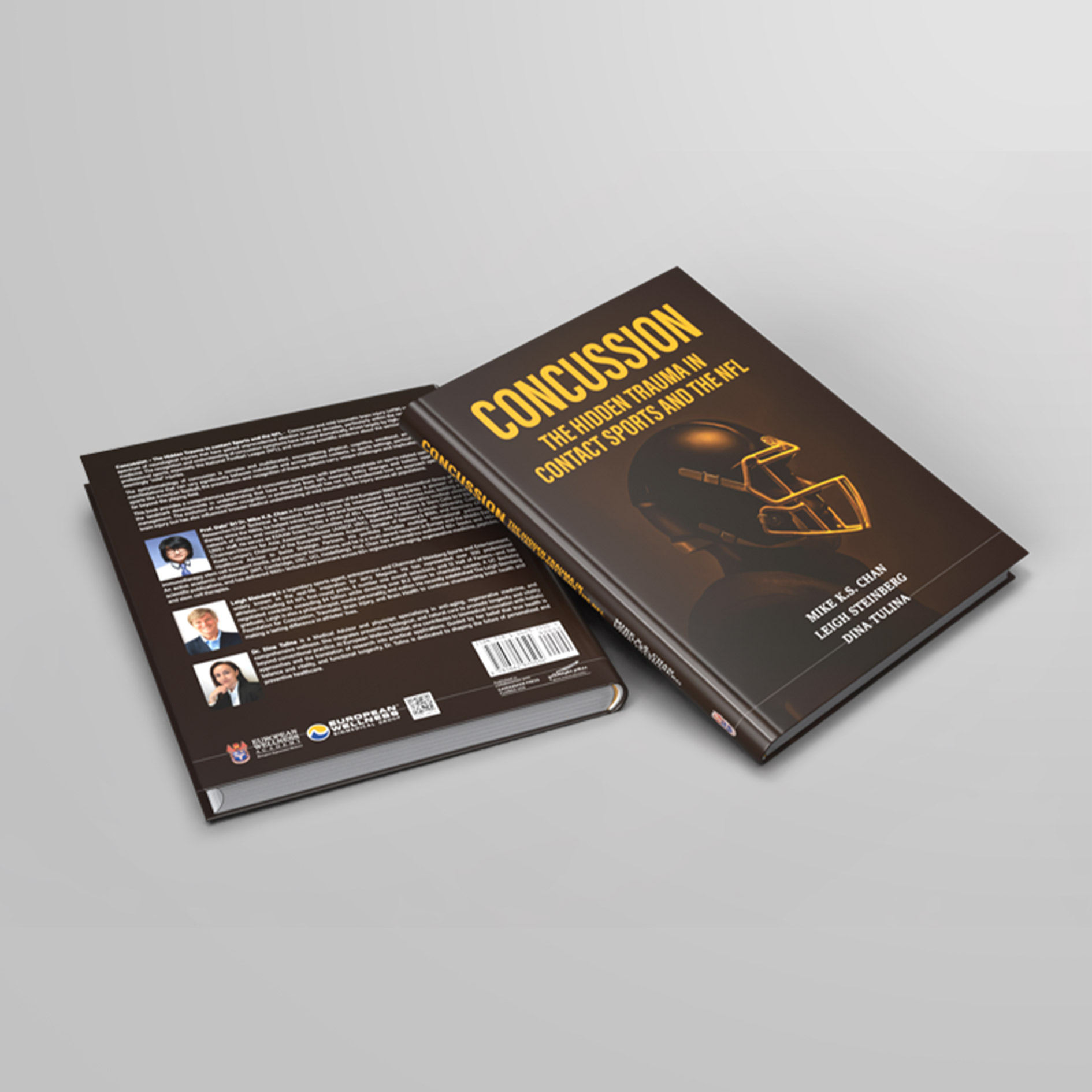
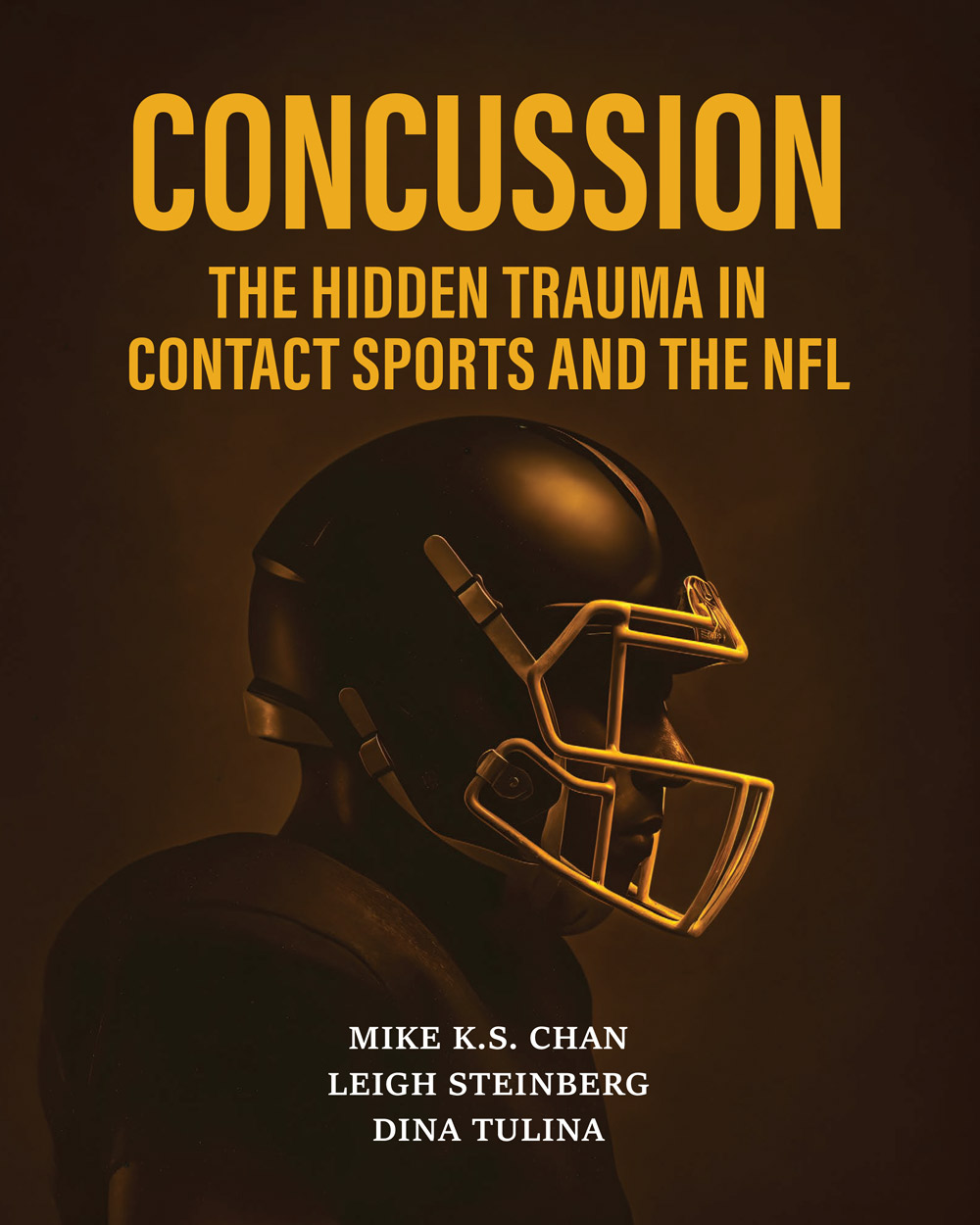




Concussion: The Hidden Trauma of Contact Sports and the NFL
Price range: $55.00 through $132.00
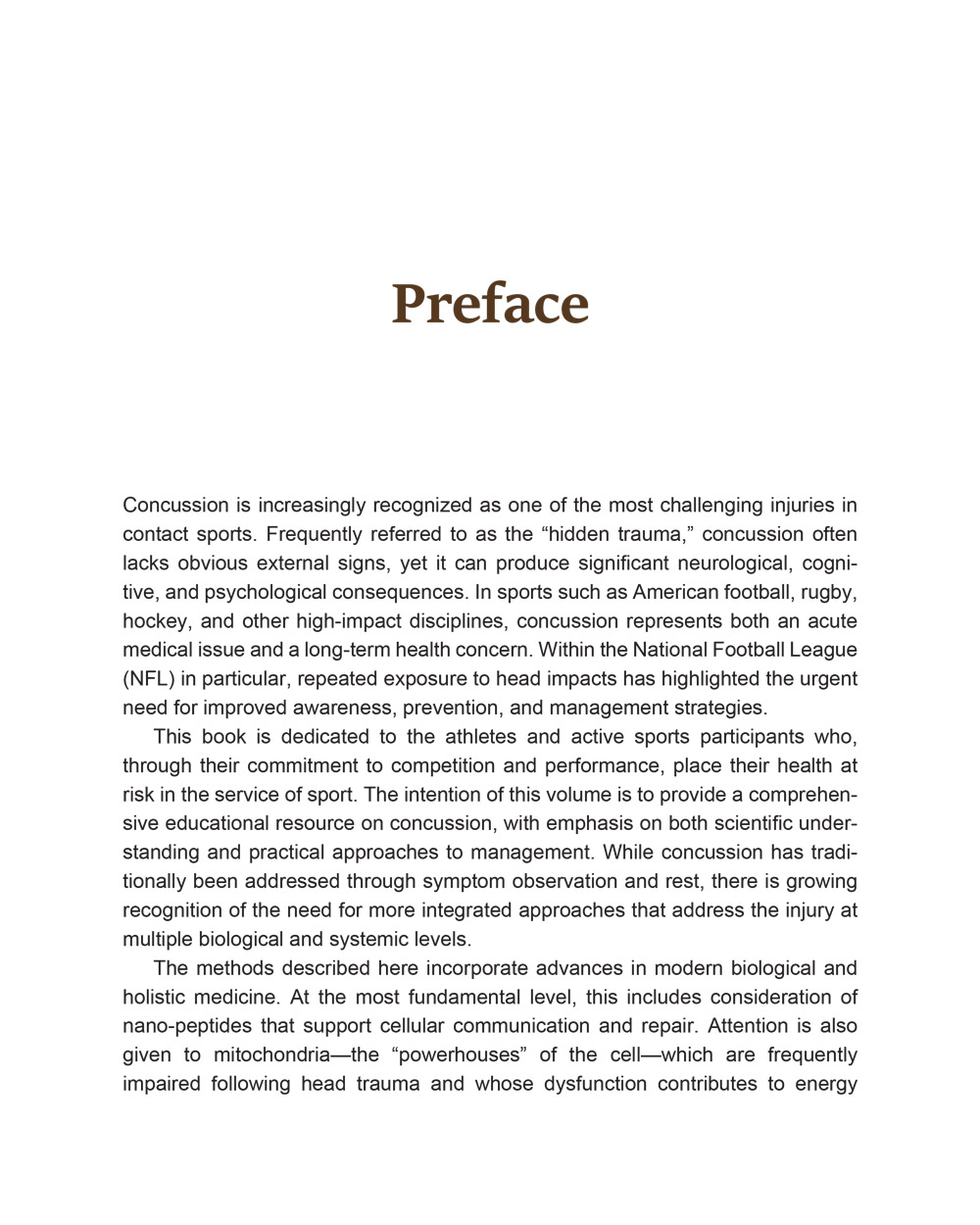
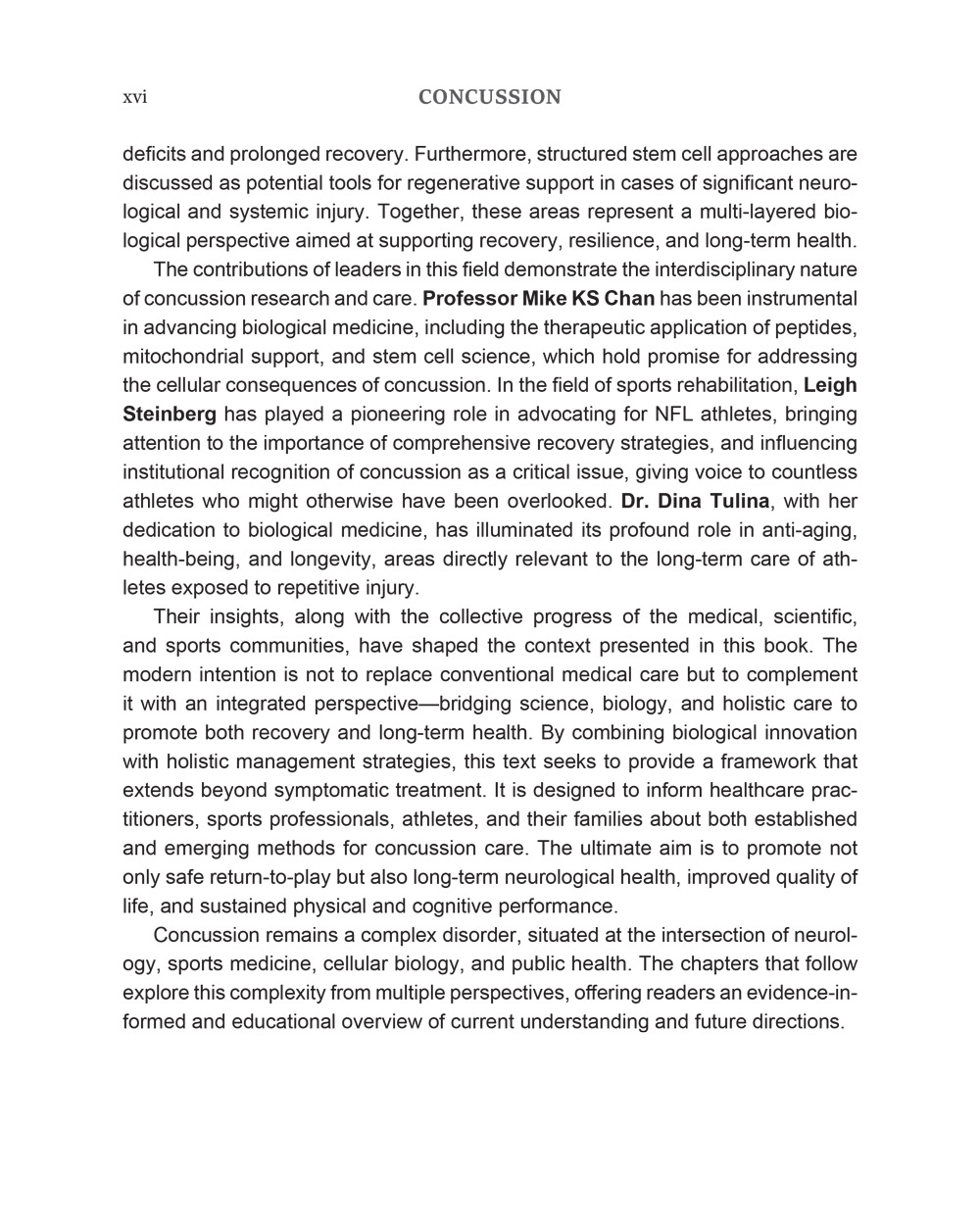
Concussion – The Hidden Trauma in contact Sports and the NFL – Concussion and mild traumatic brain injury (mTBI) represent a spectrum of neurological injuries that have gained unprecedented attention in recent decades, particularly within the realm of sports medicine. The recognition and understanding of concussion symptoms have evolved dramatically, driven largely by high-profile cases in professional sports, especially the National Football League (NFL), and mounting scientific evidence about the serious nature of these seemingly “mild” injuries.
The symptomatology of concussion is complex and multifaceted, encompassing physical, cognitive, emotional, and sleep-related manifestations that can vary significantly between individuals and across different contexts. In sports settings, particularly in contact sports like American football, the presentation and recognition of these symptoms carry unique challenges and implications that extend far beyond the playing field.
This book provides a comprehensive examination of concussion symptoms, with particular emphasis on sports-related concussion and the landmark developments in understanding that have emerged from NFL research, policy changes and holistic approach of its management. The evolution of symptom recognition in professional football has not only transformed how we approach sports-related brain injury but has also influenced broader medical understanding of mild traumatic brain injury across all populations.
Select a version to add to cart:
Description
Authors
Prof. Dr. Mike K.S. Chan, Leigh Steinberg and Dr. Dina Tulina
Published by
EUROPEAN WELLNESS ACADEMY – Medical Research
Medical Research
ISBN: 9781662970504
eISBN: 9781662970511
Library of Congress Control Number: ##
Author Bio:
Professor Dato’ Sri Dr. Mike K.S. Chan is a pioneer of Cellular and Cell Membrane Therapy in Europe and Asia since the early 1980’s. He founded one of the world’s largest researchers of Bio-Molecular Medicine based in Switzerland and Germany with a global presence in almost eighty countries. He has conducted more than 1,000 lectures, seminars, and symposiums worldwide in the fields of antiaging, cell regeneration, regenerative medicine, and stem-cell therapies.
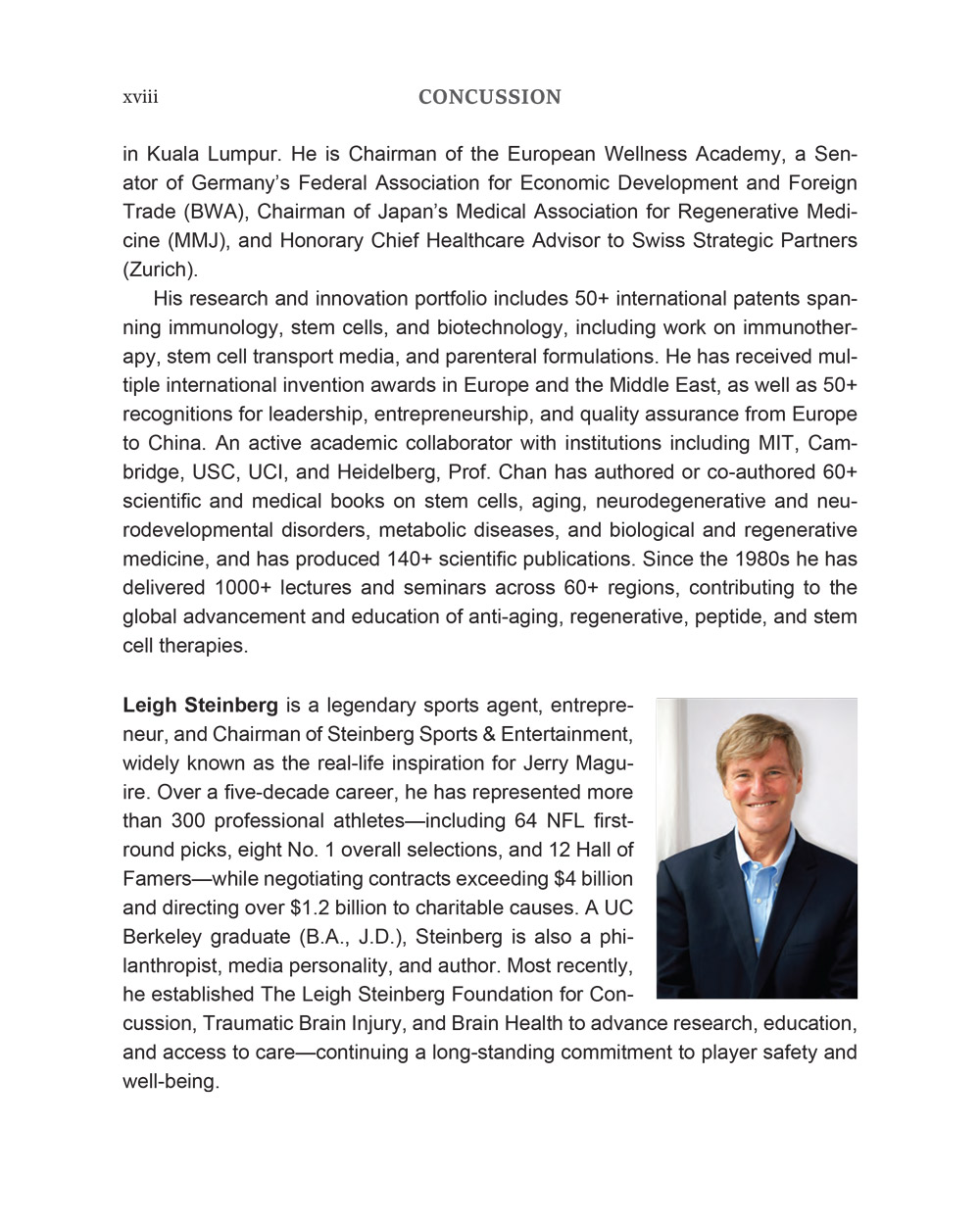
Leigh Steinberg is a legendary sports agent, entrepreneur, and Chairman of Steinberg Sports and Entertainment, widely known as the real-life inspiration for Jerry Maguire. He has represented over 300 professional athletes—including 64 NFL first-round picks, 8 number one overall selections, and 12 Hall of Famers—and has negotiated contracts exceeding $4 billion while directing over $1.2 billion to charitable causes. A UC Berkeley graduate, Leigh is also a philanthropist, media personality, and author. He recently established The Leigh Steinberg Foundation for Concussion, Traumatic Brain Injury, and Brain Health to continue championing brain health and making a lasting difference in athletes’ lives.
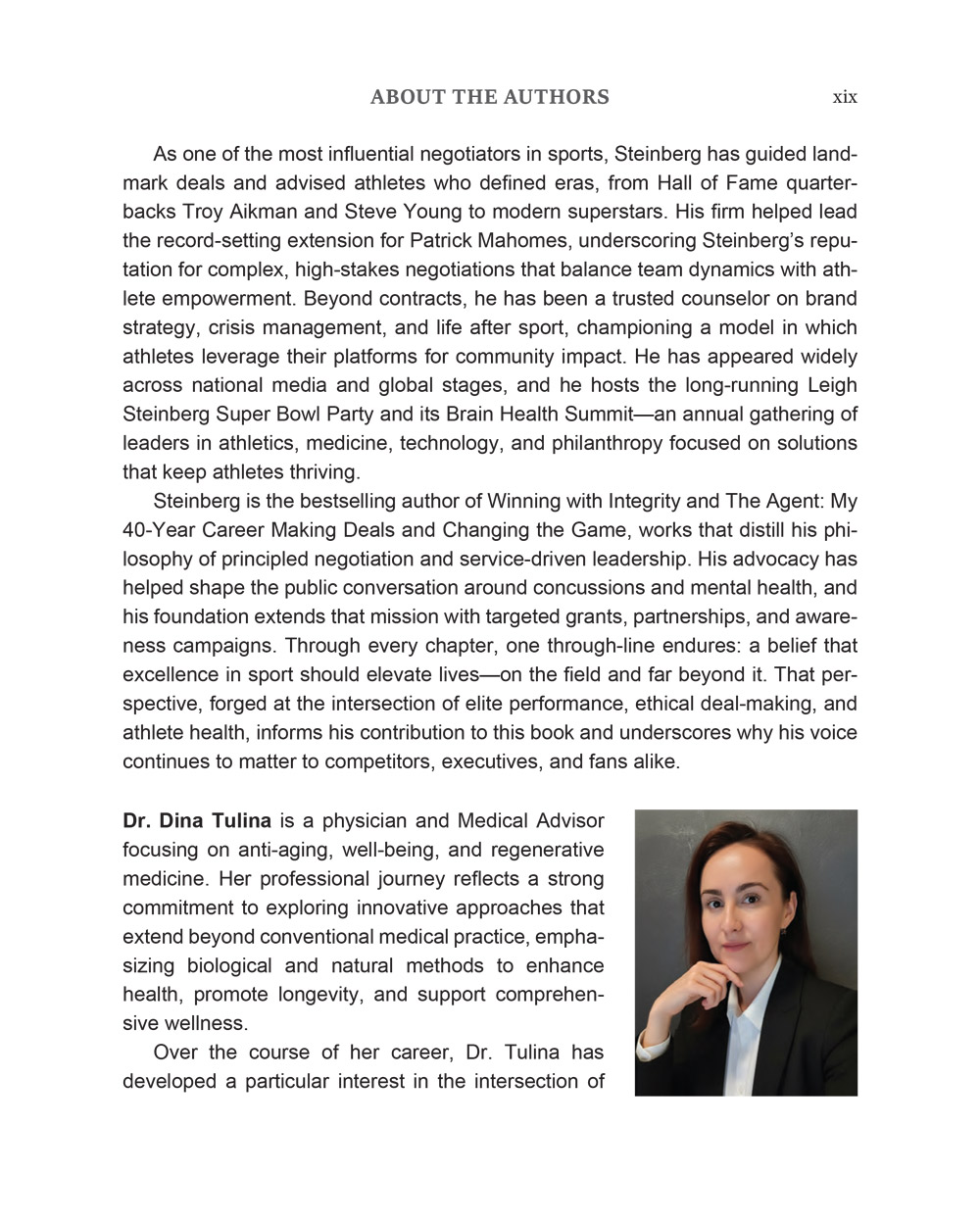
Dr. Dina Tulina is a Medical Advisor and physician specializing in anti-aging, regenerative medicine, and comprehensive wellness. She integrates preventive, biological, and natural care to promote longevity and vitality beyond conventional practice. At European Wellness Global, she contributes to biomedical innovation with holistic approaches and the translation of research into practical applications. Guided by her belief that true health is balance and vitality, and functional longevity, Dr. Tulina is dedicated to shaping the future of personalized and preventive healthcare.
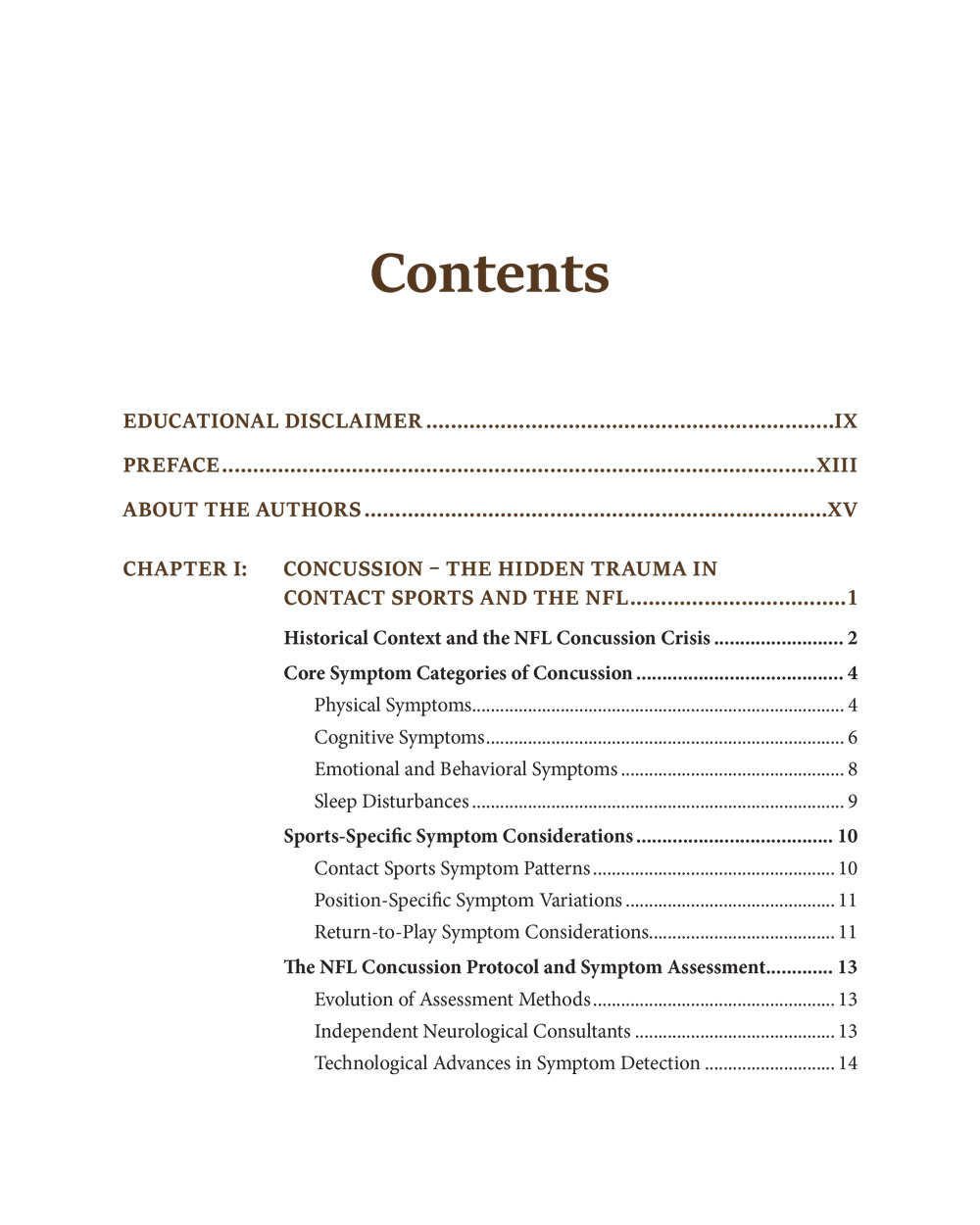
Table of Content
| EDUCATIONAL DISCLAIMER | IX |
| PREFACE | XIII |
| ABOUT THE AUTHORS | XV |
| CHAPTER I: CONCUSSION – THE HIDDEN TRAUMA IN CONTACT SPORTS AND THE NFL | 1 |
| Historical Context and the NFL Concussion Crisis | 2 |
| Core Symptom Categories of Concussion | 4 |
| Physical Symptoms | 4 |
| Cognitive Symptoms | 6 |
| Emotional and Behavioral Symptoms | 8 |
| Sleep Disturbances | 9 |
| Sports-Specific Symptom Considerations | 10 |
| Contact Sports Symptom Patterns | 10 |
| Position-Specific Symptom Variations | 11 |
| Return-to-Play Symptom Considerations | 11 |
| The NFL Concussion Protocol and Symptom Assessment | 13 |
| Evolution of Assessment Methods | 13 |
| Independent Neurological Consultants | 13 |
| Technological Advances in Symptom Detection | 14 |
| Acute vs. Delayed Symptom Presentation | 14 |
| Immediate Symptom Recognition | 14 |
| Delayed Symptom Development | 16 |
| Symptom Evolution During Recovery | 16 |
| Long-Term and Persistent Symptoms | 16 |
| Post-Concussion Syndrome in Athletes | 16 |
| Chronic Traumatic Encephalopathy | 17 |
| Neurodegenerative Disease Risk | 17 |
| Symptom Assessment Tools and Protocols | 18 |
| Standardized Assessment Instruments | 18 |
| Computerized Neurocognitive Testing | 18 |
| Biomarker Development | 21 |
| Gender and Individual Differences in Symptom Presentation | 21 |
| Emerging Research on Female Athletes | 21 |
| Age and Experience Factors | 22 |
| Cultural and Psychological Factors | 22 |
| Impact of Repeated Concussions on Symptom Patterns | 22 |
| Cumulative Symptom Effects | 22 |
| Subconcussive Impact Effects | 24 |
| Second Impact Syndrome Risk | 24 |
| Technology and Innovation in Symptom Detection | 25 |
| Wearable Technology and Monitoring | 25 |
| Virtual Reality and Assessment | 25 |
| Artificial Intelligence and Machine Learning | 26 |
| Prevention and Management Strategies | 26 |
| Rule Changes and Equipment Innovations | 26 |
| Education and Culture Change | 27 |
| Medical Protocol Evolution | 27 |
| CONCUSSION AS A MILD TRAUMATIC BRAIN INJURY | 29 |
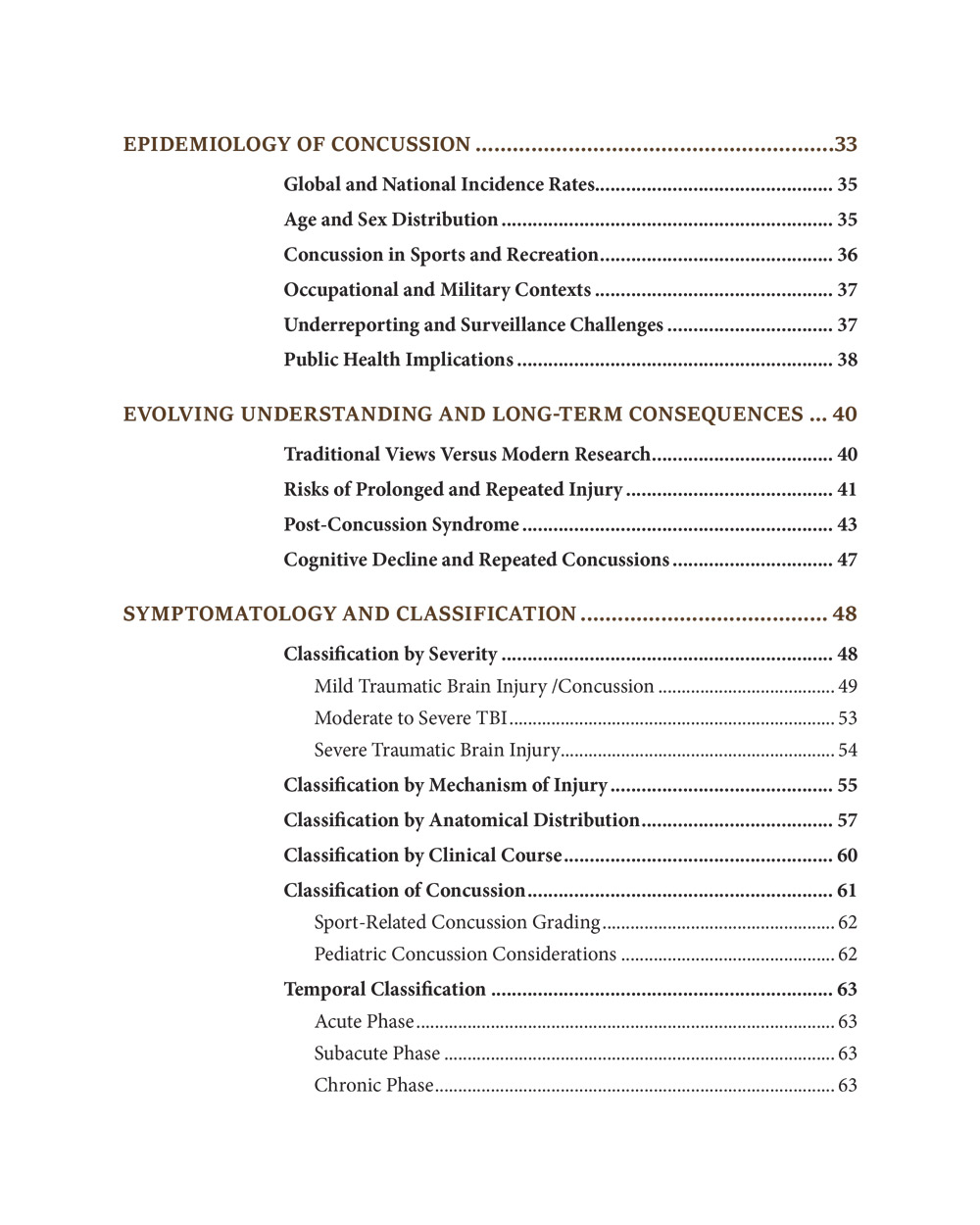
| EPIDEMIOLOGY OF CONCUSSION | 33 |
| Global and National Incidence Rates | 35 |
| Age and Sex Distribution | 35 |
| Concussion in Sports and Recreation | 36 |
| Occupational and Military Contexts | 37 |
| Underreporting and Surveillance Challenges | 37 |
| Public Health Implications | 38 |
| EVOLVING UNDERSTANDING AND LONG-TERM CONSEQUENCES | 40 |
| Traditional Views Versus Modern Research | 40 |
| Risks of Prolonged and Repeated Injury | 41 |
| Post-Concussion Syndrome | 43 |
| Cognitive Decline and Repeated Concussions | 47 |
| SYMPTOMATOLOGY AND CLASSIFICATION | 48 |
| Classification by Severity | 48 |
| Mild Traumatic Brain Injury /Concussion | 49 |
| Moderate to Severe TBI | 53 |
| Severe Traumatic Brain Injury | 54 |
| Classification by Mechanism of Injury | 55 |
| Classification by Anatomical Distribution | 57 |
| Classification by Clinical Course | 60 |
| Classification of Concussion | 61 |
| Sport-Related Concussion Grading | 62 |
| Pediatric Concussion Considerations | 62 |
| Temporal Classification | 63 |
| Acute Phase | 63 |
| Subacute Phase | 63 |
| Chronic Phase | 63 |
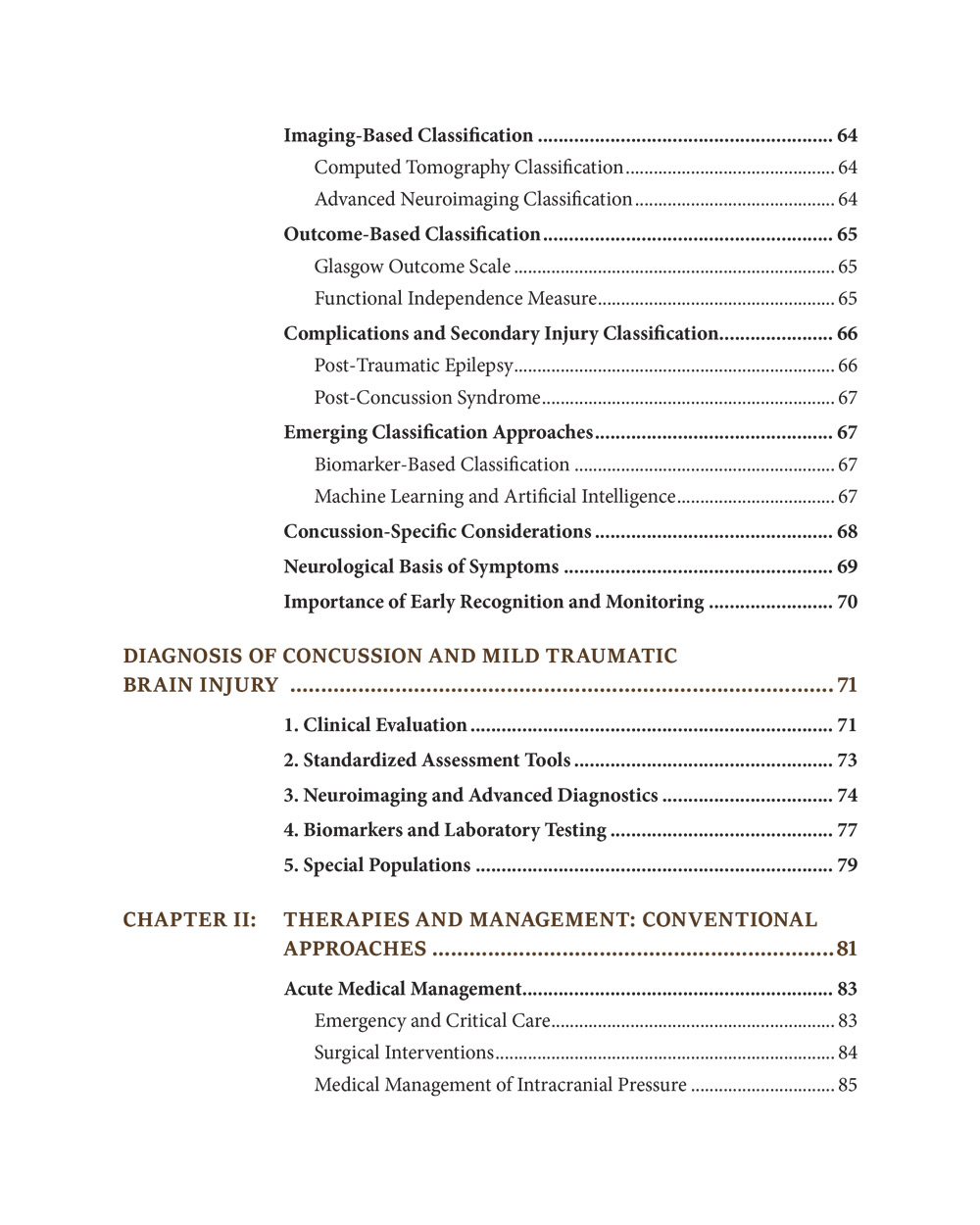
| Imaging-Based Classification | 64 |
| Computed Tomography Classification | 64 |
| Advanced Neuroimaging Classification | 64 |
| Outcome-Based Classification | 65 |
| Glasgow Outcome Scale | 65 |
| Functional Independence Measure | 65 |
| Complications and Secondary Injury Classification | 66 |
| Post-Traumatic Epilepsy | 66 |
| Post-Concussion Syndrome | 67 |
| Emerging Classification Approaches | 67 |
| Biomarker-Based Classification | 67 |
| Machine Learning and Artificial Intelligence | 67 |
| Concussion-Specific Considerations | 68 |
| Neurological Basis of Symptoms | 69 |
| Importance of Early Recognition and Monitoring | 70 |
| DIAGNOSIS OF CONCUSSION AND MILD TRAUMATIC BRAIN INJURY | 71 |
| Clinical Evaluation | 71 |
| Standardized Assessment Tools | 73 |
| Neuroimaging and Advanced Diagnostics | 74 |
| Biomarkers and Laboratory Testing | 77 |
| Special Populations | 79 |
| CHAPTER II: THERAPIES AND MANAGEMENT: CONVENTIONAL APPROACHES | 81 |
| Acute Medical Management | 83 |
| Emergency and Critical Care | 83 |
| Surgical Interventions | 84 |
| Medical Management of Intracranial Pressure | 85 |
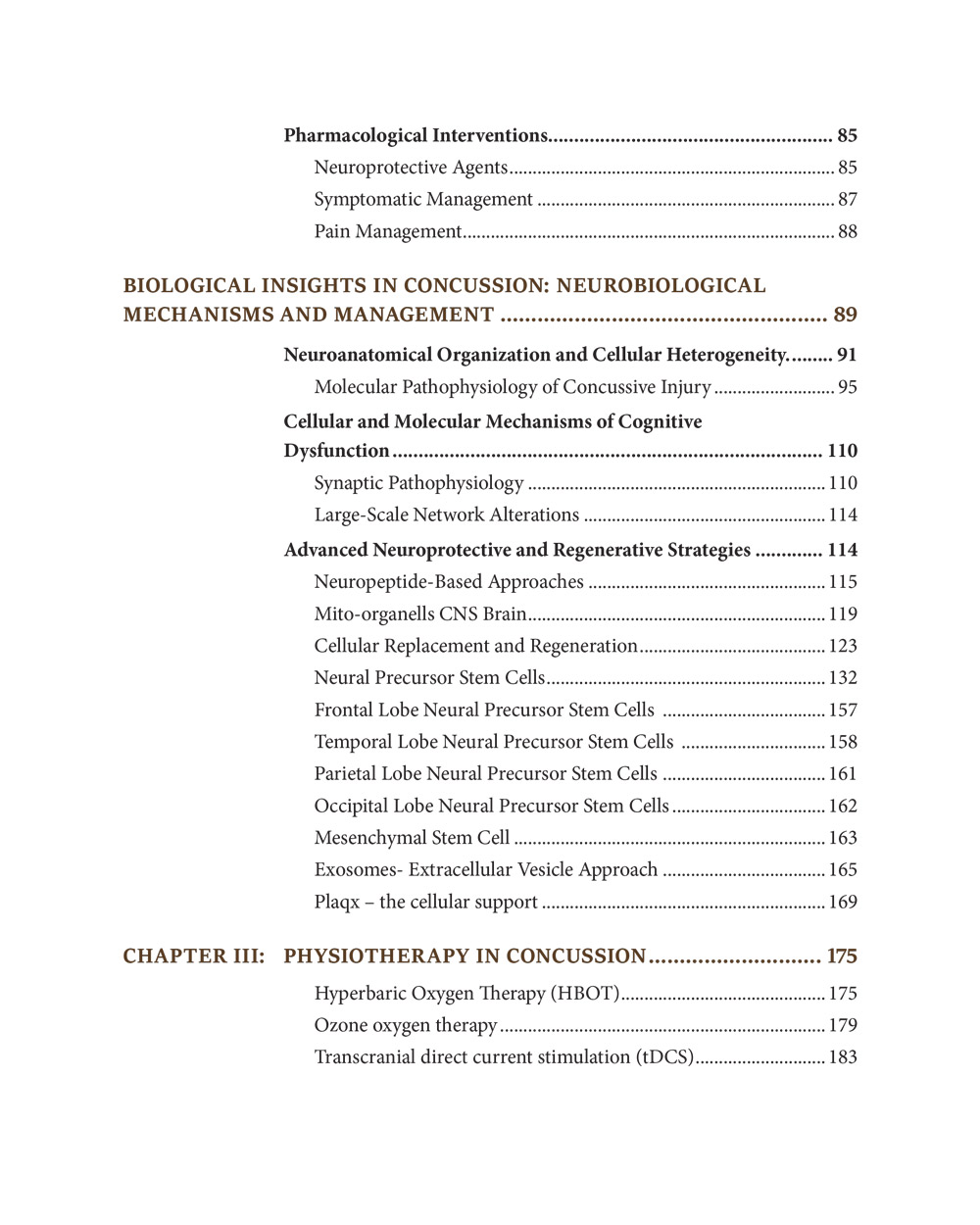
| Pharmacological Interventions. | 85 |
| Neuroprotective Agents | 85 |
| Symptomatic Management | 87 |
| Pain Management | 88 |
| BIOLOGICAL INSIGHTS IN CONCUSSION: NEUROBIOLOGICAL MECHANISMS AND MANAGEMENT | 89 |
| Neuroanatomical Organization and Cellular Heterogeneity | 91 |
| Molecular Pathophysiology of Concussive Injury | 95 |
| Cellular and Molecular Mechanisms of Cognitive Dysfunction | 110 |
| Synaptic Pathophysiology | 110 |
| Large-Scale Network Alterations | 114 |
| Advanced Neuroprotective and Regenerative Strategies | 115 |
| Neuropeptide-Based Approaches | 115 |
| Mito-organells CNS Brain | 119 |
| Cellular Replacement and Regeneration | 123 |
| Neural Precursor Stem Cells | 132 |
| Frontal Lobe Neural Precursor Stem Cells | 157 |
| Temporal Lobe Neural Precursor Stem Cells | 158 |
| Parietal Lobe Neural Precursor Stem Cells | 161 |
| Occipital Lobe Neural Precursor Stem Cells | 162 |
| Mesenchymal Stem Cell | 163 |
| Exosomes- Extracellular Vesicle Approach | 165 |
| Plaqx – the cellular support | 169 |
| CHAPTER III: PHYSIOTHERAPY IN CONCUSSION | 175 |
| Hyperbaric Oxygen Therapy (HBOT) | 175 |
| Ozone oxygen therapy | 179 |
| Transcranial direct current stimulation (tDCS) | 183 |
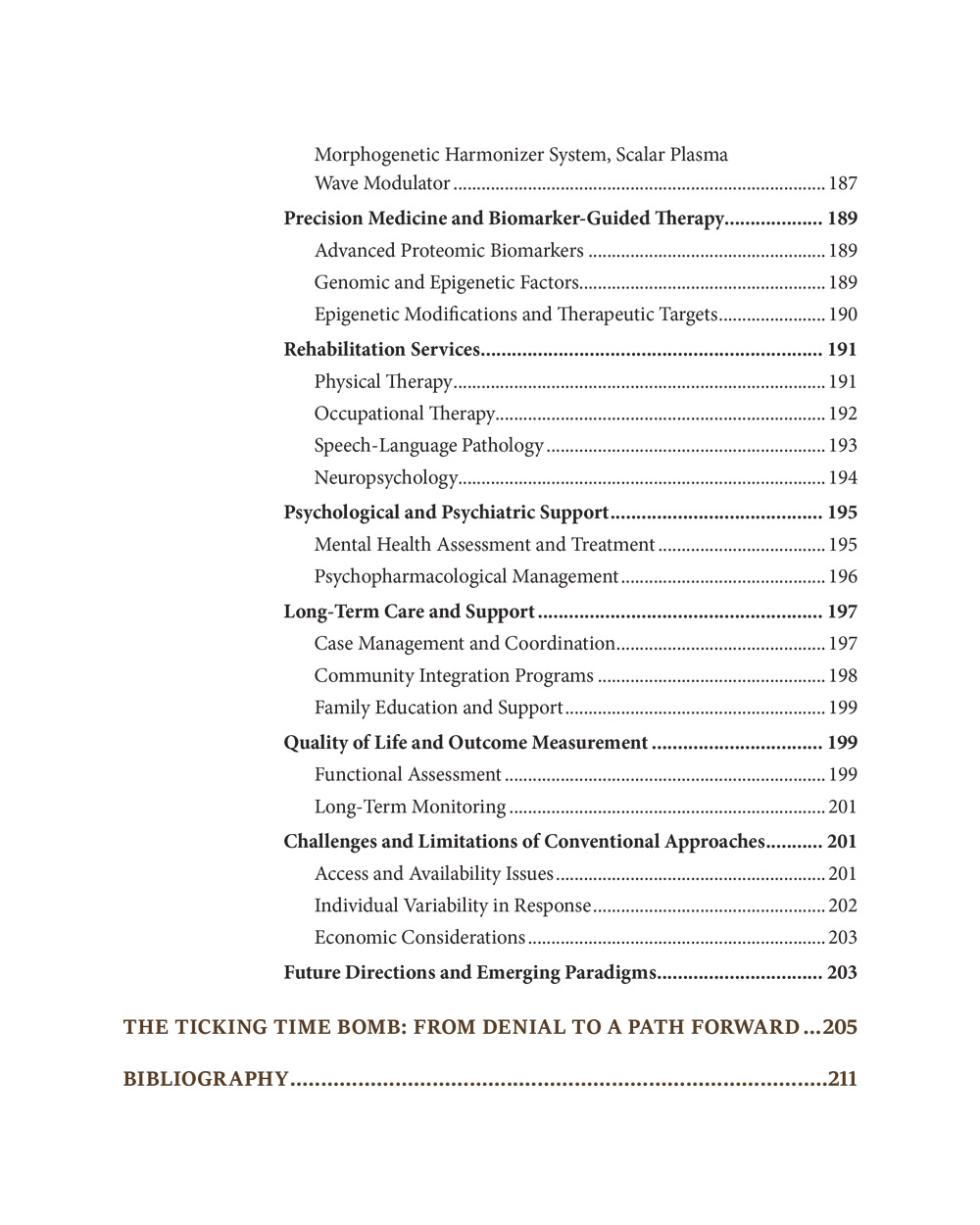
| Morphogenetic Harmonizer System, Scalar Plasma Wave Modulator | 187 |
| Precision Medicine and Biomarker-Guided Therapy | 189 |
| Advanced Proteomic Biomarkers | 189 |
| Genomic and Epigenetic Factors | 189 |
| Epigenetic Modifications and Therapeutic Targets | 190 |
| Rehabilitation Services | 191 |
| Physical Therapy | 191 |
| Occupational Therapy | 192 |
| Speech-Language Pathology | 193 |
| Neuropsychology | 194 |
| Psychological and Psychiatric Support | 195 |
| Mental Health Assessment and Treatment | 195 |
| Psychopharmacological Management | 196 |
| Long-Term Care and Support | 197 |
| Case Management and Coordination | 197 |
| Community Integration Programs | 198 |
| Family Education and Support | 199 |
| Quality of Life and Outcome Measurement | 199 |
| Functional Assessment | 199 |
| Long-Term Monitoring | 201 |
| Challenges and Limitations of Conventional Approaches | 201 |
| Access and Availability Issues | 201 |
| Individual Variability in Response | 202 |
| Economic Considerations | 203 |
| THE TICKING TIME BOMB: FROM DENIAL TO A PATH FORWARD | 205 |
| BIBLIOGRAPHY | 211 |
Additional information
| Weight | N/A |
|---|---|
| Select Book Type | Printed English (Hardcover), eBook English, Printed English (Hardcover) + eBook English, eBook Chinese Simplified (简体)* + eBook English, eBook Chinese Traditional (繁体)* + eBook English, eBook Spanish* + eBook English, eBook Japanese* + eBook English, eBook Vietnamese* + eBook English, eBook Thai* + eBook English, eBook Arabic* + eBook English, eBook Korean* + eBook English, eBook Indonesian* + eBook English, eBook Portuguese* + eBook English |
Only logged in customers who have purchased this product may leave a review.
You may also like…
-
 Select options This product has multiple variants. The options may be chosen on the product page
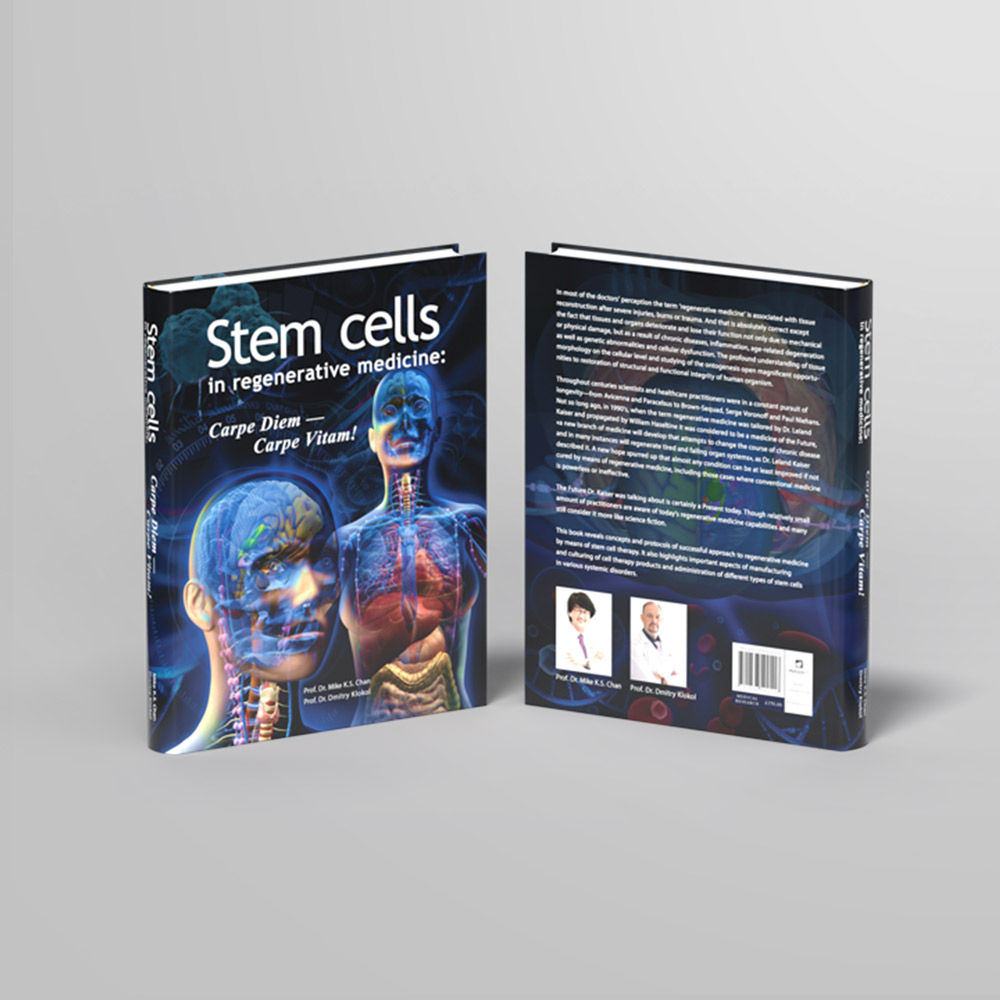
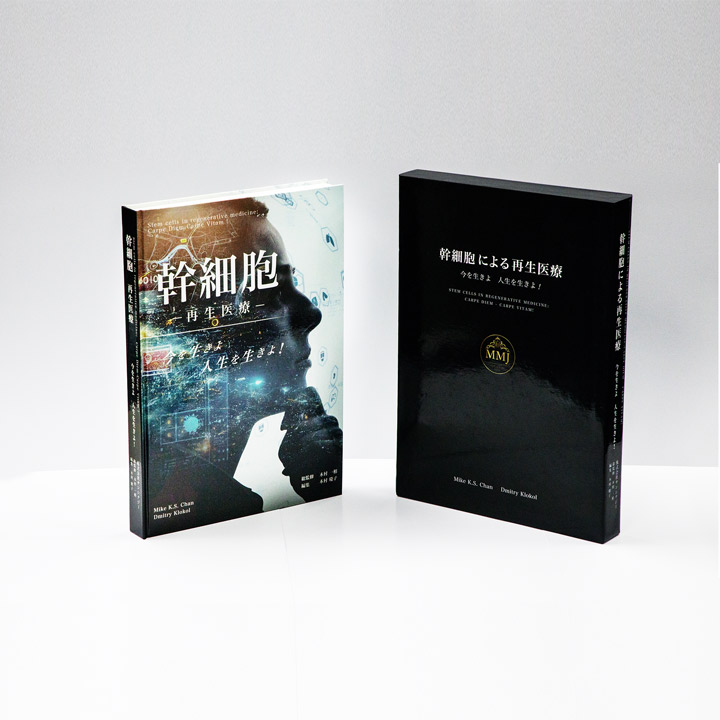
Stem Cells in Regenerative Medicine: Carpe Diem – Carpe Vitam!
Price range: $100.00 through $190.00 -
 Select options This product has multiple variants. The options may be chosen on the product page
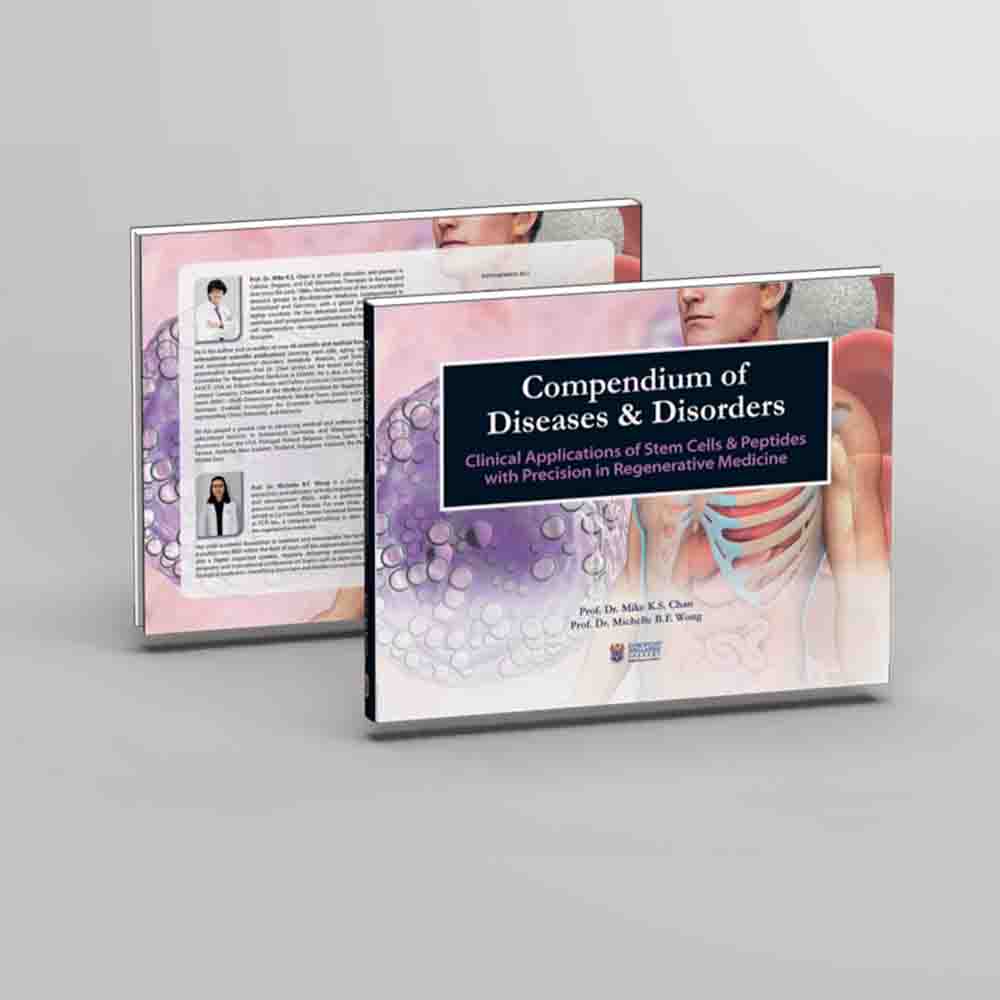
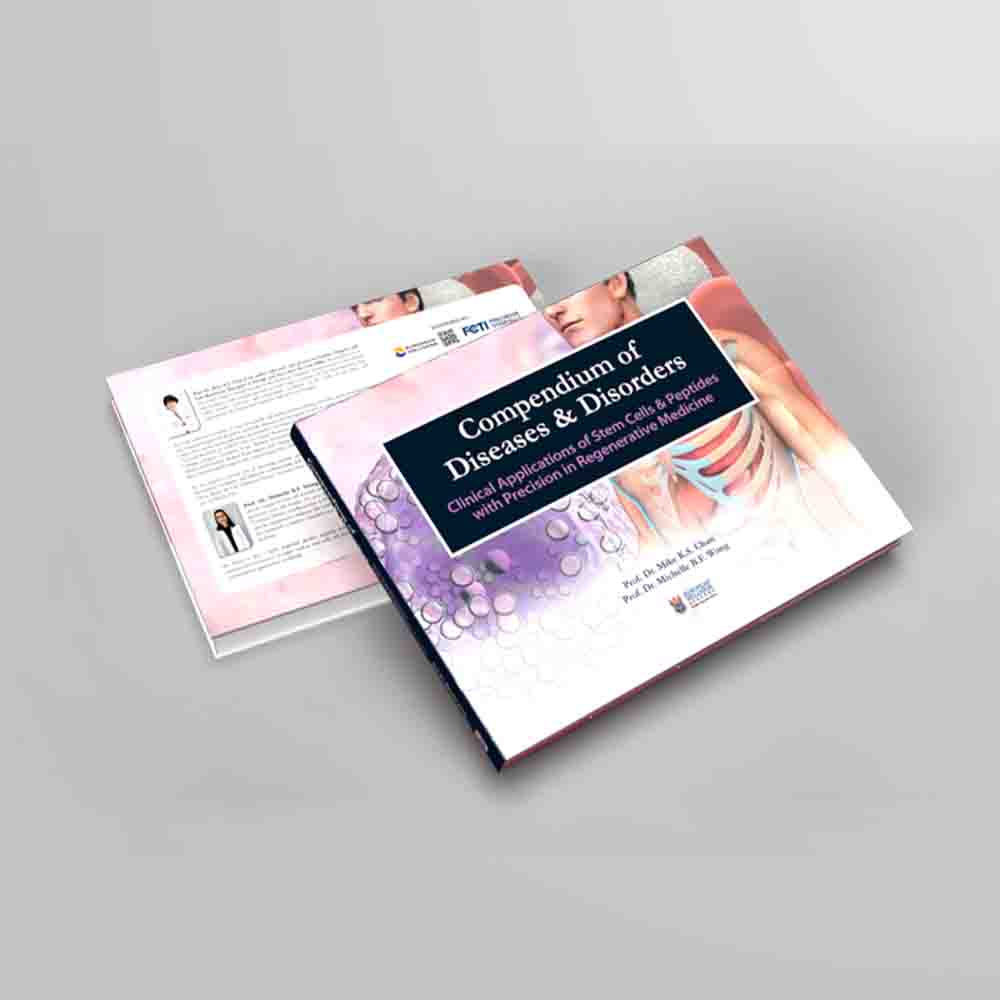
Compendium of Diseases & Disorders – Clinical Applications of Stem Cells & Peptides with Precision in Regenerative Medicine
Price range: $75.00 through $180.00
Related products
-
 Select options This product has multiple variants. The options may be chosen on the product page
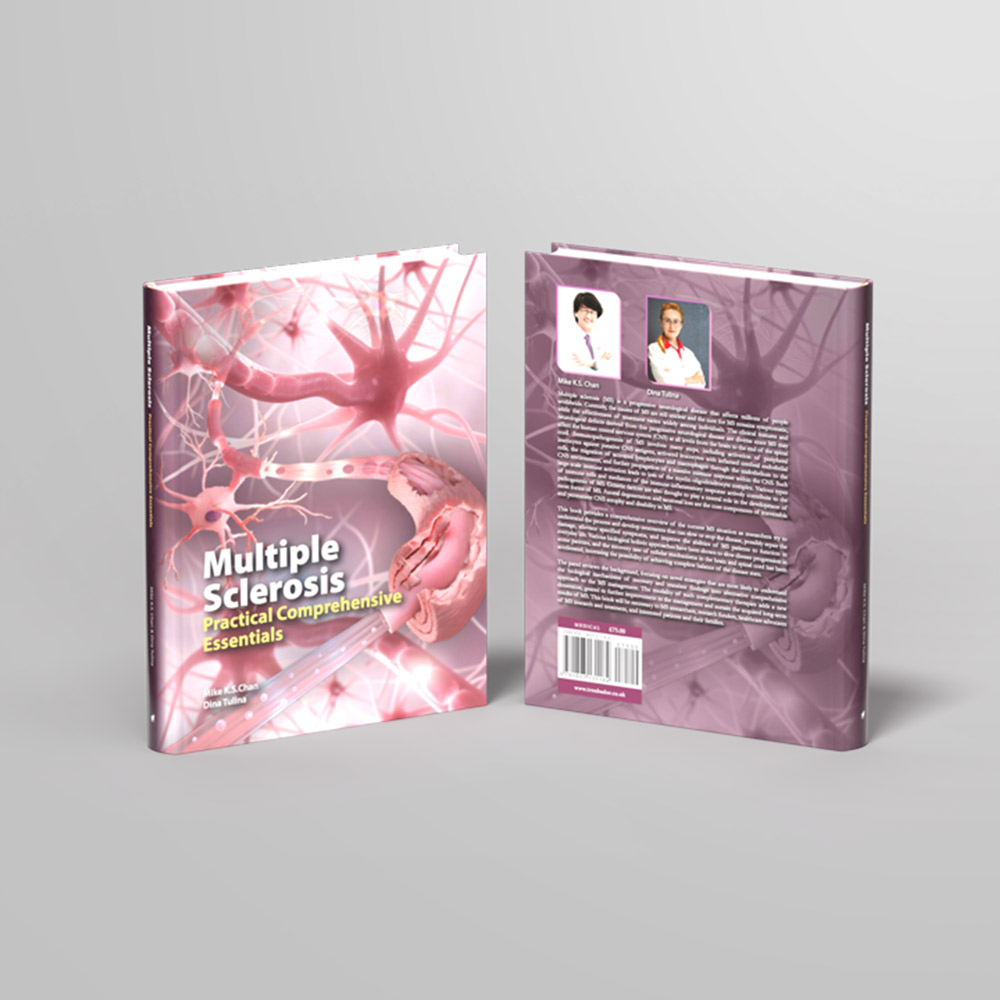
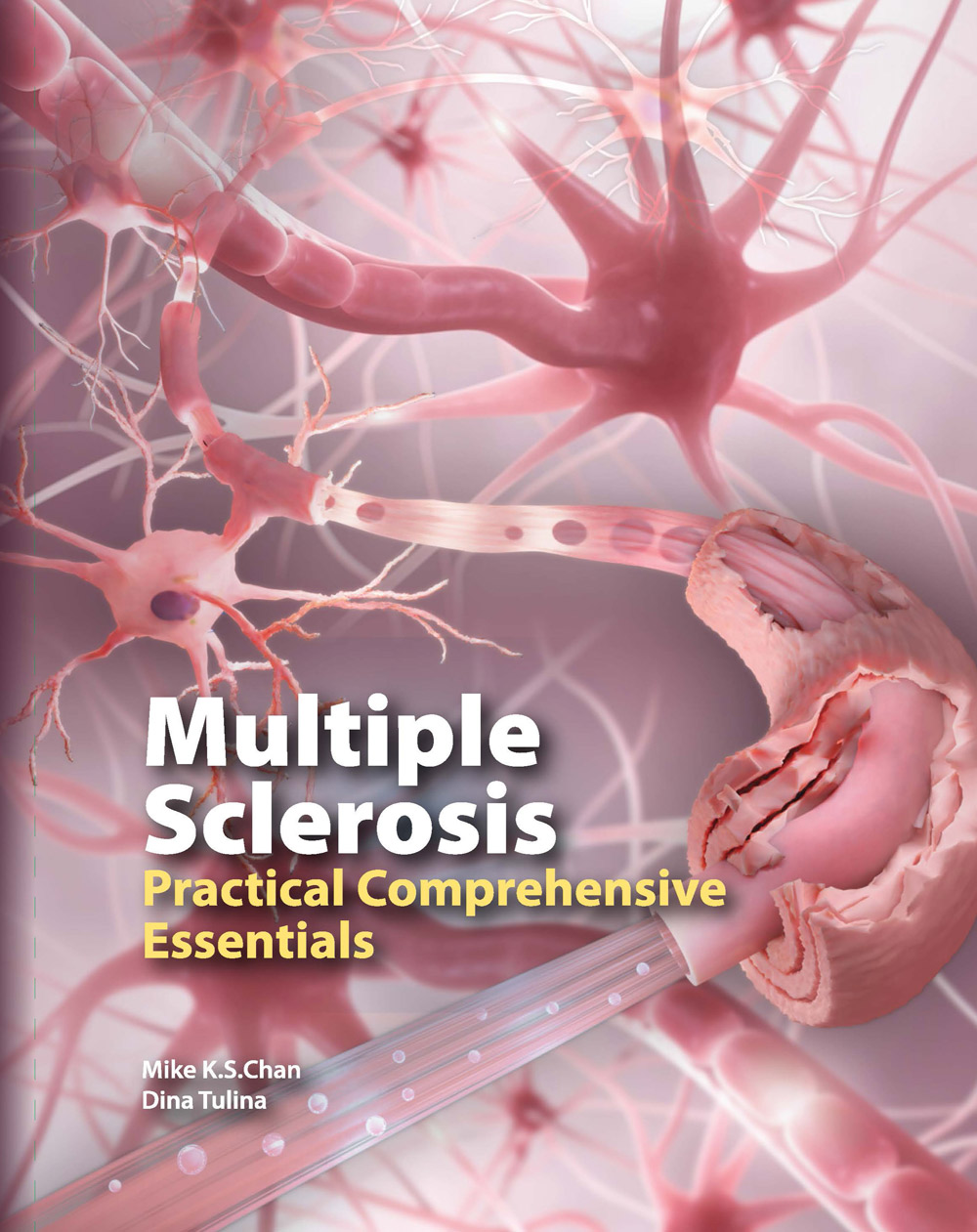
Multiple Sclerosis – Practical comprehensive Essentials
Price range: $55.00 through $110.00



Reviews
There are no reviews yet.