

Authors: Prof. Dr. Mike K.S. Chan, Krista Casazza, Prof. Dr. Michelle B.F. Wong, Dr. Dmytro Klokol, Dr. Olha Nishkumay and Jonathan R.T. Lakey
Publisher: Journal of Stem Cell Research; 7(3), 2026
Publisher's URL: https://doi.org/10.52793/JSCR.2026.7(3)-98
MORE PUBLICATIONS:
https://european-wellness.eu/publications/
In biomedical research, the choice of cellular model can profoundly influence how accurately laboratory findings reflect real human biology.
About the Publication:
Cell cultures are fundamental tools in biomedical research, but not all cellular models replicate human biology in the same way.
This publication critically examines primary cell cultures and immortalized cell lines, highlighting important considerations surrounding their biological fidelity and suitability for translational research.
Primary cells offer the advantage of retaining characteristics more closely associated with their tissue of origin, while immortalized cell lines provide practical benefits for reproducibility, scalability, and long-term experimental use. Understanding these differences is essential when selecting models that can generate meaningful and clinically relevant research.
Key Areas Explored:
- Biological fidelity and preservation of tissue-specific characteristics
- Genomic and epigenetic stability across cellular models
- Advantages and limitations of primary cell cultures versus immortalized cell lines
- The importance of choosing appropriate experimental models for reliable biomedical research
- Implications of cellular model selection for translational and regenerative medicine
Why It Matters
The journey from laboratory discovery to clinical application begins with the quality and relevance of the experimental model.
By critically examining the strengths and limitations of primary cells and immortalized cell lines, this publication reinforces the importance of selecting cellular models that align with the biological question being investigated, helping strengthen the reliability, reproducibility, and translational value of biomedical research.
Primary Cell Cultures Versus Immortalized Cell Lines: Critical Comparative Insights Into Biological Fidelity and Translational Applications
by
Latifah Suali, Yvonne Chia, Christianus Rustin, Fui Fui Lem, Xin Jie Ching, Mila Atiqah binti Mansur, Zachary Alden Henry, Prof. Dr. Mike K.S. Chan, Prof. Dr. Michelle B.F. Wong and Shing Yi Pan
Biotechnic & Histochemistry; 101(6), 2026
https://doi.org/10.1080/10520295.2026.2714776
MORE PUBLICATIONS:
https://european-wellness.eu/publications/
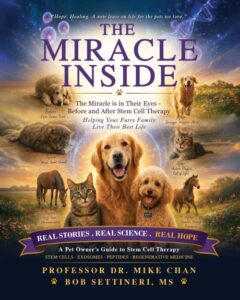
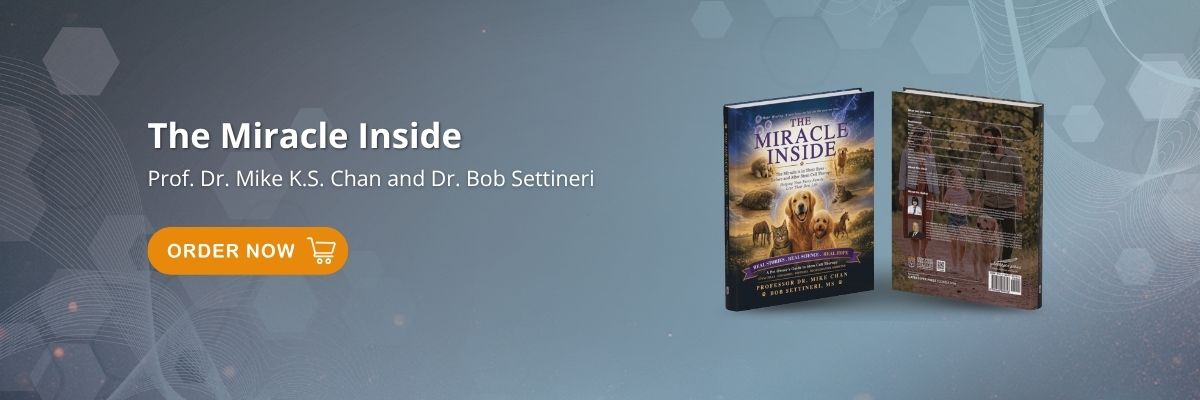
Authors: Prof. Dr. Mike K.S. Chan and Dr. Bob Settineri
Published by: EUROPEAN WELLNESS ACADEMY
ISBN: 9781662980756 eISBN: 9781662980763
Library of Congress Control Number: 2026949978
This guide was created to help pet owners understand stem cell therapy, including Dr. Mike Chan’s revolutionary approach, in plain language. While every effort has been made to provide accurate, up-to-date information based on current scientific literature, always consult with a qualified veterinarian before making treatment decisions for your pet. The references provided represent key studies and sources that support the information presented in this book. Stem cell therapy is a rapidly evolving field, and new developments occur regularly. Your veterinarian can provide the most current information specific to your pet’s needs. Your pet’s health journey is unique – this book is just the beginning of that conversation.
What you will learn
How stem cell therapy works in pets, conditions it can help treat, step-by-step treatment process, real-life success stories and what to expect before and after treatment.
Testimonials
MARIA:
He wasn’t exactly a puppy again, but he was definitely our Buster. Happy, social, and pain-free. We got two more wonderful years with him before he passed peacefully at 14. Those extra years of quality life were priceless.
DAVID:
She lived five more years after that treatment. Five years of being her sassy, particular self. She never had another flare-up. Sometimes I still can’t believe it worked so well.
SARAH:
Thunder worked until he was 20. Not because he had to, but because he wanted to. The stem cell therapy gave him four more years of doing what he loved.
CAROL:
Smokey lived another two years after that treatment. Good quality years where he was back to his old self—sleeping in sunny spots... and demanding exactly three treats before bedtime.
BOB & EIKA SETTINERI:
Buddy is on his way back to becoming more active. He is coughing less, playing more, and is becoming more alert and spunkier. The dynamic combination... has sparked renewed health and improved the quality of Buddy’s life.
Authors Bio:
Professor Dato’ Sri Dr. Mike K.S. Chan is a pioneer of Cellular and Cell Membrane Therapy in Europe and Asia since the early 1980’s. He founded one of the world’s largest researchers of Bio-Molecular Medicine based in Switzerland and Germany with a global presence in almost eighty countries. He has conducted more than 1,000 lectures, seminars, and symposiums worldwide in the fields of antiaging, cell regeneration, regenerative medicine, and stem-cell therapies.
Bob Settineri, M.S., CEO and Research Director of Sierra Productions Research. Bob dedicated most of his life to studying, exploring, and researching cellular biology related to health. Bob’s dedication and enthusiasm to uncover the cells’ secrets have led to 64 scientific publications. He is a consultant specializing in pre-clinical/clinical research, as well as product development. Bob has nine patents for natural dietary supplements. He also writes, produces, and directs medical educational videos & films, which have received 37 international awards. These films were translated into eight languages and distributed in 80 countries. Bob is the author of the books entitled Live Healthier Better and Longer with Hydrogen (H2.) and Detox Outside the Box.
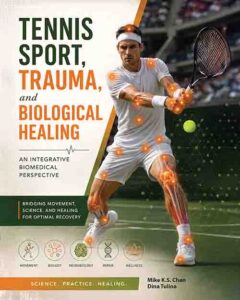
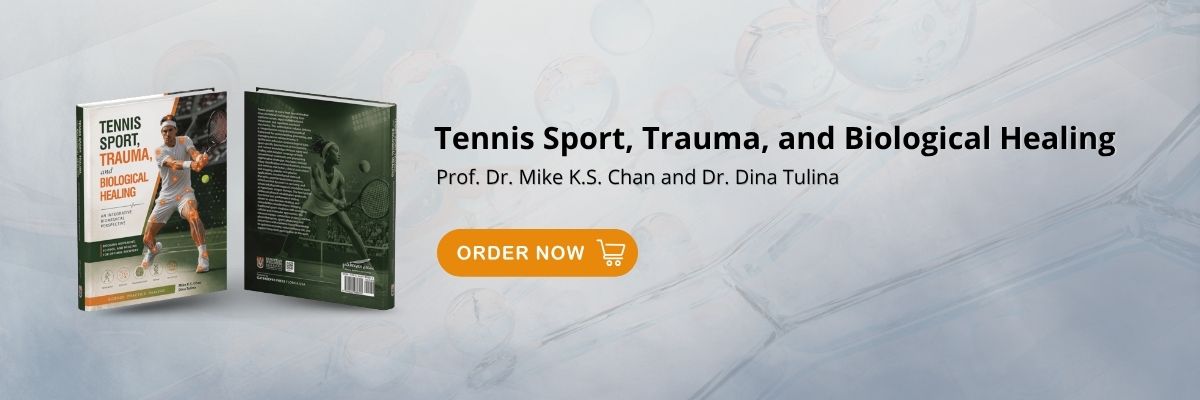
Authors: Prof. Dr. Mike K.S. Chan and Dr. Dina Tulina
Published by: EUROPEAN WELLNESS ACADEMY – Medical Research
ISBN: 9781662980305 eISBN: 9781662980312
Library of Congress Control Number: 2026949572
Tennis players at every level face distinctive musculoskeletal challenges arising from explosive serves, rapid multidirectional movement, and repetitive overhead mechanics. This authoritative volume delivers a comprehensive integrative biomedical framework for understanding, preventing, and managing tennis-related trauma. It synthesizes extensive epidemiological data, sport-specific biomechanical mechanisms, and current knowledge of tissue injury and healing with detailed coverage of both conventional treatments and pioneering regenerative strategies. Key topics include injury classification and mechanisms, intrinsic and extrinsic risk factors, clinical assessment and imaging, platelet-rich plasma applications, mesenchymal stem cell therapies, peptide-based interventions, mitochondrial dynamics in recovery, and advanced physiotherapeutic modalities such as hyperbaric oxygen therapy. The text further addresses phased rehabilitation protocols, functional and performance testing, return-to-play decision-making, and comorbidity considerations. Bridging traditional sports medicine with emerging cellular and molecular approaches, this resource equips competitive players, coaches, physiotherapists, sports physicians, and researchers with evidence-based knowledge to optimize recovery, reduce reinjury risk, and support long-term participation in the sport.
Authors Bio:
Professor Dato’ Sri Dr. Mike K.S. Chan is Founder & Chairman of the European Wellness Biomedical Group and Chief Researcher/Chief Technical & Research Director across its international R&D programs. A pioneer of cellular therapy since the 1980s, he helped introduce stem cell and bioregenerative medicine across Asia, building a global network of clinics and research centers—today a chain of 40+ integrative and regenerative medical clinics with 1,000+ staff. He serves as ESAAM Scientific Committee Head for Regenerative Medicine & Stem Cells and ESAAM Chairman/Director for Asia; Associate Professor (AASCP, USA); Associate Professor (Lincoln University College, Kuala Lumpur); Chairman of the European Wellness Academy; Senator of Germany’s BWA; and Honorary Chief Healthcare Advisor to Swiss Strategic Partners. His portfolio includes multiple international patents in immunotherapy, stem cell transport media, and parenteral formulations, and he is a multi-award recipient in Europe and the Middle East. An active academic collaborator (MIT, Cambridge, USC, UCI, Heidelberg), Prof. Chan has authored/co-authored 60+ books and 150+ scientific publications, and has delivered 1000+ lectures and seminars across 60+ regions on anti-aging, regenerative medicine, peptides, and stem cell therapies.
Dr. Dina Tulina is a Medical Advisor and physician specializing in anti-aging, regenerative medicine, and comprehensive wellness. She integrates preventive, biological, and natural care to promote longevity and vitality beyond conventional practice. At European Wellness Global, she contributes to biomedical innovation with holistic approaches and the translation of research into practical applications. Guided by her belief that true health is balance and vitality, and functional longevity, Dr. Tulina is dedicated to shaping the future of personalized and preventive healthcare.
We are pleased to share our latest review article exploring a new systems-level approach to one of regenerative medicine’s most complex challenges: spinal cord injury (SCI).
About the Publication:
Spinal cord injury is not simply a localized neurological lesion. It involves a complex network of interconnected challenges, including neuronal loss, mitochondrial dysfunction, chronic inflammation, vascular compromise, extracellular matrix remodeling, and failure of endogenous repair. This complexity may help explain why single-modality regenerative approaches have struggled to produce consistent functional recovery.
This review proposes a systems regeneration framework that brings together three complementary therapeutic pillars:
- Developmentally specified neural precursor/progenitor cells to support circuit reconstruction, remyelination, and host–graft integration
- Mitochondrial-directed therapeutics to restore cellular bioenergetics, reduce oxidative stress, and enhance the survival of both native and transplanted cells
- Organ-specific regenerative biologics, including Nano Organo Peptides (NOPs) and Mito Organelle (MO) preparations, designed to support tissue-specific signaling involved in inflammation, angiogenesis, extracellular matrix remodeling, metabolism, and endogenous repair.
Why It Matters
Rather than targeting a single pathway, this framework views SCI as a systems-level failure of regeneration that may require coordinated restoration of developmental identity, mitochondrial competence, and a supportive regenerative microenvironment.
The article presents the European Wellness regenerative platform as a hypothesis-driven translational model integrating these complementary strategies, while emphasizing that further molecular characterization, standardized potency testing, biomarker development, and controlled clinical trials are needed to validate its therapeutic potential.
A Systems-Level Therapeutic Platform Integrating Neural Progenitors, Mitochondrial Medicine, and Organ-Specific Biologics
by
Prof. Dr. Mike K.S. Chan, Prof. Dr. Michelle B.F. Wong, Krista Casazza, and Jonathan RT Lakey
Journal of Stem Cell Research; 7(2), 2026
https://doi.org/10.52793/JSCR.2026.7(2)-90
MORE PUBLICATIONS:
https://european-wellness.eu/publications/
Science moves one careful step at a time… and this is an important early one! In a new preclinical study on Research Square, European Wellness researchers and international collaborators assessed the acute safety of PO Retina – an investigational peptide-based formulation developed for retinal applications.
Here's what they found: Following OECD Guideline 423 – the international standard for acute toxicity testing – rats received a single high dose (2000 mg/kg) of PO Retina, then were closely observed for 14 days:
✅ No mortality, morbidity, or abnormal clinical signs in any animal
✅ Normal body weight gain, feed intake, and water consumption throughout
✅ Organ weights – including the retina – comparable to controls
💡 Why this matters: Before any formulation can be studied for what it might do, researchers must first show it is well tolerated. These results support PO Retina's preliminary acute safety profile at the tested dose – with repeated-dose, histopathology, and ocular functional studies recommended as the next steps.
Acute Toxicity Assessment of PO Retina Following a Single Subcutaneous Administration in Male Albino Rats
by
Passant Sayed Saif, Mai K. Ammar, Mohamed Yasser Sayed SAIF, Winfried Amoaku, Alaa Abdelkarim Abdelkarim, Shireen Amer, Prof. Dr. Mike K.S. Chan, and Islam A. Mohalhal
Research Square; 2026
https://doi.org/10.21203/rs.3.rs-9846184/v1
MORE PUBLICATIONS:
https://european-wellness.eu/publications/
We are pleased to share our latest research publication advancing the science of precision regenerative medicine through the characterization of organ-specific progenitor (precursor) stem cells.
About the Publication:
Regenerative medicine is evolving beyond conventional stem cell therapies toward precision, tissue-specific approaches. This publication examines the unique biological characteristics of organ-specific progenitor (precursor) stem cells, highlighting how their distinct molecular profiles and regenerative properties may enable more targeted therapeutic applications.
The study explores the concept that precursor stem cells derived from different organs possess specialized regenerative functions, opening new possibilities for personalized regenerative medicine and tissue-specific repair.
🔬 Key Highlights:
✔️ Characterization of organ-specific progenitor (precursor) stem cells and their unique biological signatures
✔️ Understanding tissue-specific regenerative mechanisms and paracrine signalling
✔️ Insights into how different precursor stem cell populations support targeted tissue repair
✔️ Potential applications in precision regenerative medicine for organ-specific disorders
✔️ Future directions for developing personalized cell-based therapeutic strategies that address the unique needs of individual organs and tissues
Not all stem cells function the same way. By understanding the biological characteristics of organ-specific progenitor stem cells, researchers can develop more precise regenerative therapies that are designed to support the repair and restoration of specific tissues and organs.
This research represents another important step toward advancing personalized regenerative medicine, where treatments are increasingly tailored to the biology of each organ and the needs of every patient.
Organ-Specific Characterization of Progenitor/Precursor Stem Cell Exosomal Regenerative Signatures Reveals Distinct Paracrine Mechanisms for Tissue Repair and Inflammation Resolution
by
Thomas Skutella, Prof. Dr. Mike K.S. Chan, Prof. Dr. Michelle B.F. Wong, Dr. Olha Nishkumay and Dr. Dmytro Klokol
SSP Modern Pharmacy & Medicine; 6(3), 2026
https://doi.org/10.53933/dgjpvd97
MORE PUBLICATIONS:
https://european-wellness.eu/publications/
In a new review published in TRAUMA, European Wellness researchers and colleagues at Bogomolets National Medical University make the case that osteoporosis and nephrolithiasis are linked by a single thread: the body's regulation of calcium and phosphate.
🔬 Why is This Research a Game-changer?
- Beyond Siloed Care: Bone and kidney health are usually managed in separate clinics. Reading them as one systemic mineral disorder allows a single prevention strategy to address both – rather than treating one at the expense of the other.
- Measure Before You Supplement: A simple biomarker panel – ionised calcium, phosphorus, PTH, 25(OH)D and, where feasible, FGF23 – turns supplementation from guesswork into something guided.
- Personalisation Is A Necessity: Genetics, baseline urinary calcium and kidney function all shape how a patient responds. The authors make the case that individualised assessment isn't a luxury here – it's what makes prevention safe.
Fracture prevention in osteoporosis and nephrolithiasis: maintaining the balance of mineral metabolism
by
Dr. Olha Nishkumai, O.B. Iaremenko, V.E. Kondratiuk, Prof. Dr. Mike K.S. Chan, M.B. Dzhus, I.V. Rudenko, and A.B. Bezrodnyi
TRAUMA; 27(3), 2026
https://doi.org/10.22141/1608-1706.3.27.2026.1086
MORE PUBLICATIONS:
https://european-wellness.eu/publications/
Female infertility affects approximately 10-15% of women of reproductive age worldwide. For many, the journey to motherhood is challenged by complex, interconnected factors like ovarian aging, cellular inflammation, and mitochondrial dysfunction. But what if we could address these challenges at their very biological root?
We are incredibly proud to share a groundbreaking new publication from the visionary minds at European Wellness: "Peptide-Based Therapeutics in Human Female Fertility: Molecular Mechanisms, Translational Evidence, and Clinical Prospects."
Why is this research a game-changer?
- Beyond Conventional Treatments: Peptide therapies offer a highly targeted way to help restore the biological mechanisms responsible for reproductive failure.
- Cellular Rejuvenation: The research highlights how emerging peptide complexes can support ovarian function by improving mitochondrial health and defending against oxidative stress.
- Holistic Harmony: Bioactive peptides act as natural signaling molecules to gently encourage the body's endocrine balance, improve blood flow, and support tissue regeneration.
Peptide-Based Therapeutics in Human Female Fertility: Molecular Mechanisms, Translational Evidence, and Clinical Prospects
by
Prof. Dr. Mike K.S. Chan, Prof. Dr. Michelle B.F. Wong, Dr. Dmytro Klokol, Krista Casazza and Jonathan R.T. Lakey
American Journal of Biomedical Science & Research; 31(5), 2026
https://biomedgrid.com/pdf/AJBSR.MS.ID.004075.pdf
MORE PUBLICATIONS:
https://european-wellness.eu/publications/
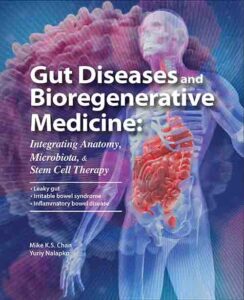
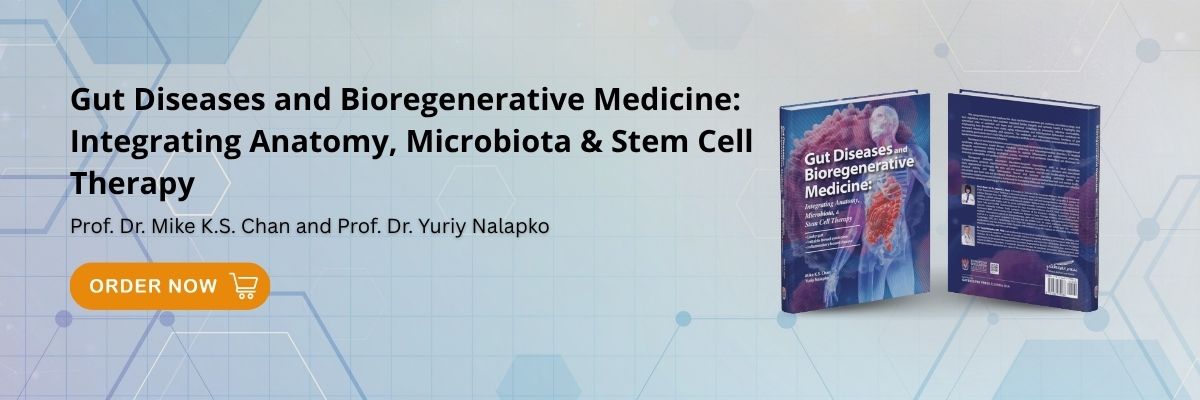
Authors: Prof. Dr. Mike K.S. Chan and Prof. Dr. Yuriy Nalapko
Published by: EUROPEAN WELLNESS ACADEMY – Medical Research
ISBN: 9781662979286 eISBN: 9781662979293
Library of Congress Control Number: 2026945833
This comprehensive review explores the close mechanisms between gut anatomy, microbial ecology, and host regulatory mechanisms that maintain intestinal barrier integrity and systemic health. It highlights the specialized roles of epithelial cell types and junctional complexes in preserving selective permeability, emphasizing how disruptions from stress, aging, inflammation, and mitochondrial dysfunction contribute to increased intestinal permeability and dysbiosis. The metabolic and immunomodulatory functions of gut microbiota, particularly short-chain fatty acid production and bile acid transformation, are examined in relation to barrier maintenance and immune tolerance. The impact of microbial imbalance on gastrointestinal and extraintestinal diseases, including irritable bowel syndrome, inflammatory bowel disease, metabolic syndrome, and neurodegenerative disorders, is detailed alongside mechanisms linking barrier dysfunction to systemic inflammation and autoimmune processes. Diagnostic approaches utilizing serological, urinary, microbial, and proteomic biomarkers are discussed for assessing permeability and guiding clinical management. Therapeutic strategies encompass microbiota-targeted interventions such as fecal microbiota transplantation, synbiotic supplementation, nutritional modulation including zinc, selenium and specialized diets, regenerative techniques like stem cell and peptide therapies, and lifestyle modifications focusing on physical activity and sleep optimization. Neural and immune signalling pathways within the microbiota–gut–brain axis are elucidated, illustrating their roles in gastrointestinal function and mental health. Integrative models presented provide a framework for translating molecular and ecological insights into effective interventions aimed at restoring gut barrier function and systemic homeostasis.
Authors Bio:
Professor Dato’ Sri Dr. Mike K.S. Chan is a pioneer of cellular and cell membrane therapy in Europe and Asia since the early 1980s. He founded one of the world’s largest researchers of bio-molecular medicine based in Switzerland and Germany with a global presence in almost eighty countries. He has conducted more than 1,000 lectures, seminars, and symposiums worldwide in the fields of antiaging, cell regeneration, regenerative medicine, and stem-cell therapies.
Dr. Yuriy Nalapko, MD, PhD, is an academician and practical medical doctor in intensive care, antiaging, and bioregenerative medicine—an area of scientific interest in longevity and how a cell functions with different diseases. He is the author of many handbooks, monographs, and more than 300 articles. Based on his clinical experience, he proposed new approaches to reverse degenerative diseases of the brain, liver, and endocrine organs in different disorders. In metabolic disorder therapy, he combines preventive, pharmacological, and bioregenerative approaches as a state-of-the-art paradigm to correct structural and functional malfunctions.
We are proud to share our latest publication highlighting the therapeutic potential of organ-specific precursor stem cell transplantation in regenerative medicine.
About the Publication:
Regenerative medicine is moving beyond the conventional "one-size-fits-all" approach. This publication explores how organ-specific precursor stem cells may provide targeted regenerative support by delivering tissue-specific biological signals that promote repair, restore function, and enhance the body's natural healing mechanisms.
Unlike general stem cell therapies, organ-specific precursor stem cells are designed to support the unique regenerative requirements of individual organs, offering a precision-based strategy for tissue restoration and functional recovery.
🔬 Key Highlights:
✔️ The science behind organ-specific precursor stem cell transplantation and targeted regeneration
✔️ How tissue-specific precursor cells may support cellular repair and functional restoration
✔️ The role of regenerative signalling in maintaining organ health and promoting recovery
✔️ Potential clinical applications across multiple organ systems as part of personalized regenerative medicine
✔️ Future perspectives for precision cell therapy in addressing chronic and degenerative diseases
As regenerative medicine continues to evolve, organ-specific precursor stem cell transplantation represents an innovative strategy that aims to work in harmony with the body's own repair mechanisms. By focusing on the unique biology of individual organs, this approach may help pave the way for more precise, personalized, and effective regenerative therapies.
Organ-Specific Precursor Stem Cell Transplantation, Mitochondrial Organelle and Peptide Administration, and Nano-Organ peptides: Routes, Mechanisms, and Clinical Translation
by
Prof. Dr. Mike K.S. Chan, Prof. Dr. Michelle B.F. Wong, Dr. Dmytro Klokol, Krista Casazza and Jonathan R.T. Lakey
American Journal of Biomedical Science & Research; 31(5), 2026
https://biomedgrid.com/pdf/AJBSR.MS.ID.004063.pdf
MORE PUBLICATIONS:
https://european-wellness.eu/publications/
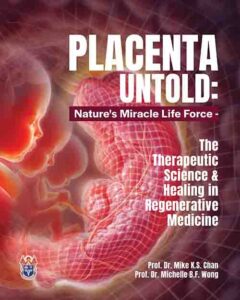
Authors/Contributors Affiliations: Prof. Dr. Mike K.S. Chan, Prof. Dr. Michelle B.F. Wong, Yvonne Chia, Dr. Pan Shing Yi, Prof. Dr. Thomas Skutella, Jakub Slivka, Kent Kong Kian Keong, Mr. Lai Chung Ket, Dr. Yen Chia How, Dr. Yew Chee Wei, Dr. Marina Trombetta Lima, Dr. Lem Fui Fui, Prof. Dr. Roni Lara Moya, Cassandra Chee Sheau Mei, Dr. Melissa Lim Siaw Han, Prof. Dr. Edmund Sim Ui Hang, Dr. Ching Xin Jie, Grazele Jenarun, Dr. Phang Kean Chang, Dr. Latifah Suali, Yee Hui Rong and Yenny Kenisi
Published by: EUROPEAN WELLNESS ACADEMY – Medical Research
ISBN: 9781662975899 eISBN: 9781662975905
Library of Congress Control Number: 2026941891
For centuries, the placenta has been regarded as a transient organ—essential for life yet discarded at birth. Placenta Untold challenges this perception and reveals the placenta as a biologically sophisticated organ with immense therapeutic potential. This book explores the science behind the placenta’s remarkable functions: nutrient exchange, immune modulation, hormonal regulation, and cellular communication and moves beyond pregnancy to examine its applications in regenerative medicine. Drawing from historical traditions, modern biomedical research, and biotechnology, the authors highlight how placenta-derived extracts, stem cells, growth factors, and bioactive molecules are being applied in wound healing, cardiovascular and liver health, neuroprotection, immunomodulation, anti-aging medicine, and veterinary therapeutics. Each chapter connects core placental biology with clinical insight, covering proteomics, pharmacological mechanisms, bioethics, and product development. The book repositions the placenta from “medical waste” to a valuable and ethically acceptable source of regenerative biomaterials.
Who should read this book?
Medical doctors, regenerative medicine practitioners, researchers, biomedical scientists, pharmacologists, aesthetic professionals, and postgraduate life science students will find this book highly relevant. It also serves biotechnology innovators and those involved in stem cell and translational research.
Why read this book?
Readers will gain a strong scientific understanding of placental biology, evidence-based insight into therapeutic applications, awareness of regulatory and ethical considerations, and a forward-looking view of how placental science may shape the future of regenerative and personalized healthcare.
Authors' Bio:
Professor Dato’ Sri Dr. Mike K.S. Chan is a pioneer of Cellular and Cell Membrane Therapy in Europe and Asia since the early 1980’s. He founded one of the world’s largest researchers of Bio-Molecular Medicine based in Switzerland and Germany with a global presence in almost eighty countries. He has conducted more than 1,000 lectures, seminars, and symposiums worldwide in the fields of antiaging, cell regeneration, regenerative medicine, and stem-cell therapies.
Prof. Dato’ Sri Dr. Michelle B.F. Wong is a distinguished scientist, researcher, and educator, actively engaged in stem cell research and development (R&D), with a particular focus on fetal precursor stem cell therapy. For over three decades, she has served as Co-Founder, Senior Technical Advisor, and Researcher at FCTI Inc., a company specializing in stem cell research and bio-regenerative medicine. Her solid academic foundation in nutrition and naturopathy has facilitated a seamless transition into R&D within the field of stem cell bio-regenerative medicine. Dr. Wong is also a highly respected speaker, regularly delivering presentations at educational programs and international conferences on topics such as stem cells, cell therapy, and biological medicine-benefiting physicians and healthcare practitioners worldwide.
Dr. Patricia Pan is a Senior Researcher leading strategic research initiatives in immunology, medical biotechnology, and regenerative medicine. She holds a Ph.D. in Biotechnology, with expertise in immunomodulation, gene expression profiling, and biomedical research. She is actively engaged in the design and execution of preclinical studies, ensures compliance with international regulatory standards including ICH guidelines, and oversees the advancement of biological products toward Phase I clinical trials.
In addition to her research activities, she has extensive experience teaching the Medical Laboratory Technology (MLT) program, delivering courses in clinical microbiology, immunology and serology, immunohematology, and clinical parasitology. Dr. Patricia Pan remains committed to advancing evidence-based innovation and research in biomedical and regenerative sciences.
European Wellness researchers have published a groundbreaking new study in the Stem Cell Biology and Regenerative Medicine Journal, uncovering the precise molecular makeup of stem cell "secretomes" to better understand how different tissues heal!
Here's What It's About:
Stem cell therapies often work not by replacing cells, but by releasing a complex "secretome" of bioactive molecules that drive tissue repair and regulate the immune system. By analyzing the proteins from precursor stem cell cultures—including those from the Retina, Kidney, Brain, Heart, and Thymus—the research team made incredible observations:
✅ A Universal Healing Blueprint: The study identified a highly conserved "core proteome" of 613 shared proteins present across all evaluated tissue cultures.
✅ Core Regenerative Power: This shared molecular framework is responsible for essential therapeutic functions, including extracellular matrix remodeling, immune regulation, and cellular protection against stress.
✅ Tissue-Specific Specialization: Despite having a strong shared foundation, each cell population retains distinct functional properties reflective of its tissue of origin.
✅ Targeted Precision: For example, testis-derived cultures demonstrated the broadest diversity of extracellular matrix proteins, while placenta-derived cultures displayed a more prominent collagen biosynthesis machinery.
💡 Why This Matters:
This research observes that precursor stem cell secretomes consist of two complementary components: a conserved core for universal tissue repair and a tissue-specific component that can offer specialized therapeutic activities. This dual architecture helps explain why these secretomes exhibit broad regenerative properties while maintaining differential efficacy, paving the way for highly targeted, cell-free precision regenerative medicine!
A Comparative Analysis of Tissue-Specific Proteomes Revealing Conserved Paracrine Regenerative Mecha- nisms and Specialized Therapeutic Functions of Precursor Stem Cells Secretomes
by
Thomas Skutella, Prof. Dr. Mike K.S. Chan and Dr. Dmytro Klokol
Stem Cell Biology and Regenerative Medicine Journal; 1(1), 2026
https://doi.org/10.5281/zenodo.21019525
MORE PUBLICATIONS:
https://european-wellness.eu/publications/
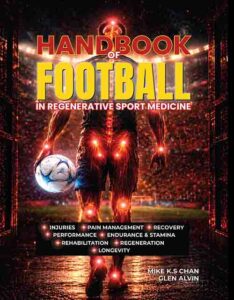
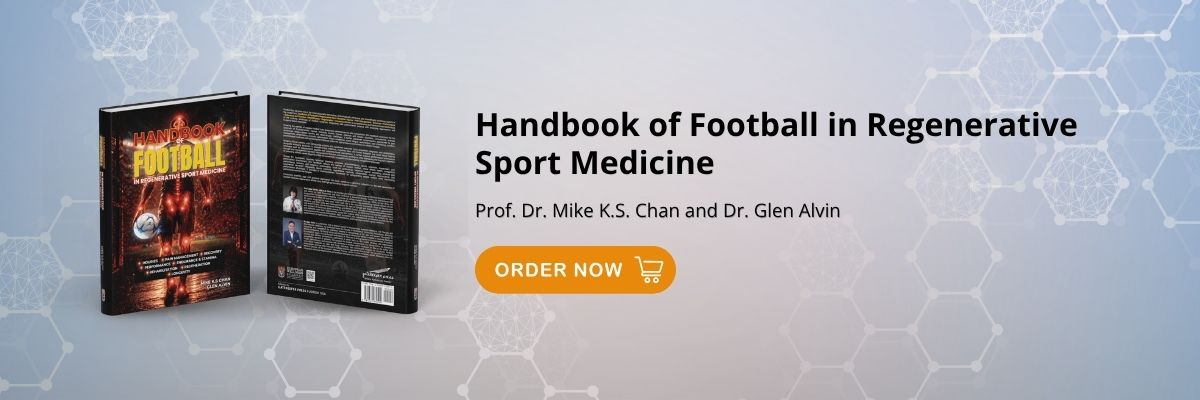
Authors: Prof. Dr. Mike K.S. Chan and Dr. Glen Alvin
Published by: EUROPEAN WELLNESS ACADEMY – Medical Research
ISBN: 9781662977886 eISBN: 9781662977893
Football has become one of the most physically demanding, technologically advanced, and scientifically scrutinised sports in the modern era. Handbook of Football in Regenerative Sport Medicine: Injuries • Pain Management • Recovery • Performance • Endurance and Stamina • Rehabilitation • Regeneration • Longevity delivers a comprehensive and future-oriented exploration of the evolving landscape of football medicine, integrating elite performance science with emerging regenerative and longevity-based strategies.
Covering the realities of modern football from grassroots development to elite competition, this handbook examines the full spectrum of football-related injuries, including muscle injuries, ligament and tendon disorders, concussions, overuse syndromes, fatigue-related injuries, and return-to-play challenges. It further addresses contemporary approaches to pain management, rehabilitation, recovery optimisation, fixture congestion, travel fatigue, neurofatigue, load monitoring, nutrition, psychological readiness, and performance resilience within the high-pressure environment of modern football.
Bridging clinical practice with cutting-edge science, this handbook examines injury prevention, diagnosis, and rehabilitation alongside emerging advances in bioregenerative medicine, including stem cell–based therapies and novel tissue healing strategies such as mitochondrial peptides and exosome-based interventions. It further explores performance optimisation through load management, nutrition, neurocognitive function, and recovery strategies, while addressing the long-term objective of extending athletic career longevity within an increasingly congested and demanding competitive landscape.
Written for footballers, coaches, technical directors, clinicians, physiotherapists, sports scientists, researchers, and performance practitioners, this handbook reflects the realities of modern football, where athlete health, competitive performance, recovery, and long-term sustainability must be continuously balanced against escalating physical and commercial demands. Integrating sports medicine, regenerative medicine, rehabilitation science, neuroscience, and performance physiology, it provides a multidisciplinary framework for safeguarding athlete welfare while maximising performance across the lifespan.
Combining scientific rigor with practical application, this book stands as a definitive reference for the next generation of football medicine, regenerative athlete care, and high-performance longevity science.
Authors' Bio:
Professor Dato’ Sri Dr. Mike K.S. Chan is a pioneer of Cellular and Cell Membrane Therapy in Europe and Asia since the early 1980’s. He founded one of the world’s largest researchers of Bio-Molecular Medicine based in Switzerland and Germany with a global presence in almost eighty countries. He has conducted more than 1,000 lectures, seminars, and symposiums worldwide in the fields of antiaging, cell regeneration, regenerative medicine, and stem-cell therapies.
Dr. Glen Alvin is a seasoned medical professional in Dermatology, Aesthetic Medicine, and Regenerative Medicine, with many years of experience in stem cell therapy research. He holds an MD, an Advanced Diploma in Dermatology, and a Master’s in Aesthetic Medicine. Dr. Glen has made significant contributions to his field through numerous publications and lectures at international conferences. His research includes groundbreaking work on cell therapy in Dermatology and Aesthetic Medicine. His ambition is to secure cell therapy a place in mainstream medicine.
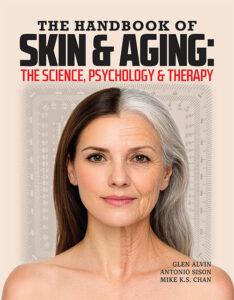
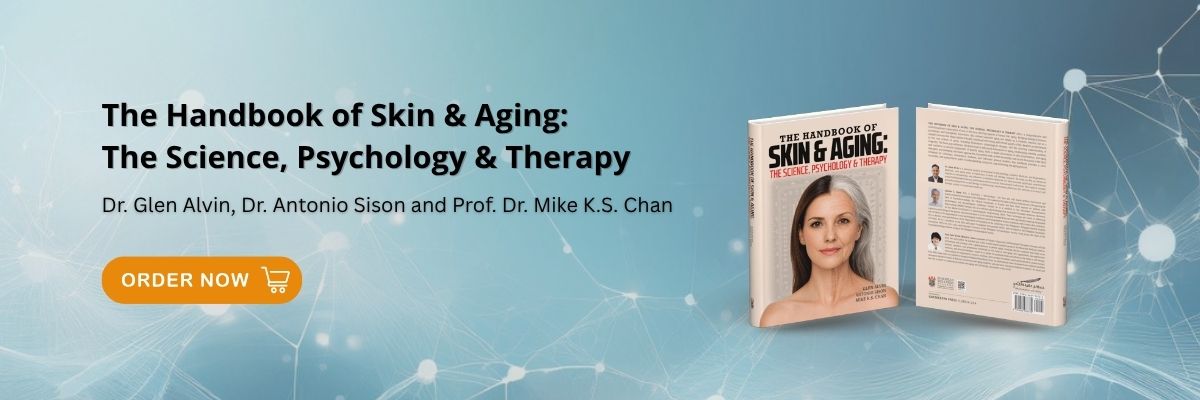
Authors: Dr. Glen Alvin, Dr. Antonio Sison and Prof. Dr. Mike K.S. Chan
Published by: EUROPEAN WELLNESS ACADEMY – Medical Research
ISBN: 9781662976735 eISBN: 9781662976742
Library of Congress Control Number: 2026942668
THE HANDBOOK OF SKIN & AGING: THE SCIENCE, PSYCHOLOGY & THERAPY offers a comprehensive and multidisciplinary exploration of one of the most defining aspects of human life: aging. Bridging biological science, psychology, and therapeutic innovation, this volume examines aging not simply as a cosmetic concern, but as a complex process that shapes physical health, emotional well-being, and overall quality of life. Readers are introduced to the core science of aging, including biomarkers, physiological changes, and the evolving understanding of longevity. The book also addresses the psychological and social dimensions of aging, emphasizing identity, purpose, and resilience as central components of healthy aging. With in-depth discussions on skin rejuvenation, anti-aging therapies, and emerging cell-based approaches, it presents both current knowledge and future directions in the field. Designed for clinicians, researchers, students, and informed general readers, this handbook provides a clear, accessible, and authoritative guide to understanding, caring for, and embracing the aging process.
Authors' Bio:
Dr. Glen Alvin is a seasoned medical professional in Dermatology, Aesthetic Medicine, and Regenerative Medicine, with many years of experience in stem cell therapy research. He holds an MD, an Advanced Diploma in Dermatology, and a Master’s in Aesthetic Medicine. Dr. Glen has made significant contributions to his field through numerous publications and lectures at international conferences. His research includes groundbreaking work on cell therapy in Dermatology and Aesthetic Medicine. His ambition is to secure cell therapy a place in mainstream medicine.
Antonio C. Sison, M.D., F, Psychiatry + Dermatology - the first and only board-certified Psychiatrist and board-certified Dermatologist in the Philippines. The reason for this dual residency is his interest in the pursing the field of Psychodermatology. His Clinical Framework is Trauma and how these impacts on patients with psychological and dermatological conditions. Further he is a certified in Eye Movement Desensitization Reprocessing (EMDR) Therapy, this is an effective psychotherapy that neutralized traumatic memories. Moreover, he has Master Certification in Neurolinguistic Programming (NLP). These techniques are useful in addressing cognitions and feelings of the patient. His research focus is on the interplay between Brain and Skin specifically exploring the possible role of EMDR in the improvement of the psychological conditions and dermatological lesions of patients with chronic skin conditions. He is a Retired Associate Professor of the Department of Psychiatry at the University of the Philippines- Philippine General Hospital (UP-PGH). He is a consultant at the Skin and Cancer Foundation Incorporated (SCFI). Past President of the Philippine Psychiatric Association (PPA) for 2022-2023, and presently Treasurer of the Philippine Dermatological Society (2023-2024) and Chair of the Psychodermatology Interest Group of the Philippine Dermatological Society.
Prof. Dato’ Sri Dr. Mike K.S. Chan is a pioneer of Cellular, Organo and Cell Membrane Therapies in Europe and Asia since the early 1980’s. He founded one of the world’s largest research group of Bio-Molecular Medicine based in Switzerland and Germany with a global presence in almost eighty countries. He has conducted more than 1,000 lectures, seminars, and symposiums worldwide in the fields of anti-aging, cell regeneration, bio-regenerative medicine, and stemcell therapies. Author & co-author of numerous books and articles in the fields of cell therapy, immunology, bio-regenerative sciences, nutrition, and innovator of cellular based nutraceuticals & cosmeceuticals, Prof. Mike Chan is also the founder of European Wellness Biomedical Group—an International chain of research and treatment facilities (European Wellness Centers & Retreats) involved in anti-aging, longevity and education (European Wellness Academy). He chairs and also sits on board on numerous prominent anti-aging and cell therapy associations of the world.
Also available on:










European Wellness researchers and collaborators have just published a compelling new study in the Journal of Stem Cell Research – exploring how the secretomes of organ-specific stem cells could potentially accelerate the healing of human blood vessel cells, without using the stem cells themselves.
Here's What It's About:
Stem cells don't heal only by replacing damaged tissue – they release a rich mix of growth factors, cytokines, and extracellular vesicles known as the "secretome." Using a Human Umbilical Vein Endothelial Cell (HUVEC) scratch assay, the team compared secretomes drawn from five different tissues – Retina, Kidney, Brain, Heart, and Thymus – to see how each influenced wound healing:
✅ Heart and Brain secretomes showed the strongest, most sustained effect – with treated cells reaching near-complete wound closure (~99%) by 48 hours
✅ Kidney secretome showed the fastest early response – with cell migration advancing ahead of the untreated control within the first 16 hours
✅ Every secretome outperformed the untreated control – and, unlike the control, appeared to maintain those gains over time rather than losing ground
💡 Why This Matters:
A cell-free approach could potentially offer many of the benefits of stem cell therapy with greater scalability, simpler handling, and possibly lower immune risk. These early in-vitro findings suggest the secretome may be a promising avenue for future research into vascular repair, wound healing, and tissue engineering – and offer an intriguing hint that different organs may carry their own distinct regenerative "signatures."
Differential Effects of Organ-Specific Xenogeneic Progenitor/Precursor Stem Cell Secretomes with Regeneration on Human Umbilical Vein Endothelial Cell Wound Healing
by
Thomas Skutella, Prof. Dr. Mike K.S. Chan and Dr. Dmytro Klokol
Journal of Stem Cell Research; 7(2), 2026
https://doi.org/10.52793/JSCR.2026.7(2)-88
MORE PUBLICATIONS:
https://european-wellness.eu/publications/
About the Article:
The Klotho–FGF23 axis plays a central role in regulating mineral metabolism through the intricate interaction between the kidneys, bones, and parathyroid glands. Disruption of this pathway is now recognised as a key driver in the progression of chronic kidney disease (CKD) and its systemic complications.
This review highlights how imbalance in this endocrine system contributes to:
✔️ Phosphate and vitamin D dysregulation
✔️ Vascular calcification and accelerated ageing processes
✔️ Renal fibrosis and progressive kidney damage
✔️ Increased cardiovascular risk
Importantly, the study also underscores the protective role of Klotho, which exhibits anti-inflammatory, antioxidant, and cytoprotective effects, positioning it as both a biomarker and a promising therapeutic target in kidney disease.
Why It Matters:
Emerging evidence suggests that restoring Klotho levels may offer reno-protective and cardio-protective benefits, opening new possibilities for early diagnosis and targeted treatment strategies in nephrology.
Klotho and FGF23: endocrine regulation of kidney disease outcomes
by
Dr. Olha Nishkumay, Prof. Dr. Mike K.S. Chan, O.B. Iaremenko, V.E. Kondratiuk, I.V. Rudenko, O.E. Zaytseva, O.I. Rokyta and G.M. Mykytenko
International Journal of Endocrinology; 22(3), 2026
https://doi.org/10.22141/2224-0721.22.3.2026.1715
MORE PUBLICATIONS:
https://european-wellness.eu/publications/
Male infertility accounts for nearly half of all infertility cases worldwide - and sperm quality has been declining for decades. While conventional treatments often address symptoms, what if we could target the root causes at the molecular level?
European Wellness researchers and collaborators have just published a comprehensive new review exploring how bioactive peptides could potentially reshape the future of male reproductive medicine!
Here's what it covers:
The research team examines how peptide-based therapeutics work across multiple biological systems to address the complex, interconnected causes of male infertility:
✅ Mitochondrial peptides act as 'energy restorers' - boosting cellular ATP production and sperm motility by activating key pathways like PGC-1α, NRF1, and TFAM
✅ Endocrine-modulating peptides work as 'hormonal balancers' - supporting the body's own hormone production through the HPG axis rather than relying on external hormone replacement
✅ Organ-specific peptide complexes serve as 'precision regulators' - targeting gene expression in reproductive tissues to support steroidogenesis and tissue repair
✅ Nano-delivery systems are the 'smart carriers' - enhancing peptide stability, bioavailability, and targeted delivery to where they're needed most
Combined, these approaches offer a biologically integrated strategy that goes beyond treating symptoms to address the molecular drivers of infertility - from oxidative stress and mitochondrial dysfunction to inflammatory signalling and endocrine imbalance.
💡 Why this matters:
With global sperm counts declining by more than 50% over recent decades and environmental stressors on the rise, the need for next-generation fertility solutions has never been greater. This review lays the scientific groundwork for peptide therapeutics as a promising frontier in male reproductive medicine - one that works with the body's own regulatory systems to restore reproductive health from the inside out.
Peptide-Based Therapeutics in Human Male Fertility: Molecular Mechanisms, Translational Evidence, and Clinical Prospects
by
Prof. Dr. Mike K.S. Chan, Prof. Dr. Michelle B.F. Wong, Dr. Dmytro Klokol, Krista Casazza and Jonathan RT Lakey
Journal of Regenerative Medicine & Biology Research; 31(1), 2026
https://biomedgrid.com/pdf/AJBSR.MS.ID.004012.pdf
MORE PUBLICATIONS:
https://european-wellness.eu/publications/

Authors: Prof. Dr. Mike K.S. Chan, Dr. Glen Alvin and Dr. Craig Duncan
Published by: EUROPEAN WELLNESS ACADEMY – Medical Research
ISBN: 9781662975462 eISBN: 9781662975479
Library of Congress Control Number: 2026939347
BIOREGENERATIVE SPORT MEDICINE: Precision Healing & Performance Resilience for Modern Athletes delivers a clear and integrated overview of how the athlete’s body performs, adapts, and recovers across training cycles, competition demands, and the lifespan of athletic participation. Grounded in anatomy, physiology, biomechanics, and exercise science, it translates core scientific principles into practical clinical applications that support informed decision-making in both performance and injury contexts.
The book provides evidence-based guidance on injury evaluation, diagnostic imaging, rehabilitation planning, and return-to-play management, emphasizing risk stratification, load management, and long-term athlete development. Sport-specific chapters on football, athletics, and combat sports outline the distinct mechanical, metabolic, and neurocognitive demands of each discipline, alongside their characteristic injury patterns and targeted strategies for prevention, conditioning, and performance optimization.
Beyond traditional models of care, this book address the evolving landscape of modern sports medicine: bioregenerative sport medicine therapies. Integrating clinical insight with emerging research, the book highlights individualized, data-informed approaches to athlete health that align performance goals with durability and longevity.
Designed for clinicians, physiotherapists, athletic trainers, coaches, and sports science professionals, BIOREGENERATIVE SPORT MEDICINE: Precision Healing & Performance Resilience for Modern Athletes serves as a concise yet authoritative resource that bridges foundational science and applied practice. It equips practitioners with the conceptual frameworks and practical tools needed to optimize athlete health, enhance performance, and support sustainable participation across all levels of sport—from youth development to elite competition.
Prof. Dato’ Sri Dr. Mike K.S. Chan is Founder & Chairman of the European Wellness Biomedical Group and Chief Researcher/Chief Technical & Research Director across its international R&D programs. A pioneer of cellular therapy since the 1980s, he helped introduce stem cell and bioregenerative medicine across Asia, building a global network of clinics and research centers—today a chain of 40+ integrative and regenerative medical clinics with 1,000+ staff. He serves as ESAAM Scientific Committee Head for Regenerative Medicine & Stem Cells and ESAAM Chairman/Director for Asia; Associate Professor (AASCP, USA); Associate Professor (Lincoln University College, Kuala Lumpur); Chairman of the European Wellness Academy; Senator of Germany’s BWA; and Honorary Chief Healthcare Advisor to Swiss Strategic Partners. His portfolio includes multiple international patents in immunotherapy, stem cell transport media, and parenteral formulations, and he is a multi-award recipient in Europe and the Middle East. An active academic collaborator (MIT, Cambridge, USC, UCI, Heidelberg), Prof. Chan has authored/co-authored 60+ books and 170+ scientific publications, and has delivered 1000+ lectures and seminars across 60+ regions on anti-aging, regenerative medicine, peptides, and stem cell therapies.
Also available on:



About the Study:
Managing osteopenia in patients with nephrolithiasis presents a unique clinical challenge, as calcium supplementation may improve bone density while simultaneously increasing the risk of kidney stone recurrence.
This study evaluated the efficacy and safety of combined calcium citrate, vitamin D3, and vitamin K2 therapy in patients with osteopenia and nephrolithiasis, with a comprehensive assessment of:
✔️ Bone mineral density (BMD)
✔️ Trabecular bone quality (TBS)
✔️ Bone turnover markers
✔️ Renal salt transport parameters
✔️ Oxalate and calcium excretion profiles
🔬 Key Findings:
- Combined calcium citrate therapy improved lumbar spine BMD in both patient groups
- Significant reductions in urinary oxalate excretion were observed during treatment
- Patients with hypercalciuria required careful monitoring and benefited from thiazide diuretic substitution according to urological guidelines
- The study highlights the importance of personalized metabolic evaluation before initiating osteopenia treatment in patients with kidney stone disease
These findings contribute to a more precise and integrative strategy for managing patients with overlapping metabolic bone and renal disorders.
Specific features of osteopenia management in patients with nephrolithiasis
by
O.D. Nikitin, I.A. Kordubailo, Dr. Olha Nishkumay, H.D. Reznikov, Prof. Dr. Mike K.S. Chan and Dr. Dmytro Klokol
TRAUMA; 27(2), 2026
https://doi.org/10.22141/1608-1706.2.27.2026.1072
MORE PUBLICATIONS:
https://european-wellness.eu/publications/