
International entrepreneur and fashion personality Hofit Golan and global business leader, investor and author Vinay…
Aging Starts When Stem Cells Decline: Prof. Mike Chan Explains the Organ-Specific Approach to Healing
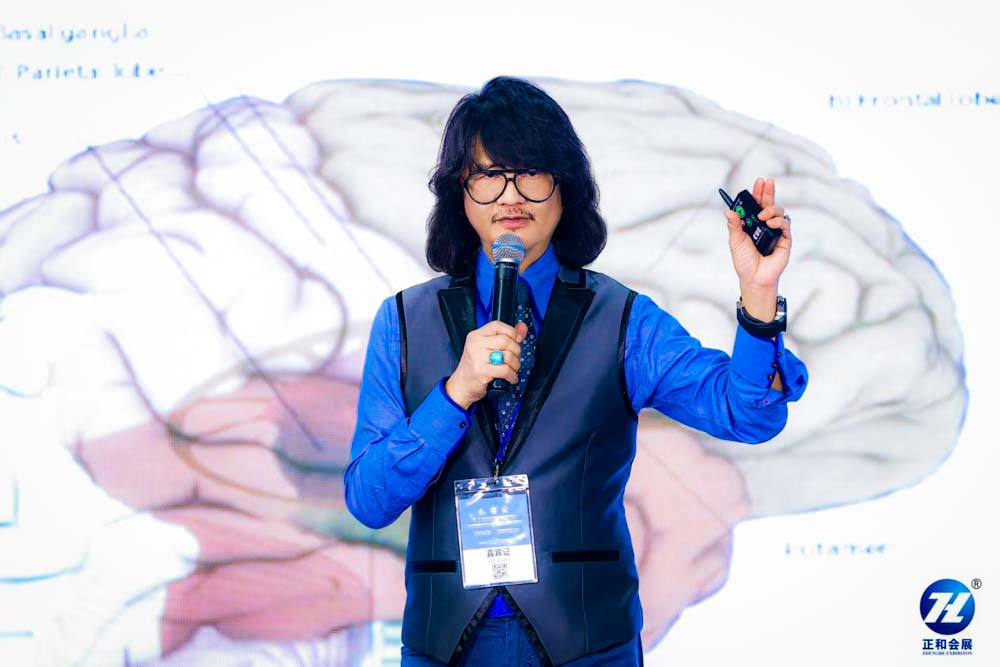
Speaking in an impromptu interview near the European Wellness Biomedical Group booth, Prof. Dato’ Sri Dr. Mike Chan reflected on his four decades of pioneering work in regenerative and cellular medicine.
“My name is Professor Dr. Mike Chan. I’m 64 this year, soon to be 65. Born in 1961, I have spent the past 40 years in Germany working in cell therapy and biomedicine — or 46 years, counting the work my wife and I began together,
“I’ve been in this field for 42 years and over that time I’ve written 60 medical books,” he said. “The world’s first textbook on stem cells for medical doctors was produced by our team. And the world’s first book on stem-cell applications for animals was also written by us. Altogether, I’ve published around 140 scientific articles.”
He went on to explain that biomedical practice has taught him how adaptable the human body actually is.
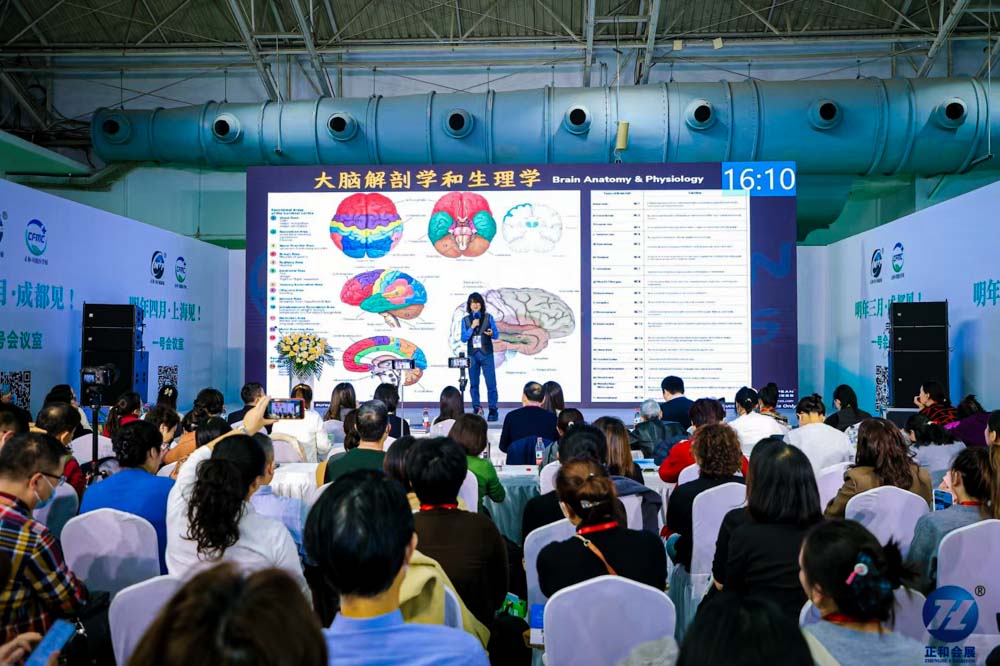
“In biomedicine, I see that many conditions can be adjusted,” he noted. “Many diseases that people assume are untreatable actually have ways to be improved. The key is understanding the body at the cellular and organ level.”
Prof. Chan illustrated his point using a detailed explanation of human organ biology.
“Every person has 78 organs,” he explained. “And each of these organs contains about 200 million living cells. But among these cells, there is one very special type — the stem cell. Stem cells are like the queen bee, while all the other cells are like worker bees.”
According to him, aging is essentially the depletion of these critical master cells.

“When you reach 60, you may only have around 5 percent of your stem cells left,” he said. “Without stem cells, you cannot survive. Every organ in your body has its own population of stem cells and living cells. In fact, the body has over 400 different types of stem cells across the 78 organs.”
He emphasised that regenerative medicine requires precision — supporting the exact organs and tissues that are failing in disease.
“For example, if someone has diabetes, Alzheimer’s, vision loss from diabetic complications, or other chronic problems, you cannot treat them with a single approach,” Prof. Chan explained. “You need to support the pituitary gland, the liver, the pancreas — and if the person cannot see, you must also support the eyes. Every condition involves multiple organs, and each organ needs to be addressed with the right biological components.”
Follow European Wellness:



Follow European Wellness Academy:
Follow Prof. Dato’ Sri Dr. Mike Chan:

Related Posts