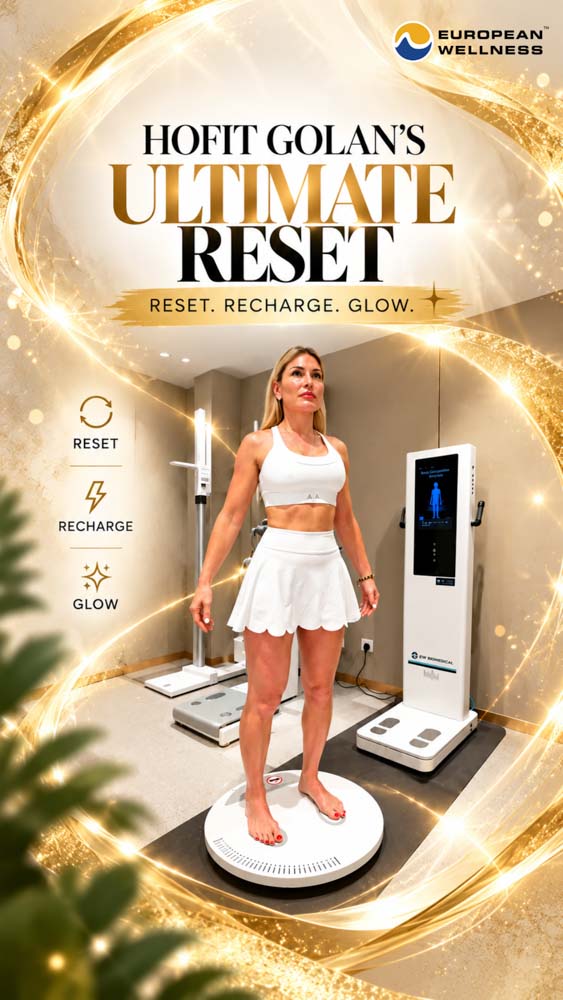
International entrepreneur and fashion personality Hofit Golan and global business leader, investor and author Vinay…
Malaysia’s Stem Cell Scientist & Pioneer Prof. Mike Chan Brings Bioregenerative Science back to Kota Kinabalu, Sabah
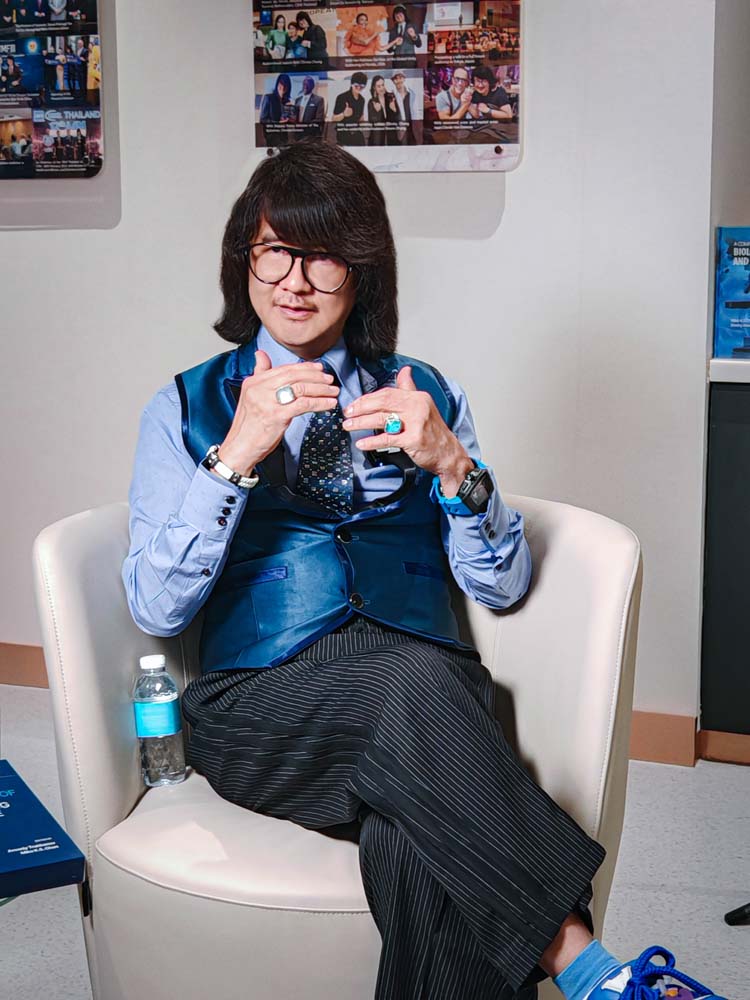
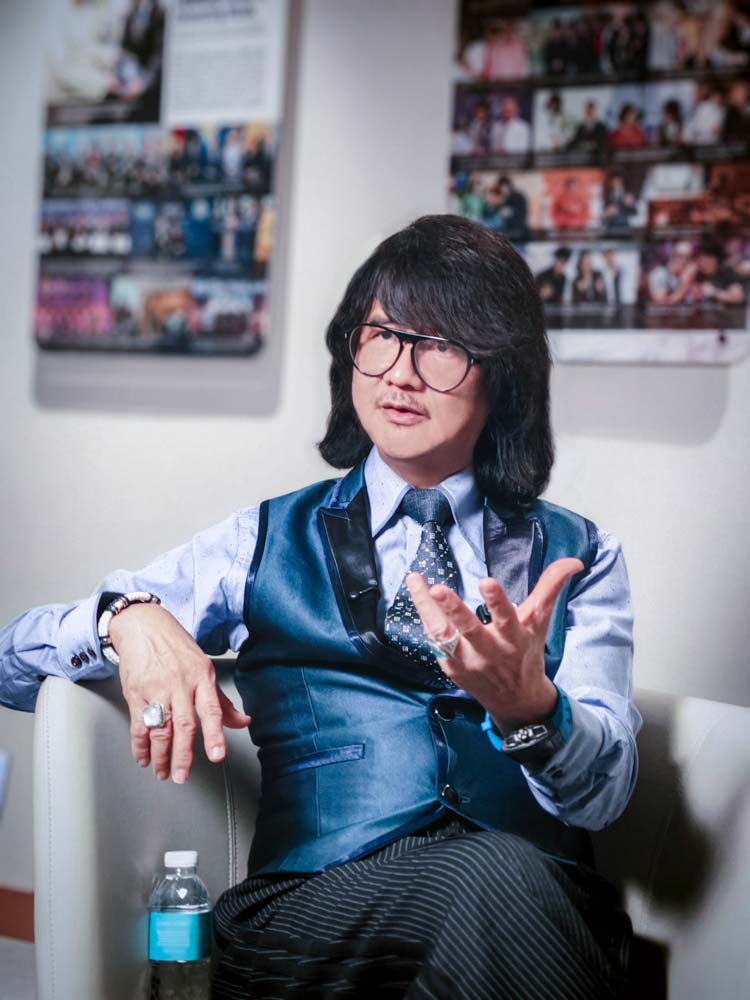
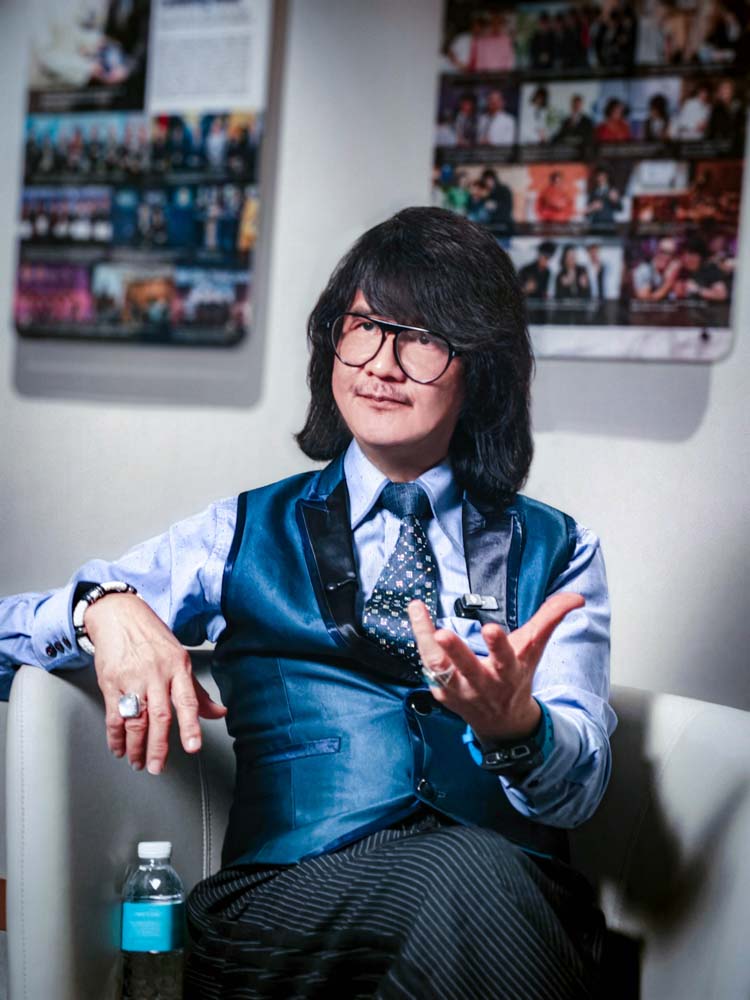
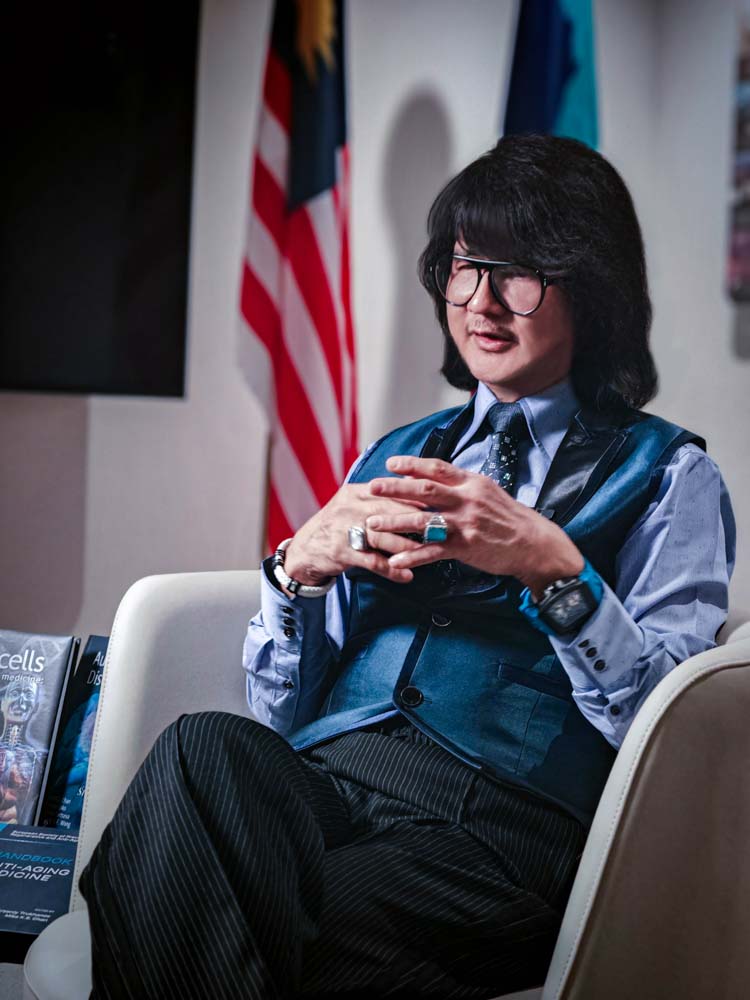
After four decades in regenerative science, Prof. Mike Chan, a Malaysian scientist whose work has taken him across Europe and Asia, now bringing global science home. His mission remains unchanged — to treat the untreatable with discipline, ethics and patience.
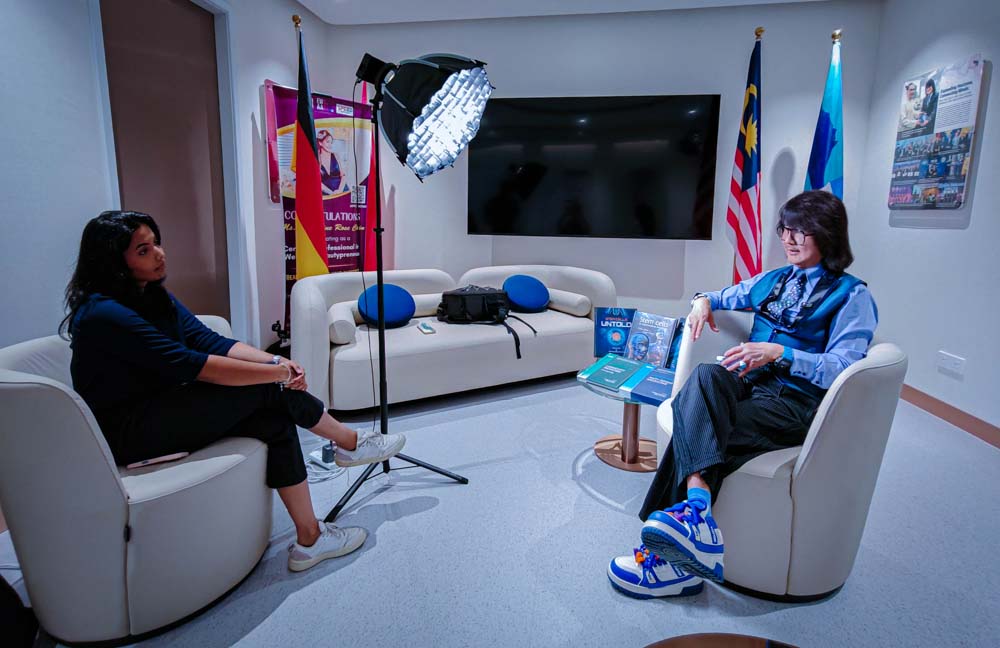
KOTA KINABALU, Malaysia (Jan 6-7, 2026) — When journalists from Free Malaysia Today (FMT) stepped inside the European Wellness Premier Centre (EWPC) in Kota Kinabalu earlier this year, they were not merely visiting a newly opened medical facility. They were encountering the physical expression of a scientific philosophy forged over four decades — and the culmination of a Malaysian scientist’s decision to bring global regenerative medicine home.
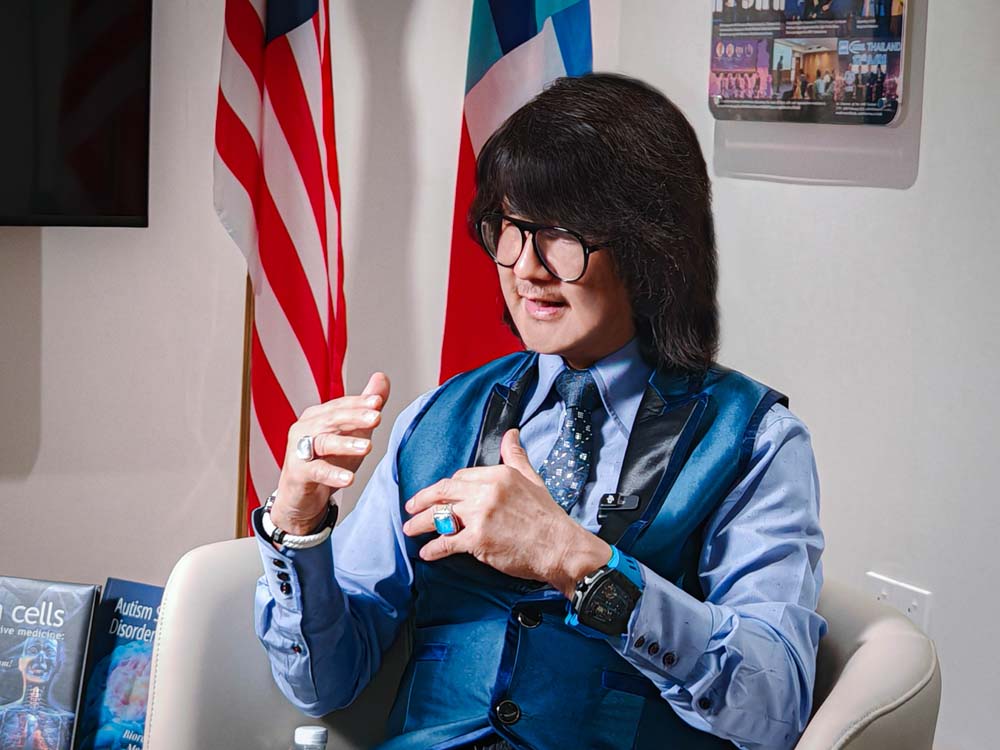
“It is one of the most illustrated and complete centers in the world,” said Prof. Mike Chan, founder of European Wellness, during the visit. “And it is right here in Malaysia — right here in Kota Kinabalu, the Land Below the Wind.”
The FMT visit, held on Jan 6–7, marked the first time the news team had seen EWPC in person since its opening in August 2024. Months of anticipation preceded the trip. What the journalists found was a center that challenged expectations of what advanced regenerative medicine in Southeast Asia could look like.
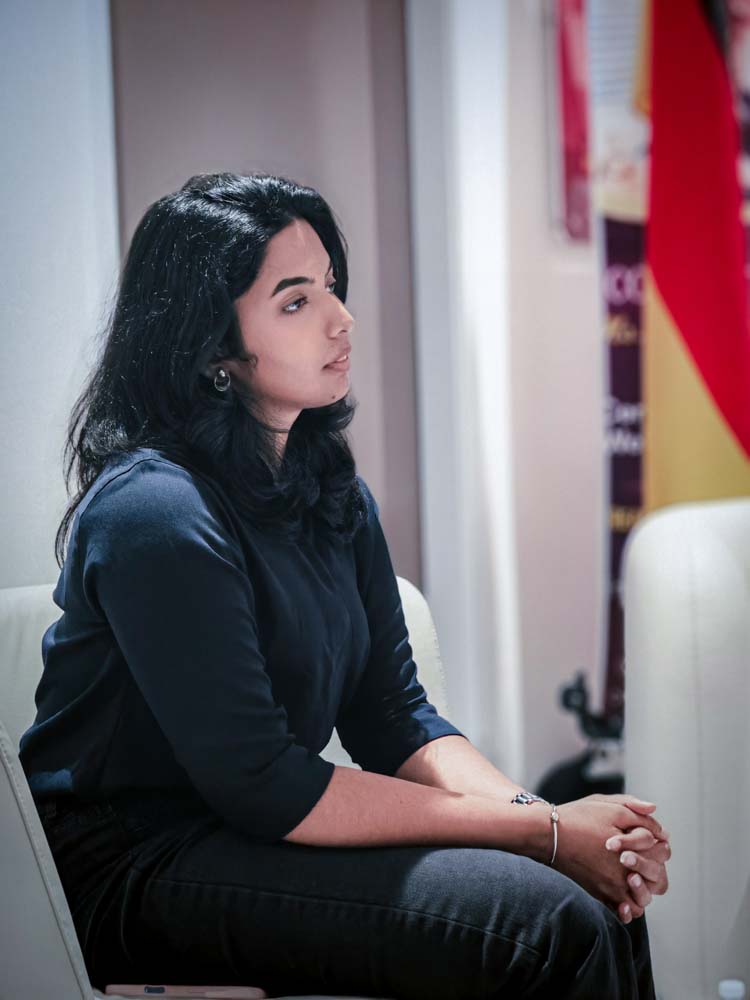
“It honestly doesn’t feel like you’re in Malaysia,” FMT journalist Theevya remarked during the tour. Photographer Andrea Edmonds described the facility as “premium”, noting that the design felt logical, clinical and purpose-built rather than decorative.
A Center Built for Precision
Located in Alamesra, on the outskirts of Kota Kinabalu, EWPC integrates diagnostics, regenerative therapies, research and patient assessment across multiple floors. During the tour, the FMT team moved through a newly opened laboratory on the ground floor, a specialized salt room, and an expansive second floor fitted with purpose-built treatment rooms and advanced medical equipment.
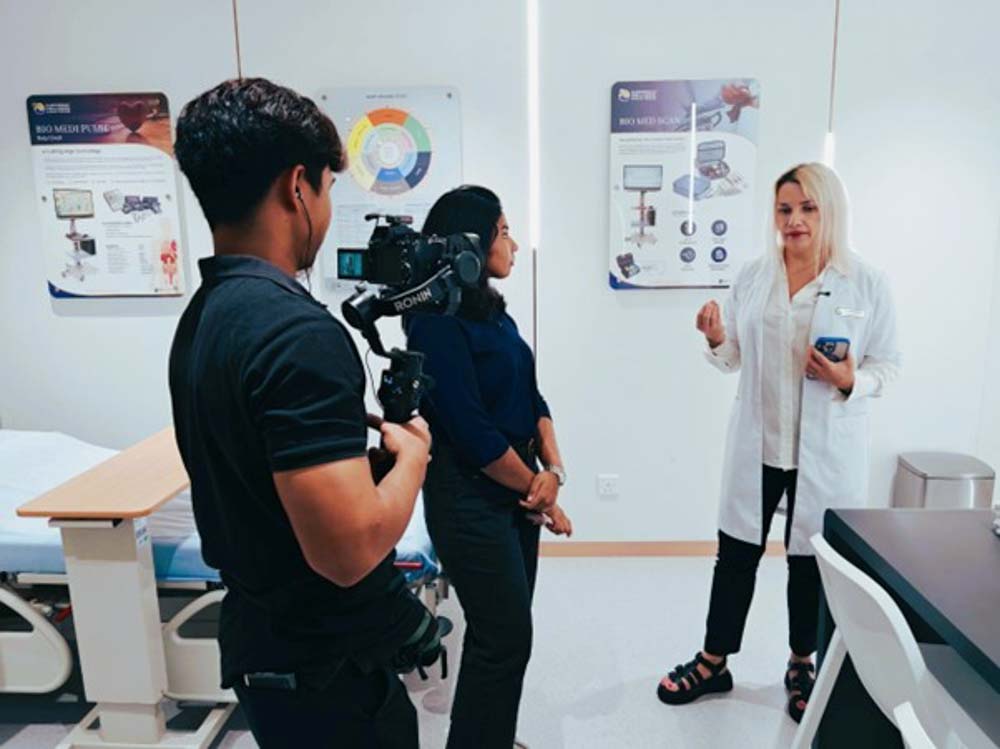
The layout, the journalists observed, felt closer to a research institute than a conventional wellness center — reflecting a medical philosophy rooted in precision rather than trends.
That philosophy, Chan said, begins with rejecting a common but misleading comparison.
“People like to compare the human body to a car,” he said. “But the differences are striking.”
“A car can be completely renewed — body replaced, engine rebuilt, dashboard restored,” he explained. “Every part can be changed. The human body is far more complex.”
With 78 organs working in harmony, Chan said, the body cannot be treated as a collection of replaceable parts.
“You cannot replace everything,” he said. “You must understand what is failing, where, and why.”
Understanding Aging — Organ by Organ
At the heart of Chan’s work is a systems-based understanding of ageing.
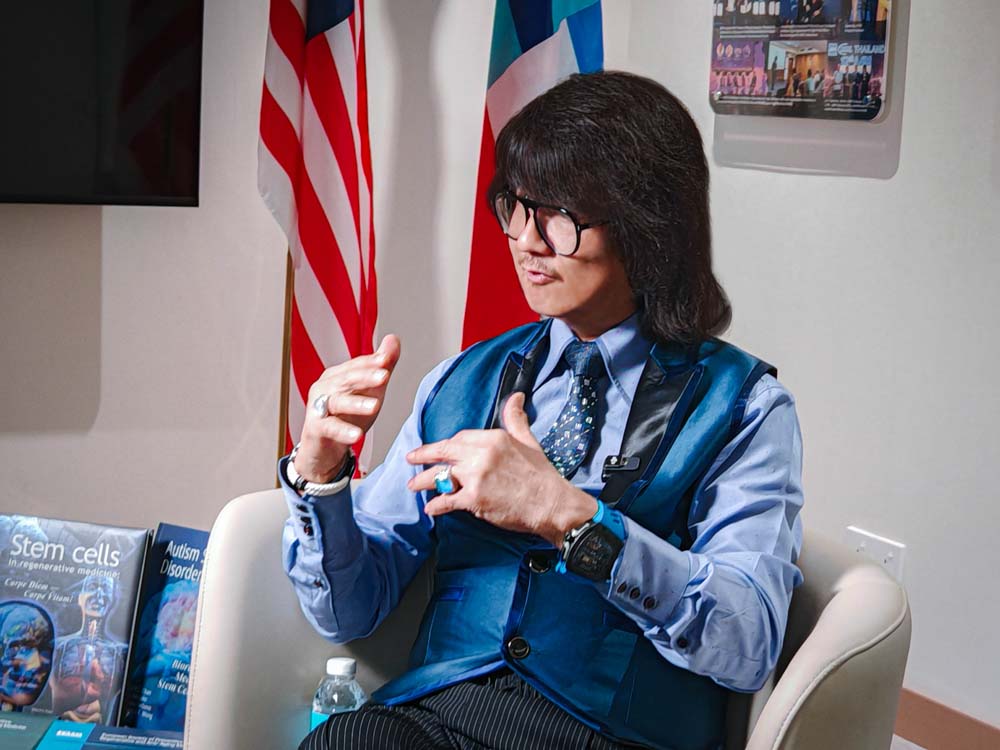
“Aging is not a single process, but many processes unfolding at different speeds,” he said. “It is a gradual biological transition, not a mechanical replacement.”
Cells die and regenerate throughout life, but each new cell carries a design that shortens over time. By the age of 40, Chan said, the human brain loses approximately 10,000 neurons per day. Vision begins to decline as early as adolescence. The heart gradually weakens after the teenage years. Hormone levels fall steadily — by 1–2% annually after the age of 14.
“These changes happen quietly,” he said. “But they are happening all the time.”
Ageing, Chan emphasized, cannot be stopped — but it can be delayed. “Science shows that aging can be slowed,” he said. “And in some cases, biological age can be reversed by six to 18 years.”
That does not mean immortality, he cautioned.
“This is not about eternal youth,” Chan said. “It is about extending vitality.”
The goal is to rejuvenate organs to a certain extent, support the body’s natural repair mechanisms, and encourage healthier cell regeneration.
From Cell Biology to Global Recognition
Chan’s approach is rooted in an unconventional path.
Unlike most figures in medicine, he did not train as a physician. He studied cell biology, entering the field more than 40 years ago, long before stem cells entered public conversation.
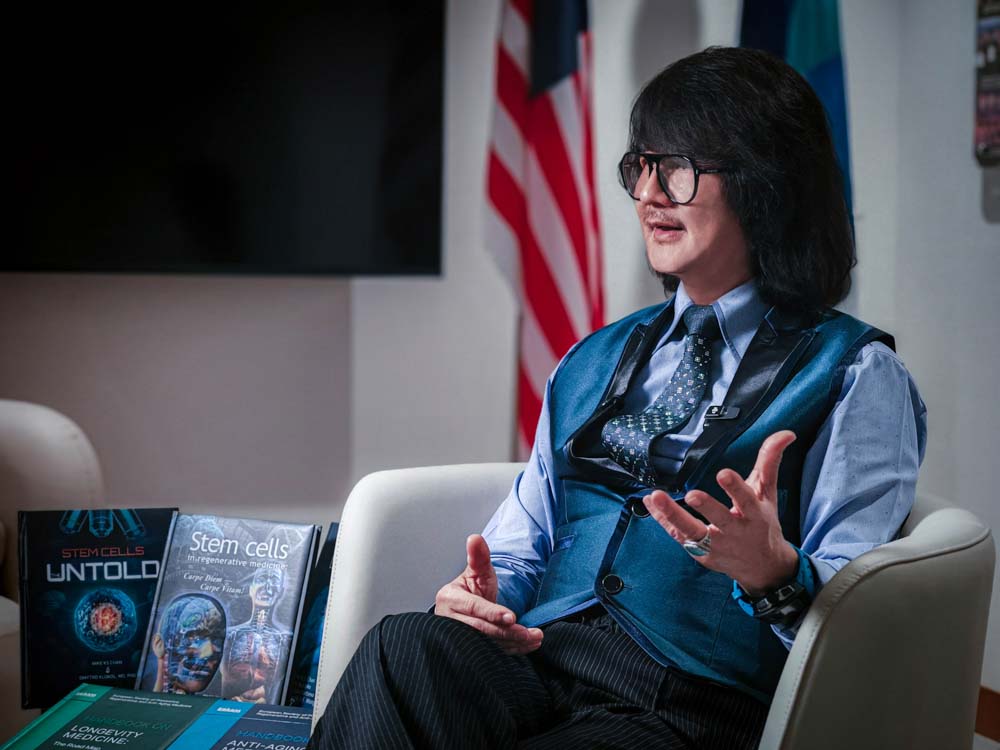
“When you understand cells, you stop thinking in symptoms… you start thinking in systems. We are not trying to make people live forever,” he said. “We are trying to help people live better — for longer.”
Over the course of his career, Chan has published more than 60 books and 140 scientific papers, establishing a reputation across Europe, Asia and the Middle East. His work has influenced regenerative medicine practices well beyond Malaysia.
Yet his journey began far from laboratories.
Born in 1961 in a wooden house by a riverside settlement in Kuala Lumpur, Chan grew up in poverty. When it rained, water entered the house. The bed floated. The toilet was outside.
“We were very poor,” he said. “You can imagine.”
Books, collected by his father from roadside stalls and bazaars, became his refuge.
“I read because books don’t judge you,” Chan said. “You can argue with a book. You can return to it.”
Treating the Untreatable
At EWPC, Chan’s philosophy translates into clinical practice.
Clients undergo detailed assessments, including body composition and metabolic evaluations, before any treatment is recommended. The FMT journalists experienced this process themselves through InBody scans during their visit.
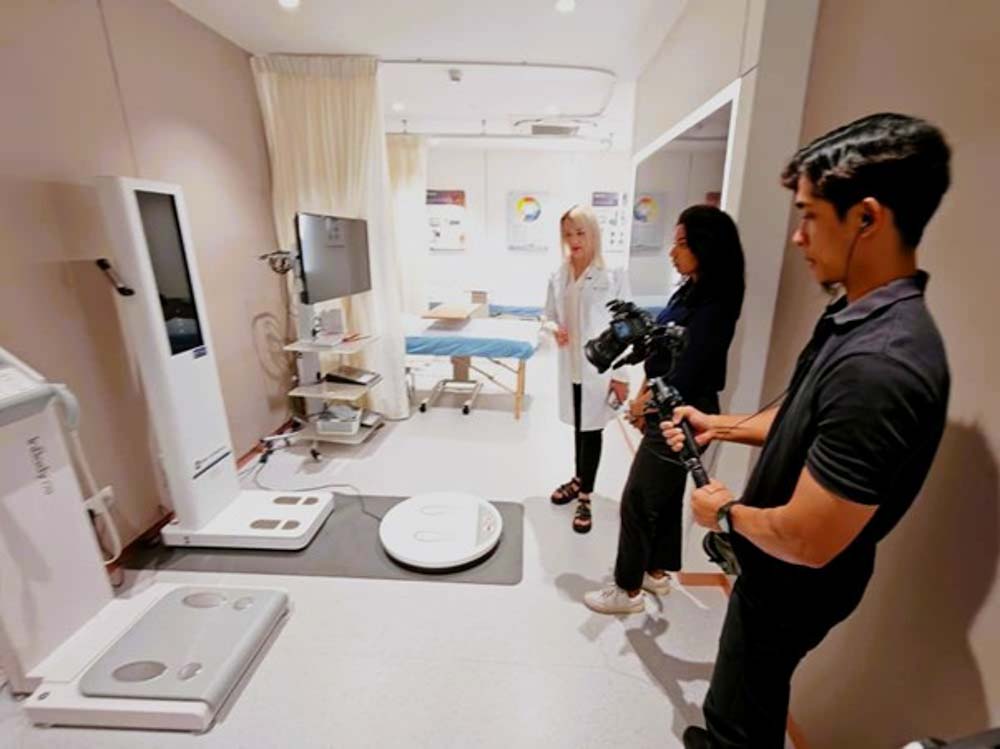
“Medicine must be precise,” Chan said. “You cannot treat the whole body blindly. You must know which organ, which cell, which pathway — as all 400+ cells have their own blueprint.”
He cited diabetes as an example.
“People say diabetes is a sugar problem,” he said. “It is not. It is a pancreatic problem.”
The pancreas contains multiple distinct cell types, each with a different function. Effective treatment, Chan said, depends on identifying which cells are failing and addressing them specifically.
When China announced a breakthrough Type 1 diabetes treatment last year, Chan said he was unsurprised.
“We’ve been doing this in Europe for decades,” he said, referring to work in Switzerland and Austria, as well as historical organotherapy practices dating back more than a century.
“The name changed,” he said. “The science didn’t.”
A Global Reputation, a Local Commitment
Chan’s work has drawn patients from around the world, including public figures such as Christy Chung and Yolanda Hadid, who have sought treatment within the European Wellness ecosystem.
Despite his global reach, Chan chose to establish EWPC in Kota Kinabalu — a decision he described as both practical and symbolic.
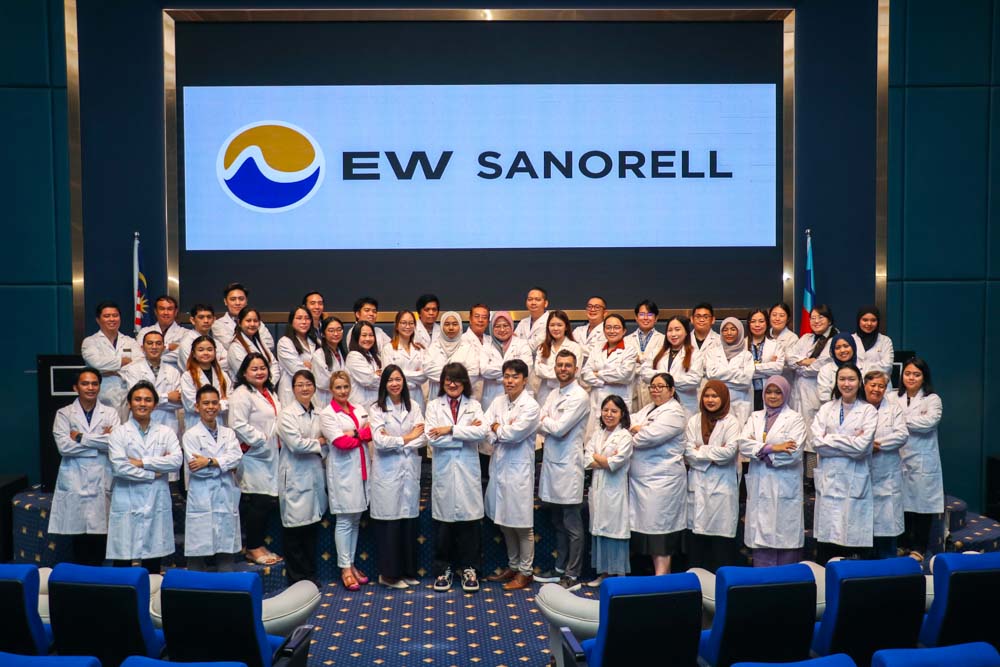
“This center proves that world-class regenerative medicine does not belong to one country,” he said. “It belongs wherever science, discipline and ethics come together.”
Seen Through Independent Eyes
At the end of the visit, FMT journalists described EWPC as modern, well-equipped and operating at a world-class standard, noting that it offered far more than they had expected.

For European Wellness, the visit marked a milestone — the first time FMT journalists had seen the center in person since its opening, and an opportunity for independent observers to assess what had been built.
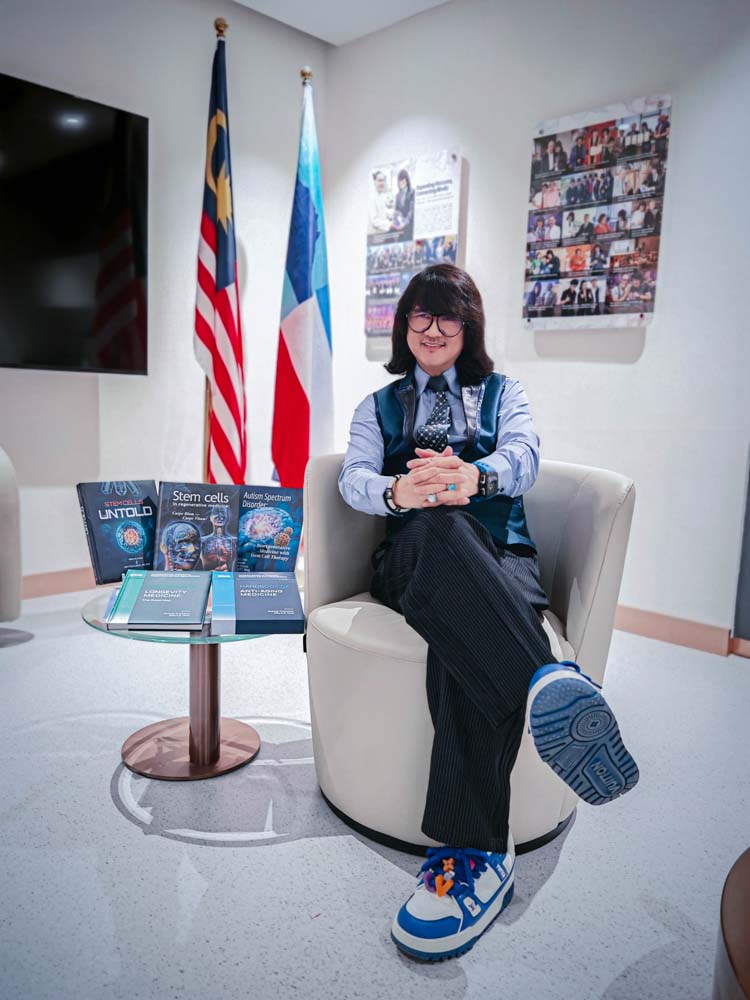
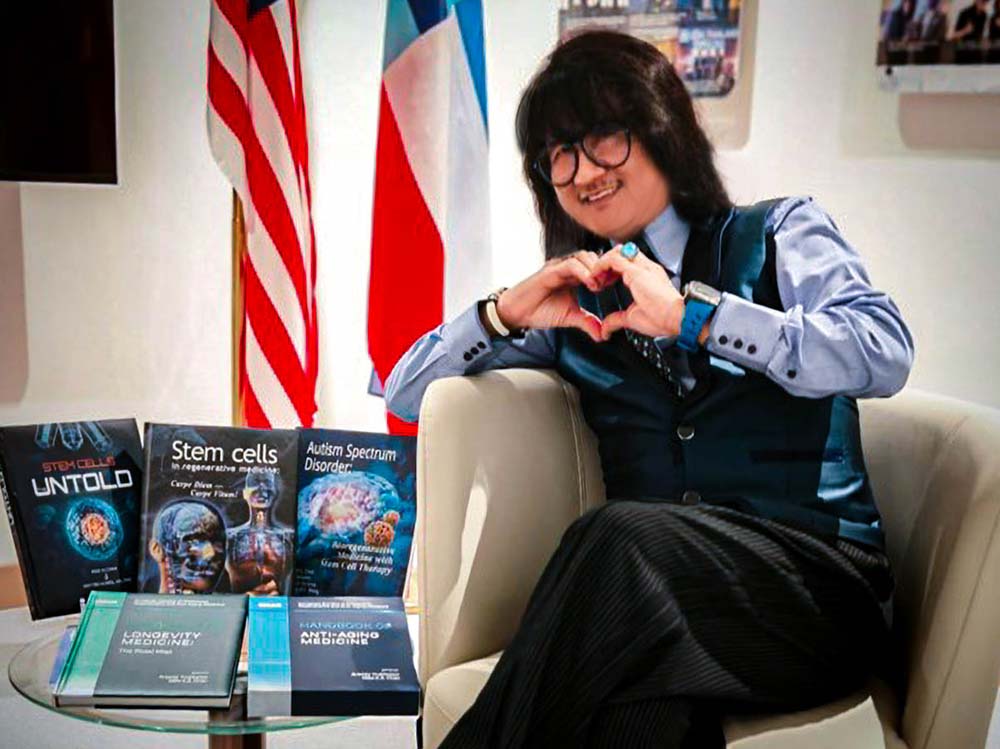
Before the team departed, Chan presented them with copies of his books on stem cell and regenerative medicine — a gesture reflecting his belief that research, education and clinical care must advance together.
A Mission Still Unfolding
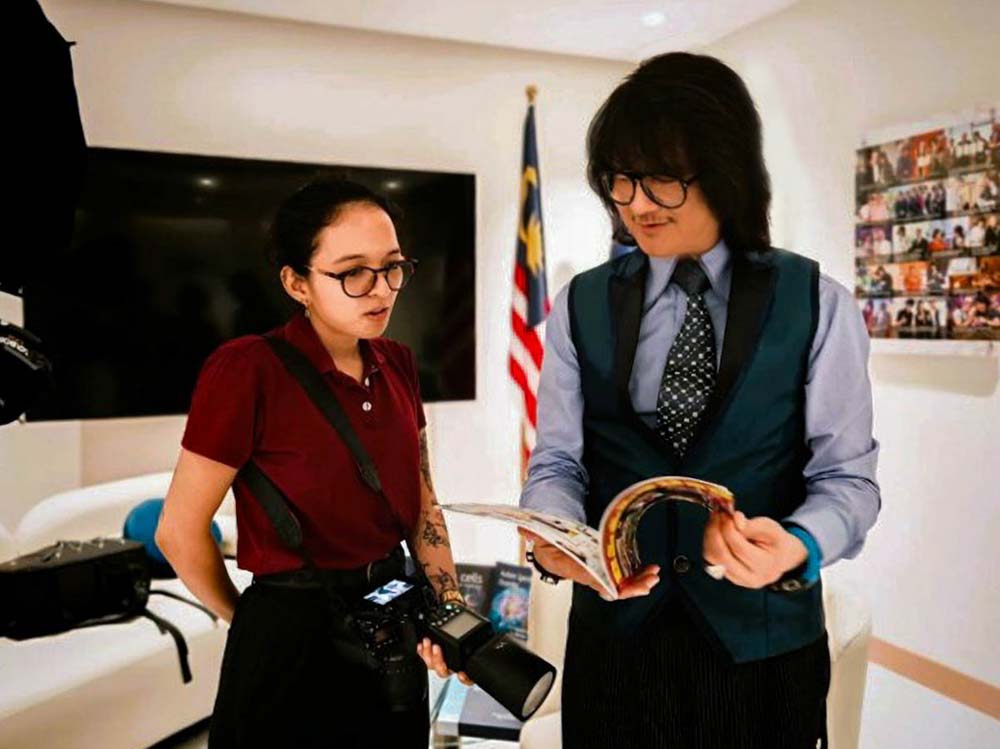
After more than four decades in the field, Chan shows no sign of slowing.
“I still read every day,” he said. “I still question my own work.”
Certainty, he believes, is dangerous.
“The moment you think you know everything,” Chan said, “you stop being useful.”
For Malaysians, the story of EWPC is more than a story of advanced medicine. It is a reminder that global-level science can emerge from local roots — and that a scientist shaped by hardship, curiosity and discipline can still choose to bring his work home.
“If my story proves anything,” Chan said quietly, “it is this: your beginning does not define your ending.”


Follow European Wellness:



Follow European Wellness Academy:
Follow Prof. Dato’ Sri Dr. Mike Chan:

Related Posts