
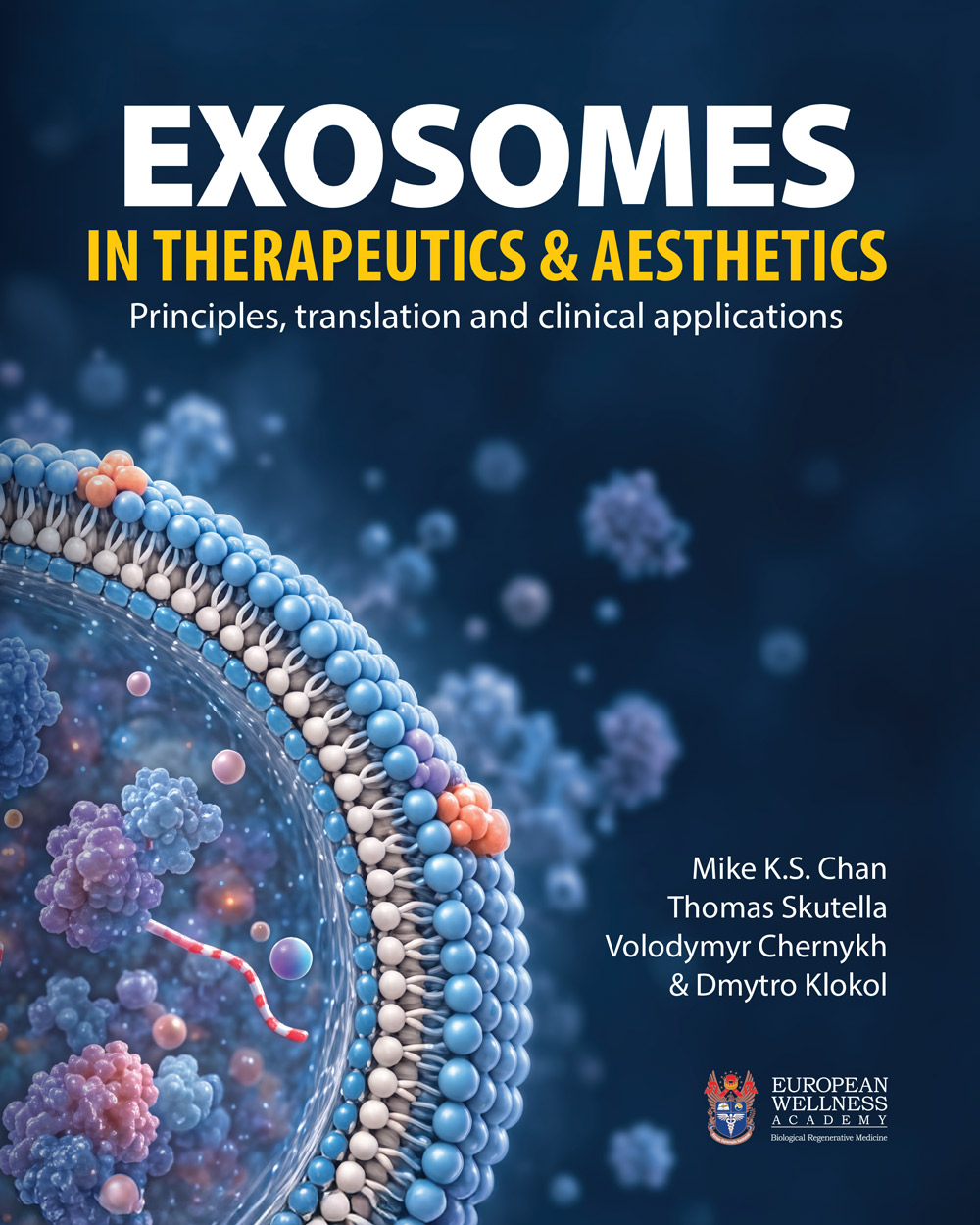
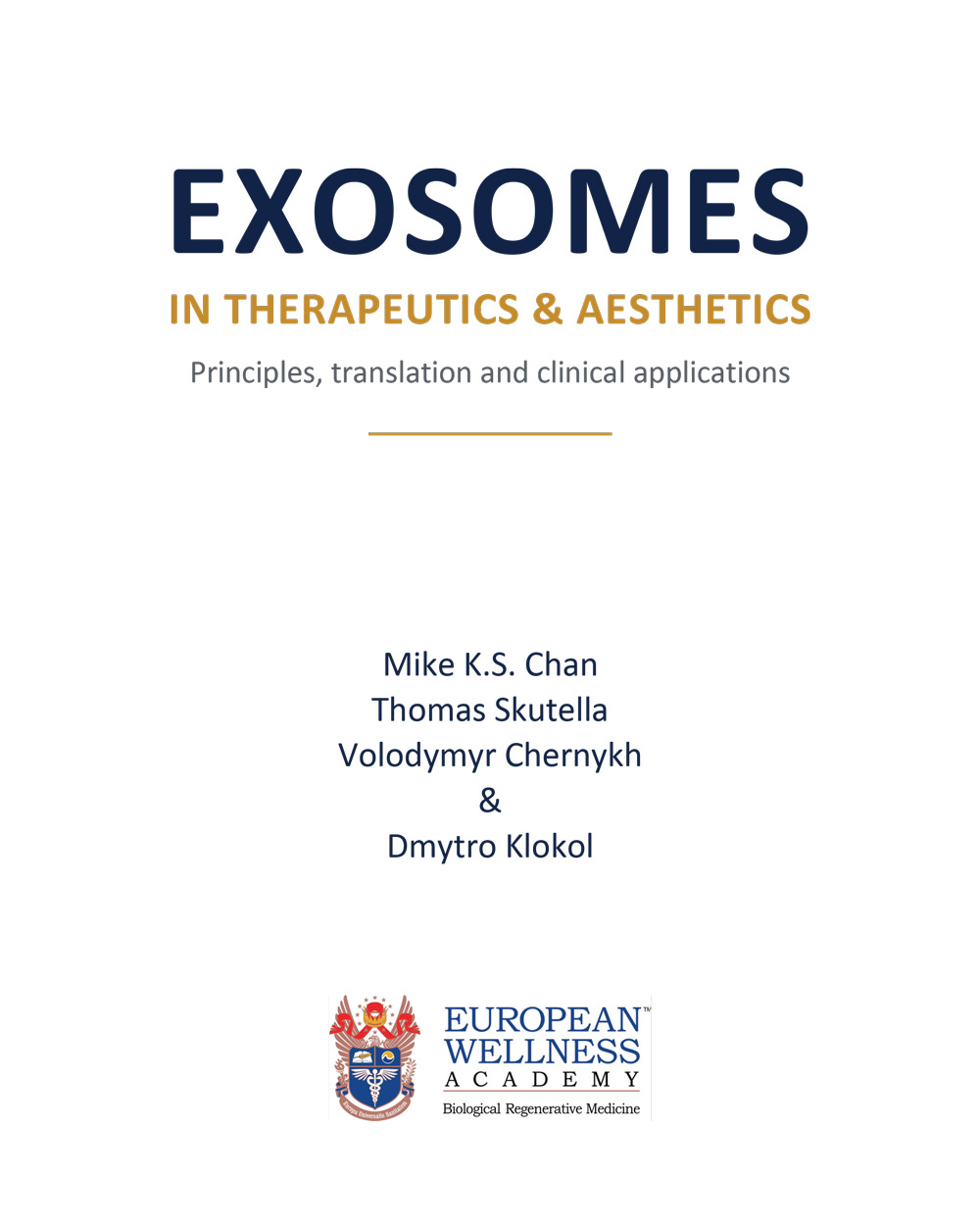
Exosomes in Therapeutics & Aesthetics: Principles, translation and clinical applications
Price range: $59.00 through $143.00
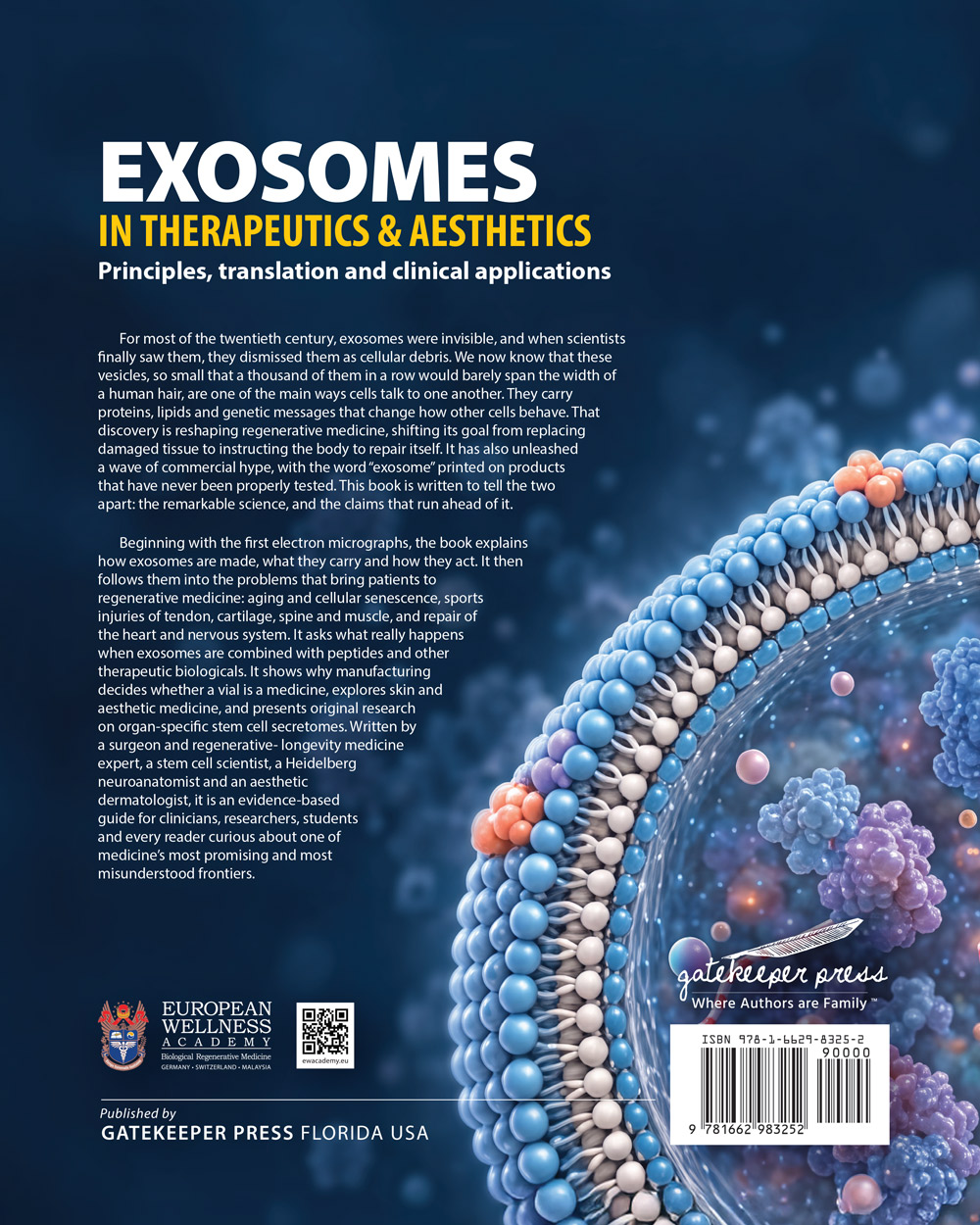
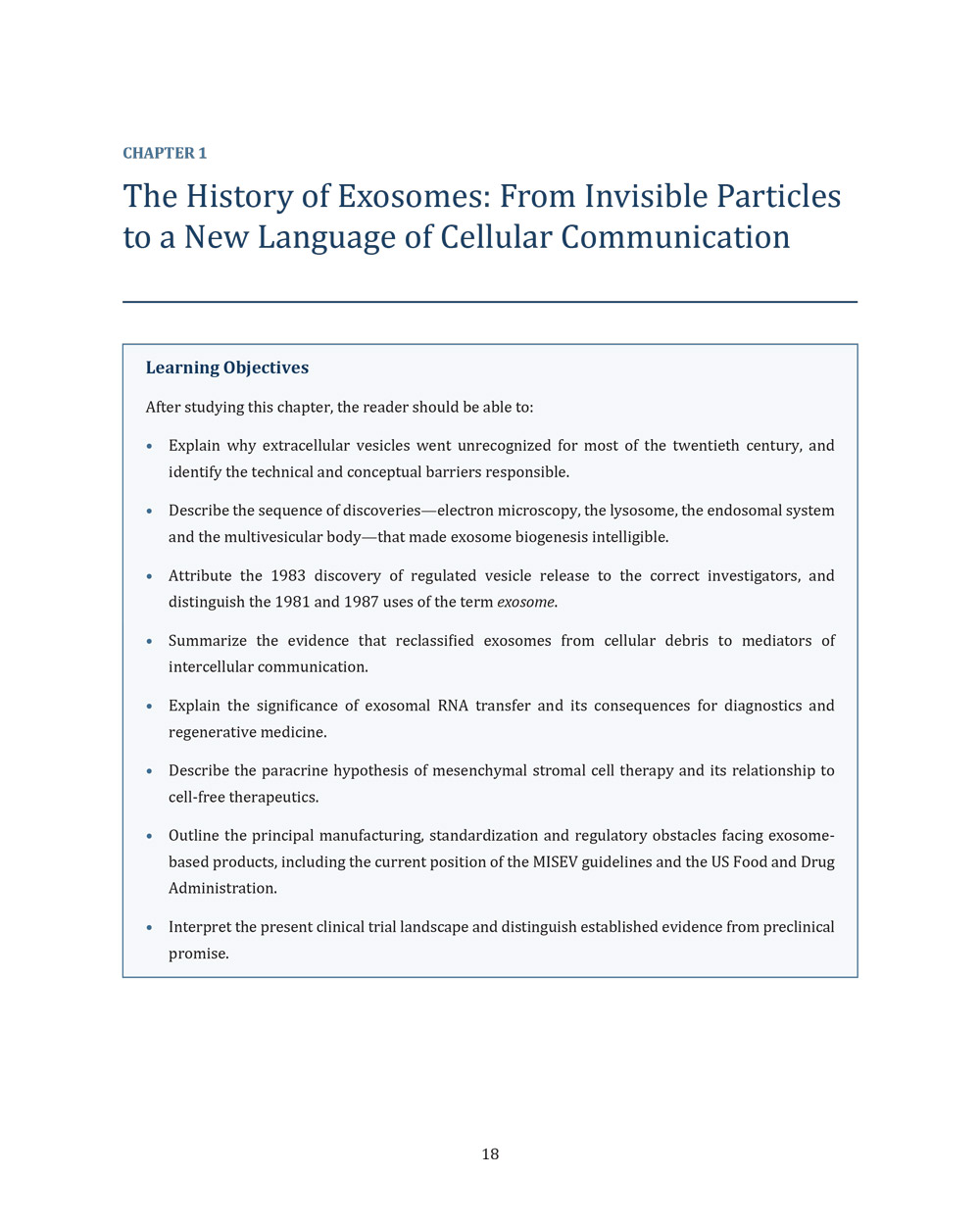
For most of the twentieth century, exosomes were invisible, and when scientists finally saw them, they dismissed them as cellular debris. We now know that these vesicles, so small that a thousand of them in a row would barely span the width of a human hair, are one of the main ways cells talk to one another. They carry proteins, lipids and genetic messages that change how other cells behave. That discovery is reshaping regenerative medicine, shifting its goal from replacing damaged tissue to instructing the body to repair itself. It has also unleashed a wave of commercial hype, with the word “exosome” printed on products that have never been properly tested. This book is written to tell the two apart: the remarkable science, and the claims that run ahead of it.
Beginning with the first electron micrographs, the book explains how exosomes are made, what they carry and how they act. It then follows them into the problems that bring patients to regenerative medicine: aging and cellular senescence, sports injuries of tendon, cartilage, spine and muscle, and repair of the heart and nervous system. It asks what really happens when exosomes are combined with peptides and other therapeutic biologicals. It shows why manufacturing decides whether a vial is a medicine, explores skin and aesthetic medicine, and presents original research on organ-specific stem cell secretomes. Written by a surgeon and regenerative-longevity medicine expert, a stem cell scientist, a Heidelberg neuroanatomist and an aesthetic dermatologist, it is an evidence-based guide for clinicians, researchers, students and every reader curious about one of medicine’s most promising and most misunderstood frontiers.
Description
Authors
Mike K.S. Chan, Thomas Skutella, Volodymyr Chernykh & Dmytro Klokol
Published by
EUROPEAN WELLNESS ACADEMY – Medical Research
ISBN: 9781662983252 eISBN: 9781662983269
Mike K.S. Chan, Researcher, Author, and Educator, Founder and Chairman of the European Wellness Biomedical Group; Senior Technical Consultant at EWBG; Head of Scientific committee of preventive, regenerative and anti-aging medicine and Asian Chairman (ESAAM); Adjunct Professor of Lincoln University College (Malaysia); Associate Professor of AASCP, USA (American Academy of Stem Cell Physicians), Chairman for A4M, USA (American Academy of Anti-Aging Medicine) for Thailand/Asia, Japan’s Regenerative Medical Association MMJ (Multi-Dimensional Holistic Medical Team Japan) and co-Founder of FCTI Precursor Stem Cells (Europe), Author of over 70 books and over 180 publications, has experience of 45 over years in Stem cells Research in Germany, Switzerland, European Union, Soviets, China, Mexico, USA, Japan, Middle East since early 80’s, presenter for over 10000 presentations and scientific lectures globally at most major conferences of the World on anti-aging and precision medicine. He is also a pioneer in Regenerative Medicine and Cellular Therapies in a big way in the 80’s into Asia Pacific, the Middle East and Australia.
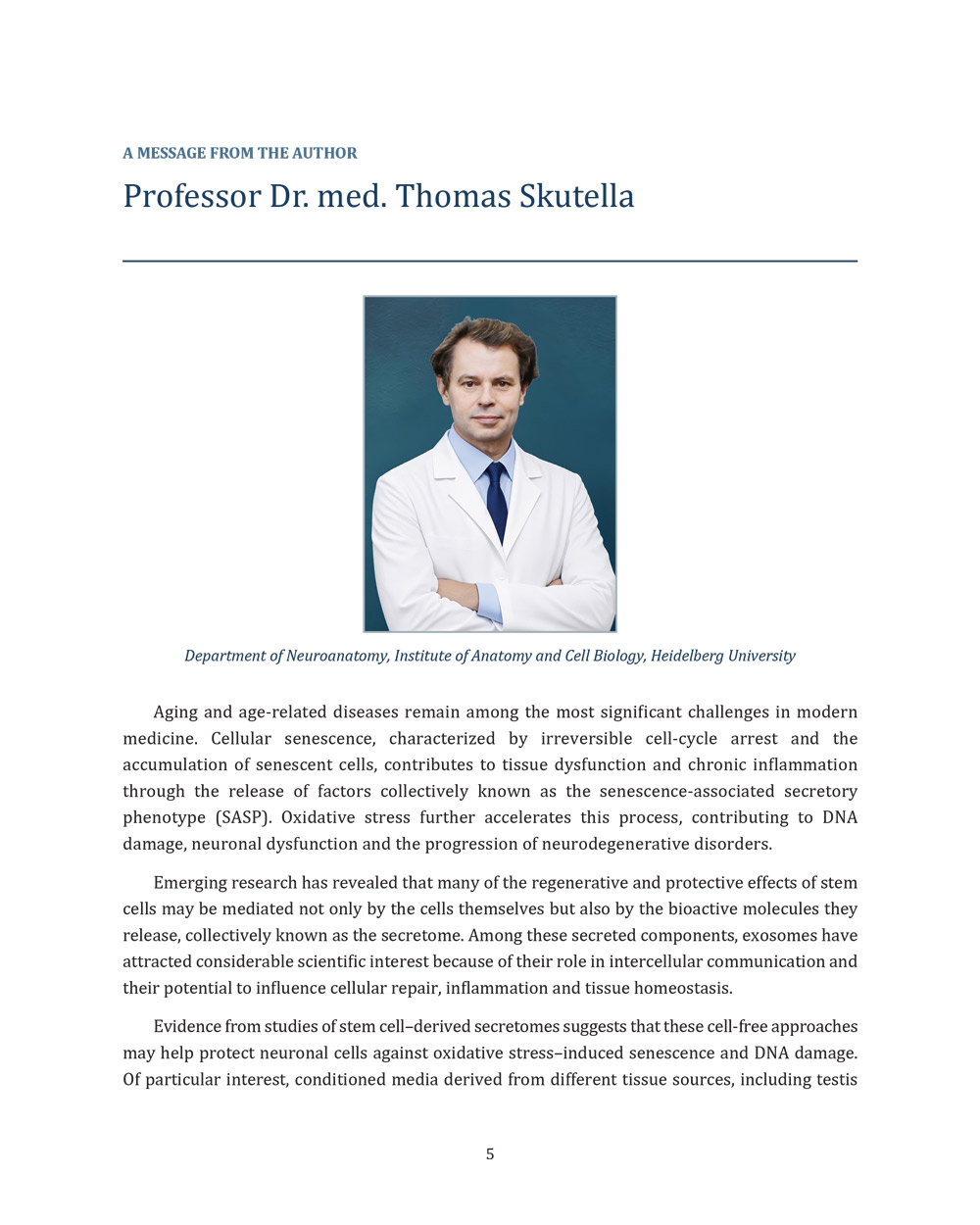
Thomas Skutella, MD, PostDoc (Max Planck Institute for Psychiatry, Munich, Germany), Full Professor at Heidelberg University, former group leader in the Neuroscience Research Center (Charite Berlin, Germany), director of the Center for Regenerative Medicine (Tübingen, Germany), Head of the department of Neuroanatomy in the Institute for Anatomy and Cell Biology (Heidelberg, Germany), Group for Regeneration and Reprogramming, Medical Faculty, Institute for Anatomy and Cell Biology, Heidelberg University (Germany).
Dmytro Klokol, MD, Specialist in General Surgery (Board Certified, MoH UA), PhD (Emergency and Reconstructive Surgery), GCP (Malaysia, USA), PostDoc (Regenerative Medicine, NL, EU); Certified expert in Interventional procedures in Regenerative Medicine and chronic pain management (Spain, EU); Certified Educator at International Accreditation Organization (IAO, USA); HRDCorp certified educator and trainer (Malaysia); International Board for Anti-aging and Regenerative Medicine (IBARM, USA) certifying academic board member.
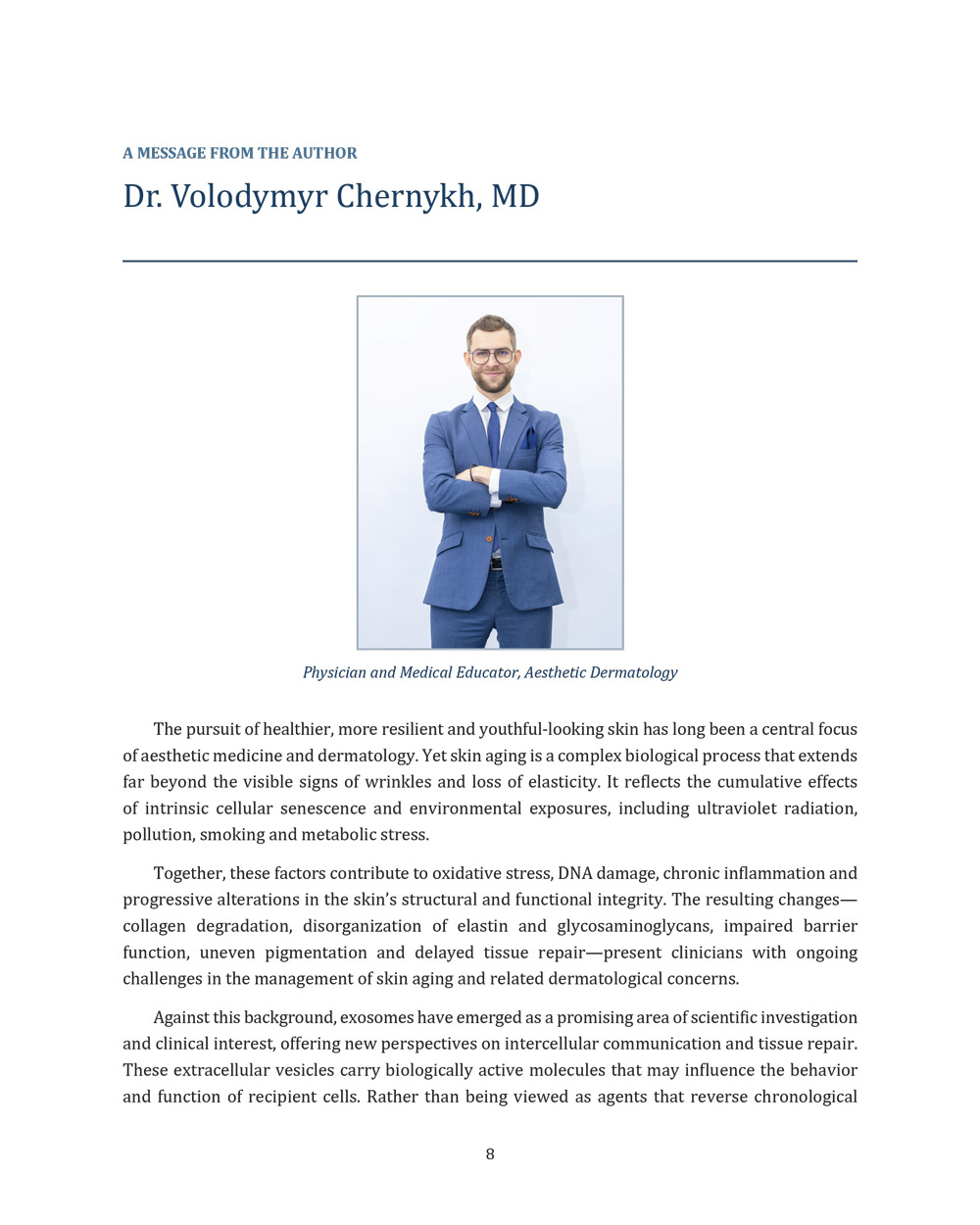
Dr. Volodymyr Chernykh, MD, is a physician, medical educator, and researcher specializing in aesthetic dermatology, regenerative medicine, and healthy aging. He has authored scientific publications, developed clinical treatment protocols, and trained healthcare professionals internationally. His interests include emerging medical technologies, clinical research, and evidence-based approaches to patient care.
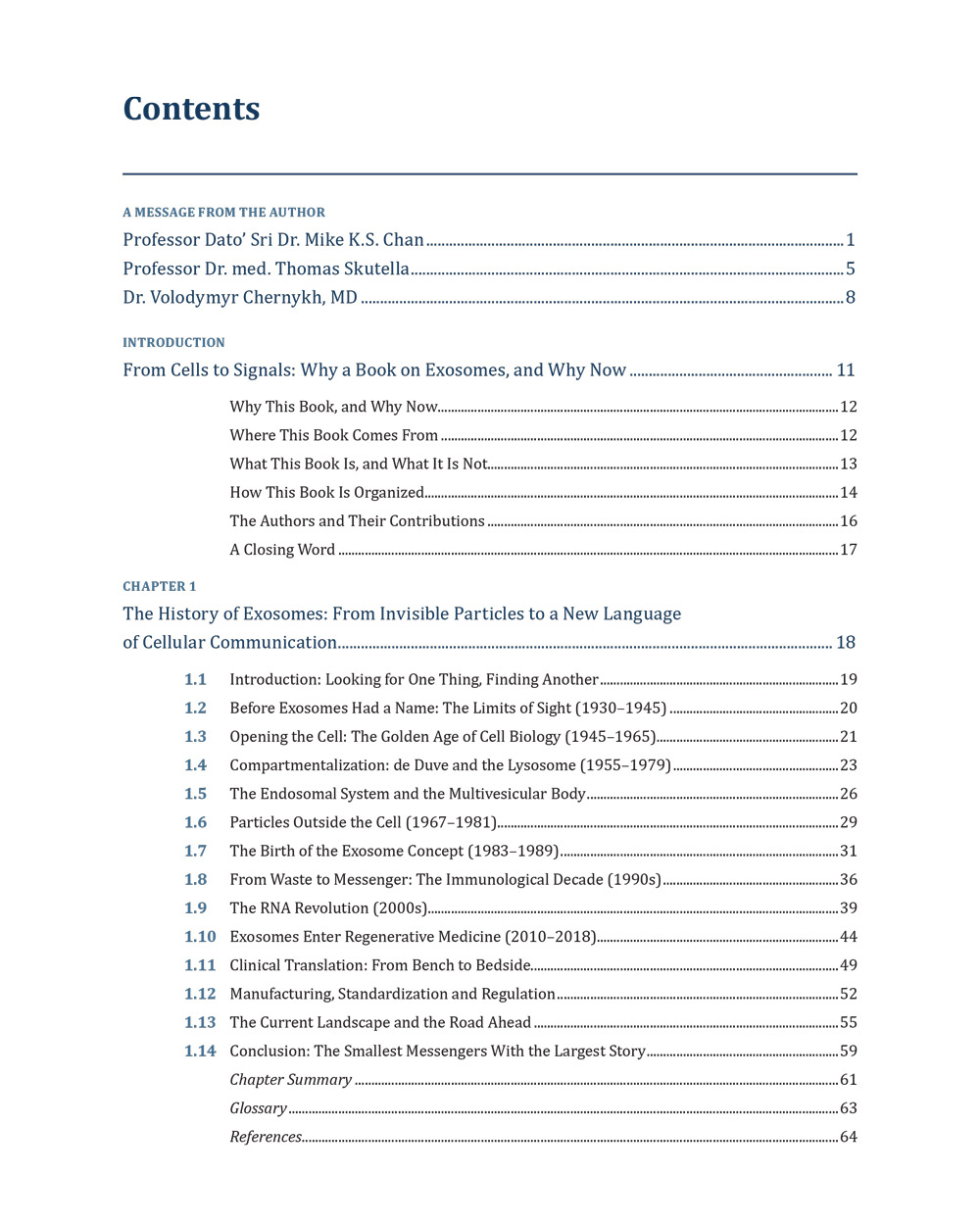
Table of Content
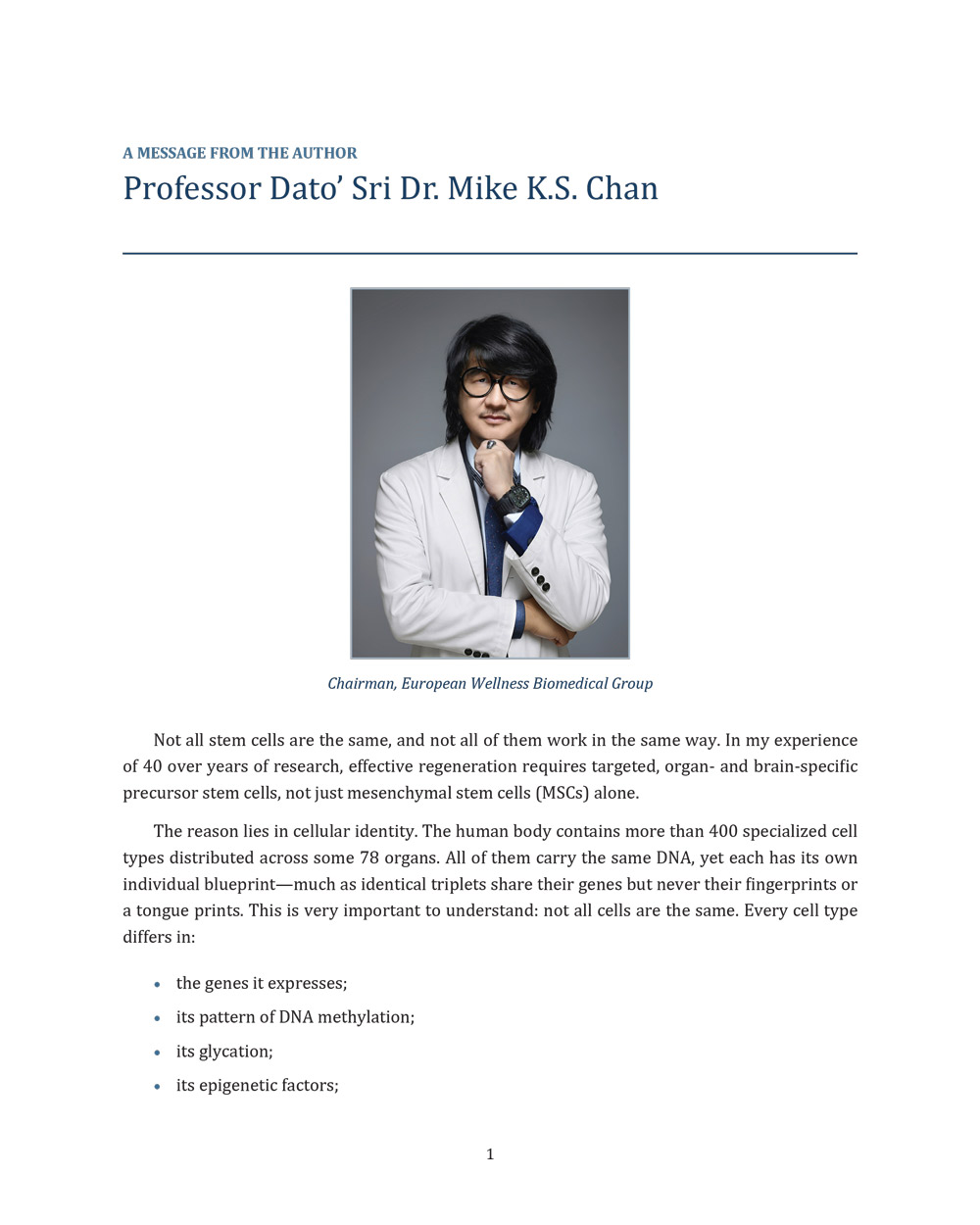
A MESSAGE FROM THE AUTHOR |
|
| Professor Dato’ Sri Dr. Mike K.S. Chan | 1 |
| Professor Dr. med. Thomas Skutella | 5 |
| Dr. Volodymyr Chernykh, MD | 8 |
INTRODUCTION |
|
| From Cells to Signals: Why a Book on Exosomes, and Why Now | 11 |
| Why This Book, and Why Now | 12 |
| Where This Book Comes From | 12 |
| What This Book Is, and What It Is Not | 13 |
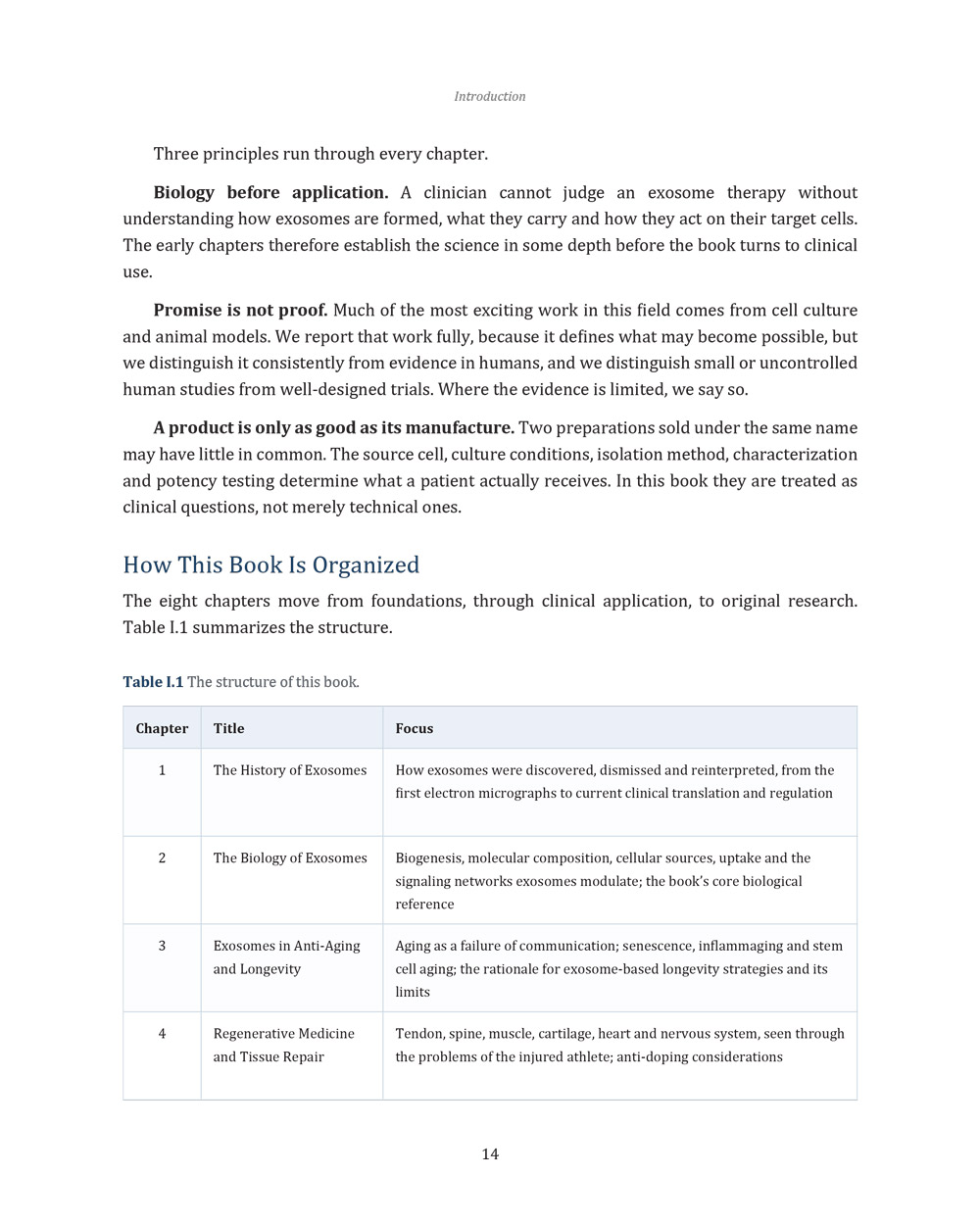
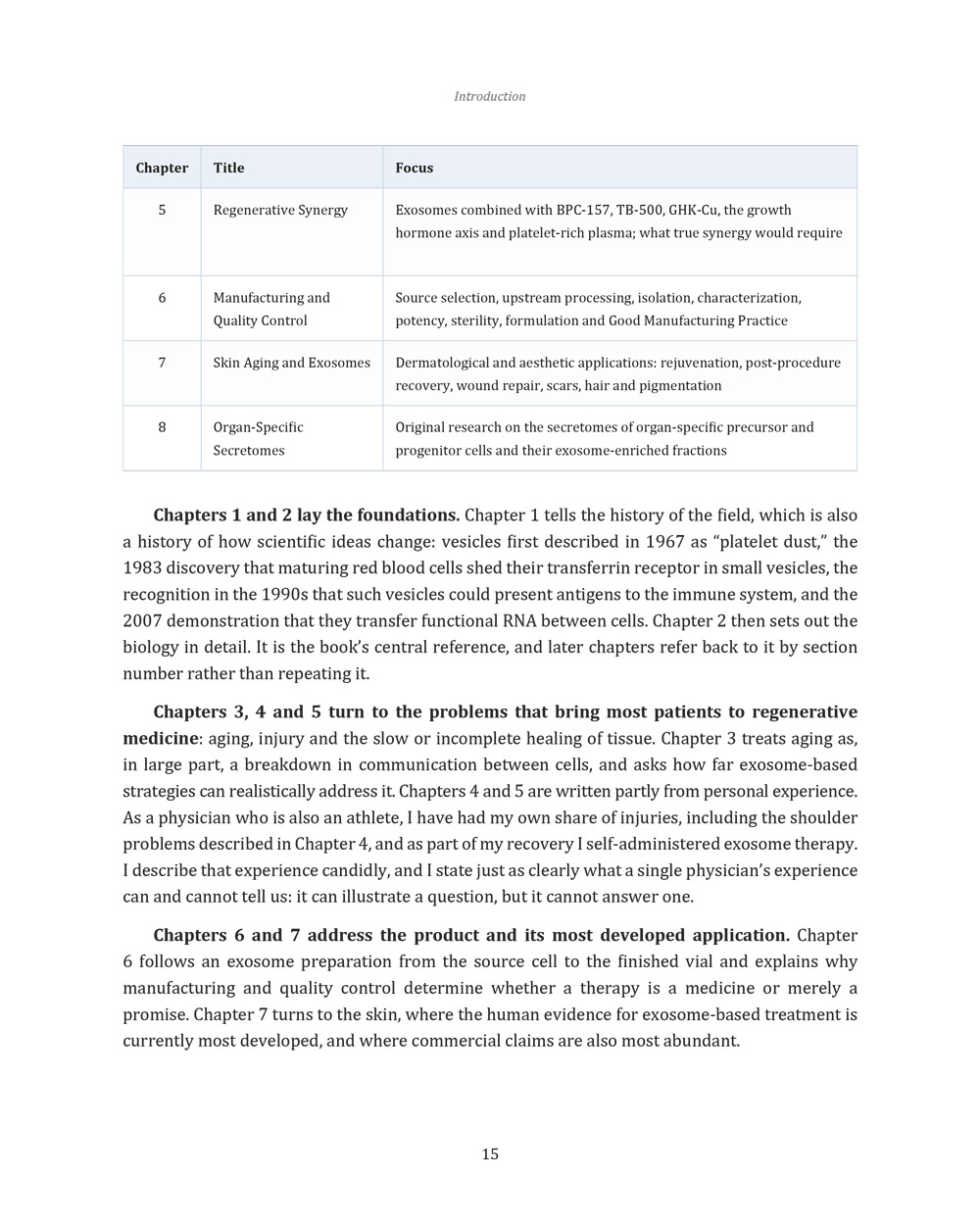
| How This Book Is Organized | 14 |
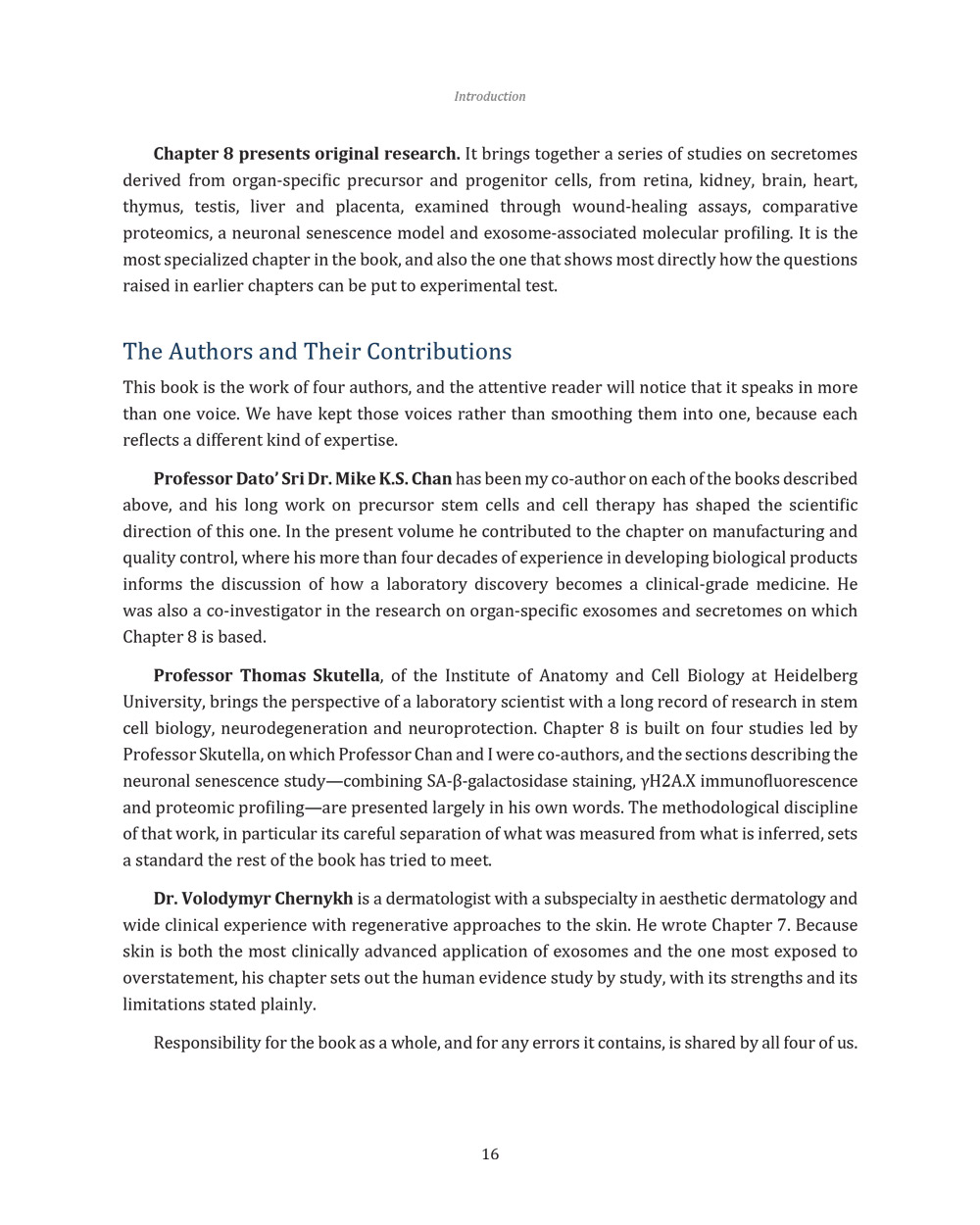
| The Authors and Their Contributions | 16 |
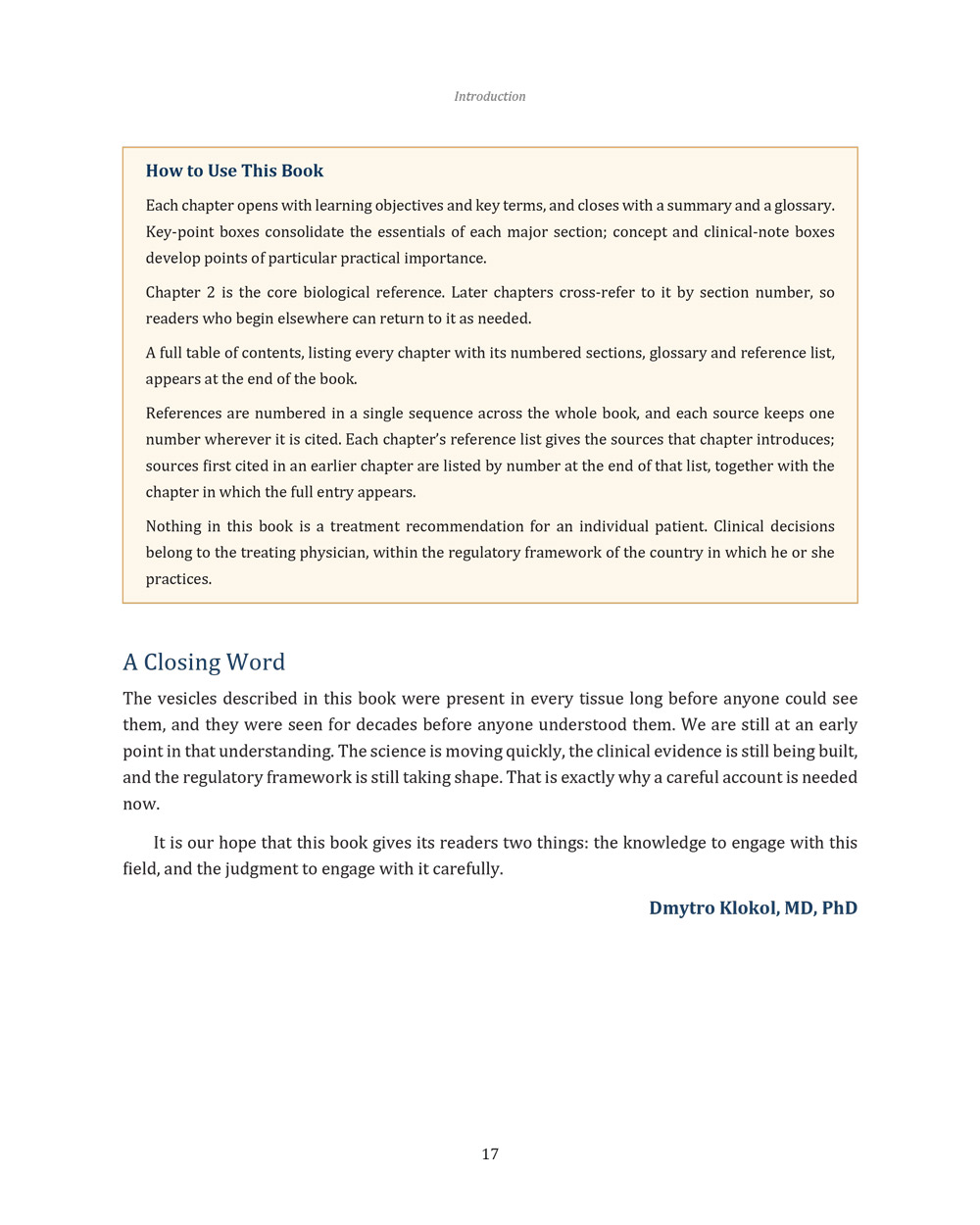
| A Closing Word | 17 |
CHAPTER 1 |
|
| The History of Exosomes: From Invisible Particles to a New Language of Cellular Communication | 18 |
| 1.1 Introduction: Looking for One Thing, Finding Another | 19 |
| 1.2 Before Exosomes Had a Name: The Limits of Sight (1930–1945) | 20 |
| 1.3 Opening the Cell: The Golden Age of Cell Biology (1945–1965) | 21 |
| 1.4 Compartmentalization: de Duve and the Lysosome (1955–1979) | 23 |
| 1.5 The Endosomal System and the Multivesicular Body | 26 |
| 1.6 Particles Outside the Cell (1967–1981) | 29 |
| 1.7 The Birth of the Exosome Concept (1983–1989) | 31 |
| 1.8 From Waste to Messenger: The Immunological Decade (1990s) | 36 |
| 1.9 The RNA Revolution (2000s) | 39 |
| 1.10 Exosomes Enter Regenerative Medicine (2010–2018) | 44 |
| 1.11 Clinical Translation: From Bench to Bedside | 49 |
| 1.12 Manufacturing, Standardization and Regulation | 52 |
| 1.13 The Current Landscape and the Road Ahead | 55 |
| 1.14 Conclusion: The Smallest Messengers With the Largest Story | 59 |
| Chapter Summary | 61 |
| Glossary | 63 |
| References | 64 |
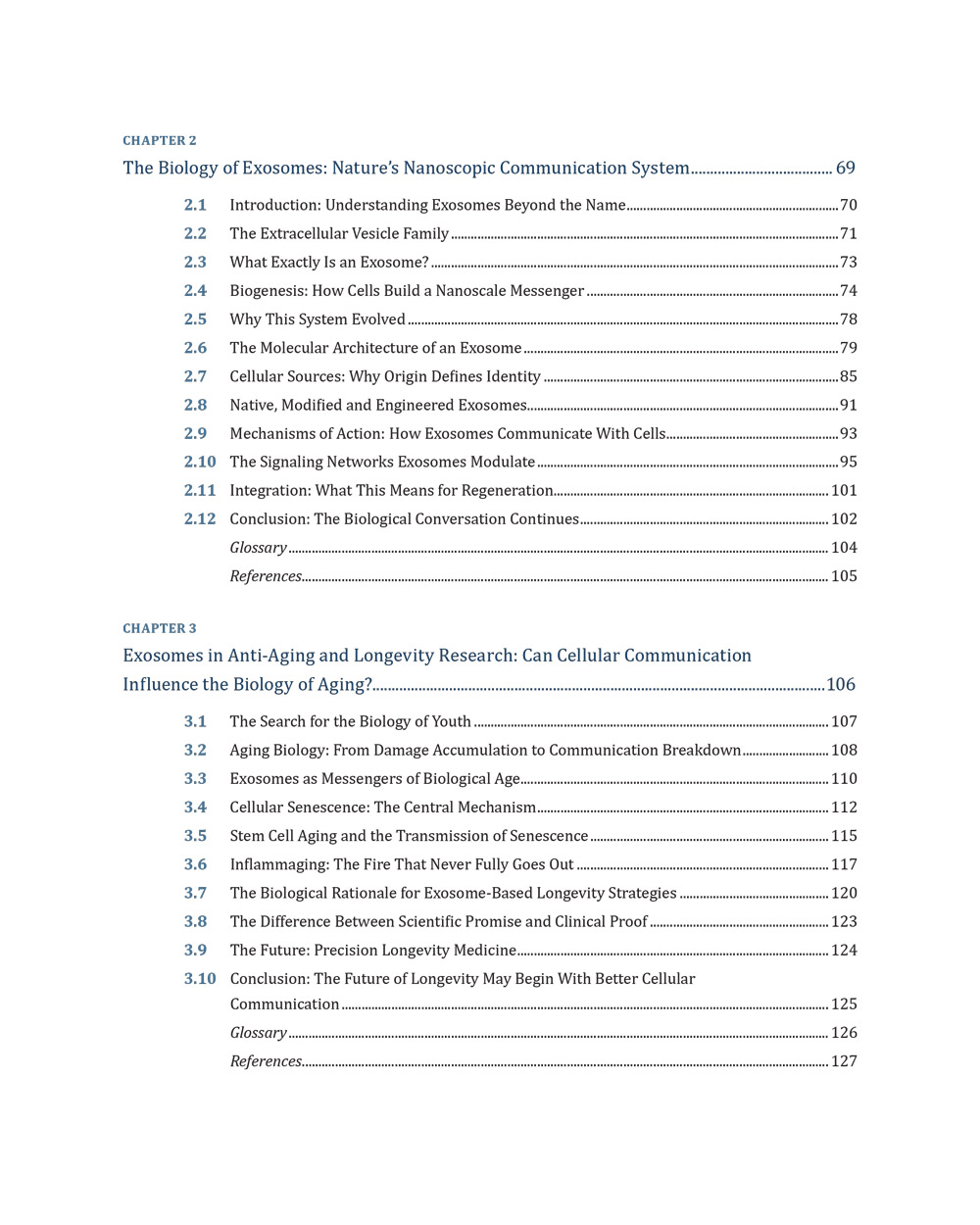
CHAPTER 2 |
|
| The Biology of Exosomes: Nature’s Nanoscopic Communication System | 69 |
| 2.1 Introduction: Understanding Exosomes Beyond the Name | 70 |
| 2.2 The Extracellular Vesicle Family | 71 |
| 2.3 What Exactly Is an Exosome? | 73 |
| 2.4 Biogenesis: How Cells Build a Nanoscale Messenger | 74 |
| 2.5 Why This System Evolved | 78 |
| 2.6 The Molecular Architecture of an Exosome | 79 |
| 2.7 Cellular Sources: Why Origin Defines Identity | 85 |
| 2.8 Native, Modified and Engineered Exosomes | 91 |
| 2.9 Mechanisms of Action: How Exosomes Communicate With Cells | 93 |
| 2.10 The Signaling Networks Exosomes Modulate | 95 |
| 2.11 Integration: What This Means for Regeneration | 101 |
| 2.12 Conclusion: The Biological Conversation Continues | 102 |
| Glossary | 104 |
| References | 105 |
CHAPTER 3 |
|
| Exosomes in Anti-Aging and Longevity Research: Can Cellular Communication Influence the Biology of Aging? | 106 |
| 3.1 The Search for the Biology of Youth | 107 |
| 3.2 Aging Biology: From Damage Accumulation to Communication Breakdown | 108 |
| 3.3 Exosomes as Messengers of Biological Age | 110 |
| 3.4 Cellular Senescence: The Central Mechanism | 112 |
| 3.5 Stem Cell Aging and the Transmission of Senescence | 115 |
| 3.6 Inflammaging: The Fire That Never Fully Goes Out | 117 |
| 3.7 The Biological Rationale for Exosome-Based Longevity Strategies | 120 |
| 3.8 The Difference Between Scientific Promise and Clinical Proof | 123 |
| 3.9 The Future: Precision Longevity Medicine | 124 |
| 3.10 Conclusion: The Future of Longevity May Begin With Better Cellular Communication | 125 |
| Glossary | 126 |
| References | 127 |
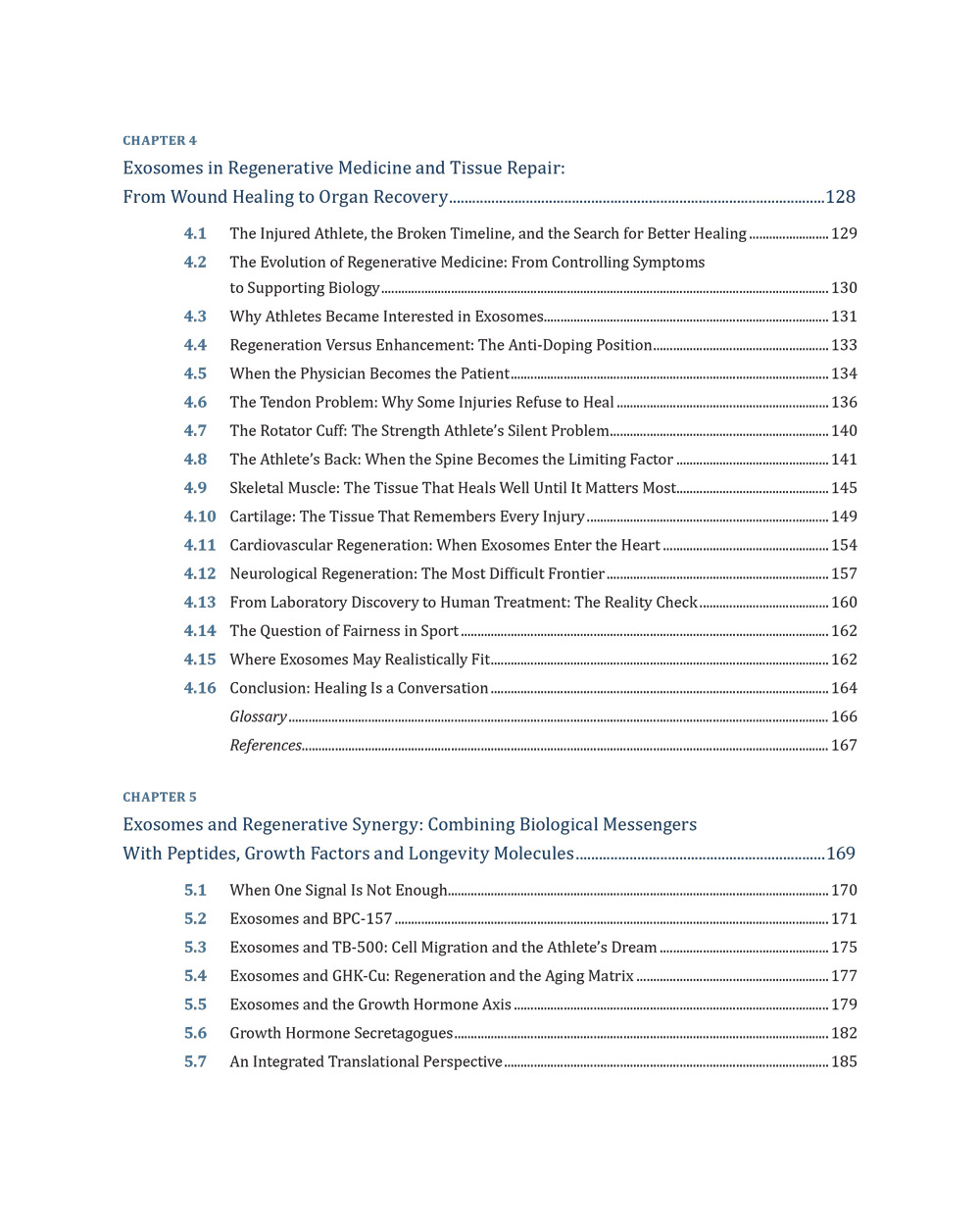
CHAPTER 4 |
|
| Exosomes in Regenerative Medicine and Tissue Repair: From Wound Healing to Organ Recovery | 128 |
| 4.1 The Injured Athlete, the Broken Timeline, and the Search for Better Healing | 129 |
| 4.2 The Evolution of Regenerative Medicine: From Controlling Symptoms to Supporting Biology | 130 |
| 4.3 Why Athletes Became Interested in Exosomes | 131 |
| 4.4 Regeneration Versus Enhancement: The Anti-Doping Position | 133 |
| 4.5 When the Physician Becomes the Patient | 134 |
| 4.6 The Tendon Problem: Why Some Injuries Refuse to Heal | 136 |
| 4.7 The Rotator Cuff: The Strength Athlete’s Silent Problem | 140 |
| 4.8 The Athlete’s Back: When the Spine Becomes the Limiting Factor | 141 |
| 4.9 Skeletal Muscle: The Tissue That Heals Well Until It Matters Most | 145 |
| 4.10 Cartilage: The Tissue That Remembers Every Injury | 149 |
| 4.11 Cardiovascular Regeneration: When Exosomes Enter the Heart | 154 |
| 4.12 Neurological Regeneration: The Most Difficult Frontier | 157 |
| 4.13 From Laboratory Discovery to Human Treatment: The Reality Check | 160 |
| 4.14 The Question of Fairness in Sport | 162 |
| 4.15 Where Exosomes May Realistically Fit | 162 |
| 4.16 Conclusion: Healing Is a Conversation | 164 |
| Glossary | 166 |
| References | 167 |
CHAPTER 5 |
|
| Exosomes and Regenerative Synergy: Combining Biological Messengers With Peptides, Growth Factors and Longevity Molecules | 169 |
| 5.1 When One Signal Is Not Enough | 170 |
| 5.2 Exosomes and BPC-157 | 171 |
| 5.3 Exosomes and TB-500: Cell Migration and the Athlete’s Dream | 175 |
| 5.4 Exosomes and GHK-Cu: Regeneration and the Aging Matrix | 177 |
| 5.5 Exosomes and the Growth Hormone Axis | 179 |
| 5.6 Growth Hormone Secretagogues | 182 |
| 5.7 An Integrated Translational Perspective | 185 |
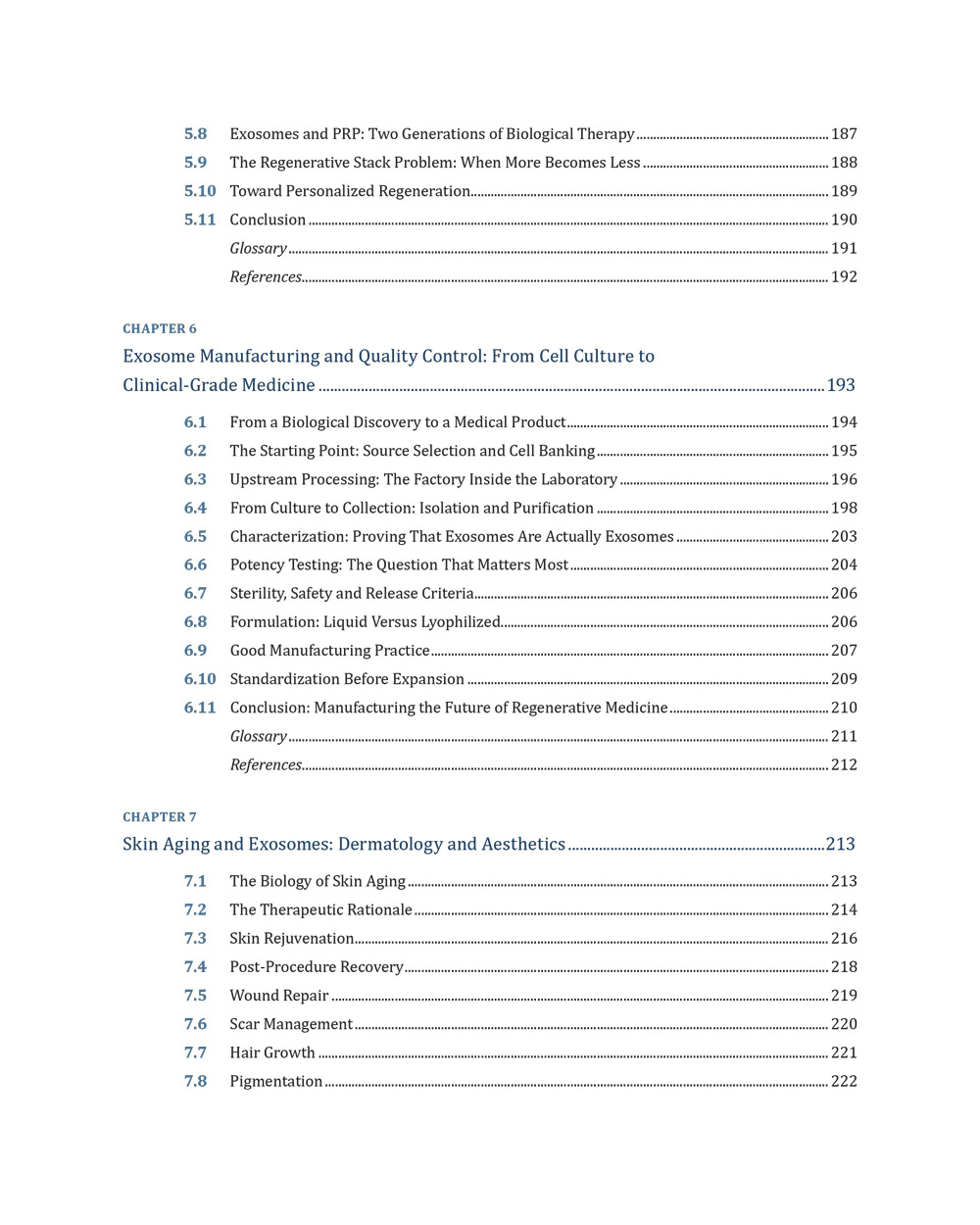
| 5.8 Exosomes and PRP: Two Generations of Biological Therapy | 187 |
| 5.9 The Regenerative Stack Problem: When More Becomes Less | 188 |
| 5.10 Toward Personalized Regeneration | 189 |
| 5.11 Conclusion | 190 |
| Glossary | 191 |
| References | 192 |
CHAPTER 6 |
|
| Exosome Manufacturing and Quality Control: From Cell Culture to Clinical-Grade Medicine | 193 |
| 6.1 From a Biological Discovery to a Medical Product | 194 |
| 6.2 The Starting Point: Source Selection and Cell Banking | 195 |
| 6.3 Upstream Processing: The Factory Inside the Laboratory | 196 |
| 6.4 From Culture to Collection: Isolation and Purification | 198 |
| 6.5 Characterization: Proving That Exosomes Are Actually Exosomes | 203 |
| 6.6 Potency Testing: The Question That Matters Most | 204 |
| 6.7 Sterility, Safety and Release Criteria | 206 |
| 6.8 Formulation: Liquid Versus Lyophilized | 206 |
| 6.9 Good Manufacturing Practice | 207 |
| 6.10 Standardization Before Expansion | 209 |
| 6.11 Conclusion: Manufacturing the Future of Regenerative Medicine | 210 |
| Glossary | 211 |
| References | 212 |
CHAPTER 7 |
|
| Skin Aging and Exosomes: Dermatology and Aesthetics | 213 |
| 7.1 The Biology of Skin Aging | 213 |
| 7.2 The Therapeutic Rationale | 214 |
| 7.3 Skin Rejuvenation | 216 |
| 7.4 Post-Procedure Recovery | 218 |
| 7.5 Wound Repair | 219 |
| 7.6 Scar Management | 220 |
| 7.7 Hair Growth | 221 |
| 7.8 Pigmentation | 222 |
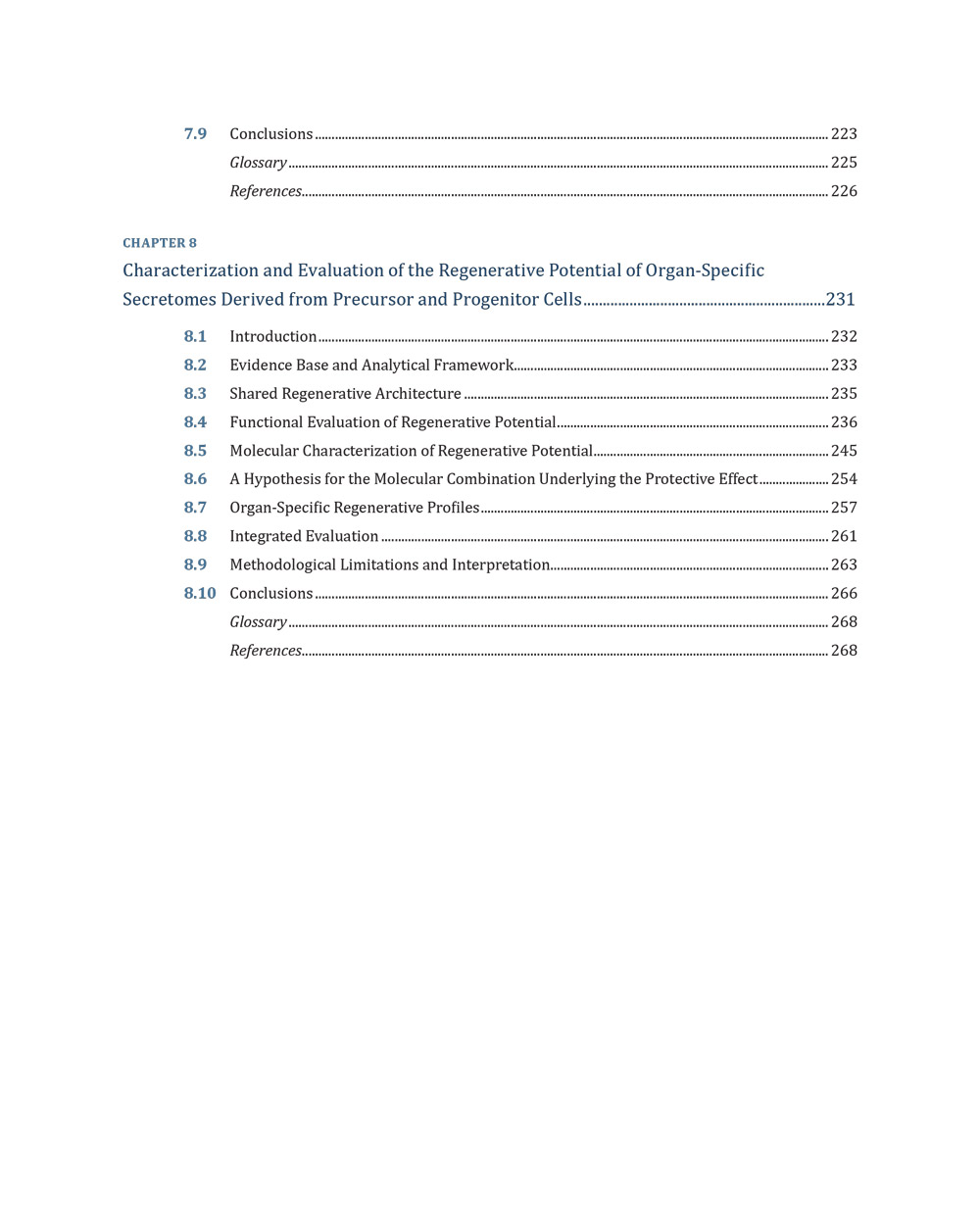
| 7.9 Conclusions | 223 |
| Glossary | 225 |
| References | 226 |
CHAPTER 8 |
|
| Characterization and Evaluation of the Regenerative Potential of Organ-Specific Secretomes Derived from Precursor and Progenitor Cells | 231 |
| 8.1 Introduction | 232 |
| 8.2 Evidence Base and Analytical Framework | 233 |
| 8.3 Shared Regenerative Architecture | 235 |
| 8.4 Functional Evaluation of Regenerative Potential | 236 |
| 8.5 Molecular Characterization of Regenerative Potential | 245 |
| 8.6 A Hypothesis for the Molecular Combination Underlying the Protective Effect | 254 |
| 8.7 Organ-Specific Regenerative Profiles | 257 |
| 8.8 Integrated Evaluation | 261 |
| 8.9 Methodological Limitations and Interpretation | 263 |
| 8.10 Conclusions | 266 |
| Glossary | 268 |
| References | 268 |
Additional information
| Weight | N/A |
|---|---|
| Select Book Type | Printed English (Hardcover), eBook English, Printed English (Hardcover) + eBook English, eBook Chinese Simplified (简体)* + eBook English, eBook Chinese Traditional (繁体)* + eBook English, eBook Spanish* + eBook English, eBook Japanese* + eBook English, eBook Vietnamese* + eBook English, eBook Thai* + eBook English, eBook Arabic* + eBook English, eBook Korean* + eBook English, eBook Indonesian* + eBook English, eBook Portuguese* + eBook English, eBook Russian* + eBook English |
Only logged in customers who have purchased this product may leave a review.
You may also like…
-
 Select options This product has multiple variants. The options may be chosen on the product page
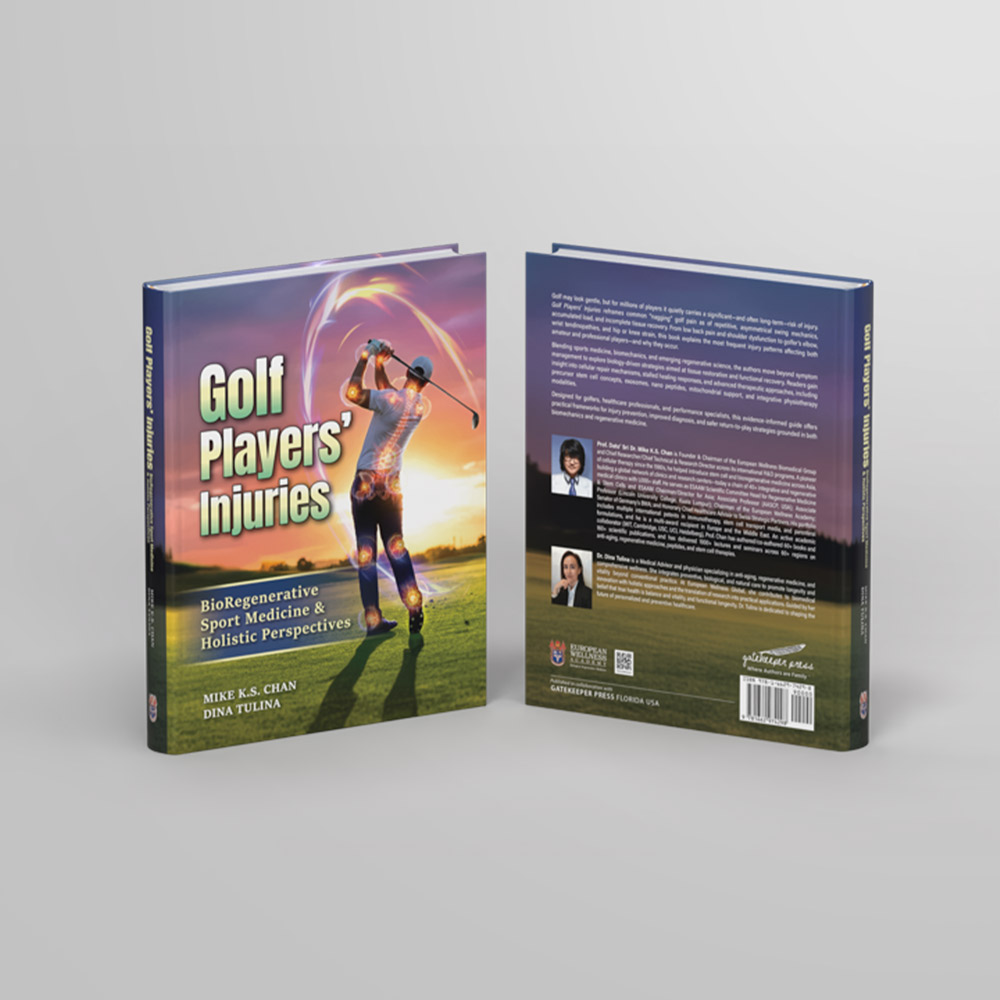
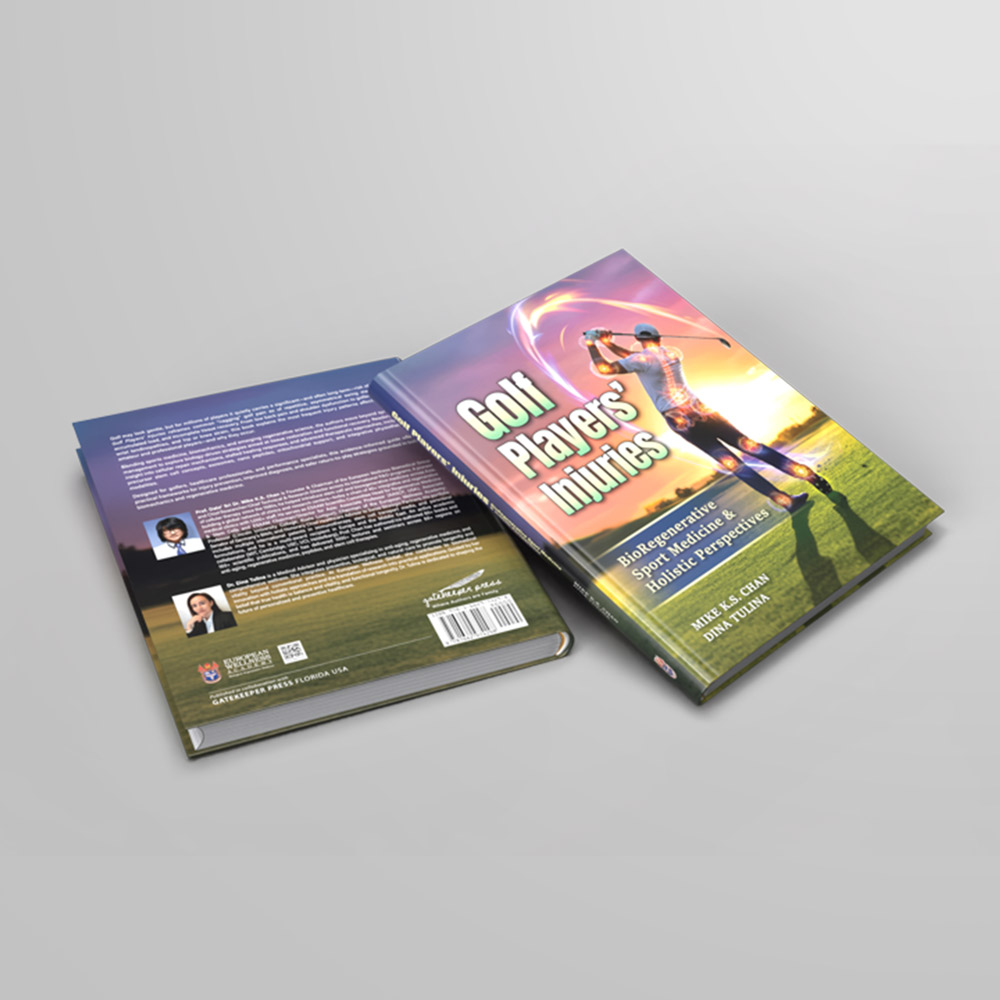
Golf Players’ Injuries: BioRegenerative Sport Medicine & Holistic Perspectives
Price range: $56.00 through $134.00 -
 Select options This product has multiple variants. The options may be chosen on the product page
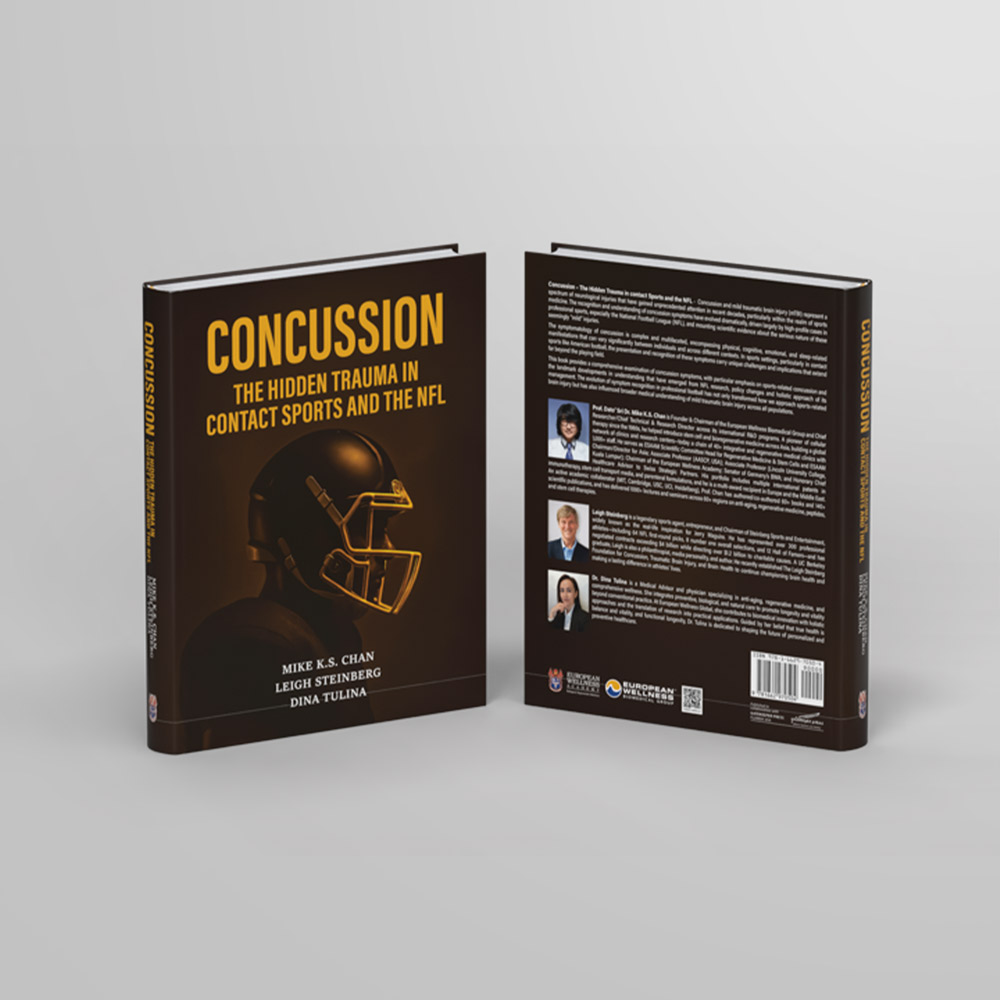
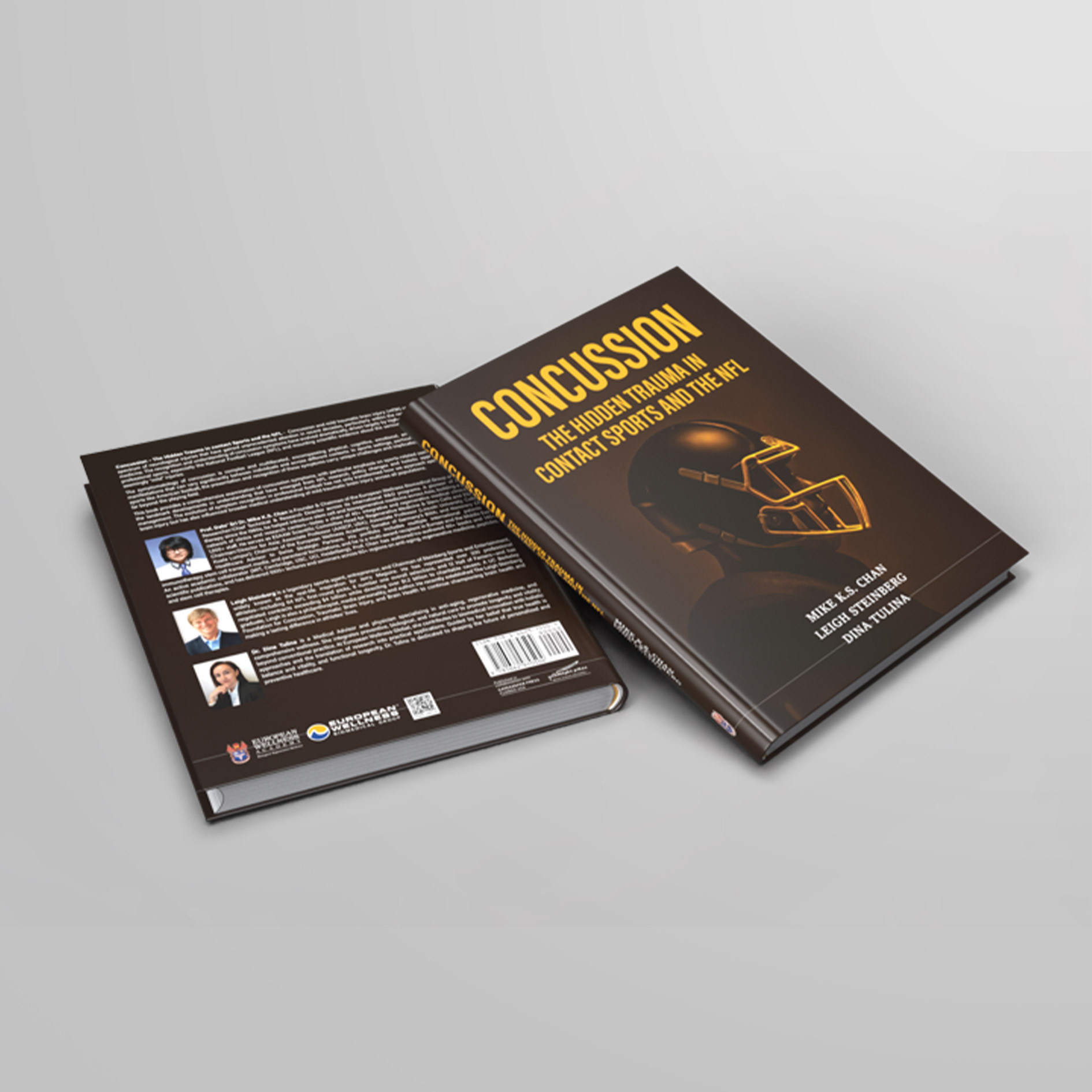
Concussion: The Hidden Trauma of Contact Sports and the NFL
Price range: $55.00 through $132.00
Related products
-

 Select options This product has multiple variants. The options may be chosen on the product page
Cell Membrane Therapy: Clinical Practice in Brain, Liver and Cardiovascular Diseases
Price range: $55.00 through $110.00 -

 Select options This product has multiple variants. The options may be chosen on the product page
Cell Therapy – Cellular & Tissue Xenotransplantation: Challenges, Progress & Current Applications
Price range: $25.00 through $89.00 -
 Select options This product has multiple variants. The options may be chosen on the product page
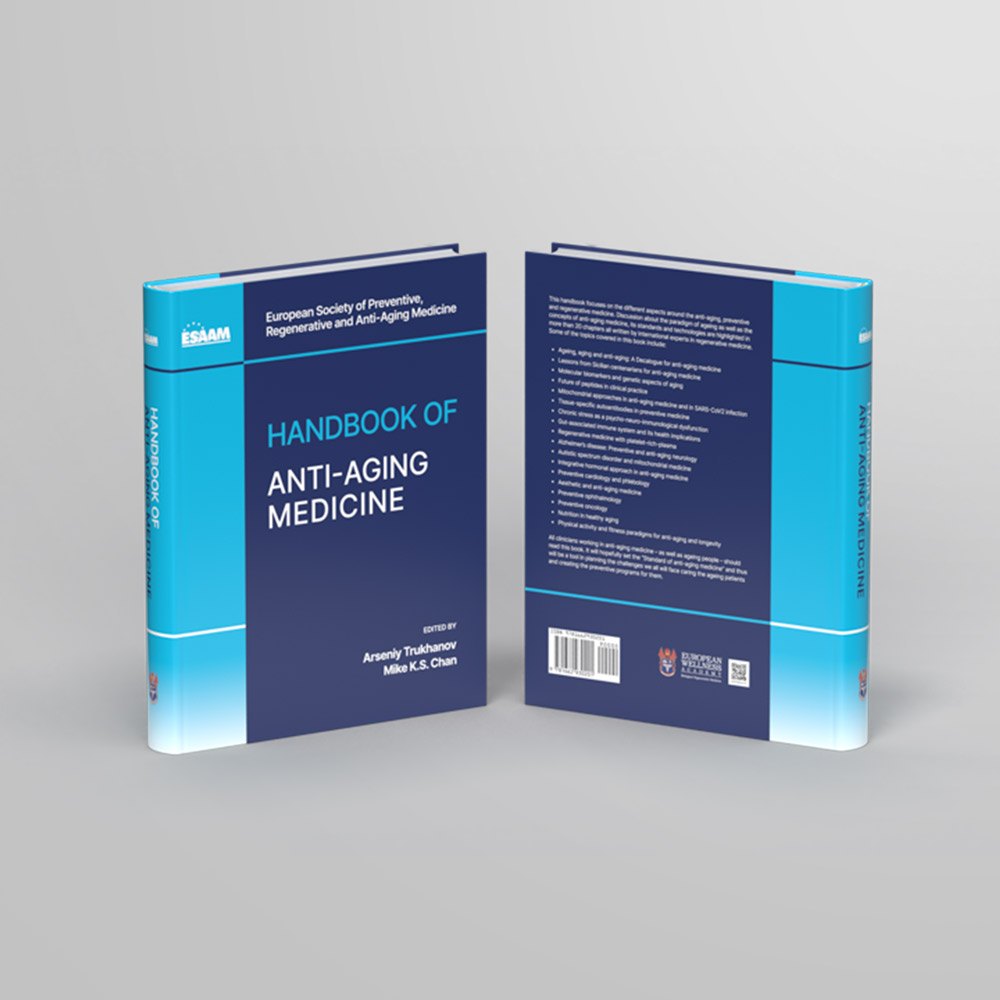
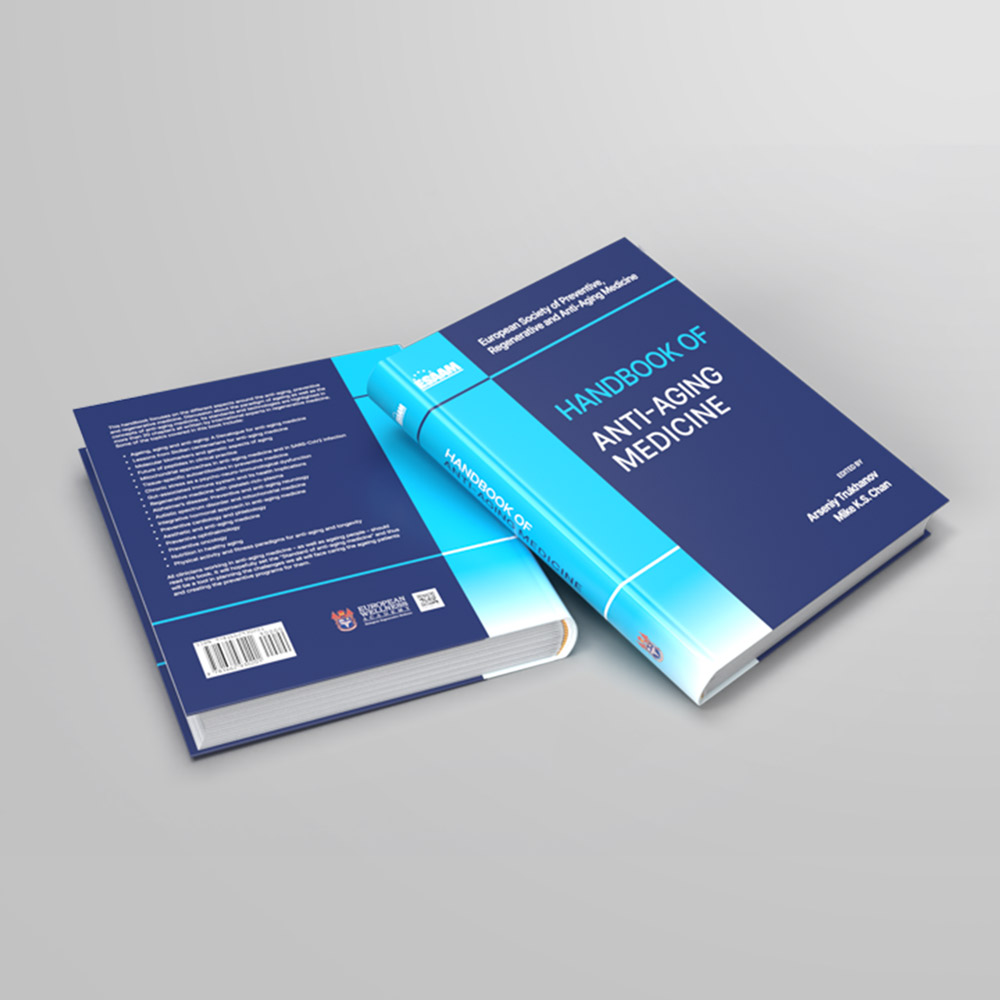
Handbook of Anti-Aging Medicine
Price range: $98.00 through $195.00 -

 Select options This product has multiple variants. The options may be chosen on the product page
Hope for Untreatable Medical Disorders with Live Cell Therapy Explained
Price range: $20.00 through $50.00
Reviews
There are no reviews yet.