
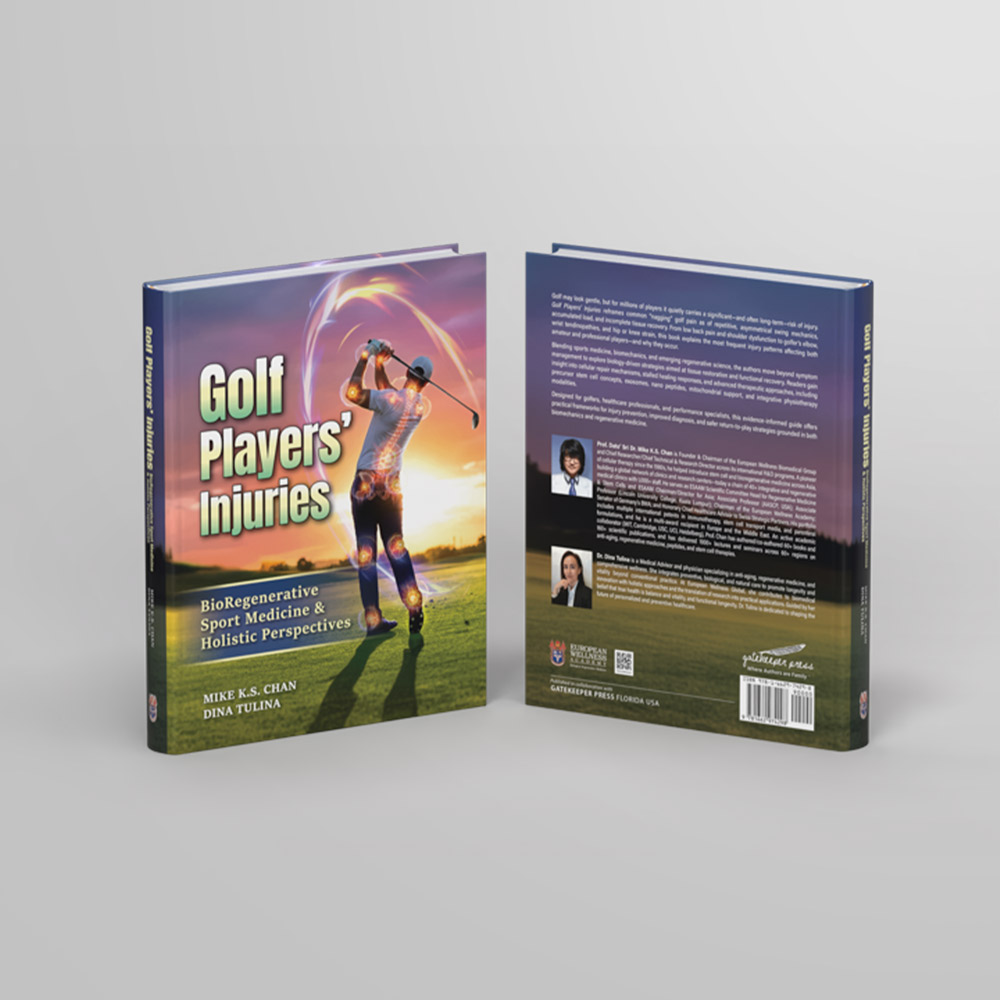

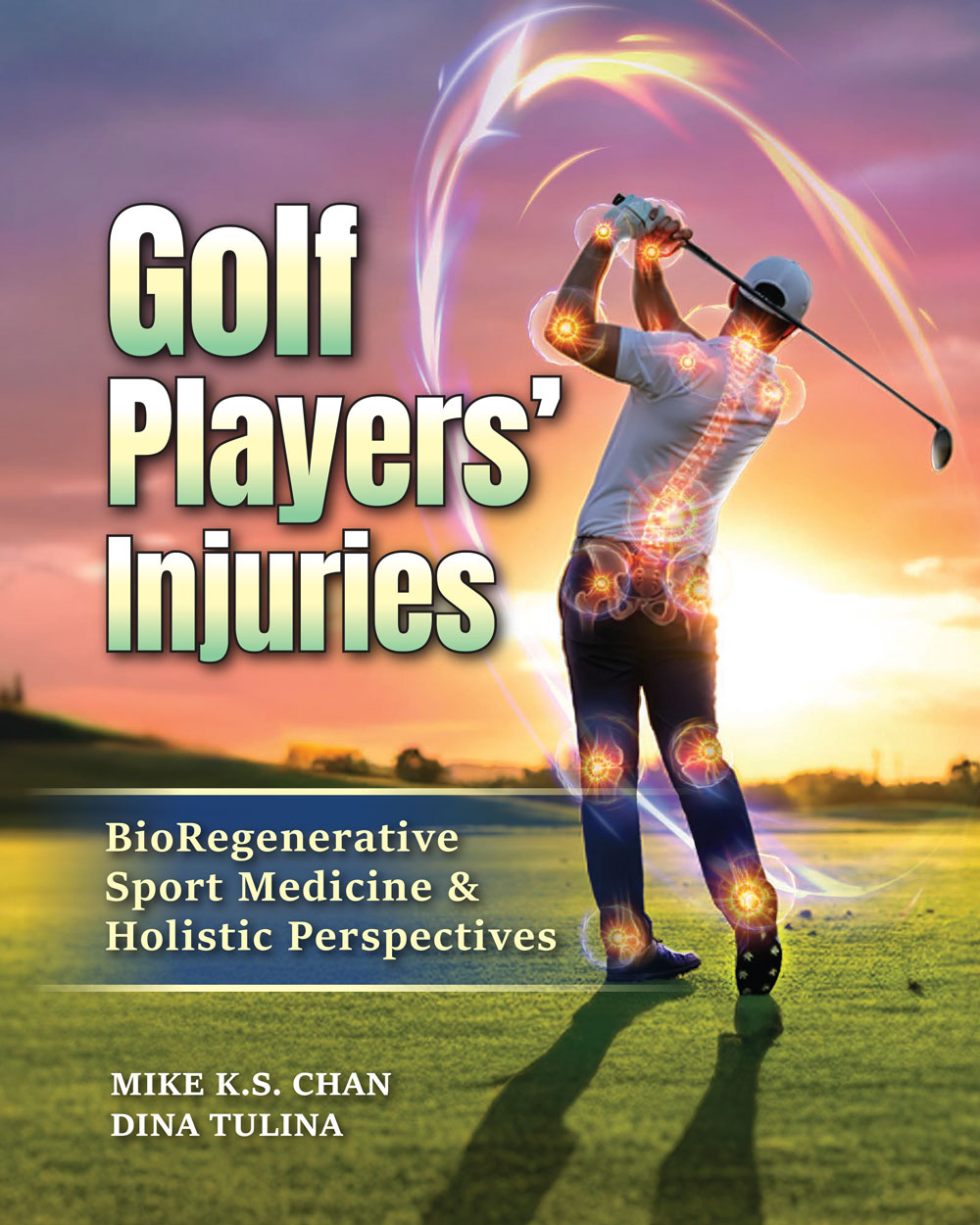
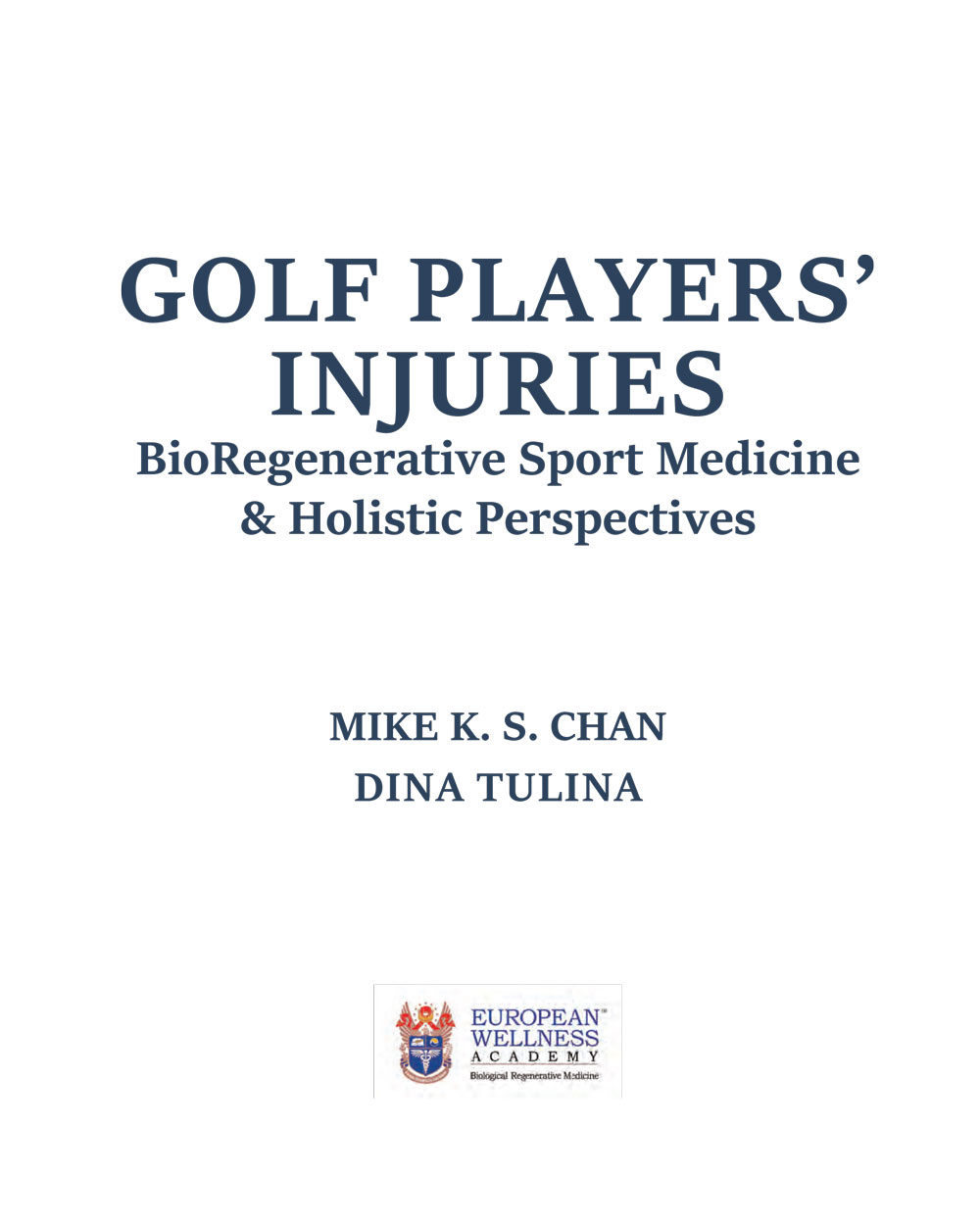

Golf Players’ Injuries: BioRegenerative Sport Medicine & Holistic Perspectives
Price range: $56.00 through $134.00
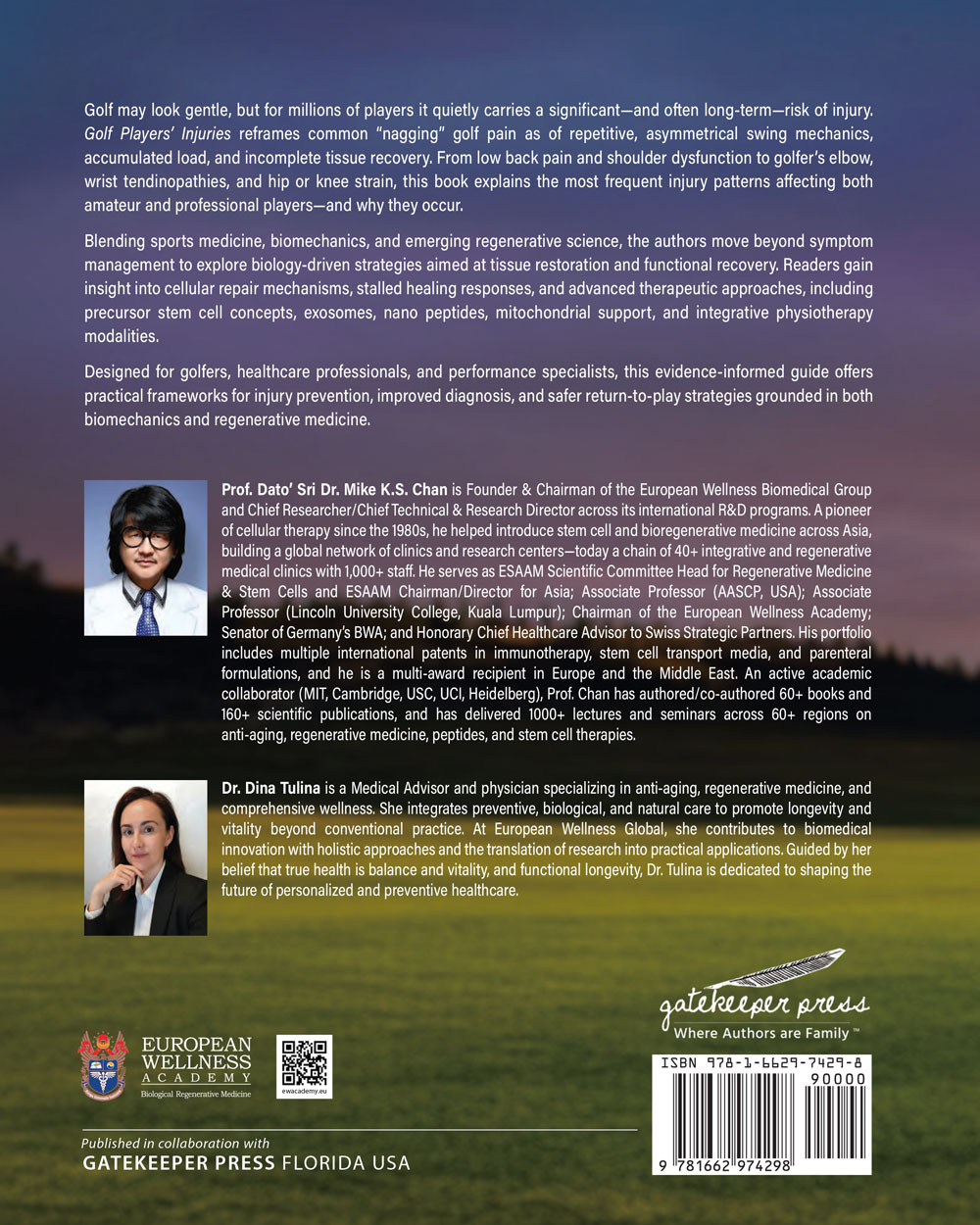
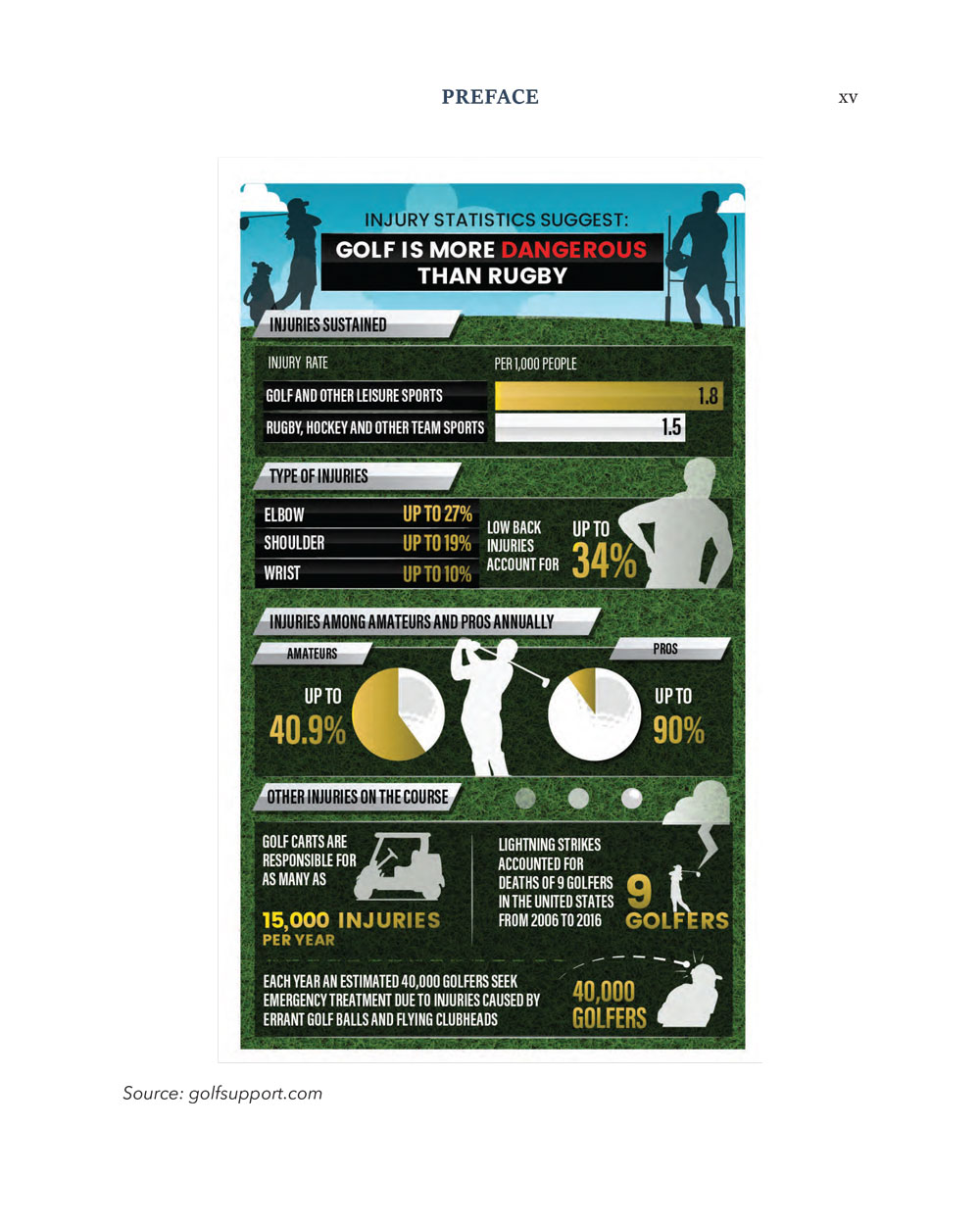
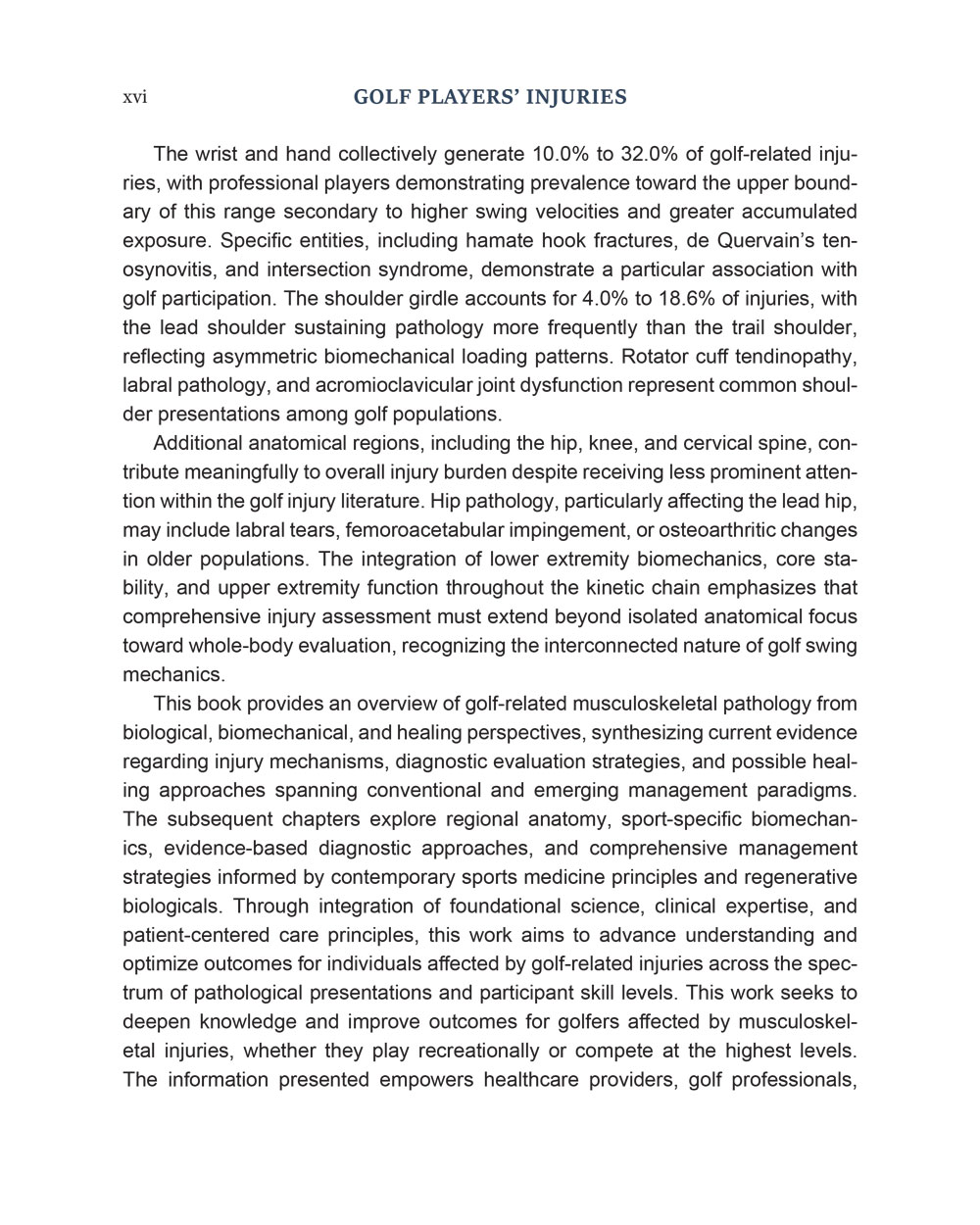
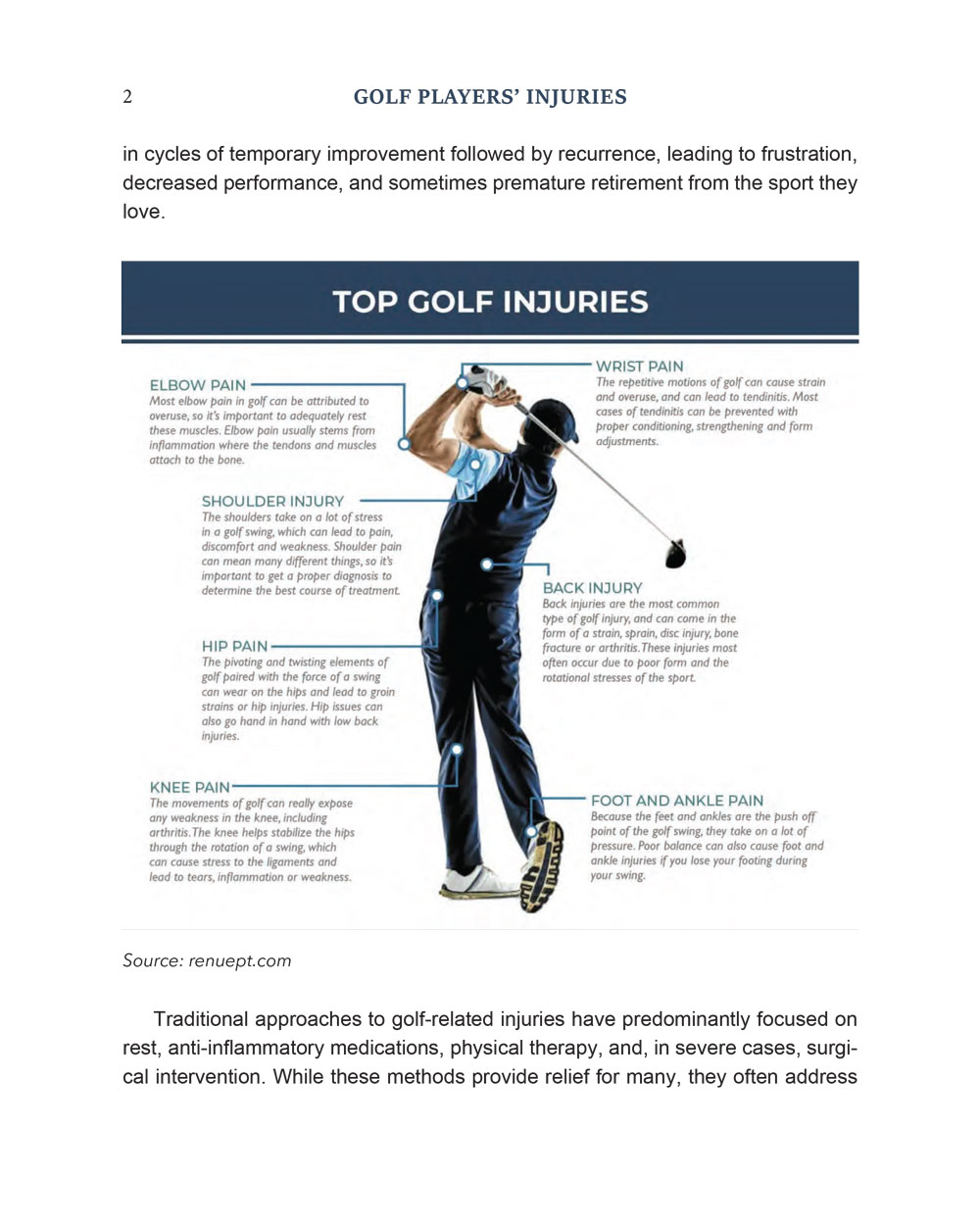
Golf may look gentle, but for millions of players it quietly carries a significant—and often long-term—risk of injury. Golf Players’ Injuries reframes common “nagging” golf pain as of repetitive, asymmetrical swing mechanics, accumulated load, and incomplete tissue recovery. From low back pain and shoulder dysfunction to golfer’s elbow, wrist tendinopathies, and hip or knee strain, this book explains the most frequent injury patterns affecting both amateur and professional players—and why they occur.
Blending sports medicine, biomechanics, and emerging regenerative science, the authors move beyond symptom management to explore biology-driven strategies aimed at tissue restoration and functional recovery. Readers gain insight into cellular repair mechanisms, stalled healing responses, and advanced therapeutic approaches, including precursor stem cell concepts, exosomes, nano peptides, mitochondrial support, and integrative physiotherapy modalities.
Designed for golfers, healthcare professionals, and performance specialists, this evidence-informed guide offers practical frameworks for injury prevention, improved diagnosis, and safer return-to-play strategies grounded in both biomechanics and regenerative medicine.
Description
Authors
Prof. Dr. Mike K.S. Chan and Dr. Dina Tulina
Published by
EUROPEAN WELLNESS ACADEMY – Medical Research
ISBN: 9781662974298
eISBN: 9781662974304
Author Bio:
Prof. Dato’ Sri Dr. Mike K.S. Chan is Founder and Chairman of the European Wellness Biomedical Group and Chief Researcher overseeing its international R&D programs. A pioneer in cellular therapy since the 1980s, he has played a key role in advancing stem cell and bioregenerative medicine across Asia and Europe, establishing a global network of integrative and regenerative clinics. He serves in leadership roles within ESAAM and other international medical organizations and holds multiple academic appointments. Prof. Chan is the author or co-author of more than 60 books and 160 scientific publications and has delivered over 1,000 lectures worldwide on regenerative medicine, anti-aging science, peptides, and stem cell therapies.
Dr. Dina Tulina is a physician and Medical Advisor specializing in anti-aging, regenerative medicine, and comprehensive wellness. Her work integrates preventive, biological, and natural approaches to promote functional longevity and vitality. At European Wellness Global, she contributes to biomedical innovation and translates research advances into practical clinical applications.
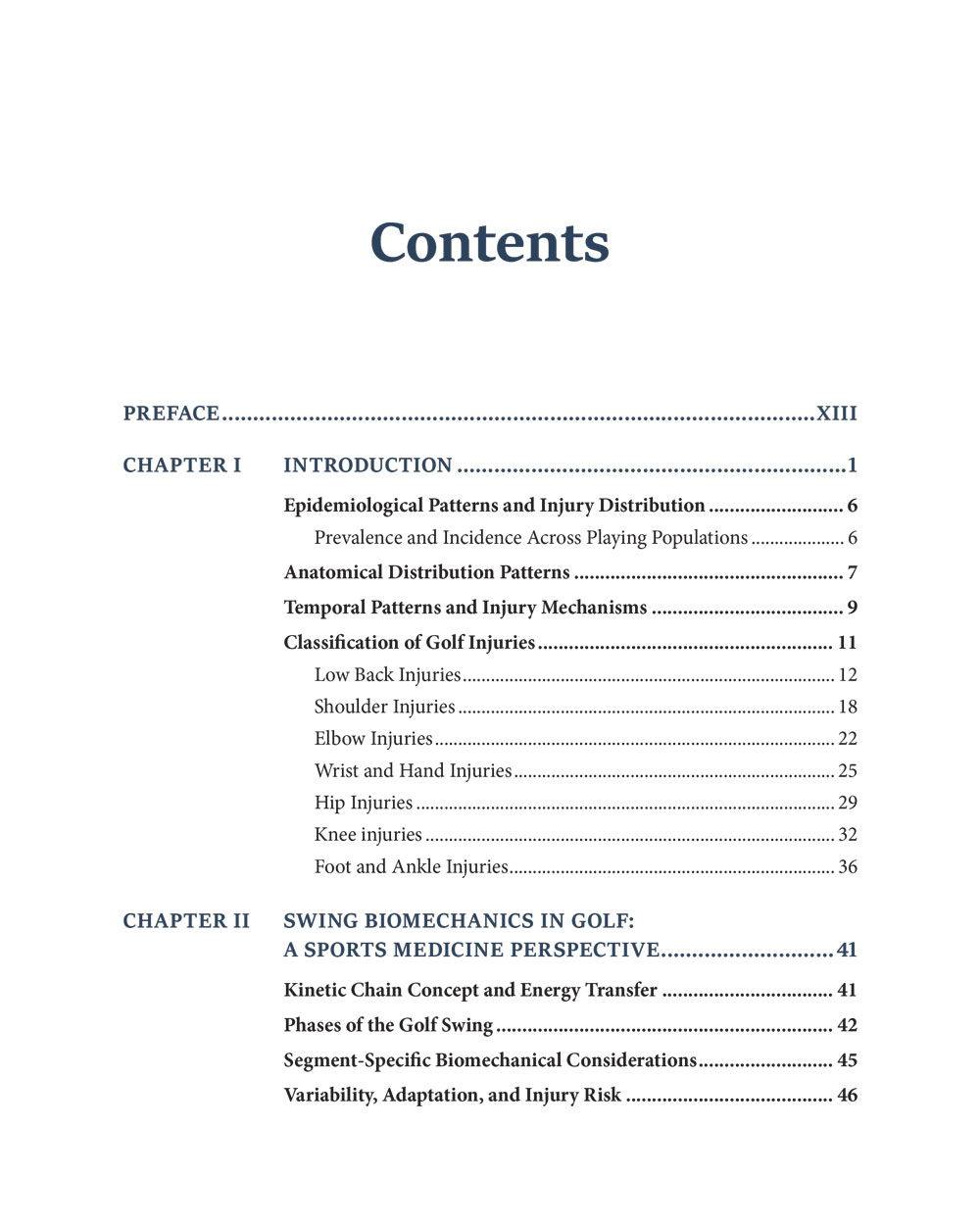
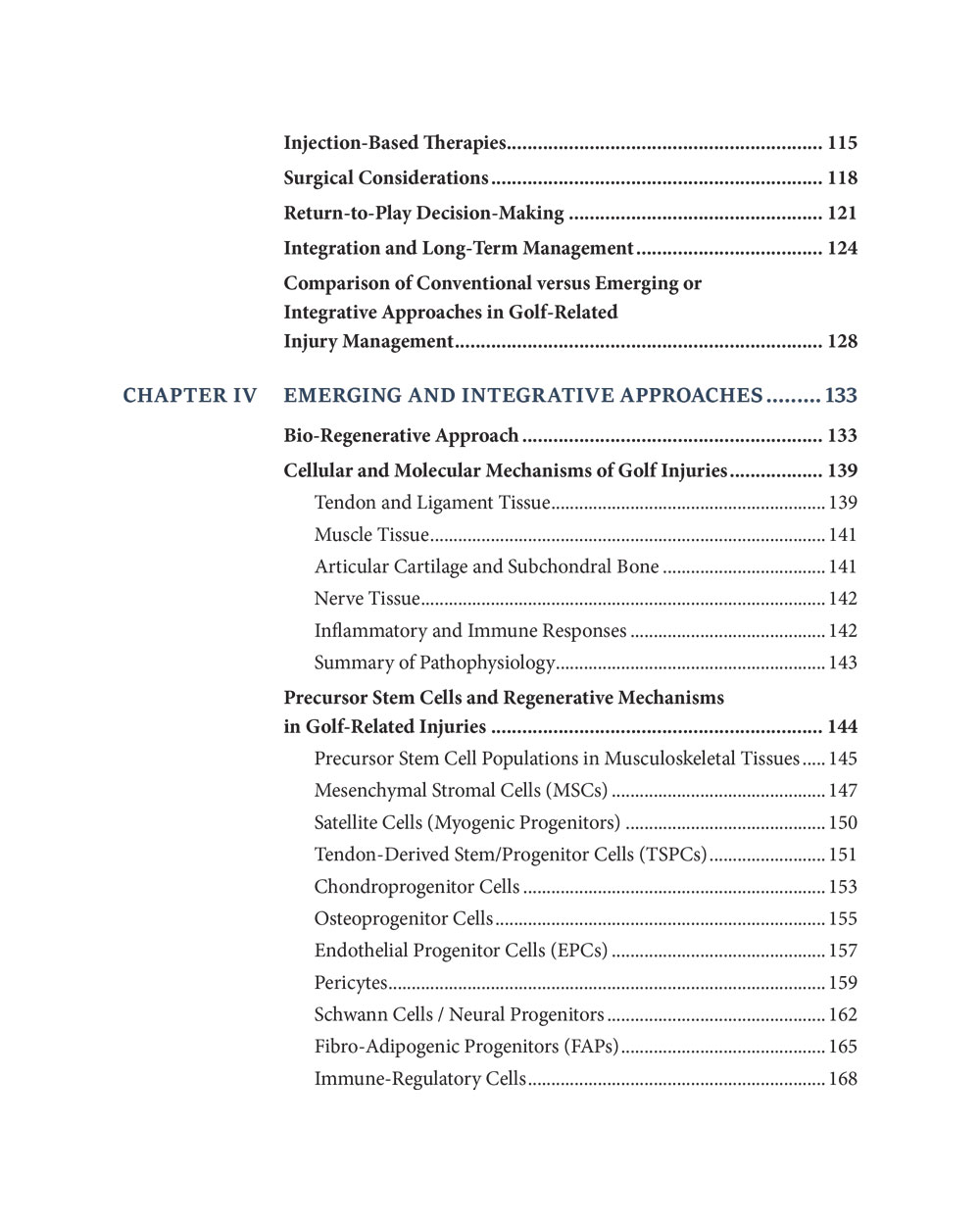
Table of Content
| PREFACE | XVIII |
| CHAPTER I INTRODUCTION | 1 |
| Epidemiological Patterns and Injury Distribution | 6 |
| Prevalence and Incidence Across Playing Populations | 6 |
| Anatomical Distribution Patterns | 7 |
| Temporal Patterns and Injury Mechanisms | 9 |
| Classification of Golf Injuries | 11 |
| Low Back Injuries | 12 |
| Shoulder Injuries | 18 |
| Elbow Injuries | 22 |
| Wrist and Hand Injuries | 25 |
| Hip Injuries | 29 |
| Knee injuries | 32 |
| Foot and Ankle Injuries | 36 |
| CHAPTER II SWING BIOMECHANICS IN GOLF: A SPORTS MEDICINE PERSPECTIVE | 41 |
| Kinetic Chain Concept and Energy Transfer | 41 |
| Phases of the Golf Swing | 42 |
| Segment-Specific Biomechanical Considerations | 45 |
| Variability, Adaptation, and Injury Risk | 46 |
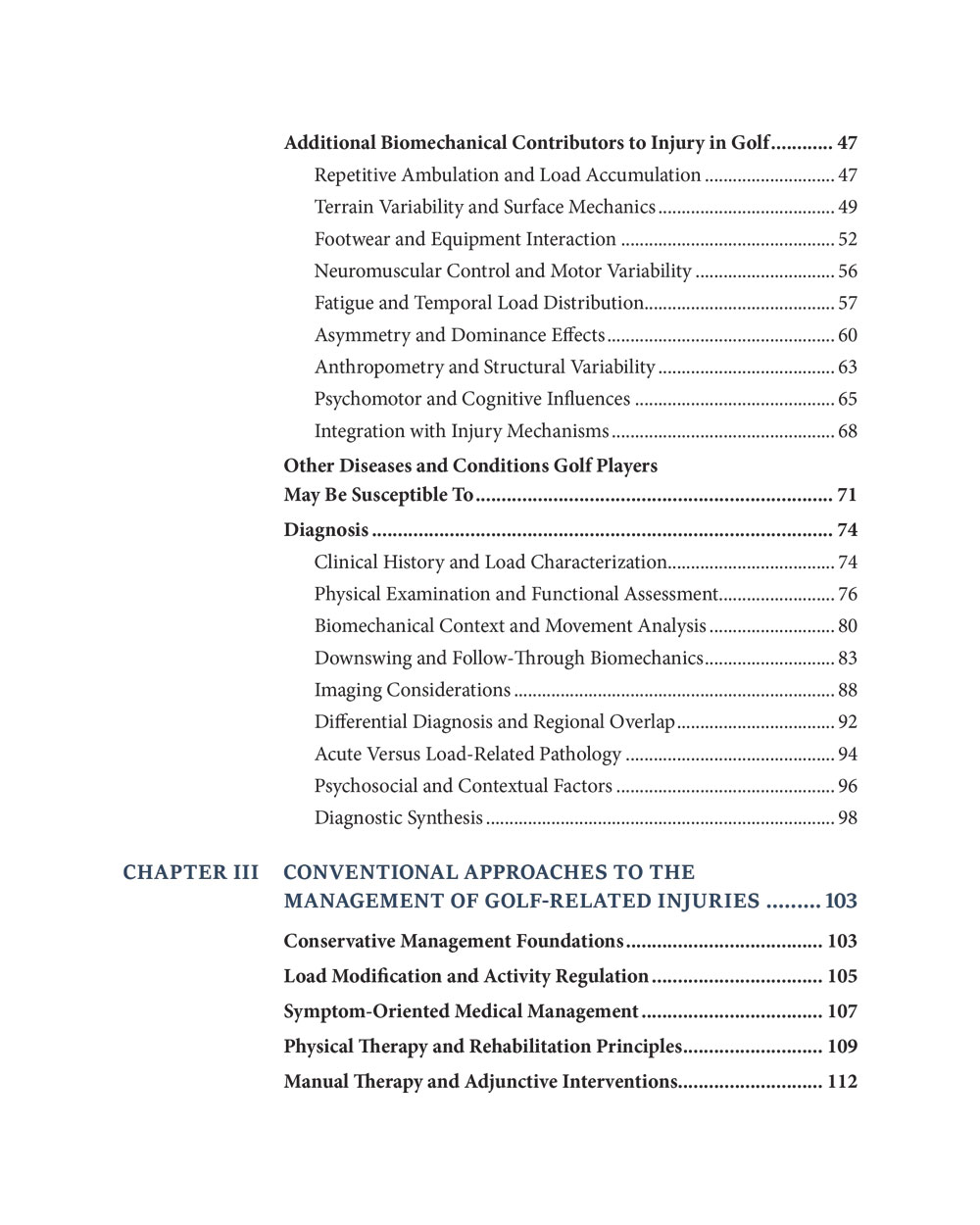
| Additional Biomechanical Contributors to Injury in Golf | 47 |
| Repetitive Ambulation and Load Accumulation | 47 |
| Terrain Variability and Surface Mechanics | 49 |
| Footwear and Equipment Interaction | 52 |
| Neuromuscular Control and Motor Variability | 56 |
| Fatigue and Temporal Load Distribution | 57 |
| Asymmetry and Dominance Effects | 60 |
| Anthropometry and Structural Variability | 63 |
| Psychomotor and Cognitive Influences | 65 |
| Integration with Injury Mechanisms | 68 |
| Other Diseases and Conditions Golf Players May Be Susceptible To | 71 |
| Diagnosis | 74 |
| Clinical History and Load Characterization | 74 |
| Physical Examination and Functional Assessment | 76 |
| Biomechanical Context and Movement Analysis | 80 |
| Downswing and Follow-Through Biomechanics | 83 |
| Imaging Considerations | 88 |
| Differential Diagnosis and Regional Overlap | 92 |
| Acute Versus Load-Related Pathology | 94 |
| Psychosocial and Contextual Factors | 96 |
| Diagnostic Synthesis | 98 |
| CHAPTER III CONVENTIONAL APPROACHES TO THE MANAGEMENT OF GOLF-RELATED INJURIES | 103 |
| Conservative Management Foundations | 103 |
| Load Modification and Activity Regulation | 105 |
| Symptom-Oriented Medical Management | 107 |
| Physical Therapy and Rehabilitation Principles | 109 |
| Manual Therapy and Adjunctive Interventions | 112 |
| Injection-Based Therapies | 115 |
| Surgical Considerations | 118 |
| Return-to-Play Decision-Making | 121 |
| Integration and Long-Term Management | 124 |
| Comparison of Conventional versus Emerging or Integrative Approaches in Golf-Related Injury Management | 128 |
| CHAPTER IV EMERGING AND INTEGRATIVE APPROACHES | 133 |
| Bio-Regenerative Approach | 133 |
| Cellular and Molecular Mechanisms of Golf Injuries | 139 |
| Tendon and Ligament Tissue | 139 |
| Muscle Tissue | 141 |
| Articular Cartilage and Subchondral Bone | 141 |
| Nerve Tissue | 142 |
| Inflammatory and Immune Responses | 142 |
| Summary of Pathophysiology | 143 |
| Precursor Stem Cells and Regenerative Mechanisms in Golf-Related Injuries | 144 |
| Precursor Stem Cell Populations in Musculoskeletal Tissues | 145 |
| Mesenchymal Stromal Cells (MSCs) | 147 |
| Satellite Cells (Myogenic Progenitors) | 150 |
| Tendon-Derived Stem/Progenitor Cells (TSPCs) | 151 |
| Chondroprogenitor Cells | 153 |
| Osteoprogenitor Cells | 155 |
| Endothelial Progenitor Cells (EPCs) | 157 |
| Pericytes | 159 |
| Schwann Cells / Neural Progenitors | 162 |
| Fibro-Adipogenic Progenitors (FAPs) | 165 |
| Immune-Regulatory Cells | 168 |
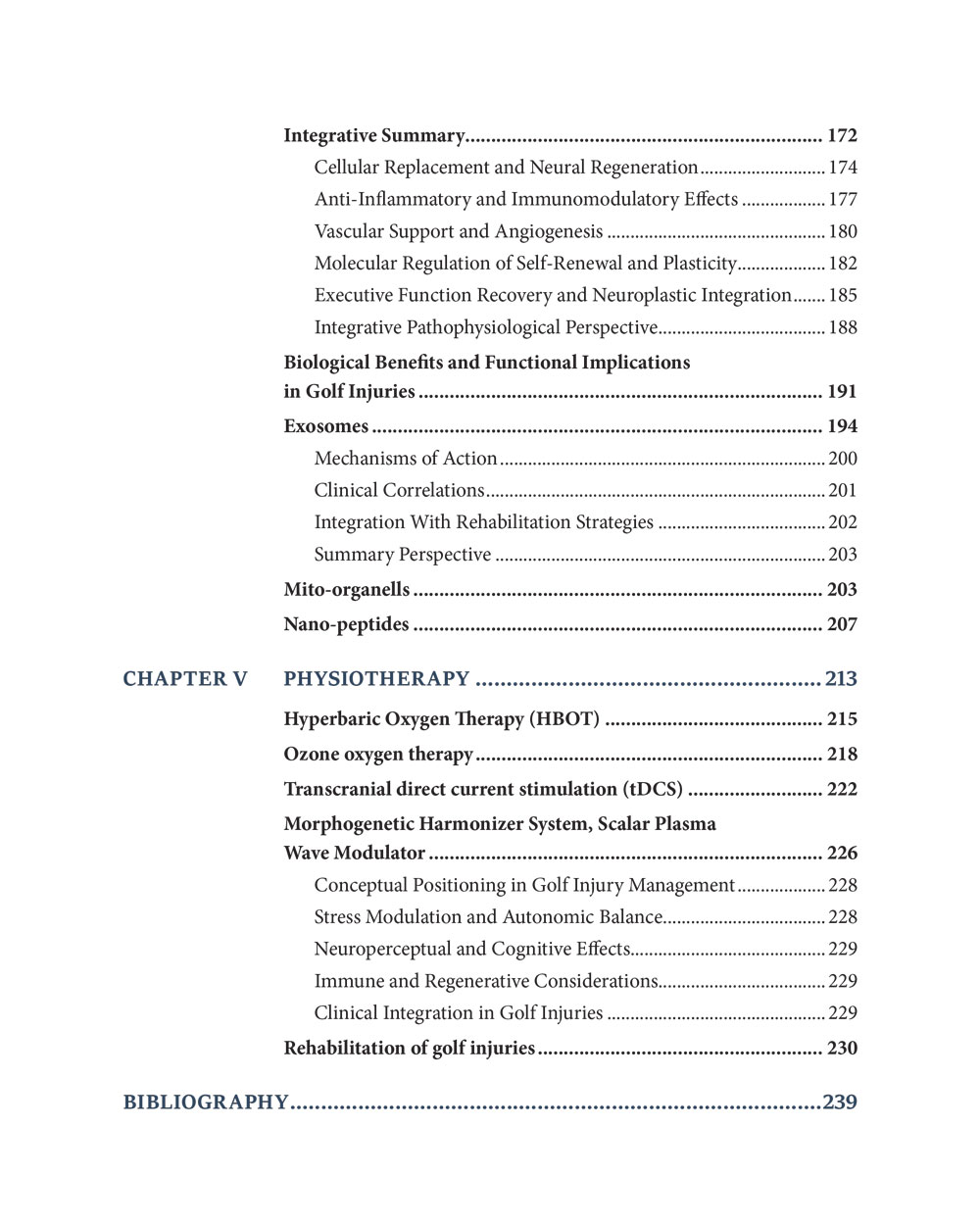
| Integrative Summary | 172 |
| Cellular Replacement and Neural Regeneration | 174 |
| Anti-Inflammatory and Immunomodulatory Effects | 177 |
| Vascular Support and Angiogenesis | 180 |
| Molecular Regulation of Self-Renewal and Plasticity | 182 |
| Executive Function Recovery and Neuroplastic Integration | 185 |
| Integrative Pathophysiological Perspective | 188 |
| Biological Benefits and Functional Implications in Golf Injuries | 191 |
| Exosomes | 194 |
| Mechanisms of Action | 200 |
| Clinical Correlations | 201 |
| Integration With Rehabilitation Strategies | 202 |
| Summary Perspective | 203 |
| Mito-organells | 203 |
| Nano-peptides | 207 |
| CHAPTER V PHYSIOTHERAPY | 213 |
| Hyperbaric Oxygen Therapy (HBOT) | 215 |
| Ozone oxygen therapy | 218 |
| Transcranial direct current stimulation (tDCS) | 222 |
| Morphogenetic Harmonizer System, Scalar Plasma Wave Modulator | 226 |
| Conceptual Positioning in Golf Injury Management | 228 |
| Stress Modulation and Autonomic Balance | 228 |
| Neuroperceptual and Cognitive Effects | 229 |
| Immune and Regenerative Considerations | 229 |
| Clinical Integration in Golf Injuries | 229 |
| Rehabilitation of golf injuries | 230 |
| BIBLIOGRAPHY | 239 |
Additional information
| Weight | N/A |
|---|---|
| Select Book Type | Printed English (Hardcover), eBook English, Printed English (Hardcover) + eBook English, eBook Chinese Simplified (简体)* + eBook English, eBook Chinese Traditional (繁体)* + eBook English, eBook Spanish* + eBook English, eBook Japanese* + eBook English, eBook Vietnamese* + eBook English, eBook Thai* + eBook English, eBook Arabic* + eBook English, eBook Korean* + eBook English, eBook Indonesian* + eBook English, eBook Portuguese* + eBook English |
Only logged in customers who have purchased this product may leave a review.
You may also like…
-
 Select options This product has multiple variants. The options may be chosen on the product page
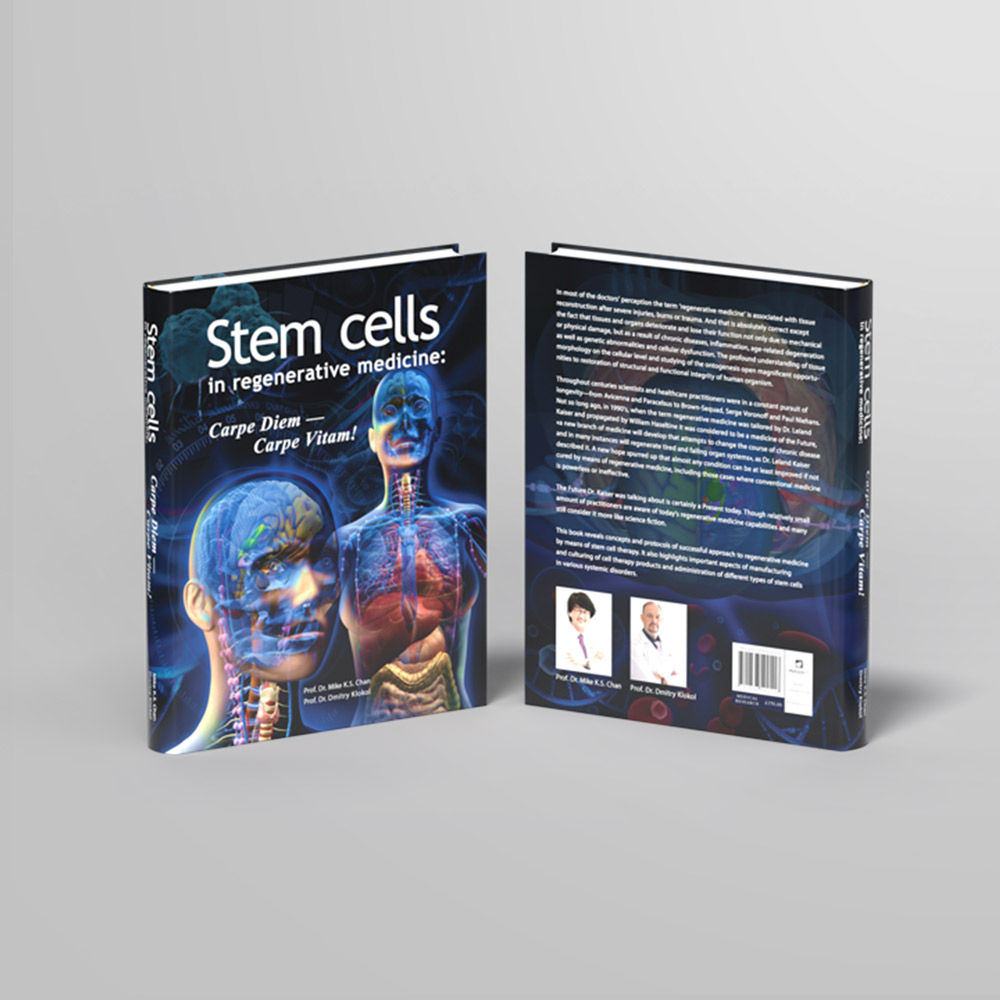
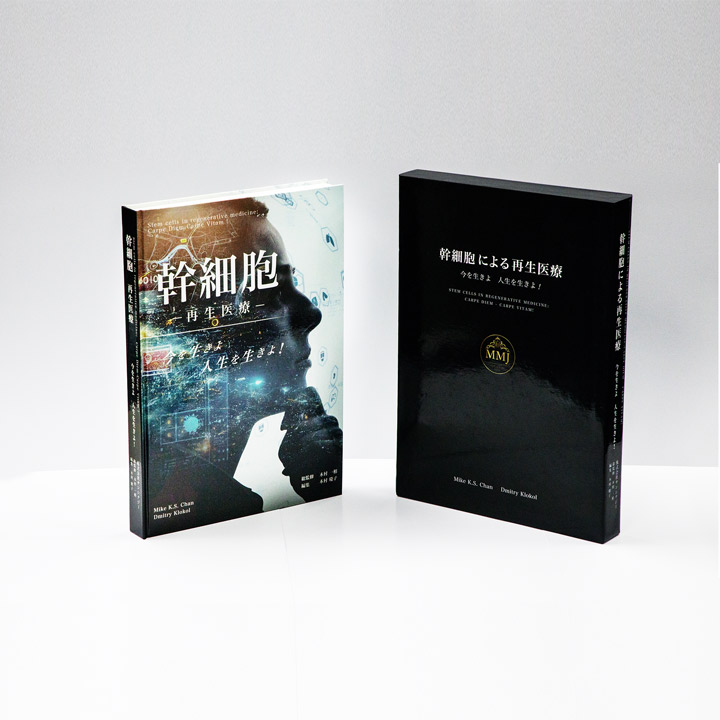
Stem Cells in Regenerative Medicine: Carpe Diem – Carpe Vitam!
Price range: $100.00 through $190.00 -
 Select options This product has multiple variants. The options may be chosen on the product page
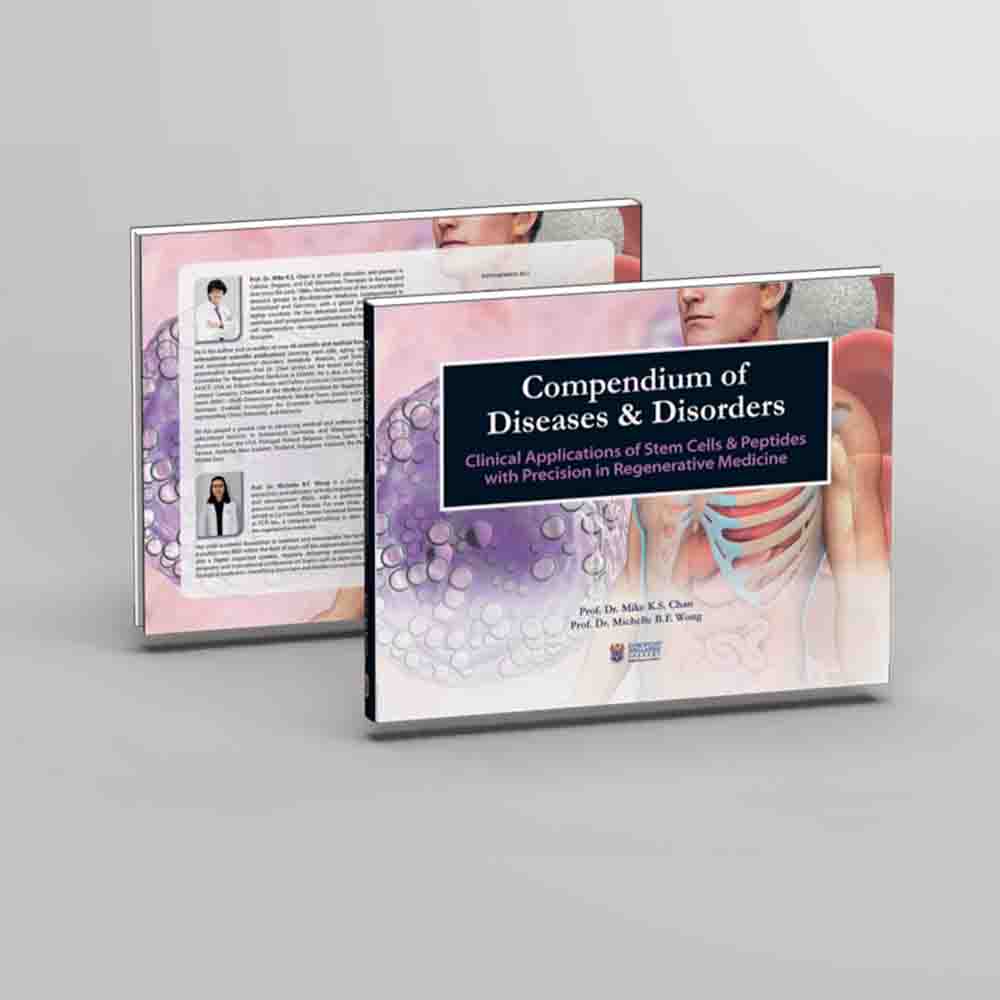
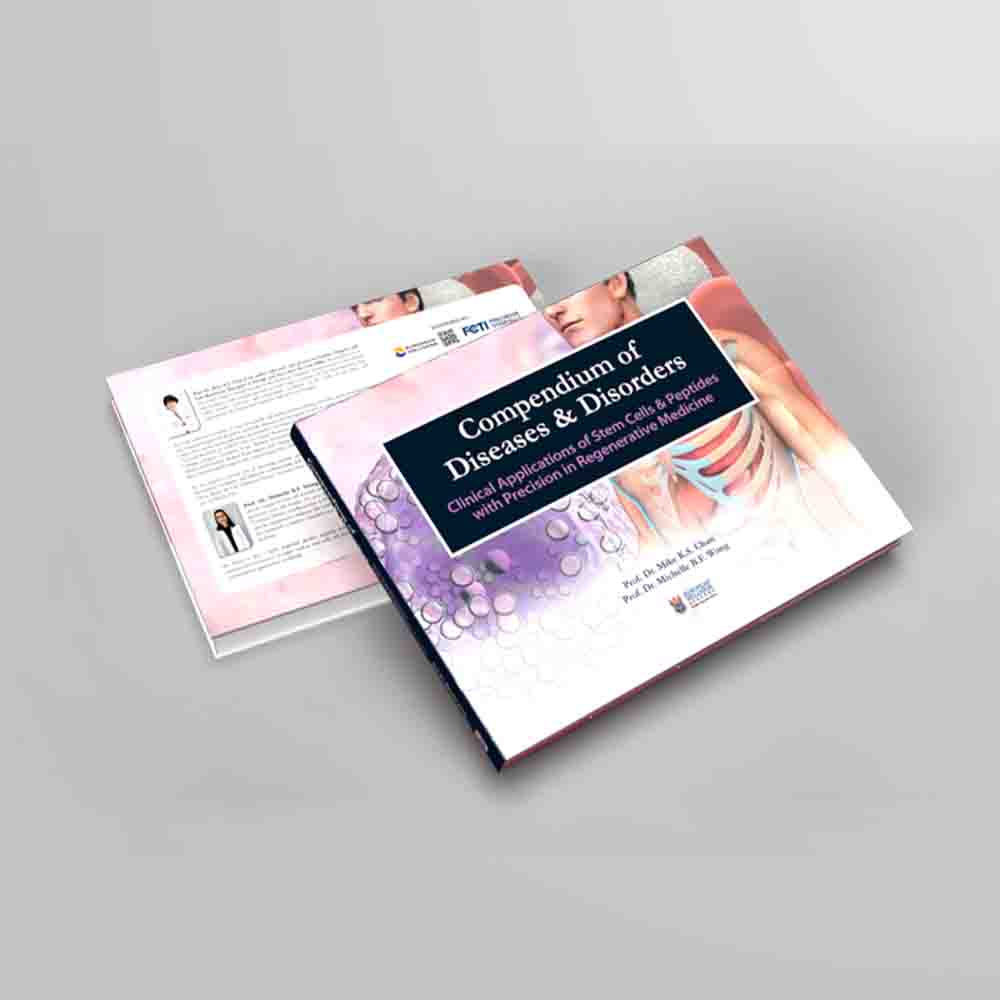
Compendium of Diseases & Disorders – Clinical Applications of Stem Cells & Peptides with Precision in Regenerative Medicine
Price range: $75.00 through $180.00
Related products
-
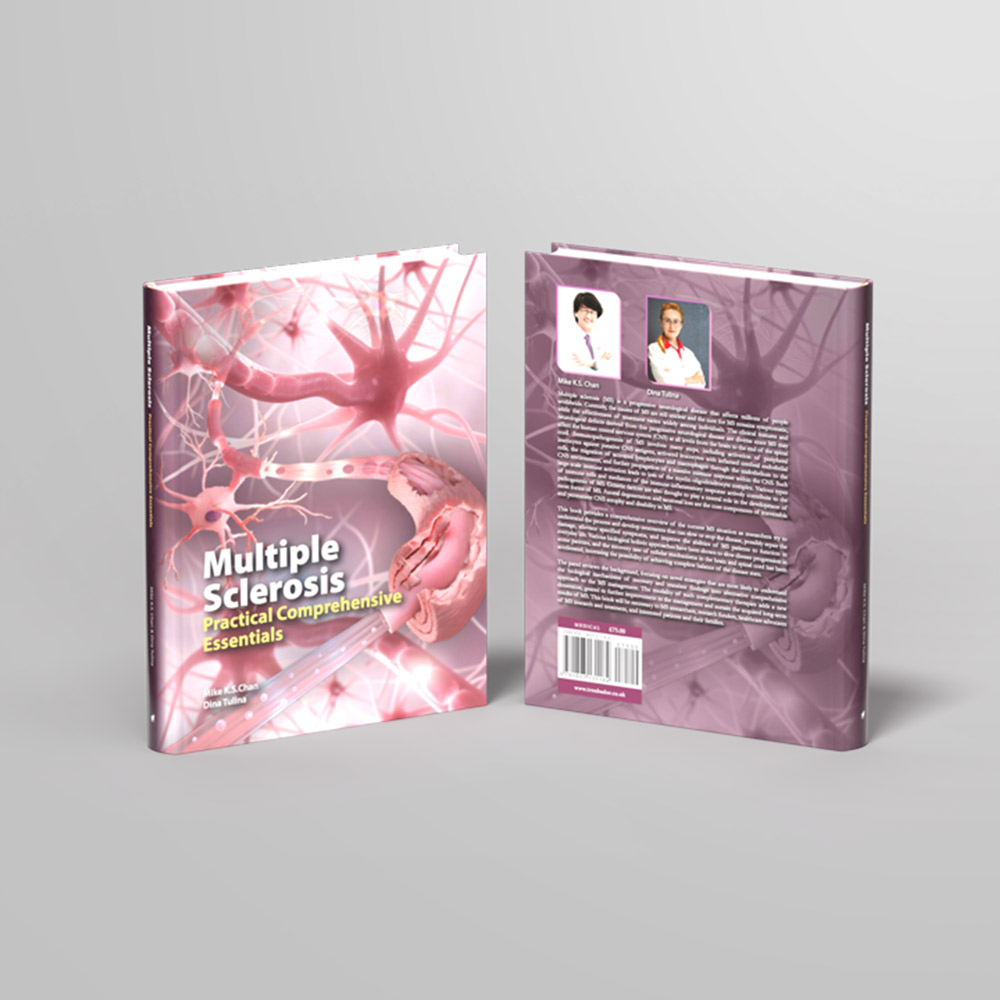
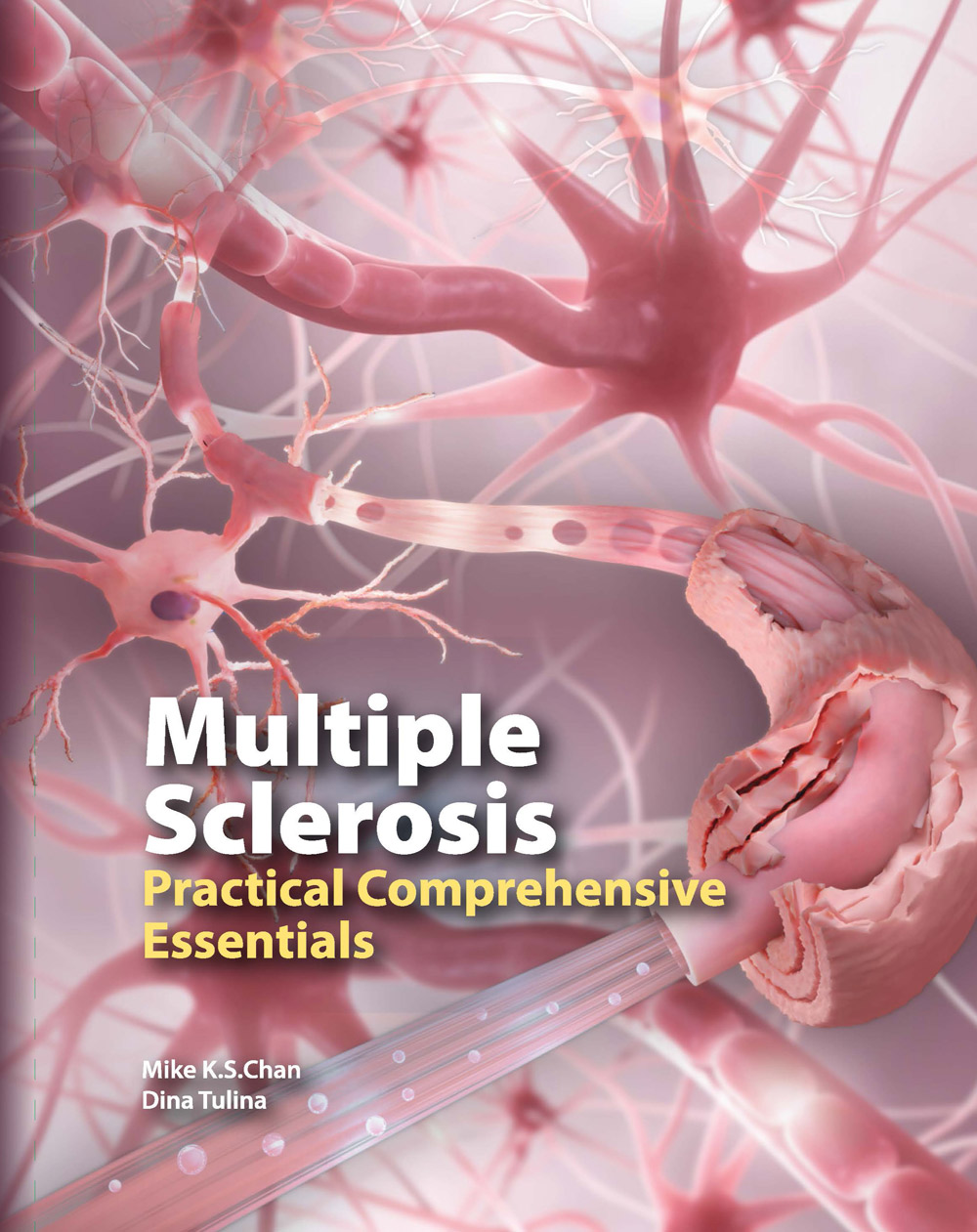 Select options This product has multiple variants. The options may be chosen on the product page
Multiple Sclerosis – Practical comprehensive Essentials
Price range: $55.00 through $110.00 -
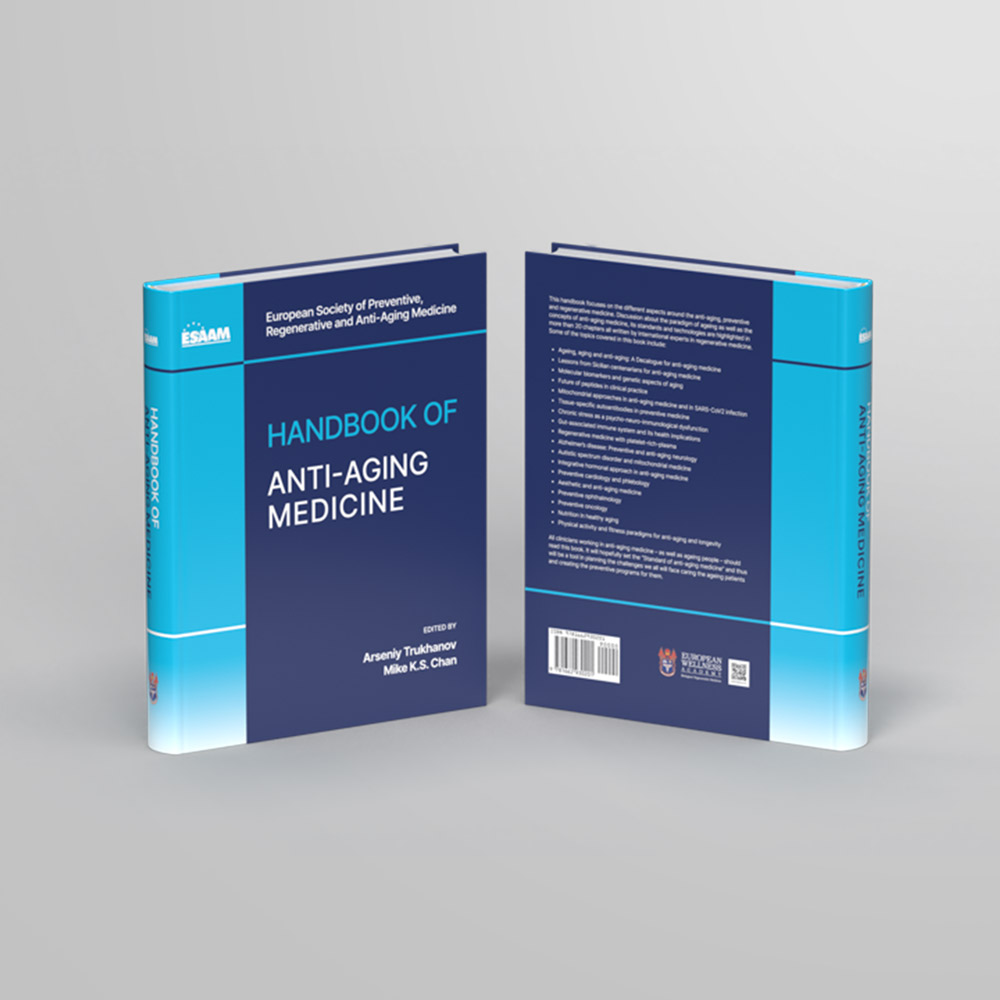
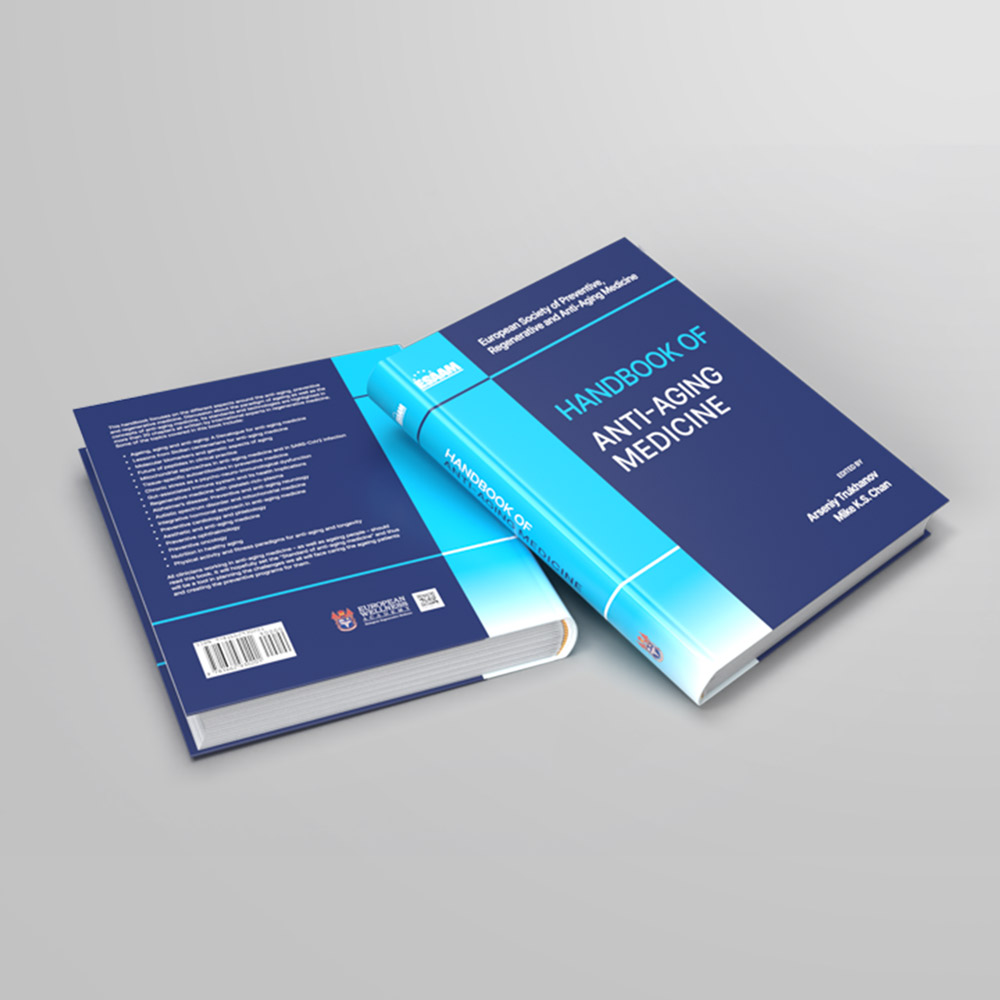 Select options This product has multiple variants. The options may be chosen on the product page
Handbook of Anti-Aging Medicine
Price range: $98.00 through $195.00


Reviews
There are no reviews yet.