A special welcome to Hofit Golan and Vinay Kapoor at European Wellness Premier Center (EWPC)…
European Wellness Academy Showcases Latest Advances in Regenerative & Longevity Medicine
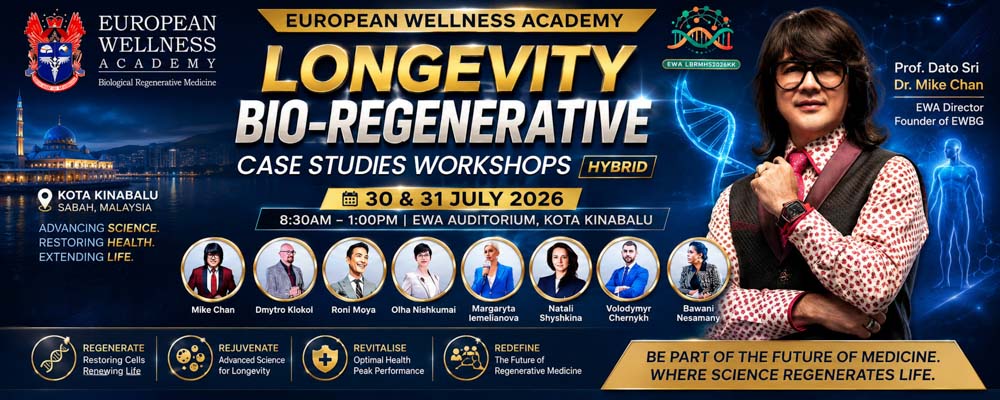
European Wellness’ International Case Studies Workshop officially opened in Kota Kinabalu, bringing together international experts to explore the latest advances in regenerative and longevity medicine.
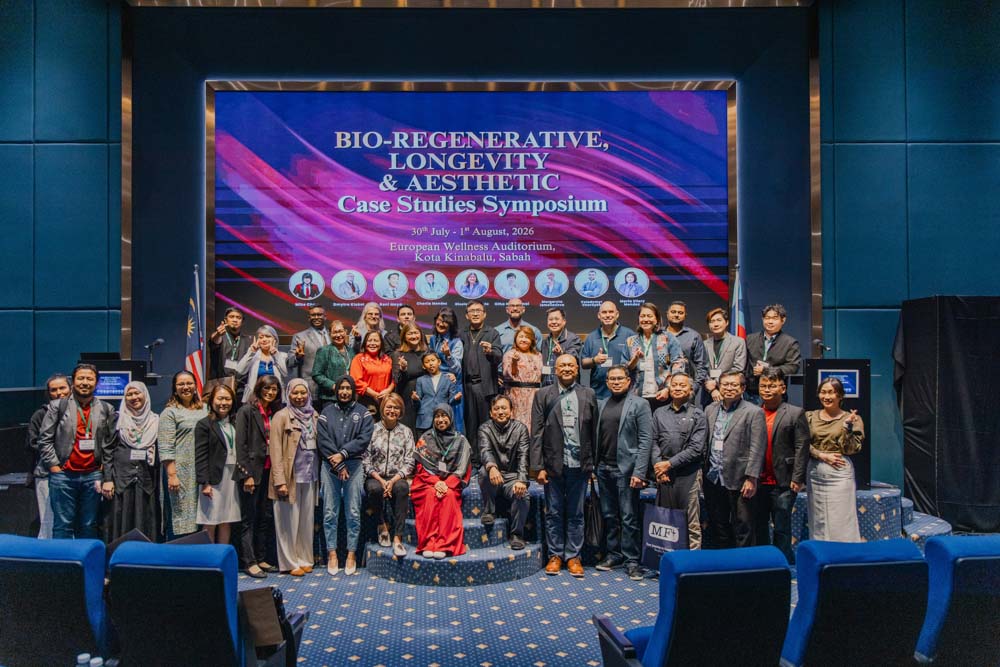
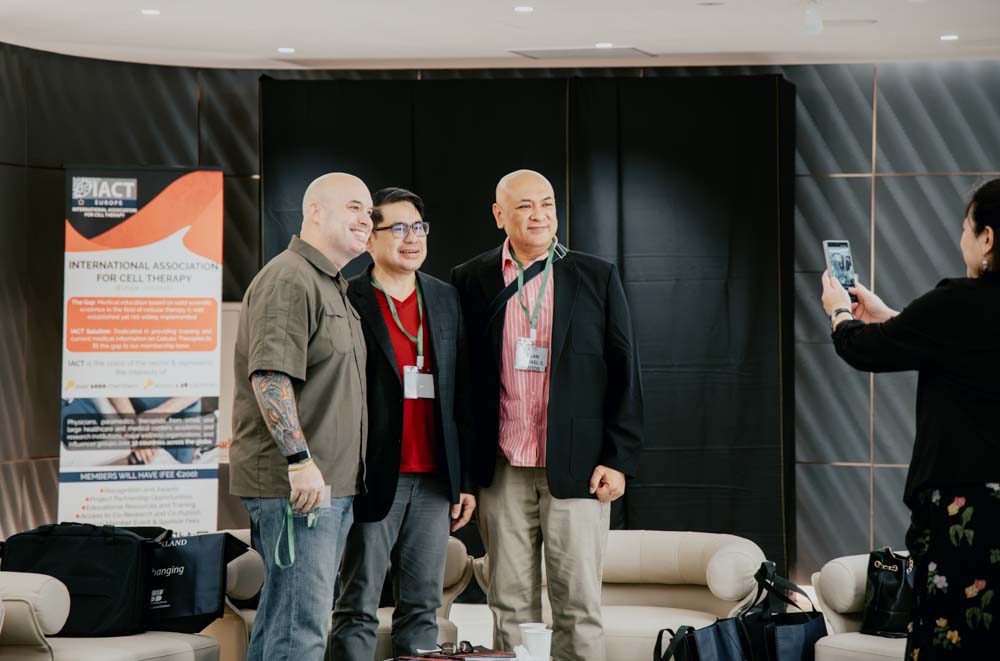
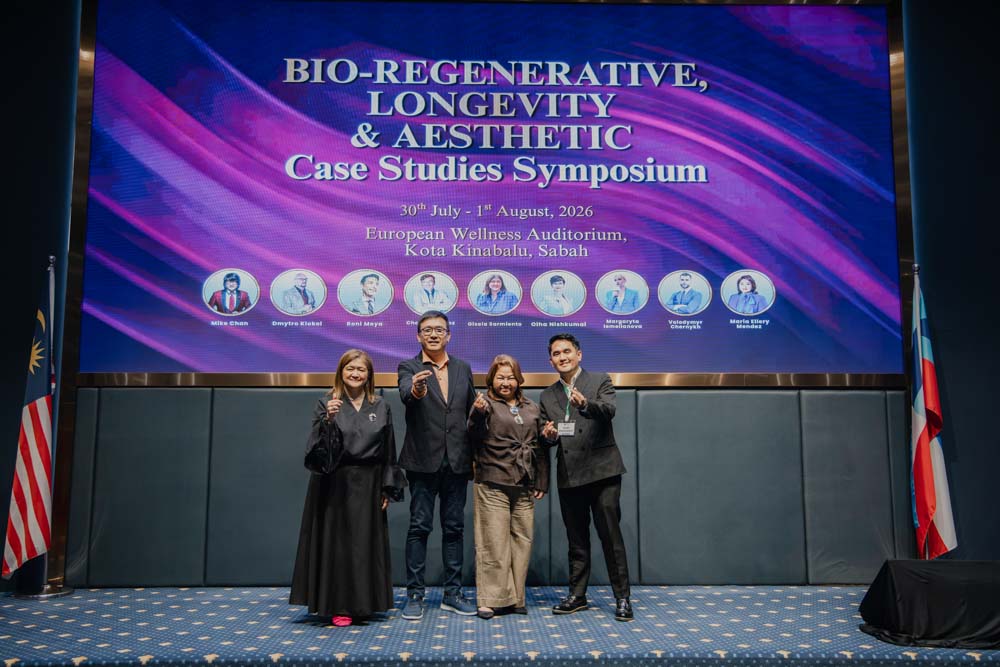
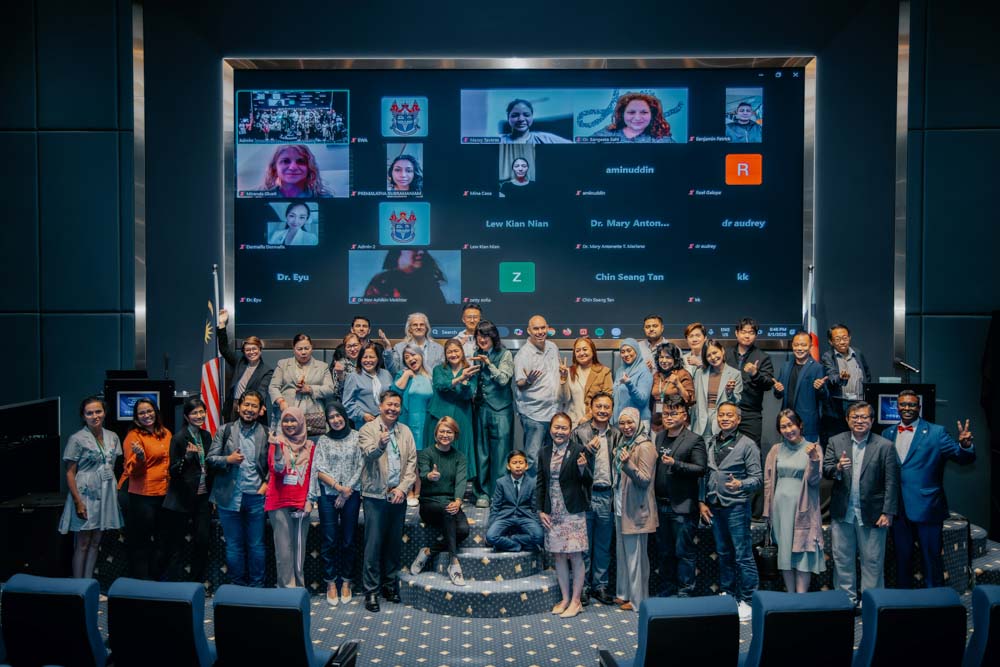
International delegates, speakers, doctors, and healthcare professionals gather for a commemorative group photo on Day 2, following the European Wellness Academy’s Bio-Regenerative, Longevity & Aesthetic Case Studies Symposium at the EWA Auditorium in Kota Kinabalu, marking the successful conclusion of two days of scientific exchange and clinical collaboration.
KOTA KINABALU, Sabah (July 30, 2026) — European Wellness has officially the first day of its International Case Studies Workshop, bringing together physicians, researchers, and healthcare professionals for an intensive program that explores the latest developments in regenerative medicine, peptide therapeutics, cellular therapy, and aesthetic medicine.
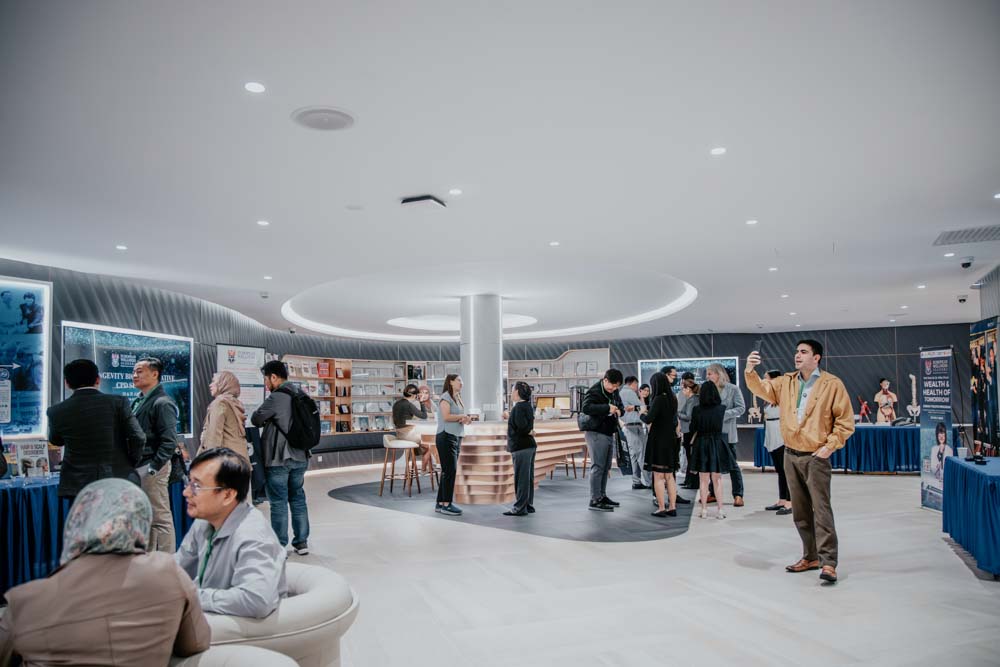
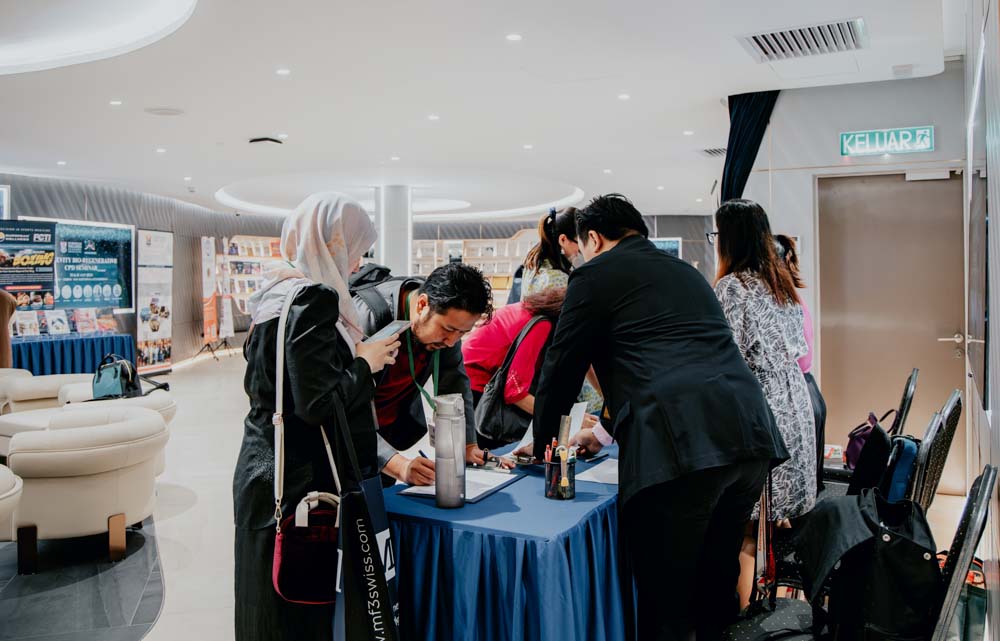
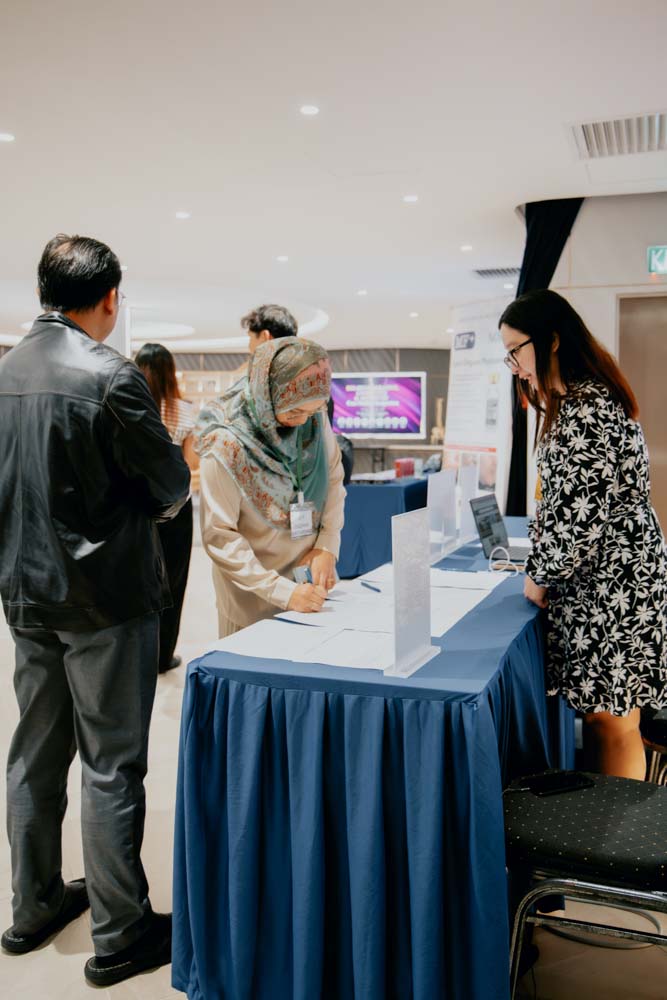
Held at the European Wellness Academy Auditorium in Kota Kinabalu, the two-day seminar combined international scientific lectures with practical clinical case studies, reflecting European Wellness’ commitment to advancing evidence-based regenerative medicine education. The program also welcomed online participants through live streaming, allowing healthcare professionals from across the region to join the discussions.
The seminar was organized by European Wellness Academy, in collaboration with international and regional medical organizations, including the International Association for Cell Therapy (IACT Europe). the European Society of Preventive, Regenerative and Anti-Aging Medicine (ESAAM); and the Malaysian Medical Association (Sabah Branch).
Exploring the Expanding Role of Peptides in Modern Medicine
The opening session scientific program focused on one of regenerative medicine’s fastest-growing fields—peptide science.
Peptide-Based Approaches in Modern Cardiology
The first keynote was delivered by Prof. Dr. O. Nishkumai, who examined how peptide-based therapies are increasingly being investigated as supportive strategies in cardiovascular medicine.
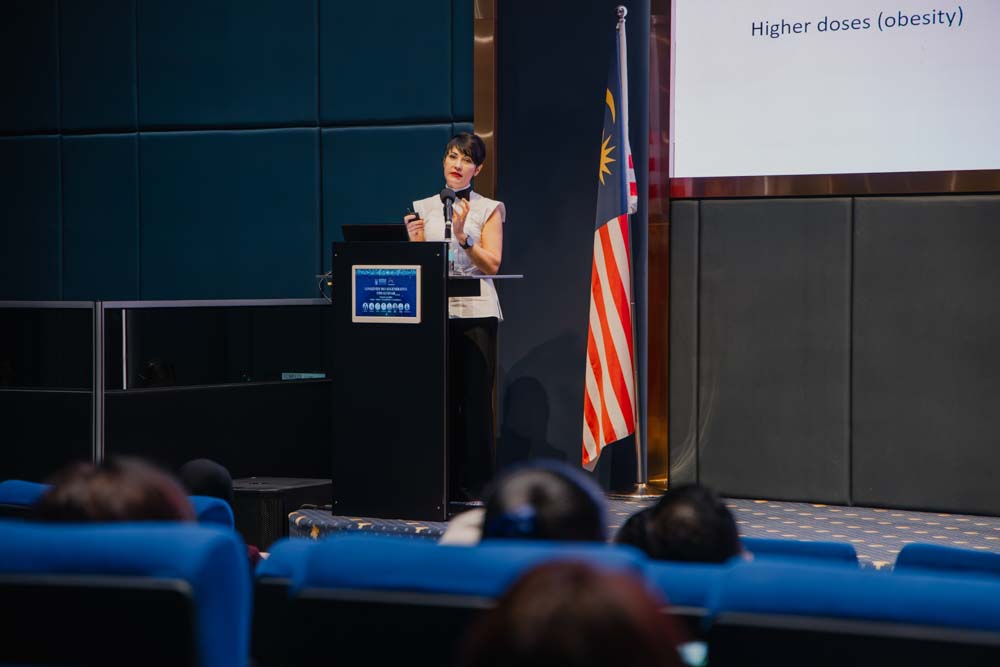
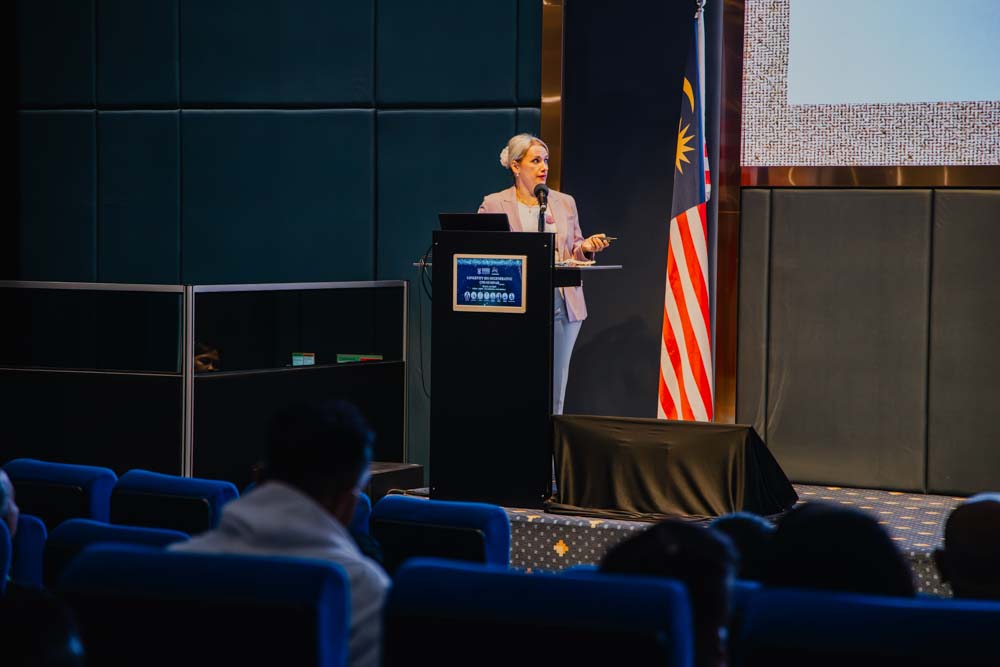
Prof. Olha Nishkumai opened the scientific program with a presentation on precision peptide therapies and cardiovascular regenerative medicine.
Her presentation reviewed current developments surrounding peptide signaling molecules and their potential applications in supporting cardiac function, tissue repair, vascular health, and cellular communication. Delegates were introduced to emerging concepts that seek to complement conventional cardiology through regenerative biological approaches.
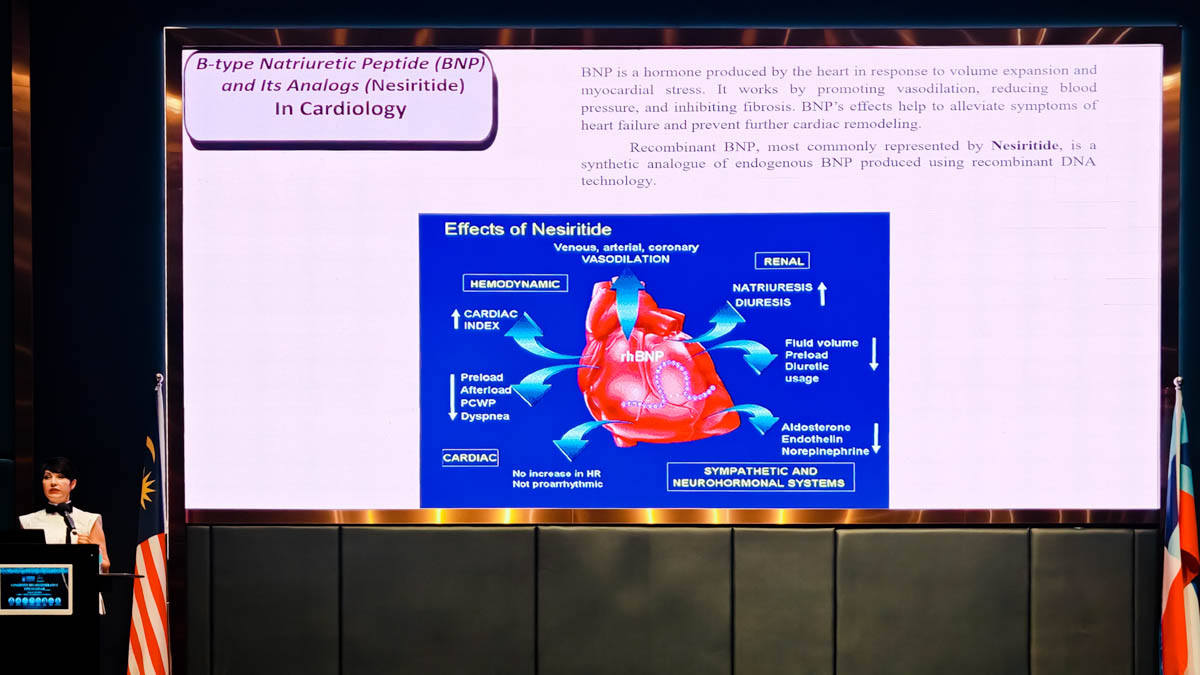
BNP in a Cardiology Presentation. Prof. Olha’s session examined the therapeutic role of B-type natriuretic peptide (BNP) and its analogues in improving cardiac function and heart failure management.
The lecture highlighted how precision biological therapies may eventually play an increasingly important role in preventive cardiovascular medicine as research continues to evolve.
Peptides and Immune Modulation for Healthy Longevity
Next, the scientific program continued with Prof. Dr. Roni Lara Moya (CESPU University, Portugal), who explored the complex relationship between peptides, immune regulation, and healthy aging.
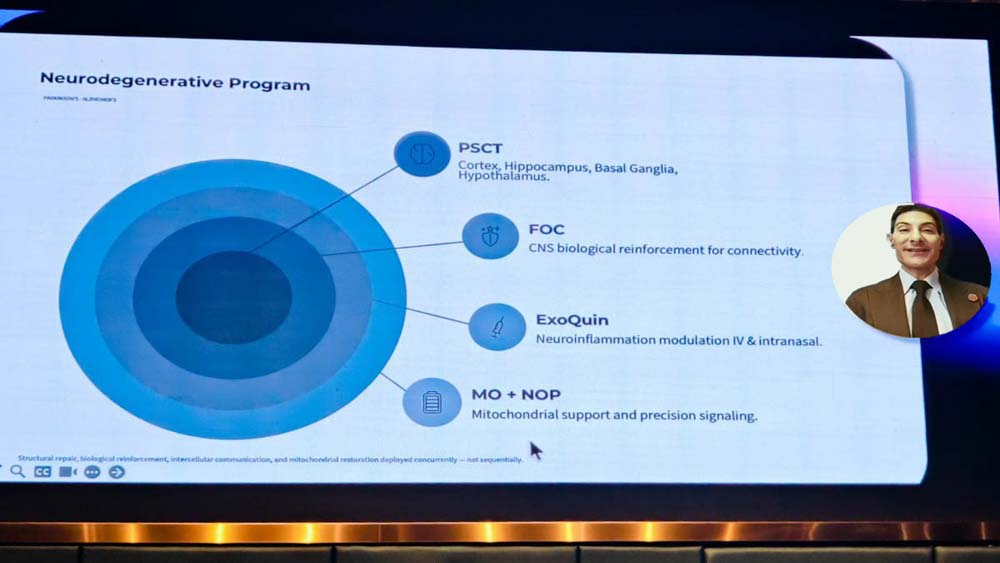
In a recorded telecast, Prof. Dr. Roni Moya shared with delegates about integrated regenerative strategies combining stem cells, exosomes, and mitochondrial support for neurodegenerative disorders.
His presentation explained that maintaining immune balance becomes increasingly important as populations age. Rather than simply stimulating immunity, modern peptide research aims to regulate immune responses more precisely, reducing chronic inflammation while preserving normal immune defense.
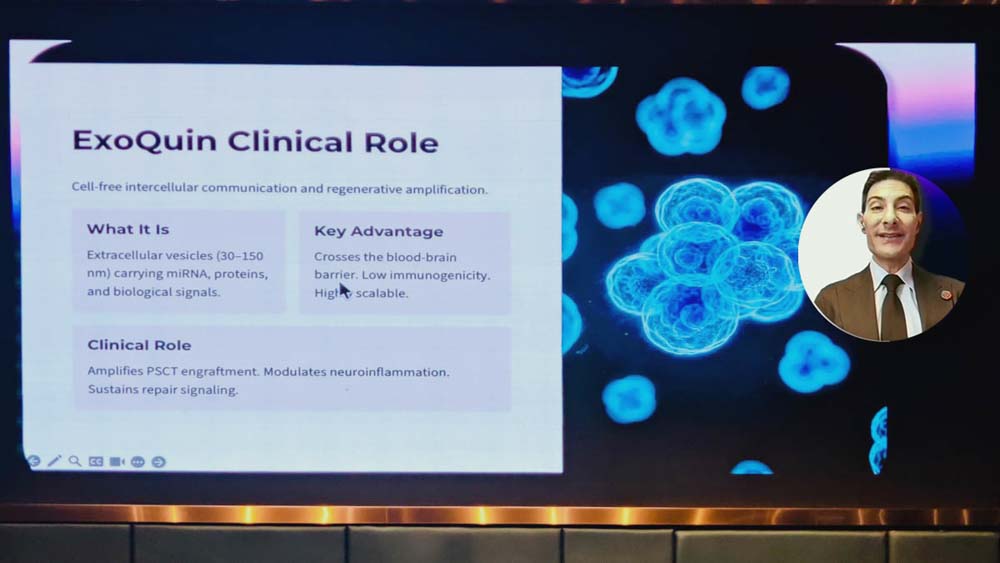
Prof. Dr. Roni Moya also explored ExoQuin and the expanding role of exosome-based therapies in precision regenerative medicine.
The session demonstrated how immune modulation has become one of the key pillars in longevity medicine, where maintaining immune resilience may contribute to healthier aging.
Reviewing the Scientific Evidence
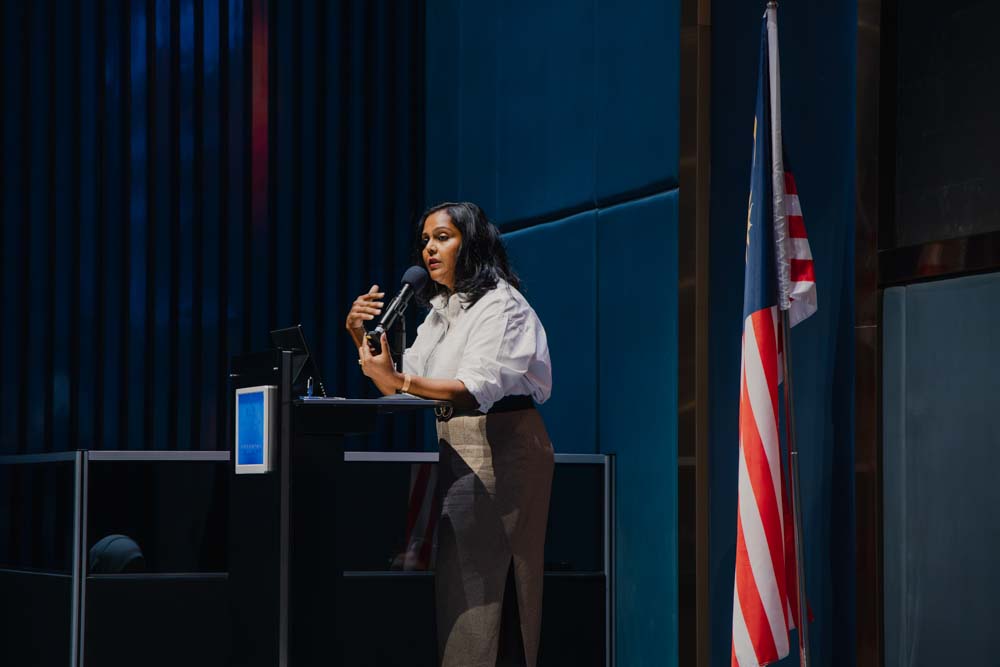
Bridging basic science with clinical literature, Dr. Bawani Nesamany presented a comprehensive review of published research on peptide tissue repair.
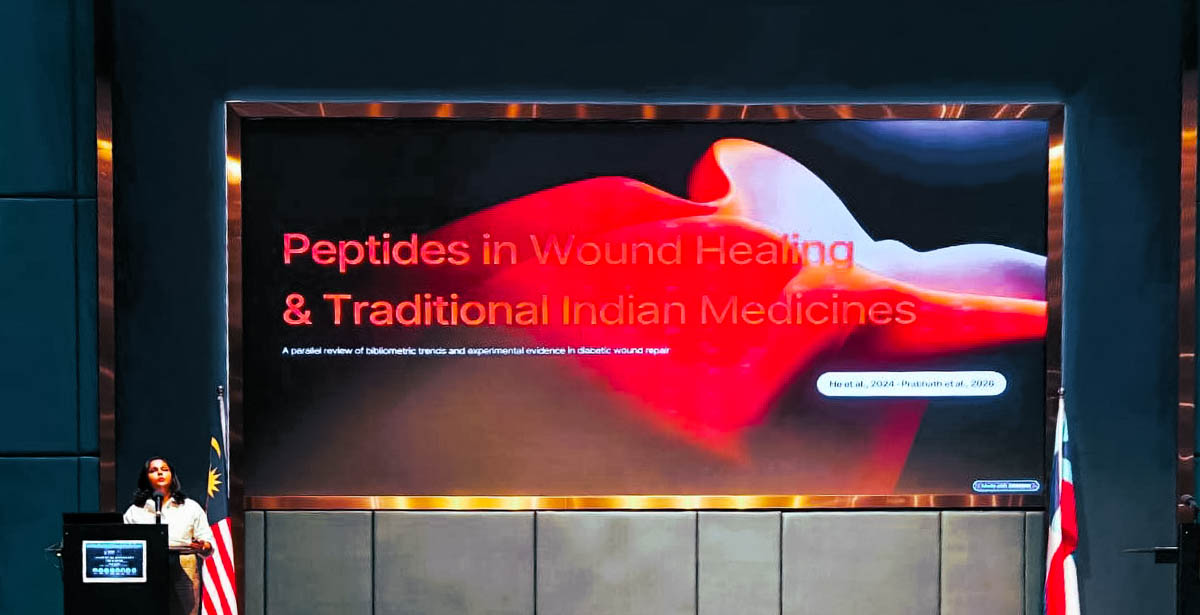
Dr. Bawani’s lecture “Peptides in Wound Healing & Traditional Indian Medicines,” explored scientific evidence and bibliometric research on peptide-based therapies for diabetic wound repair while highlighting the integration of traditional medicinal knowledge with modern regenerative medicine.
Rather than focusing on a single therapeutic application, the presentation traced the historical development of peptide-based regenerative medicine before examining recent scientific publications supporting their role in tissue regeneration.
The review helped delegates better understand how peptide therapies have evolved from experimental concepts into an expanding area of biomedical research, while also emphasizing the importance of evidence-based practice.
Maximizing Cellular Therapy for Tissue Regeneration
The final morning lecture was delivered by internationally recognized regenerative medicine researcher Prof. Dr. Dmytro Klokol, whose presentation focused on maximizing the therapeutic potential of cellular therapy.
Drawing upon years of clinical and research experience, he discussed strategies for improving regenerative outcomes through appropriate patient selection, treatment planning, and targeted cellular applications.
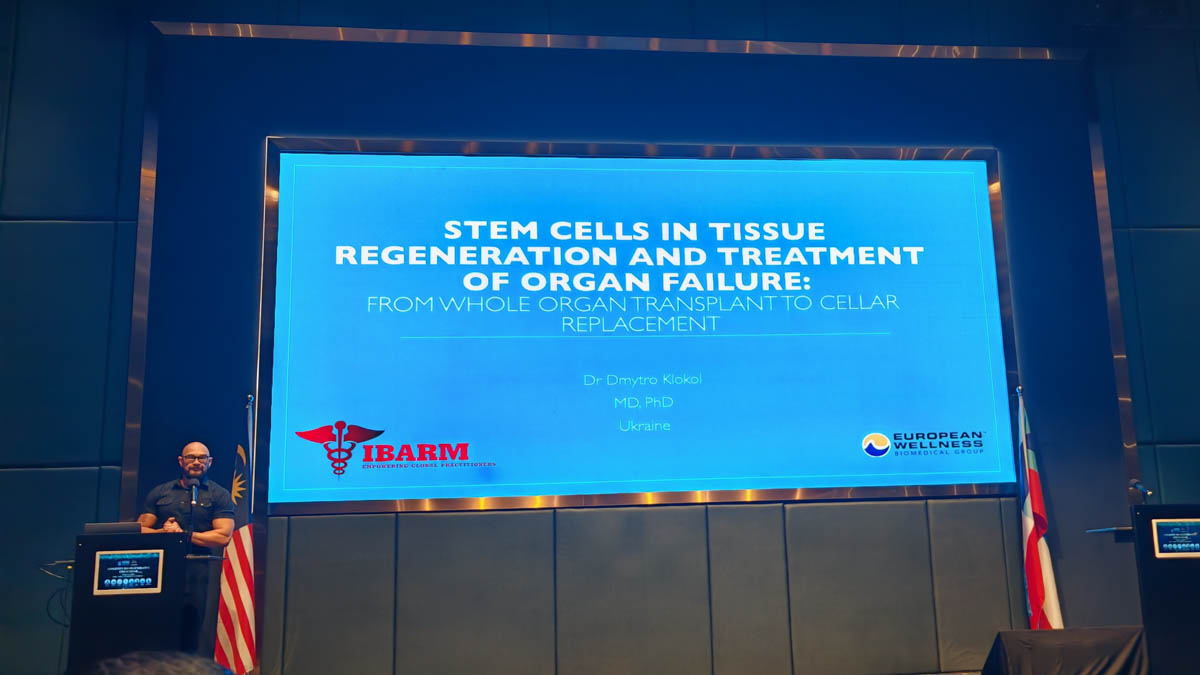
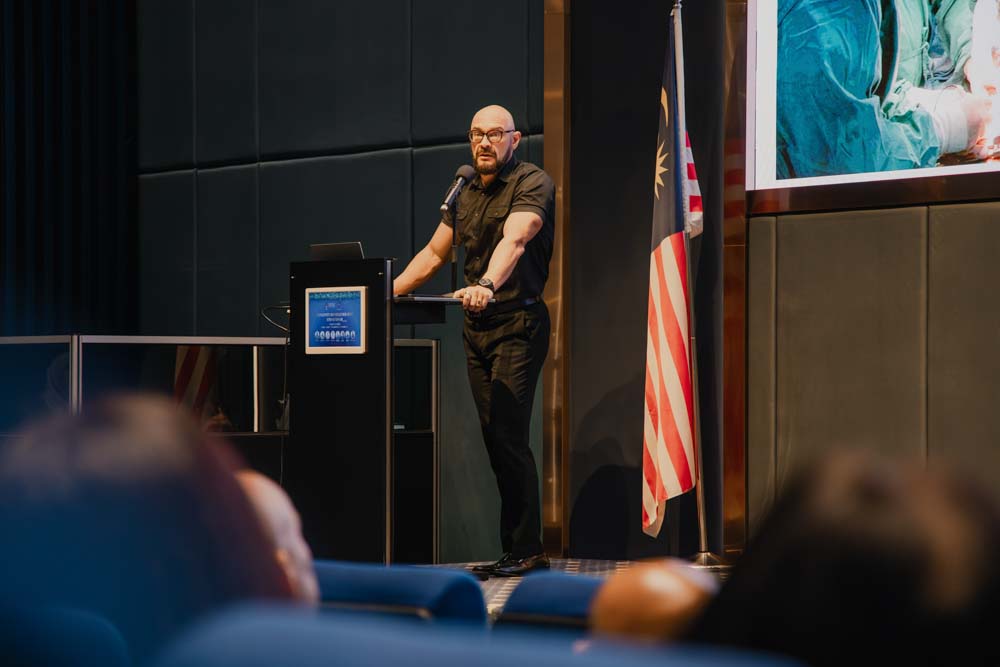
Dr. Dmytro Klokol spoke on the evolution of stem cell therapy, highlighting its growing role in tissue regeneration and organ repair.
His lecture examined how cellular therapies may support tissue repair by promoting the body’s natural regenerative processes while highlighting current scientific understanding of tissue regeneration across different organ systems.
The session generated extensive discussion among delegates, reflecting growing international interest in precision regenerative medicine.
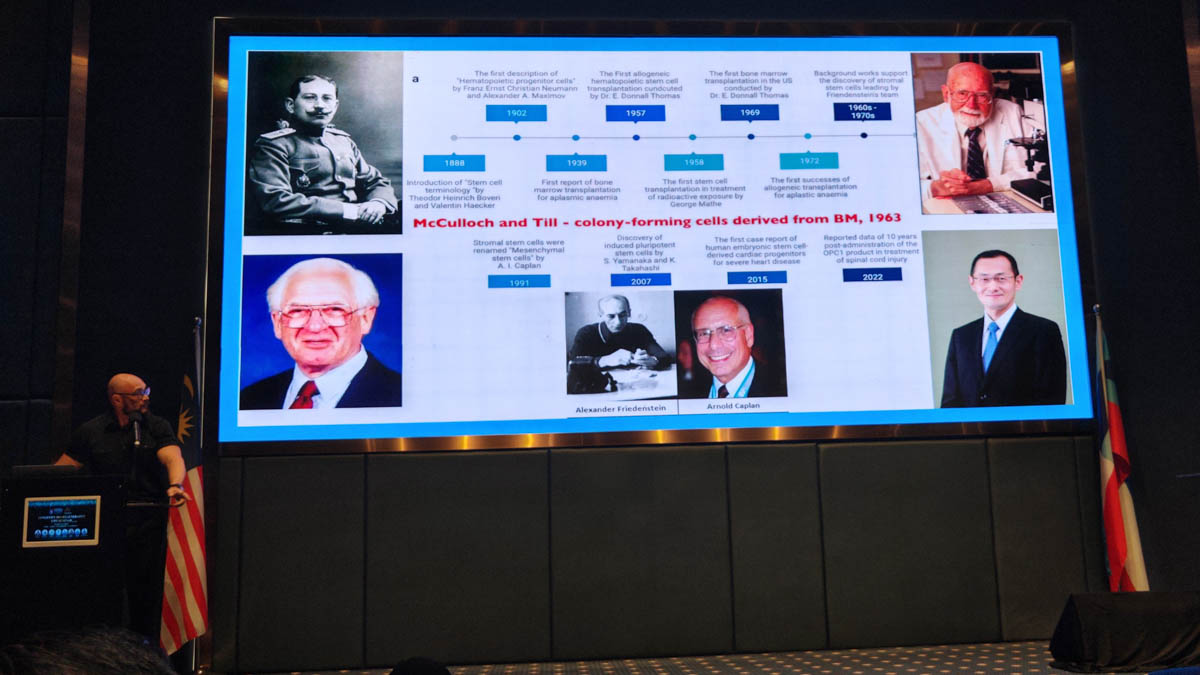
History of Stem Cell Medicine. Dr. Klokol also traced the scientific milestones that transformed stem cell research into a modern clinical discipline.
Dr. Natali Highlights the Science Behind Peptide Therapy Non-response
Another live video session that drew considerable interest was presented by Prof. Dr. Natali Shyshkina, who examined one of regenerative medicine’s most practical challenges: why peptide therapies sometimes fail to produce the expected clinical outcomes.
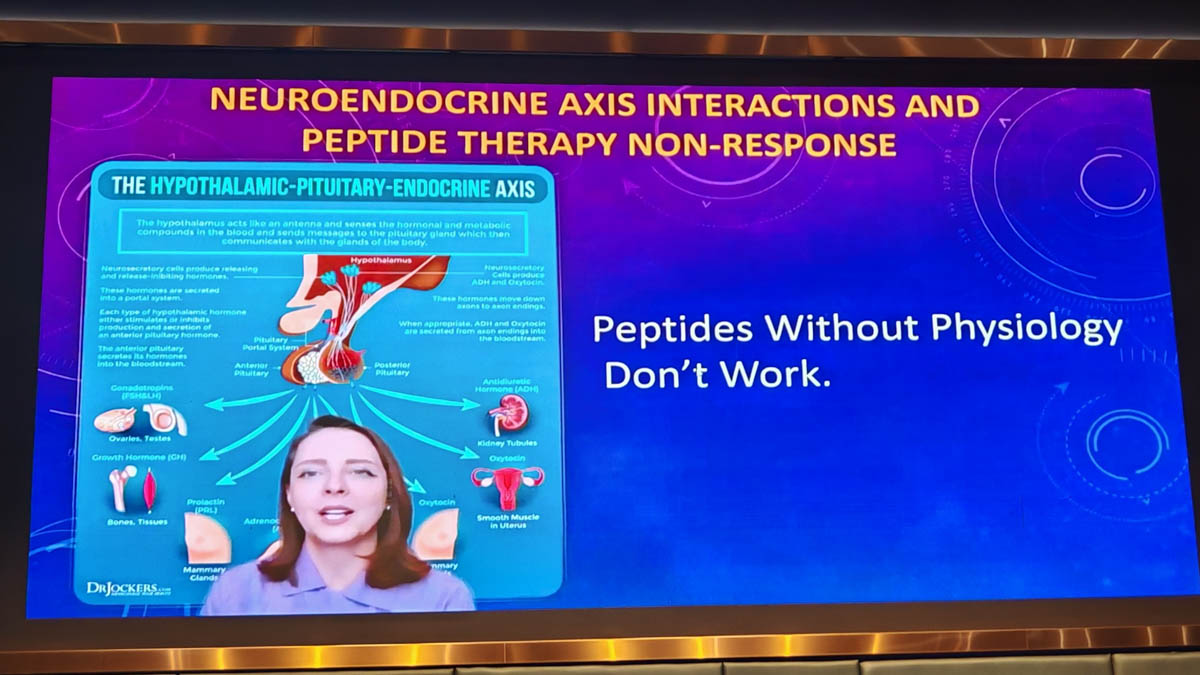
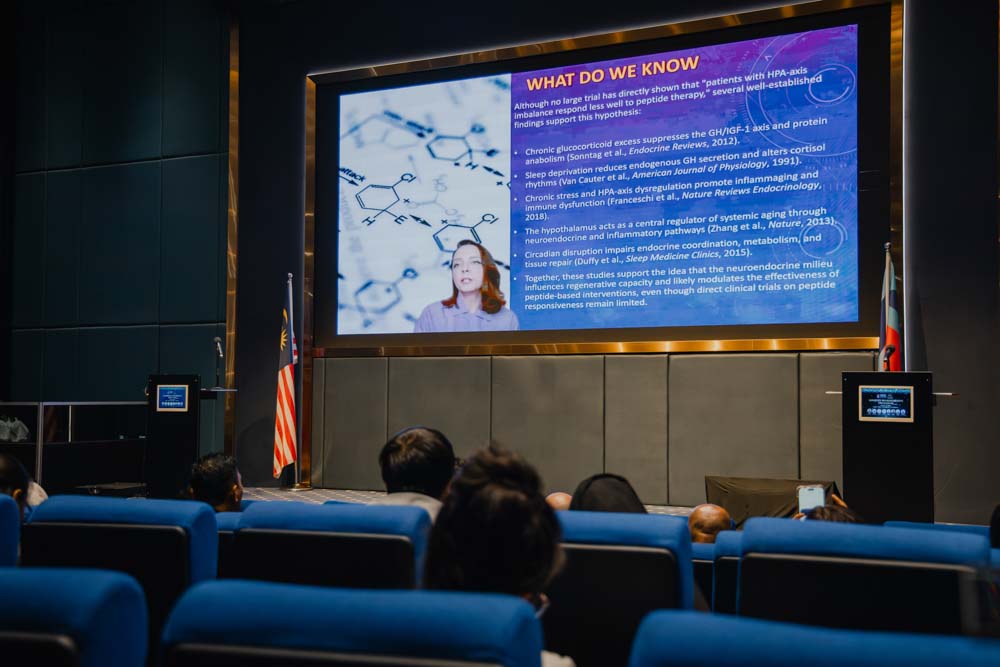
Neuroendocrine live-video Interactions. An online session by Prof. Dr. Natali Shyshkina explained how hormonal regulation and physiological balance influence the effectiveness of peptide therapies.
Rather than attributing poor results solely to the peptides themselves, Prof. Natali explained that treatment response is influenced by multiple physiological factors. She outlined how molecular barriers, immune responses, receptor adaptation, patient-specific biological differences, administration techniques, and product quality can all affect therapeutic success.
A central theme of her presentation was the importance of restoring physiological balance before expecting optimal results from regenerative interventions. She explored the role of the hypothalamic-pituitary-endocrine (HPE) axis and the hypothalamic-pituitary-adrenal (HPA) stress response, explaining how chronic hormonal imbalance and prolonged stress may interfere with cellular repair mechanisms.
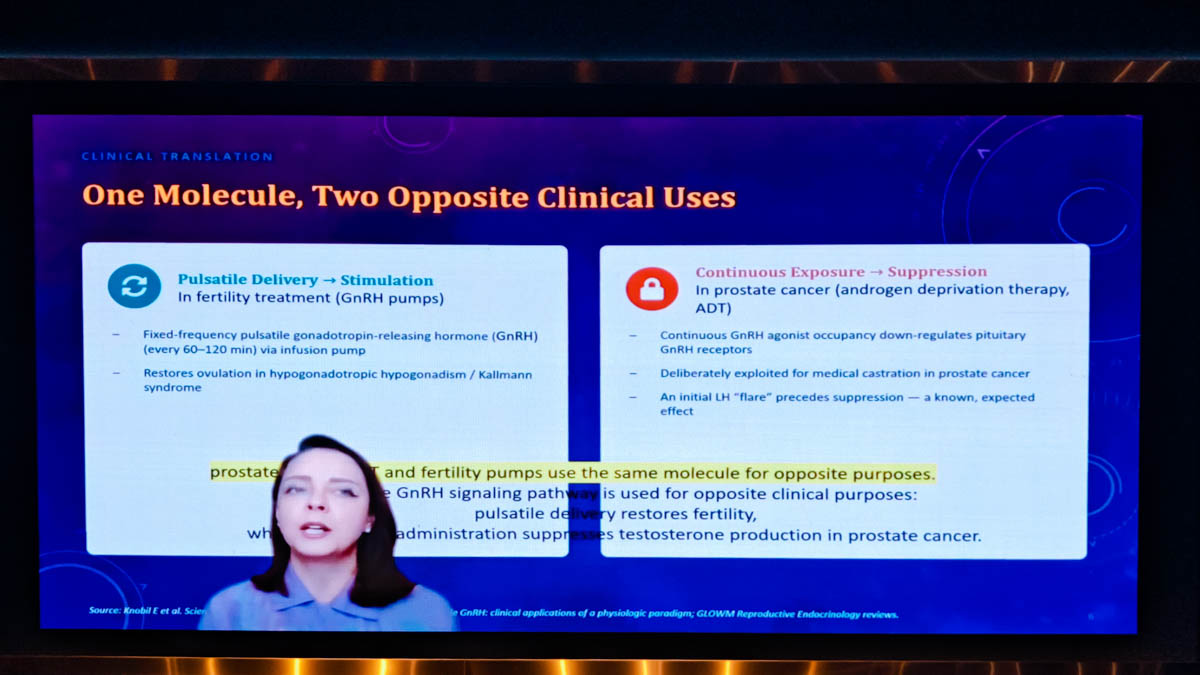
Stress Response and Regeneration. Prof. Dr. Natali also highlighted the relationship between stress physiology, the HPA axis and regenerative medicine outcomes.
“Peptides without physiology don’t work,” emphasized Prof. Dr. Natali, arguing that successful regenerative medicine requires treating the body’s underlying biological environment rather than relying on isolated therapeutic agents.
Dr. Natali’s presentation reinforced the seminar’s broader message that precision medicine depends not only on selecting the right regenerative compounds but also on understanding the complex physiological systems that determine how patients respond to treatment.
From Scientific Theory to Clinical Practice
Following the lunch break, the seminar shifted from scientific foundations to practical clinical applications through a series of case-based presentations.
Prof. Mike Chan Presents Precision Stem Cell Medicine
The Day 1 afternoon session opened with a keynote by Prof. Dato’ Sri Dr. Mike Chan, Chairman of European Wellness Biomedical Group, on “Precision Stem Cells in Preventive, Regenerative & Longevity Wellness Sciences”.
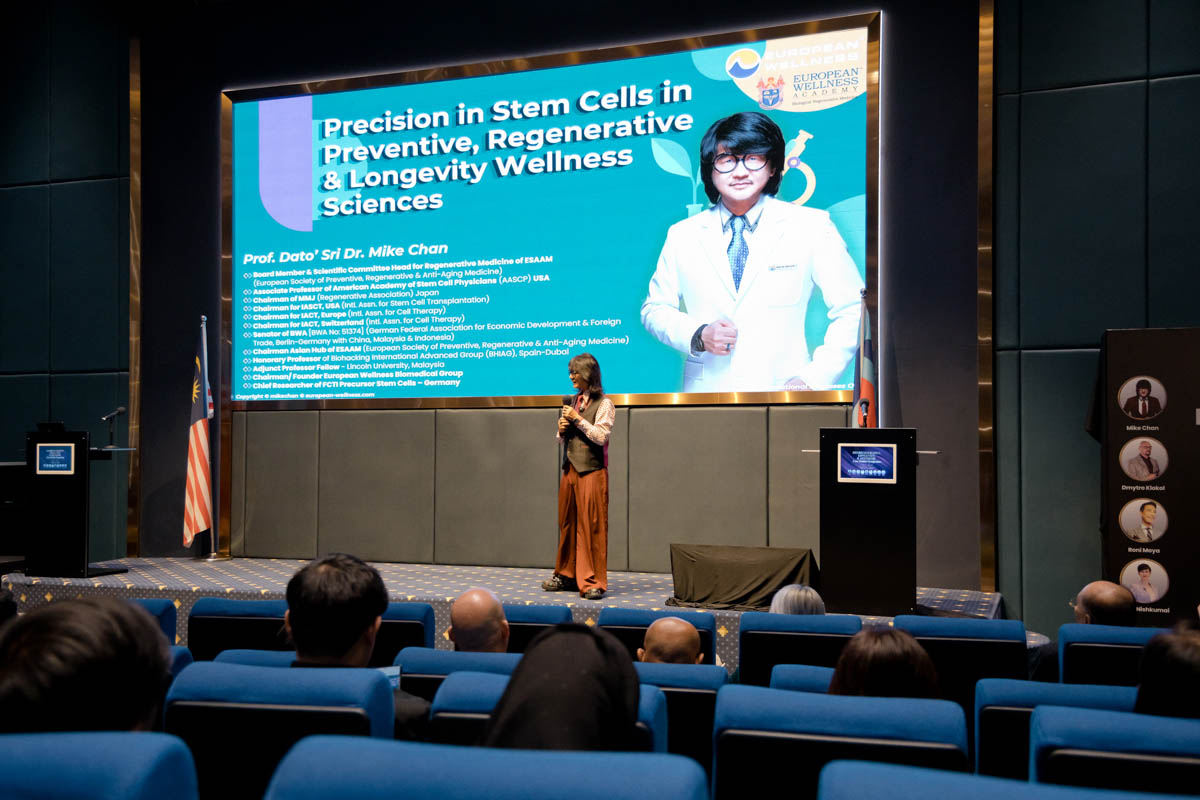
Prof. Dato’ Sri Dr. Mike Chan shares insights on “Precision Stem Cells in Preventive, Regenerative, and Longevity Wellness Sciences” with an international audience during Day 1 afternoon session at the Bio-Regenerative Longevity Seminar in Kota Kinabalu on July 30, 2026.
Building upon many of the concepts he has presented internationally over the past year, Prof. Chan emphasized that the future of regenerative medicine lies in precision rather than generalization, arguing that cellular therapies should be carefully matched to specific organs and biological functions rather than adopting a one-size-fits-all approach.
His long-standing philosophy centers on preserving healthspan—the period of life spent in good health—rather than merely extending lifespan.
He also discussed how advances in diagnostics, organ-specific regenerative strategies, peptide science, and cellular medicine are gradually reshaping preventive healthcare and longevity research, while stressing that precision medicine requires careful clinical assessment, scientific evidence, and individualized treatment planning.
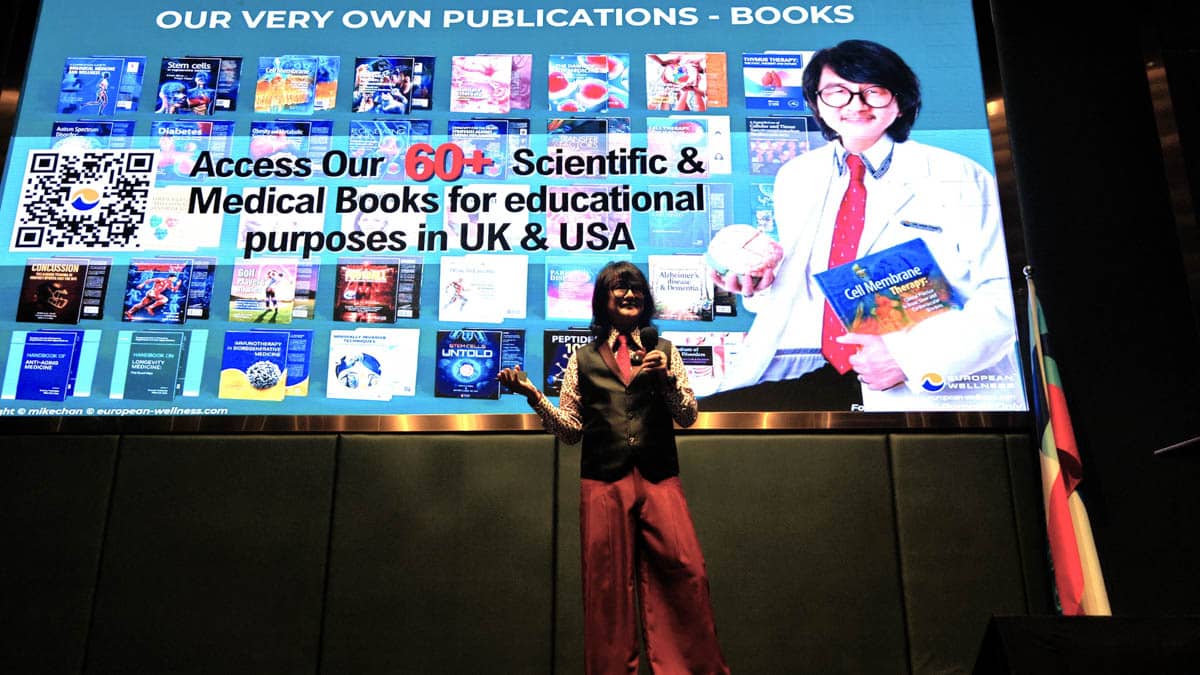
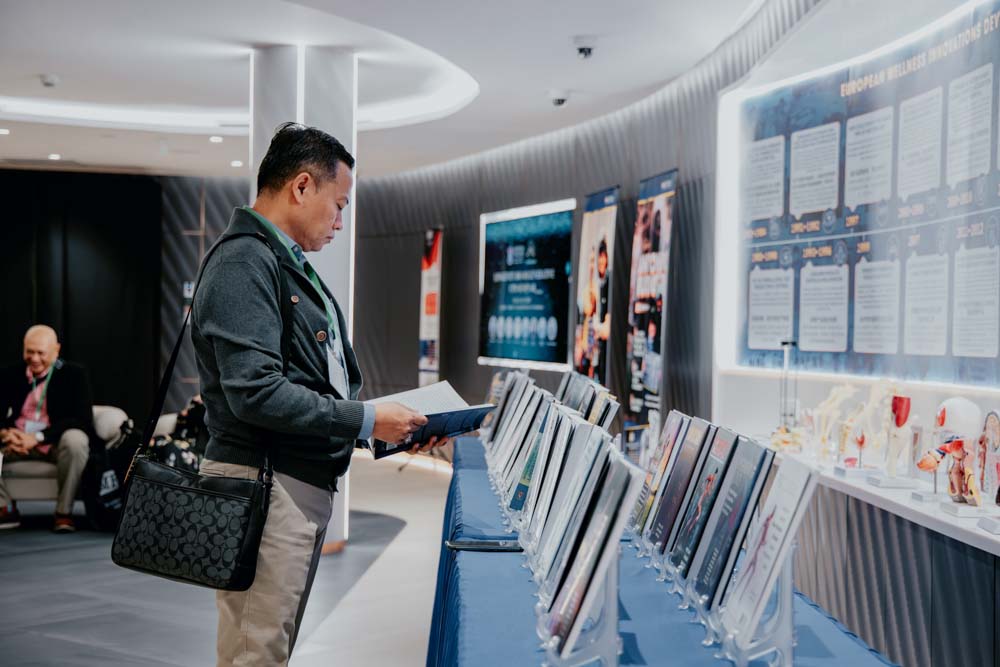
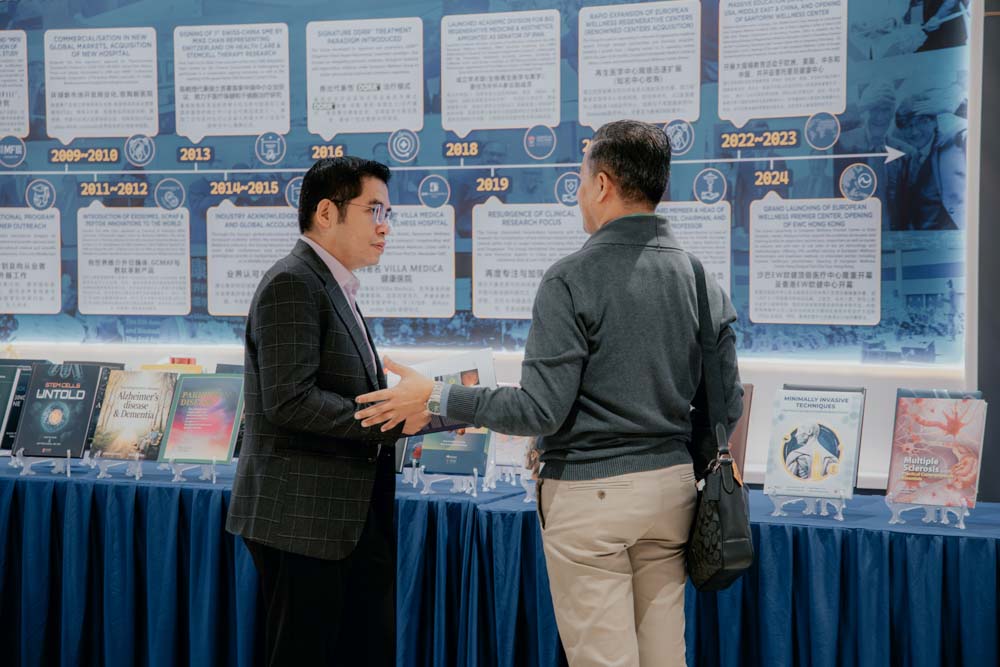
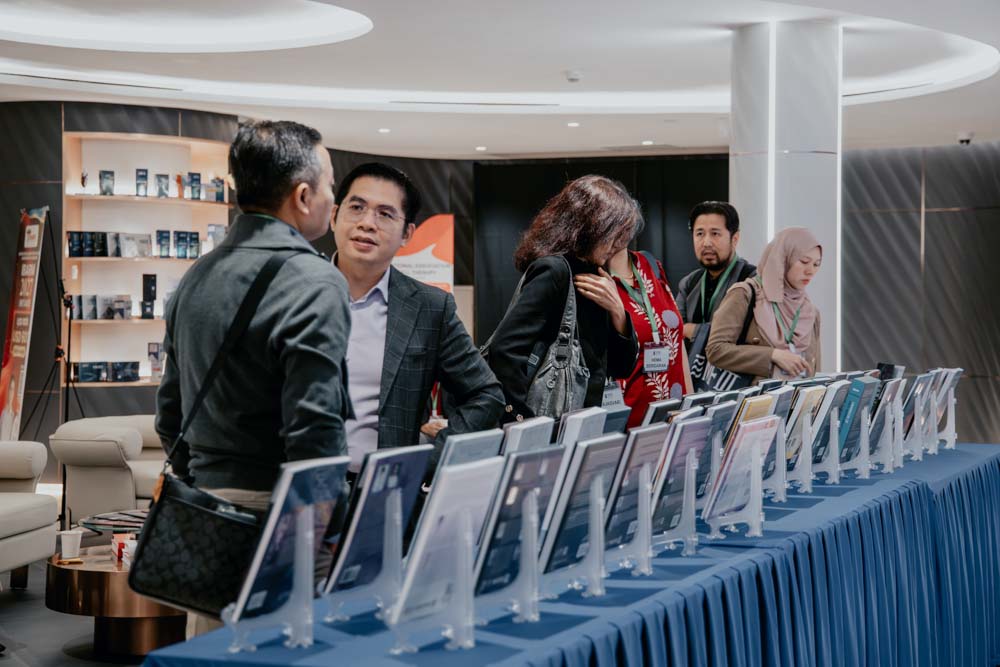
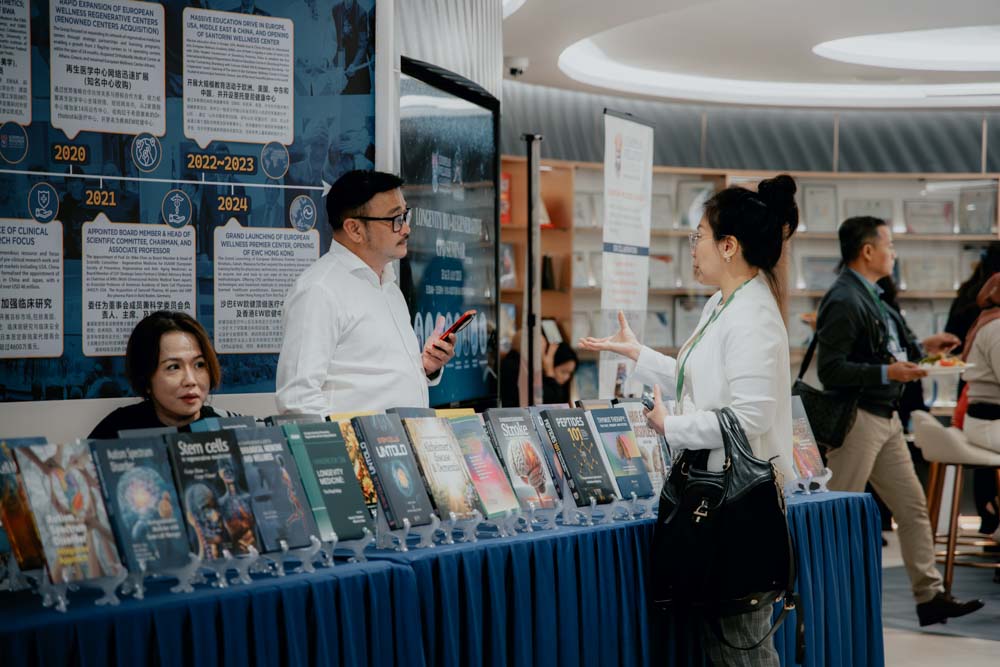
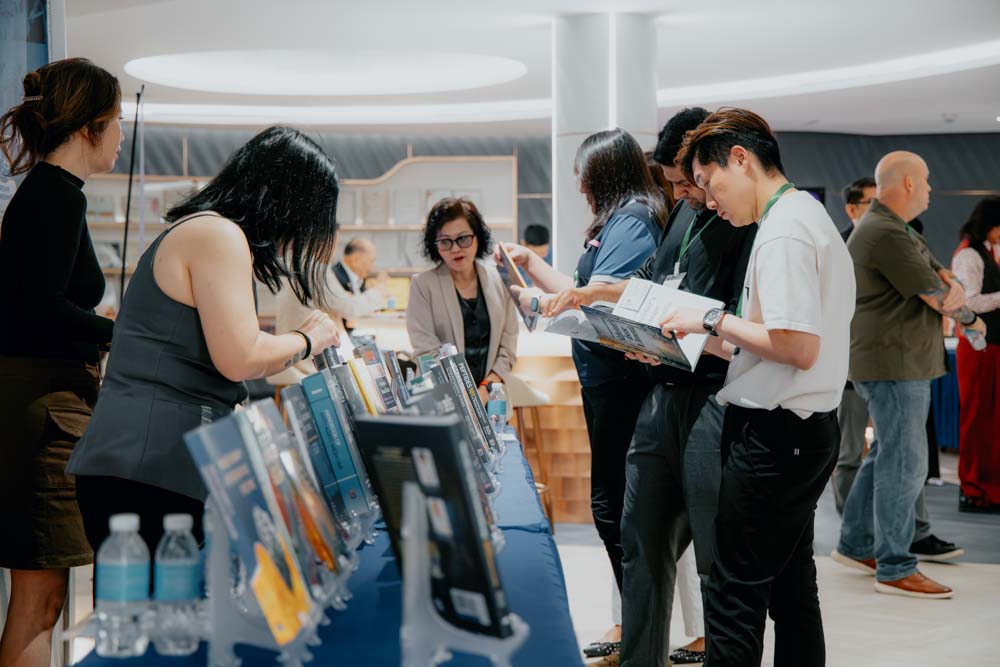
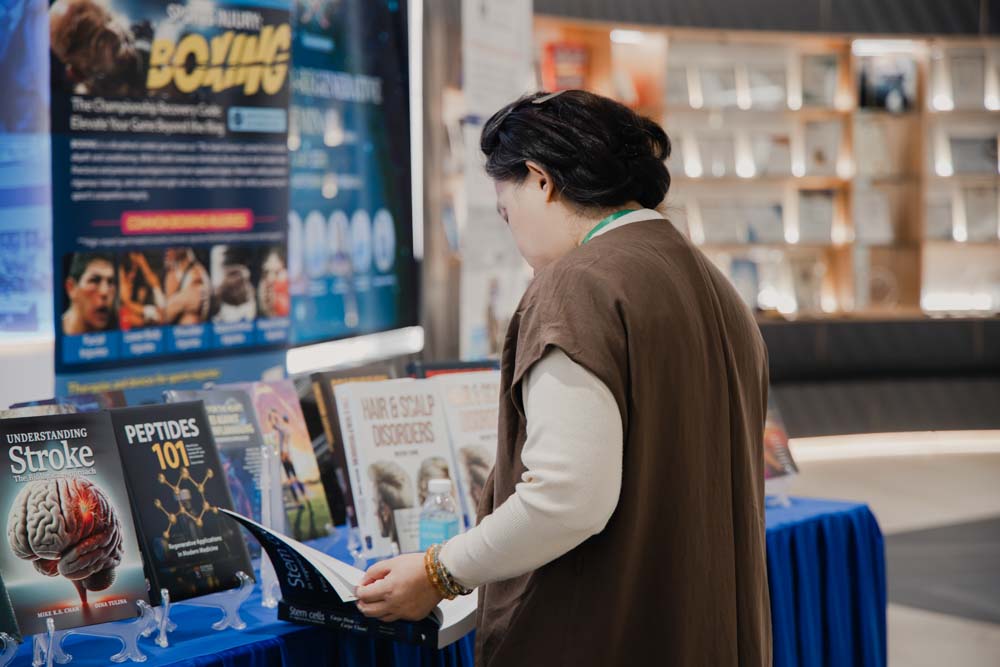
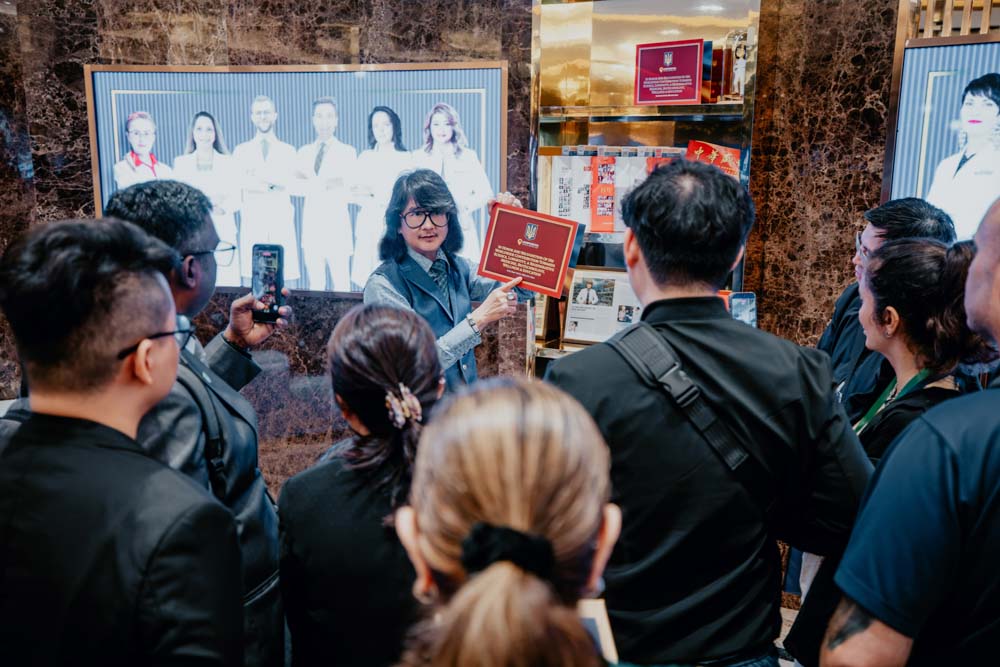
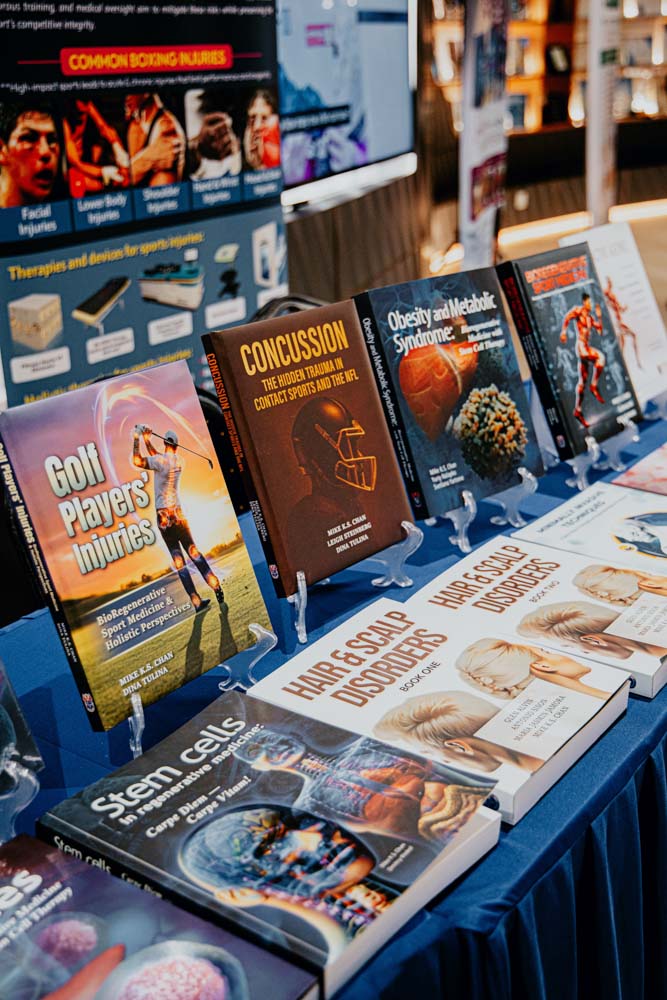
Scientific Publications. Prof. Chan showcased European Wellness’ growing library of more than 60+ scientific and medical publications supporting education and clinical practice.
Throughout his session, Prof. Chan illustrated how regenerative medicine is evolving beyond symptom management toward supporting the body’s own repair mechanisms through targeted biological interventions.
International Case Studies in Aesthetic Dermatology
The seminar’s final segment transitioned into aesthetic medicine, highlighting the growing convergence between regenerative science and clinical dermatology.
The day concluded with an extended case study workshop led by Dr. Gisela Trajano-Sarmiento, board-certified in aesthetics by the Canadian Board of Aesthetic Medicine (CBAM).
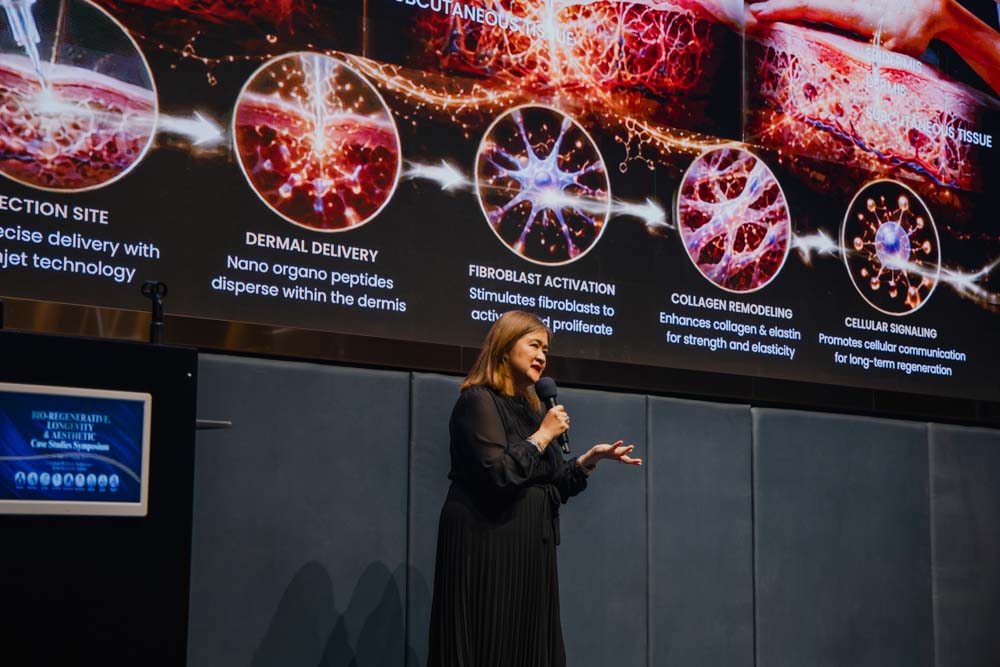
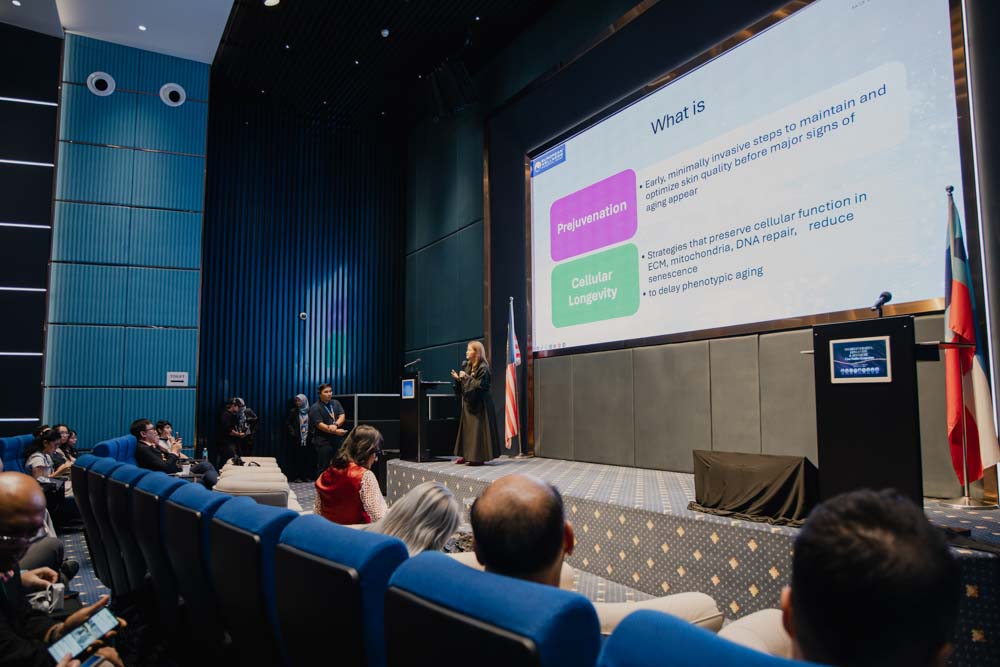
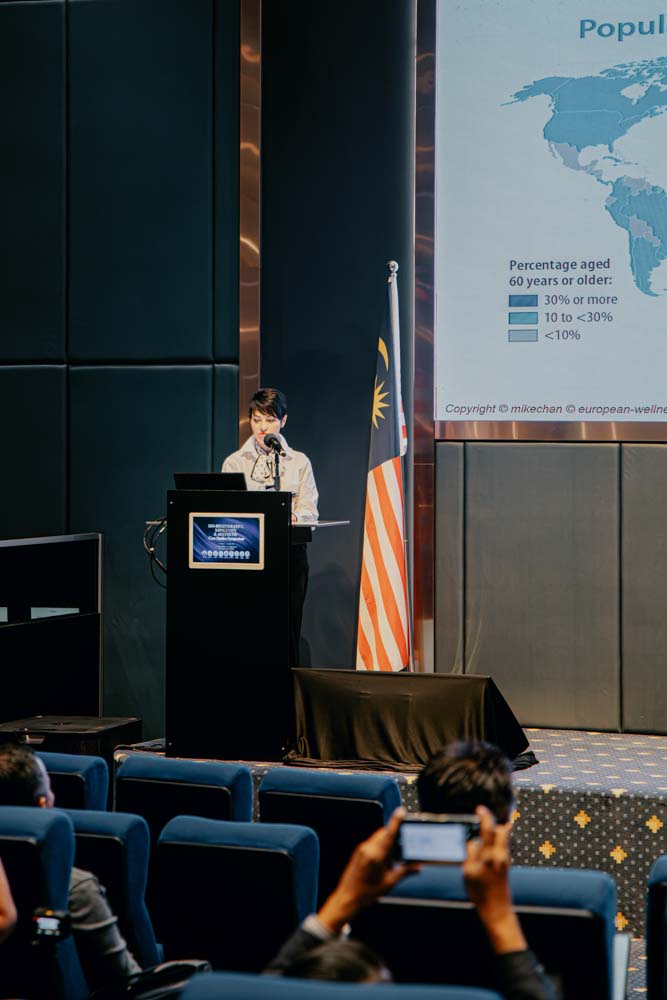
Dr. Gisela Trajano-Sarmiento presented on precision aesthetic medicine, highlighting the role of nano-organ peptides and targeted bio-regenerative therapies in skin rejuvenation and modern aesthetic practice at the European Wellness Academy Symposium.
As part of the PAAAMMI Aesthetic Dermatology Program, she guided participants through real clinical cases covering patient assessment, treatment planning, and evidence-based aesthetic procedures.
The interactive format encouraged discussion among delegates while demonstrating how scientific principles translate into everyday clinical decision-making.
Knowledge Without Borders
Featuring an extensive series of in-depth presentations by internationally renowned speakers, the seminar showcased the latest developments across regenerative medicine, longevity science, cellular therapy, peptide medicine, and precision healthcare. The breadth of topics and international faculty embodied the event’s theme of “Knowledge Without Borders,” highlighting the growing importance of global collaboration in advancing medical science.
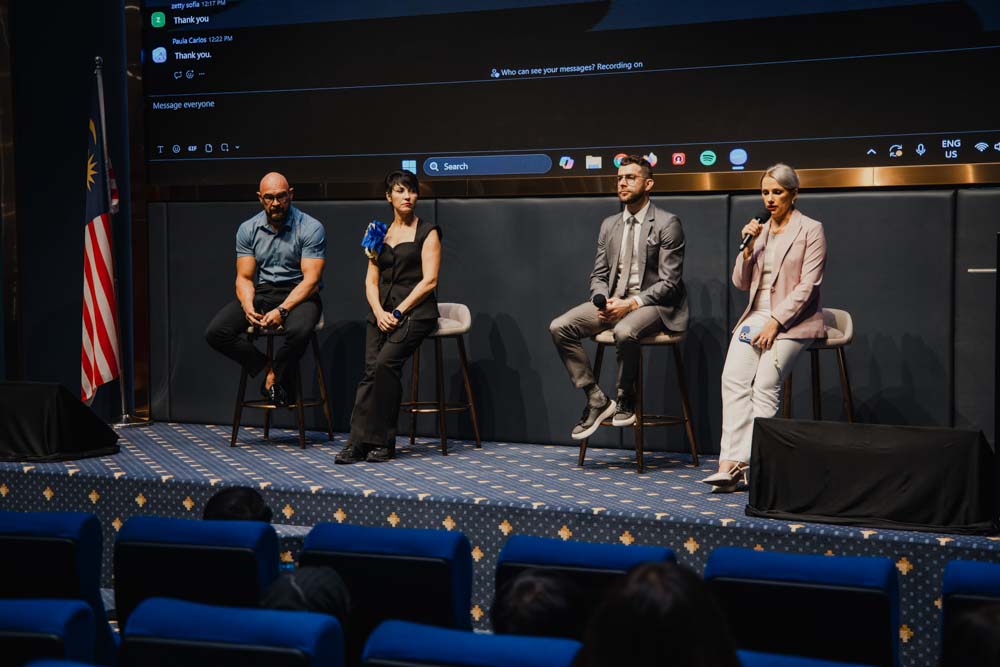
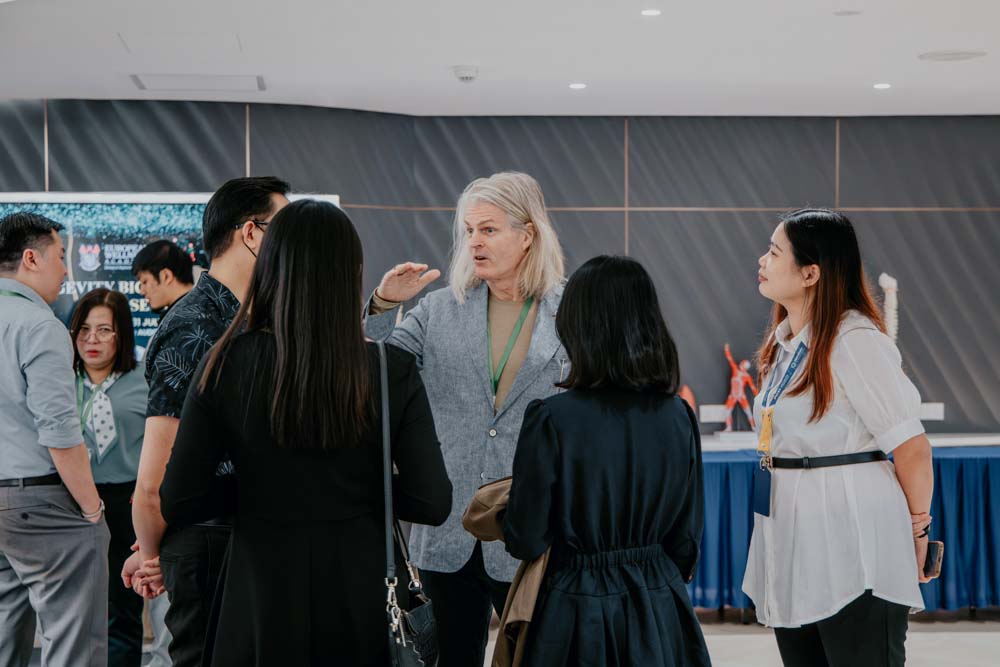
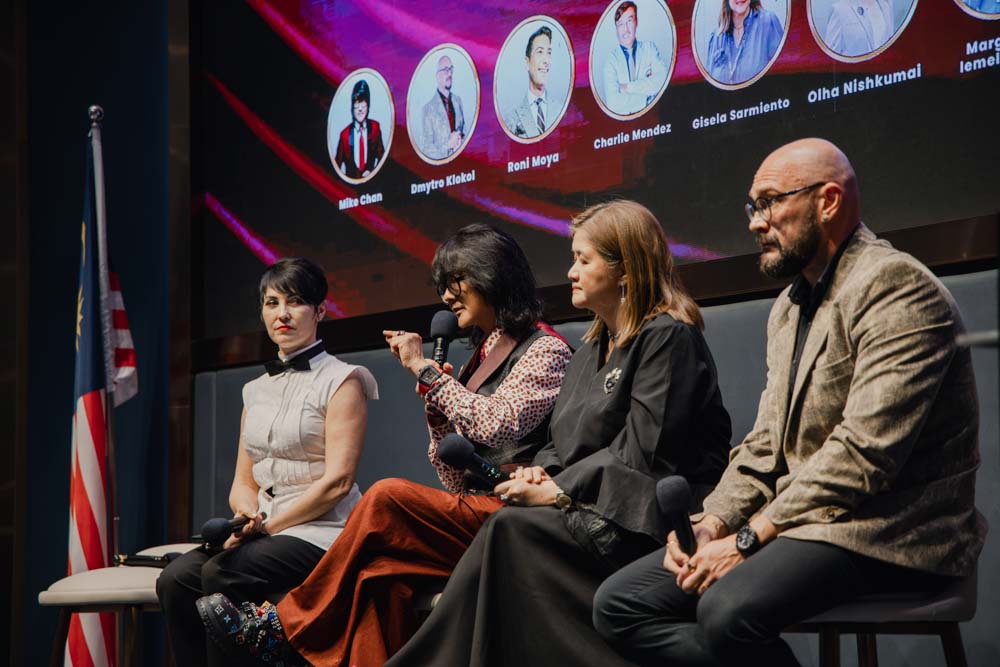
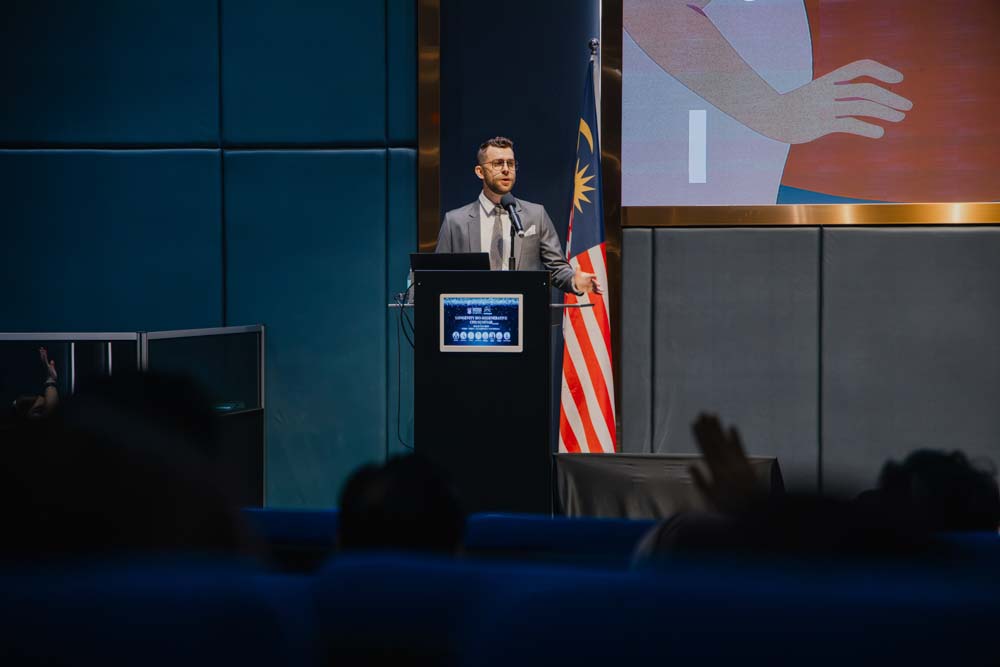
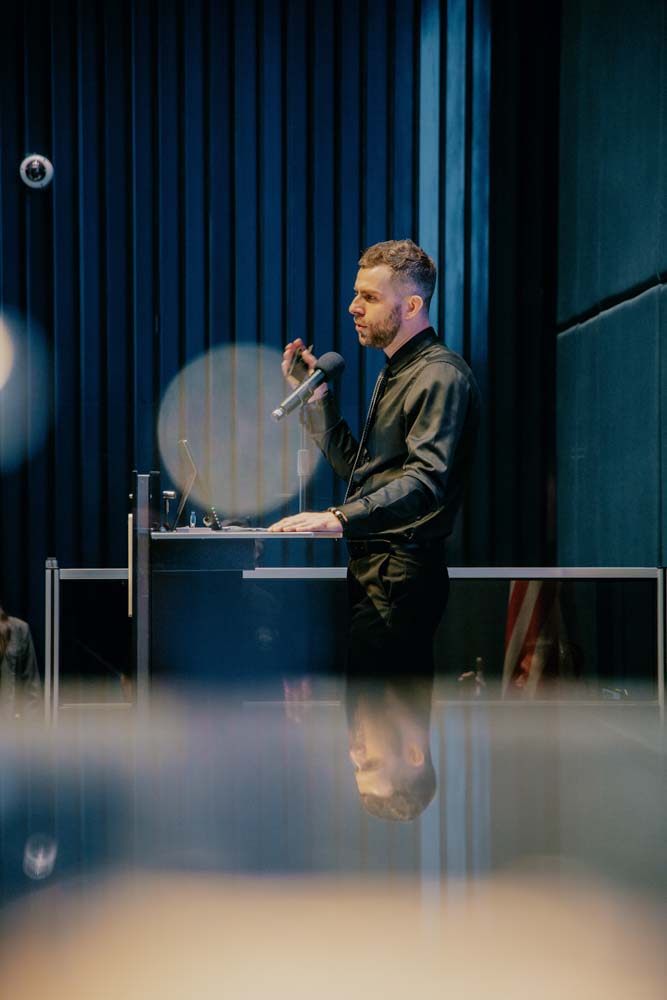
On Day 2, International speakers engaged with delegates during an interactive Q&A session, addressing clinical applications, emerging regenerative therapies, and practical insights from the two-day European Wellness’ International Case Studies Workshop.
From peptide therapeutics and immune modulation to cellular regeneration, precision stem cell science, and aesthetic dermatology, delegates were exposed to a multidisciplinary program that highlighted the increasingly integrated nature of modern regenerative healthcare.
The program continued with in-depth discussions on neuroendocrine balance, microbiome health, cognitive preservation, and clinical case studies, further expanding delegates’ understanding of regenerative and longevity medicine.
The hybrid seminar forms part of its continuing effort to provide internationally recognized medical education while fostering collaboration among clinicians seeking to advance preventive, regenerative, and longevity medicine.
The program aligns with European Wellness’ broader mission of promoting precision regenerative healthcare through education, research, and clinical practice.



Follow European Wellness:



Follow European Wellness Academy:
Follow Prof. Dato’ Sri Dr. Mike Chan:

Related Posts