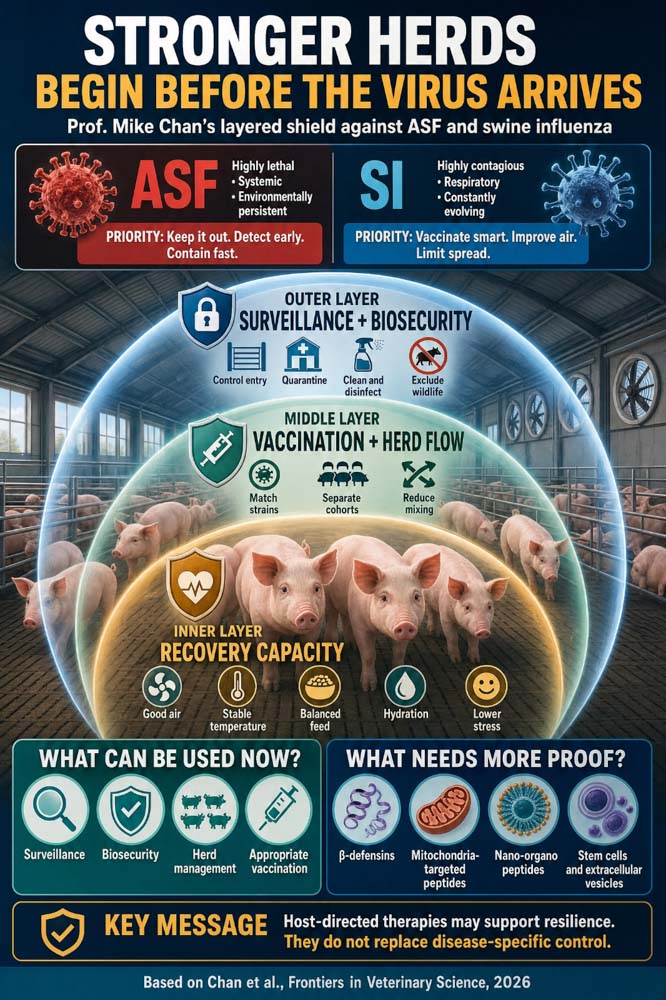
A special welcome to Hofit Golan and Vinay Kapoor at European Wellness Premier Center (EWPC)…
Prof. Mike Chan Advocates Precision Stem Cell Medicine for Healthy Longevity at Bio-Regenerative Longevity Seminar
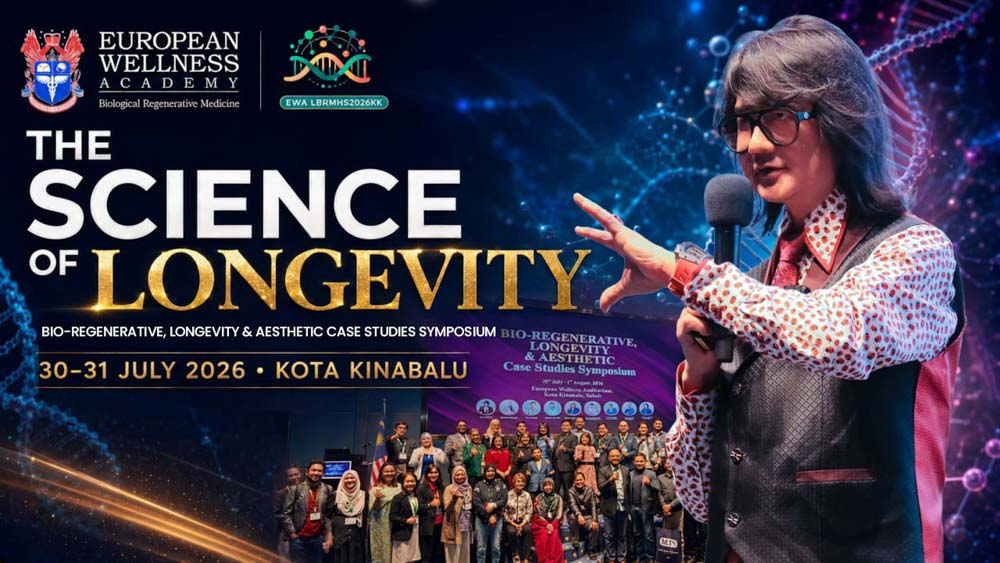
Prof. Dato’ Sri Dr. Mike Chan shares insights on “Precision Stem Cells in Preventive, Regenerative, and Longevity Wellness Sciences” with an international audience during the afternoon session of Day 1 at the Bio-Regenerative Longevity Seminar in Kota Kinabalu on July 30, 2026.
KOTA KINABALU, Sabah (July 30, 2026) — Prof. Dato’ Sri Dr. Mike Chan brought regenerative medicine into sharper clinical focus during the afternoon session of the European Wellness Academy’s Longevity Bio-Regenerative Medicine Hybrid Seminar.
In his keynote, “Precision Stem Cells in Preventive, Regenerative & Longevity Wellness Sciences,” the chairman of European Wellness Biomedical Group explained how the field is advancing towards more precise, organ-specific approaches tailored to each patient.
Drawing on more than four decades of experience, Prof. Chan discussed how stem cells can work alongside precursor cells, peptides, exosomes, mitochondrial medicine, immunology, and precision diagnostics as part of an integrated approach to regenerative healthcare.
Moving Beyond One-Size-Fits-All Stem Cell Therapy
Prof. Chan opened his lecture by challenging one of the most common misconceptions in regenerative medicine—that one type of stem cell can address every disease.
Instead, he explained that every patient presents a unique biological profile requiring different combinations of regenerative therapies.
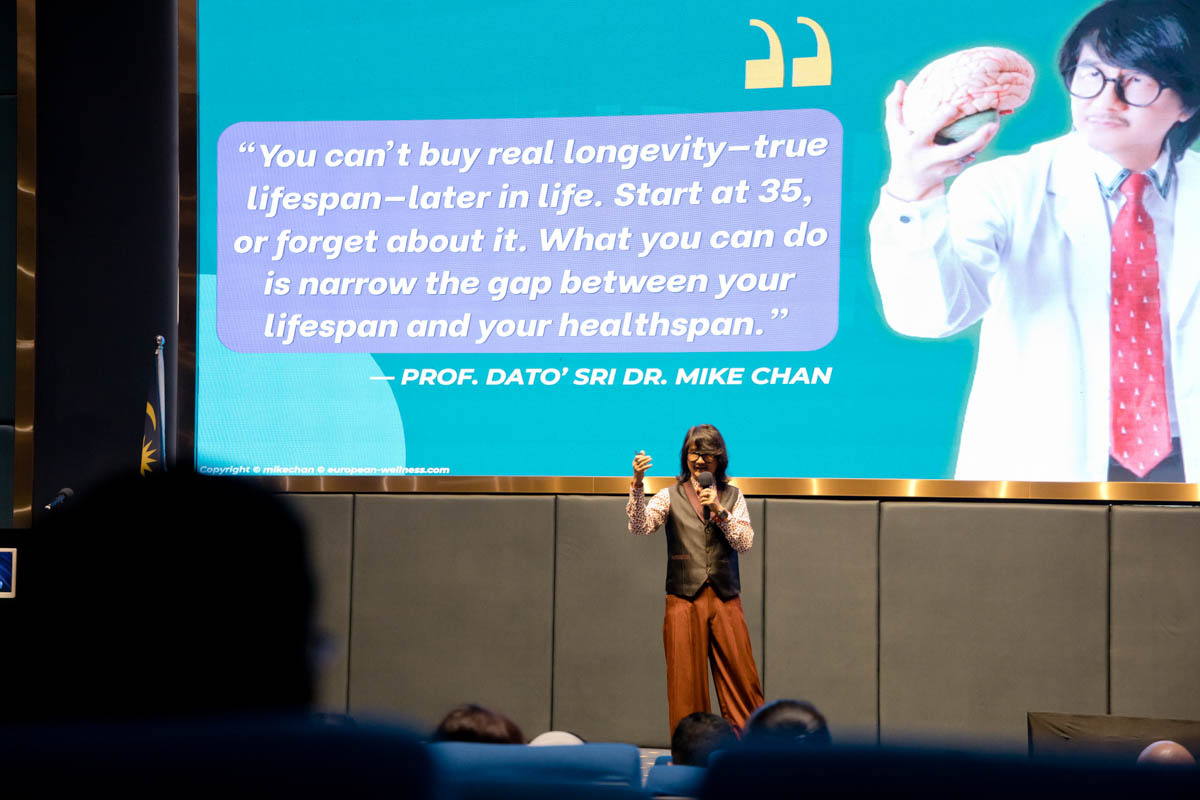
Prof. Mike Chan afternoon talk on “Precision Stem Cells in Preventive, Regenerative, and Longevity Wellness Sciences.”
“A diabetic patient is not the same as another diabetic patient,” he told delegates. “Even if 50 patients have diabetes, every one of them may require a different combination of cells because every patient’s organs deteriorate differently.”
He explained that while mesenchymal stem cells remain valuable for tissue repair, they represent only one component within a much broader regenerative strategy.
According to Prof. Chan, modern regenerative medicine requires clinicians to understand not only stem cells but also organ-specific precursor cells, peptide signaling, immune regulation, and mitochondrial function before designing an appropriate treatment program.
Understanding Why the Human Body Ages
A major portion of the lecture focused on the biological mechanisms of aging.
While researchers today describe numerous hallmarks of aging, Prof. Chan suggested that two fundamental processes drive much of biological decline.
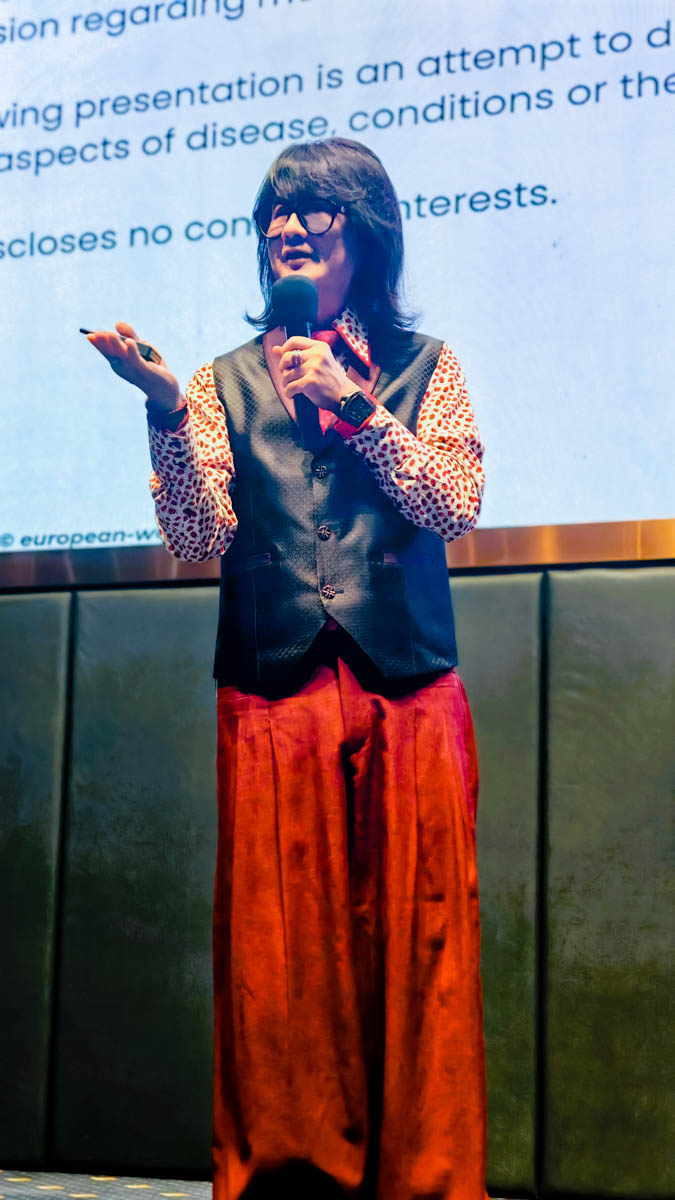
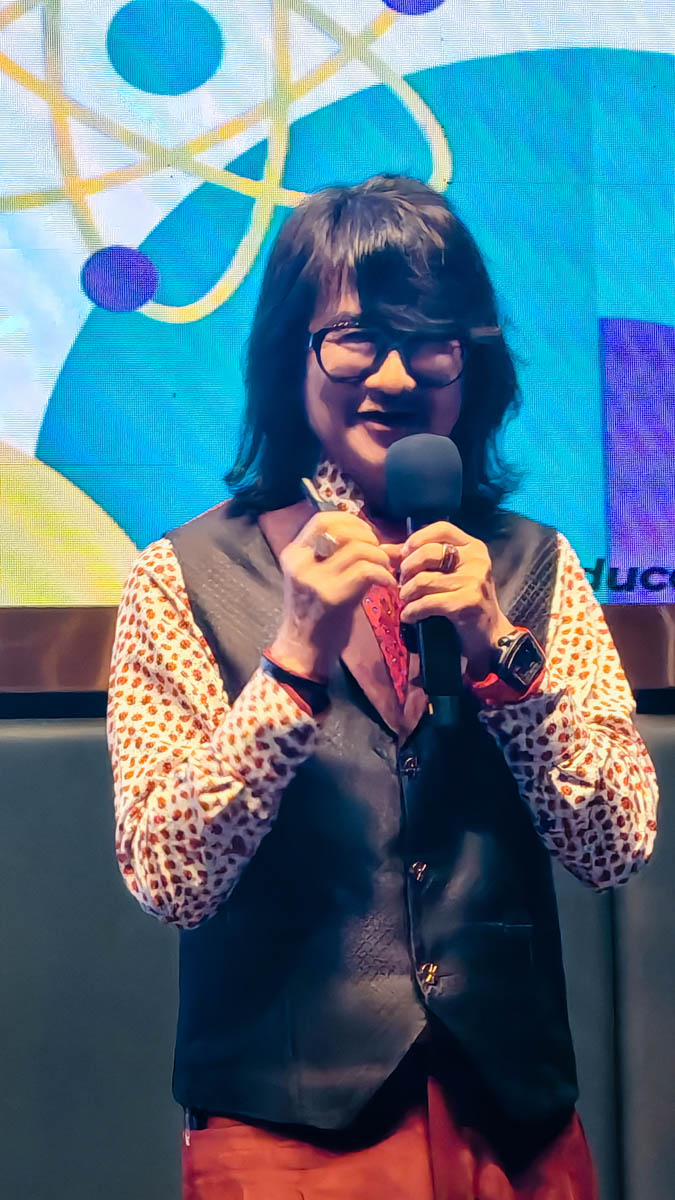
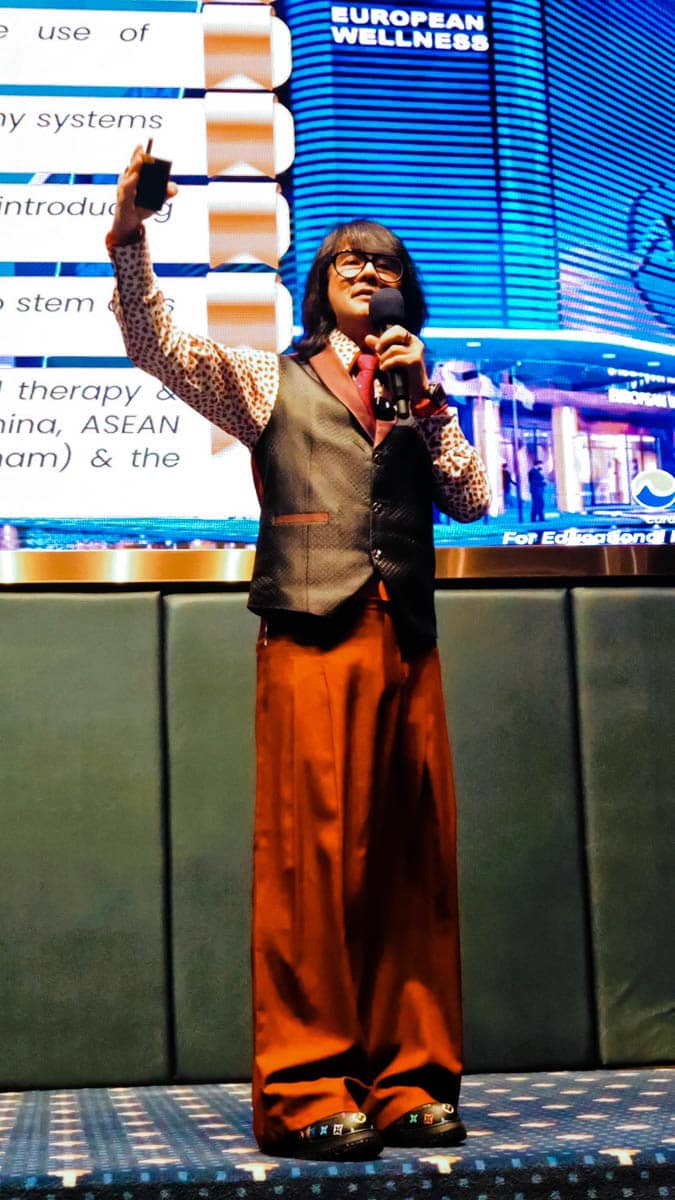
Drawing on more than four decades of experience, Prof. Chan explained why regenerative medicine is moving towards personalized, organ-specific treatment strategies.
The biggest causes of aging, in my view, are the depletion of stem cells throughout the body and the gradual decline of the immune system.
He explained that the thymus gland, which plays a central role in immune development during childhood, progressively shrinks with age, reducing the body’s ability to maintain immune surveillance.
At the same time, stem cell populations responsible for tissue repair also diminish over the years, reducing the body’s regenerative capacity.
He illustrated the concept using a simple comparison.
When we’re born, we possess our full regenerative potential. As we age, those regenerative reserves continue to decline. The challenge is not simply extending life but preserving the body’s ability to repair itself.
Ageing Is About Organs, Not Years
Throughout the presentation, Prof. Chan repeatedly emphasized that ageing should not be measured purely by chronological age.
Instead, he encouraged clinicians to view aging as the progressive deterioration of individual organs, each following its own biological timeline.
He noted that organs do not age simultaneously.
The heart, lungs, pancreas, brain, liver, and endocrine organs each begin functional decline at different stages of life, meaning patients require different therapeutic priorities depending on their biological condition rather than their age alone.
“Every organ ages differently,” he said.
“If we understand which organs are declining first, we can intervene much earlier.”
This concept, he explained, forms the foundation of precision regenerative medicine.
Precision Requires Organ-Specific Therapy
One of the central messages of the lecture was the distinction between general tissue repair and organ-specific regeneration.
Prof. Chan explained that regenerative medicine involves hundreds of different cell types distributed across the body’s 78 organs.
Rather than relying upon one universal cellular therapy, clinicians should match regenerative interventions to the biological requirements of individual organs.
He cited the pancreas, heart, brain, kidneys, liver, and endocrine system as examples where different cellular populations perform specialized functions.
According to Prof. Chan, selecting appropriate regenerative therapies therefore requires careful understanding of organ biology instead of applying identical protocols across multiple diseases.
“Precision medicine is not about using one treatment for everything,” he said. “It is about understanding exactly which tissues and organs require support.”
Regenerative Medicine Extends Beyond Stem Cells
Prof. Chan also sought to clarify the growing confusion surrounding regenerative technologies now available worldwide.
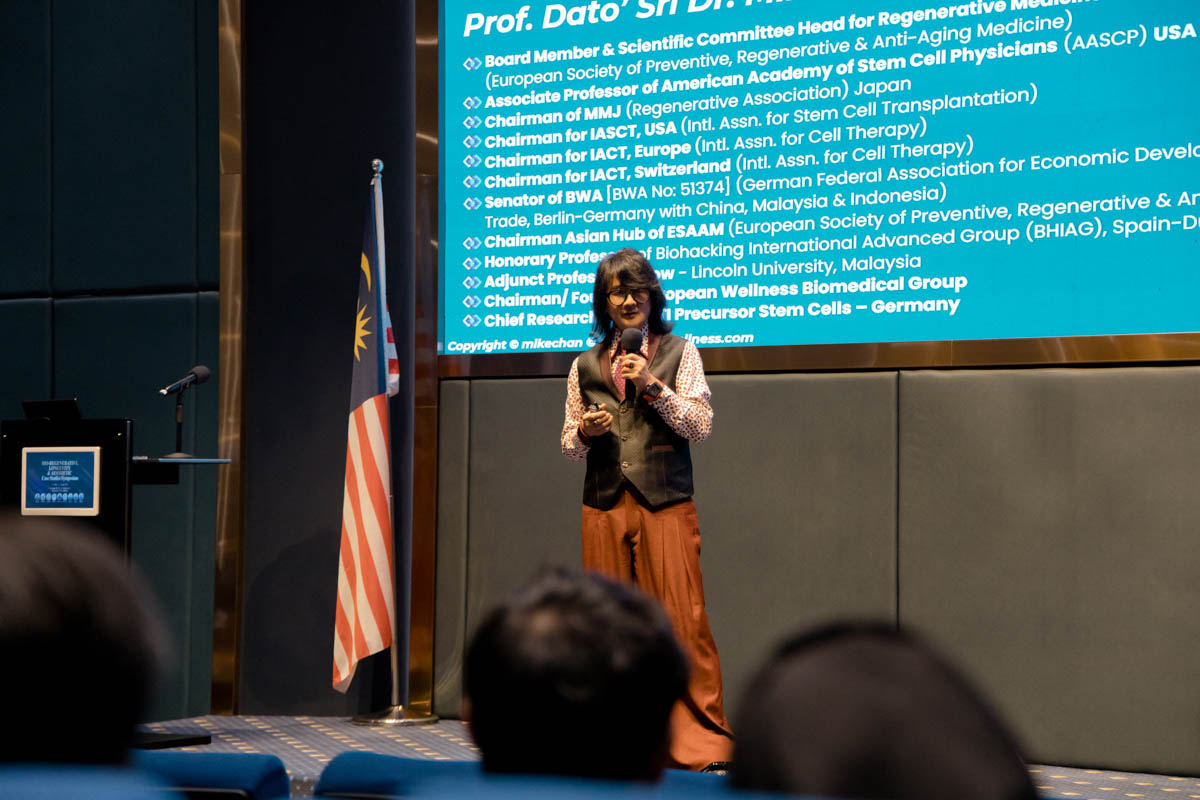
Prof. Chan highlighted European Wellness Biomedical Group’s pioneering work in stem cell research, organotherapy, and regenerative medicine.
While stem cells have received considerable attention over the past decade, he explained they represent only one part of a much broader biological toolkit.
The lecture explored how clinicians increasingly combine multiple regenerative approaches, including the following:
- Organ-specific precursor cells
- Peptide bioregulators
- Exosomes
- Mitochondrial support
- Immune modulation
- Targeted biological therapies
Each serves different biological functions within the regenerative process.
Rather than competing technologies, he described them as complementary tools selected according to individual patient needs.
Healthspan Is More Important Than Lifespan
Echoing themes he has presented at numerous international conferences, Prof. Chan urged delegates to shift attention away from simply living longer.
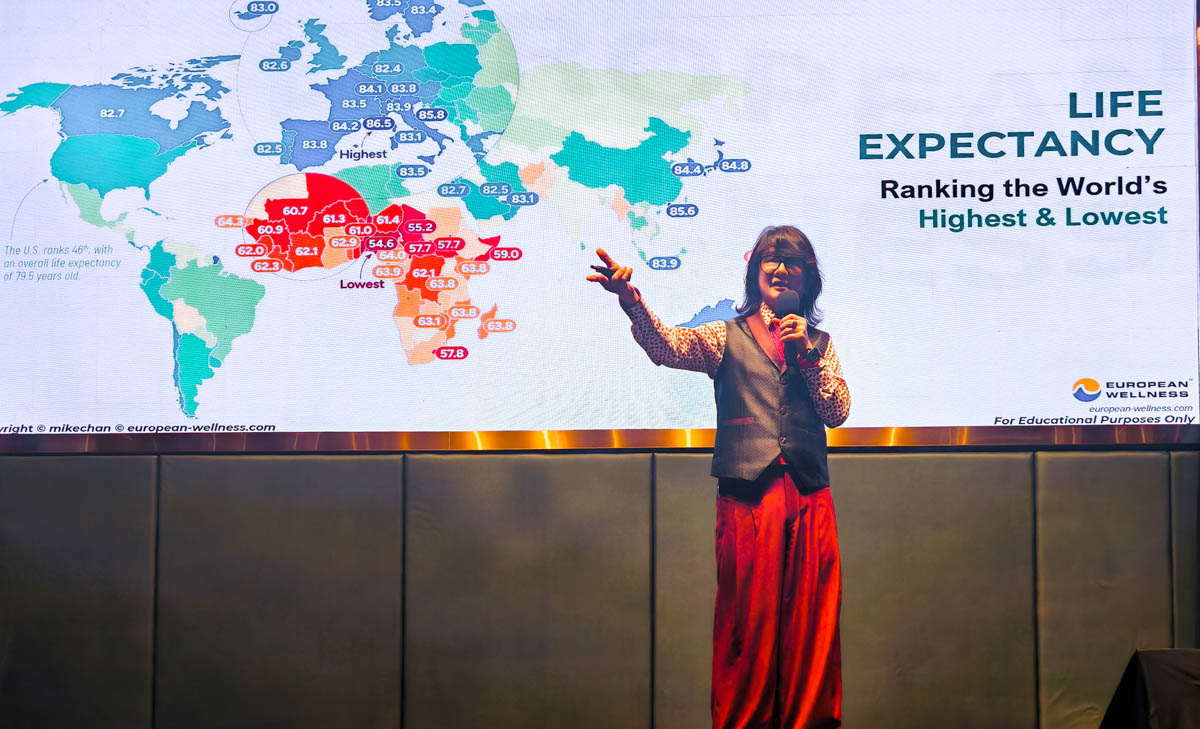
Interactive Presentation: Prof. Chan shared clinical experiences and the future direction of precision regenerative medicine.
“The goal is not merely lifespan,” he said. “The goal is healthspan.”
He argued that extending years without preserving independence and function offers limited benefit.
Instead, regenerative medicine should focus on maintaining cognitive performance, physical mobility, organ function, and quality of life throughout aging.
He encouraged clinicians to adopt preventive strategies before irreversible organ damage develops, combining lifestyle management with evidence-based regenerative interventions where appropriate.
Clinical Experience Shapes Precision Medicine
Throughout the presentation, Prof. Chan illustrated his concepts using selected clinical experiences accumulated during decades of practice in regenerative medicine.
Among the cases discussed were patients with kidney disease, cardiovascular conditions, neurodegenerative disorders, diabetes, and complex multi-system illnesses who had undergone personalized regenerative programs.
Rather than presenting these examples as universal outcomes, he used them to demonstrate the importance of tailoring therapies according to individual biological profiles instead of applying identical treatment protocols.
He also stressed that careful patient selection, comprehensive medical evaluation, and ongoing monitoring remain fundamental components of responsible regenerative practice.
Diagnosis Before Treatment
Prof. Chan repeatedly reminded delegates that regenerative medicine begins long before any cellular therapy is administered.
He encouraged physicians to conduct comprehensive patient assessments, including detailed medical histories, laboratory investigations, and evaluation of organ function before determining suitable treatment strategies.
“The diagnosis is just as important as the treatment,” he said.
Without understanding which organs are compromised and what biological processes require support, he argued, clinicians risk applying therapies that fail to address the patient’s underlying needs.
He also stressed the importance of documenting outcomes through objective clinical measurements rather than relying solely on subjective patient improvement.
Education, Research and Responsible Practice
Beyond discussing treatment strategies, Prof. Chan devoted considerable attention to physician education and scientific responsibility.
He encouraged delegates to critically evaluate published evidence, understand product quality, maintain proper clinical documentation, and continue contributing to medical research.

Scientific Publications. Prof. Chan showcased European Wellness’ growing library of more than 60 scientific and medical publications supporting education and clinical practice.
He also highlighted the importance of peer-reviewed publications in advancing regenerative medicine responsibly while helping physicians distinguish validated therapies from unsupported claims.
Throughout the session, he emphasized that long-term credibility depends upon scientific integrity, clinical evidence, and continuous education.
Looking Towards the Future of Longevity Medicine
As the keynote concluded, Prof. Chan described regenerative medicine as a rapidly evolving discipline that increasingly integrates cellular biology, peptide science, mitochondrial medicine, immunology, and precision diagnostics into personalized healthcare.
He expressed confidence that future advances will enable clinicians to intervene earlier, preserve organ function longer, and improve patients’ quality of life through increasingly targeted biological therapies.
“The future is no longer simply about treating disease after it appears,” he said. “It is about protecting organs before they fail, maintaining healthspan, and giving people the opportunity to live healthier, more functional lives.”
His presentation concluded with an extended Q&A session, where delegates continued discussing clinical protocols, regenerative technologies, and future research directions, for the symposium’s advanced lectures and clinical case discussions.
Follow European Wellness:



Follow European Wellness Academy:
Follow Prof. Dato’ Sri Dr. Mike Chan:

Related Posts