Cellular ageing is often spoken about as though it were a single clock ticking down…
Inside the Science of Longevity: Prof. Mike Chan on Targeted, Organ-Specific Precision Medicine and His 40-Year Mission
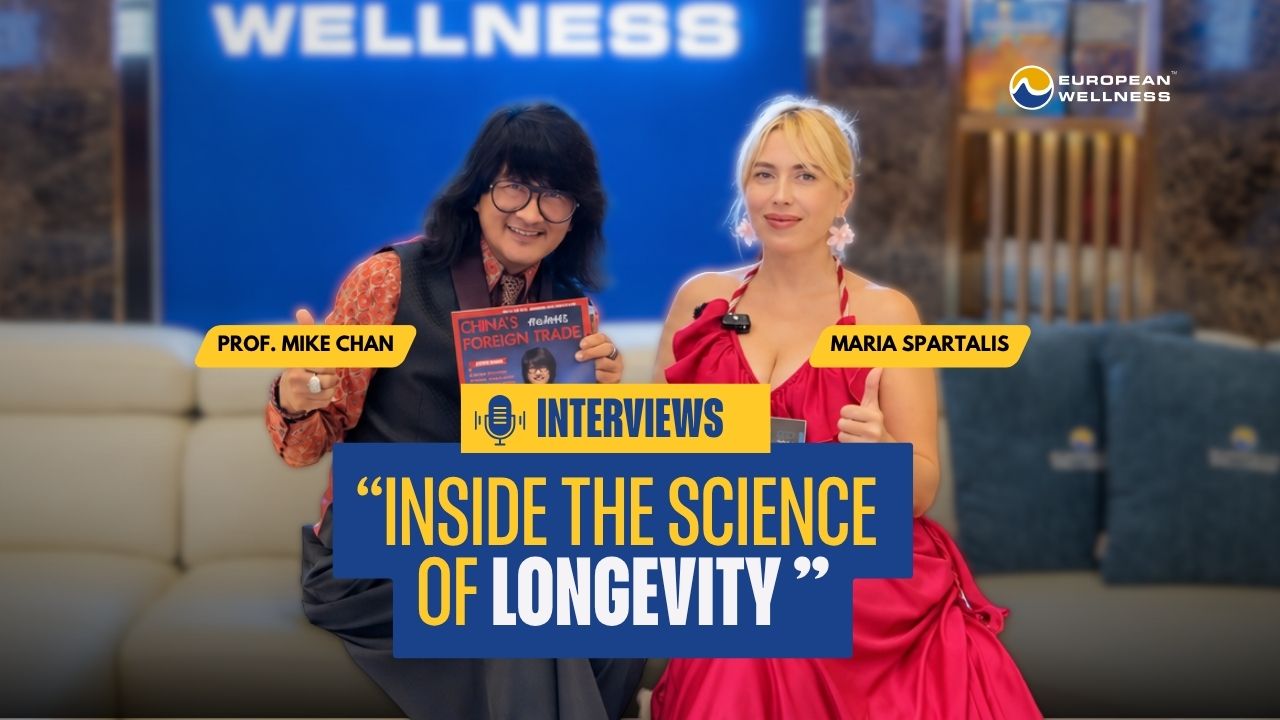
In an exclusive interview with Swiss financial expert and international business development partner Maria Spartalis, the European Wellness founder reflects on his scientific journey, the personal experiences that shaped his mission and why he believes regenerative medicine must move beyond a one-size-fits-all approach.
Interview by Maria Spartalis
*International Business Development Partner, Spartalis Capital, Switzerland
KOTA KINABALU, Malaysia (Oct 18, 2026)—What does it take to devote more than four decades to the pursuit of healthier, longer lives? And can the future of regenerative medicine be found in understanding the individual cells and organs of the human body?
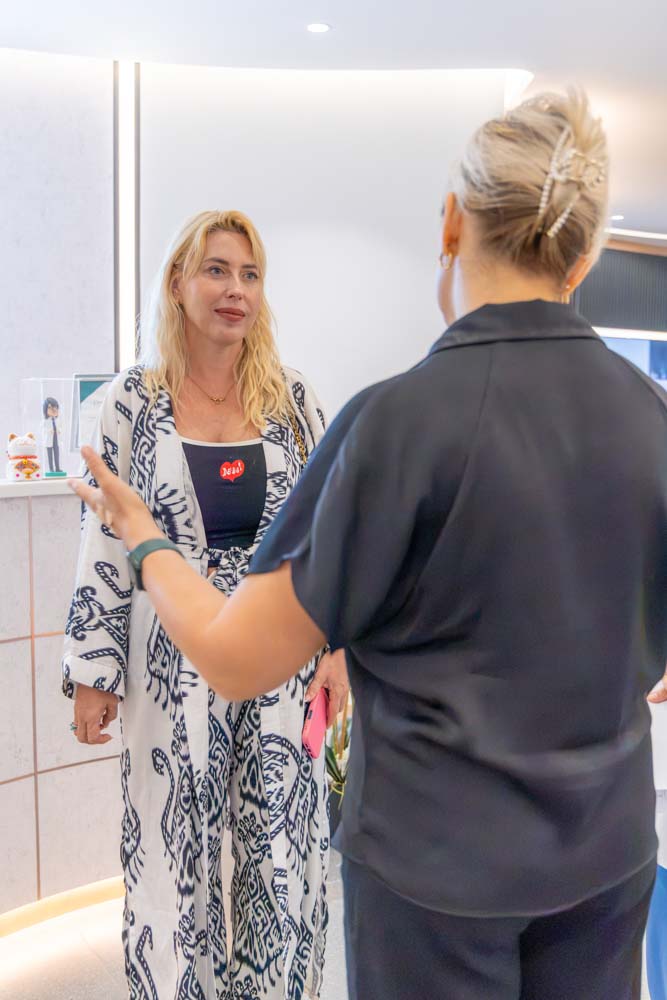
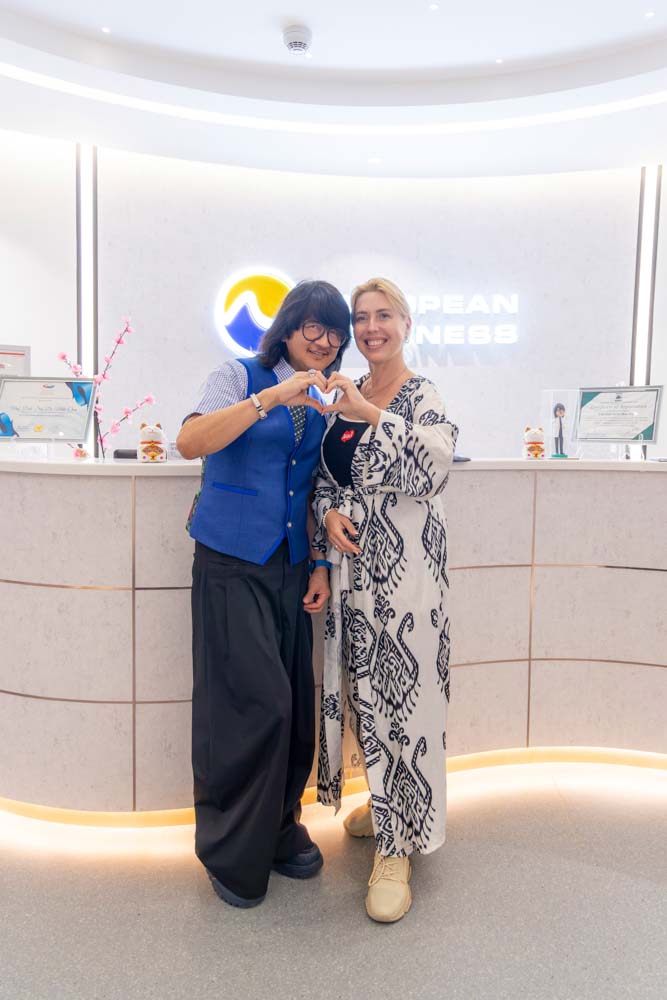
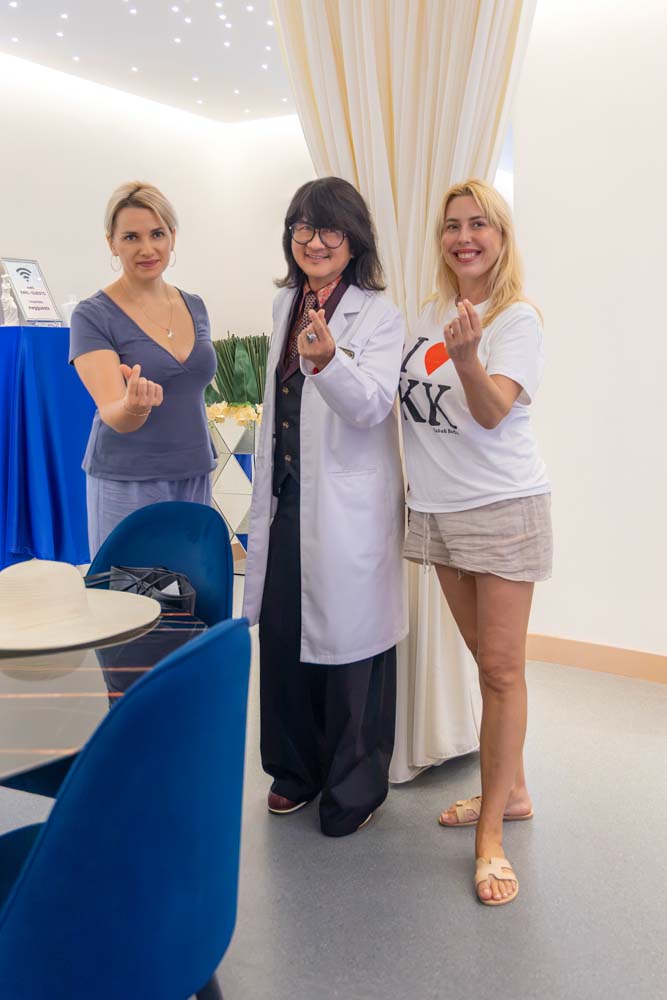
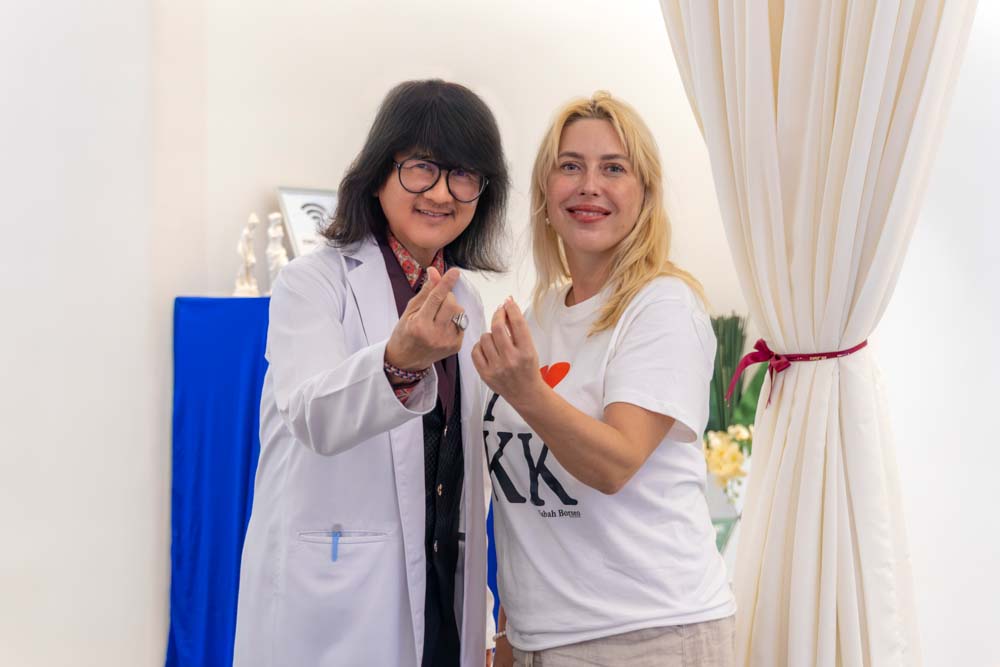
These were among the questions posed to Prof. Dato’ Sri Dr. Mike Chan, chairman of European Wellness Biomedical Group, during an exclusive interview conducted by Zurich-based financial expert Maria Spartalis at the European Wellness Premier Center (EWPC) in Sabah.
The conversation brought together two perspectives: Chan’s decades of involvement in cellular therapy and Spartalis’s international experience in private banking, wealth management, and strategic business development.
As an international business development partner working with Chan, Spartalis wanted to understand not only his scientific philosophy but also the personal experiences that have driven his work, the development of his treatment approaches, and his broader vision for longevity medicine.
The interview also touched on Spartalis’s personal experience, including the targeted, organ-specific treatment she said she received at EWPC.
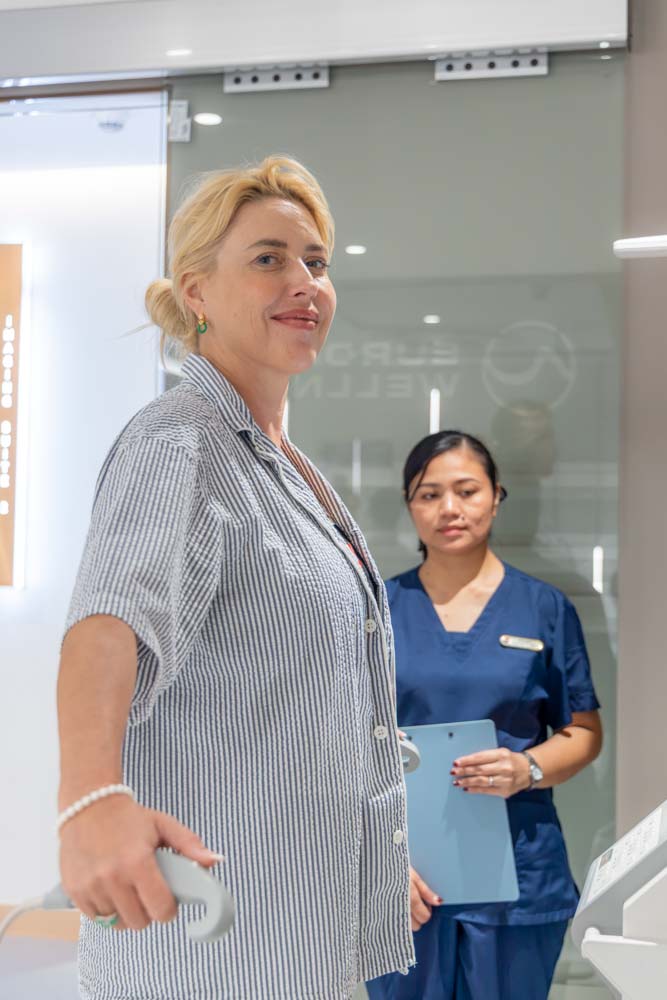
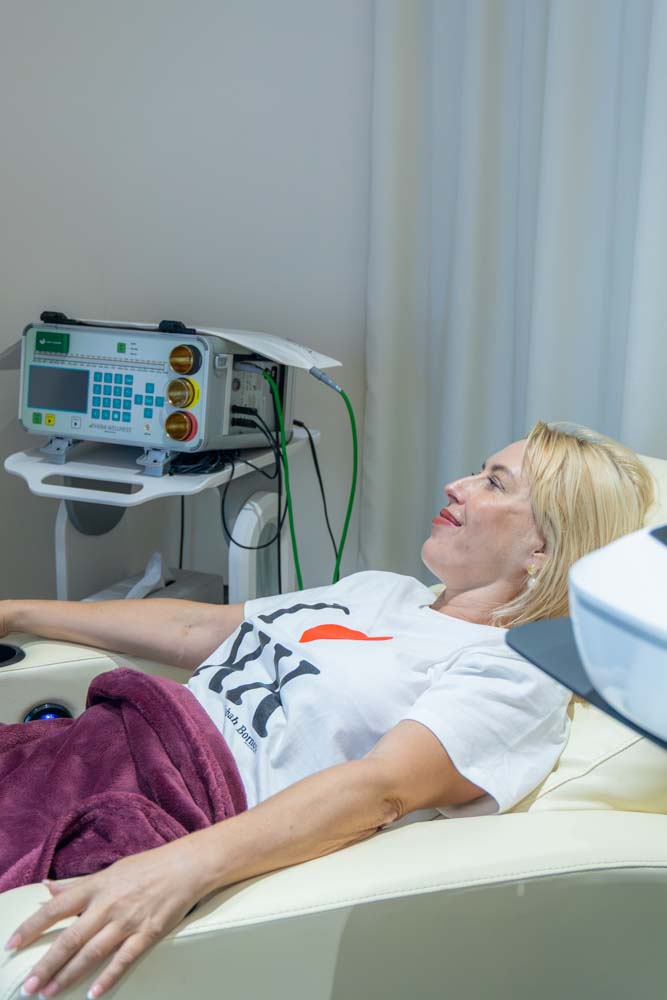
Spartalis had recently undergone what she described as a targeted, organ-specific stem cell-related procedure at EWPC after experiencing severe pain and restricted mobility. She described the difficulties she had faced during a trip to Bali, including repeated hospital visits and postponing her flight because she struggled to walk.
Speaking to Chan the day after her treatment, she reported a substantial improvement.
“I feel amazing,” she said. “Yesterday, in the evening, I started walking. Today I have no pain. I can sit. Before, I could only sit for one minute.”
She thanked Chan for the experience and described feeling like a new person.
Her account was a personal testimonial rather than a clinically verified treatment outcome. The interview did not establish the precise diagnosis, the specific cellular preparation administered or whether the reported improvement would be sustained.
It was against this backdrop that Spartalis invited Chan to explain his work to an international audience of patients, medical professionals, investors and family offices interested in the future of regenerative medicine.
# 1. Your Personal Story and Extraordinary Career
Q: What Originally Inspired You to Dedicate Your Life to Cellular Therapy and Regenerative Medicine?
Chan traced the beginning of his journey to Geneva, Switzerland, in 1983, when he encountered European centers offering youth restorative, age renewal cellular therapies and programs described as health-restorative and age-reversal approaches. These historical descriptions do not establish that the programs could reverse biological aging or restore health.
At the time, he recalled, wealthy individuals and prominent personalities were travelling to Switzerland and Germany to explore treatments involving animal-derived cellular preparations.
Chan recalled that he was among a few pioneers who helped introduce Asian visitors to these European centers.
The experience exposed him to medical approaches that were relatively unfamiliar in Asia and prompted him to pursue further research and training.
Over the years, he said, he learned from practitioners and researchers in Germany, Switzerland, Austria, the former Soviet Union, Russia, Ukraine, China, Japan, and the United States.
PROF. MIKE CHAN: “I learned from everyone. I love what I’m doing very much.”
His philosophy, he explained, was shaped by a willingness to learn from different medical traditions and scientific disciplines rather than relying exclusively on one institution or school of thought.
He described his career as a continuous process of studying cells, examining disease mechanisms, and exploring potential approaches to conditions that remain difficult to treat.
Q: What Do You Consider Your Greatest Achievement After More Than 40 Years in This Field?
For Chan, his achievements are closely associated with medical education, research, and the international exchange of scientific knowledge.
During the interview, he cited more than 1,000 presentations at medical and scientific conferences, 65 books and contributions to approximately 180 publications.
He also described extensive international travel to train physicians, attend conferences, and engage with patients.
Chan said his professional commitments had taken him to more than 80 regions around the world, with much of his time devoted to travel over several decades.
Yet he resisted presenting himself as an expert in every area of medicine.
PROF. MIKE CHAN: “You can be a specialist in certain fields, but not every field.”
Asked where his principal expertise lies, Chan pointed to his years of studying and analyzing cells.
His continuing interest, he said, is in understanding how different cellular systems function and how that knowledge might inform future treatment strategies.
Q: What is Your Greatest Personal Mission in Life?
The answer took the conversation away from laboratories and medical conferences and into Chan’s childhood.
He recalled growing up in humble circumstances and experiencing delayed speech during his early years.
A more defining influence, however, was the death of his father from complications associated with diabetes, kidney failure and liver failure.
The experience prompted questions that would stay with him throughout his professional life.
Could damaged organs be repaired? Could patients with chronic diseases be helped before their conditions progressed? And could medical science find approaches beyond managing symptoms?
Chan said these questions contributed to his decision to devote much of his career to regenerative medicine.
PROF. MIKE CHAN: “My job is to save and enrich every life.”
He acknowledged that no medical specialist possesses all the answers but argued that difficult conditions should continue to be investigated rather than dismissed as beyond the reach of future science.
# 2. Longevity, Rejuvenation, and Organ Health
Q: How Does Your Longevity Approach Help People Maintain Healthier Bodies and Better Organ Function As They Age?
Chan said his approach begins with the premise that aging affects different organs and biological systems at different rates.
Rather than treating chronological age as the sole measure of health, he argued that physicians should examine the condition and function of individual organs.
He discussed the heart, lungs, kidneys, pancreas, liver, brain, and hormonal systems, describing how changes in their function can affect an individual’s overall well-being.
In his view, preserving healthspan—the period of life spent in relatively good health—requires attention to the entire body.
He also argued that people of the same age may have markedly different physiological conditions, making personalized assessments important.
The broader relationship between organ function, aging, and healthspan is well established, although the ability of particular cellular therapies to reverse organ aging remains an area requiring clinical evidence.
Q: Can Biological Ageing Truly Be Slowed or Reversed?
Chan discussed the distinction between chronological age and biological age, referring to his own age of 65 and claiming a considerably younger biological age.
He presented biological age as one way of considering the condition of the body beyond the number of years a person has lived.
The discussion then turned to the prospect of maintaining organ function and delaying age-related deterioration.
Chan expressed optimism about regenerative approaches while emphasizing the importance of understanding the biology of individual organs.
However, the interview did not identify the method used to calculate his biological age or provide clinical evidence demonstrating reversal of aging through the treatments discussed.
Q: Can Your Therapies Improve the Function of Organs Such As the Liver, Kidneys, Pancreas, Heart or Brain?
Chan placed particular emphasis on the pancreas and its role in metabolic health.
He explained that pancreatic function involves different specialized cell populations, including cells responsible for producing hormones that regulate blood glucose.
Using diabetes as an example, he argued that therapies intended to address pancreatic dysfunction should take account of the organ’s specialized biology.
He extended this reasoning to the heart, liver, retina, and nervous system.
PROF. MIKE CHAN: “It is important to understand that you must give specific cells to treat specific organs in your body.”
Chan’s comments reflected his organ-specific treatment philosophy. The interview did not provide controlled clinical trial results establishing that the animal-derived cellular preparations he discussed can regenerate these organs or cure the diseases mentioned.
# 3. Stem Cells—Science, Safety and Results
Q: What Makes Your Approach to Stem Cell Therapy Different from Conventional Treatments?
This question led to one of the interview’s most detailed scientific discussions.
Chan challenged the idea that a single type of stem cell could automatically repair every organ or address numerous unrelated diseases.
He argued that the biological identity and developmental characteristics of cells are important considerations when designing regenerative therapies.
In his explanation, the cells associated with pancreatic function differ from those involved in retinal function, heart muscle activity or specific regions of the brain.
PROF. MIKE CHAN: “Not all stem cells or exosomes work.”
He questioned broad claims that mesenchymal stem cells could be expected to transform into every specialised cell type needed to treat conditions ranging from diabetes to neurodegenerative diseases.
His argument centered on the need to distinguish between different cell populations, their biological limitations so all 400+ stem cells & cellshave different blueprints.
Q: Where Do the Cells Used in Regenerative Medicine Come From?
Spartalis asked Chan to explain why he had explored animal-derived cellular materials rather than relying exclusively on human sources.
Chan described historical cellular therapy practices involving human fetal tissue, in the Soviets in the 80s which he said conflicted with his Buddhist beliefs and ethical principles.
He also discussed umbilical cord- and placenta-derived cells and the distinction between tissue-derived cells and cells associated with specific organs.
Chan explained that his research interests had led him toward animal-derived fetal cellular preparations, practised since the 1900s in Switzerland and Germany and in fact first surfaced in 1838, 188 years ago. He argued that the developmental stage of these cells matters for understanding their properties.
Q: What is the Difference Between Stem Cells, Specialized Cells, and Exosomes?
To simplify the subject, Chan used a bee analogy.
PROF. MIKE CHAN: “The stem cells are the queen bees, the cells are the bees.”
His analogy was intended to distinguish stem cells, which possess varying capacities for self-renewal and differentiation, from more specialized cells that perform particular biological functions.
He also discussed exosomes, which are extracellular vesicles released by cells and studied for their potential roles in cellular communication.
The biological functions of stem cells and exosomes are active areas of scientific investigation, but their therapeutic applications cannot be assumed to be interchangeable.
# 4. Treatment Frequency — Patients Versus Healthy Individuals
Q: How Frequently Should Patients Repeat Regenerative Treatments?
Spartalis asked Chan whether treatment schedules should differ between people managing medical conditions and those seeking preventive wellness care.
Chan said the approach should depend on an individual’s age, medical history, and organ function.
He suggested that healthy individuals might consider annual programs, while people with chronic conditions could require more tailored assessments.
Q: Why is Personalized Treatment Important?
Chan explained that even patients with the same primary diagnosis may have different complications.
For example, individuals with diabetes may also experience kidney problems, eye disease, nerve damage or other health conditions.
Consequently, he argued, treatment planning should not rely on diagnosis alone.
PROF. MIKE CHAN: “It’s an individualised, tailor-made preparation. Tailor-made preparation only for that specific patient.”
Spartalis reinforced the point by comparing personalized treatment with tailoring clothing to an individual’s measurements rather than offering everyone an identical product.
Chan agreed that differences between patients should inform clinical decision-making.
The principle of individualized care is widely recognised in medicine, although the effectiveness of any particular personalized cellular preparation must still be demonstrated for its intended use.
# 5. Women’s Health, Hormones, and the Aging Process
Q: What Happens to Women’s Health During Menopause, and Can Age-Related Changes Be Reversed?
Spartalis was particularly interested in women’s health, asking Chan about menopause, hormonal changes, fertility and the possibility of maintaining vitality later in life.
Chan discussed how menopause commonly occurs around midlife, although the timing varies considerably between individuals.
He also referred to the effects of stress, hormonal changes and differences in individual health circumstances.
In his view, understanding hormonal balance is important when assessing overall well-being.
Chan expressed confidence in the potential for certain interventions to address age-related hormonal changes.
Q: What About Dementia, Alzheimer’s Disease and Other Conditions Associated with Aging?
The discussion broadened to neurodegenerative diseases and the impact they can have on individuals and families.
Spartalis raised the distressing experience of older people losing their memory and, in severe cases, their ability to recognise loved ones.
Chan discussed Alzheimer’s disease and dementia as major challenges for aging populations. disease,
He emphasized the importance of understanding the brain’s specialized structures and the biological complexity of neurological disorders. The discussion also touched on Parkinson’s disease, speech difficulties, and other neurological conditions, without establishing that the treatments discussed can reverse them.
His comments reflected his broader belief that different diseases require different therapeutic approaches.
# 6. Patient Experience and Trust
Q: Why Do Patients Travel Internationally to European Wellness?
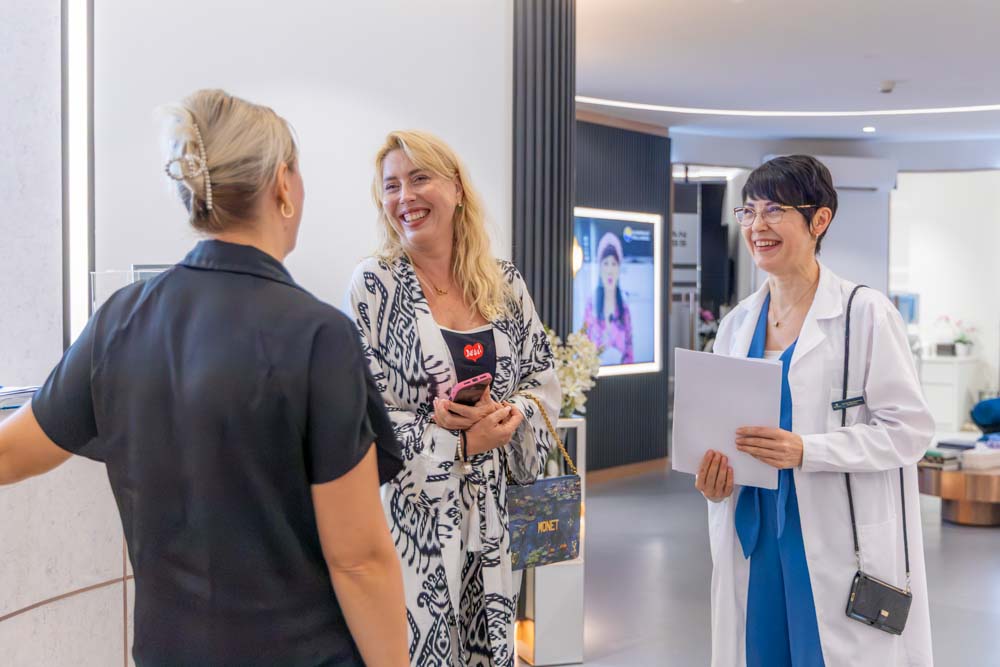
During the interview, Chan described the diversity of international patients visiting EWPC.
He said the center had recently received visitors from Switzerland, Germany, Türkiye, the United Kingdom, Hong Kong, Japan, and other locations.
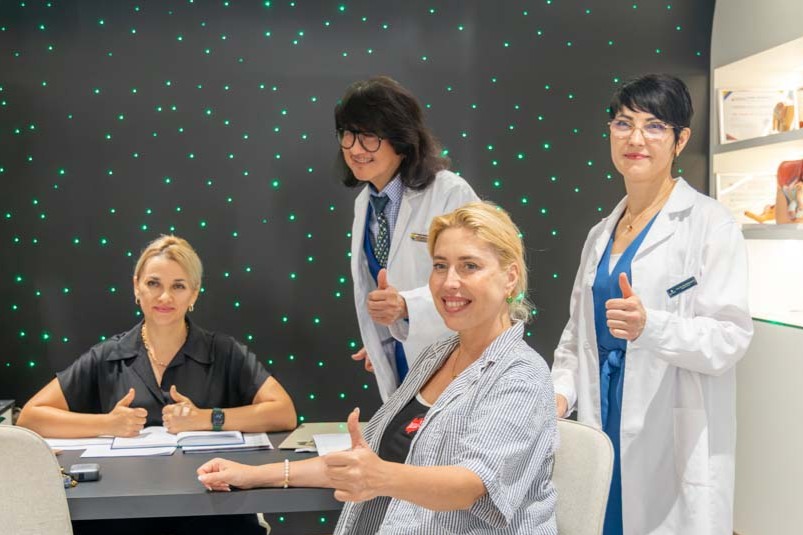
Spartalis also referred to conversations with fellow visitors who had reported improvements in their physical comfort.
For her, the most significant aspect of the visit was the change she personally experienced after struggling with pain and limited mobility.
She described the improvement as remarkable and thanked Chan for his attention.
Q: What Motivates Prof. Chan to Continue Working at Such an Intensive Pace?
Spartalis expressed surprise at Chan’s demanding international schedule and continued involvement in medical education, research and patient consultations.
Chan attributed his commitment to a genuine interest in his work and a desire to keep learning.
He said that despite his years of experience, there remained much to learn from medical professionals and patients.
PROF. MIKE CHAN: “I believe that there’s still a lot to learn, even from the physicians and the doctors or the professors, and also with the patient.”
For Chan, the continuing exchange of knowledge appears central to his professional identity.
# 7. The Future of Longevity — A Vision Beyond Conventional Aging
Q: Can People Eventually Live Significantly Longer While Remaining Healthy?
Toward the later part of their conversation, Spartalis and Chan discussed the possibility of extending human life and the difficulties associated with aging organs.
Chan referred to public speculation about living to 120 or even 150 years and questioned whether conventional organ transplantation alone could provide a realistic path toward such longevity.
He pointed to the complexity of the human body and the challenges of transplant rejection, organ availability and multiple age-related diseases.
His position was that future longevity strategies would need to address the biological processes affecting different organs rather than relying on replacing them individually.
The discussion also returned to the liver and pancreas, with Chan highlighting their different biological functions and regenerative characteristics.
Q: What is the Central Message of Your Life’s Work?
Although the interview covered complex subjects ranging from cellular biology to hormonal health and neurodegenerative disease, Chan repeatedly returned to one principle: medicine should recognize that different organs and patients have different needs.
His belief in organ-specific and personalized approaches has become a defining theme of his work.
He also stressed the importance of continued learning and the limitations of individual expertise.
PROF. MIKE CHAN: “You can be a specialist in certain fields, but not every field.”
For Spartalis, the conversation offered a closer look at the thinking behind Chan’s work and the personal experiences that shaped his career.
It also connected her professional world of long-term investment and asset preservation with a different form of planning: maintaining health and quality of life.
As international interest in longevity medicine grows, their exchange illustrates both the enthusiasm surrounding regenerative research and the importance of establishing which proposed therapies are supported by reliable clinical evidence.
The interview ended in the supplied transcript with Spartalis continuing to question Chan about pancreatic health, leaving several areas of his research and future plans for further discussion.
For now, her personal experience at EWPC had provided the starting point for a much wider conversation about the possibilities, limitations and future direction of regenerative medicine.






Follow European Wellness:



Follow European Wellness Academy:
Follow Prof. Dato’ Sri Dr. Mike Chan:

Related Posts