Cellular ageing is often spoken about as though it were a single clock ticking down…
Football: When the ‘Not so Secret’ Agent Barry Silkman Meets Regenerative Sport Medicine Expert Prof. Mike Chan in London

LONDON, (Feb 25, 2026) — Former professional footballer and agent met regenerative medicine specialist Prof. Mike Chan in London this week, in talks that touched on athlete longevity, injury prevention and the evolving economics of player availability.
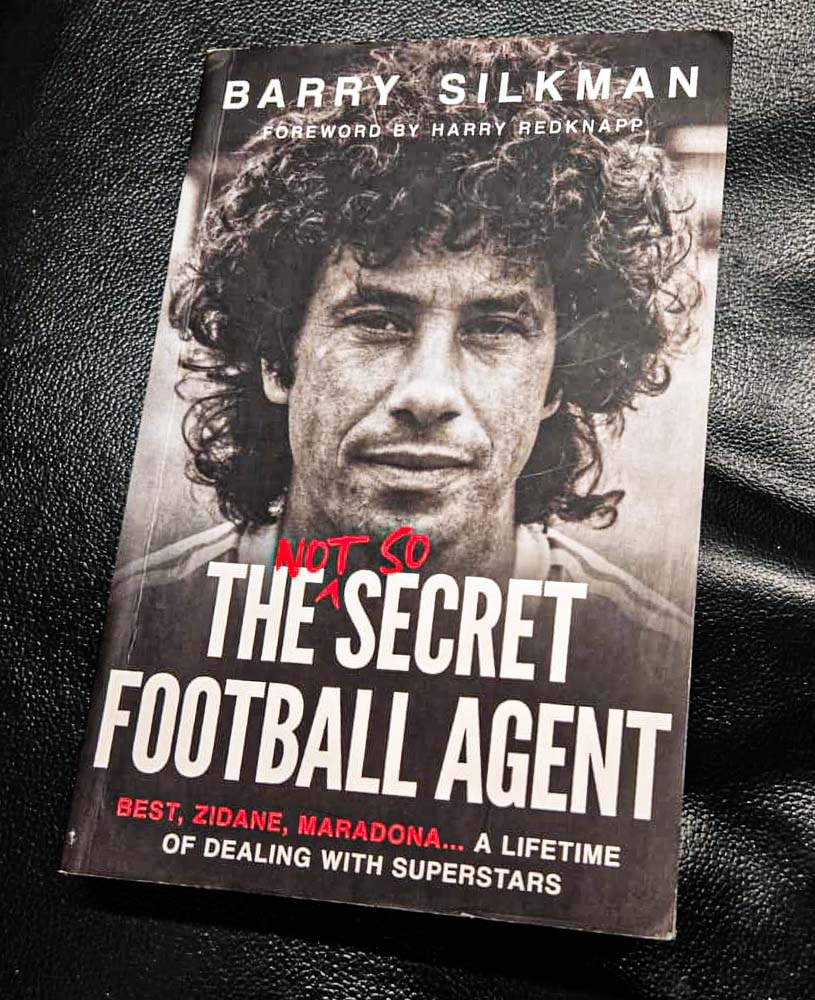
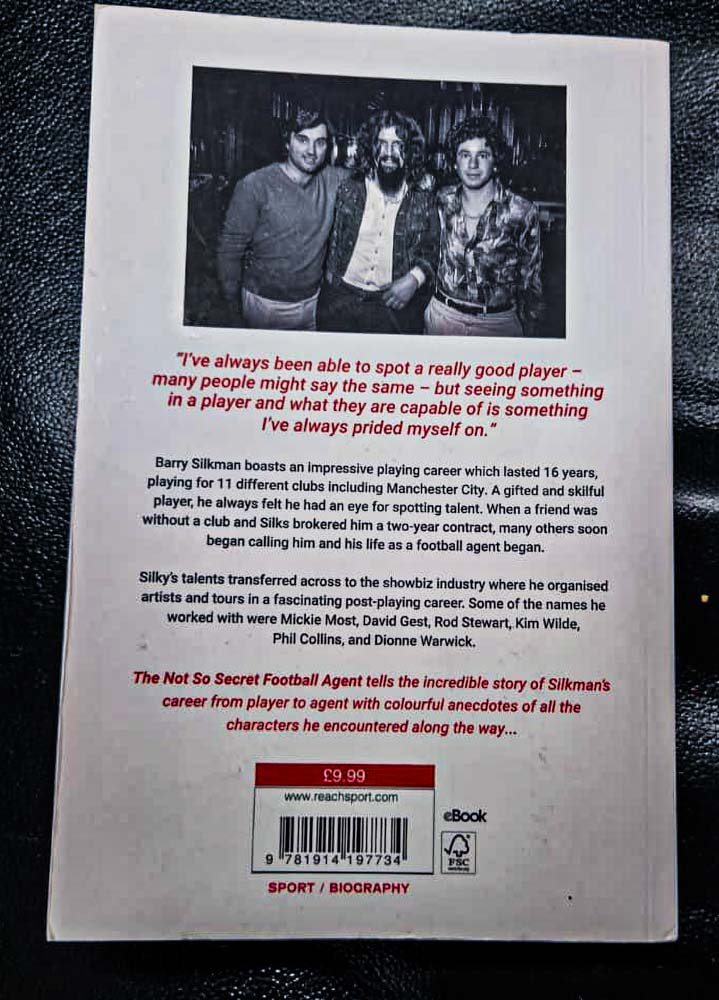
Silkman, who played professionally for 16 years across 11 clubs including Manchester City before becoming a prominent football agent, has long been recognised for identifying and managing elite talent. In his autobiography The Not So Secret Football Agent, he reflects on his ability to recognise potential early in a player’s career.
“I’ve always been able to spot a really good player,” Silkman writes in the book. “Seeing something in a player and what they are capable of is something I’ve always prided myself on.”
The meeting with Prof. Chan expanded the discussion beyond talent and contract negotiation to athlete durability and injury management.
Injury and Economic Risk



Modern football has seen player valuations reach record levels, with clubs increasingly aware that injuries can significantly affect performance and financial outcomes.
Prof. Chan, who has authored multiple regenerative medical publications, recently released a 57-page report titled “26 Common Injuries in Soccer,” published in conjunction with the 2026 World Cup. The report examines prevalent football injuries including ligament tears, muscle strains, stress fractures and concussion-related trauma.

“Injury is not simply bad luck,” Prof. Chan said in an interview following the meeting. “It is biology under stress. And biology can be managed.”
The report analyses injury mechanisms, recurrence risk and recovery timelines. It places particular emphasis on the high rate of repeat injuries when players return to competition prematurely.
“Recurrence is often a sign of incomplete repair,” Prof. Chan said. “We should not be asking how quickly a player can return, but how well and fast the tissue has recovered.”
Integrated Recovery Approach
The publication outlines a structured framework that combines:
- Phased rehabilitation strategies
- Inflammation management
- Nutritional optimisation
- Targeted supplementation to support tissue repair
Prof. Chan said recovery should be approached at both structural and cellular levels.
“Agents understand risk in financial terms,” he said. “Medical science understands risk in biological terms. Today, the two are connected.”
A Symbolic Exchange




Prof. Mike Chan and Barry Silkman exchange their autographed books in London — a meeting of football legacy with regenerative sport science.
During the meeting, Silkman presented a signed copy of his autobiography to Prof. Chan, while Prof. Chan shared his report on football injuries.
Sports industry observers note that collaboration between agents and medical innovators reflects growing awareness that athlete availability is central to modern football economics.
With intensified match schedules and increasing physical demands, player durability has become a strategic consideration for clubs and representatives alike.
Prof. Chan said advances in regenerative and recovery sport science will play a much greater role in extending athletic careers in the coming years.
“The next competitive edge in football will not only be skill alone,” he said. “It needs science and recovery intelligence.”




Follow European Wellness:



Follow European Wellness Academy:
Follow Prof. Dato’ Sri Dr. Mike Chan:

Related Posts