International entrepreneur and fashion personality Hofit Golan and global business leader, investor and author Vinay…
GLOBAL SPOTLIGHT ON AUTISM: Prof. Mike Chan Responds to Trump’s Speech with a Call for Precision Medicine
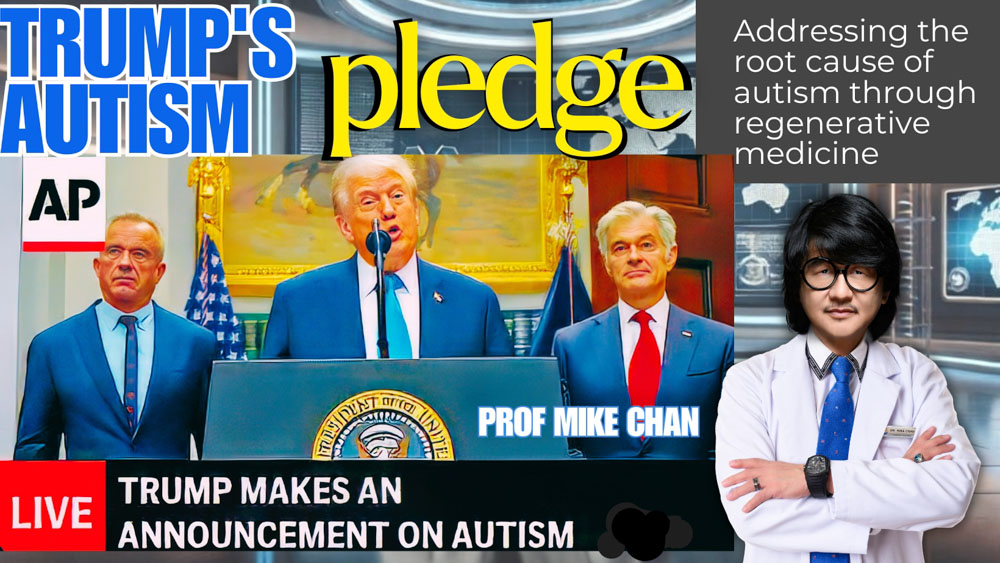
A landmark development has emerged from the U.S., with President Donald Trump and Health Secretary Robert F. Kennedy Jr. announcing FDA approval of leucovorin for children with cerebral folate deficiency (CFD), a condition linked to Autism Spectrum Disorder (ASD). The decision is a major step toward recognizing autism not just as a behavioral disorder, but a neurological and metabolic condition that can be treated.
Trump did not mince words when describing the urgency of the issue. “The meteoric rise in autism is among the most alarming public health developments in history. There’s never been anything like this,” he declared.
He also pointed to environmental and pharmaceutical factors, warning, “Taking Tylenol is not good … I’ll say it. It’s not good,” and adding, “There has to be something artificially causing this … meaning a drug or something.”
These remarks underscore his administration’s intent to re-examine long-standing assumptions about autism’s causes and accelerate access to effective treatments.
YOUTUBE Link: https://www.youtube.com/live/esKFMCb_hYU
One of the most consistent voices in this movement, Prof. Dato’ Sri Dr. Mike Chan, founder of the European Wellness Biomedical Group (EWBG), commended the shift. “It is encouraging to see the world finally addressing the biological root causes of autism,” said Prof. Chan. “This is a vital step toward lasting improvement for millions of families.”
As global attention turns toward autism research, Prof. Mike Chan has emerged as one of the leading voices pushing science forward. His work in bioregenerative medicine is reshaping how autism spectrum disorder (ASD) is understood and treated — not as a lifelong untreatable condition, but as one that can be addressed at its neurological roots.
Prof. Chan, who has spent over four decades advancing stem cell science, insists that the key lies in precision medicine. “The untreatable is treatable,” he often says, a phrase that underscores his philosophy of targeted, individualized care. Instead of relying on general drugs that manage symptoms, Chan’s approach aims to restore cellular function and improve neurodevelopmental outcomes.
World News: Breaking Barriers in Autism
This breakthrough has also captured international media attention. In a recent feature published by Yahoo Finance titled “Breaking Barriers in Autism: European Wellness Helps Children Thrive”, the spotlight was placed on how Prof. Mike Chan and European Wellness are reshaping autism therapy worldwide.
The article highlights success stories of children who showed remarkable improvements in communication, behavior, and social interaction after undergoing precursor stem cell treatments, as well as EW’s growing global presence. It reinforces the message that autism care is no longer confined to symptom management, but can now move toward biological healing and long-term transformation.
VIDEO: Breaking Barriers in Autism: Prof. Mike Chan’s Breakthrough in Bioregenerative Medicine – https://www.youtube.com/watch?v=KkMvj3Rr0kg&t=1s
A Targeted Approach to the Brain
At the heart of this method is the use of precursor stem cells (PSCs), highly specialized cells designed to regenerate only one specific type of tissue.
By deploying these brain-specific and organ-specific stem cells to carefully mapped brain regions — from the frontal lobe responsible for cognition and behavior, to the hippocampus for memory and learning, his team focuses on repairing precise neurological circuits.
Chan explains: “The main thing to do for autism is to prepare and treat the brain. Everything else is secondary. By targeting the frontal lobes and the right cells, we can restore function where it matters most.”
The human brain, he notes, has 52 lobes, or distinct functional areas and 67 types of brain stem cells, each playing a unique role. Precision therapies that address these areas directly are, in his view, far more effective than the broad-spectrum drugs currently dominating autism care.
Precision in Practice: Targeting 10 Key Brain Regions
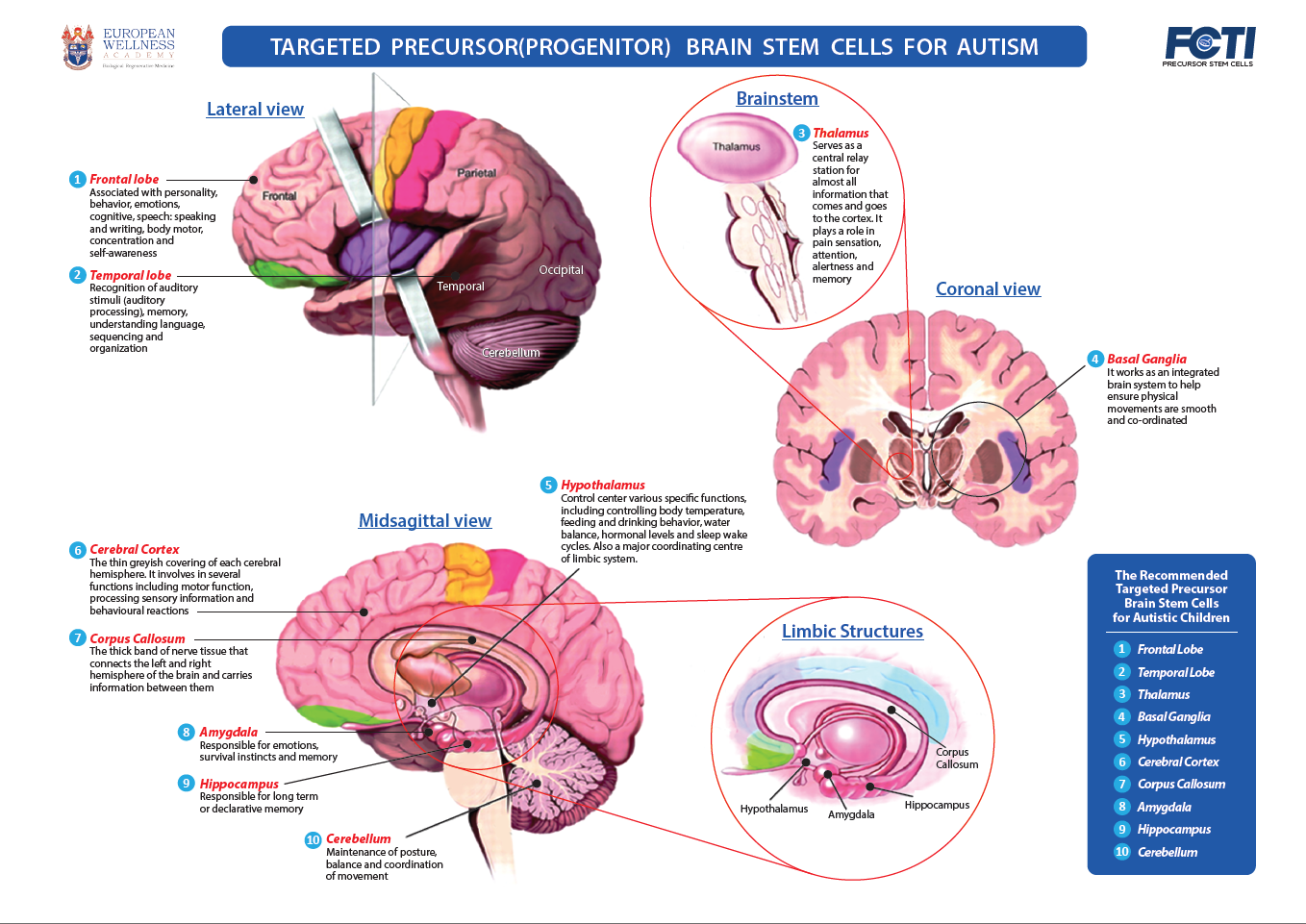
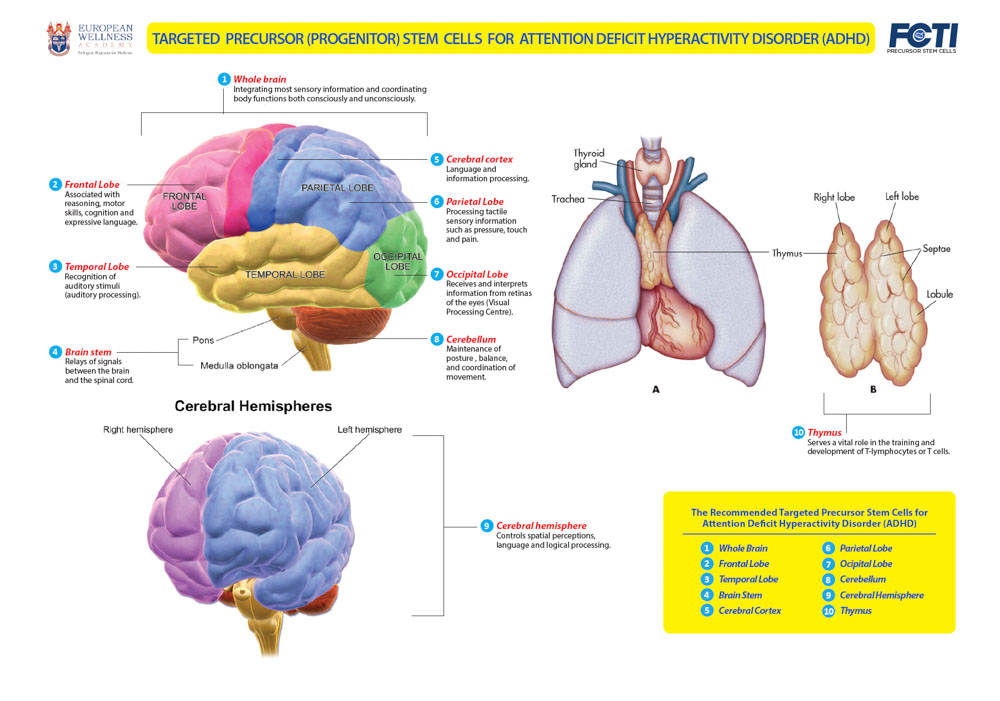
One of the hallmarks of Prof. Mike Chan’s bioregenerative strategy is the ability to match precursor stem cells (PSCs) to the brain regions most implicated in autism. Instead of applying generalized therapies across the entire nervous system, his approach isolates ten distinct structures, each responsible for vital neurological functions. By doing so, treatment aims not only to restore cellular health but also to repair the specific circuits that underpin cognition, behavior, and development.
- Frontal Lobe – This region governs personality, emotional regulation, executive functions, and motor skills such as speech and voluntary movement. Dysfunction here is strongly associated with the behavioral and social challenges seen in autism. PSC therapy seeks to restore concentration, self-awareness, and adaptive behavior.
- Temporal Lobe – Essential for auditory processing, memory, and language comprehension.Children with autism often struggle with sequencing, organization, and speech. By repairing neuronal pathways in this area, therapies can enhance language acquisition and auditory responsiveness.
- Thalamus – Known as the brain’s central relay station, the thalamus transmits sensory and motor signals to the cortex. It plays a role in attention, alertness, and pain perception, all of which are altered in autism. Targeted interventions here aim to normalize sensory integration and focus.
- Hypothalamus – The command center for hormone regulation, sleep-wake cycles, and appetite. Dysfunctions in this area may explain autism’s frequent overlap with sleep disorders, feeding issues, and metabolic imbalances. Corrective therapies seek to stabilize biological rhythms and improve quality of life.
- Cerebral Cortex – The outer layer of the brain, responsible for higher cognitive processing, sensory input, and voluntary actions. In autism, disruptions in cortical networks can manifest as atypical responses to stimuli or difficulties with learning. Regenerative treatment focuses on reactivating these networks to foster adaptive behaviors.
- Corpus Callosum – This thick band of nerve fibers links the brain’s two hemispheres. Abnormal connectivity here is commonly reported in autism, contributing to impaired information sharing between regions. Targeted cell therapies aim to strengthen interhemispheric communication, improving coherence of thought and coordination.
- Amygdala – Central to emotional regulation, fear responses, and social behavior. Dysfunction in the amygdala is associated with anxiety, sensory sensitivities, and difficulties in social interaction. PSC-based therapies focus on modulating this circuitry to reduce emotional volatility and improve social engagement.
- Hippocampus – The seat of memory formation and learning. In autism, impairments in hippocampal function may underlie challenges with declarative memory and adaptive learning. Regenerative strategies target this region to boost memory consolidation and educational outcomes.
- Cerebellum – Long linked to balance and motor coordination the cerebellum is increasingly recognized for its role in cognition and language as well. Many children with autism display motor clumsiness or speech delays, making this region a key therapeutic target for improving coordination and learning capacity.
- Basal Ganglia – An integrated system supporting smooth, coordinated movement. Dysfunction here can manifest as repetitive behaviors or difficulties initiating actions. Restoring function in the basal ganglia can improve motor planning and reduce stereotypic movements.
By mapping therapies to these 10 distinct regions, Prof. Chan’s approach embodies his philosophy of “Hitting the Bullseye”. Instead of overwhelming the entire brain with non-specific interventions, precision targeting allows for restoration where it matters most—delivering interventions that are as individualized as the children who receive them.
The Bioregenerative Toolbox
An Overview of Prof Mike Chan Autism Treatment Strategy
Prof. Mike Chan’s research and clinical work position precision bioregenerative medicine as the future of autism care—one that goes far beyond symptom control, and instead targets the cellular origins of neurodevelopmental dysfunction.
Below are the key components of Prof. Chan’s integrative, personalized protocol, with explanations:
I. Foundational Principles: Precision, Treatability, and Targeted Intervention
-
- Customization over Generalization: Treatment is tailored to the individual child’s biology and brain deficits, avoiding a one-size-fits-all approach.
- Specific Targeting: Each therapy aims to address the exact region or loop affected by autism.
- Bullseye Accuracy: Prof. Chan compares his method to “hitting the bullseye” every time—targeting only what’s affected, not the whole system.
- Neuro-Centric Focus: “The main thing to do for autism is to treat the brain,” he says. “The rest is secondary.”
II. Targeted Precursor Stem Cell (PSC) Therapy
-
- Organ-and-Brain-Specific Cells: Uses unipotent stem cells programmed to regenerate specific brain areas.
- Region-Specific Focus: Treats dysfunction in areas like the frontal lobe (cognition), temporal lobe (language), cerebellum (motor control), amygdala (emotions), and more.
- 52 Lobes, 67 Cell Types: Prof. Chan maps treatment to all 52 brain lobes and 67 brain stem cell types, an unprecedented level of specificity.
III. Mechanism of Action
-
- Homing Effect: Cells migrate to damaged areas of the brain.
- Paracrine Signaling: Stem cells release signals that repair surrounding cells.
- Regeneration & Reactivation: Promotes neuron repair, growth, and improved connectivity.
Integrated Bioregenerative Therapies
-
- Mitochondrial Repair: Replaces damaged brain cell organelles.
- Peptide Therapy: Modulates brain function through neuropeptides.
- HBOT Therapy: Hyperbaric oxygen helps regenerate brain tissue by improving oxygen flow.
- Brain Stimulation: Non-invasive tools like tDCS and TMS to improve brain plasticity.
- Heavy Metal Detox: Removes harmful metals that affect neurodevelopment.
- Gut-Brain Axis Repair: Restores microbiome health, key to mood and cognition.
- DDRR Protocol: Each patient undergoes Diagnose–Detox–Repair–Regenerate before active therapy begins.
All patients undergo the group’s proprietary DDRR program (Diagnose–Detox–Repair – Regenerate) to ensure the body is fully prepared before treatments begin.
International Collaborations
Prof. Chan’s mission extends far beyond Malaysia. In Baoding, China, he recently signed a landmark agreement with local hospitals and government leaders to establish an International Stem Cell Therapy Joint Laboratory, focusing on autism and neurodevelopmental disorders. The collaboration aims to create a global hub for autism research while lowering the cost of treatment for families across Asia.
Meanwhile, in the United States, Prof. Chan shared his breakthroughs at the Autism Health Summit in San Diego, presenting case studies and new protocols to leading experts. His next stop will be Kuala Lumpur this November 2025, where he will headline an international Autism Summit bringing together policymakers, clinicians, and families.
Our focus is on targeting the specific brain stem cells, particularly in the frontal lobe, where some of the most promising breakthroughs for autism treatment are happening. This precision-based approach sets our work apart.
Publications and Knowledge Sharing
To make his work accessible, Prof. Mike Chan has published and co-authored several influential books supported by extensive research. These works, including Autism Spectrum Disorder: Bioregenerative Medicine With Stem Cell Therapy, outline his innovative approach to autism treatment and provide valuable insights into the science behind his protocols.
“Stem Cells & Regenerative Medicine: High-Efficacy Treatment Protocols for Autism Spectrum Disorders with Novel Targeted Therapeutic Modalities of Regenerative Medicine“ – Co-authored with Prof. Dr. Dmytro Klokol and Prof. Dr. Michelle Wong, this study explores advanced regenerative medicine techniques for treating ASD, including stem cell therapies and neuropeptide interventions.
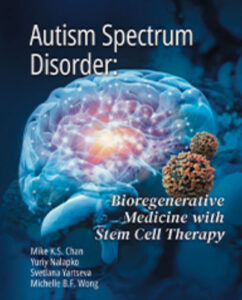
“Autism Spectrum Disorder: Bioregenerative Medicine with Stem Cell Therapy“ – This book delves into bioregenerative therapies such as antioxidant therapy, hyperbaric oxygen therapy, and mitochondrial organelles replacement therapy as potential treatments for ASD.
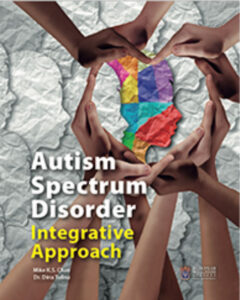
“Autism Spectrum Disorder: Integrative Approach“ – Co-authored with Dr. Dina Tulina, this book considers autism as a mitochondrial disease and explores various bioregenerative therapies to address it.
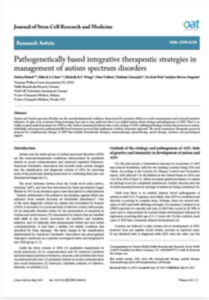
“Pathogenetically Based Integrative Therapeutic Strategies in Management of Autism Spectrum Disorders“ – Co-authored with Dr. Glen Alvin and Prof. Dr. Thomas Skutella, this research paper explores the underlying biological mechanisms of ASD. It supports an integrative therapeutic approach that combines traditional treatments with bioregenerative ones, such as cell therapy, to get to the bottom of what causes autism and make sure that each person gets the best care possible.
These books provide not only clinical insights but also hope for families worldwide.
Lives Changed
One such story is Chia Chi. At 34, the Taiwanese woman became one of Asia’s oldest documented adults with autism to undergo active regenerative therapy. After receiving three rounds of Prof. Mike Chan’s precursor stem cell (PSC) treatment at EW’s Kota Kinabalu centre, her mother describes the changes as “transformational.”
Before treatment, Chia Chi showed minimal cognition, poor interaction, and behavioral challenges; today, she follows instructions, speaks more, and even takes part in gymnastics. While she is not yet “cured,” her progress—especially at a stage once thought beyond intervention—has exceeded expectations.
Her mother, who also leads Taiwan’s Autism Society, now advocates that awareness of brain damage and targeted treatment are the starting points for genuine healing.
Read more: https://european-wellness.eu/testimonials/taiwanese-woman-with-autism-finds-new-hope-at-ew/
Looking Ahead
Prof. Chan’s efforts are also gaining attention at the government level. Beyond China, he has engaged with the UAE government on autism care initiatives, positioning EWBG as a global partner in healthcare innovation.
For Chan, this is more than science — it’s a personal mission. Born with autism himself, he understands the challenges families face.
The best doctors for autistic children are their parents. Our role is to give them tools and science that truly make a difference.
Autism care is entering a new era, one where bold pledges meet groundbreaking science. Donald Trump’s call for stronger national action underscores the urgency, while Prof. Mike Chan’s pioneering work demonstrates that real solutions lie in precision, not generalization.
By targeting the brain’s most vital regions with bioregenerative therapies, European Wellness is proving that progress is possible, even in cases once thought untreatable. For families worldwide, this is more than hope, it is the promise of transformation, moving autism care from awareness to tangible, life-changing outcomes.
Follow European Wellness:



Follow European Wellness Academy:
Follow Prof. Dato’ Sri Dr. Mike Chan:

Related Posts