Immerse yourself in a glamorous landscape of emerging trends and lucrative opportunities at Cosmoprof Asia…
REBUILDING THE BRAIN: How Stem Cells Science is Turning Stroke Recovery Into Reality
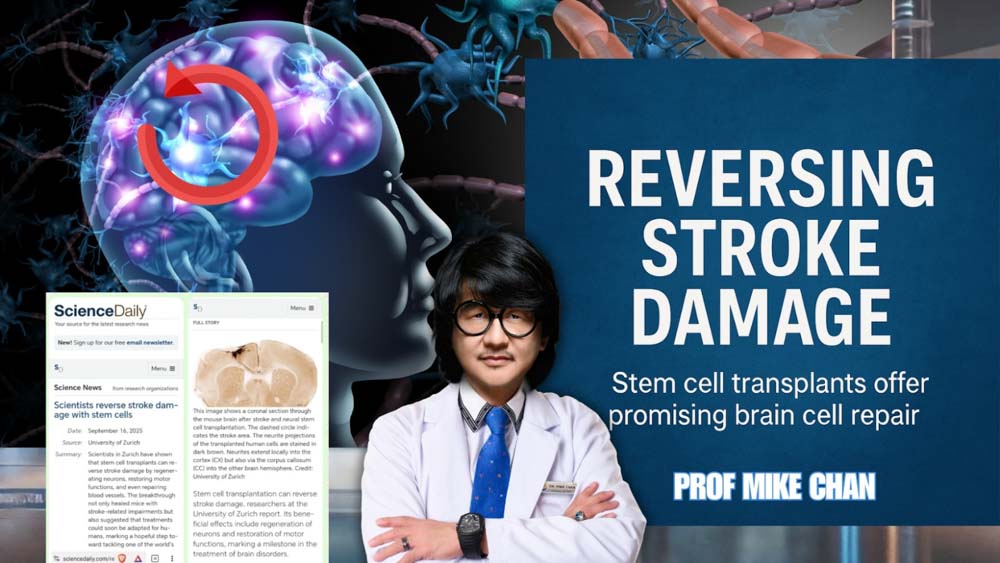
(Article source: https://www.sciencedaily.com/releases/2025/09/250916221821.htm)
When the University of Zurich announced last week that they had reversed stroke damage in mice using neural stem cell transplants, it sparked excitement across the medical world. Researchers reported that human iPSC-derived neural stem cells not only regenerated neurons but also repaired blood vessels, reduced brain inflammation, and even restored normal motor function. Perhaps most importantly, they discovered that performing the transplant one week after the stroke—not immediately—produced the most successful outcomes, opening a practical therapeutic window for human treatment.
For those familiar with Prof. Mike Chan’s pioneering work, this was not a surprise but a scientific vindication. As the chief scientist and founder of the European Wellness Biomedical Group, Prof.Chan has spent decades advocating for precision-targeted, organ-specific stem cell therapy. In his latest book “Understanding Stroke – The Biological Approach” (more below), Prof. Chan repeatedly stresses that neural precursor cells can rejuvenate the brain’s function and preserve cognitive integrity, describing this approach as “throwing all the darts into the dart board and all must hit the bull’s eye”.
“To treat with stem cells and peptides with precision in regenerative medicine, one must aim for accuracy… ‘Similia Similibus Curentur’ (Like treats like): A1 for A1, B6 for B6, Z10 for Z10—never an ‘A’ or ‘B’ for all diseases!” says Prof. Chan. This aligns perfectly with Zurich’s use of neural-specific stem cells—not generic MSCs—to rebuild the brain after stroke.
Validating the Key Findings
- Neuronal Regeneration and Circuit Repair
The Zurich team’s success hinged on transplanted cells integrating into host circuits and restoring motor function. Prof. Chan’s protocols recommend brain cortex, frontal lobe, temporal lobe, cerebellum, and diencephalon precursors for neurodegenerative conditions, aiming to “provide neuroprotection, slow progression, and preserve cognitive function”. These recommendations mirror the goal of functional reconnection highlighted in the Zurich study. - Angiogenesis and Blood-Brain Barrier Restoration
Zurich researchers found new vessel growth and improved BBB integrity. Prof. Chan’s Compendium integrates placenta-derived precursors for their cytokine-rich immune-modulating effects and mesenchymal precursors for anti-inflammatory action, stabilizing the brain’s microenvironment—exactly what Zurich achieved through stem cell-driven angiogenesis and neuroimmune modulation. - Inflammation Modulation
Neuroinflammation worsens stroke damage. The Compendium recommends placenta and hypothalamic precursors to regulate cytokine storms and re-establish homeostasis, validating Zurich’s finding that reducing inflammation is key to functional recovery. - Clinical Translation and Timing
Zurich emphasized a one-week treatment window and animal-free production. Prof. Chan’s writings advocate precision timing, safe cell sourcing, and strict clinical evaluation, noting that “longevity depends on brainspan and healthspan which rely on our biological age”—underscoring that early intervention can biologically reset the trajectory of neurodegeneration.
BOOK HIGHLIGHT: Understanding Stroke – The Biological Approach
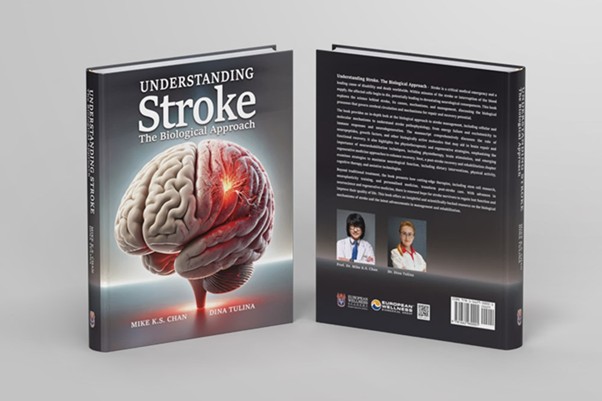
The book “Understanding Stroke – The Biological Approach” authored by Prof. Mike Chan and Dr. Dina Tulina, and published by European Wellness Academy, is a comprehensive resource on the causes, mechanisms, and management of stroke, a leading cause of disability and death worldwide.
It examines the biological processes underlying stroke, including energy failure, excitotoxicity, immune responses, and neurodegeneration, while highlighting the roles of neuropeptides, growth factors, and biologically active molecules in brain repair.
The book emphasizes rehabilitation strategies such as physiotherapy, brain stimulation, and dietary and cognitive interventions, alongside cutting-edge approaches like stem cell therapy, neuroplasticity training, and personalized medicine.
With a focus on both scientific understanding and practical recovery strategies, it offers hope for improving outcomes and quality of life for stroke survivors.
GET IT HERE: https://european-wellness.eu/product/understanding-stroke-the-biological-approach/
Prof. Chan’s Perspective
“Not all stem cells are alike nor can they treat all diseases. Cell therapy requires precision, as all 400+ stem cells possess unique blueprints…” Prof. Chan explains.
The Zurich study effectively demonstrates this principle—selecting the right cell type and timing to maximize repair. His clinical protocols combine these precursors with bioactive peptides and exosomes to accelerate synaptic rewiring and metabolic recovery, a multimodal approach that may outperform monotherapy in humans.
Why This Matters
Stroke is one of the leading causes of disability worldwide, with over 12 million new cases annually. Traditional therapies like clot-busting drugs are time-limited and rehabilitation is often slow. Zurich’s discovery, validated by Prof. Chan’s protocols, points to a future where brain damage is not merely managed, but reversed.
Prof. Mike Chan highlights that the brain, with its 52 lobes and 67 unique cell types, is one of the most complex organs in the human body. Because of this intricacy, he argues that generalized stem cell treatments are not enough, transforming stroke care from damage control into a quest for rejuvenation.
“Through my observations… therapies must be highly precise, targeting specific brain regions and cell types to restore function,” he said, adding that this principle underpins his work on organ-and brain-specific precursor stem cell therapies, which are being applied to neurodevelopmental disorders and chronic neurological diseases.
The Road Ahead
Both Zurich’s research team and European Wellness agree: the next step is human trials with robust safety controls and precision delivery methods. Prof. Chan calls this “a new dimension in treatment – that of repair of sick cells, reversal of degenerate cells, and regeneration of lost cells,” a fitting summary of where stroke therapy is headed.
ScienceDaily Key Findings
The ScienceDaily report highlights a significant breakthrough in reversing stroke damage using stem cell transplantation, outlining mechanisms of regeneration, functional restoration, experimental methodology, and steps towards clinical application.
Professor Mike Chan’s extensive body of scientific work in bioregenerative medicine, stem cells, and cell therapy provides strong validation for these key findings, particularly concerning the principles of regenerative healing, organ-specific therapies, and the drive towards clinical translation.
Here is a comprehensive outline quoting relevant content from Professor Mike Chan’s scientific books to validate the key findings:
Validation of Key Findings from ScienceDaily Report
I. Core Discovery: Stem Cell Transplantation Reverses Stroke Damage
- ScienceDaily Finding: “Scientists at the University of Zurich have demonstrated that stem cell transplants can reverse stroke damage” [ScienceDaily, Core Discovery]. This offers “hope towards tackling stroke,” a condition causing “irreversible damage to brain cells” and leaving many with “residual impairments” [ScienceDaily, Core Discovery].
- Validation from Prof. Mike Chan’s Works:
- The existence of a book co-authored by Prof. Mike Chan titled “Understanding Stroke – The Biological Approach” directly addresses the topic, implying a focus on therapeutic and regenerative solutions for stroke-induced damage [BK31-EN-STROKE-enc, p. 1, 421].
- Professor Chan’s philosophy explicitly states that “Stem cell therapy has a different focus. It is a new dimension in treatment – that of repair of sick cells, reversal of degenerate cells, and regeneration of lost cells” [BK02-EN-STEMCELLS-enp, p. 69]. This directly aligns with the concept of reversing damage.
- Further reinforcing this, it is noted that “cell therapy… is expected to stimulate the growth and function of existing tissue, awakening of dormant cells and repairing old or malfunctioning cells” [BK17-EN-Immunotherapy-enp, p. 193, 298]. This provides a direct mechanism by which stroke damage could be reversed.
- The publication “Mapping the Code of Life” validates Prof. Chan’s pioneering role, stating, “The era of precision cellular medicine has officially begun — and Prof. Chan led the way” [Mapping the Code of Life, p. 4, 574], confirming a longstanding commitment to advanced regenerative therapies.
II. Mechanisms of Regeneration and Functional Restoration
- ScienceDaily Finding: The studies observed “regeneration of neurons”, with transplanted neural stem cells forming “new neurons” and “communicat[ing] with existing brain cells” [ScienceDaily, Mechanisms]. It also highlights “restoration of motor functions,” “new formation of blood vessels,” “attenuation of inflammatory response,” and “improved blood-brain barrier integrity” [ScienceDaily, Mechanisms].
- Validation from Prof. Mike Chan’s Works:
- In “Autism Spectrum Disorder: Bioregenerative Medicine with Stem Cell Therapy,” neural stem cells are described as having mechanisms of action including “Secretion of neurotrophic factors” and “Neuroprotective effects” [BK10-EN-ASD-Bioregenerative-Medicine-enp, p. 188]. The book also discusses “maintaining the structural integrity and functional capability of brain tissue” [BK10-EN-ASD-Bioregenerative-Medicine-enp, p. 186], which supports neuronal regeneration and functional integrity.
- In the context of Multiple Sclerosis, “Immunomodulating, Neuroprotective and Regenerative Modalities in Multiple Sclerosis Management” and “Stem Cell Therapy for Neurodegenerative Diseases: How Do Stem Cells Bypass the Blood-Brain Barrier and Home to the Brain?” are explored, underscoring the potential for neuroprotection, regeneration, and modulating the blood-brain barrier in neurological conditions [BK05-EN-Multiple-Sclerosis-enp, p. 171, 172].
- The “Mito Organelles (MO)” therapy is highlighted for its ability to “Stimulate cell proliferation and regeneration” [Mito Organelles (MO), p. 2, 579] and “Improve cellular growth & regeneration” [Mito Organelles (MO), p. 3, 580], which are fundamental to the regeneration of neurons and blood vessels.
- The principle of maintaining cellular health is evident in “Cell Membrane Therapy: Clinical Practice in Brain, Liver and Cardiovascular diseases,” which aims at “keeping our brain… cells healthy and active” and mentions restoring “cell membrane integrity” [BK03-EN-CELL-MEMBRANE-enp, p. 118, 127, 139, 148]. This is indirectly relevant to improving blood-brain barrier function, as it is composed of cell membranes.
- Regarding inflammation, “Mito Organelles” therapy lists “Eliminate products of chronic oxidative stress” as a benefit [Mito Organelles (MO), p. 3, 580], and “NOP- Super Transfer Factor” therapy lists “Reduce immunosuppression induced by xenobiotics & pharmaceutical drugs” and “Decrease the frequency of exacerbations of chronic diseases” [CANCER (2025), p. 459]. These aspects contribute to the “attenuation of inflammatory response.”
III. Experimental Methodology
- ScienceDaily Finding: The research involved “Human neural stem cells” derived from “induced pluripotent stem cells, manufactured from normal human somatic cells” and used an “Animal model (mice, genetically modified to prevent rejection)” [ScienceDaily, Methodology].
- Validation from Prof. Mike Chan’s Works:
- The book “Understanding Stroke – The Biological Approach” references “Induced Pluripotent Stem Cells: Therapeutic Applications in Monogenic and Metabolic Diseases, and Regulatory and Bioethical Considerations” [BK31-EN-STROKE-enc, p. 108, 428], indicating awareness and consideration of iPSC technology.
- Prof. Mike Chan’s work extensively covers the use of animal models and xenotransplantation. “A Compilation of Cellular and Tissue Xenotransplantation Studies (1838-2022)” is dedicated to this topic, describing it as “a promising approach for tissue regeneration and cellular restoration” [BK12-EN-Xenotransplantation-Studies-enp, p. 8, 222].
- The book “The Dawn of New Medicine: Stem Cell Therapy: Old Dogma, New Hope” directly discusses the use of “stem cell xenotransplantation” using “fetal precursor stem cell xenotransplants” from “rabbits” [BK11-EN-Dawn-of-New-Medicine-renp, p. 198, 203, 205, 506, 512, 526, 528], acknowledging the historical and ongoing practice of using animal sources in stem cell research and therapy.
- The book “Stem Cells, Peptides & Immunotherapy Handbook on Regenerative Medicine for Animals” further elaborates on how “xenotransplantation stem cell therapy is applicable in veterinary diseases” [STEM-CELLS-PEPTIDES-IMMUNOTHERAPY-HANDBOOK-ON-REGENERATIVE-MEDICINE-FOR-ANIMALS-qwpn5z, p. 2, 591].
IV. Core Discovery: Stem Cell Transplantation Reverses Stroke Damage
- ScienceDaily Finding: The studies were “designed with clinical applications in humans in mind” with a “manufacturing protocol without animal-derived reagents.” Goals include a “safety switch system” and a “more practical endovascular injection method,” with stroke potentially being “one of the next diseases for which a clinical trial becomes possible” [ScienceDaily, Clinical Application].
- Validation from Prof. Mike Chan’s Works:
- The “Mapping the Code of Life” publication strongly validates Prof. Chan’s approach by stating, “European Wellness Biomedical Group’s regenerative programs — developed under Prof. Mike Chan’s leadership — already implement organ-specific precursor stem cell therapy.
- Each protocol is crafted based on the patient’s unique cellular architecture, with specific precursor cells selected for conditions like liver disease, heart failure, neurodegeneration, and more” [Mapping the Code of Life, p. 5, 575]. This directly supports the clinical focus, individualized treatment design, and application to neurodegenerative conditions.
- Prof. Mike Chan is recognized as a pioneer who “specializ[es] in Biotechnology Research & Development of Stem Cells, Peptide Therapeutics, and Biological & Regenerative Medicine” [BK22-EN-HEART, p. 7, 372] and has published “over 50 scientific and medical books” [BK22-EN-HEART, p. 7, 373] and “over 100+ International Scientific Publications” [ICIM, p. 3, 471] in these fields, demonstrating a long-standing commitment to advancing therapies towards clinical use.
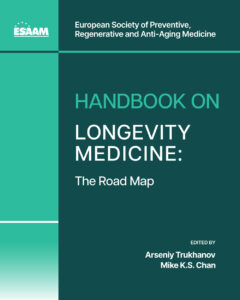
- The “Handbook on Longevity Medicine: The Road Map” acknowledges that “bioregenerative medicine is the closest to the blade edge that separates medical progress and formal regulatory acts of the state and society” [BK23-EN-Handbook-on-Longevity-Medicine-1, p. 111, 405], highlighting the awareness of regulatory challenges in clinical translation.
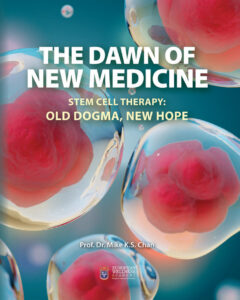
- Professor Chan’s books emphasize safety and efficacy. “The Dawn of New Medicine” states that “our live cell therapy protocol [has been found] to be safe with positive outcomes in most of the patients” based on “ten-year clinical studies in Malaysia”
- [BK11-EN-Dawn-of-New-Medicine-renp, p. 198, 544]. It also calls for “regulatory guidelines governing stem cell transplantation” [BK11-EN-Dawn-of-New-Medicine-renp, p. 198, 544].
- The focus on “precision medicine” is a recurring theme, described as “the tailoring of medical treatment to the individual characteristics of each patient” [CANCER (2025), p. 454], which is essential for successful clinical application, including advanced delivery methods and safety monitoring.
Appendix: Prof. Mike Chan’s Publications Supporting ScienceDaily Findings on Stroke
- A Comprehensive Guide to Biological Medicine and Wellness by Mike K.S. Chan and Dmitry Klokol (2019)
◦ Quote Source: [BK01-EN-BIOLOGICAL-enp, p. 50, 51]
- Active Specific Immunotherapy (ASI) in Cancer Treatment: Five Case Reports by Moya, R., Chan, M.K.S., Wong, M.B.F., Klokol, D., Chia, Y.C., et al. (2019).
◦ Quote Source: [AASI THERAPY, p. 44]
- Autism Spectrum Disorder: Bioregenerative Medicine with Stem Cell Therapy by Mike K.S. Chan, Yuriy Nalapko, Svetlana Yartseva, Michelle B.F. Wong (2023)
◦ Quote Source: [BK10-EN-ASD-Bioregenerative-Medicine-enp, p. 186, 188]
- Cell Membrane Therapy: Clinical Practice in Brain, Liver and Cardiovascular diseases by Prof. Dr. Mike K.S. Chan and Prof. Dr. Yuriy Nalapko (2020)
◦ Quote Source: [BK03-EN-CELL-MEMBRANE-enp, p. 118, 127, 139, 148]
- CELL THERAPY – CELLULAR & TISSUE XENOTRANSPLANTATION: Challenges, Progress and Current Applications by Prof. Dr. Mike KS Chan, Prof. Dr. Michelle B.F. Wong, Dr. Patricia Pan, Dr. Roni Lara Moya, Prof. Dr. Thomas Skutella, Chen Rui, Sabine Conrad, Yvonne Chia, Clarice EA, Yee Hui Rong and Yenny Kenisi (2023)
◦ Quote Source: [BK18-EN-Cell-Therapy-enc, Preface, p. IX, 302, 304, 307, 309, 318, 320, 323, 325, 334, 336, 339, 341, 345] and [BK12-EN-Xenotransplantation-Studies-enp, p. 8, 222]
- CANCER (2025) (Presentation/Book Excerpts) by Prof. Dr. Mike K.S. Chan et al. (2025)
◦ Quote Source: [CANCER (2025), p. 454, 459]
- (ICIM) Prof Dr Mike Chan – NEW APPROACH IN IMMUNOLOGY & PEPTIDES THERAPY IN REGENERATIVE MEDICINE FOR CANCER (Presentation)
◦ Quote Source: [ICIM, p. 2, 20, 26, 298]
- Immunotherapy in Bioregenerative Medicine by Dato Sri Mike K.S. Chan, Dmytro Klokol, MD, PhD, Roni Moya, BMD (2022)
◦ Quote Source: [BK17-EN-Immunotherapy-enp, p. 193, 288, 298]
- Human Cytology: Classification and Quantitative Cell Landscape with Numbers, Types and Functional Diversity by Mike KS Chan, Siti Azmah Jambo, Mohd Iskandar Jumat, Florisa Landa, Nur Shafawati Saili, Dianah Florentius, Nuryasmin Ezzaty, Raz Haziqah Hani Razali, Brenda Song Pei Chui, Aziera Farhanah Adihidayah Suardi, Sze Huey Sang, Michelle BF Wong, Thomas Skutella, and Jonathan RT Lakey (2025)
◦ Quote Source: [JSCR-6(1)-71, p. 1, 481, 483, 486, 489, 491, 492, 572]
- Longevity for the Heart: Strategies Against Cardiac Inflammaging (Stem Cell & Bio-regenerative approaches) by Dato Sri Mike Chan, Olha Nishkumai, Dato Sri Michelle Wong, et al. (2025)
◦ Quote Source: [BK22-EN-HEART, p. 7, 372, 373]
- Mapping the Code of Life: Prof. Mike Chan — The Visionary Who Saw the Cellular Future of Medicine (Promotional Material)
◦ Quote Source: [Mapping the Code of Life, p. 1, 4, 5, 571, 574, 575, 577]
- Mito Organelles (MO) (Flyer/Presentation)
◦ Quote Source: [Mito Organelles (MO), p. 2, 3, 579, 580]
- Multiple Sclerosis: Practical Comprehensive Essentials by Professor Mike K.S. Chan and Dr Dina Tulina (2022)
◦ Quote Source: [BK05-EN-Multiple-Sclerosis-enp, p. 155, 157, 171, 172]
- Stem Cells in Regenerative Medicine: Carpe Diem – Carpe Vitam! by Mike Chan and Dmitry Klokol (2019)
◦ Quote Source: [BK02-EN-STEMCELLS-enp, p. 69, 70, 73, 97]
- STEM CELLS, PEPTIDES & IMMUNOTHERAPY HANDBOOK ON REGENERATIVE MEDICINE FOR ANIMALS by Mike K. S. Chan & Marcel Gisain (2024)
◦ Quote Source: [STEM-CELLS-PEPTIDES-IMMUNOTHERAPY-HANDBOOK-ON-REGENERATIVE-MEDICINE-FOR-ANIMALS-qwpn5z, p. 2, 591]
- The Dawn of New Medicine: Stem Cell Therapy: Old Dogma, New Hope by Mike K.S. Chan (2023)
◦ Quote Source: [BK11-EN-Dawn-of-New-Medicine-renp, p. 198, 202, 203, 205, 213, 214, 298, 506, 512, 526, 528, 542, 544]
Follow European Wellness:



Follow European Wellness Academy:
Follow Prof. Dato’ Sri Dr. Mike Chan:

Related Posts