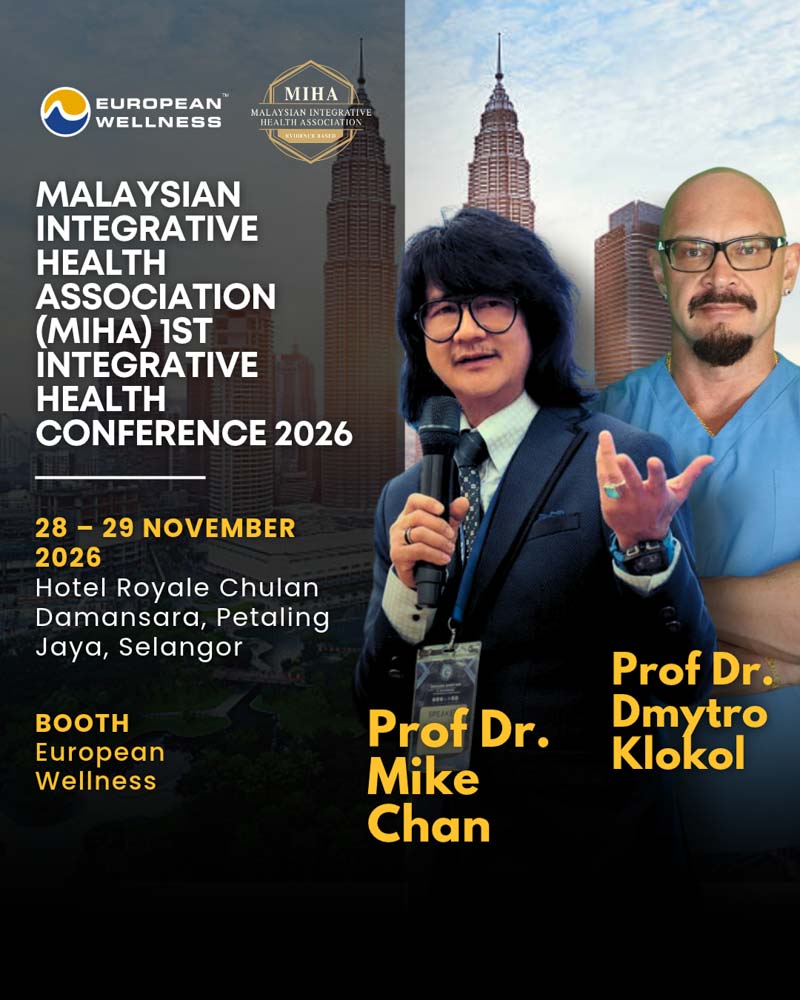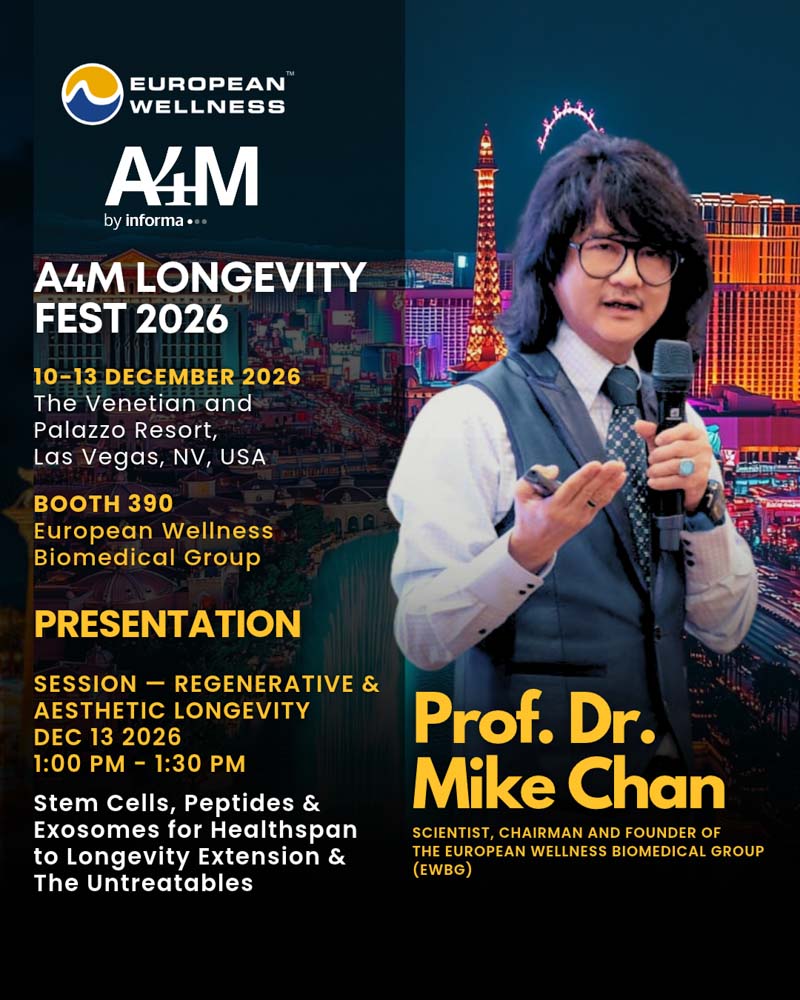
Get ready for an exhilarating gathering of groundbreaking discoveries! European Wellness is proud to participate…
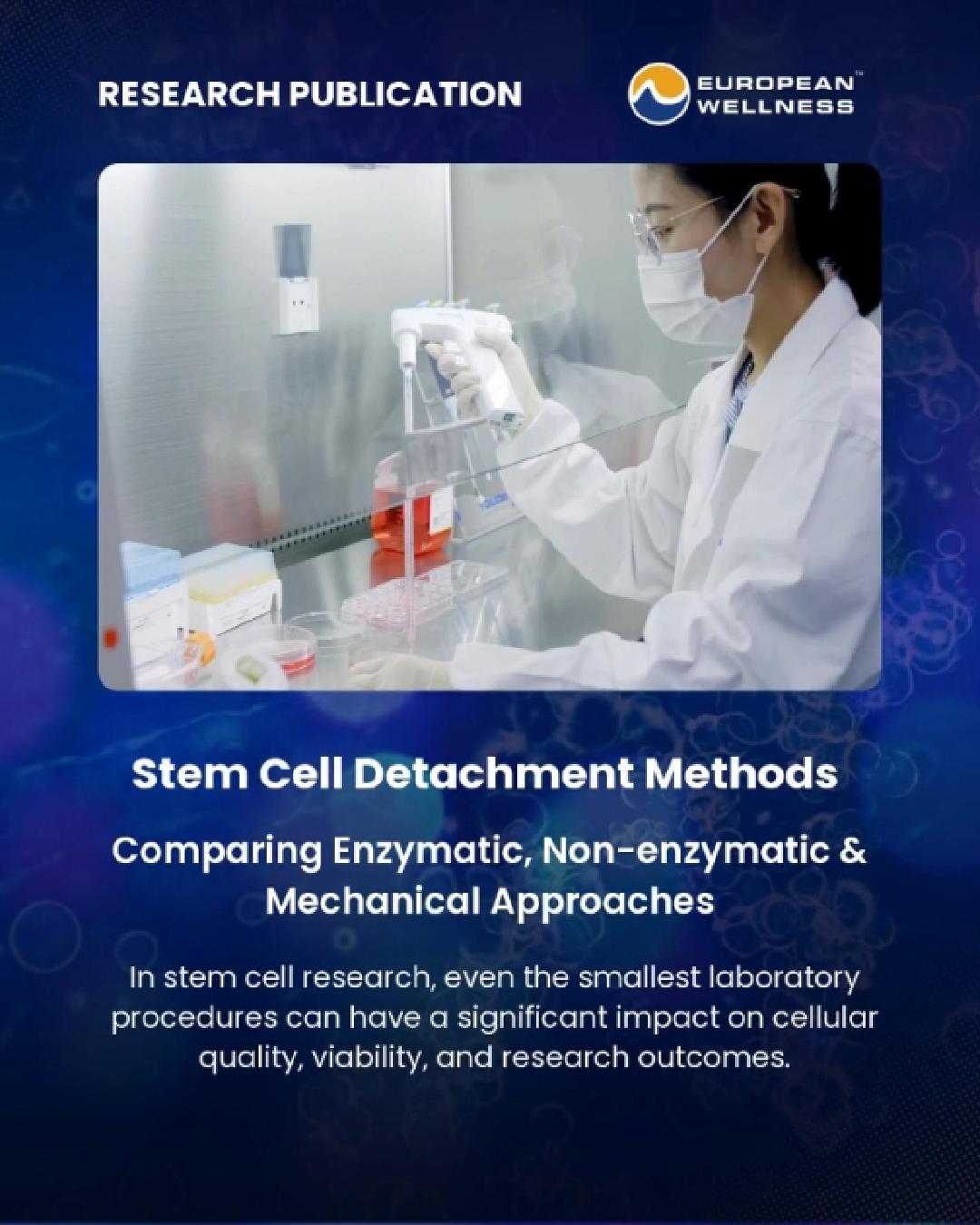
Comparing Enzymatic, Non-enzymatic & Mechanical Approaches
New Scientific Publication!
In stem cell research, even the smallest laboratory procedures can have a significant impact on cellular quality, viability, and research outcomes.
We are pleased to share our latest scientific review:
Detachment Methods in Human and Animal Stem Cell Culture: A Mini Review on Enzymatic, Non-enzymatic, and Mechanical Approaches
by
Christianus Rustin, Yvonne Chia, Latifah Suali, Fui Fui Lem, Xin Jie Ching, Prof. Dr. Mike K.S. Chan, Prof. Dr. Michelle B.F. Wong & Shing Yi Pan
Published in
Current Biotechnology; 15(3), 2026
30 Downloads
About the Publication:
Stem cell culture plays a fundamental role in advancing regenerative medicine, biotechnology, and biomedical research. However, maintaining cellular integrity throughout laboratory procedures remains an important consideration for reliable experimental outcomes.
This mini-review explores three major approaches to cell detachment: enzymatic, non-enzymatic, and mechanical methods, and the considerations involved in selecting appropriate techniques for human and animal stem cell cultures.
Key Areas Explored:
- Enzymatic Detachment: The use of enzyme-based reagents, including Accutase, to release adherent cells from culture surfaces.
- Non-enzymatic Detachment: Alternative approaches, including EDTA-based methods, that may help reduce exposure to proteolytic enzymes.
- Mechanical Detachment: Physical techniques, such as cell scraping, and their implications for cellular integrity.
- Cellular Quality and Function: The importance of considering cell viability, surface characteristics, and biological functionality when selecting detachment methods.
- Research and Translational Relevance: How appropriate cell-handling techniques can support reproducible research and the development of regenerative medicine applications.
Why It Matters
Successful stem cell research depends not only on the cells being studied but also on how they are cultured, handled, and prepared for further investigation.
Understanding the advantages and limitations of different cell detachment methods can help researchers make more informed decisions, preserve cellular quality, and strengthen the reliability of experimental workflows.
By examining these essential laboratory techniques, this publication contributes to ongoing discussions surrounding stem cell culture optimisation, biotechnology, and translational regenerative research.
Discover the publication:
https://european-wellness.eu/publications/detachment-methods-in-human-and-animal-stem-cell-culture/
Other Publications:
Follow European Wellness:



Follow European Wellness Academy:
Follow Prof. Dato’ Sri Dr. Mike Chan:

Related Posts