
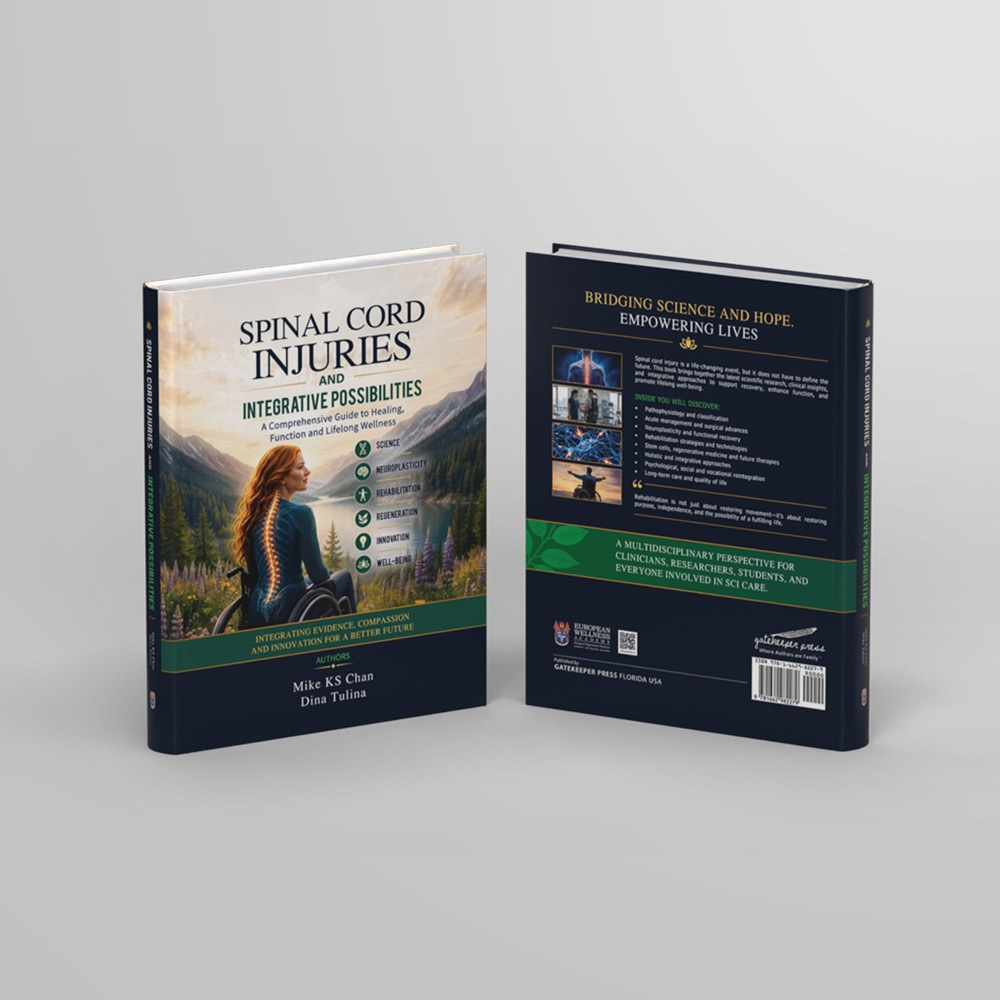
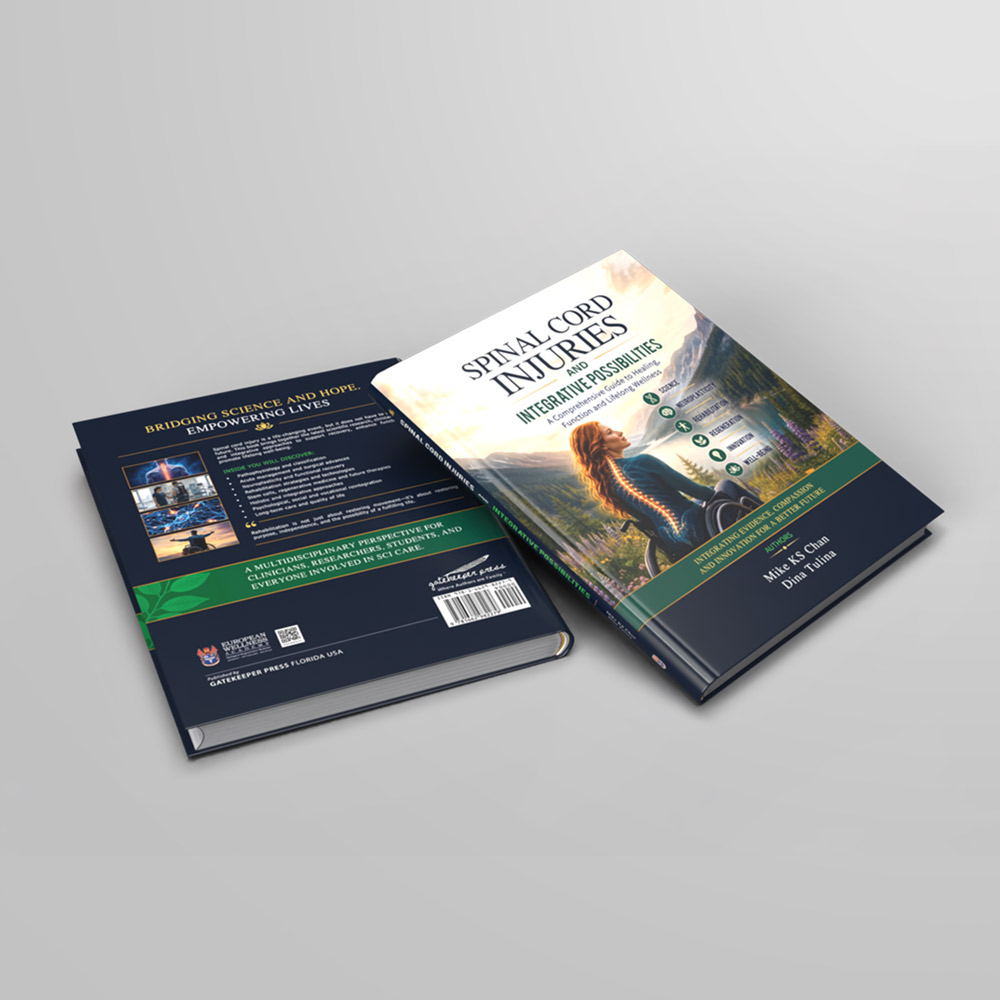
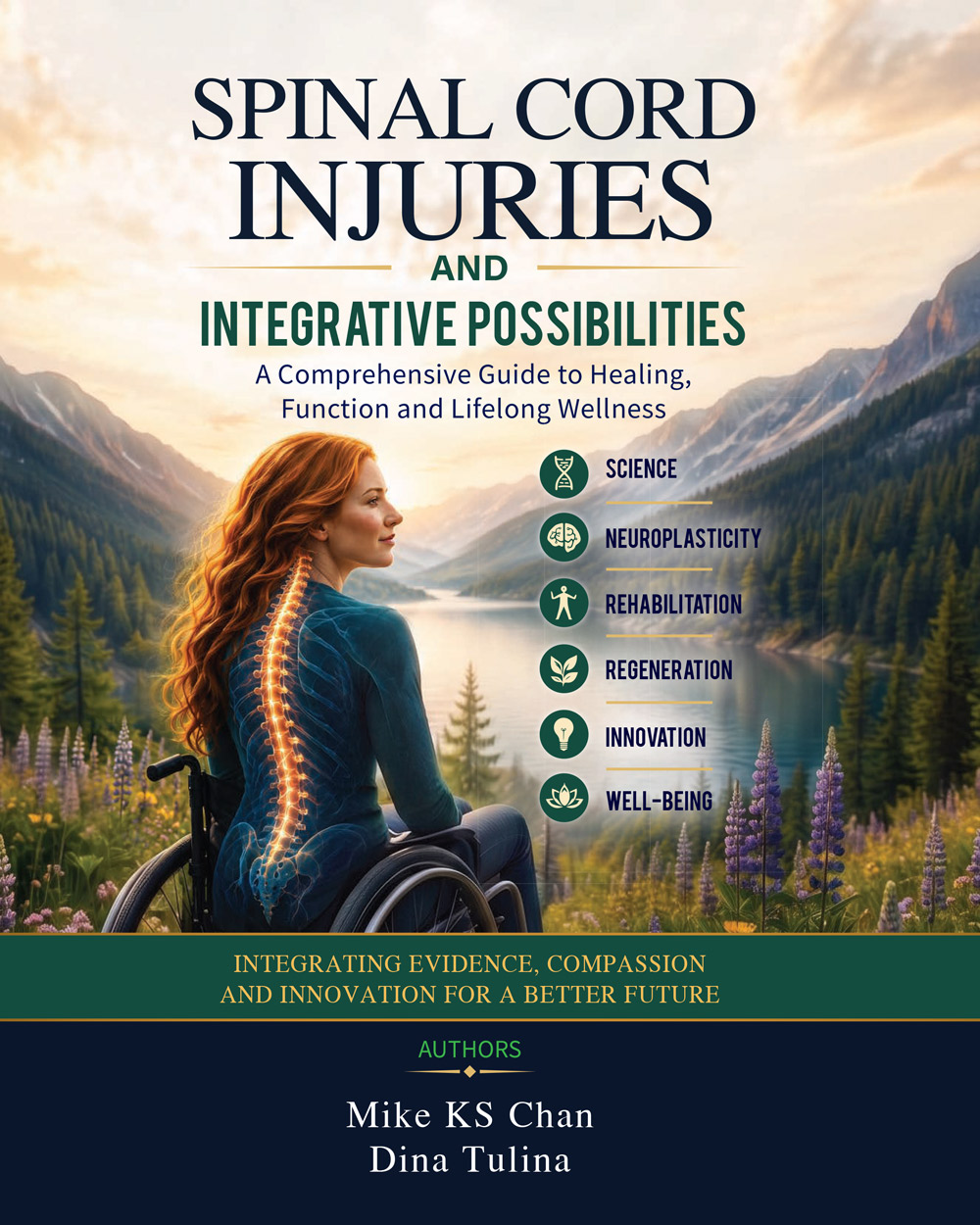
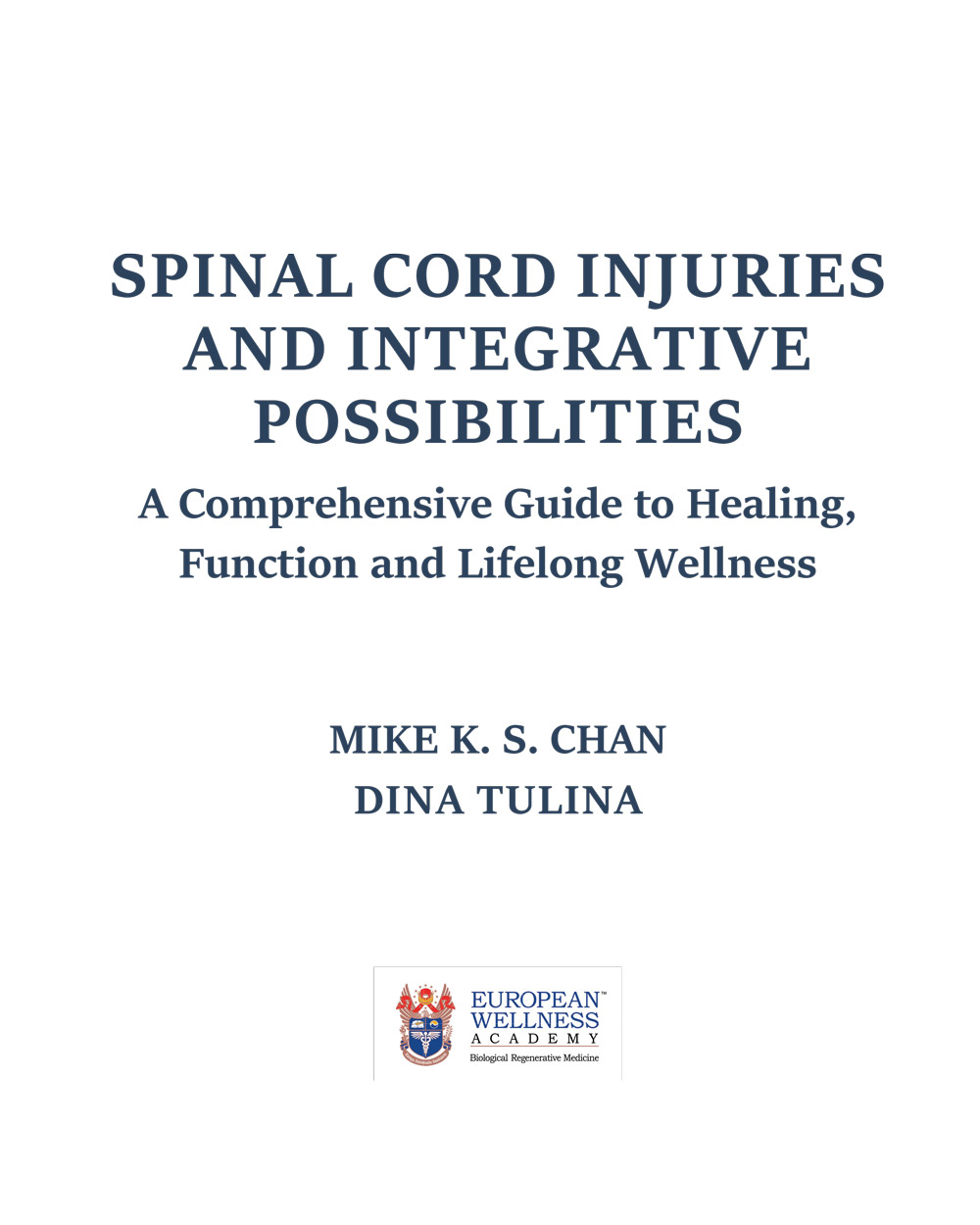
Spinal Cord Injuries and Integrative Possibilities
Price range: $53.00 through $127.00
Spinal cord injury can transform lives in an instant, affecting mobility, independence, and overall well-being. Yet advances in neuroscience, rehabilitation, and regenerative medicine continue to expand our understanding of neurological recovery and long-term wellness.
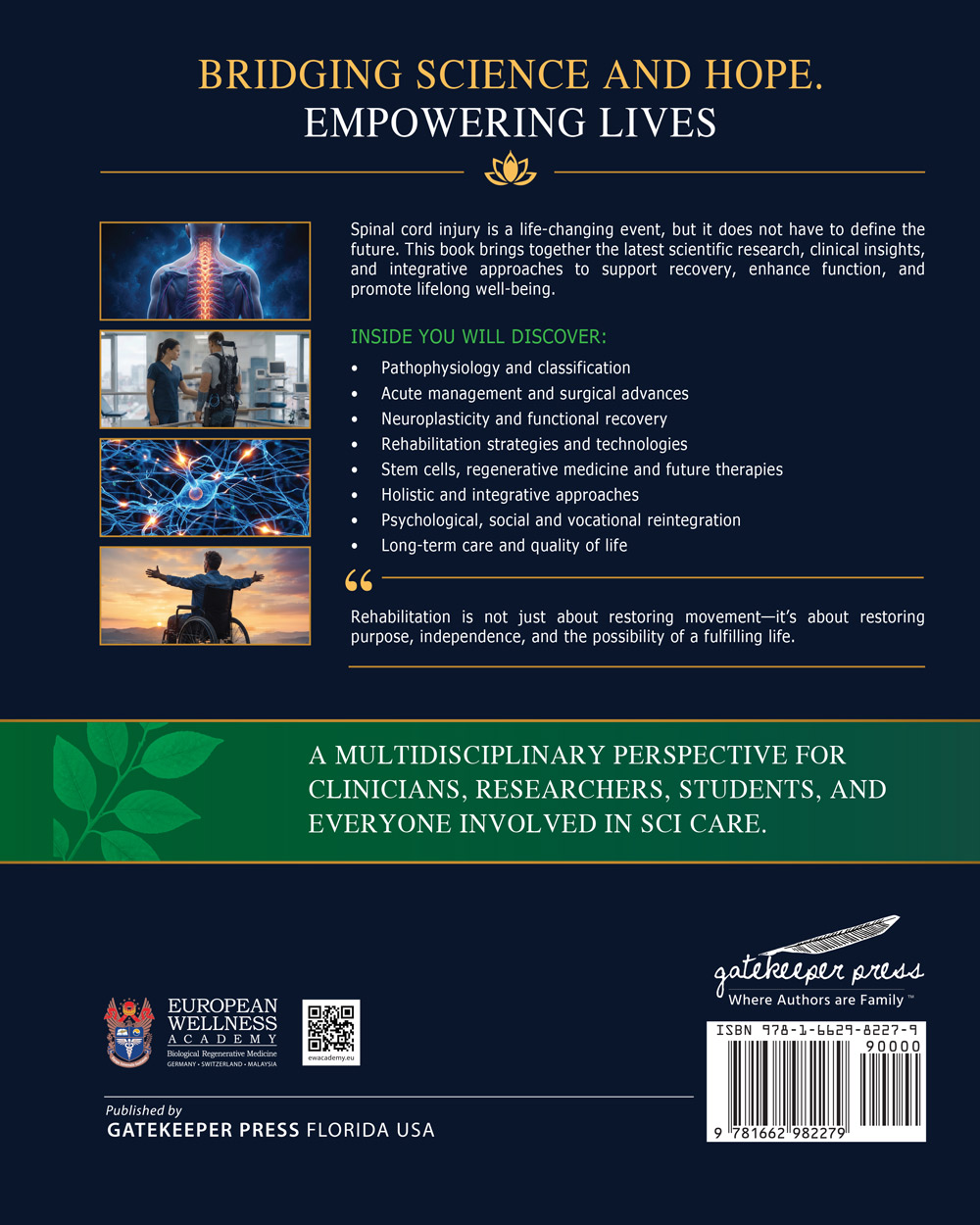
In Spinal Cord Injuries and Integrative Possibilities, Mike K.S. Chan and Dina Tulina present a comprehensive exploration of spinal cord injury, bridging established medical knowledge with emerging biological and integrative approaches. From epidemiology, injury mechanisms, and neurological diagnosis to conventional management and rehabilitation, this book provides valuable insights into the complexities of spinal cord damage and functional recovery.
Readers will discover the evolving science of neuroplasticity, stem cell biology, biomaterials, nano-peptides, and mitochondrial function, alongside discussions of physiotherapy, hyperbaric oxygen therapy, neuromodulation, and other approaches under investigation.
Emphasizing interdisciplinary care, scientific innovation, and lifelong wellness, this book offers a balanced perspective on the challenges and possibilities surrounding spinal cord injury.
An informative resource for healthcare professionals, researchers, students, patients, and caregivers seeking to understand the science of recovery and the emerging possibilities for improving function, independence, and quality of life.
Description
Authors
Prof. Dr. Mike K.S. Chan and Dr. Dina Tulina
Published by
EUROPEAN WELLNESS ACADEMY – Medical Research
ISBN: 9781662982279 eISBN: 9781662982286
Library of Congress Control Number: 2026955554
Authors Bio:
Prof. Dato’ Sri Dr. Mike K.S. Chan is Founder & Chairman of the European Wellness Biomedical Group and Chief Researcher/Chief Technical & Research Director across its international R&D programs. A pioneer of cellular therapy since the 1980s, he helped introduce stem cell and bioregenerative medicine across Asia, building a global network of clinics and research centers—today a chain of 40+ integrative and regenerative medical clinics with 1,000+ staff. He serves as ESAAM Scientific Committee Head for Regenerative Medicine & Stem Cells and ESAAM Chairman/Director for Asia; Associate Professor (AASCP, USA); Associate Professor (Lincoln University College, Kuala Lumpur); Chairman of the European Wellness Academy; Senator of Germany’s BWA; and Honorary Chief Healthcare Advisor to Swiss Strategic Partners. His portfolio includes multiple international patents in immunotherapy, stem cell transport media, and parenteral formulations, and he is a multi-award recipient in Europe and the Middle East. An active academic collaborator (MIT, Cambridge, USC, UCI, Heidelberg), Prof. Chan has authored/co-authored 70+ books and 180+ scientific publications, and has delivered 1000+ lectures and seminars across 60+ regions on anti-aging, regenerative medicine, peptides, and stem cell therapies.
Dr. Dina Tulina is a Medical Advisor and physician specializing in anti-aging, regenerative medicine, and comprehensive wellness. She integrates preventive, biological, and natural care to promote longevity and vitality beyond conventional practice. At European Wellness Global, she contributes to biomedical innovation with holistic approaches and the translation of research into practical applications. Guided by her belief that true health is balance and vitality, and functional longevity, Dr. Tulina is dedicated to shaping the future of personalized and preventive healthcare.
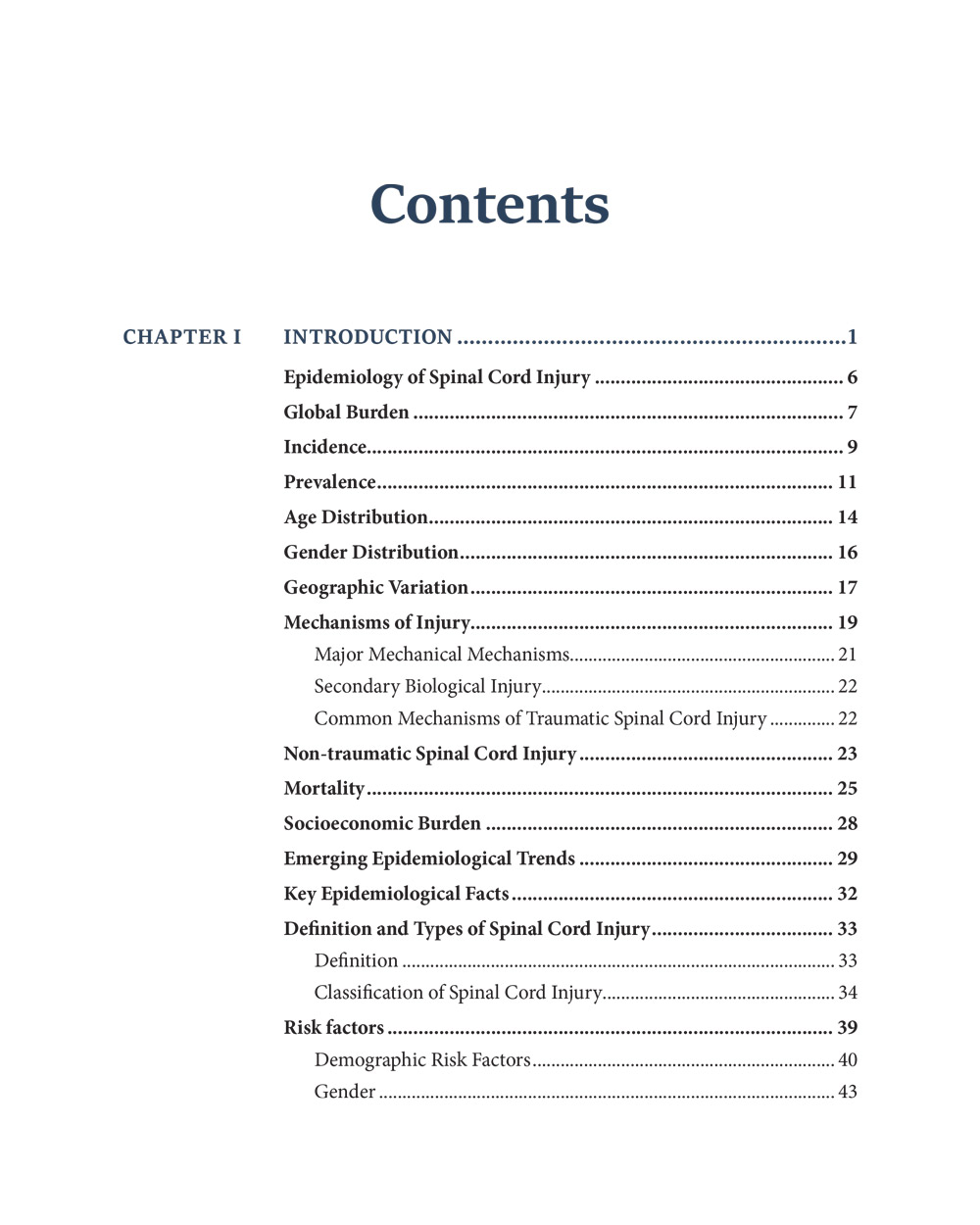
Table of Content
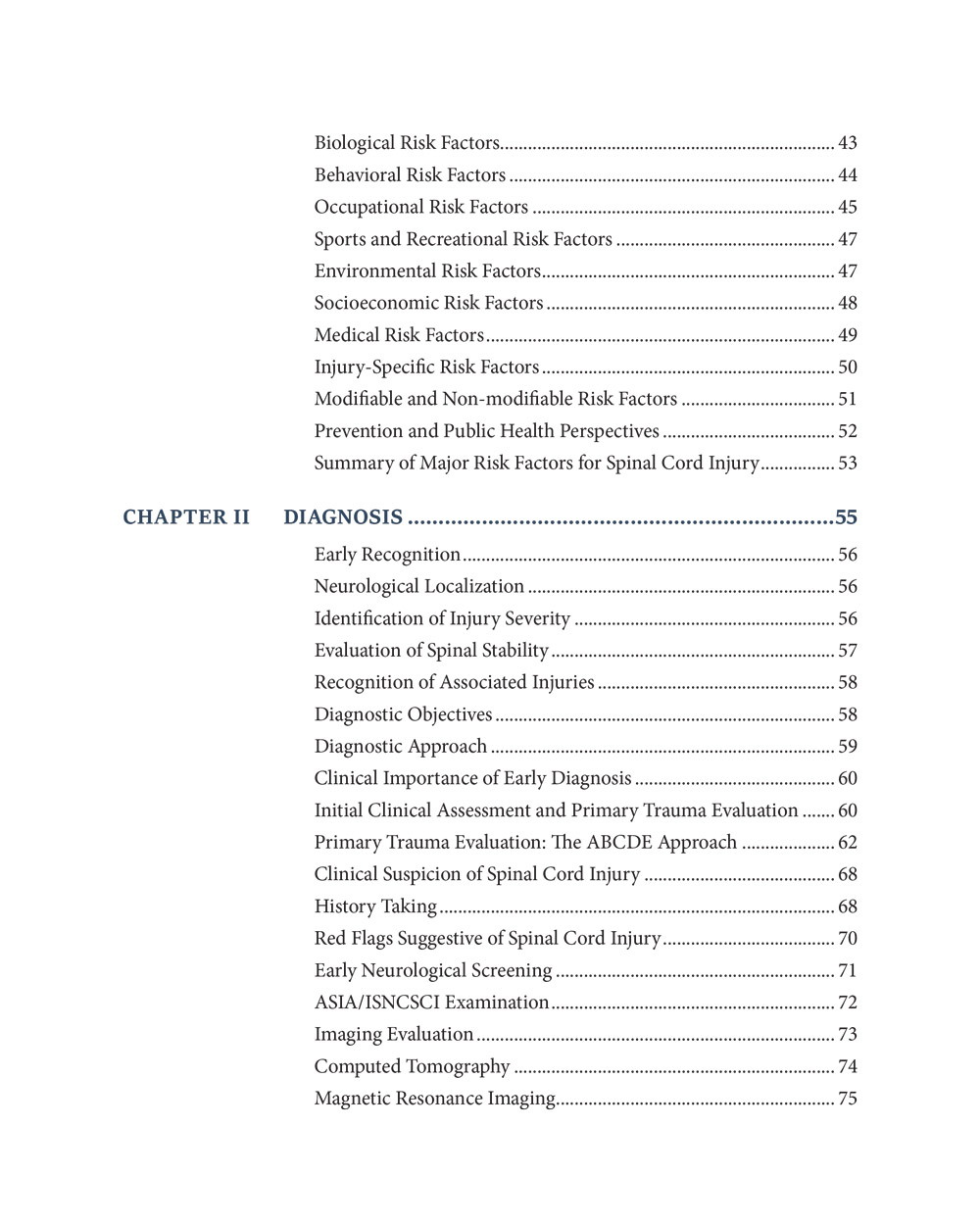
| CHAPTER I INTRODUCTION | 1 |
| Epidemiology of Spinal Cord Injury | 6 |
| Global Burden | 7 |
| Incidence | 9 |
| Prevalence | 11 |
| Age Distribution | 14 |
| Gender Distribution | 16 |
| Geographic Variation | 17 |
| Mechanisms of Injury | 19 |
| Major Mechanical Mechanisms | 21 |
| Secondary Biological Injury | 22 |
| Common Mechanisms of Traumatic Spinal Cord Injury | 22 |
| Non-traumatic Spinal Cord Injury | 23 |
| Mortality | 25 |
| Socioeconomic Burden | 28 |
| Emerging Epidemiological Trends | 29 |
| Key Epidemiological Facts | 32 |
| Definition and Types of Spinal Cord Injury | 33 |
| Definition | 33 |
| Classification of Spinal Cord Injury | 34 |
| Risk factors | 39 |
| Demographic Risk Factors | 40 |
| Gender | 43 |
| Biological Risk Factors | 43 |
| Behavioral Risk Factors | 44 |
| Occupational Risk Factors | 45 |
| Sports and Recreational Risk Factors | 47 |
| Environmental Risk Factors | 47 |
| Socioeconomic Risk Factors | 48 |
| Medical Risk Factors | 49 |
| Injury-Specific Risk Factors | 50 |
| Modifiable and Non-modifiable Risk Factors | 51 |
| Prevention and Public Health Perspectives | 52 |
| Summary of Major Risk Factors for Spinal Cord Injury | 53 |
| CHAPTER II DIAGNOSIS | 55 |
| Early Recognition | 56 |
| Neurological Localization | 56 |
| Identification of Injury Severity | 56 |
| Evaluation of Spinal Stability | 57 |
| Recognition of Associated Injuries | 58 |
| Diagnostic Objectives | 58 |
| Diagnostic Approach | 59 |
| Clinical Importance of Early Diagnosis | 60 |
| Initial Clinical Assessment and Primary Trauma Evaluation | 60 |
| Primary Trauma Evaluation: The ABCDE Approach | 62 |
| Clinical Suspicion of Spinal Cord Injury | 68 |
| History Taking | 68 |
| Red Flags Suggestive of Spinal Cord Injury | 70 |
| Early Neurological Screening | 71 |
| ASIA/ISNCSCI Examination | 72 |
| Imaging Evaluation | 73 |
| Computed Tomography | 74 |
| Magnetic Resonance Imaging | 75 |
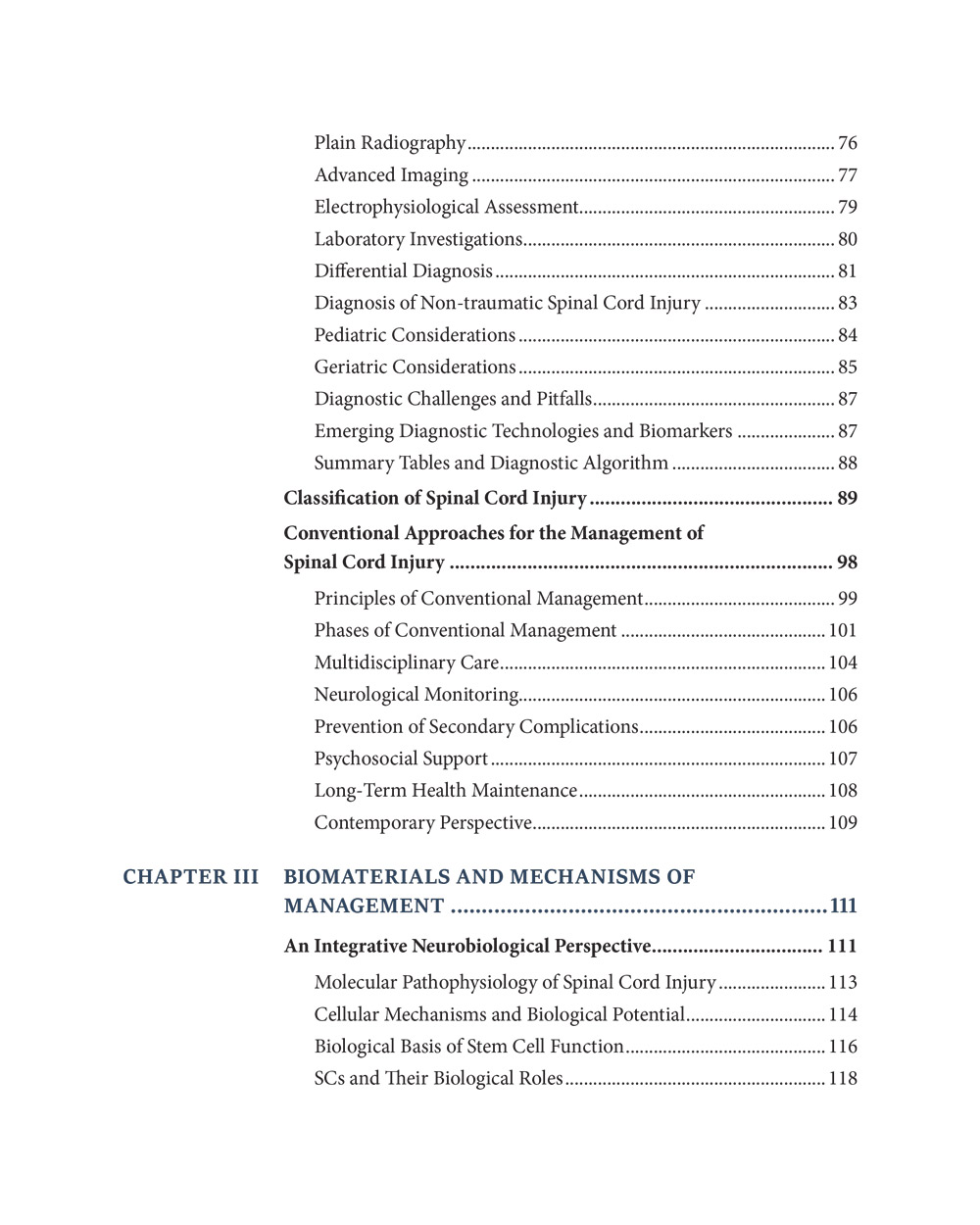
| Plain Radiography | 76 |
| Advanced Imaging | 77 |
| Electrophysiological Assessment | 79 |
| Laboratory Investigations | 80 |
| Differential Diagnosis | 81 |
| Diagnosis of Non-traumatic Spinal Cord Injury | 83 |
| Pediatric Considerations | 84 |
| Geriatric Considerations | 85 |
| Diagnostic Challenges and Pitfalls | 87 |
| Emerging Diagnostic Technologies and Biomarkers | 87 |
| Summary Tables and Diagnostic Algorithm | 88 |
| Classification of Spinal Cord Injury | 89 |
| Conventional Approaches for the Management of Spinal Cord Injury | 98 |
| Principles of Conventional Management | 99 |
| Phases of Conventional Management | 101 |
| Multidisciplinary Care | 104 |
| Neurological Monitoring | 106 |
| Prevention of Secondary Complications | 106 |
| Psychosocial Support | 107 |
| Long-Term Health Maintenance | 108 |
| Contemporary Perspective | 109 |
| CHAPTER III BIOMATERIALS AND MECHANISMS OF MANAGEMENT | 111 |
| An Integrative Neurobiological Perspective | 111 |
| Molecular Pathophysiology of Spinal Cord Injury | 113 |
| Cellular Mechanisms and Biological Potential | 114 |
| Biological Basis of Stem Cell Function | 116 |
| SCs and Their Biological Roles | 118 |
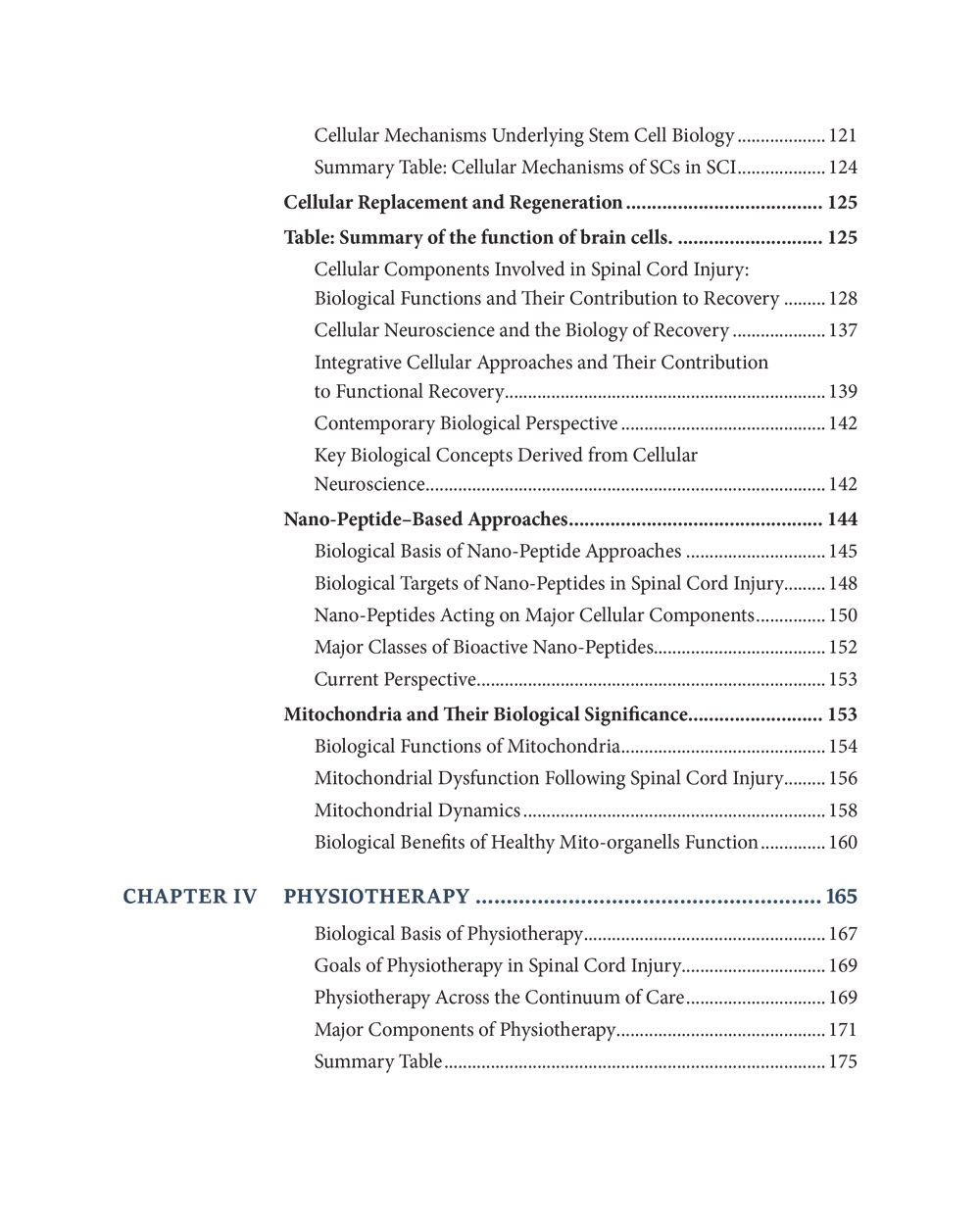
| Cellular Mechanisms Underlying Stem Cell Biology | 121 |
| Summary Table: Cellular Mechanisms of SCs in SCI | 124 |
| Cellular Replacement and Regeneration | 125 |
| Table: Summary of the function of brain cells | 125 |
| Cellular Components Involved in Spinal Cord Injury: Biological Functions and Their Contribution to Recovery | 128 |
| Cellular Neuroscience and the Biology of Recovery | 137 |
| Integrative Cellular Approaches and Their Contribution to Functional Recovery | 139 |
| Contemporary Biological Perspective | 142 |
| Key Biological Concepts Derived from Cellular Neuroscience | 142 |
| Nano-Peptide–Based Approaches | 144 |
| Biological Basis of Nano-Peptide Approaches | 145 |
| Biological Targets of Nano-Peptides in Spinal Cord Injury | 148 |
| Nano-Peptides Acting on Major Cellular Components | 150 |
| Major Classes of Bioactive Nano-Peptides | 152 |
| Current Perspective | 153 |
| Mitochondria and Their Biological Significance | 153 |
| Biological Functions of Mitochondria | 154 |
| Mitochondrial Dysfunction Following Spinal Cord Injury | 156 |
| Mitochondrial Dynamics | 158 |
| Biological Benefits of Healthy Mito-organells Function | 160 |
| CHAPTER IV PHYSIOTHERAPY | 165 |
| Biological Basis of Physiotherapy | 167 |
| Goals of Physiotherapy in Spinal Cord Injury | 169 |
| Physiotherapy Across the Continuum of Care | 169 |
| Major Components of Physiotherapy | 171 |
| Summary Table | 175 |
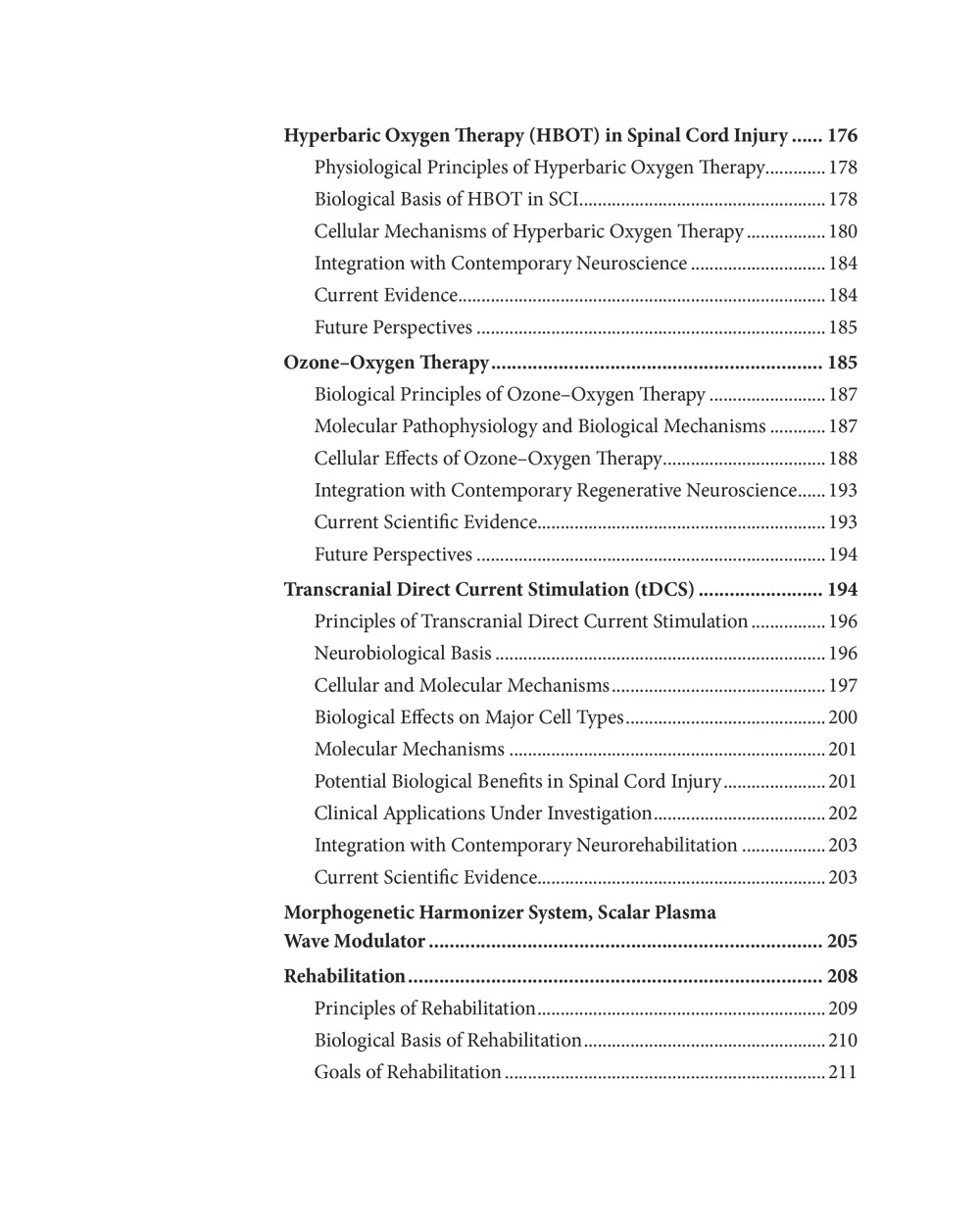
| Hyperbaric Oxygen Therapy (HBOT) in Spinal Cord Injury | 176 |
| Physiological Principles of Hyperbaric Oxygen Therapy | 178 |
| Biological Basis of HBOT in SCI. | 178 |
| Cellular Mechanisms of Hyperbaric Oxygen Therapy | 180 |
| Integration with Contemporary Neuroscience | 184 |
| Current Evidence | 184 |
| Future Perspectives | 185 |
| Ozone–Oxygen Therapy | 185 |
| Biological Principles of Ozone–Oxygen Therapy | 187 |
| Molecular Pathophysiology and Biological Mechanisms | 187 |
| Cellular Effects of Ozone–Oxygen Therapy | 188 |
| Integration with Contemporary Regenerative Neuroscience | 193 |
| Current Scientific Evidence | 193 |
| Future Perspectives | 194 |
| Transcranial Direct Current Stimulation (tDCS) | 194 |
| Principles of Transcranial Direct Current Stimulation | 196 |
| Neurobiological Basis | 196 |
| Cellular and Molecular Mechanisms | 197 |
| Biological Effects on Major Cell Types | 200 |
| Molecular Mechanisms | 201 |
| Potential Biological Benefits in Spinal Cord Injury | 201 |
| Clinical Applications Under Investigation | 202 |
| Integration with Contemporary Neurorehabilitation | 203 |
| Current Scientific Evidence | 203 |
| Morphogenetic Harmonizer System, Scalar Plasma Wave Modulator | 205 |
| Rehabilitation | 208 |
| Principles of Rehabilitation | 209 |
| Biological Basis of Rehabilitation | 210 |
| Goals of Rehabilitation | 211 |
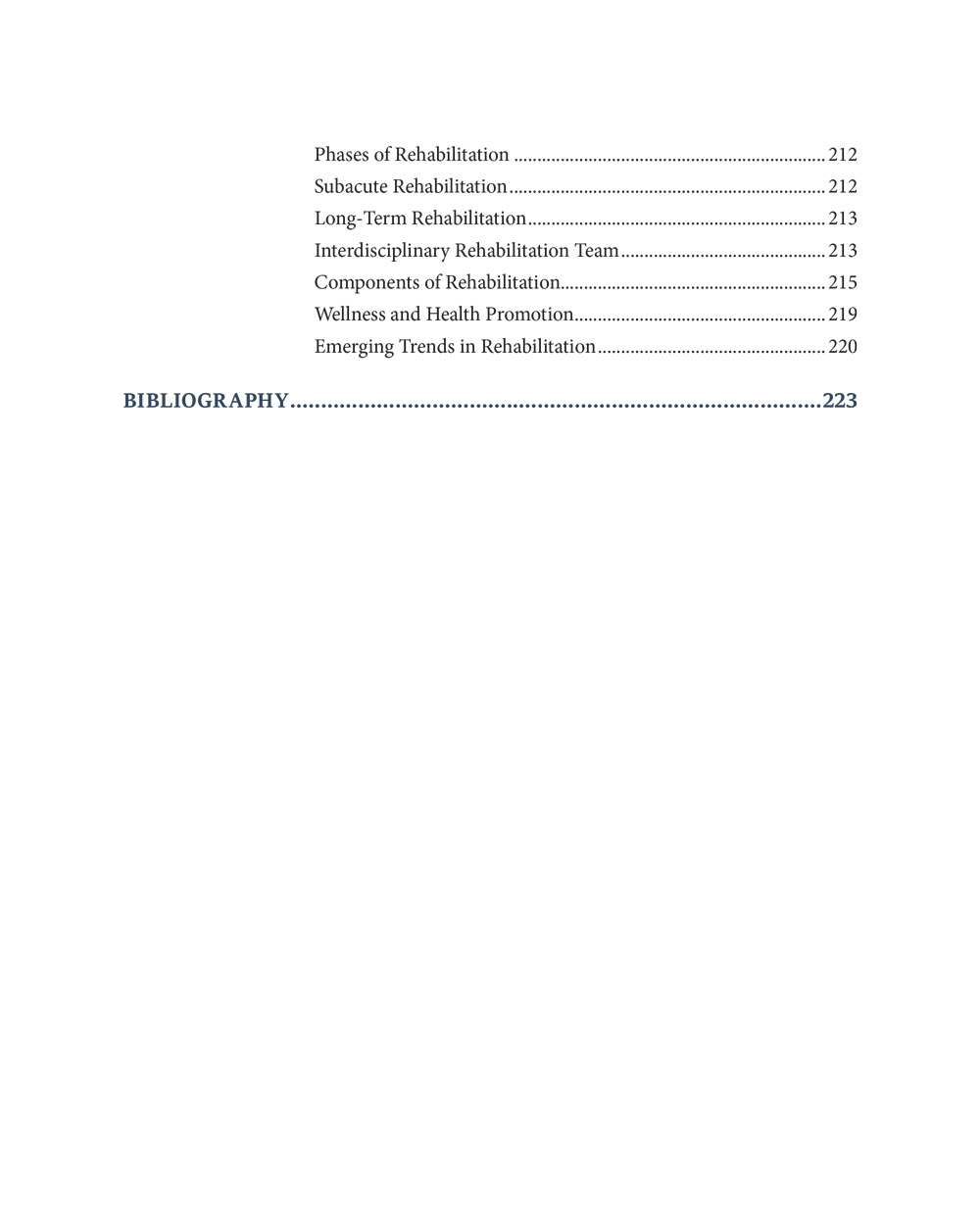
| Phases of Rehabilitation | 212 |
| Subacute Rehabilitation | 212 |
| Long-Term Rehabilitation | 213 |
| Interdisciplinary Rehabilitation Team | 213 |
| Components of Rehabilitation | 215 |
| Wellness and Health Promotion | 219 |
| Emerging Trends in Rehabilitation | 220 |
| BIBLIOGRAPHY | 223 |
Additional information
| Weight | N/A |
|---|---|
| Select Book Type | Printed English (Hardcover), eBook English, Printed English (Hardcover) + eBook English, eBook Chinese Simplified (简体)* + eBook English, eBook Chinese Traditional (繁体)* + eBook English, eBook Spanish* + eBook English, eBook Japanese* + eBook English, eBook Vietnamese* + eBook English, eBook Thai* + eBook English, eBook Arabic* + eBook English, eBook Korean* + eBook English, eBook Indonesian* + eBook English, eBook Portuguese* + eBook English, eBook Russian* + eBook English |
Only logged in customers who have purchased this product may leave a review.
You may also like…
-
 Select options This product has multiple variants. The options may be chosen on the product page
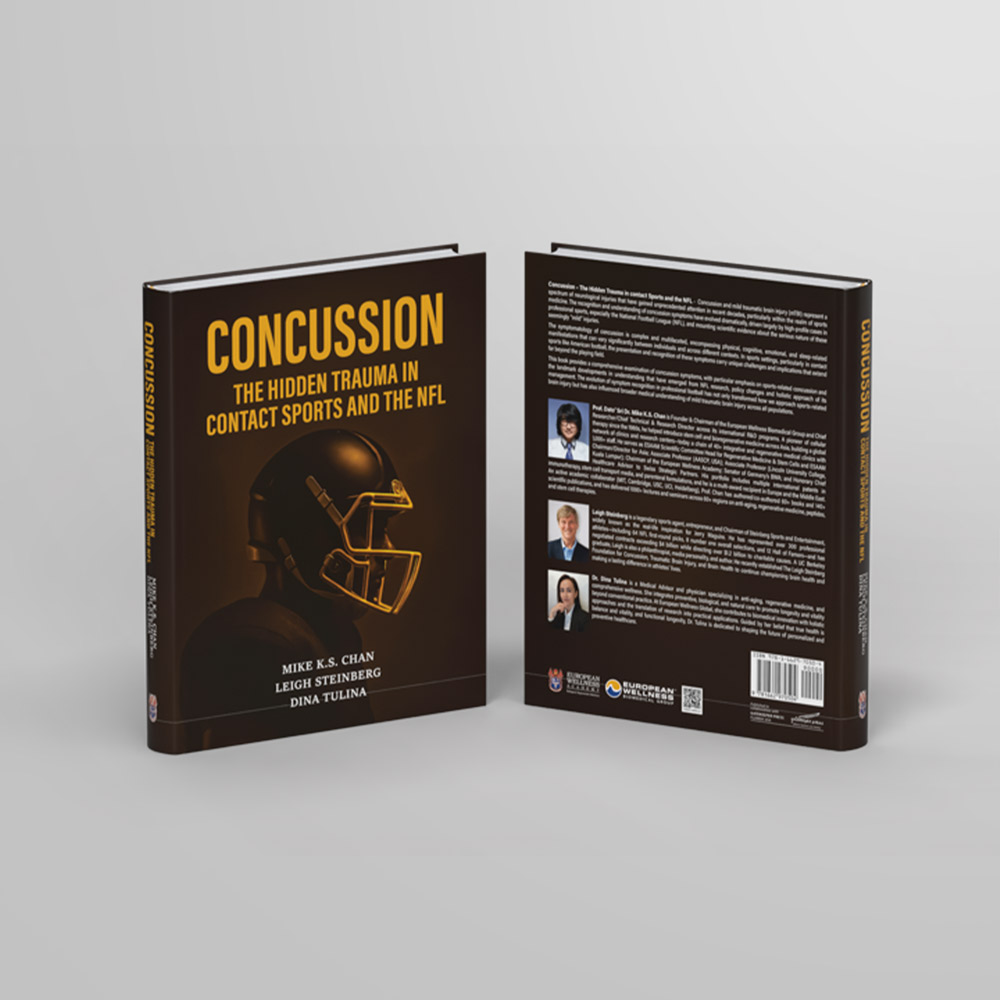
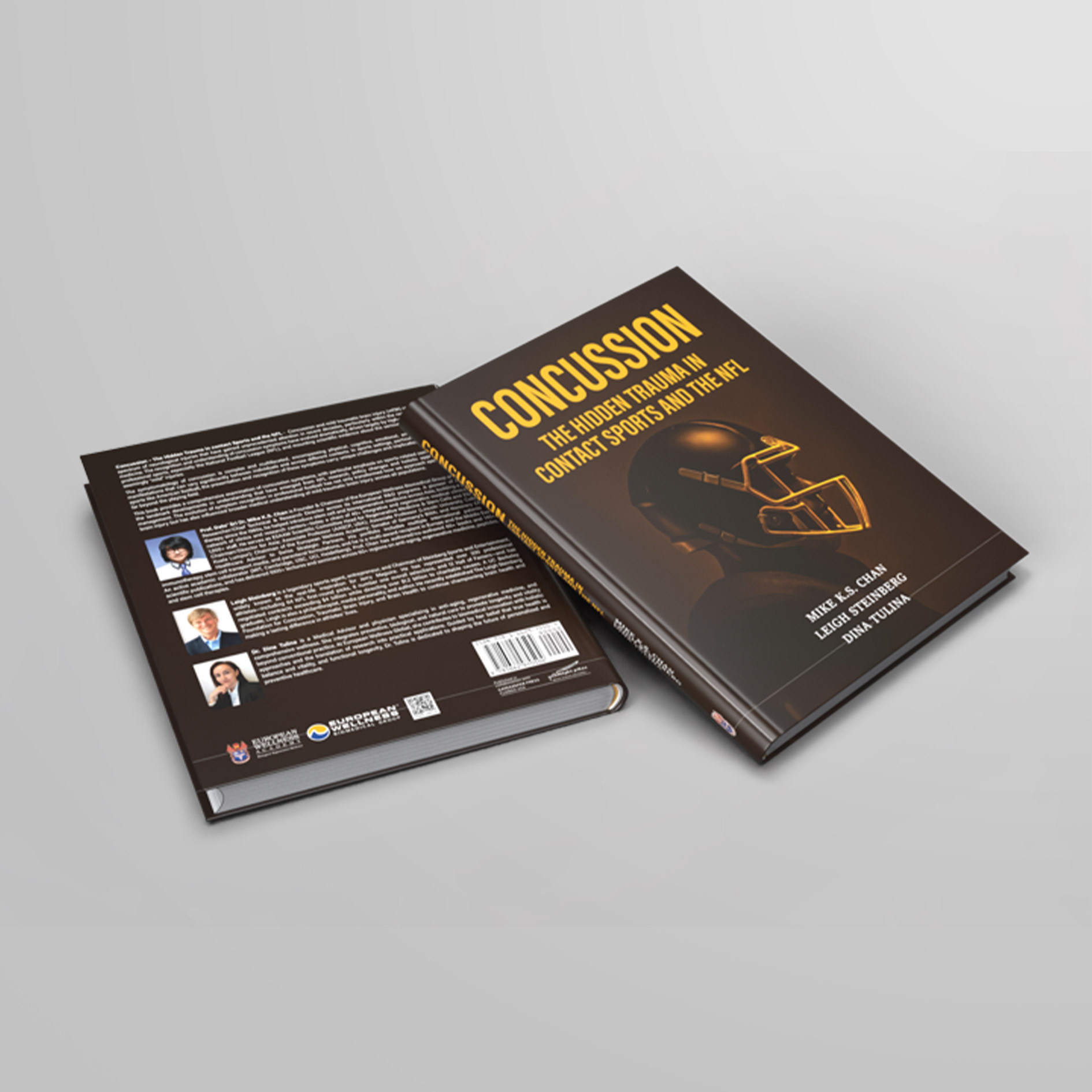
Concussion: The Hidden Trauma of Contact Sports and the NFL
Price range: $55.00 through $132.00 -
 Select options This product has multiple variants. The options may be chosen on the product page
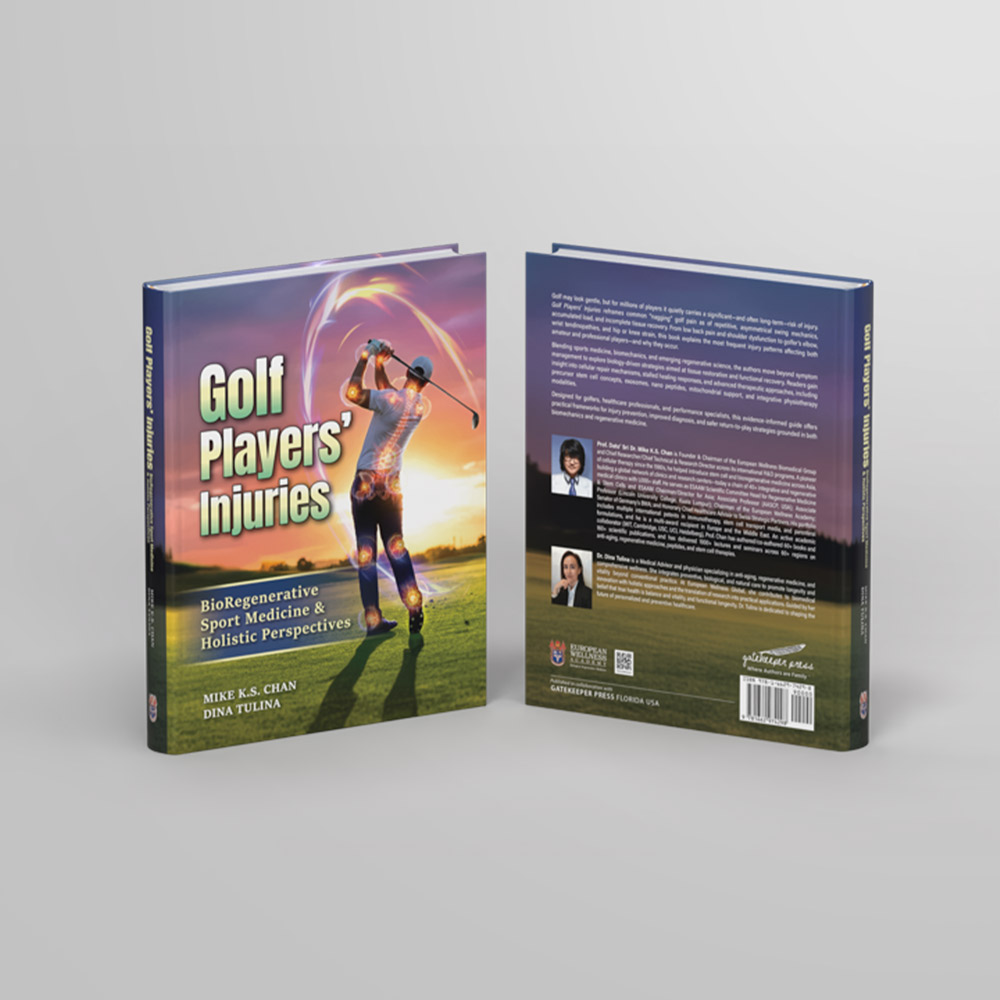
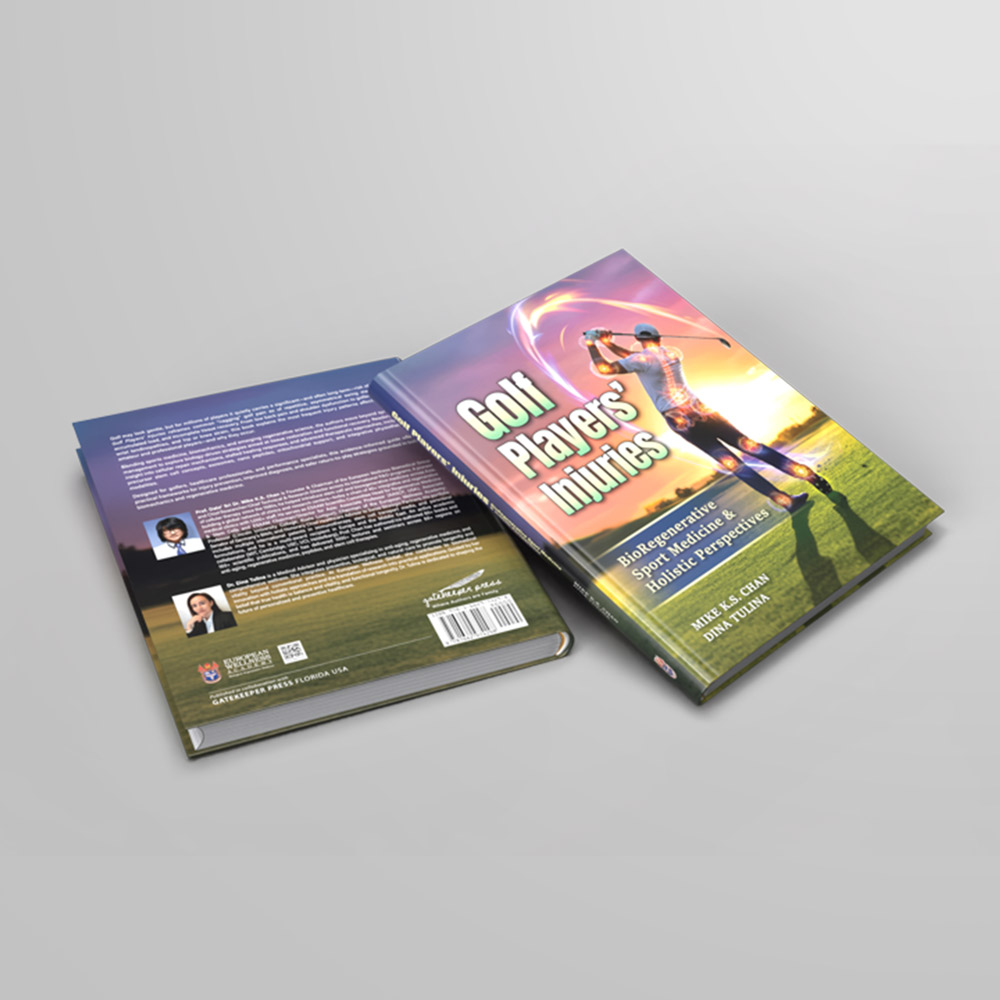
Golf Players’ Injuries: BioRegenerative Sport Medicine & Holistic Perspectives
Price range: $56.00 through $134.00
Related products
-

 Select options This product has multiple variants. The options may be chosen on the product page
Cell Membrane Therapy: Clinical Practice in Brain, Liver and Cardiovascular Diseases
Price range: $55.00 through $110.00



Reviews
There are no reviews yet.