Cellular ageing is often spoken about as though it were a single clock ticking down…
Prof. Mike Chan: The Secret of Happiness Begins with Good Health— An Exclusive Q&A in Bucharest
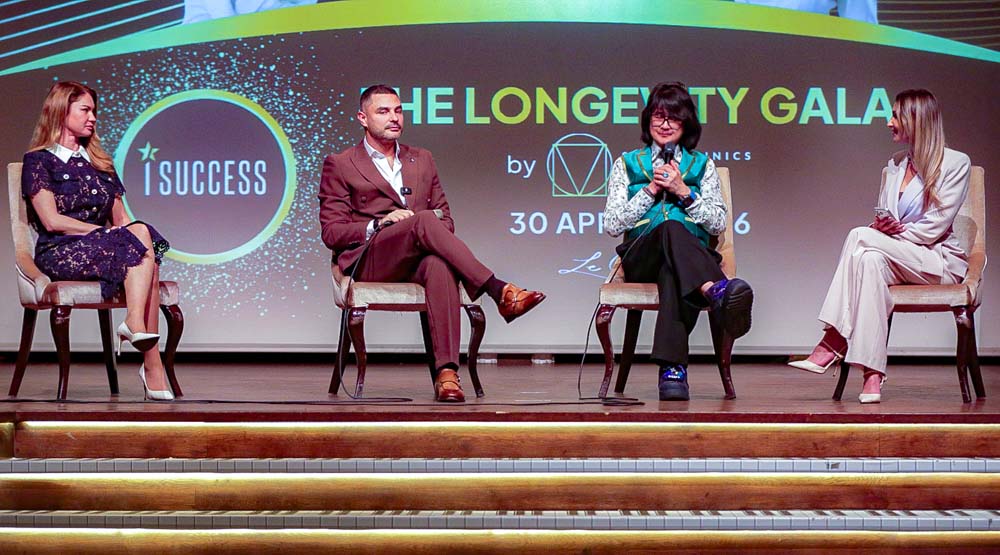
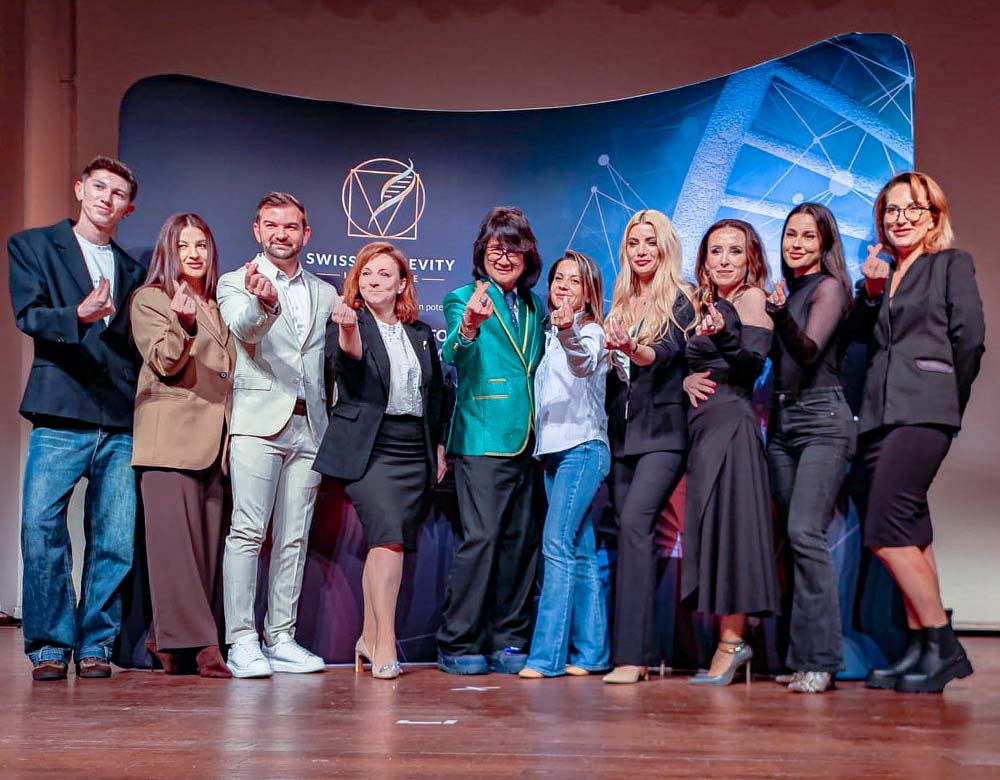
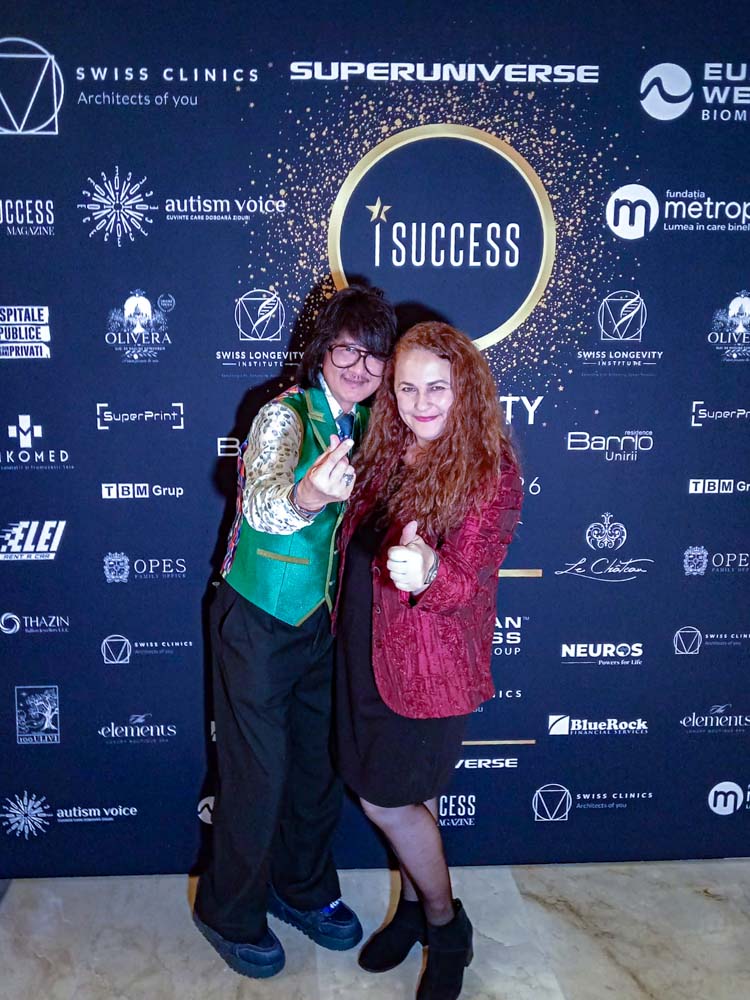
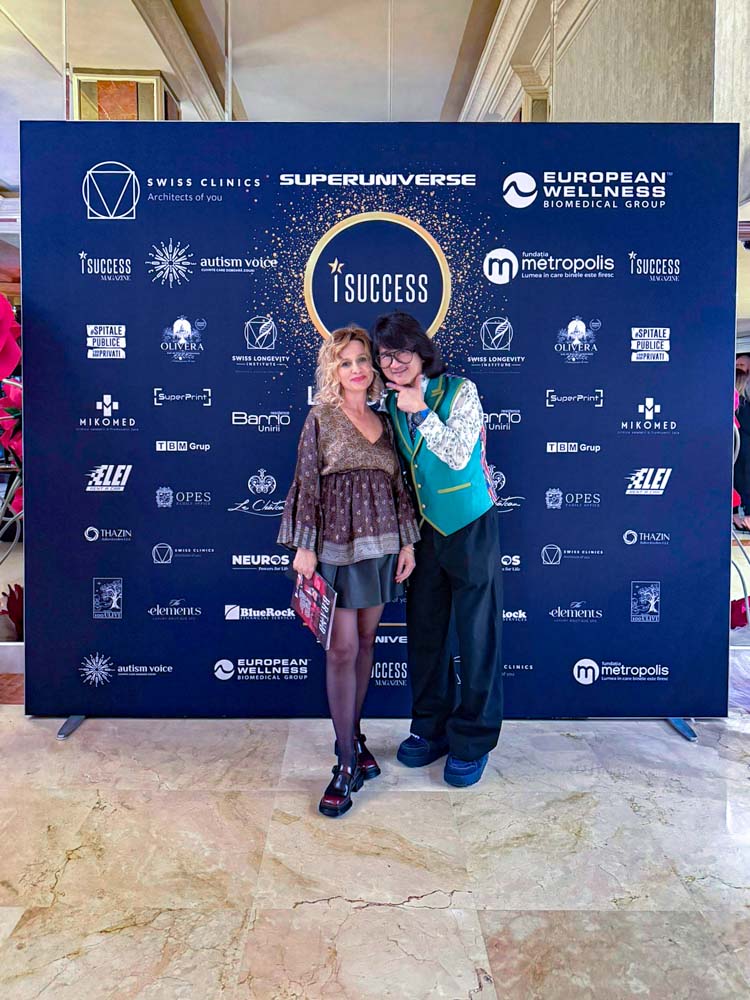
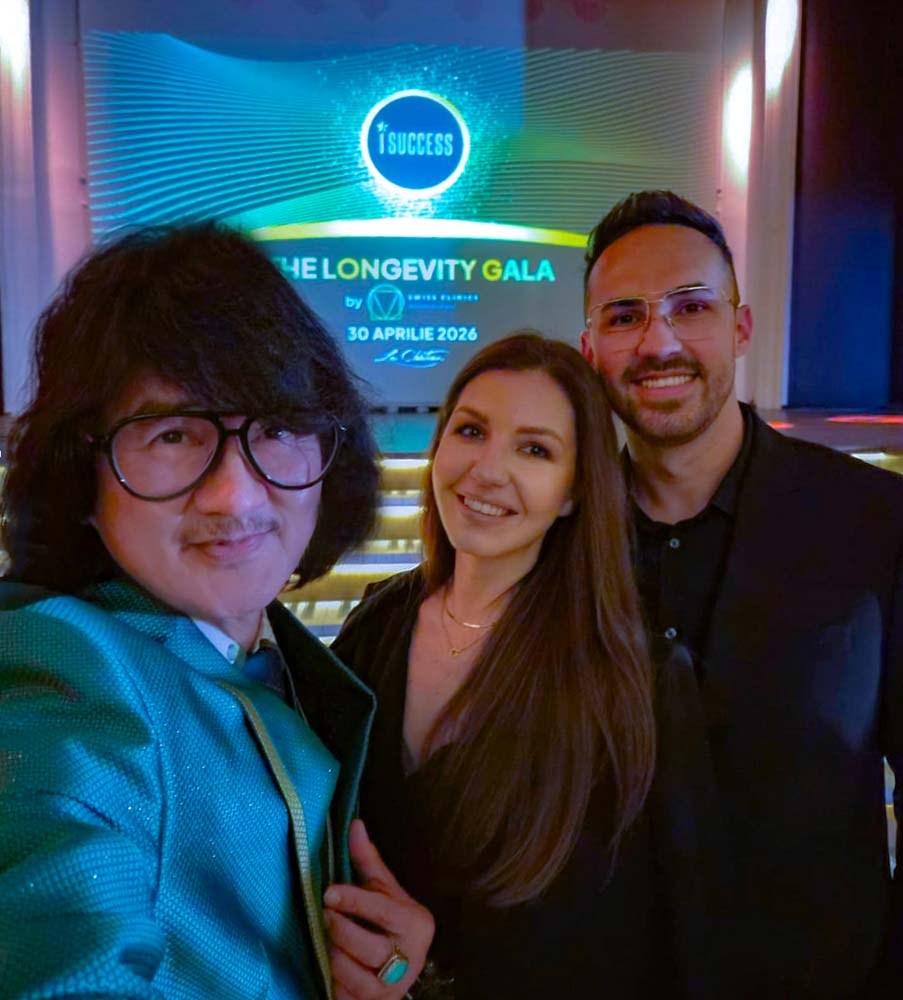
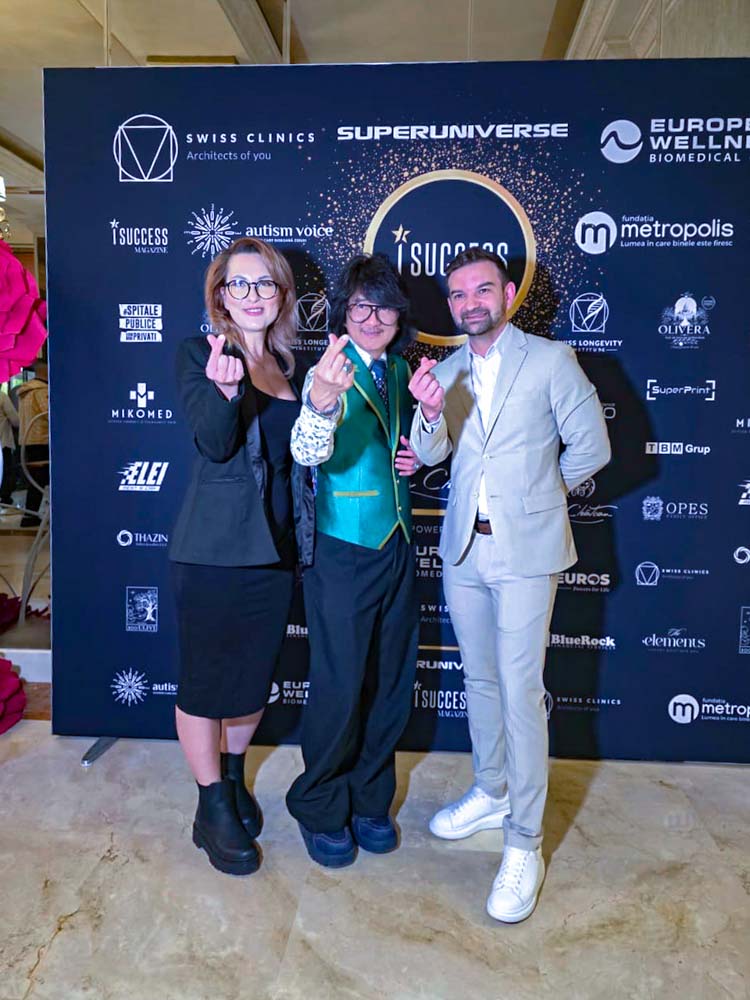
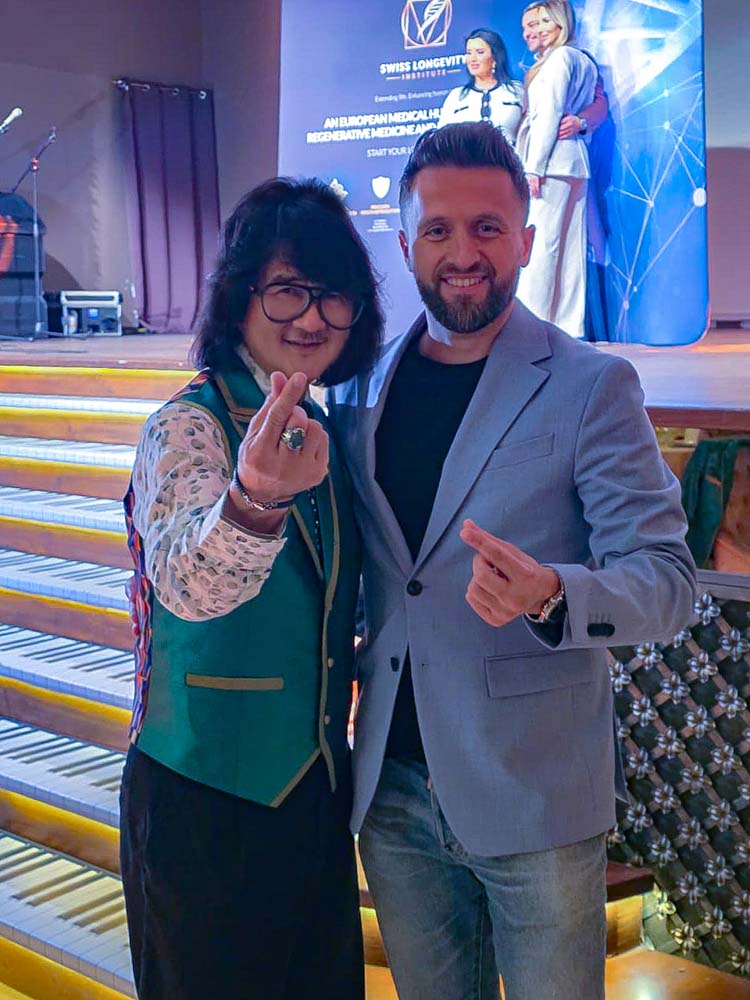
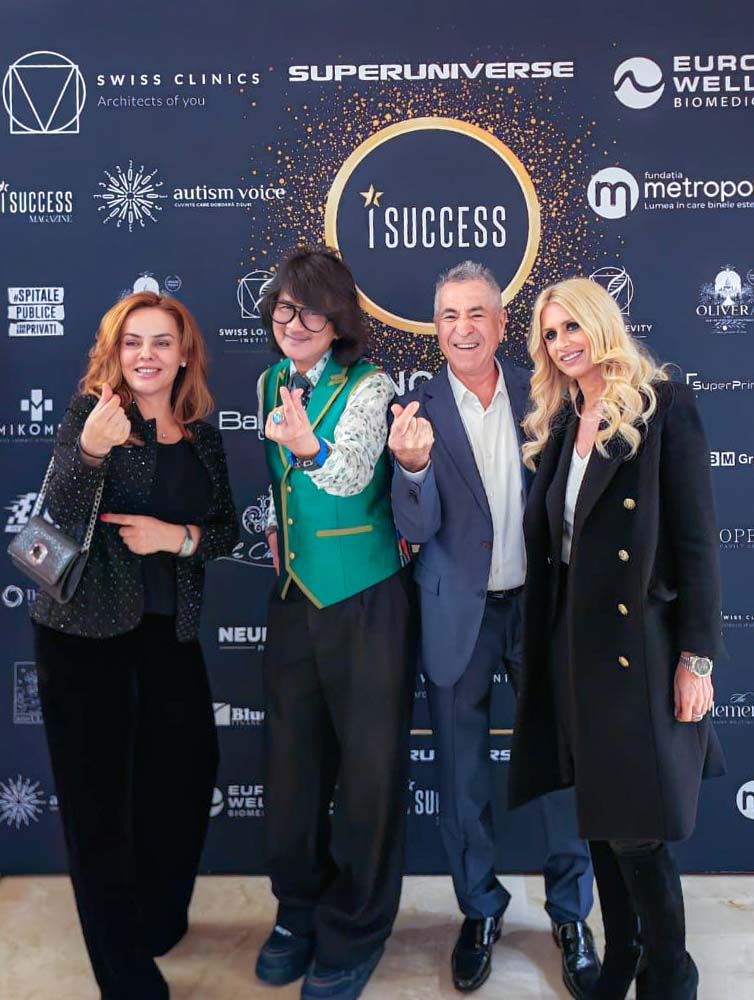
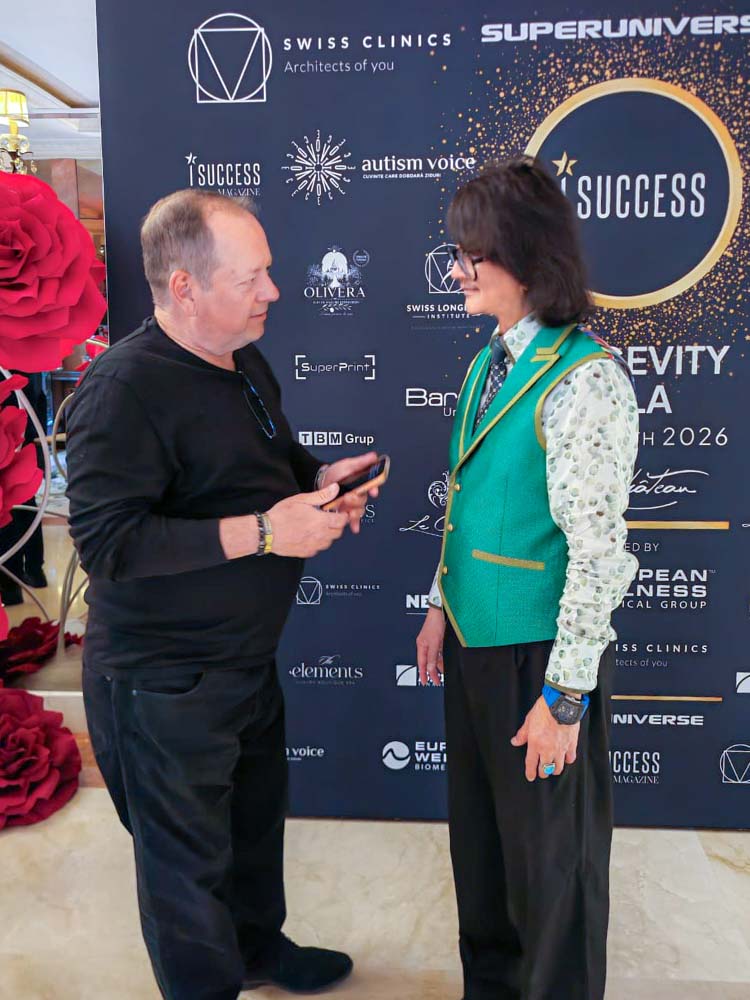
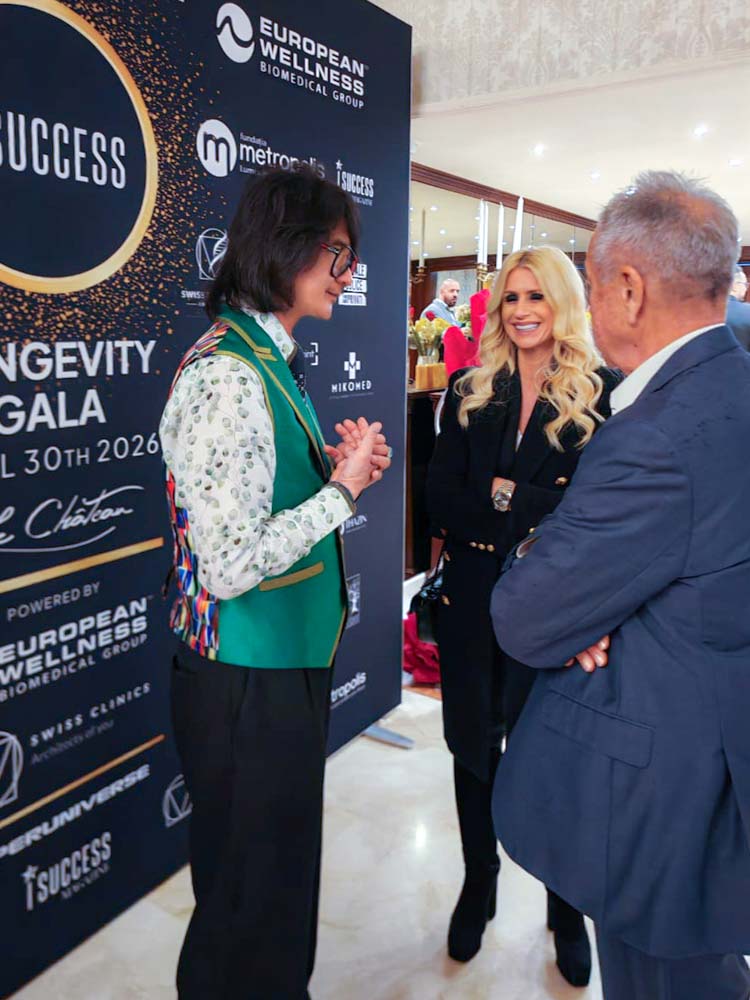
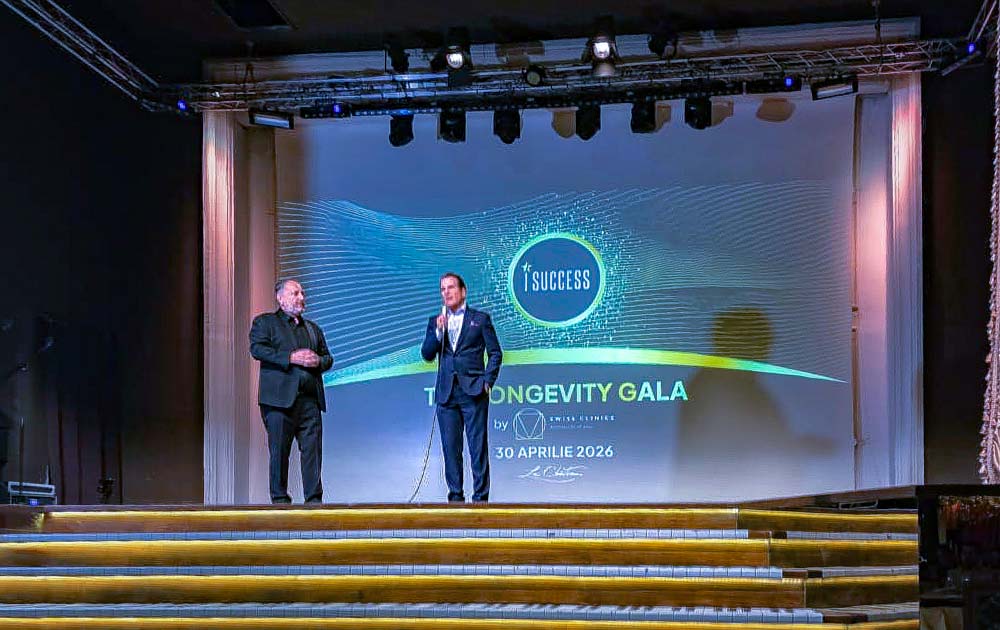
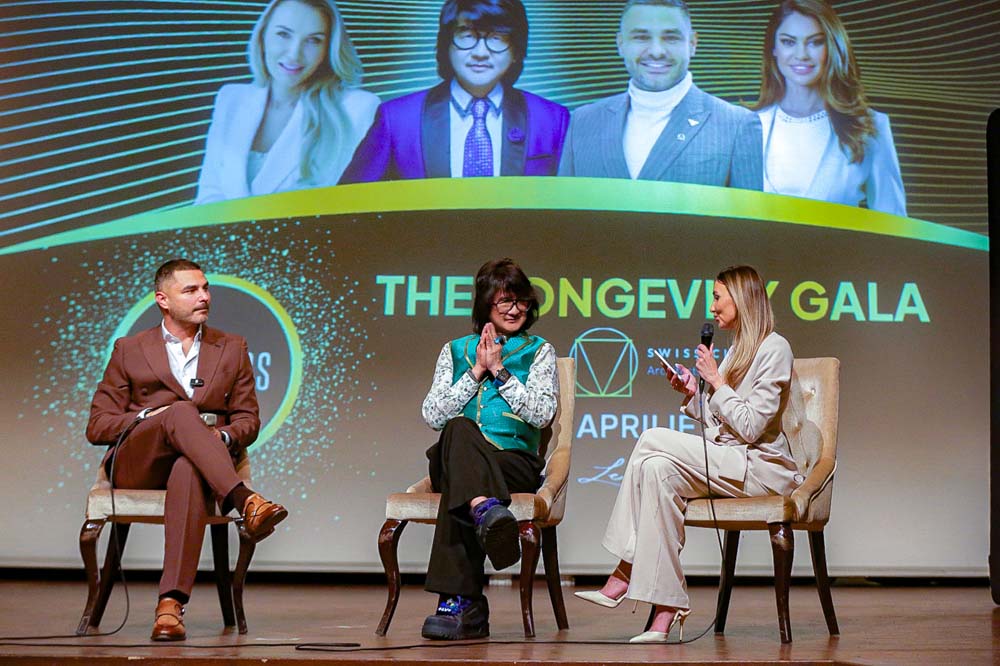
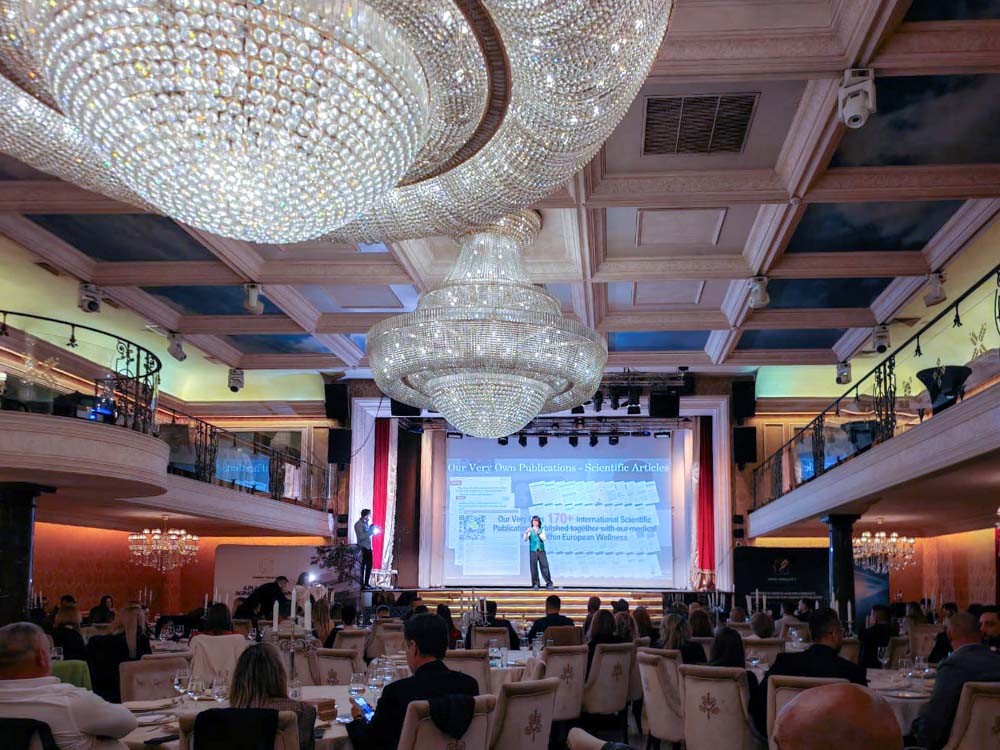
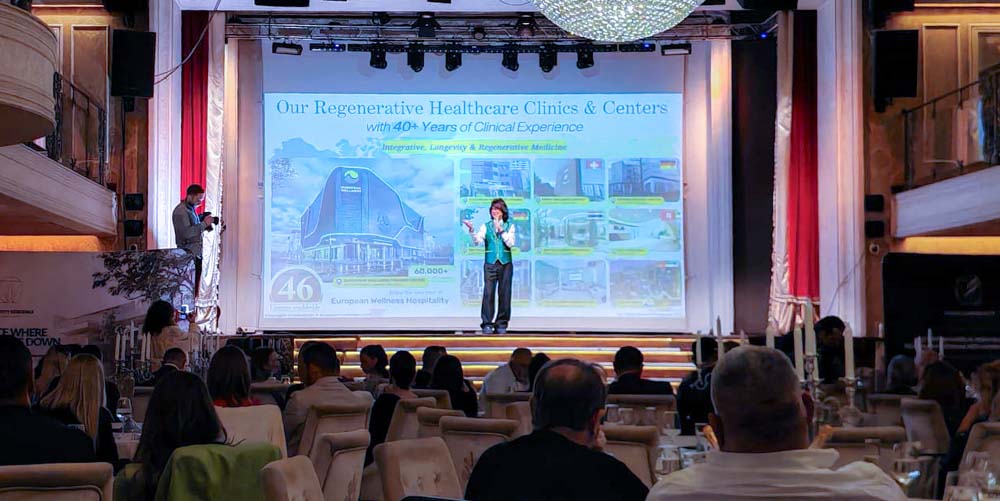
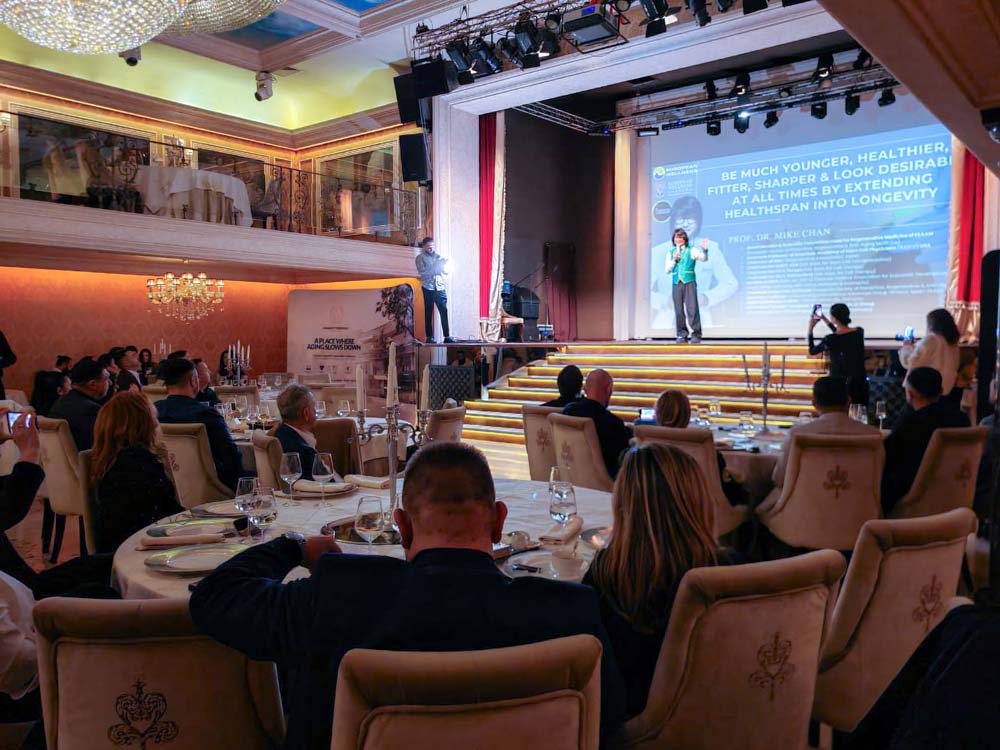
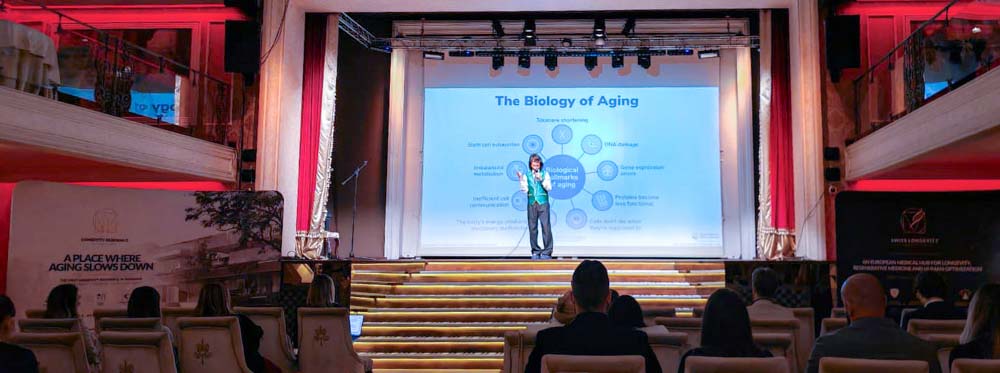
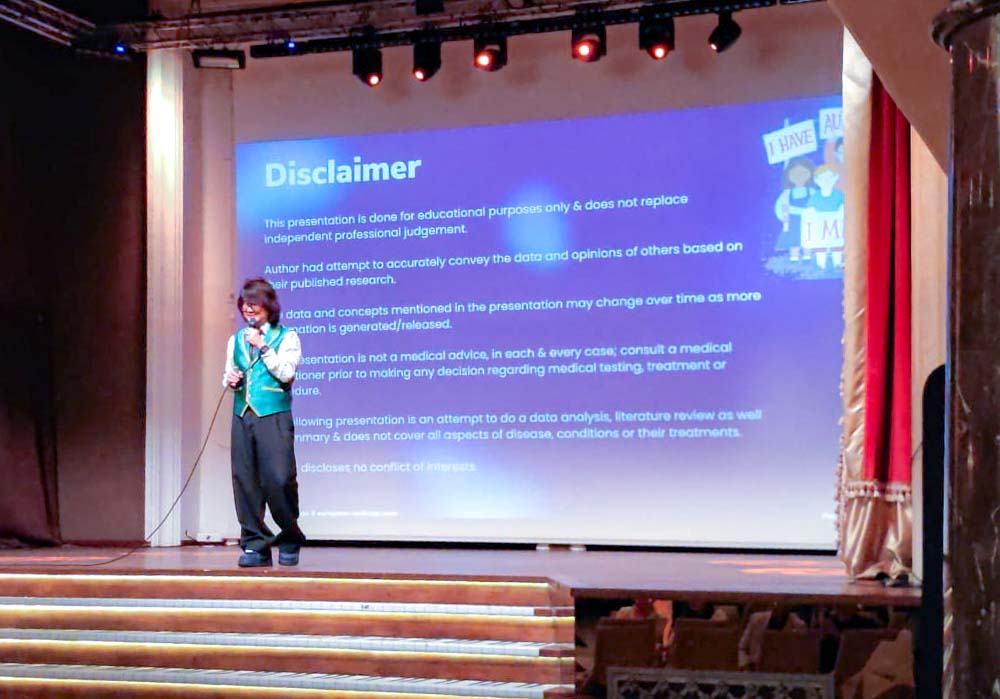
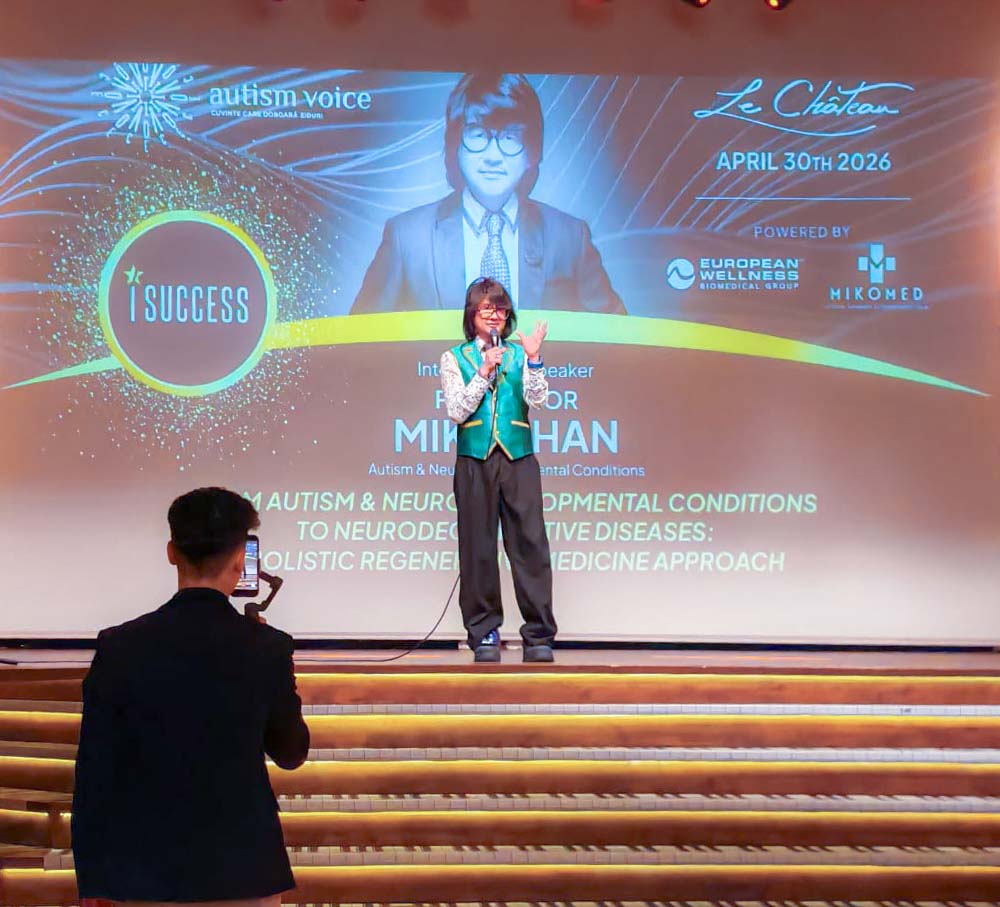
BUCHAREST, Romania (April 30, 2026) — Following a powerful keynote that set the tone for the evening, Prof. Mike K. S. Chan returned to the stage at the iSuccess Longevity & Wellness Gala Dinner for an extended Q&A session, quickly becoming one of the most engaging highlights of the event.
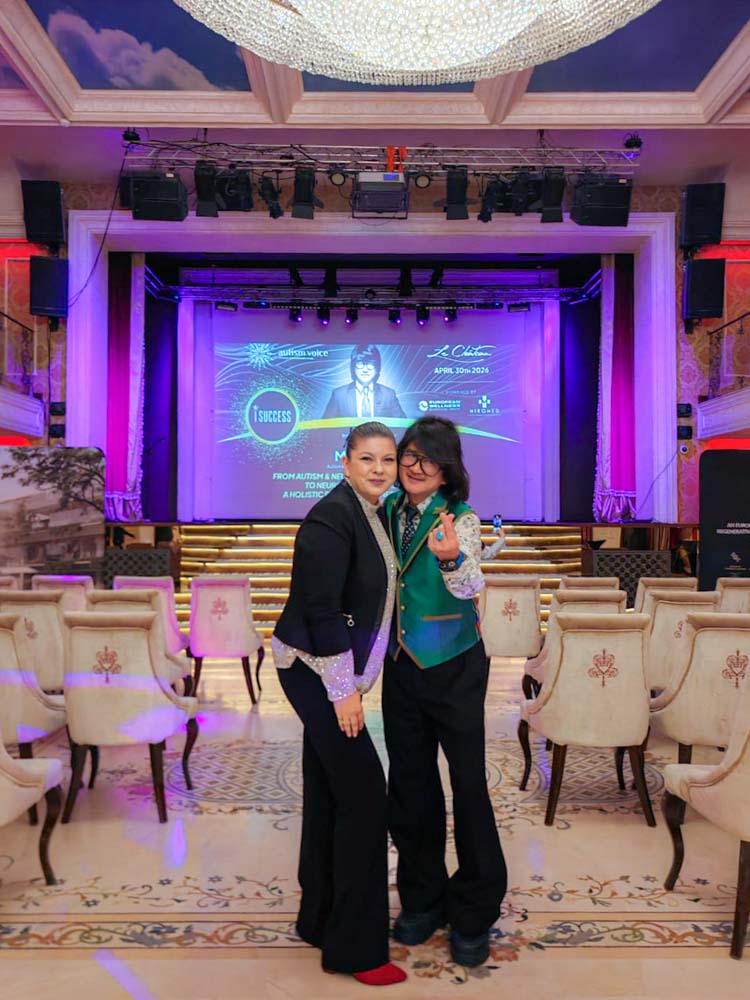
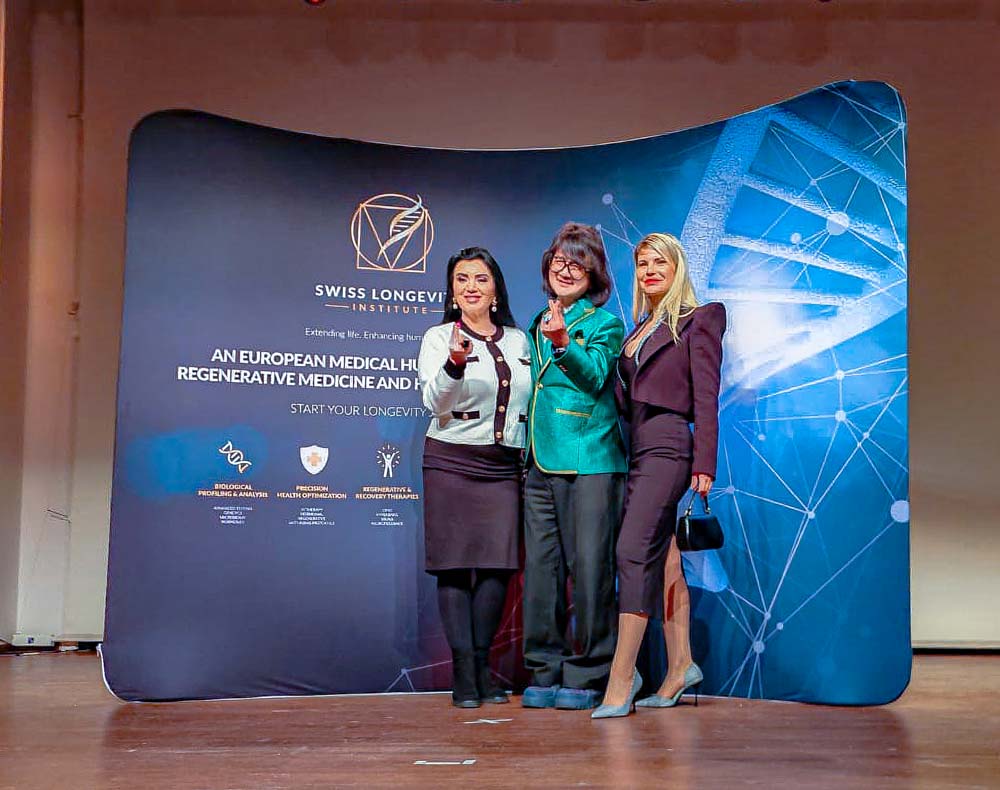
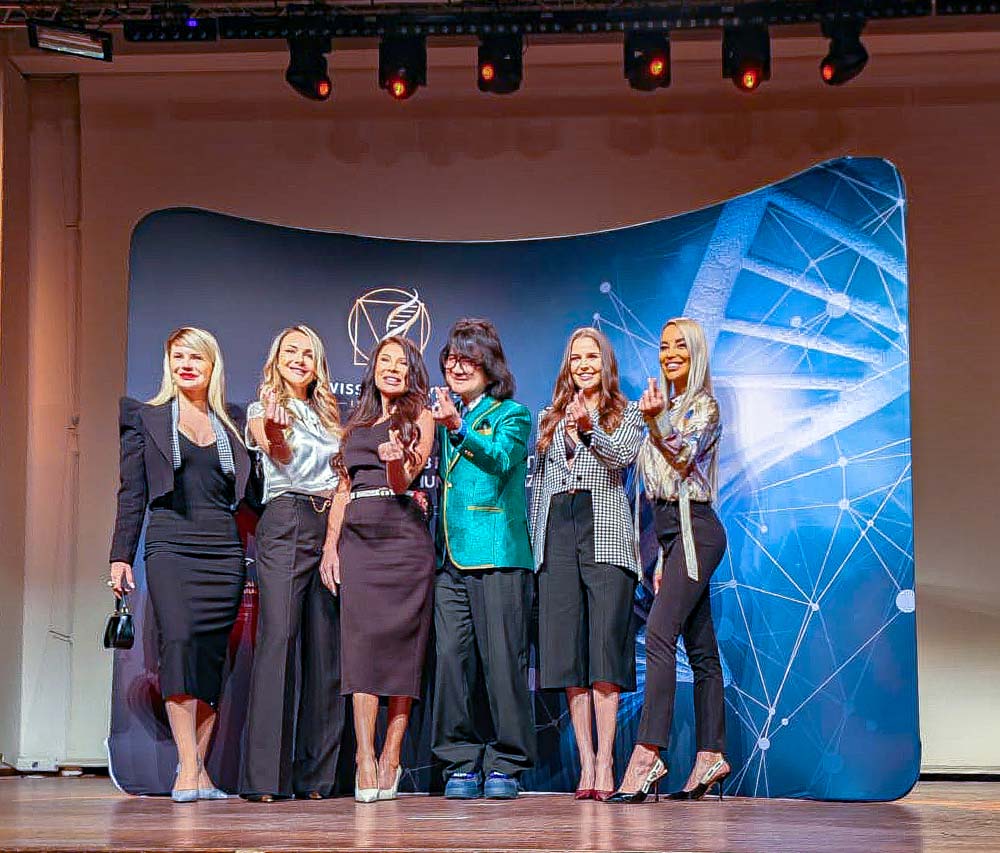
Held at the elegant Le Château, the session brought together a room of VIP guests, global business leaders, clinicians and international delegates, all eager to move beyond theory and understand how the science of longevity can be applied in real life.
One of the most unexpected moments during the Q&A came when Prof. Mike Chan spoke about the true secret of happiness and longevity.
For him, happiness is not found in accumulation, but in well-being, purpose, and human connection.
“Happiness does not come from wealth or success alone. True happiness comes from good health, meaningful relationships, and living within a strong and caring community,” said Prof. Mike Chan
Drawing parallels with the world’s Blue Zones, regions known for exceptional longevity, Prof. Chan noted that the happiest and longest-living people often lead simple lives, eat modest diets, stay socially connected, and live not just for themselves, but as part of a larger community.
What followed was a rare and candid exchange, where complex regenerative medicine concepts were distilled into practical, down-to-earth everyday insights.
Q1: What is the difference between true regeneration and traditional treatment?
Chan began by addressing a fundamental shift in modern medicine, moving from managing disease to restoring function.
“What we aim to do is regeneration. As long as there are cells that are still alive, even within a damaged organ, those cells can potentially be regenerated.”
Rather than relying on generalised approaches, he emphasised the importance of biological precision.
“You cannot use a single, generic solution to treat every condition. Biology doesn’t work that way, it requires precision, specificity, and the right signals to restore function.”
Q2: Do we really need intense exercise to stay healthy?
In a surprising and relatable moment, Chan challenged conventional fitness expectations, especially for those with demanding lifestyles.
“People often ask me about exercise. I always say—I don’t exercise… I work 16 to 18 hours a day.”
Instead, he highlighted the power of consistent movement.
“I am constantly moving… walking, traveling, going up and down floors. This level of activity keeps the body functioning.”
His advice was simple and accessible:
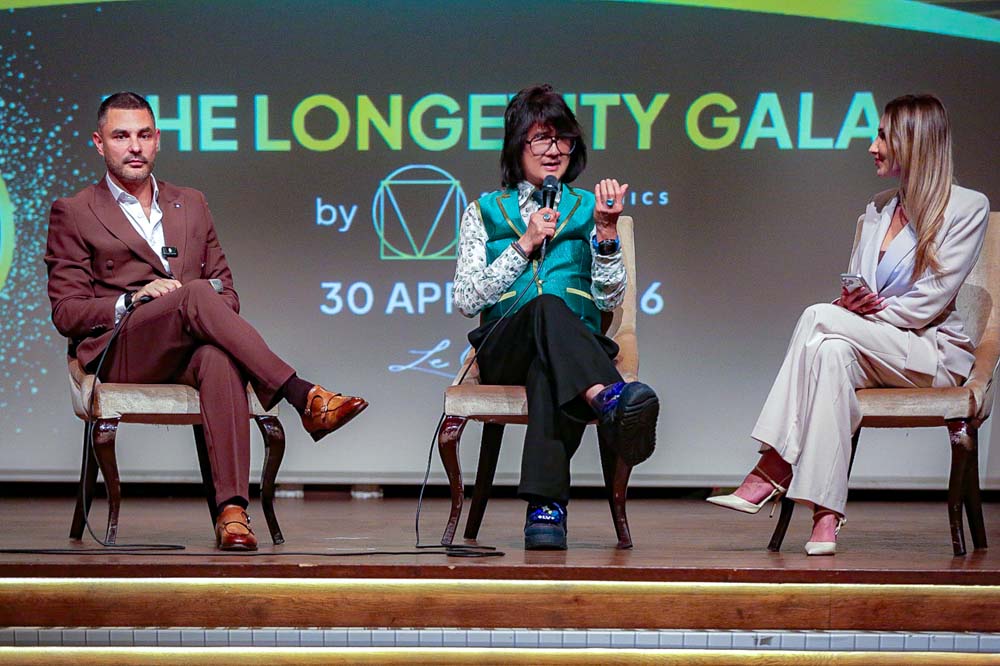
“If you don’t want to run, then walk. Walking is already good enough.”
Q3: What is your view on fasting, diet, and weight management?
On nutrition, Chan offered a balanced and practical perspective, supporting fasting, but with caution.
“Fasting is very important… but not everyone should jump into a 16-hour fast immediately.”
He recommended a gradual approach, allowing the body to adapt over time.
When it comes to longevity, his observation was clear:
“If you observe the most long-living individuals, you will almost always find that they are lean.”
He added that excess weight is more than a cosmetic issue.
“It is a signal from your body that something is not right.”
Q4: How do we measure aging beyond appearance?
Chan stressed that ageing cannot be judged by looks alone.
“Biological age is more important than chronological age.”
The most accurate indicators, he said, come from internal data—blood tests and organ function markers.
At the same time, the body provides visible clues.
“If someone walks with poor posture or instability, it may indicate underlying health issues.”
He also pointed to central obesity as a key warning sign:
“Your abdominal size should not exceed your chest size.”
Q5: What does the future of medicine look like?
Looking ahead, Chan outlined a shift that could redefine healthcare entirely, moving away from organ replacement toward cellular restoration.
“Instead of replacing the whole organ, we can focus on restoring the cells.”
He illustrated this with examples from kidney and liver conditions, where targeted cellular support could maintain function without full transplantation.
Returning to his central philosophy, he emphasized the following:
“At the end of the day, longevity is not just about lifespan but about healthspan.”
A Masterclass in Everyday Longevity
What set this session apart was its immediacy. Beyond scientific frameworks, Chan translated decades of research into actionable insights—movement over intensity, gradual lifestyle changes, and a deeper awareness of the body’s internal signals.
In a setting defined by global influence and high-level discourse, the Q&A grounded the conversation in something more personal: how individuals can take control of their own healthspan.
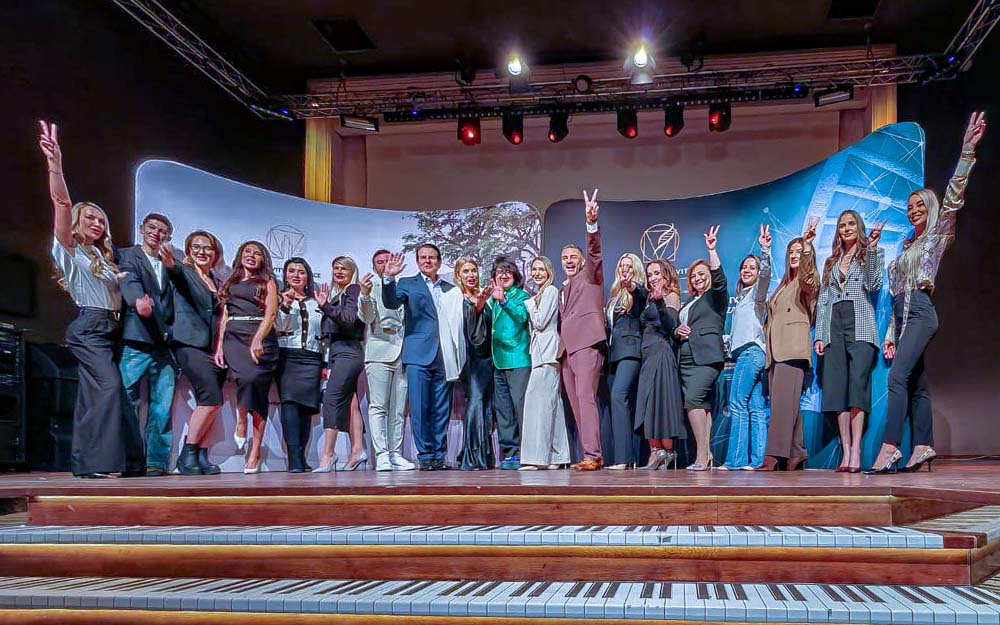
As the session concluded, the message resonated clearly across the room—longevity is not just a concept for the future, but a practice shaped by daily choices.





Follow European Wellness:



Follow European Wellness Academy:
Follow Prof. Dato’ Sri Dr. Mike Chan:

Related Posts