Immerse yourself in a glamorous landscape of emerging trends and lucrative opportunities at Cosmoprof Asia…
Prof Mike Chan Accorded Work Station at Beijing’s Children’s Hospital for Autism & Special Needs Children
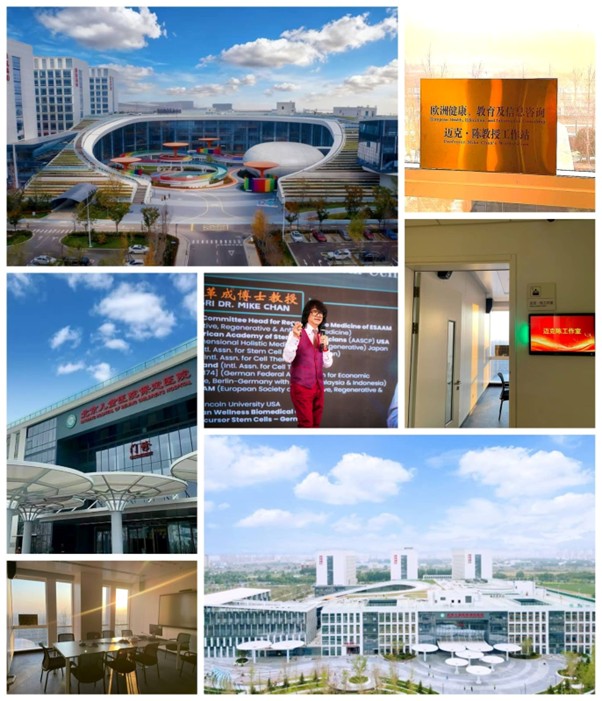
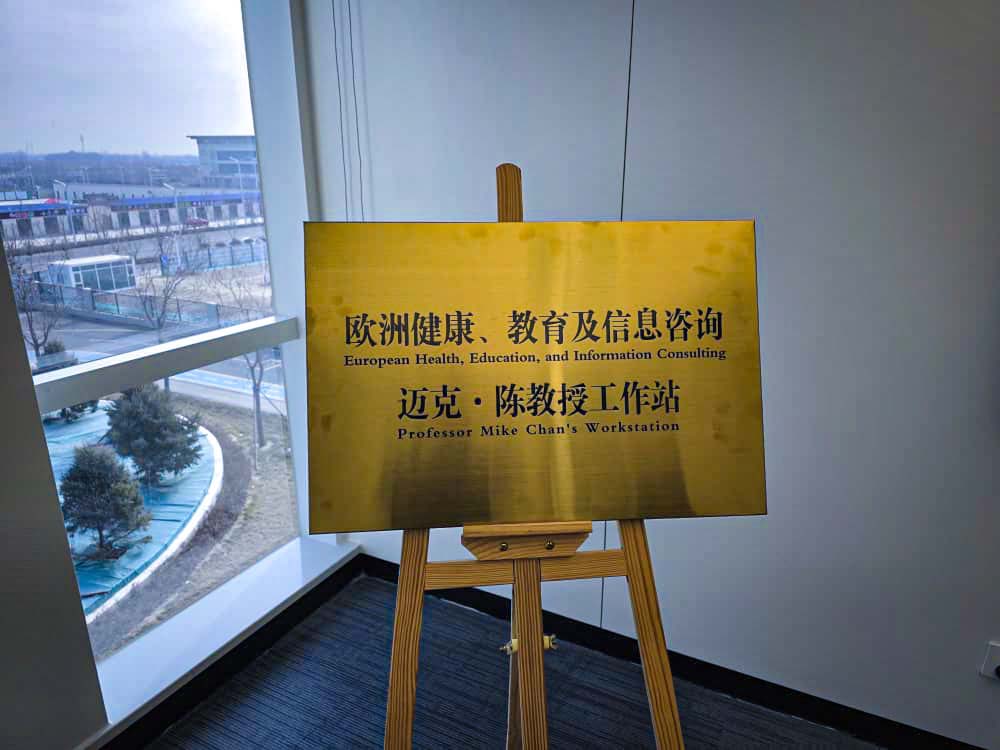
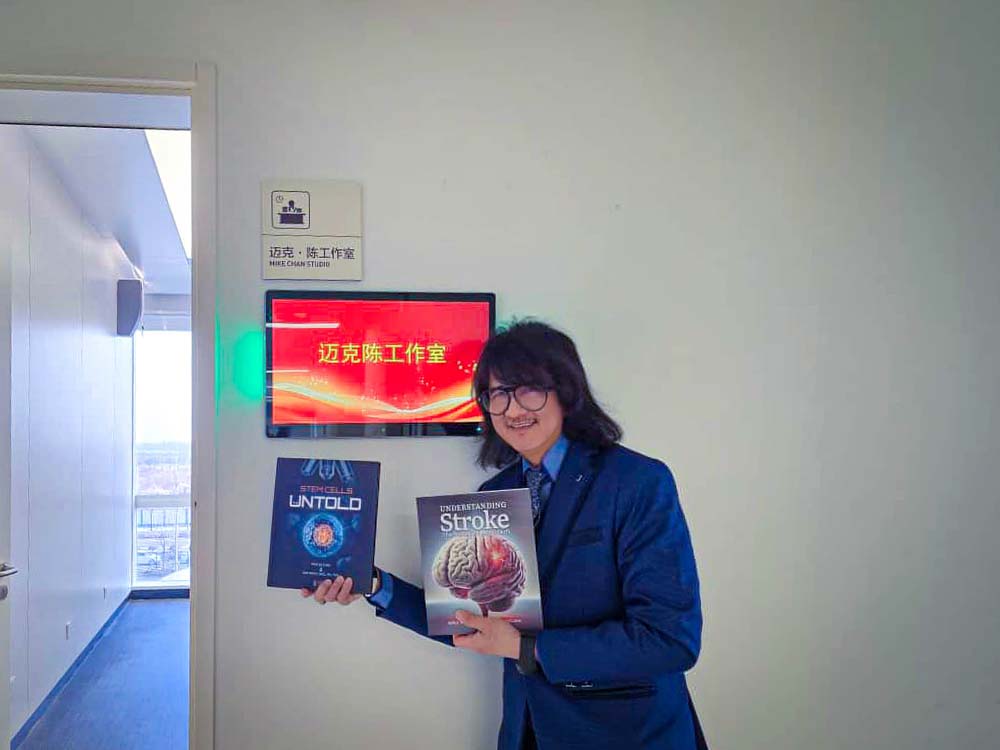
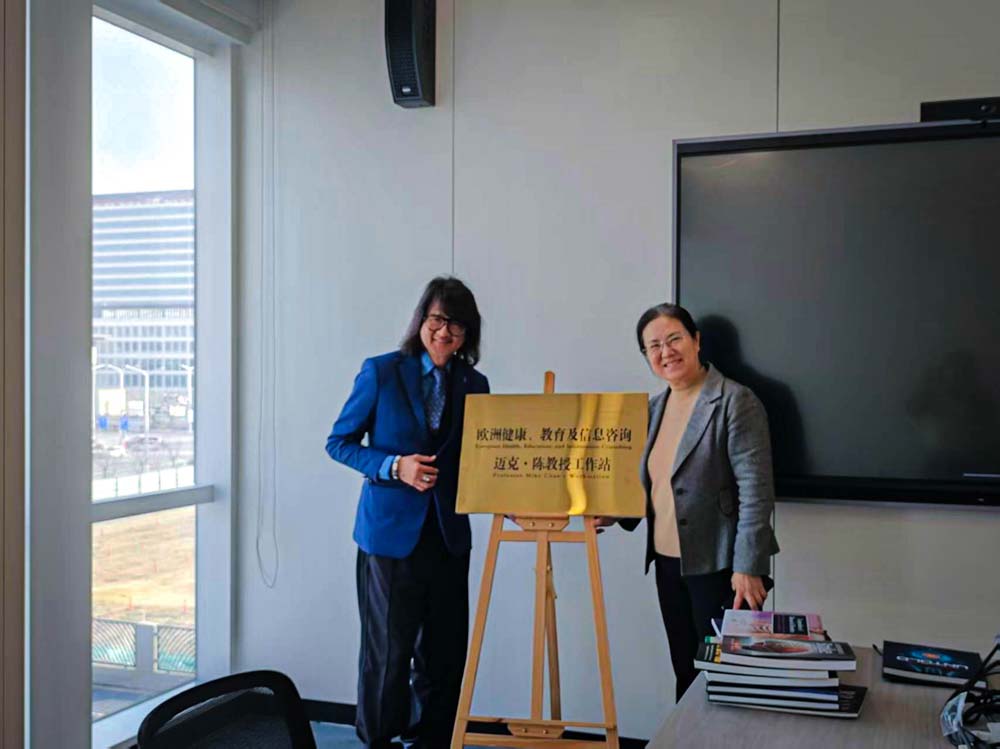
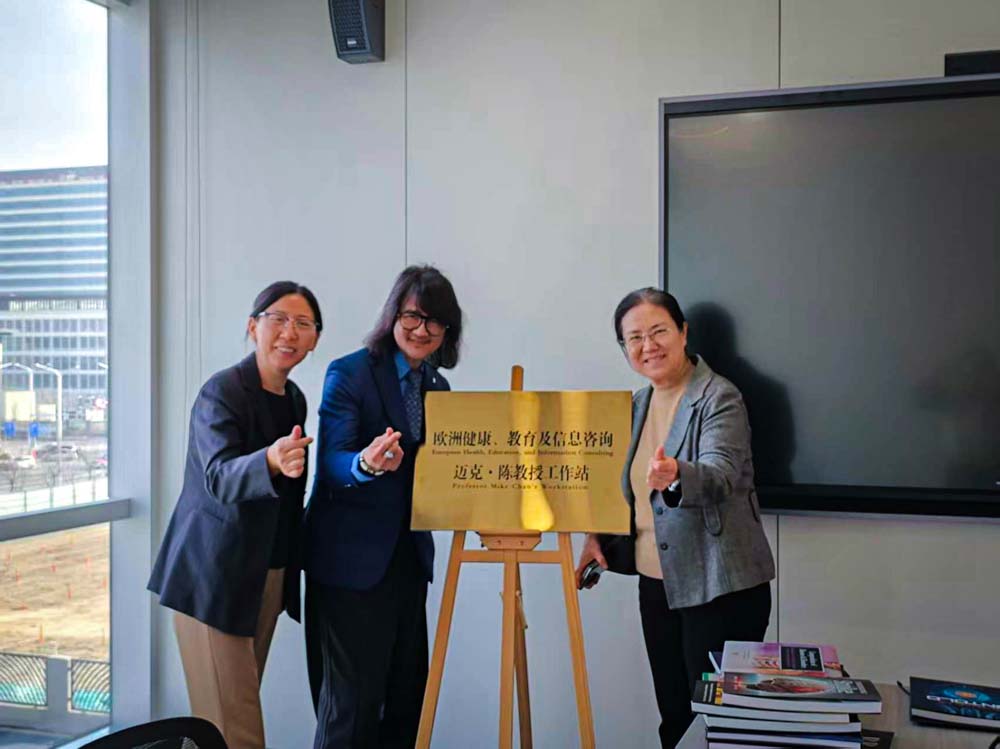
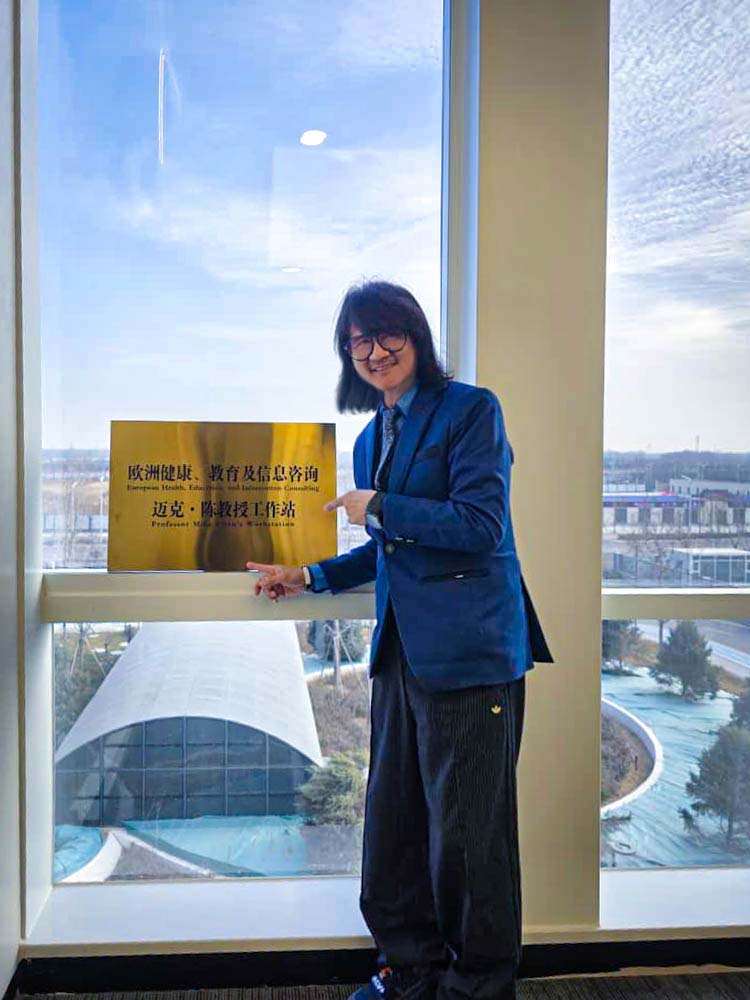
When China opened one of its largest new pediatric hospitals in Baoding, the ambition was clear: to rethink how children with complex conditions are treated. That ambition took a global turn this January, when Prof. Dr. Mike Chan — a precision medicine specialist whose work spans Europe and Asia, was granted a dedicated workstation inside the hospital, signaling a shift toward deeper international collaboration in autism research.
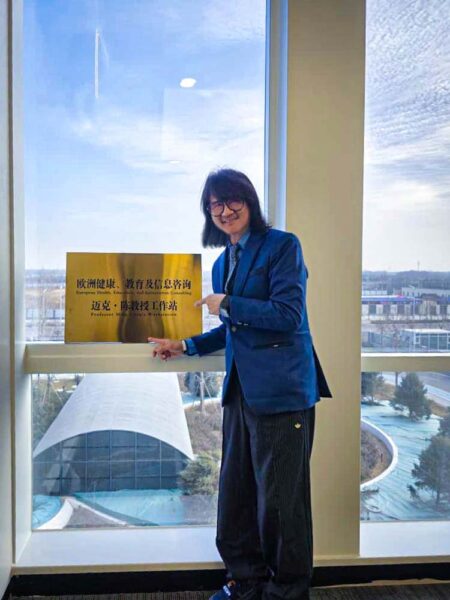
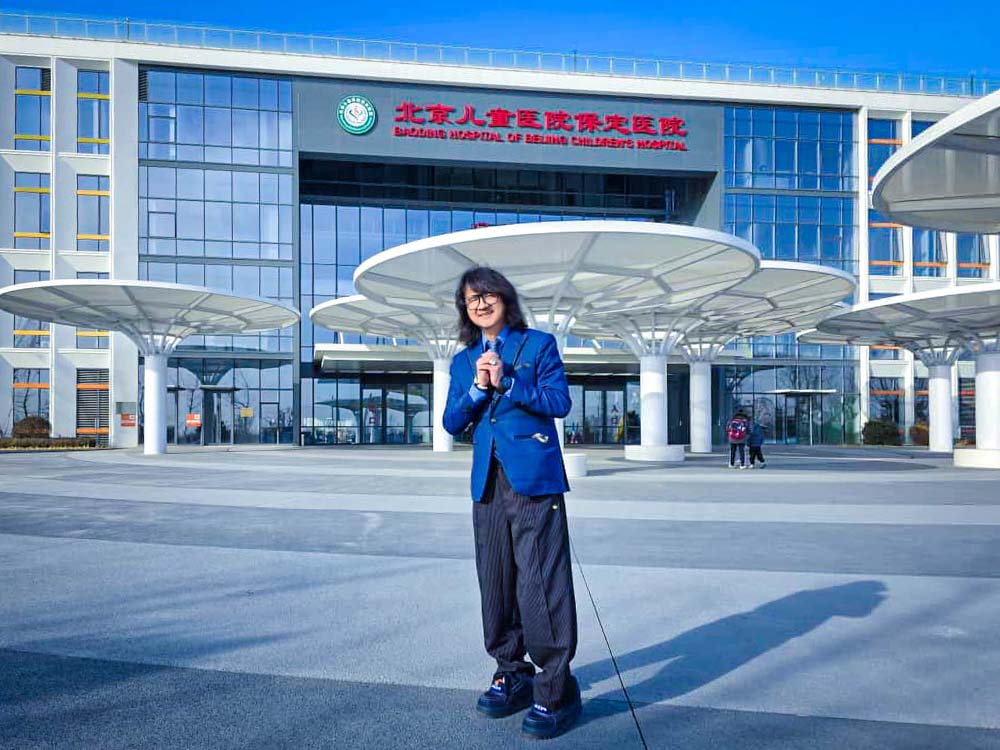
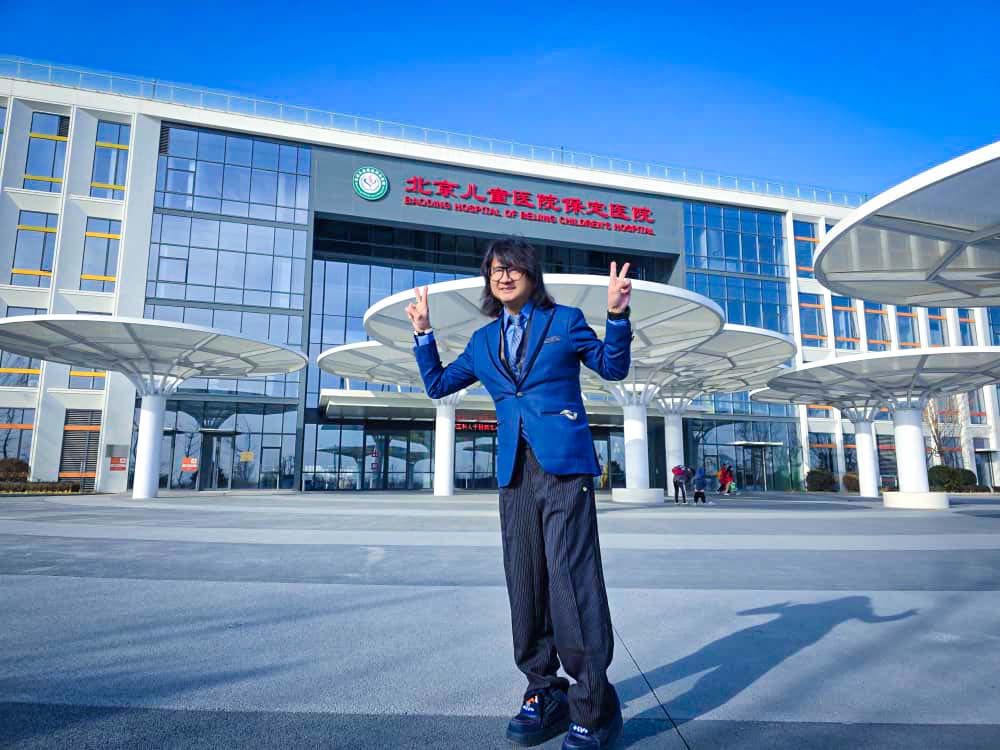
BAODING, China — January 13, 2026. A significant step forward in international collaboration on autism research was marked today as Prof. Dr. Mike Chan was formally assigned a dedicated workstation at Baoding Children’s Hospital, one of China’s newest large-scale pediatric medical facilities.
At the heart of this collaboration is a simple but uncompromising belief that Prof. Chan has carried throughout his career: every child has value, regardless of diagnosis, background, or circumstance. Autism, in his view, is not an endpoint, but a different neurological pathway that demands understanding rather than limitation.
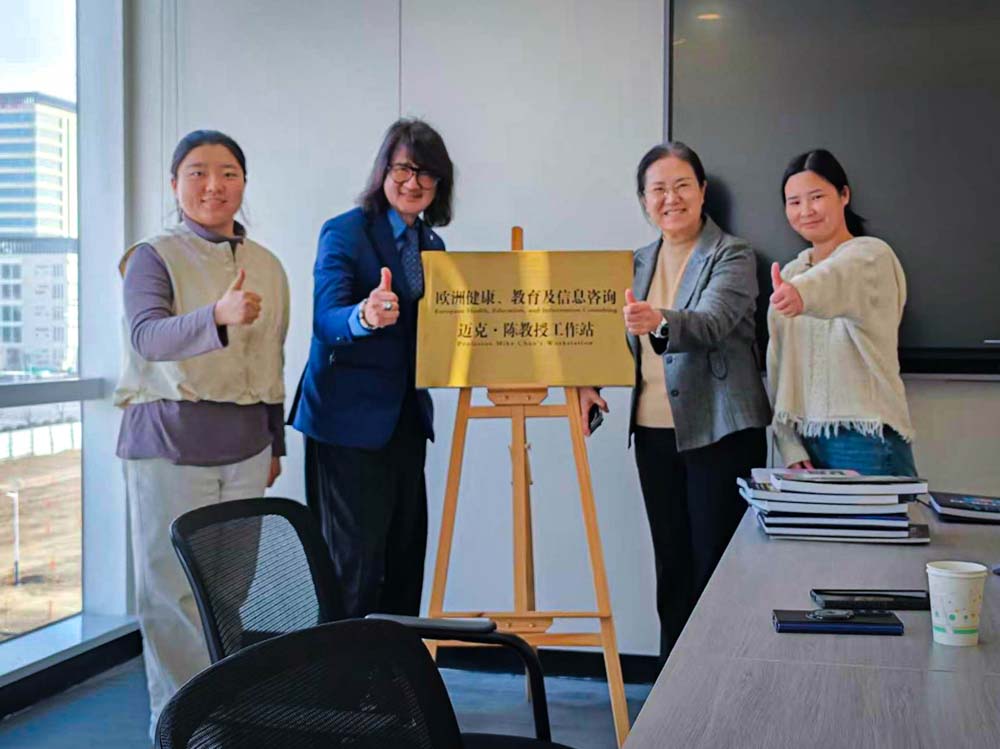
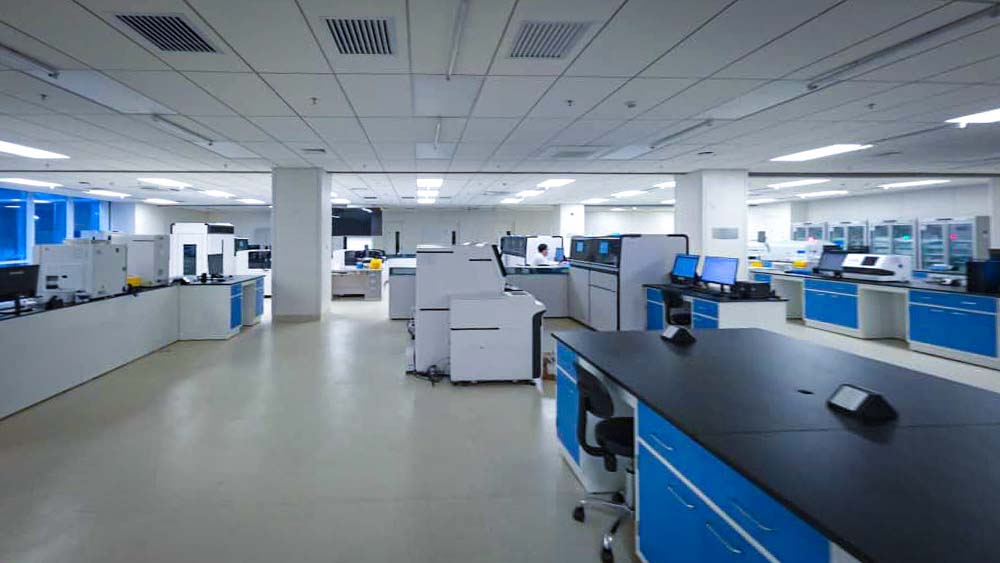
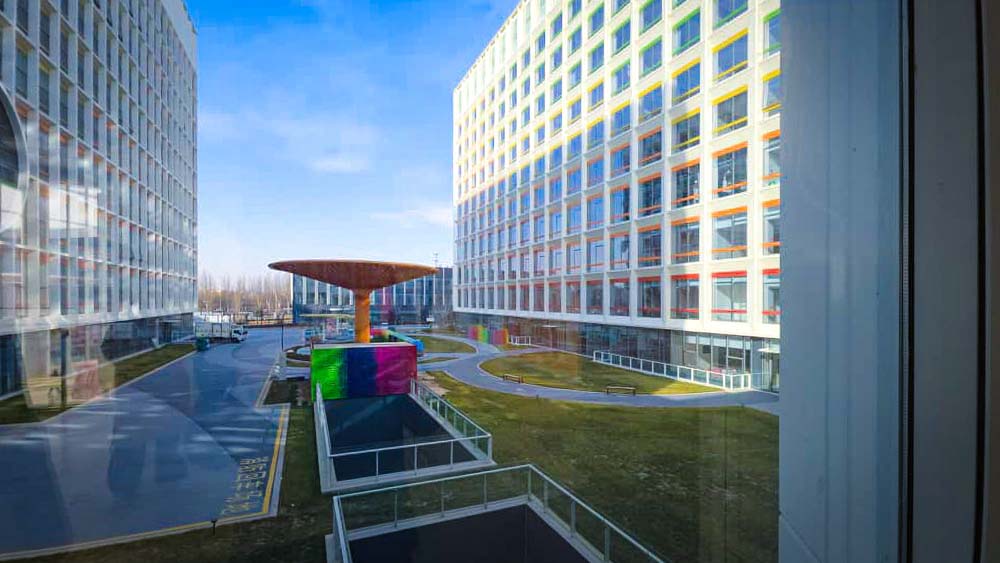
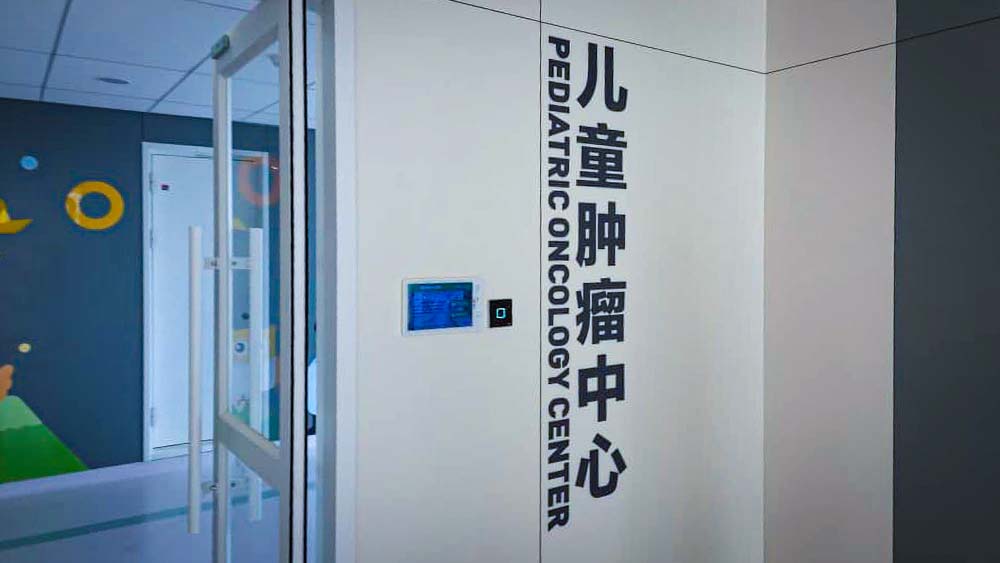
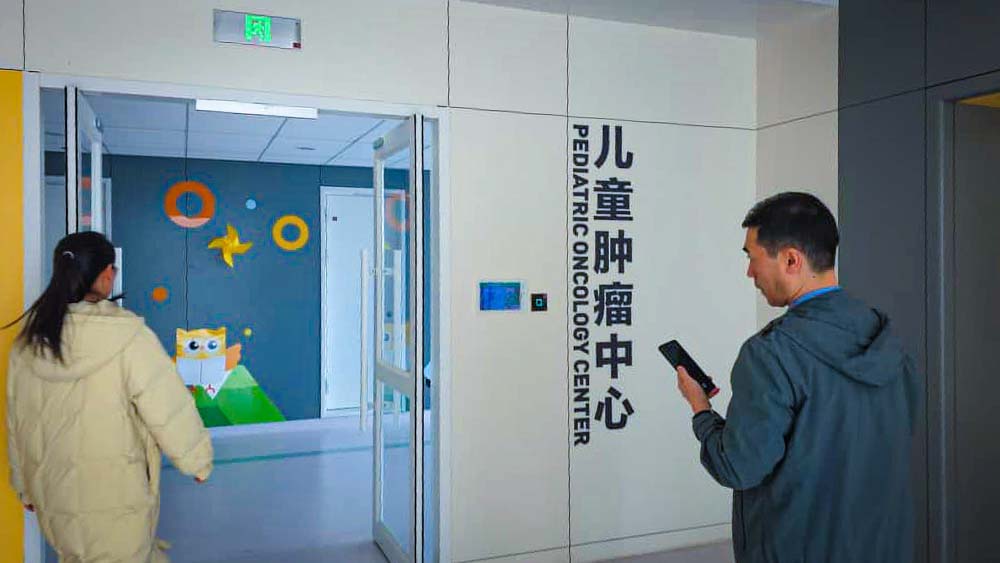
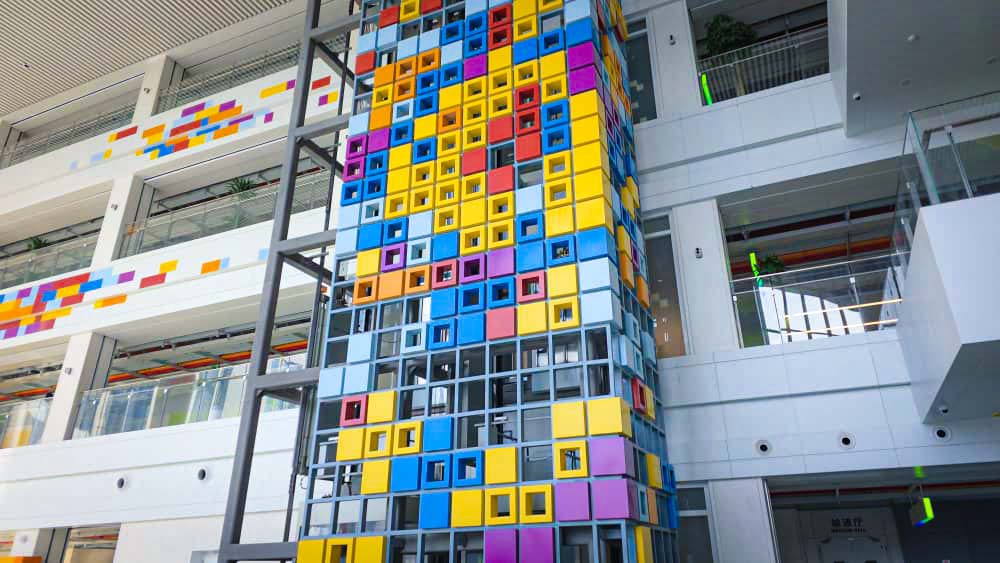
Prof. Mike Chan’s workstation is located within a newly developed hospital complex with approximately 1,000 beds, designed to support advanced pediatric care, education, and research. According to Prof. Chan, the facility will play a critical role in addressing children’s developmental disorders, particularly autism, through a precision medicine framework.
“European Wellness and Mike Chan’s workstation in the new Beijing region, with 1,000 beds — this is a place designed specifically for children’s disorders, especially autism,” Prof. Chan said during the visit.
For Prof. Chan, the appointment reflects more than infrastructure or access. It represents a philosophical shift toward treating neurodevelopmental conditions with the same scientific rigor and respect afforded to other complex medical challenges.
“A child should never be measured by what they cannot do,” Prof. Chan said. “They must be seen for what they can become.”
A Functional Role, Not a Symbolic Appointment
Hospital officials confirmed that the workstation represents an operational role, enabling Prof. Chan to participate in education, advisory work, and clinical research planning related to autism spectrum disorder.
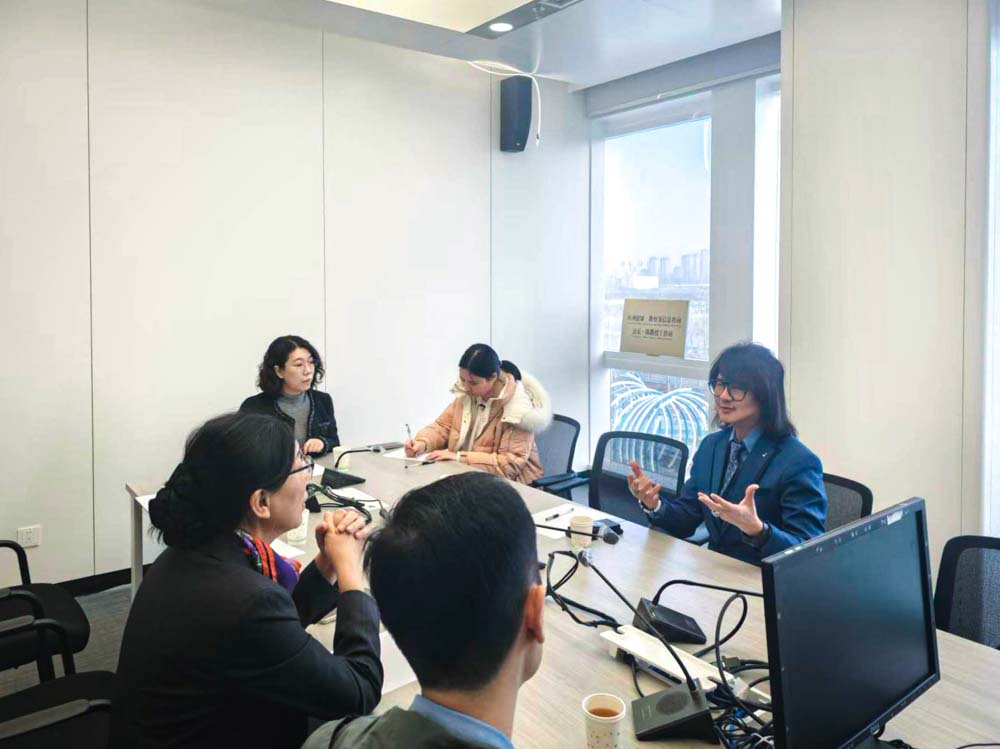
“The Chinese government and Baoding Children’s Hospital have given me this space so we can focus on education, research, and teamwork for children’s health, especially autism.”
“This is not just a title. This workstation allows us to work directly with doctors, researchers, and hospital leadership on real clinical challenges,” Prof. Chan said.
He added that the initiative reflects recognition of his long-standing work in regenerative and precision medicine, particularly in neurodevelopmental conditions.
His involvement is grounded in decades of research and advocacy that challenge the conventional view of autism as a limitation. Instead, Prof. Chan consistently frames autism as a different neurological wiring — one that has, throughout history, shaped human progress.
Autism, Neurodiversity, and Hidden Genius
Prof. Chan frequently points to historical figures whose contributions transformed science, music, and technology — individuals widely believed to have been neurodivergent. Among those he cites are Thomas Edison, Ludwig van Beethoven, Wolfgang Amadeus Mozart, Isaac Newton, and Albert Einstein, as well as contemporary innovators such as Elon Musk and Bill Gates.
“Autism is not the absence of ability,” he said. “It is the presence of a different way of seeing the world.”
He has often noted that Albert Einstein’s brain continues to be studied decades after his death — a reminder, he says, that neurodivergent minds do not merely contribute in their lifetime, but continue to shape humanity long after.
International Recognition and Advisory Standing
Prof. Chan noted that his involvement in the Baoding project follows international recommendations linked to his professional and institutional affiliations, underscoring the importance of cross-border cooperation in pediatric medicine.
“I was recommended at the international level as a stem cell expert, and this recommendation was brought forward to the Chinese government,” he said.
He also referenced his advisory and representative roles in international medical and scientific circles.
“My role includes serving at the senator level within international medical and wellness federations, and this allows structured cooperation between institutions,” Prof. Chan explained.
These roles have enabled him to bridge Eastern and Western medical frameworks, aligning precision medicine, regenerative science, and clinical education across borders.
A Personal Perspective That Shapes the Mission
Interwoven into Prof. Chan’s scientific work is a deeply personal story. He has publicly identified as being on the autism spectrum, specifically Asperger’s, and has spoken candidly about his early childhood challenges.
He did not speak until the age of seven and struggled with forming sentences and pronouncing multiple words together. These early difficulties, he says, were not signs of failure, but indicators of a different developmental timeline.
“I was once the child people worried about,” Prof. Chan said. “Today, I am entrusted with helping other children find their way.”
This personal journey, from delayed speech to global leadership in regenerative medicine now informs his approach to autism research and clinical education.
Focus on Autism and Precision Medicine
Central to the Baoding collaboration is Prof. Chan’s emphasis on precision medicine approaches for autism, which seek to move beyond generalized treatment models.
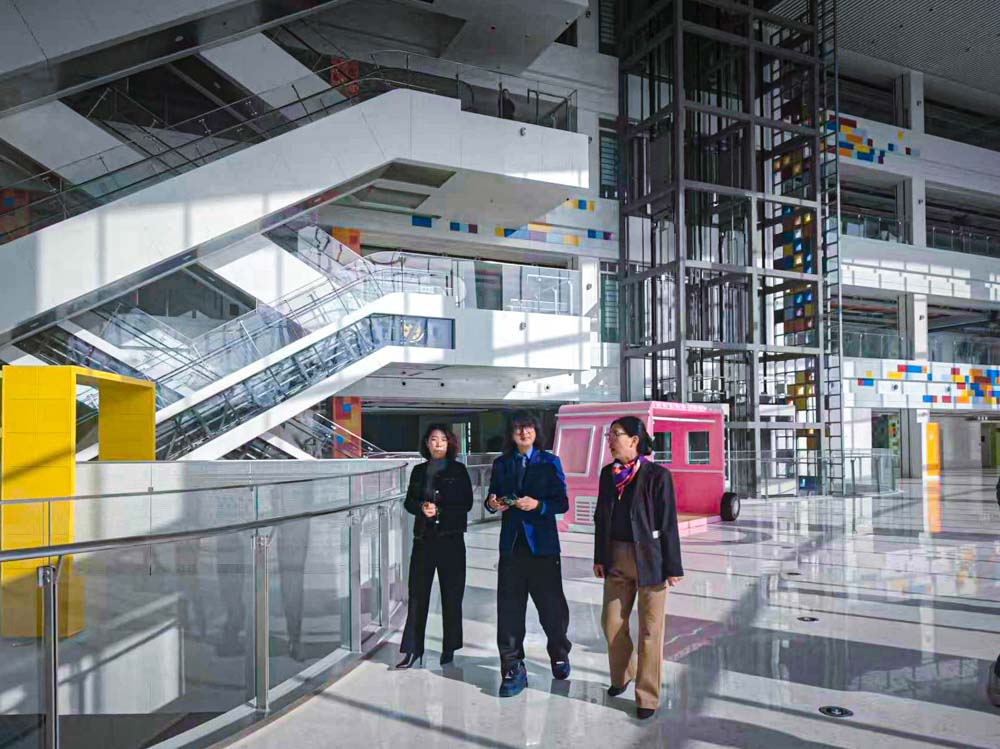
“Autism is not one condition, and it cannot be approached with one solution,” he said. “The goal here is education, research, and targeted clinical understanding — starting with children.”
He has consistently emphasized that the challenge is not autism itself, but the tendency to give up too early. With informed support, he believes autistic children can grow into scientists, innovators, leaders, and changemakers.
“The problem is not autism,” Prof. Chan said. “The problem is when society gives up too early.”
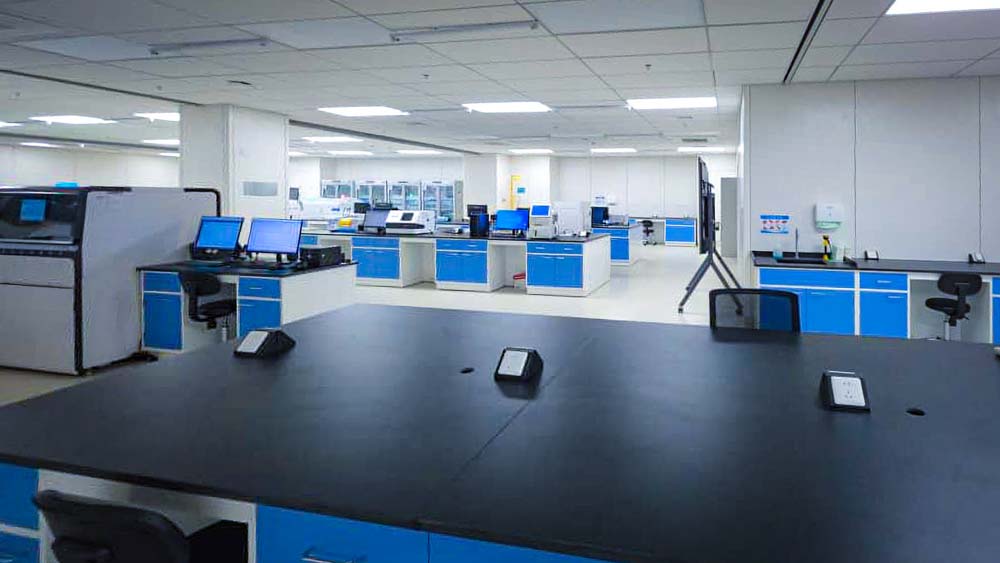
The Baoding workstation will serve as a platform for knowledge transfer, clinician education, and protocol development, aligning international research experience with local clinical practice.
Looking Ahead
Hospital representatives said the collaboration is expected to expand over time, with structured programs in medical education, joint research initiatives, and clinical observation.
“This is a long-term project, not a single visit,” Prof. Chan said. “The focus is on building capability so that children with autism can receive better-informed care, supported by science and collaboration.”
Taken together, the Baoding initiative reflects a broader vision — one that sees autism not as a dead end, but as a starting point for deeper understanding, innovation, and human potential.





Follow European Wellness:



Follow European Wellness Academy:
Follow Prof. Dato’ Sri Dr. Mike Chan:

Related Posts