

Authors: Urbi Roy, Ashiq Shibili Pillatt, Prof. Dr. Mike K.S. Chan, Mohan Rao Velure RajaRao, Antara Banerjee and Surajit Pathak
Publisher: Developmental Dynamics; 1-21, 2026
Publisher's URL: https://doi.org/10.1002/dvdy.70193
MORE PUBLICATIONS:
https://european-wellness.eu/publications/
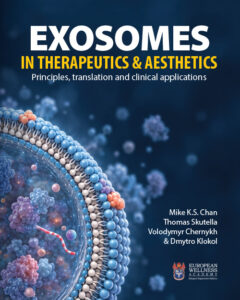
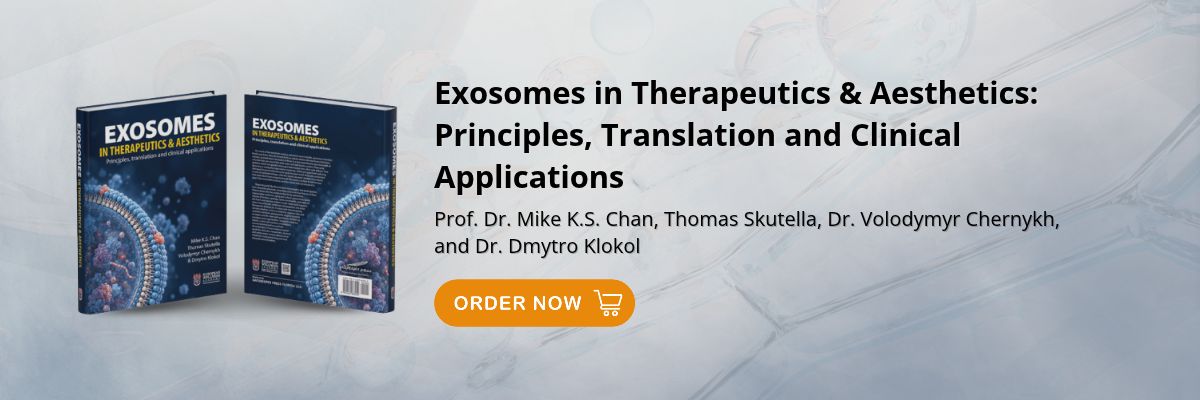
Authors: Prof. Dr. Mike K.S. Chan, Thomas Skutella, Volodymyr Chernykh & Dmytro Klokol
Published by: EUROPEAN WELLNESS ACADEMY – Medical Research
ISBN: 9781662983252 eISBN: 9781662983269
For most of the twentieth century, exosomes were invisible, and when scientists finally saw them, they dismissed them as cellular debris. We now know that these vesicles, so small that a thousand of them in a row would barely span the width of a human hair, are one of the main ways cells talk to one another. They carry proteins, lipids and genetic messages that change how other cells behave. That discovery is reshaping regenerative medicine, shifting its goal from replacing damaged tissue to instructing the body to repair itself. It has also unleashed a wave of commercial hype, with the word “exosome” printed on products that have never been properly tested. This book is written to tell the two apart: the remarkable science, and the claims that run ahead of it.
Beginning with the first electron micrographs, the book explains how exosomes are made, what they carry and how they act. It then follows them into the problems that bring patients to regenerative medicine: aging and cellular senescence, sports injuries of tendon, cartilage, spine and muscle, and repair of the heart and nervous system. It asks what really happens when exosomes are combined with peptides and other therapeutic biologicals. It shows why manufacturing decides whether a vial is a medicine, explores skin and aesthetic medicine, and presents original research on organ-specific stem cell secretomes. Written by a surgeon and regenerative-longevity medicine expert, a stem cell scientist, a Heidelberg neuroanatomist and an aesthetic dermatologist, it is an evidence-based guide for clinicians, researchers, students and every reader curious about one of medicine’s most promising and most misunderstood frontiers.
Prof. Dr. Mike K.S. Chan, Researcher, Author, and Educator, Founder and Chairman of the European Wellness Biomedical Group; Senior Technical Consultant at EWBG; Head of Scientific committee of preventive, regenerative and anti-aging medicine and Asian Chairman (ESAAM); Adjunct Professor of Lincoln University College (Malaysia); Associate Professor of AASCP, USA (American Academy of Stem Cell Physicians), Chairman for A4M, USA (American Academy of Anti-Aging Medicine) for Thailand/Asia, Japan’s Regenerative Medical Association MMJ (Multi-Dimensional Holistic Medical Team Japan) and co-Founder of FCTI Precursor Stem Cells (Europe), Author of over 70 books and over 180 publications, has experience of 45 over years in Stem cells Research in Germany, Switzerland, European Union, Soviets, China, Mexico, USA, Japan, Middle East since early 80’s, presenter for over 10000 presentations and scientific lectures globally at most major conferences of the World on anti-aging and precision medicine. He is also a pioneer in Regenerative Medicine and Cellular Therapies in a big way in the 80’s into Asia Pacific, the Middle East and Australia.
Thomas Skutella, MD, PostDoc (Max Planck Institute for Psychiatry, Munich, Germany), Full Professor at Heidelberg University, former group leader in the Neuroscience Research Center (Charite Berlin, Germany), director of the Center for Regenerative Medicine (Tübingen, Germany), Head of the department of Neuroanatomy in the Institute for Anatomy and Cell Biology (Heidelberg, Germany), Group for Regeneration and Reprogramming, Medical Faculty, Institute for Anatomy and Cell Biology, Heidelberg University (Germany).
Dmytro Klokol, MD, Specialist in General Surgery (Board Certified, MoH UA), PhD (Emergency and Reconstructive Surgery), GCP (Malaysia, USA), PostDoc (Regenerative Medicine, NL, EU); Certified expert in Interventional procedures in Regenerative Medicine and chronic pain management (Spain, EU); Certified Educator at International Accreditation Organization (IAO, USA); HRDCorp certified educator and trainer (Malaysia); International Board for Anti-aging and Regenerative Medicine (IBARM, USA) certifying academic board member.
Dr. Volodymyr Chernykh, MD, is a physician, medical educator, and researcher specializing in aesthetic dermatology, regenerative medicine, and healthy aging. He has authored scientific publications, developed clinical treatment protocols, and trained healthcare professionals internationally. His interests include emerging medical technologies, clinical research, and evidence-based approaches to patient care.
Authors: Prof. Dr. Mike K.S. Chan, Prof. Dr. Michelle B.F. Wong, Dr. Dmytro Klokol, Krista Casazza and Jonathan R.T. Lakey
Publisher: Journal of Stem Cell Research; 8(2), 2027
Publisher's URL: https://doi.org/10.52793/JSCR.2027.8(2)-111
MORE PUBLICATIONS:
https://european-wellness.eu/publications/
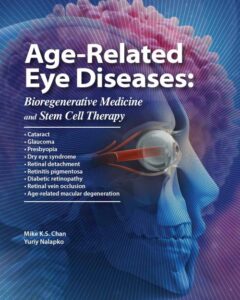
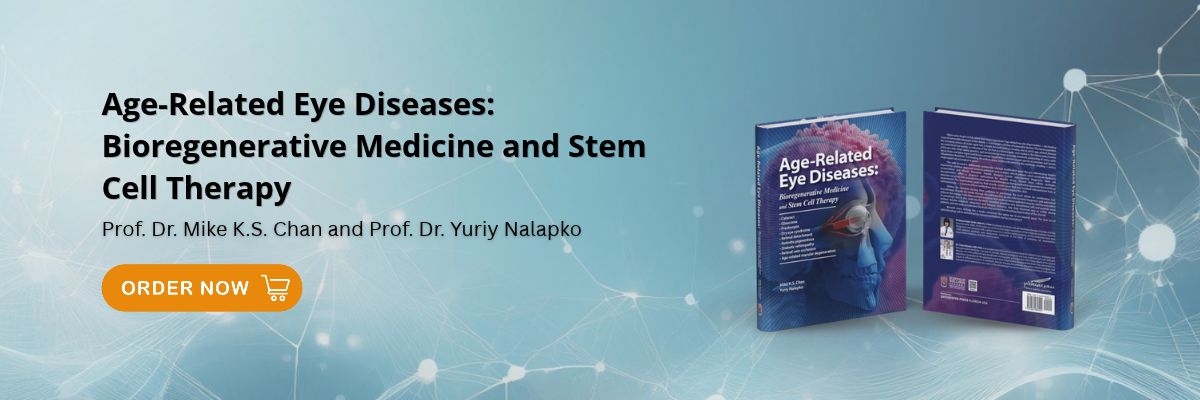
Authors: Prof. Dr. Mike K.S. Chan and Prof. Dr. Yuriy Nalapko
Published by: EUROPEAN WELLNESS ACADEMY – Medical Research
ISBN: 9781662982521 eISBN: 9781662982538
Library of Congress Control Number: 2026955545
When vision begins to fail, where does hope come from? Age-related macular degeneration — the leading cause of irreversible blindness in the elderly — is no longer a destiny of irreversible decline. This book assembles the emerging science of ocular repair into a single, forward-looking narrative, one in which age-related diseases are understood not merely as a disease of the eye but as a bioenergetic crisis rooted in the failing mitochondria of the eye cells. When aging, genetics, and environmental stress uncouple metabolic partnership of retina, optic nerve, brain, and other organs and tissues, energy supply falters, reactive oxygen species accumulate, and chronic inflammation flourishes. True healing, the authors argue, begins with restoring this metabolic coupling — and no single agent can accomplish it alone.
The path forward is deliberately multimodal. Lifestyle modification eases the pro-inflammatory burden imposed by oxidative stress and airborne pollutants such as motor vehicle exhaust, which accelerate lipofuscin accumulation and drusen formation. Peptide therapies bolster mitochondrial biogenesis. Stem cell transplantation offers a structural replacement for atrophic tissue. Around these cellular strategies, exosome-secreting cells and mitochondrial replacement therapy are being explored to rejuvenate the host tissue environment. The regenerative medicine field already counts more than two hundred interventional trials in ophthalmology — a measure of how swiftly these ideas are moving toward the clinic.
Written for clinicians moving from palliation to prevention, the book pleads for combination over monotherapy. It walks the reader through the pathways that govern mitochondrial biogenesis and antioxidant defense; the omega-3-rich diets and lipid mediators that reinforce retinal epithelial integrity; and the restoration of autophagic flux. It also confronts the field’s unsettled questions: why transplanted cells and peptides must achieve durable metabolic integration and immune tolerance, why drug responses vary so widely among patients, and why early complement blockade may prevent the cascading degeneration of the choroid.
Beneath every strategy lies a single conviction: the aging eye is not beyond repair. The next era of ophthalmology will be defined not by managing blindness, but by preventing it.
Prof. Dato’ Sri Dr. Mike K.S. Chan is Founder & Chairman of the European Wellness Biomedical Group and Chief Researcher/Chief Technical & Research Director across its international R&D programs. A pioneer of cellular therapy since the 1980s, he helped introduce stem cell and bioregenerative medicine across Asia, building a global network of clinics and research centers—today a chain of 40+ integrative and regenerative medical clinics with 1,000+ staff. He serves as ESAAM Scientific Committee Head for Regenerative Medicine & Stem Cells and ESAAM Chairman/Director for Asia; Associate Professor (AASCP, USA); Associate Professor (Lincoln University College, Kuala Lumpur); Chairman of the European Wellness Academy; Senator of Germany’s BWA; and Honorary Chief Healthcare Advisor to Swiss Strategic Partners. His portfolio includes multiple international patents in immunotherapy, stem cell transport media, and parenteral formulations, and he is a multi-award recipient in Europe and the Middle East. An active academic collaborator (MIT, Cambridge, USC, UCI, Heidelberg), Prof. Chan has authored/co-authored 70+ books and 180+ scientific publications, and has delivered 1000+ lectures and seminars across 60+ regions on anti-aging, regenerative medicine, peptides, and stem cell therapies.
Dr. Yuriy Nalapko, MD, PhD, is an academician and practical medical doctor in intensive care, antiaging, and bioregenerative medicine—an area of scientific interest in longevity and how a cell functions with different diseases. He is the author of many handbooks, monographs, and more than 300 articles. Based on his clinical experience, he proposed new approaches to reverse degenerative diseases of the brain, liver, and endocrine organs in different disorders. In metabolic disorder therapy, he combines preventive, pharmacological, and bioregenerative approaches as a state-of-the-art paradigm to correct structural and functional malfunctions.
New Scientific Publication!
In stem cell research, even the smallest laboratory procedures can have a significant impact on cellular quality, viability, and research outcomes.
We are pleased to share our latest scientific review, "Detachment Methods in Human and Animal Stem Cell Culture: A Mini Review on Enzymatic, Non-enzymatic, and Mechanical Approaches", which was published in Current Biotechnology; 15(3), 2026 under Bentham Science, a journal indexed in the reputable biomedical database, EMBASE.
Authors: Christianus Rustin, Yvonne Chia, Latifah Suali, Fui Fui Lem, Xin Jie Ching, Prof. Dr. Mike K.S. Chan, Prof. Dr. Michelle B.F. Wong & Shing Yi
About the Publication:
Stem cell culture plays a fundamental role in advancing regenerative medicine, biotechnology, and biomedical research. However, maintaining cellular integrity throughout laboratory procedures remains an important consideration for reliable experimental outcomes.
This mini-review explores three major approaches to cell detachment: enzymatic, non-enzymatic, and mechanical methods, and the considerations involved in selecting appropriate techniques for human and animal stem cell cultures.
Key Areas Explored:
- Enzymatic Detachment: The use of enzyme-based reagents, including Accutase, to release adherent cells from culture surfaces.
- Non-enzymatic Detachment: Alternative approaches, including EDTA-based methods, that may help reduce exposure to proteolytic enzymes.
- Mechanical Detachment: Physical techniques, such as cell scraping, and their implications for cellular integrity.
- Cellular Quality and Function: The importance of considering cell viability, surface characteristics, and biological functionality when selecting detachment methods.
- Research and Translational Relevance: How appropriate cell-handling techniques can support reproducible research and the development of regenerative medicine applications.
Why It Matters
Successful stem cell research depends not only on the cells being studied but also on how they are cultured, handled, and prepared for further investigation.
Understanding the advantages and limitations of different cell detachment methods can help researchers make more informed decisions, preserve cellular quality, and strengthen the reliability of experimental workflows.
By examining these essential laboratory techniques, this publication contributes to ongoing discussions surrounding stem cell culture optimisation, biotechnology, and translational regenerative research.
Discover the publication:
Detachment Methods in Human and Animal Stem Cell Culture: A Mini Review on Enzymatic, Non-enzymatic, and Mechanical Approaches
by
Christianus Rustin, Yvonne Chia, Latifah Suali, Fui Fui Lem, Xin Jie Ching, Prof. Dr. Mike K.S. Chan, Prof. Dr. Michelle B.F. Wong & Shing Yi Pan
Published in
Current Biotechnology; 15(3), 2026
http://dx.doi.org/10.2174/0122115501476264260612110108
MORE PUBLICATIONS:
https://european-wellness.eu/publications/
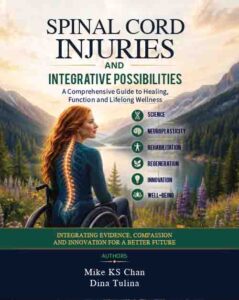
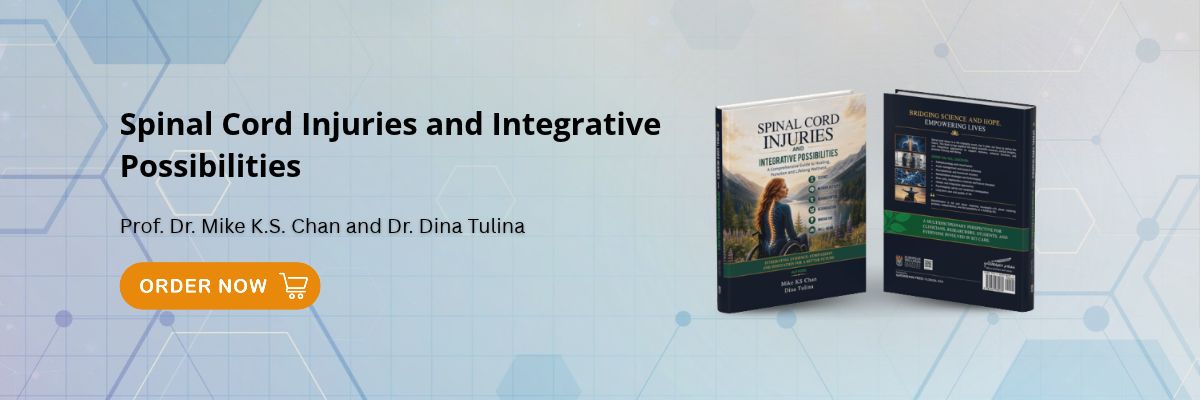
Authors: Prof. Dr. Mike K.S. Chan and Dr. Dina Tulina
Published by: EUROPEAN WELLNESS ACADEMY – Medical Research
ISBN: 9781662982279 eISBN: 9781662982286
Library of Congress Control Number: 2026955554
Spinal cord injury can transform lives in an instant, affecting mobility, independence, and overall well-being. Yet advances in neuroscience, rehabilitation, and regenerative medicine continue to expand our understanding of neurological recovery and long-term wellness.
In Spinal Cord Injuries and Integrative Possibilities, Mike K.S. Chan and Dina Tulina present a comprehensive exploration of spinal cord injury, bridging established medical knowledge with emerging biological and integrative approaches. From epidemiology, injury mechanisms, and neurological diagnosis to conventional management and rehabilitation, this book provides valuable insights into the complexities of spinal cord damage and functional recovery.
Readers will discover the evolving science of neuroplasticity, stem cell biology, biomaterials, nano-peptides, and mitochondrial function, alongside discussions of physiotherapy, hyperbaric oxygen therapy, neuromodulation, and other approaches under investigation.
Emphasizing interdisciplinary care, scientific innovation, and lifelong wellness, this book offers a balanced perspective on the challenges and possibilities surrounding spinal cord injury.
An informative resource for healthcare professionals, researchers, students, patients, and caregivers seeking to understand the science of recovery and the emerging possibilities for improving function, independence, and quality of life.
Authors Bio:
Prof. Dato’ Sri Dr. Mike K.S. Chan is Founder & Chairman of the European Wellness Biomedical Group and Chief Researcher/Chief Technical & Research Director across its international R&D programs. A pioneer of cellular therapy since the 1980s, he helped introduce stem cell and bioregenerative medicine across Asia, building a global network of clinics and research centers—today a chain of 40+ integrative and regenerative medical clinics with 1,000+ staff. He serves as ESAAM Scientific Committee Head for Regenerative Medicine & Stem Cells and ESAAM Chairman/Director for Asia; Associate Professor (AASCP, USA); Associate Professor (Lincoln University College, Kuala Lumpur); Chairman of the European Wellness Academy; Senator of Germany’s BWA; and Honorary Chief Healthcare Advisor to Swiss Strategic Partners. His portfolio includes multiple international patents in immunotherapy, stem cell transport media, and parenteral formulations, and he is a multi-award recipient in Europe and the Middle East. An active academic collaborator (MIT, Cambridge, USC, UCI, Heidelberg), Prof. Chan has authored/co-authored 70+ books and 180+ scientific publications, and has delivered 1000+ lectures and seminars across 60+ regions on anti-aging, regenerative medicine, peptides, and stem cell therapies.
Dr. Dina Tulina is a Medical Advisor and physician specializing in anti-aging, regenerative medicine, and comprehensive wellness. She integrates preventive, biological, and natural care to promote longevity and vitality beyond conventional practice. At European Wellness Global, she contributes to biomedical innovation with holistic approaches and the translation of research into practical applications. Guided by her belief that true health is balance and vitality, and functional longevity, Dr. Tulina is dedicated to shaping the future of personalized and preventive healthcare.
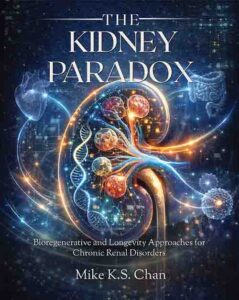
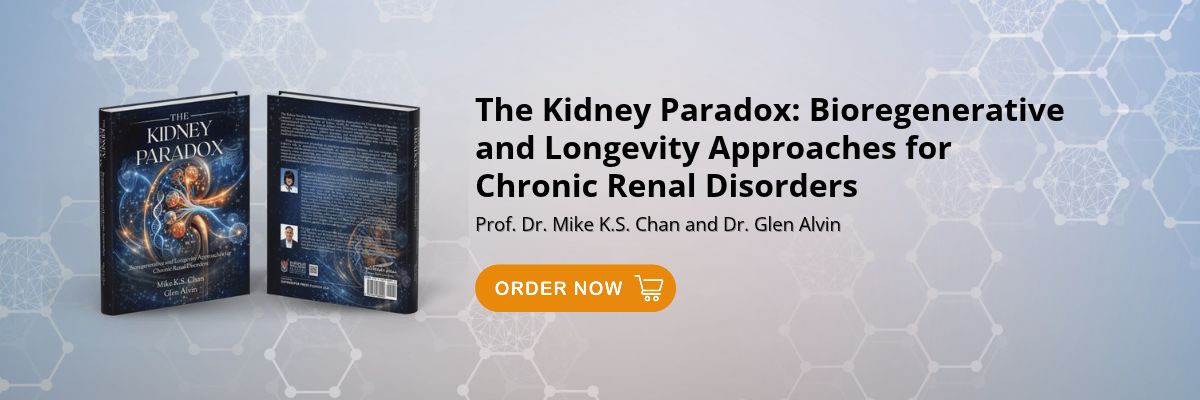
Authors: Prof. Dr. Mike K.S. Chan and Dr. Glen Alvin
Other Authors/Contributors: Samsidar Anwar, Mohd Iskandar Jumat, Nurul Wahidah Jamil, Siti Azmah Jambo
Published by: EUROPEAN WELLNESS ACADEMY – Medical Research
ISBN: 9781662980992 eISBN: 9781662981005
Library of Congress Control Number: 2026951837
The Kidney Paradox: Bioregenerative and Longevity Approaches for Chronic Renal Disorders presents a transformative view of kidney health by reframing the organ as a dynamic, interconnected system rather than an isolated unit. Drawing on systems biology, omics sciences, and clinical insights, the book explores how renal function emerges from complex interactions between molecular pathways, cellular processes, and whole-body physiology. It challenges traditional reductionist approaches, revealing that kidney-related diseases arise not only from localized injury but from widespread disruptions across biological networks.
From foundational physiology to emerging regenerative therapies, the text navigates the kidney’s role in maintaining homeostasis, its susceptibility to environmental and lifestyle influences, and the paradoxical nature of chronic renal disorders. It highlights advances in stem cell research, tissue engineering, gene editing, and artificial intelligence, offering a forward-looking vision of precision nephrology and preventive care. Designed for clinicians, researchers, and health professionals, this book ultimately redefines kidney disease as a modifiable, system-wide condition and emphasizes a holistic approach centred on integration, restoration, and long-term wellness.
Author Bio:
Professor Dato’ Sri Dr. Mike K.S. Chan is Founder & Chairman of the European Wellness Biomedical Group and Chief Researcher/Chief Technical & Research Director across its international R&D programmes. A pioneer of cellular therapy since the 1980s, he helped introduce stem cell and bioregenerative medicine across Asia, building a global network of clinics and research centres—today a chain of 40+ integrative and regenerative medical clinics with 1,000+ staff. He serves as ESAAM Scientific Committee Head for Regenerative Medicine & Stem Cells and ESAAM Chairman/Director for Asia; Associate Professor (AASCP, USA); Associate Professor (Lincoln University College, Kuala Lumpur); Chairman of the European Wellness Academy; Senator of Germany’s BWA; and Honorary Chief Healthcare Advisor to Swiss Strategic Partners. His portfolio includes multiple international patents in immunotherapy, stem cell transport media, and parenteral formulations, and he is a multi-award recipient in Europe and the Middle East. An active academic collaborator (MIT, Cambridge, USC, UCI, Heidelberg), Professor Chan has authored/co-authored 70+ books and 180+ scientific publications, and has delivered 1000+ lectures and seminars across 60+ regions on anti-aging, regenerative medicine, peptides, and stem cell therapies.
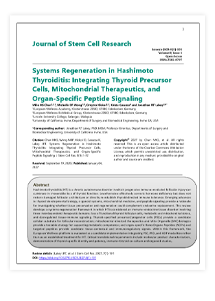
Authors: Prof. Dr. Mike K.S. Chan, Prof. Dr. Michelle B.F. Wong, Dr. Dmytro Klokol, Krista Casazza and Jonathan R.T. Lakey
Publisher: Journal of Stem Cell Research; 8(1), 2027
Publisher's URL: https://doi.org/10.52793/JSCR.2027.8(1)-101
MORE PUBLICATIONS:
https://european-wellness.eu/publications/
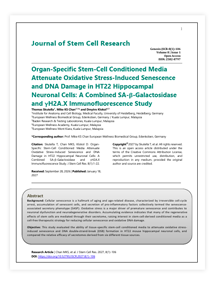
Authors: Thomas Skutella, Prof. Dr. Mike K.S. Chan and Dr. Dmytro Klokol
Publisher: Journal of Stem Cell Research; 8(1), 2027
Publisher's URL: https://www.genesispub.org/jscr/organ-specific-stem-cell-conditioned-media-attenuate-oxidative-stress-induced-senescence-and-dna-damage-in-ht22-hippocampal-neuronal-cells-a-combined-sa-B-galactosidase-and-yh2a-x-immunofluorescence-study
MORE PUBLICATIONS:
https://european-wellness.eu/publications/
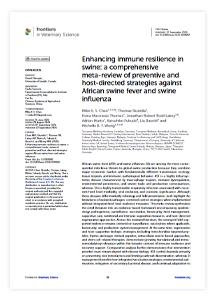
We are proud to announce the publication of a new international scientific review led by Prof. Dr. Mike K.S. Chan as the main and corresponding author, bringing together experts and institutions from across the globe to explore strategies for strengthening immune resilience in swine.
This publication brings together researchers and specialists affiliated with institutions across Malaysia, Germany, the United States, Argentina, Japan, and China, including:
- European Wellness Academy, Frankfurt, Germany
- European Wellness Biomedical Group, Frankfurt, Germany
- Baden Research & Testing Laboratories, Kota Kinabalu, Sabah, Malaysia
- Lincoln University College, Petaling Jaya, Selangor, Malaysia
- Institute for Anatomy and Cell Biology, Heidelberg University Medical Faculty, Heidelberg, Germany
- Department of Surgery, University of California, Irvine, Irvine, CA, United States
- Instituto de investigaciones Biotecnológicas, UNSAM-CONICET, Buenos Aires, Argentina
- Integrated Medical Centre Fukuda, Matsue, Shimane, Japan
- Shanghai Public Health Clinical Centre, Fudan University, Shanghai, China
- FCTI R&D GmbH, Edenkoben, Germany
About the Publication:
African swine fever (ASF) and swine influenza (SI) represent major infectious challenges to global swine production, yet they differ significantly in their transmission, disease mechanisms, tissue targets, and immune responses.
This comprehensive meta-review examines these differences while presenting an integrated framework for strengthening swine health through surveillance, vaccination where applicable, biosecurity, herd management, supportive care, nutritional and immune-supportive measures, and emerging host-directed strategies.
Key Insights:
- Disease-specific prevention matters: ASF control depends heavily on preventing viral introduction and limiting outbreak spread, while swine influenza management requires integrated vaccination, environmental management, control of secondary bacterial disease, and adaptation to viral evolution.
- Biosecurity remains fundamental: Surveillance, biosecurity and effective production-system management continue to provide the strongest field-supported foundation for disease control.
- Immune resilience requires a broader approach: Preserving immune competence, regulating inflammatory responses, reducing infection pressure, and supporting tissue recovery can collectively strengthen herd resilience.
- Emerging host-directed strategies: Mitochondria-targeted peptides, thymic and organ-derived peptides, extracellular vesicle-based approaches, and stem cell-related therapies are explored for their developing translational and immunomodulatory relevance.
- Integration not replacement is key: Host-supportive approaches are positioned as complementary to established veterinary disease-control measures, not substitutes for proven preventive strategies.
Why It Matters
Building healthier and more resilient swine populations requires more than targeting a pathogen alone.
By bringing together established preventive measures with emerging host-directed science, this review presents a layered framework for understanding immune resilience, disease prevention, recovery support, and sustainable herd health—while emphasising that intervention strategies must remain aligned with the distinct biology of each disease.
Enhancing immune resilience in swine: a comprehensive meta-review of preventive and host-directed strategies against African swine fever and swine influenza
by
Prof. Dr. Mike K.S. Chan, Thomas Skutella, Fiona Macniesia Thomas, Jonathan R.T. Lakey, Adrian Mutto, Katsuhiko Fukuda, Liu Baochi and Prof. Dr. Michelle B.F. Wong
Frontiers in Veterinary Science; 13, 2026
https://doi.org/10.3389/fvets.2026.1919982
MORE PUBLICATIONS:
https://european-wellness.eu/publications/
Authors: Prof. Dr. Mike K.S. Chan, Krista Casazza, Prof. Dr. Michelle B.F. Wong, Dr. Dmytro Klokol, Dr. Olha Nishkumay and Jonathan R.T. Lakey
Publisher: Journal of Stem Cell Research; 7(3), 2026
Publisher's URL: https://doi.org/10.52793/JSCR.2026.7(3)-98
MORE PUBLICATIONS:
https://european-wellness.eu/publications/
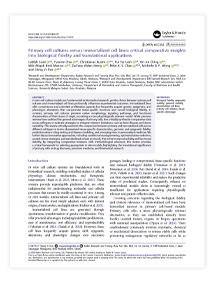
In biomedical research, the choice of cellular model can profoundly influence how accurately laboratory findings reflect real human biology.
About the Publication:
Cell cultures are fundamental tools in biomedical research, but not all cellular models replicate human biology in the same way.
This publication critically examines primary cell cultures and immortalized cell lines, highlighting important considerations surrounding their biological fidelity and suitability for translational research.
Primary cells offer the advantage of retaining characteristics more closely associated with their tissue of origin, while immortalized cell lines provide practical benefits for reproducibility, scalability, and long-term experimental use. Understanding these differences is essential when selecting models that can generate meaningful and clinically relevant research.
Key Areas Explored:
- Biological fidelity and preservation of tissue-specific characteristics
- Genomic and epigenetic stability across cellular models
- Advantages and limitations of primary cell cultures versus immortalized cell lines
- The importance of choosing appropriate experimental models for reliable biomedical research
- Implications of cellular model selection for translational and regenerative medicine
Why It Matters
The journey from laboratory discovery to clinical application begins with the quality and relevance of the experimental model.
By critically examining the strengths and limitations of primary cells and immortalized cell lines, this publication reinforces the importance of selecting cellular models that align with the biological question being investigated, helping strengthen the reliability, reproducibility, and translational value of biomedical research.
Primary Cell Cultures Versus Immortalized Cell Lines: Critical Comparative Insights Into Biological Fidelity and Translational Applications
by
Latifah Suali, Yvonne Chia, Christianus Rustin, Fui Fui Lem, Xin Jie Ching, Mila Atiqah binti Mansur, Zachary Alden Henry, Prof. Dr. Mike K.S. Chan, Prof. Dr. Michelle B.F. Wong and Shing Yi Pan
Biotechnic & Histochemistry; 101(6), 2026
https://doi.org/10.1080/10520295.2026.2714776
MORE PUBLICATIONS:
https://european-wellness.eu/publications/
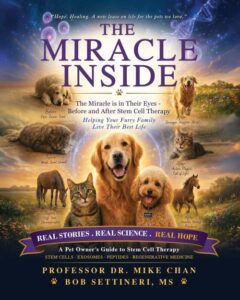
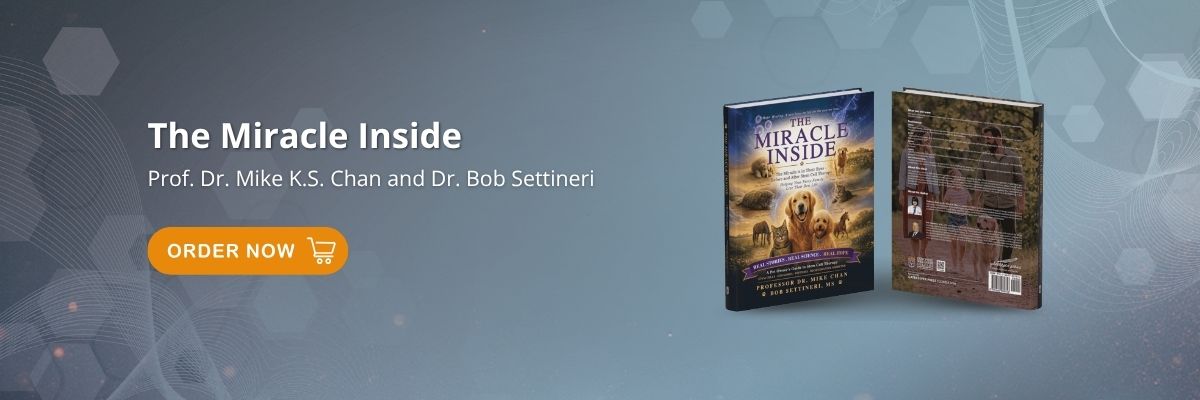
Authors: Prof. Dr. Mike K.S. Chan and Dr. Bob Settineri
Published by: EUROPEAN WELLNESS ACADEMY
ISBN: 9781662980756 eISBN: 9781662980763
Library of Congress Control Number: 2026949978
This guide was created to help pet owners understand stem cell therapy, including Dr. Mike Chan’s revolutionary approach, in plain language. While every effort has been made to provide accurate, up-to-date information based on current scientific literature, always consult with a qualified veterinarian before making treatment decisions for your pet. The references provided represent key studies and sources that support the information presented in this book. Stem cell therapy is a rapidly evolving field, and new developments occur regularly. Your veterinarian can provide the most current information specific to your pet’s needs. Your pet’s health journey is unique – this book is just the beginning of that conversation.
What you will learn
How stem cell therapy works in pets, conditions it can help treat, step-by-step treatment process, real-life success stories and what to expect before and after treatment.
Testimonials
MARIA:
He wasn’t exactly a puppy again, but he was definitely our Buster. Happy, social, and pain-free. We got two more wonderful years with him before he passed peacefully at 14. Those extra years of quality life were priceless.
DAVID:
She lived five more years after that treatment. Five years of being her sassy, particular self. She never had another flare-up. Sometimes I still can’t believe it worked so well.
SARAH:
Thunder worked until he was 20. Not because he had to, but because he wanted to. The stem cell therapy gave him four more years of doing what he loved.
CAROL:
Smokey lived another two years after that treatment. Good quality years where he was back to his old self—sleeping in sunny spots... and demanding exactly three treats before bedtime.
BOB & EIKA SETTINERI:
Buddy is on his way back to becoming more active. He is coughing less, playing more, and is becoming more alert and spunkier. The dynamic combination... has sparked renewed health and improved the quality of Buddy’s life.
Authors Bio:
Professor Dato’ Sri Dr. Mike K.S. Chan is a pioneer of Cellular and Cell Membrane Therapy in Europe and Asia since the early 1980’s. He founded one of the world’s largest researchers of Bio-Molecular Medicine based in Switzerland and Germany with a global presence in almost eighty countries. He has conducted more than 1,000 lectures, seminars, and symposiums worldwide in the fields of antiaging, cell regeneration, regenerative medicine, and stem-cell therapies.
Bob Settineri, M.S., CEO and Research Director of Sierra Productions Research. Bob dedicated most of his life to studying, exploring, and researching cellular biology related to health. Bob’s dedication and enthusiasm to uncover the cells’ secrets have led to 64 scientific publications. He is a consultant specializing in pre-clinical/clinical research, as well as product development. Bob has nine patents for natural dietary supplements. He also writes, produces, and directs medical educational videos & films, which have received 37 international awards. These films were translated into eight languages and distributed in 80 countries. Bob is the author of the books entitled Live Healthier Better and Longer with Hydrogen (H2.) and Detox Outside the Box.
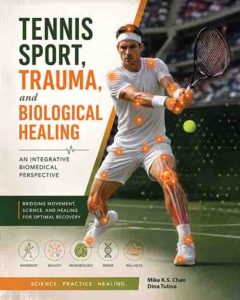
Authors: Prof. Dr. Mike K.S. Chan and Dr. Dina Tulina
Published by: EUROPEAN WELLNESS ACADEMY – Medical Research
ISBN: 9781662980305 eISBN: 9781662980312
Library of Congress Control Number: 2026949572
Tennis players at every level face distinctive musculoskeletal challenges arising from explosive serves, rapid multidirectional movement, and repetitive overhead mechanics. This authoritative volume delivers a comprehensive integrative biomedical framework for understanding, preventing, and managing tennis-related trauma. It synthesizes extensive epidemiological data, sport-specific biomechanical mechanisms, and current knowledge of tissue injury and healing with detailed coverage of both conventional treatments and pioneering regenerative strategies. Key topics include injury classification and mechanisms, intrinsic and extrinsic risk factors, clinical assessment and imaging, platelet-rich plasma applications, mesenchymal stem cell therapies, peptide-based interventions, mitochondrial dynamics in recovery, and advanced physiotherapeutic modalities such as hyperbaric oxygen therapy. The text further addresses phased rehabilitation protocols, functional and performance testing, return-to-play decision-making, and comorbidity considerations. Bridging traditional sports medicine with emerging cellular and molecular approaches, this resource equips competitive players, coaches, physiotherapists, sports physicians, and researchers with evidence-based knowledge to optimize recovery, reduce reinjury risk, and support long-term participation in the sport.
Authors Bio:
Professor Dato’ Sri Dr. Mike K.S. Chan is Founder & Chairman of the European Wellness Biomedical Group and Chief Researcher/Chief Technical & Research Director across its international R&D programs. A pioneer of cellular therapy since the 1980s, he helped introduce stem cell and bioregenerative medicine across Asia, building a global network of clinics and research centers—today a chain of 40+ integrative and regenerative medical clinics with 1,000+ staff. He serves as ESAAM Scientific Committee Head for Regenerative Medicine & Stem Cells and ESAAM Chairman/Director for Asia; Associate Professor (AASCP, USA); Associate Professor (Lincoln University College, Kuala Lumpur); Chairman of the European Wellness Academy; Senator of Germany’s BWA; and Honorary Chief Healthcare Advisor to Swiss Strategic Partners. His portfolio includes multiple international patents in immunotherapy, stem cell transport media, and parenteral formulations, and he is a multi-award recipient in Europe and the Middle East. An active academic collaborator (MIT, Cambridge, USC, UCI, Heidelberg), Prof. Chan has authored/co-authored 60+ books and 150+ scientific publications, and has delivered 1000+ lectures and seminars across 60+ regions on anti-aging, regenerative medicine, peptides, and stem cell therapies.
Dr. Dina Tulina is a Medical Advisor and physician specializing in anti-aging, regenerative medicine, and comprehensive wellness. She integrates preventive, biological, and natural care to promote longevity and vitality beyond conventional practice. At European Wellness Global, she contributes to biomedical innovation with holistic approaches and the translation of research into practical applications. Guided by her belief that true health is balance and vitality, and functional longevity, Dr. Tulina is dedicated to shaping the future of personalized and preventive healthcare.
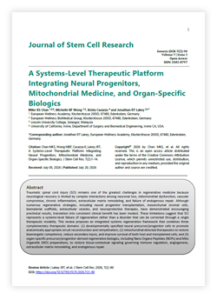
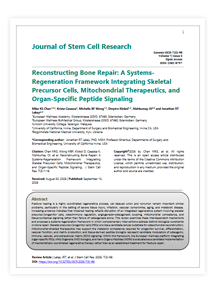
We are pleased to share our latest review article exploring a new systems-level approach to one of regenerative medicine’s most complex challenges: spinal cord injury (SCI).
About the Publication:
Spinal cord injury is not simply a localized neurological lesion. It involves a complex network of interconnected challenges, including neuronal loss, mitochondrial dysfunction, chronic inflammation, vascular compromise, extracellular matrix remodeling, and failure of endogenous repair. This complexity may help explain why single-modality regenerative approaches have struggled to produce consistent functional recovery.
This review proposes a systems regeneration framework that brings together three complementary therapeutic pillars:
- Developmentally specified neural precursor/progenitor cells to support circuit reconstruction, remyelination, and host–graft integration
- Mitochondrial-directed therapeutics to restore cellular bioenergetics, reduce oxidative stress, and enhance the survival of both native and transplanted cells
- Organ-specific regenerative biologics, including Nano Organo Peptides (NOPs) and Mito Organelle (MO) preparations, designed to support tissue-specific signaling involved in inflammation, angiogenesis, extracellular matrix remodeling, metabolism, and endogenous repair.
Why It Matters
Rather than targeting a single pathway, this framework views SCI as a systems-level failure of regeneration that may require coordinated restoration of developmental identity, mitochondrial competence, and a supportive regenerative microenvironment.
The article presents the European Wellness regenerative platform as a hypothesis-driven translational model integrating these complementary strategies, while emphasizing that further molecular characterization, standardized potency testing, biomarker development, and controlled clinical trials are needed to validate its therapeutic potential.
A Systems-Level Therapeutic Platform Integrating Neural Progenitors, Mitochondrial Medicine, and Organ-Specific Biologics
by
Prof. Dr. Mike K.S. Chan, Prof. Dr. Michelle B.F. Wong, Krista Casazza, and Jonathan RT Lakey
Journal of Stem Cell Research; 7(2), 2026
https://doi.org/10.52793/JSCR.2026.7(2)-90
MORE PUBLICATIONS:
https://european-wellness.eu/publications/
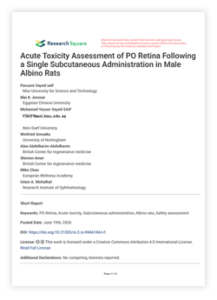
Science moves one careful step at a time… and this is an important early one! In a new preclinical study on Research Square, European Wellness researchers and international collaborators assessed the acute safety of PO Retina – an investigational peptide-based formulation developed for retinal applications.
Here's what they found: Following OECD Guideline 423 – the international standard for acute toxicity testing – rats received a single high dose (2000 mg/kg) of PO Retina, then were closely observed for 14 days:
✅ No mortality, morbidity, or abnormal clinical signs in any animal
✅ Normal body weight gain, feed intake, and water consumption throughout
✅ Organ weights – including the retina – comparable to controls
💡 Why this matters: Before any formulation can be studied for what it might do, researchers must first show it is well tolerated. These results support PO Retina's preliminary acute safety profile at the tested dose – with repeated-dose, histopathology, and ocular functional studies recommended as the next steps.
Acute Toxicity Assessment of PO Retina Following a Single Subcutaneous Administration in Male Albino Rats
by
Passant Sayed Saif, Mai K. Ammar, Mohamed Yasser Sayed SAIF, Winfried Amoaku, Alaa Abdelkarim Abdelkarim, Shireen Amer, Prof. Dr. Mike K.S. Chan, and Islam A. Mohalhal
Research Square; 2026
https://doi.org/10.21203/rs.3.rs-9846184/v1
MORE PUBLICATIONS:
https://european-wellness.eu/publications/
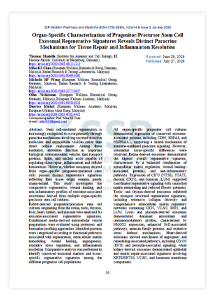
We are pleased to share our latest research publication advancing the science of precision regenerative medicine through the characterization of organ-specific progenitor (precursor) stem cells.
About the Publication:
Regenerative medicine is evolving beyond conventional stem cell therapies toward precision, tissue-specific approaches. This publication examines the unique biological characteristics of organ-specific progenitor (precursor) stem cells, highlighting how their distinct molecular profiles and regenerative properties may enable more targeted therapeutic applications.
The study explores the concept that precursor stem cells derived from different organs possess specialized regenerative functions, opening new possibilities for personalized regenerative medicine and tissue-specific repair.
🔬 Key Highlights:
✔️ Characterization of organ-specific progenitor (precursor) stem cells and their unique biological signatures
✔️ Understanding tissue-specific regenerative mechanisms and paracrine signalling
✔️ Insights into how different precursor stem cell populations support targeted tissue repair
✔️ Potential applications in precision regenerative medicine for organ-specific disorders
✔️ Future directions for developing personalized cell-based therapeutic strategies that address the unique needs of individual organs and tissues
Not all stem cells function the same way. By understanding the biological characteristics of organ-specific progenitor stem cells, researchers can develop more precise regenerative therapies that are designed to support the repair and restoration of specific tissues and organs.
This research represents another important step toward advancing personalized regenerative medicine, where treatments are increasingly tailored to the biology of each organ and the needs of every patient.
Organ-Specific Characterization of Progenitor/Precursor Stem Cell Exosomal Regenerative Signatures Reveals Distinct Paracrine Mechanisms for Tissue Repair and Inflammation Resolution
by
Thomas Skutella, Prof. Dr. Mike K.S. Chan, Prof. Dr. Michelle B.F. Wong, Dr. Olha Nishkumay and Dr. Dmytro Klokol
SSP Modern Pharmacy & Medicine; 6(3), 2026
https://doi.org/10.53933/dgjpvd97
MORE PUBLICATIONS:
https://european-wellness.eu/publications/
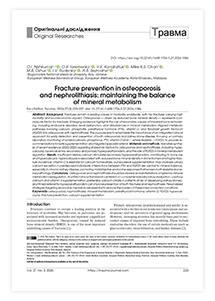
In a new review published in TRAUMA, European Wellness researchers and colleagues at Bogomolets National Medical University make the case that osteoporosis and nephrolithiasis are linked by a single thread: the body's regulation of calcium and phosphate.
🔬 Why is This Research a Game-changer?
- Beyond Siloed Care: Bone and kidney health are usually managed in separate clinics. Reading them as one systemic mineral disorder allows a single prevention strategy to address both – rather than treating one at the expense of the other.
- Measure Before You Supplement: A simple biomarker panel – ionised calcium, phosphorus, PTH, 25(OH)D and, where feasible, FGF23 – turns supplementation from guesswork into something guided.
- Personalisation Is A Necessity: Genetics, baseline urinary calcium and kidney function all shape how a patient responds. The authors make the case that individualised assessment isn't a luxury here – it's what makes prevention safe.
Fracture prevention in osteoporosis and nephrolithiasis: maintaining the balance of mineral metabolism
by
Dr. Olha Nishkumai, O.B. Iaremenko, V.E. Kondratiuk, Prof. Dr. Mike K.S. Chan, M.B. Dzhus, I.V. Rudenko, and A.B. Bezrodnyi
TRAUMA; 27(3), 2026
https://doi.org/10.22141/1608-1706.3.27.2026.1086
MORE PUBLICATIONS:
https://european-wellness.eu/publications/
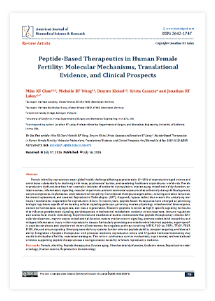
Female infertility affects approximately 10-15% of women of reproductive age worldwide. For many, the journey to motherhood is challenged by complex, interconnected factors like ovarian aging, cellular inflammation, and mitochondrial dysfunction. But what if we could address these challenges at their very biological root?
We are incredibly proud to share a groundbreaking new publication from the visionary minds at European Wellness: "Peptide-Based Therapeutics in Human Female Fertility: Molecular Mechanisms, Translational Evidence, and Clinical Prospects."
Why is this research a game-changer?
- Beyond Conventional Treatments: Peptide therapies offer a highly targeted way to help restore the biological mechanisms responsible for reproductive failure.
- Cellular Rejuvenation: The research highlights how emerging peptide complexes can support ovarian function by improving mitochondrial health and defending against oxidative stress.
- Holistic Harmony: Bioactive peptides act as natural signaling molecules to gently encourage the body's endocrine balance, improve blood flow, and support tissue regeneration.
Peptide-Based Therapeutics in Human Female Fertility: Molecular Mechanisms, Translational Evidence, and Clinical Prospects
by
Prof. Dr. Mike K.S. Chan, Prof. Dr. Michelle B.F. Wong, Dr. Dmytro Klokol, Krista Casazza and Jonathan R.T. Lakey
American Journal of Biomedical Science & Research; 31(5), 2026
https://biomedgrid.com/pdf/AJBSR.MS.ID.004075.pdf
MORE PUBLICATIONS:
https://european-wellness.eu/publications/
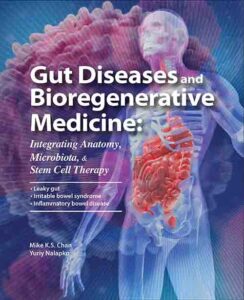
Authors: Prof. Dr. Mike K.S. Chan and Prof. Dr. Yuriy Nalapko
Published by: EUROPEAN WELLNESS ACADEMY – Medical Research
ISBN: 9781662979286 eISBN: 9781662979293
Library of Congress Control Number: 2026945833
This comprehensive review explores the close mechanisms between gut anatomy, microbial ecology, and host regulatory mechanisms that maintain intestinal barrier integrity and systemic health. It highlights the specialized roles of epithelial cell types and junctional complexes in preserving selective permeability, emphasizing how disruptions from stress, aging, inflammation, and mitochondrial dysfunction contribute to increased intestinal permeability and dysbiosis. The metabolic and immunomodulatory functions of gut microbiota, particularly short-chain fatty acid production and bile acid transformation, are examined in relation to barrier maintenance and immune tolerance. The impact of microbial imbalance on gastrointestinal and extraintestinal diseases, including irritable bowel syndrome, inflammatory bowel disease, metabolic syndrome, and neurodegenerative disorders, is detailed alongside mechanisms linking barrier dysfunction to systemic inflammation and autoimmune processes. Diagnostic approaches utilizing serological, urinary, microbial, and proteomic biomarkers are discussed for assessing permeability and guiding clinical management. Therapeutic strategies encompass microbiota-targeted interventions such as fecal microbiota transplantation, synbiotic supplementation, nutritional modulation including zinc, selenium and specialized diets, regenerative techniques like stem cell and peptide therapies, and lifestyle modifications focusing on physical activity and sleep optimization. Neural and immune signalling pathways within the microbiota–gut–brain axis are elucidated, illustrating their roles in gastrointestinal function and mental health. Integrative models presented provide a framework for translating molecular and ecological insights into effective interventions aimed at restoring gut barrier function and systemic homeostasis.
Authors Bio:
Professor Dato’ Sri Dr. Mike K.S. Chan is a pioneer of cellular and cell membrane therapy in Europe and Asia since the early 1980s. He founded one of the world’s largest researchers of bio-molecular medicine based in Switzerland and Germany with a global presence in almost eighty countries. He has conducted more than 1,000 lectures, seminars, and symposiums worldwide in the fields of antiaging, cell regeneration, regenerative medicine, and stem-cell therapies.
Dr. Yuriy Nalapko, MD, PhD, is an academician and practical medical doctor in intensive care, antiaging, and bioregenerative medicine—an area of scientific interest in longevity and how a cell functions with different diseases. He is the author of many handbooks, monographs, and more than 300 articles. Based on his clinical experience, he proposed new approaches to reverse degenerative diseases of the brain, liver, and endocrine organs in different disorders. In metabolic disorder therapy, he combines preventive, pharmacological, and bioregenerative approaches as a state-of-the-art paradigm to correct structural and functional malfunctions.