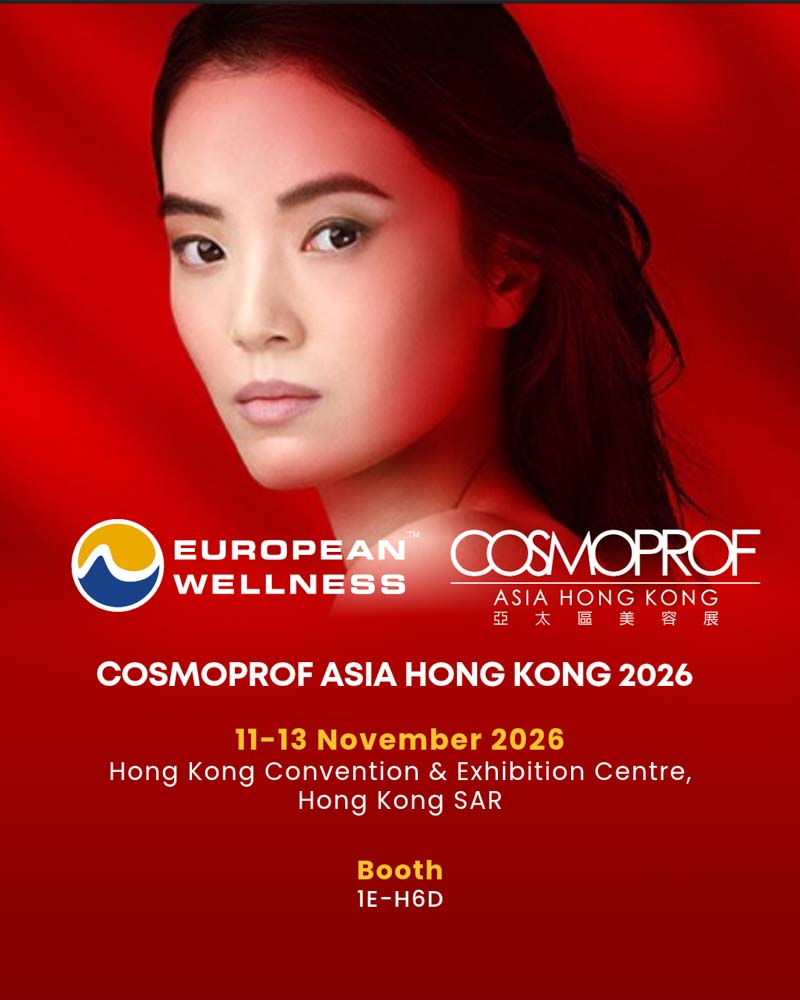
Immerse yourself in a glamorous landscape of emerging trends and lucrative opportunities at Cosmoprof Asia…
Could the Future of Tissue Repair Be Cell-Free? 🧬
European Wellness researchers and collaborators have just published a compelling new study in the Journal of Stem Cell Research – exploring how the secretomes of organ-specific stem cells could potentially accelerate the healing of human blood vessel cells, without using the stem cells themselves.
📄 Publication Title: Differential Effects of Organ-Specific Xenogeneic Progenitor/Precursor Stem Cell Secretomes with Regeneration on Human Umbilical Vein Endothelial Cell Wound Healing
✍️ Authors: Prof. Dr. Thomas Skutella, Prof. Dr. Mike K.S. Chan, and Prof. Dr. Dmytro Klokol
📖 Journal: Journal of Stem Cell Research – 7(2), 2026
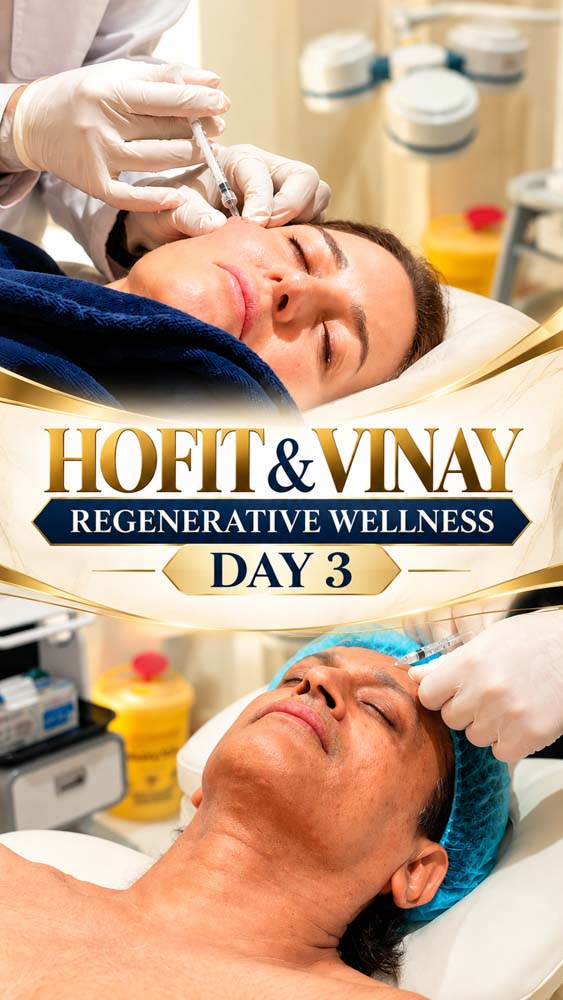
🔗 Watch now: https://youtube.com/shorts/tfCOvbNJFow
Here’s What It’s About:
Stem cells don’t heal only by replacing damaged tissue – they release a rich mix of growth factors, cytokines, and extracellular vesicles known as the “secretome.” Using a Human Umbilical Vein Endothelial Cell (HUVEC) scratch assay, the team compared secretomes drawn from five different tissues – Retina, Kidney, Brain, Heart, and Thymus – to see how each influenced wound healing:
✅ Heart and Brain secretomes showed the strongest, most sustained effect – with treated cells reaching near-complete wound closure (~99%) by 48 hours
✅ Kidney secretome showed the fastest early response – with cell migration advancing ahead of the untreated control within the first 16 hours
✅ Every secretome outperformed the untreated control – and, unlike the control, appeared to maintain those gains over time rather than losing ground
💡 Why This Matters:
A cell-free approach could potentially offer many of the benefits of stem cell therapy with greater scalability, simpler handling, and possibly lower immune risk. These early in-vitro findings suggest the secretome may be a promising avenue for future research into vascular repair, wound healing, and tissue engineering – and offer an intriguing hint that different organs may carry their own distinct regenerative “signatures.”
Read the full publication here at https://european-wellness.eu/publications/differential-effects-of-organ-specific-xenogeneic-progenitor/
Follow European Wellness:



Follow European Wellness Academy:
Follow Prof. Dato’ Sri Dr. Mike Chan:

Related Posts