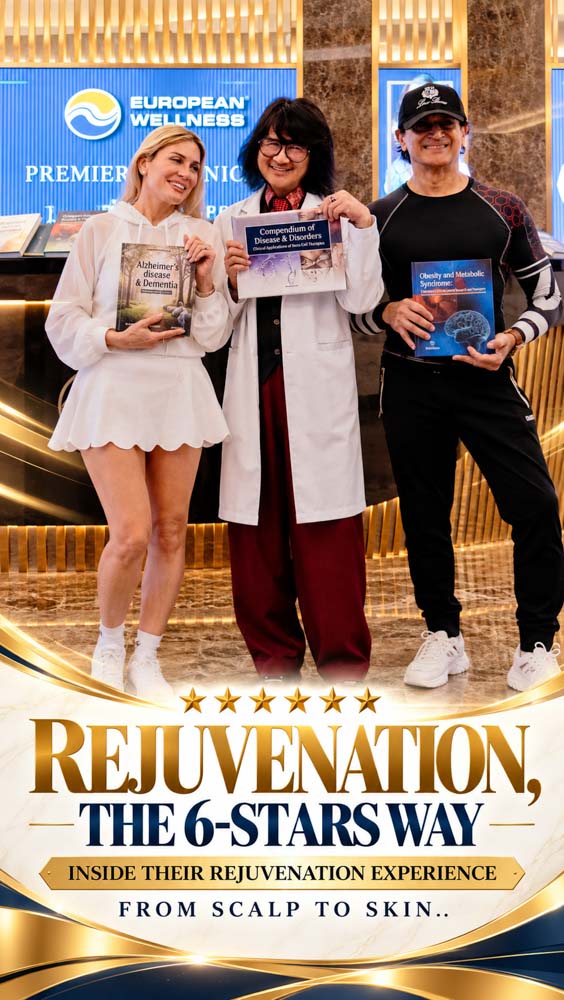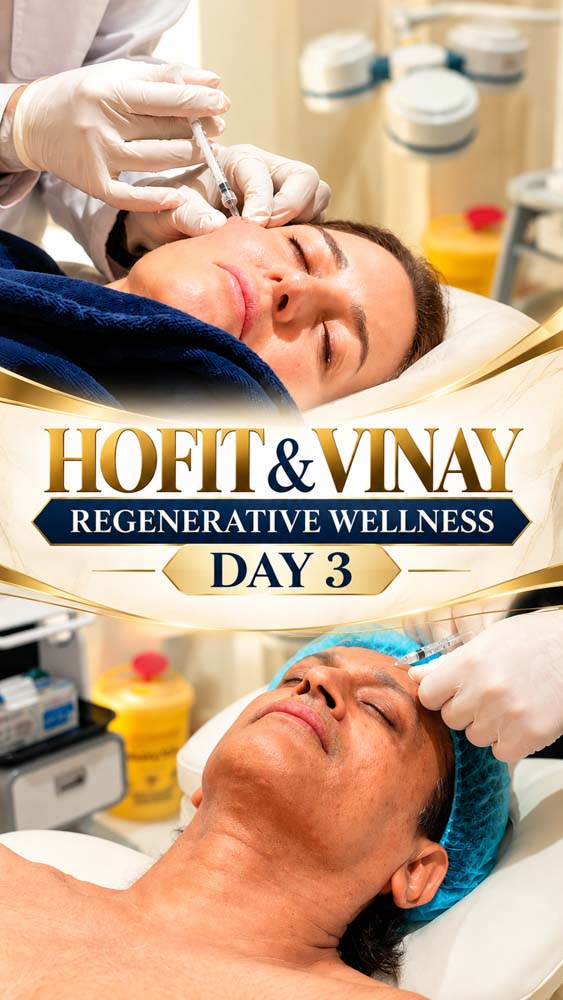
Immerse yourself in a glamorous landscape of emerging trends and lucrative opportunities at Cosmoprof Asia…
LONGEVITY DECODED: How Gut Microbes Hold the Secret to Healthy Aging
Article source: https://theconversation.com/what-the-gut-microbiome-of-the-worlds-oldest-person-can-tell-us-about-ageing-266161
New research suggests that maintaining a healthy balance of gut microbes can protect our DNA, preserve telomeres, and reduce inflammation — potentially slowing aging process, and keep people stay healthier for longer.
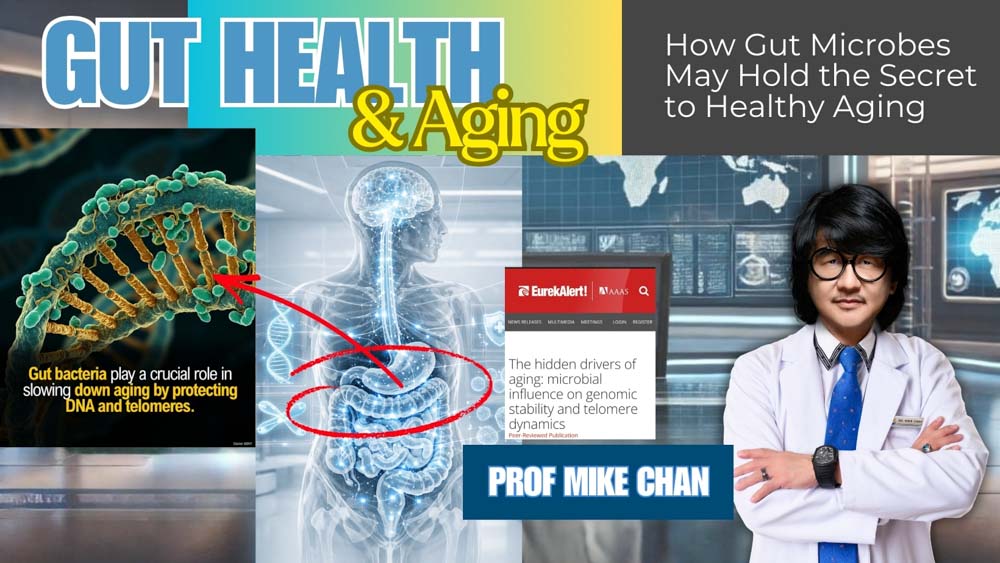
PARIS, (Dec 28, 2025) – A growing wave of scientific research is drawing a direct line between the trillions of microbes living in the digestive tract and the pace at which the body ages. A recent comprehensive review published in Exploratory Research and Hypothesis in Medicine has added weight to this idea, showing how an imbalanced gut microbiome can damage DNA, shorten telomeres—the protective caps at the ends of chromosomes—and accelerate cellular aging.
“This research confirms what we have observed clinically for decades,” said Prof. Dato’ Sri Dr. Mike Chan, founder of the European Wellness Biomedical Group. “A disturbed gut microbiome does not just affect digestion. It destabilizes the immune system, increases inflammation, and undermines genomic integrity. That is the biology of accelerated aging.”
The Gut as a “Second Brain”
Clinical observations from regenerative medicine strongly support these findings, according to Prof. Mike Chan, who has spent nearly four decades studying the gut as a foundation of longevity.
The intestinal lining is one of the fastest-regenerating tissues in the human body, yet it is also one of the first to fail as we age,” Prof. Mike Chan explains. “When the microbiome is unhealthy, the intestinal mucosa becomes thin and inefficient. Nutrient absorption drops sharply—often from the mid-50s onward—so even the best food and supplements no longer nourish the body properly.
“The gut contains more neurons than the brain itself. It is not just a digestive organ, it is a neurological and regenerative organ. If we do not restore the gut environment early, aging accelerates from the inside out.”
Modern science has increasingly embraced the idea that the gut functions as more than a digestive organ. Lined with more than 100 million neurons and deeply connected to the brain through neural and chemical signaling, it is often referred to as the body’s “second brain.”
“The gut talks to the brain constantly,” Prof. Chan explained. “Mood, cognition, immune responses, even how we age, are influenced by this dialogue.”
According to a recent scientific review, when gut bacteria fall out of balance, a condition known as dysbiosis, harmful microbes release toxins and inflammatory molecules that ripple through the body. This chronic, low-grade inflammation, sometimes called “inflammaging” has been linked to cardiovascular disease, neurodegeneration, cancer, and premature aging.
Centenarians offer a striking counterexample. Studies cited in the review show that people who live beyond 100 often have unusually diverse gut microbiomes, rich in bacteria that suppress inflammation and support metabolic health.
“A youthful gut creates a youthful internal environment,” Prof. Chan said. “It’s not coincidence—it’s cause and effect.”
DNA, Telomeres, and the Microbial Connection
At the cellular level, aging is driven by cumulative damage to DNA and the gradual shortening of telomeres. Each time a cell divides, telomeres shrink slightly, acting as a biological clock that limits how long cells can function.
The review highlights how gut-derived inflammation and oxidative stress can accelerate this process. Harmful bacteria generate reactive oxygen species that damage DNA and interfere with natural repair mechanisms, while beneficial microbes produce compounds that protect cells and help maintain telomere length.
“This is where gut health becomes genomic health,” Prof. Chan said. “If you protect the microbiome, you protect the DNA. If DNA is protected, aging slows.”
Treating Aging from the Inside Out
Prof. Chan’s clinical philosophy is built around a simple but strict sequence known as DDRR: Diagnose, Detox, Repair, and Rejuvenate. The approach, detailed in his scientific books and journals, places gut restoration at the very beginning of any regenerative treatment.
“In regenerative medicine, timing and order are everything,” he said. “You cannot repair a system that is still toxic.”
At European Wellness centers, patients undergo extensive assessments to evaluate gut flora, immune status, and toxic load, including heavy metals. Detoxification focuses on clearing accumulated toxins that disrupt the microbiome and damage the gut lining.
“Think of it as cleaning the soil before planting new seeds,” Prof. Chan explained. “If the internal terrain is hostile, even the most advanced stem cells cannot survive or function.”
The Gut–Brain Axis and Complex Disorders
The implications extend beyond aging alone. Prof. Chan has long argued that many neurological and developmental disorders have roots in gut dysfunction.
“In autism and neurodegenerative diseases, we often find severe dysbiosis and heavy metal toxicity,” he said. “The symptoms appear in the brain, but the origin is frequently in the gut.”
By restoring microbial balance and reducing inflammation, his protocols aim to calm the gut–brain axis, lowering neuroinflammation and improving neurological function. These approaches, he notes, are supported by emerging research linking gut health to cognitive resilience and mental well-being in later life.
Preparing the Body for Regeneration
Only after the gut and immune system are stabilized does Prof. Chan introduce organ-specific precursor stem cell therapies. His precision matching principle, aligns stem cell type with target tissue to maximize regenerative outcomes.
“A healthy gut creates immune tolerance and reduces oxidative stress, giving regenerative therapies a real chance to work.”
Biological age is monitored using markers such as telomere length and protein glycan patterns, offering measurable insight into whether aging processes are slowing or reversing.
A New Paradigm for Longevity
As populations age worldwide, the search for ways to extend healthspan, not just lifespan—has become urgent. While gene therapies and anti-aging drugs attract headlines, the gut microbiome may prove to be one of the most powerful and accessible levers of longevity.
“Aging is no longer seen as inevitable decline, but as a modifiable biological process. And the gut is at the center of that control,” said Prof. Mike Chan.
He believes the future of medicine will integrate microbiome science with regenerative therapies, creating personalized strategies to maintain vitality well into old age.
“The gut is where immunity begins. If we want to change how humans age, this is where we must start,” said Prof. Mike Chan。
Key Publications by Prof. Mike Chan (Article Resources)
Here’s a list of key publications authored or co-authored by Prof. Mike Chan, which were referenced or cited as foundation for this research.
- Mike KS Chan, Klokol, D. (2021). The GUT Microbiome and Brain Health. European Wellness Academy Publishing.
– Explores the role of the gut-brain axis in cognitive function, neurological disorders, and aging, emphasizing microbial balance as a therapeutic target. - Mike KS Chan, Klokol, D. & Zakaria, Z. (2020). Reverse Aging with Bioregenerative Medicine: The Future of Health Rejuvenation. European Wellness Biomedical Group.
– Introduces the DDRR therapeutic model and the significance of detoxification and gut optimization before regenerative treatments. - Mike KS Chan. et al. (2022). The GUT-Brain-Axis: Peptides, Exosomes, Stem Cells, and Regenerative Therapies. European Wellness Academy Publishing.
– A comprehensive look at how gut health influences neurological outcomes and how integrated biological therapies can support healing. - Mike KS Chan, Klokol, D., Lim, Y. et al. (2023). Anti-Aging & Regenerative Medicine: Stem Cells, Peptides and Exosomes in Clinical Application. European Wellness Academy Publishing.
– Details clinical protocols, case studies, and scientific rationale for organ-specific cell therapies and gut-focused rejuvenation strategies. - Mike KS Chan (Ed.) (2019). Stem Cells in Regenerative Medicine: Organ-Specific Approaches and Bioregenerative Protocols. European Wellness Academy.
– Highlights the importance of “terrain preparation,” including microbiota correction, prior to the application of organ-matched stem cells.
Follow European Wellness:



Follow European Wellness Academy:
Follow Prof. Dato’ Sri Dr. Mike Chan:

Related Posts