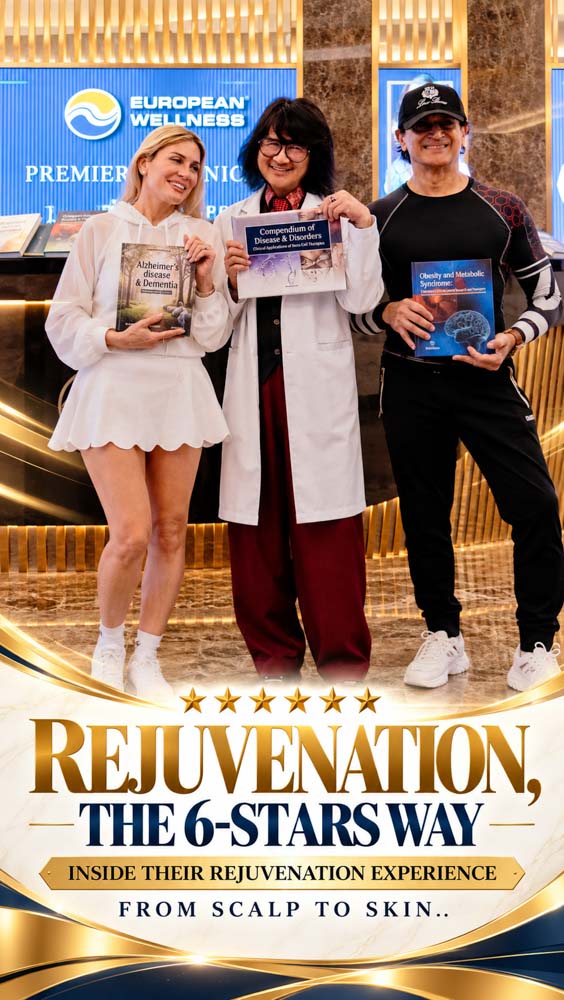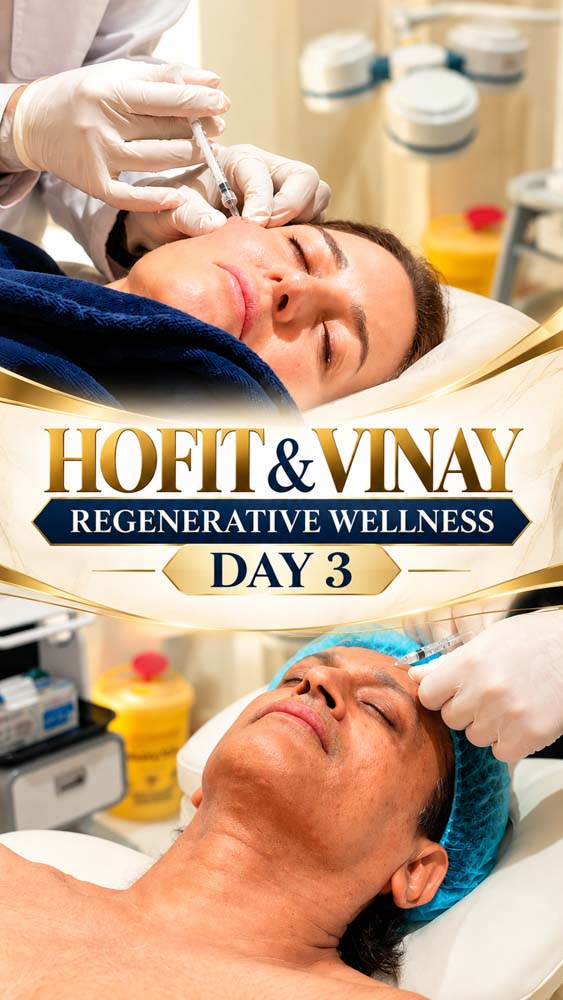
Immerse yourself in a glamorous landscape of emerging trends and lucrative opportunities at Cosmoprof Asia…

Prof. Mike Chan Reveals Why Precision Medicine Is the Future of Regenerative Healthcare at ADAMS 2026
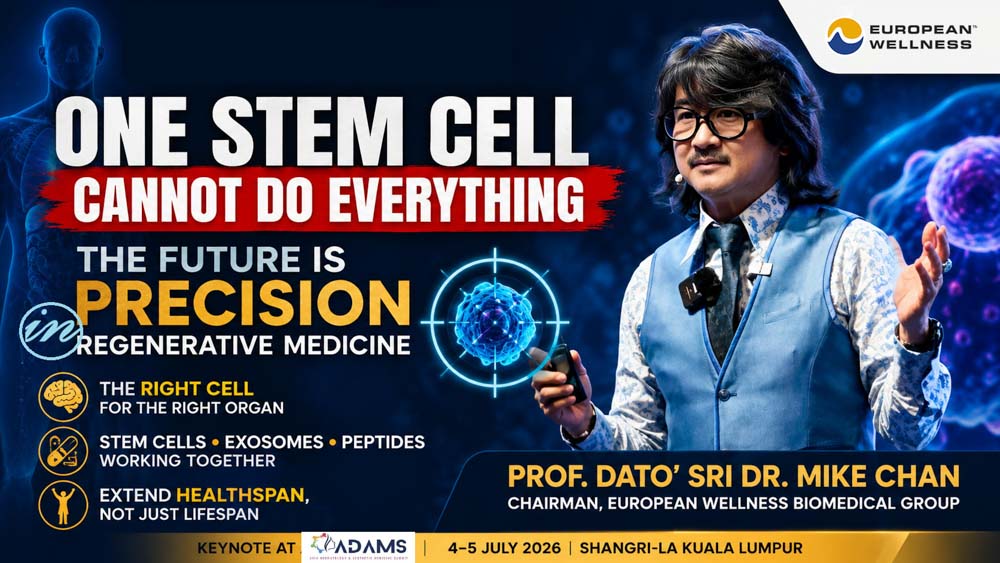
KUALA LUMPUR (July 4, 2026) — Precision regenerative medicine, rather than a one-size-fits-all approach to stem cell therapy, will define the future of longevity medicine, according to Prof. Dato’ Sri Dr. Mike Chan.
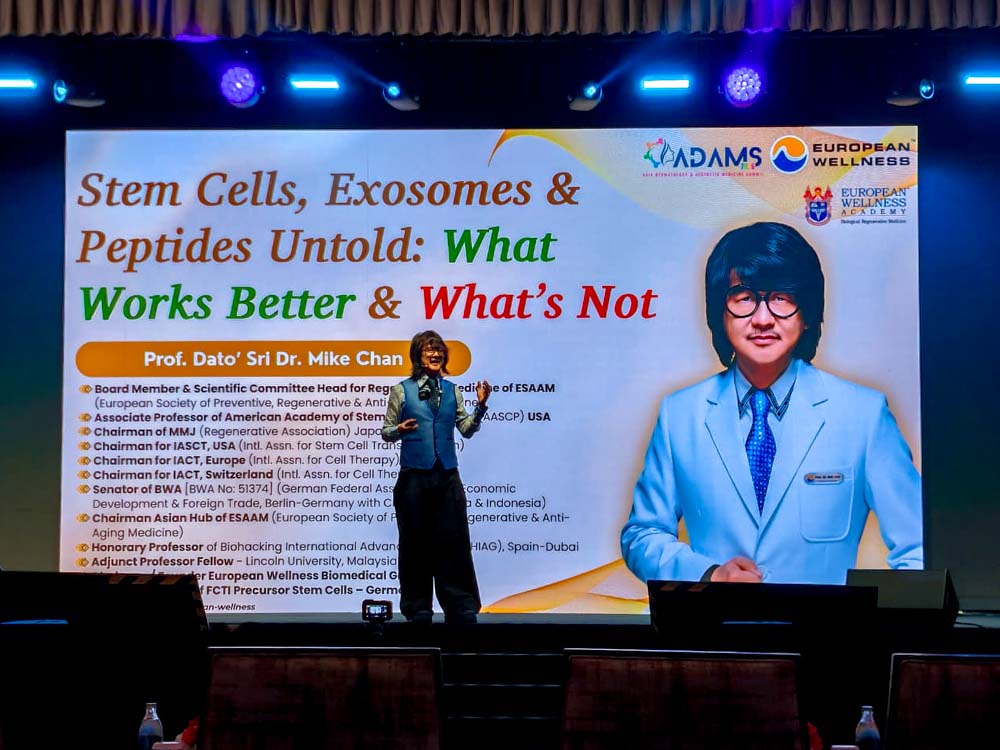
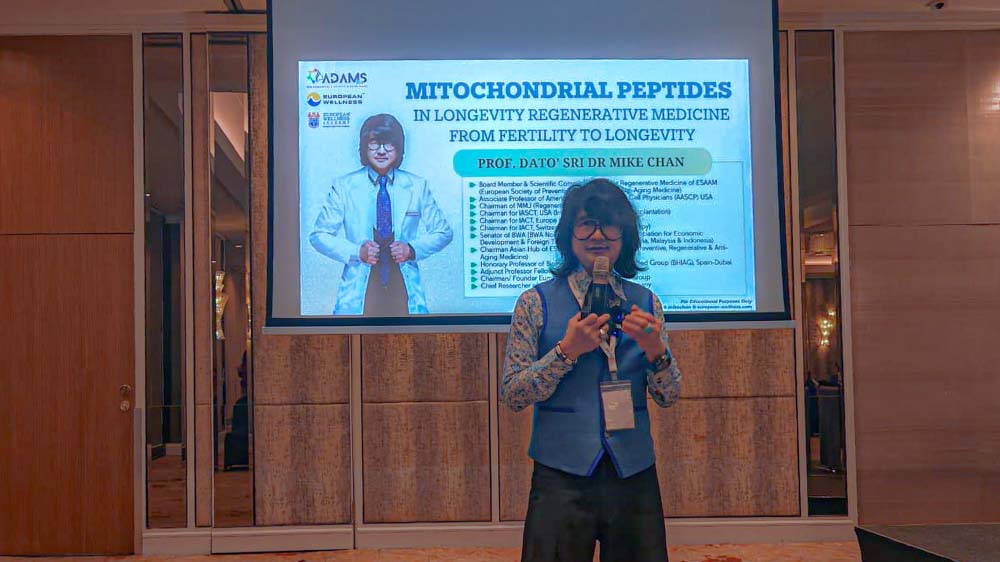
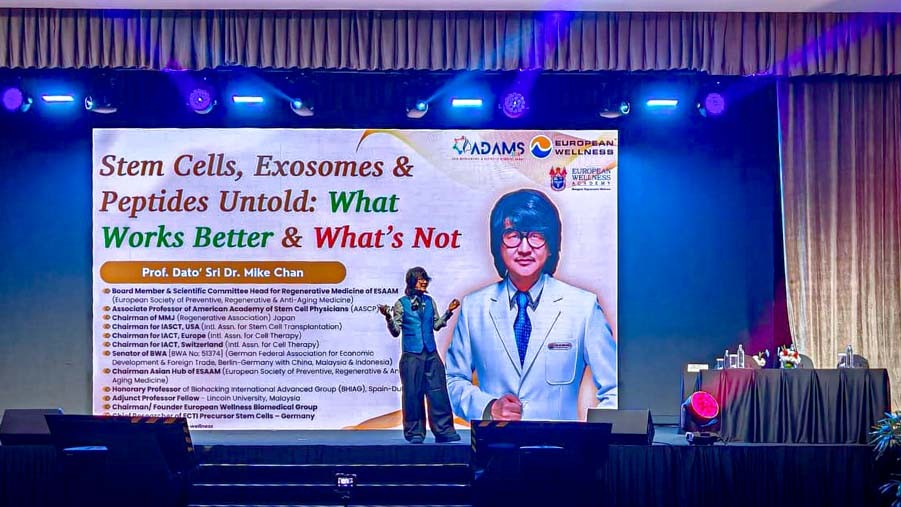
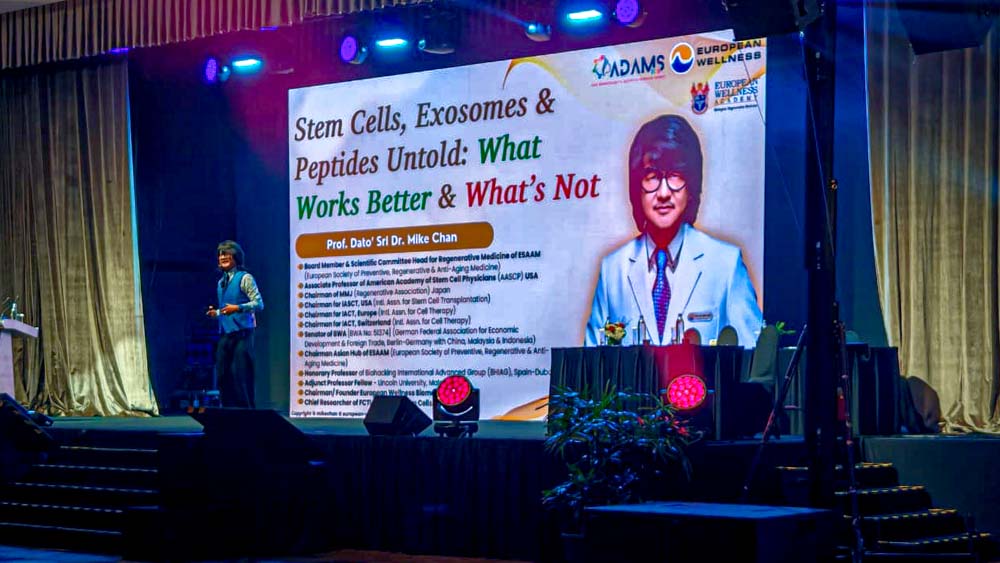
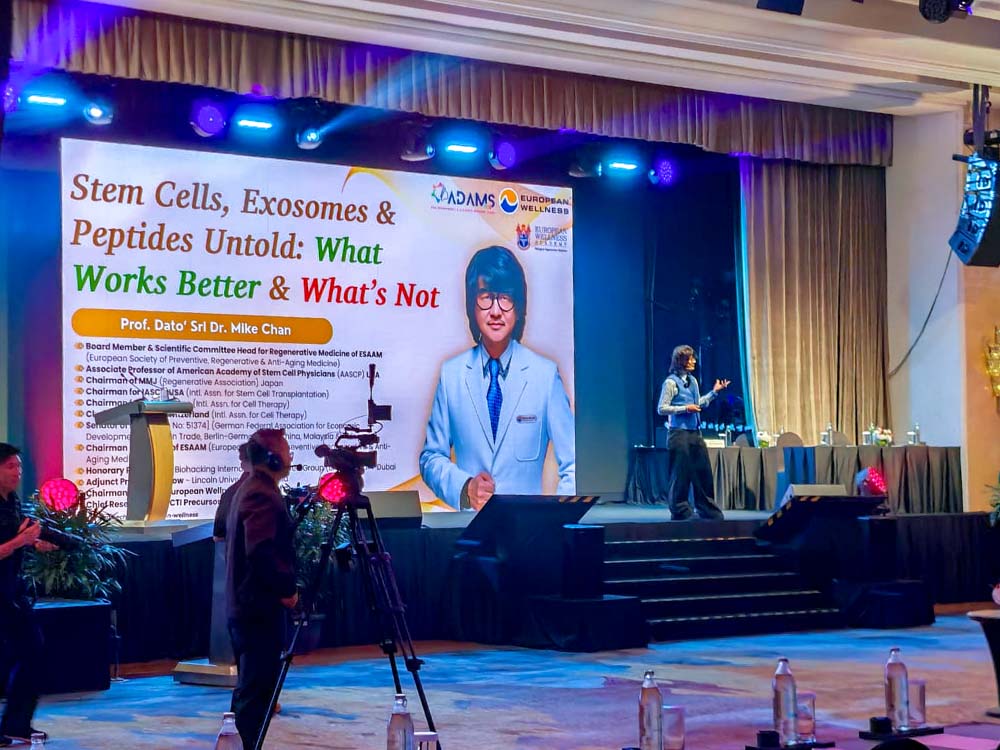
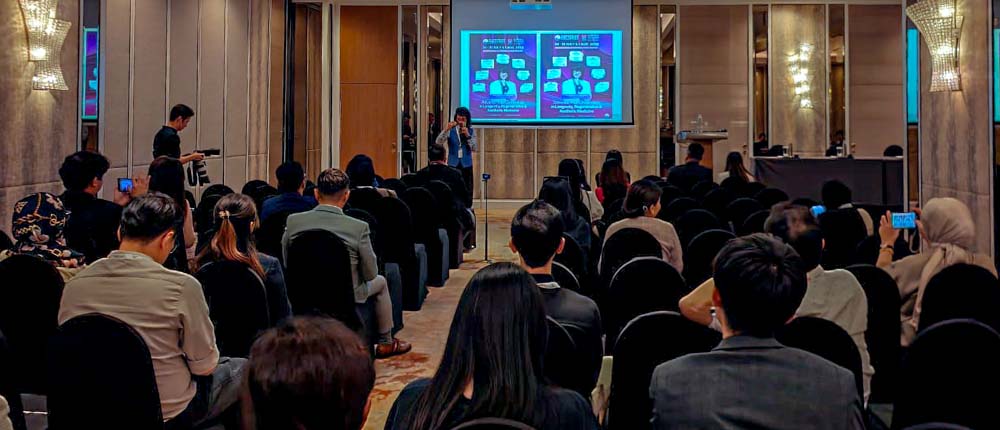
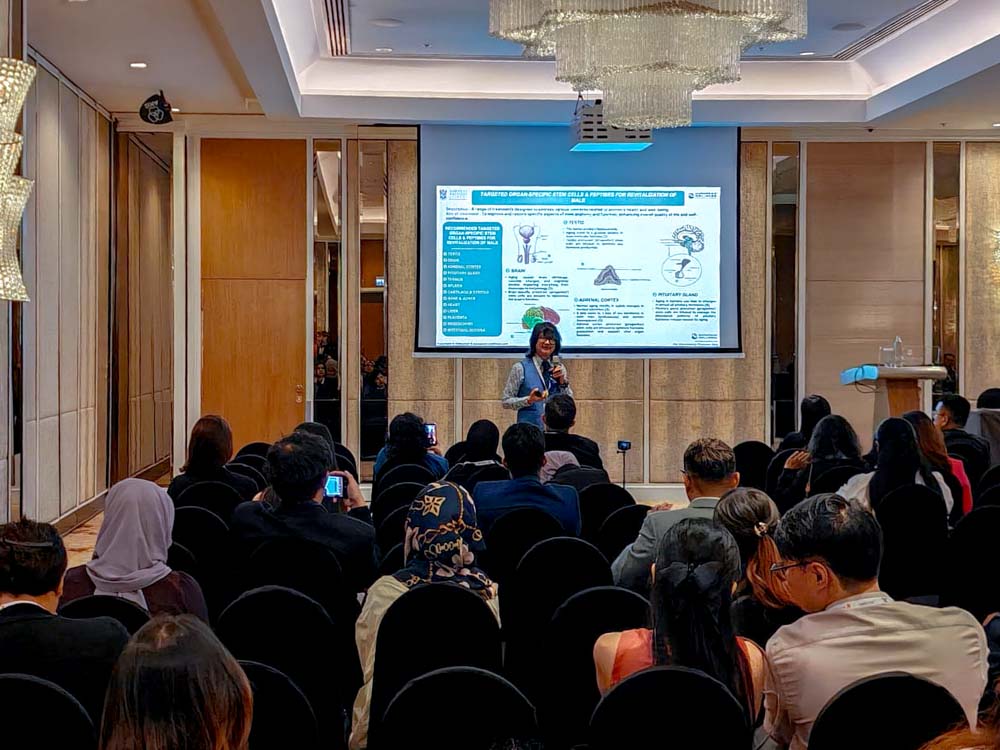
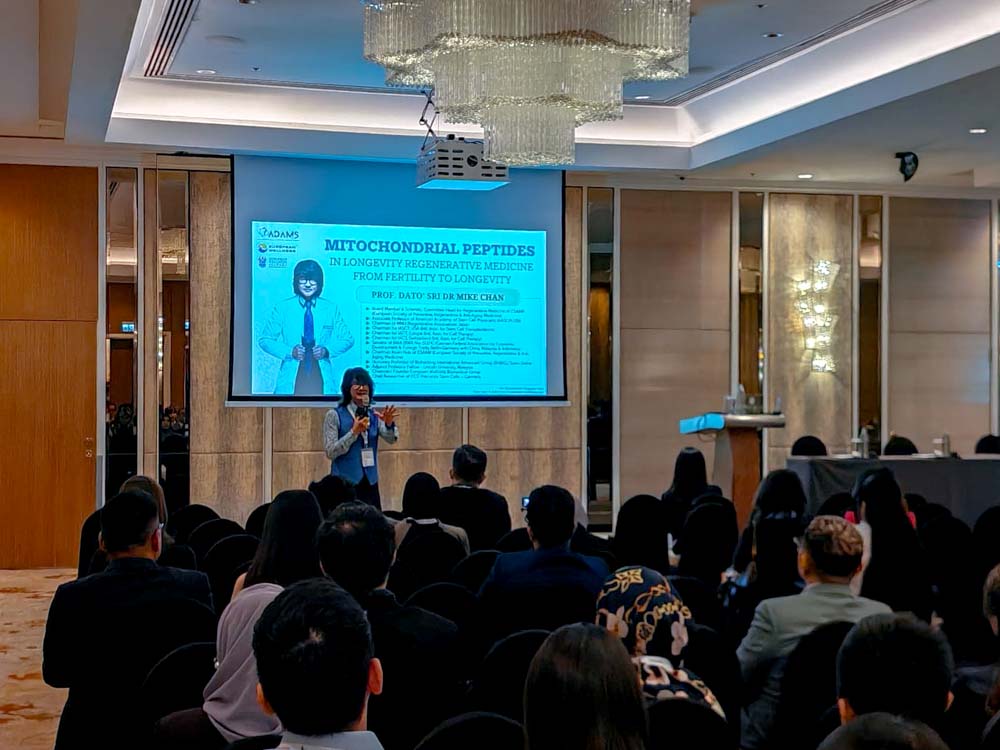
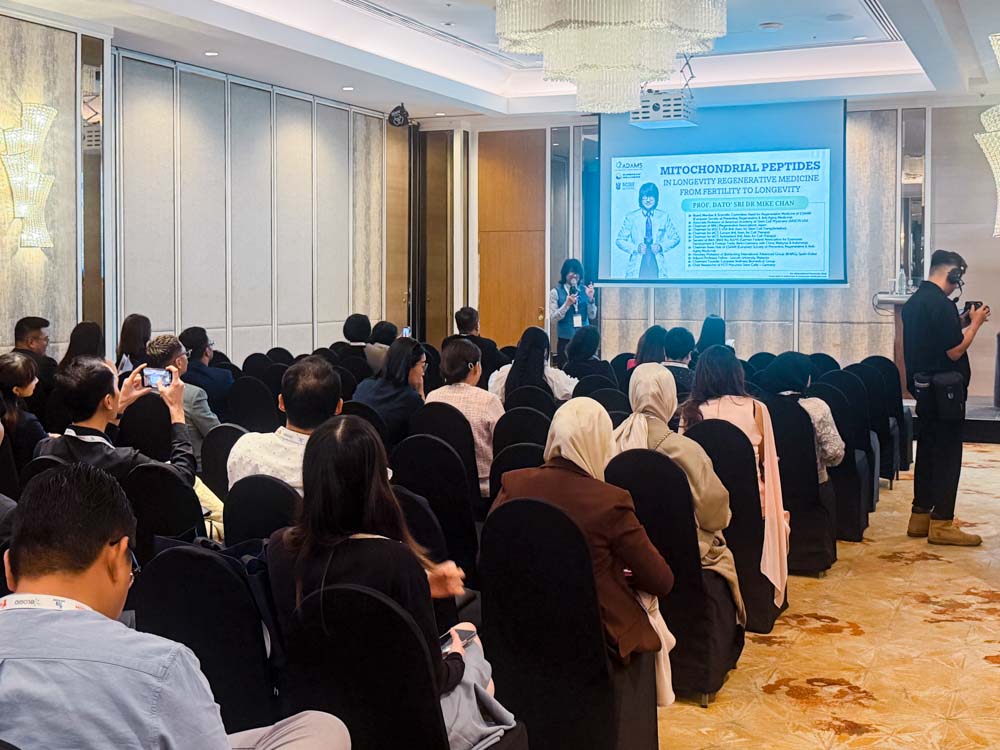
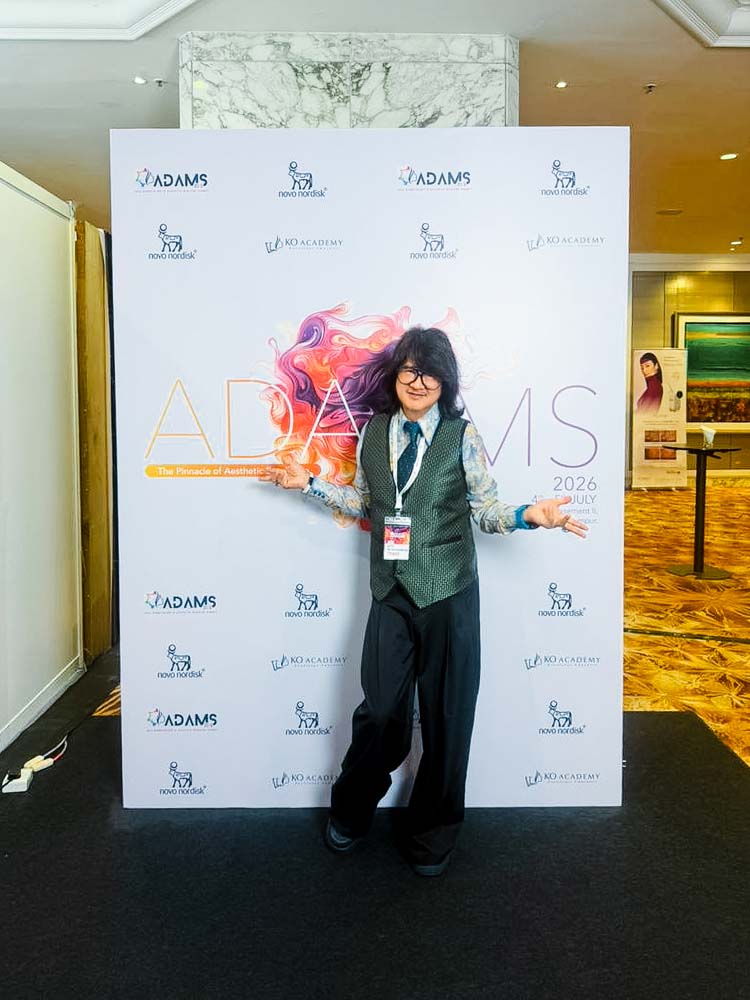
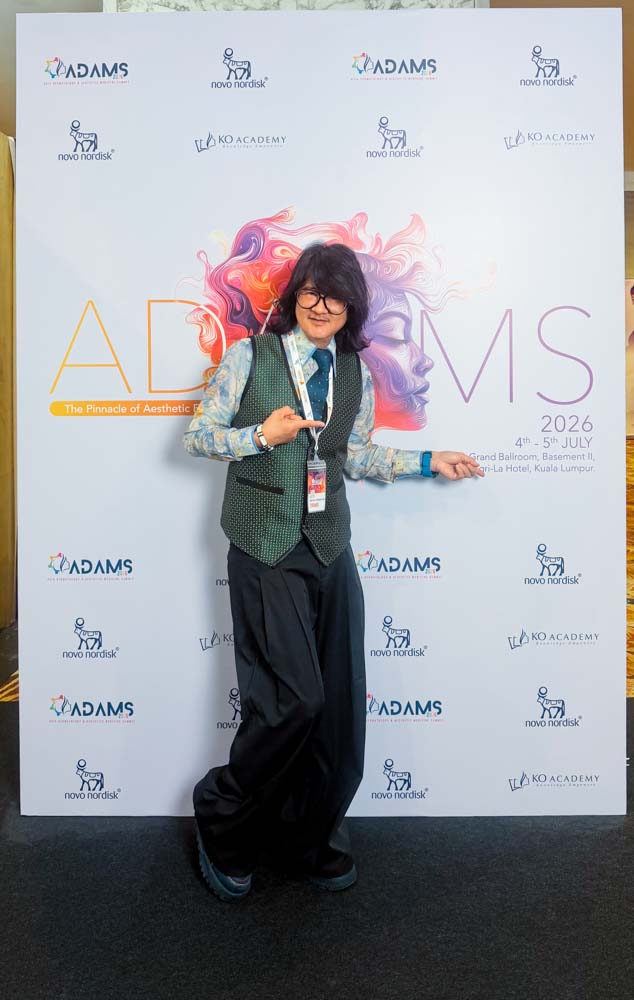
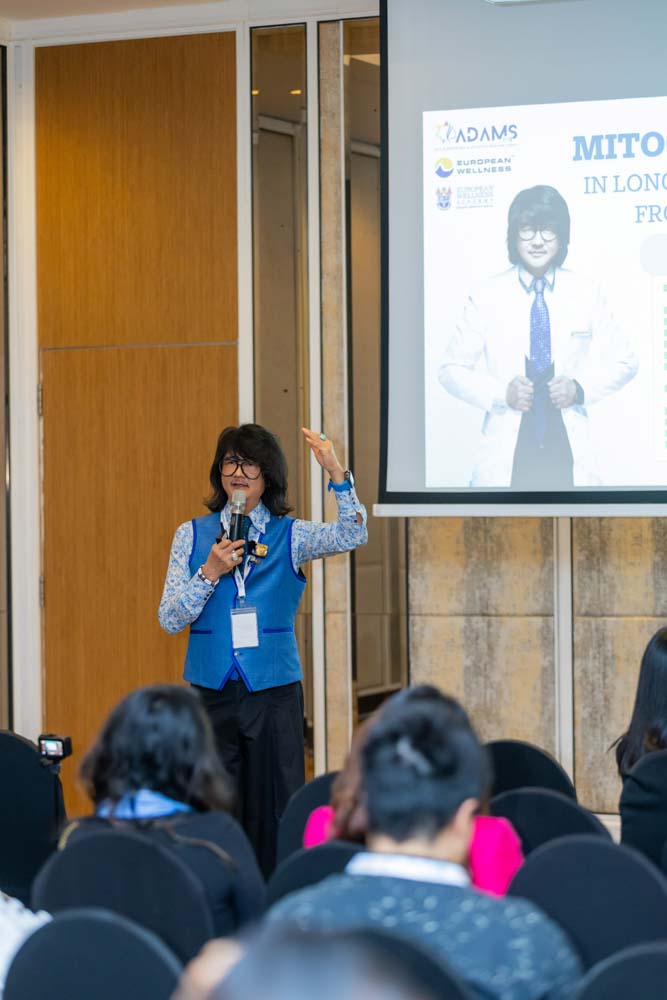
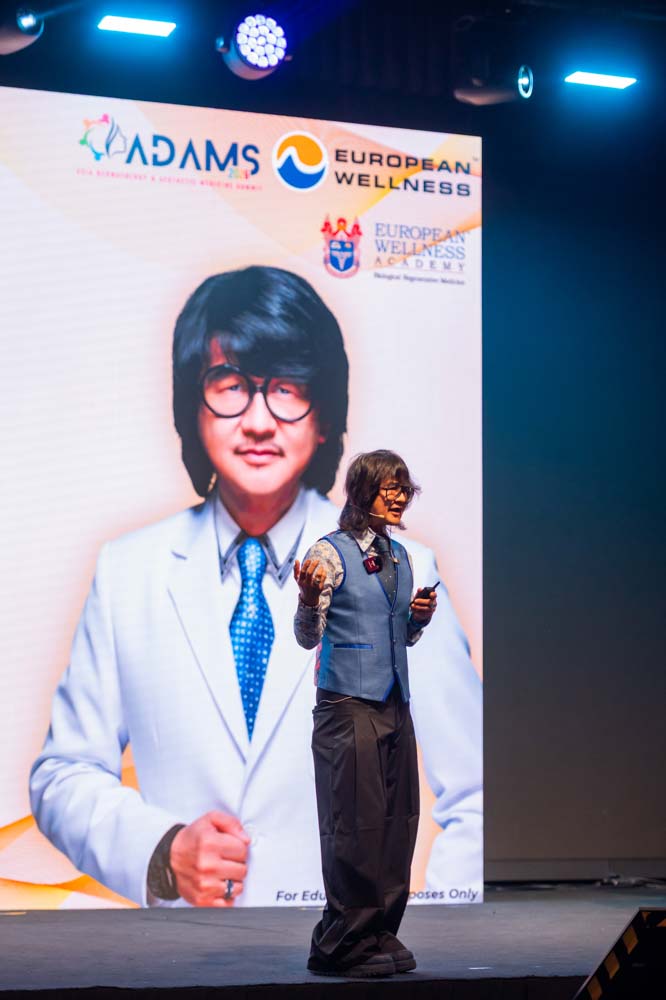
Addressing hundreds of doctors, researchers, and healthcare professionals at the Asia Dermatology & Aesthetic Medicine Summit (ADAMS) 2026 at the Shangri-La Kuala Lumpur on Saturday, the chairman of European Wellness Biomedical Group challenged one of the most deeply rooted perceptions in regenerative medicine—that a single type of stem cell can treat virtually every disease.
For years, stem cells have been promoted as a universal solution capable of repairing almost any condition. Prof. Chan, however, argued that the future lies not in finding one “miracle” stem cell but in delivering the right cell to the right organ at the right time.
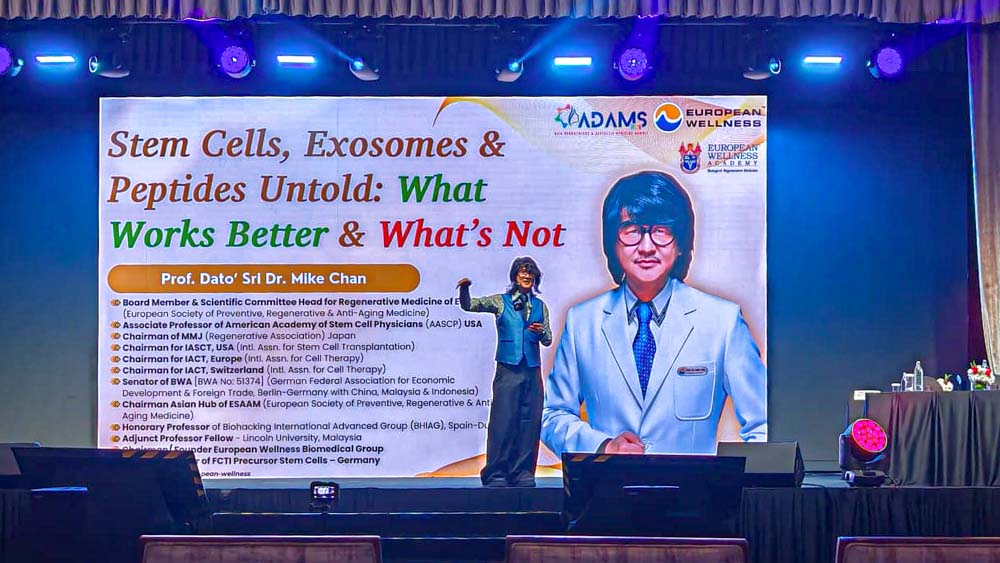
“Everyone thought one stem cell could do all the magic. “Impossible,” he said during his keynote address titled Stem Cells, Exosomes, and Peptides Untold: What Works Better, What’s Not?
Instead, he said regenerative medicine should move towards precision treatment by matching organ-specific stem cells, peptides, and exosomes to individual organs and diseases.
Drawing on more than four decades of research and clinical experience, Prof. Chan reflected on how far the science has evolved since he began stem cell research in Geneva in 1983.
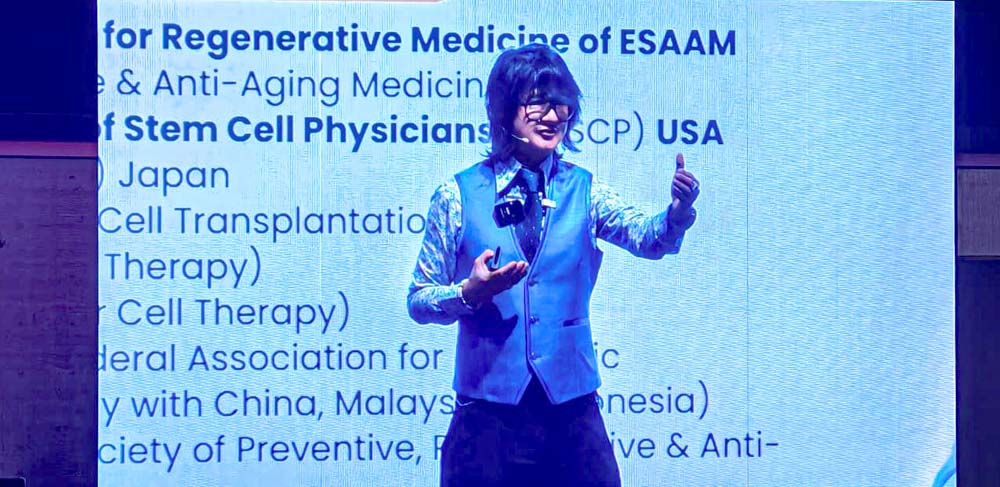
“I’ve been in this field for 43 years,” he told delegates. “I started stem cell research in 1983 when I went to Geneva. Throughout these years, I have come to realize there’s still a lot to learn about stem cells.”
Rather than presenting himself as having all the answers, Prof. Chan opened his lecture with a message of scientific humility, urging greater collaboration among researchers and clinicians.
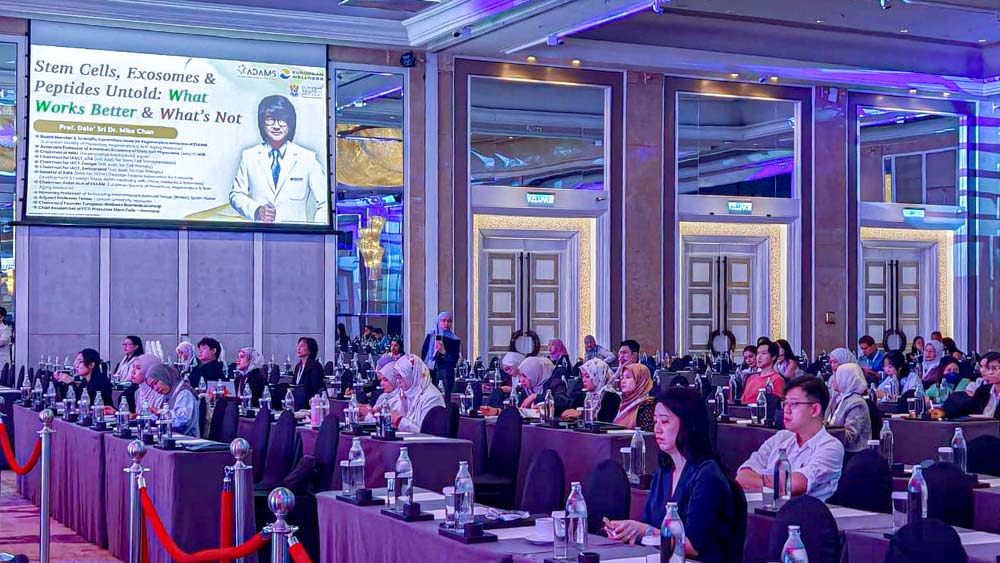
“There is no master in stem cell research or immunology because there’s so much more we have to learn,” he said. “We have to learn and share with each other.”
That philosophy formed the foundation of his keynote, which called on the medical community to move beyond generalized regenerative therapies and embrace a more precise, evidence-based approach tailored to the unique biology of each organ and disease.
Every Organ Ages Differently
According to Prof. Chan, one of the biggest mistakes in longevity medicine is treating the body as if it ages uniformly.
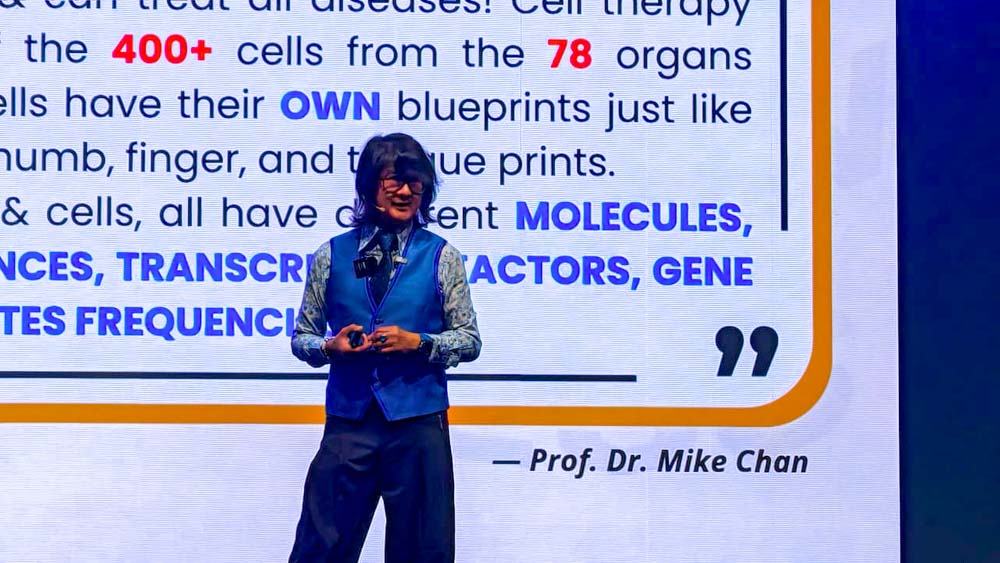
“Our organs are shrinking,” he explained. “None of the organs are forever young. You have 78 organs, and all are shrinking. Your lungs start to decline at around 20, your heart at 40, your pancreas around 55, your kidneys around 55, and even your gut begins to decline around 50.”
This means that simply extending lifespan is not enough.
“There is no point extending longevity if we don’t improve healthspan.”
He distilled the concept into three simple principles:

“Longevity depends on healthspan. Healthspan depends on cell span. You are as old as the biological age of your organs.”
For Prof. Chan, regenerative medicine should focus on keeping each organ biologically younger rather than merely helping people live longer.
The Myth of the Universal Stem Cell
The central message of his presentation challenged one of the most common marketing narratives surrounding stem cell therapy.
“Everyone thought one stem cell can do all the magic. Impossible.”
He explained that every organ contains highly specialized cells with unique biological “blueprints.”
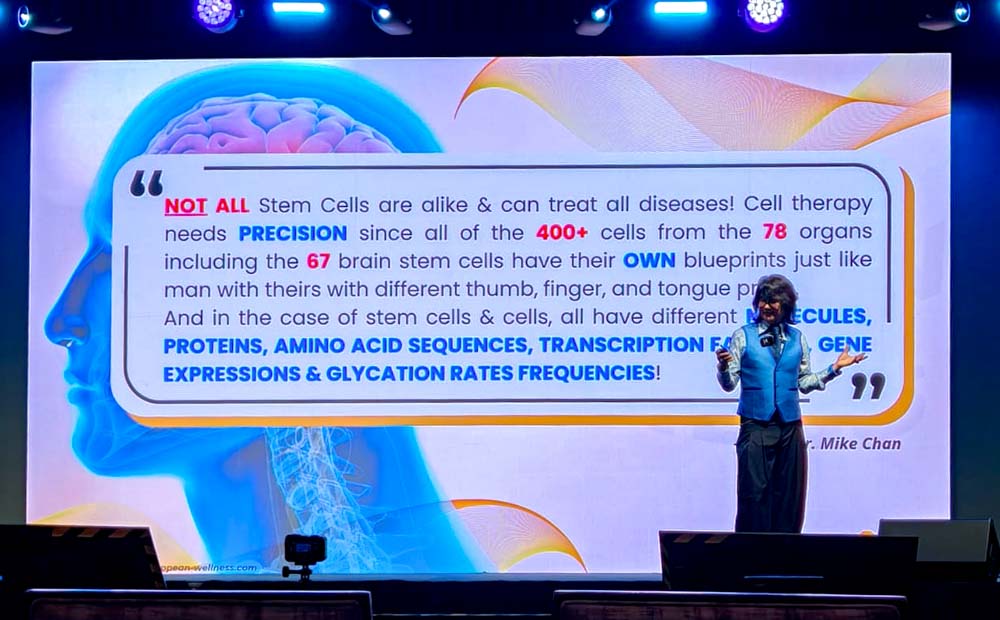
“All the 400-plus different cell types in the human body are never alike,” he said. “They have different molecules, different proteins, different amino acid sequences, different transcription factors.”
To illustrate the point, he compared cells to puzzle pieces.
“It’s like a jigsaw puzzle. You try to put the wrong piece into the wrong hole—it won’t work.”
The implication is clear: liver cells cannot regenerate heart tissue, and heart cells cannot repair retinal damage.
“If you give liver cells to treat a cardiac patient,” he explained, “it will only go to the liver.”
Precision Instead of Generalization
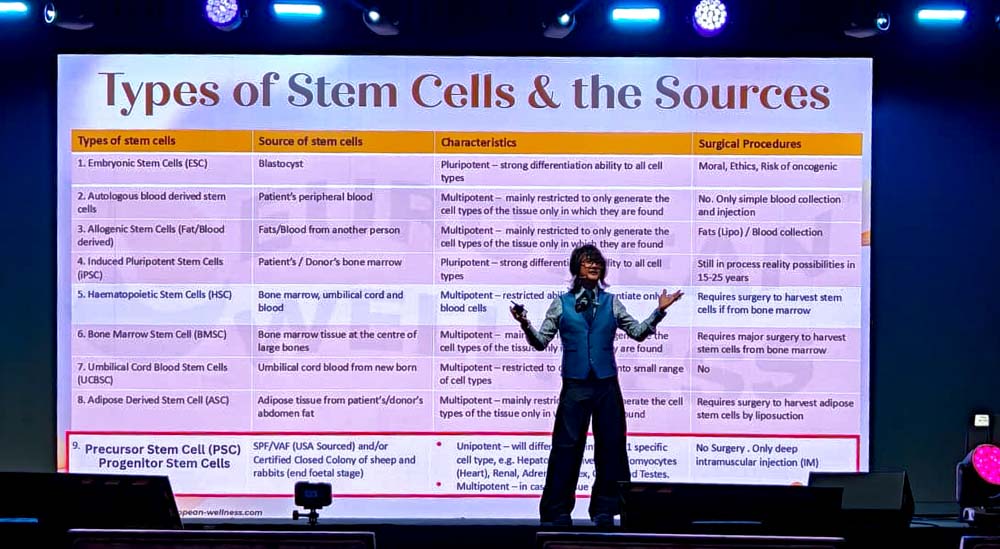
Instead of relying solely on generic mesenchymal stem cells, Prof. Chan advocated a precision-based strategy built around organ-specific precursor cells.
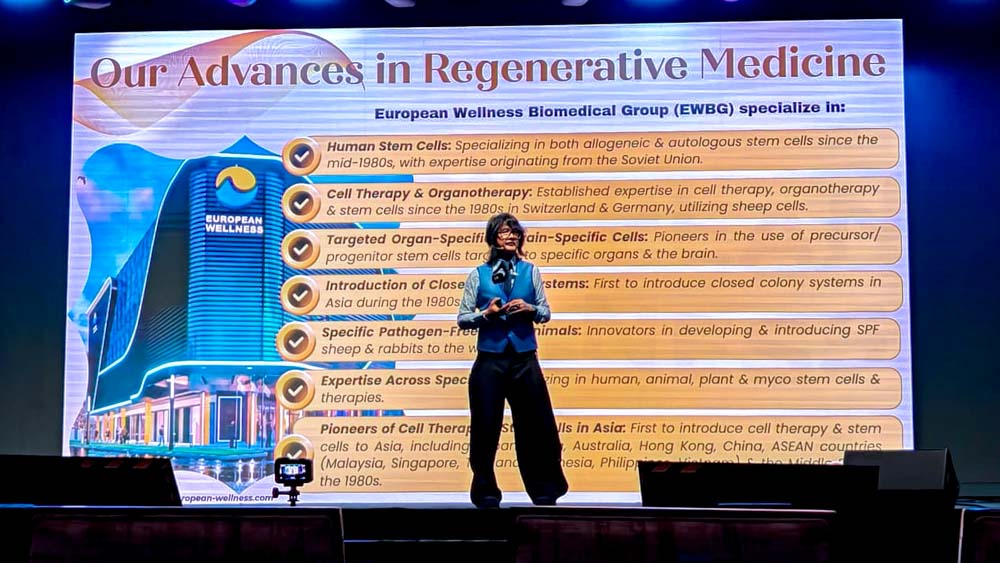
“You want to treat diabetes?” he asked. “Then you need the islet cells.”
“For Parkinson’s disease, you need the substantia nigra.”
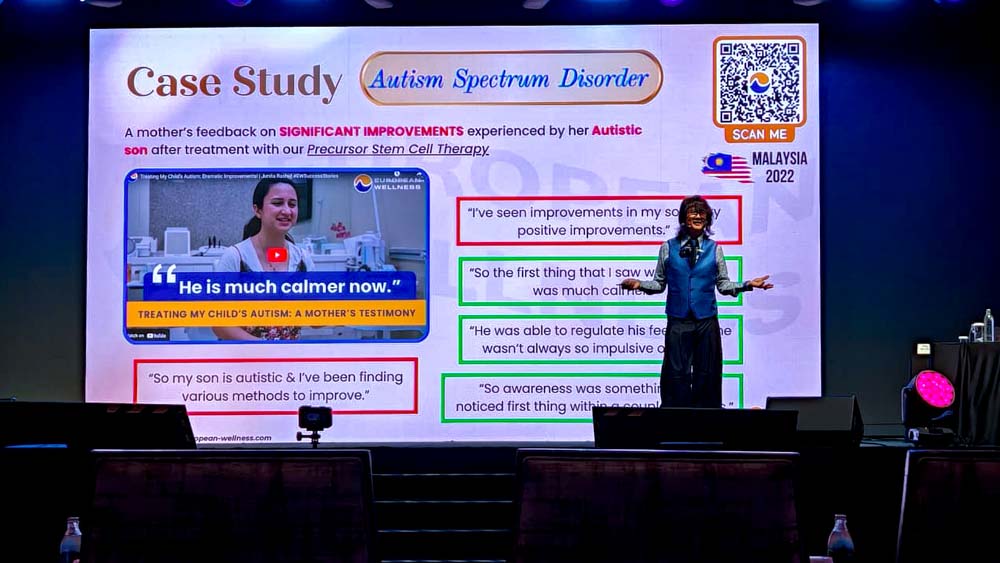
“For autism, you need the prefrontal cortex.”
“For memory, you need the hippocampus.”
“For heart disease, you need the cardiomyocytes.”
His conclusion was unequivocal.
“It has to be specific because every cell has a different blueprint.”
Beyond Stem Cells Alone
Prof. Chan also challenged another misconception—that regenerative medicine should revolve around stem cells alone.
He described stem cells, exosomes, and peptides not as competing therapies but as complementary tools.

“When people ask me which works better,” he said, “it’s very difficult to answer because it depends on the patient’s condition.”
For healthy aging, he acknowledged that several approaches may be appropriate.
“If it’s only anti-aging, you can give many things.”
However, when disease is involved, precision becomes critical.
“If he has a chronic problem, kidney problem, liver problem, or diabetic problem—you must be specific.”
The Future Is Precision Regenerative Medicine
Throughout the lecture, Prof. Chan returned repeatedly to one idea: regenerative medicine is evolving from broad stimulation to targeted biological repair.
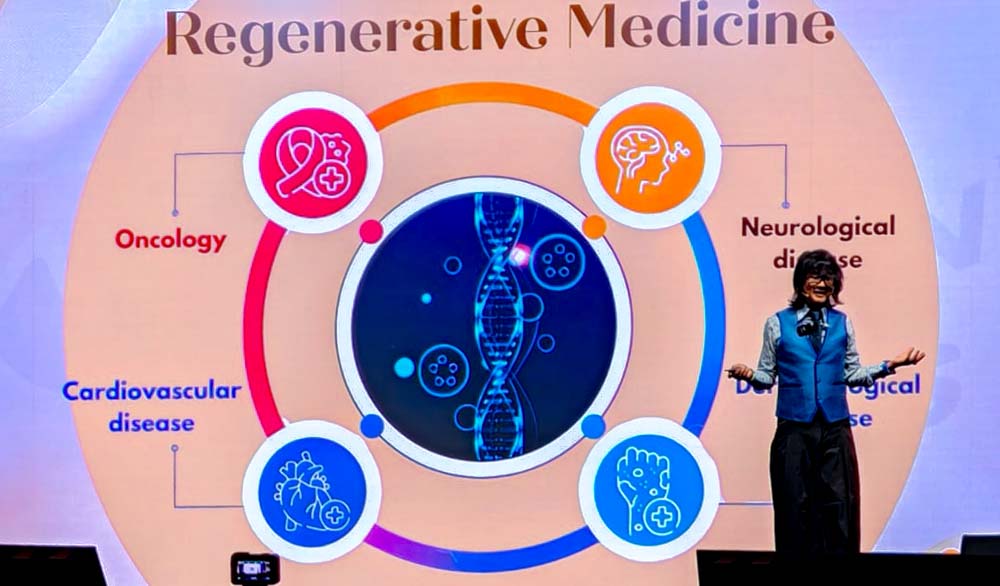
“The future,” he said, “is regenerative medicine together with longevity medicine.” But regenerative medicine itself must evolve.
“Stem cells must be organ-targeted and organ-specific.”
“The best way to treat disease is to give a series of cells—not just one type of cell.”
Rather than expecting a single therapy to solve every problem, physicians should identify which organs have deteriorated, determine the biological age of those tissues, and deliver precisely targeted regenerative therapies.
A Call for Scientific Humility
Perhaps the most memorable moment of the keynote came not from a scientific slide, but from Prof. Chan’s reflection on four decades in medicine.
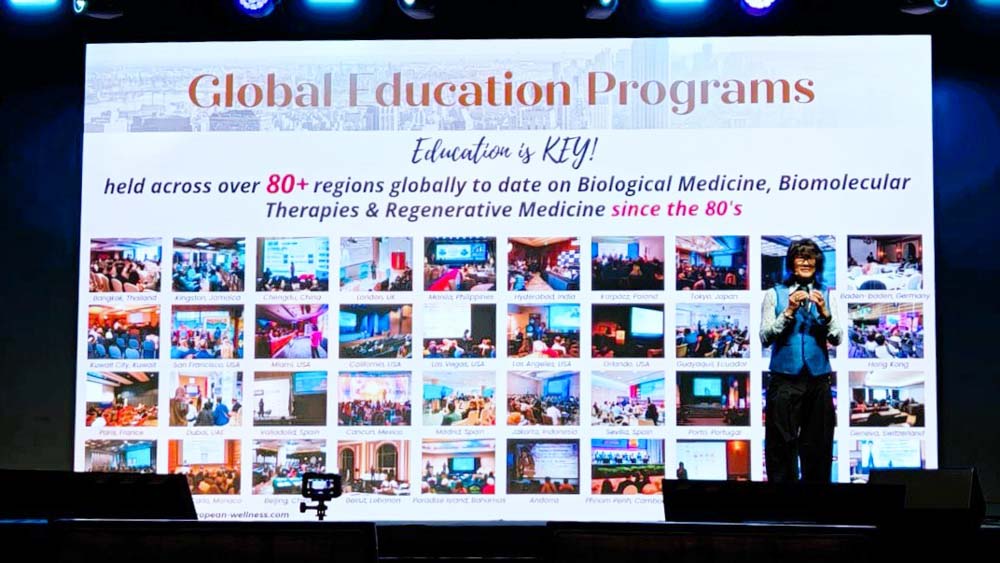
Despite delivering more than 1,000 lectures, publishing over 170 scientific papers, collaborating with leading universities worldwide, and helping pioneer regenerative medicine across Asia, Europe, and the Middle East, he closed with a reminder that science is still evolving.

“There is still a lot to learn.”
“I’m very willing to share everything. If I can’t answer a question, I’ll dig for the answer.”
That spirit of curiosity, collaboration, and continuous learning set the tone for ADAMS 2026—and underscored a broader message that may define the next era of regenerative medicine: the future belongs not to one miracle therapy but to precision medicine grounded in science, evidence, and lifelong learning.




Follow European Wellness:



Follow European Wellness Academy:
Follow Prof. Dato’ Sri Dr. Mike Chan:

Related Posts