Immerse yourself in a glamorous landscape of emerging trends and lucrative opportunities at Cosmoprof Asia…
European Wellness Brings Peptide Education to the Forefront at ADAMS 2026
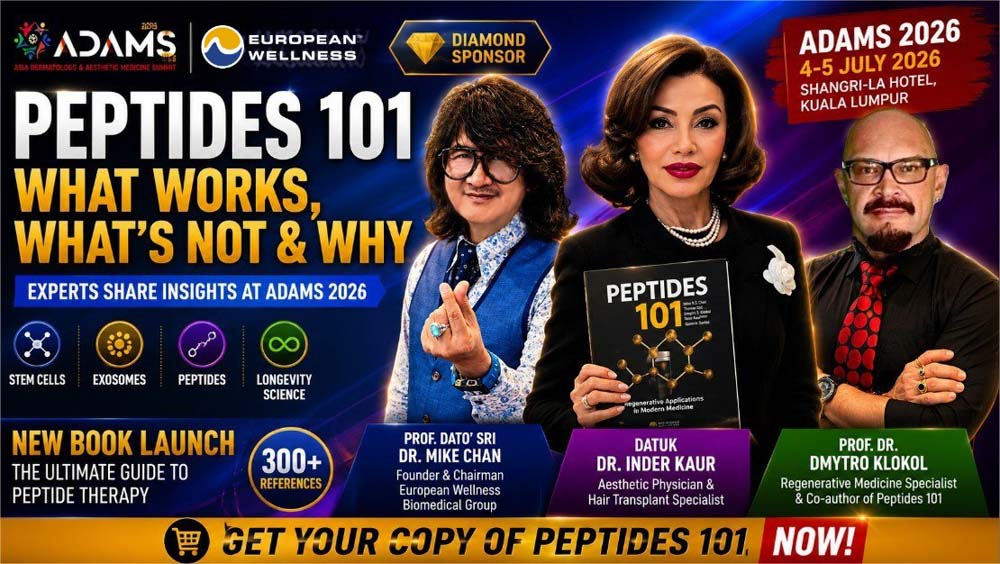
Prof. Mike Chan, Datuk Dr. Inder Kaur and Prof. Dr. Dmytro Klokol Spotlight the Science, Safety and Clinical Future of Peptide Medicine
BUY NOW: https://european-wellness.eu/product/peptides-101
KUALA LUMPUR, Malaysia (July 4, 2026) — At a summit already packed with discussion on stem cells, exosomes, longevity medicine and regenerative therapies, one of the liveliest and most practical conversations at ADAMS 2026 centered on a topic that has rapidly moved from niche interest to mainstream medical buzzword: peptides.
Held at the Asia Dermatology & Aesthetic Medicine Summit (ADAMS) 2026 at the Shangri-La Hotel Kuala Lumpur, the exchange brought together Prof. Dato’ Sri Dr. Mike Chan, founder and chairman of European Wellness Biomedical Group; Datuk Dr. Inder Kaur, and regenerative medicine specialist Prof. Dr. Dmytro Klokol for an on-the-ground discussion around the newly released book Peptides 101—a publication designed to help doctors and readers better understand what peptides are, how they work, and where they fit into the future of modern medicine.
The conversation reflected a broader theme running through ADAMS 2026: as regenerative medicine becomes more widely discussed, the need for credible education, evidence-based guidance, and clearer clinical understanding has become more urgent than ever.
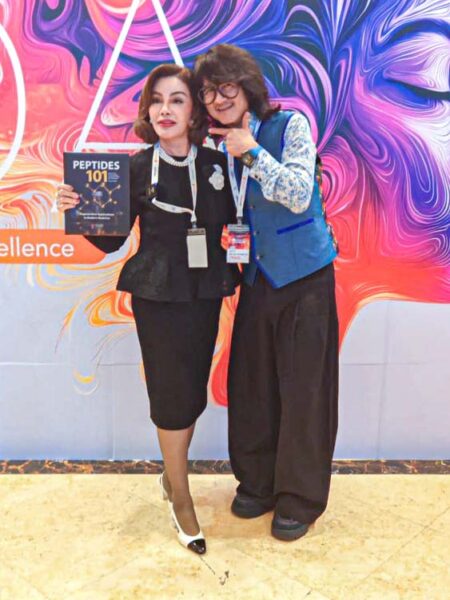
A Timely Peptide Conversation at ADAMS 2026
European Wellness returned to ADAMS 2026 as a Diamond Sponsor, bringing with it a strong scientific lineup spanning stem cells, exosomes, peptides, mitochondrial medicine, longevity science, and precision regenerative therapies. But beyond the keynote halls and plenary sessions, the summit also created space for smaller, more personal conversations that often reveal where medicine is heading next.
One such moment came when Datuk Dr. Inder Kaur sat down with Prof. Mike Chan to ask about the peptide boom—and about the book she said she intended to buy in order to better understand the field.
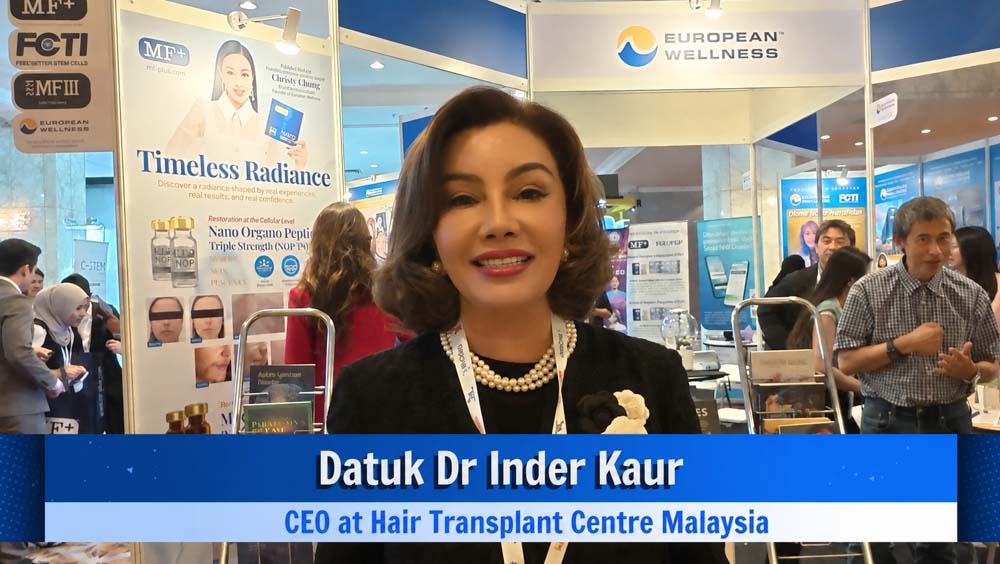
Opening the exchange, Dr. Inder framed the issue in direct terms. “He has written many books, and this is one of the books that I’m going to buy today because I’m going to learn about peptides,” she said, before asking Prof. Mike to explain both the book and the peptide landscape more broadly.
That question set the tone for a discussion that moved quickly from peptide basics to clinical relevance, patient safety, education, and the future of regenerative practice.
Peptides Need More Education, Not More Hype
Prof. Mike used the moment to place peptides in a wider medical context, reminding viewers that while peptides may feel like the newest trend in aesthetic and regenerative medicine, the science itself is not new.
“Everyone is talking about peptides,” he said. “We first introduced peptides in 2011, together with exosomes, in Las Vegas… and now everyone is talking about peptides and exosomes. But it’s been there for a long, long time.”
He stressed that one of the most important distinctions clinicians must understand is the difference between natural, organic peptides and synthetic peptides, a point that often gets blurred in commercial conversations. “There is also something you have to understand about peptides. You have the organic, natural peptides, but you also have the synthetic ones,” he explained.
For Prof. Mike, the issue is not whether peptides deserve attention, but whether that attention is being matched by proper education.
“It’s high time to give more education and create more awareness—for the doctors and also to the laymen to understand more,” he said, adding, “Because I always say education is so important; awareness is so important.”
That emphasis on education is especially relevant in a market where peptides are now being discussed across anti-aging clinics, wellness programs, metabolic health, sports recovery, aesthetics, and hair restoration—often with very different levels of scientific understanding behind them.
From Hair to Regenerative Medicine: Practical Applications Still Matter
One reason peptides continue to attract interest is their sheer range of potential applications. During the interview, Prof. Mike touched not only on regenerative medicine in general but also on specific areas such as hair restoration, where he suggested there is significant room for collaboration and innovation.
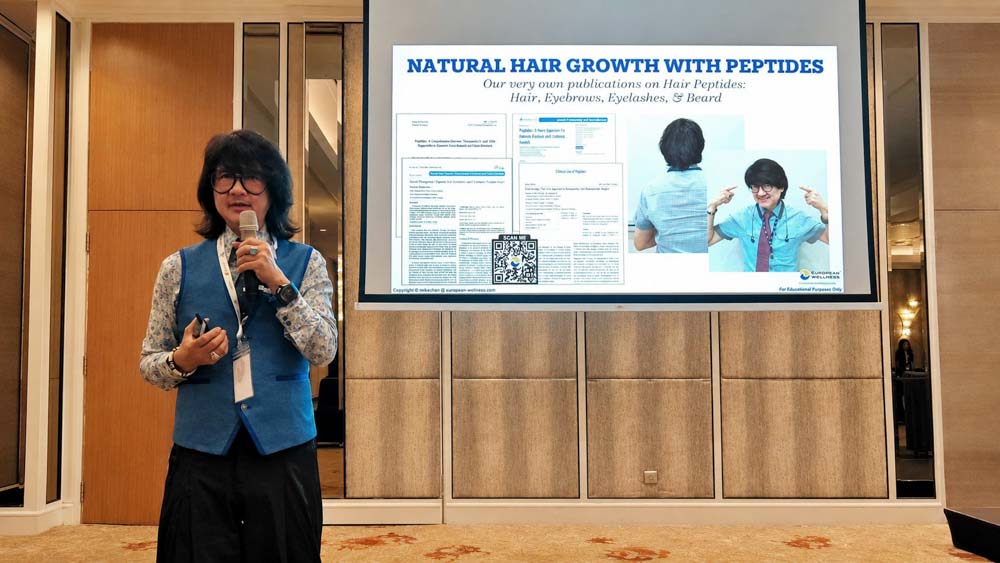
Addressing Dr. Inder, a hair transplant specialist, he remarked that peptide and regenerative protocols could open up additional possibilities in hair and follicular support. He added that European Wellness had already produced multiple books and publications in the hair and stem cell fields, underscoring how closely peptide science is beginning to intersect with aesthetic and restorative medicine.
Peptide medicine should not be viewed in isolation. It sits within a broader ecosystem of stem cells, exosomes, regenerative biology and targeted clinical programs, all of which need to be understood together rather than marketed as standalone miracle fixes.
Doctors Must Keep Up with What’s Shaping Modern Regenerative Medicine
Dr. Inder, who appears in the interview not only as a host but also as an engaged clinician seeking clarity, used the conversation to underline why peptide education matters now.
“What interests me the most is on the latest topic that everybody talks about: peptides,”
she said, before urging practitioners and readers to get familiar with the subject if they want to understand how peptides are being used across different medical indications.
She also framed the discussion as part of a larger professional responsibility to keep up with rapidly evolving treatment approaches.
“As we go on with medication, with all the latest modern way of doing aesthetic or regenerative medicine, we have to keep up,” she said, thanking Prof. Mike for helping make that knowledge more accessible through his publications.
That perspective captures one of the most important realities of ADAMS 2026: aesthetic medicine is no longer confined to injectables, lasers or surface-level cosmetic interventions. Increasingly, it overlaps with systemic health, tissue repair, inflammation, ageing biology, cellular support and longevity medicine — all areas where peptide science is now gaining ground.
What Does ‘Peptides 101’ Actually Cover? Prof. Dr. Dmytro Klokol Breaks It Down
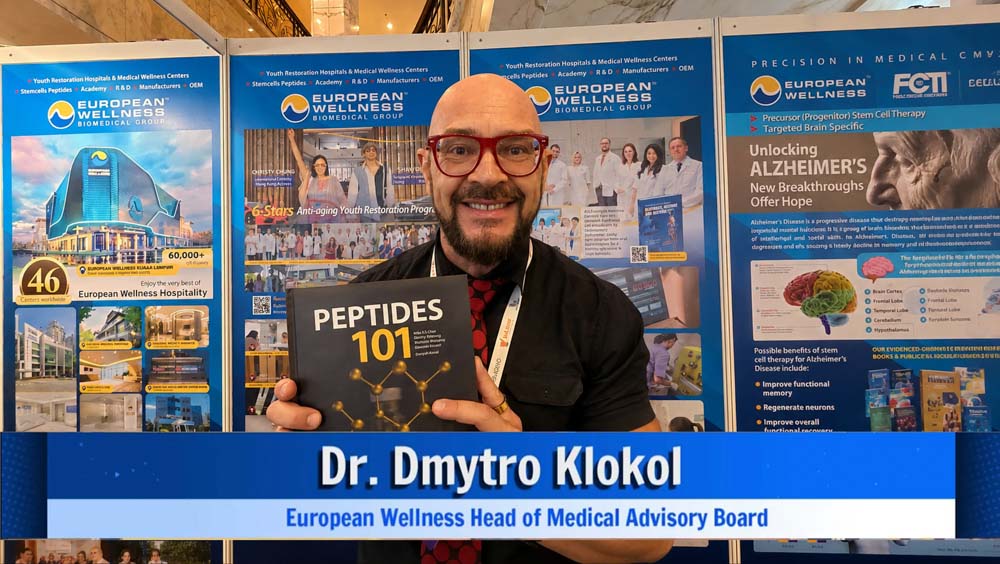
If Prof. Mike provided the strategic view, Prof. Dr. Dmytro Klokol provided the structural map of the book itself.
Speaking in the interview, Prof. Dmytro described Peptides 101 as a collaborative work involving multiple authors and universities, designed to move readers from foundational concepts into more targeted clinical applications.
According to him, the book begins with the history and general principles of peptide therapy, then moves into organ-specific applications and structured clinical programs. Those include areas such as:
- Metabolic syndrome
- Body recomposition
- Gastrointestinal disorders
- Neuroregeneration
- Vision support and regenerative ophthalmic applications
- Athletic and bodybuilding programs
“Everything, almost everything, is in this book,” he said. “It’s easy to read, it’s very well-articulated, and it’s very well illustrated. It’s a very good entry point—and not only an entry point, even for people who already know some things from the internet, because this contains the actual evidence-supported data.”
He added that the book includes more than 300 citations drawn from peer-reviewed medical publications, positioning it not as a glossy overview but as a serious reference tool for clinicians and informed readers alike.
That evidence-based emphasis matters. In a field often crowded with marketing claims, celebrity endorsements and loosely regulated enthusiasm, a peptide book anchored in citations and clinical referencing offers something more durable: a framework for critical thinking.
Safety, Evidence, and the Question That Matters Most: What Works—and What Doesn’t?
One of the most revealing moments in the interview came when the discussion shifted to the issue of safety and clinical judgment.
Dr. Inder summed up the public mood with a simple observation: “Everybody is talking about peptides, peptides. The most important question: is it safe?”
Prof. Mike agreed immediately: “Yes, correct… it’s very important.”
The real challenge in regenerative medicine today is no longer just access to exciting ideas. It is sorting the evidence from the noise — knowing which peptide applications are grounded in science, which are promising but still evolving, and which claims should be treated with caution.
The interview was a microcosm of the summit’s larger mission: to push aesthetic and regenerative medicine toward greater scientific discipline, stronger clinical literacy, and more responsible use of emerging therapies.
A Conversation That Fits the Wider ADAMS 2026 Agenda
The peptide discussion also sat naturally within the wider ADAMS 2026 program, where European Wellness and its faculty were already presenting on stem cells, exosomes, mitochondrial peptides, organ-specific regenerative medicine, and longevity strategies.
Prof. Mike’s own headline lecture—”Stem Cells, Exosomes & Peptides Untold: What Works Better & What’s Not”—was built around precisely the kind of question raised in the interview: How can clinicians make sense of competing regenerative tools without reducing them to hype cycles or one-size-fits-all solutions?
Meanwhile, Prof. Dmytro’s presence added a deeper translational dimension, linking peptide education with cellular medicine, organ regeneration, tissue repair, and more targeted therapeutic protocols.
Together, the exchange between Prof. Mike Chan, Dr. Inder, and Prof. Dmytro highlighted a key truth: peptide medicine is no longer a fringe topic at conferences like ADAMS. It is now part of the mainstream regenerative conversation—and increasingly, part of the educational agenda for doctors who want to stay ahead of where the field is going next.
Book Preview: Peptides 101
A Practical Guide to One of Regenerative Medicine’s Fastest-Growing Fields
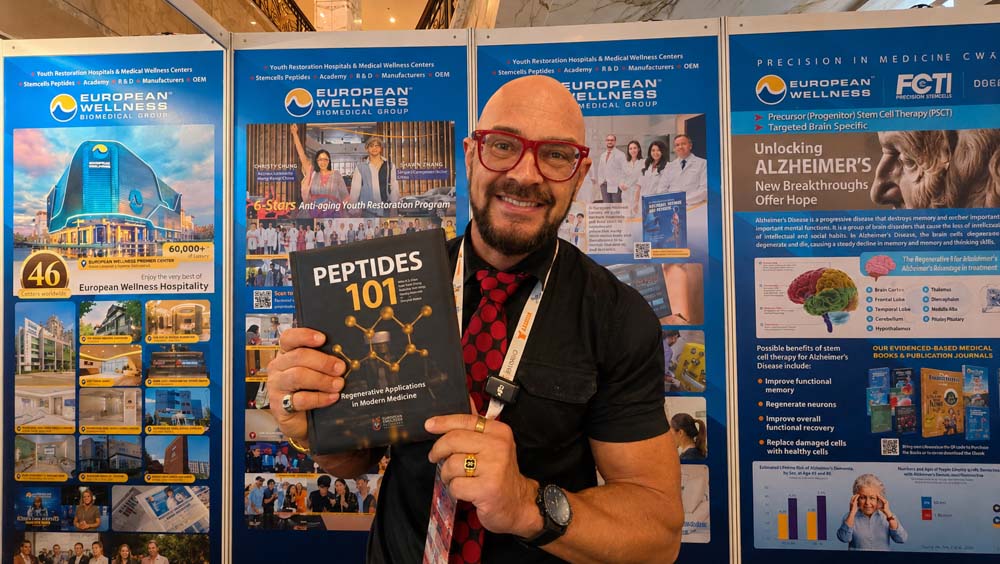
As introduced during the ADAMS 2026 interview, Peptides 101 is presented as an accessible but evidence-based guide to peptide therapy for both newcomers and clinicians looking for a more structured overview.
According to Prof. Dr. Dmytro Klokol, the book covers:
- The history and fundamentals of peptide therapy
- Organ-specific applications of peptides
- Protocols relating to metabolic syndrome, body recomposition and gastrointestinal health
- Peptide use in neuroregeneration and vision support
- Applications in sports performance and athletic recovery
- Evidence-supported medical references, with more than 300 citations
Prof. Mike, who introduced the book during the interview, positioned it as part of a wider effort to raise awareness and improve understanding around peptides at a time when public interest is surging but accurate knowledge is often uneven.
Buy the Book
Get your copy of Peptides 101 now and discover the practical science behind one of regenerative medicine’s fastest-growing fields.
Read more: https://european-wellness.eu/publications/peptides-101-regenerative-application/
Buy the book here: https://european-wellness.eu/product/peptides-101
Peptides 101 – Regenerative Applications in Modern Medicine
Follow European Wellness:



Follow European Wellness Academy:
Follow Prof. Dato’ Sri Dr. Mike Chan:

Related Posts