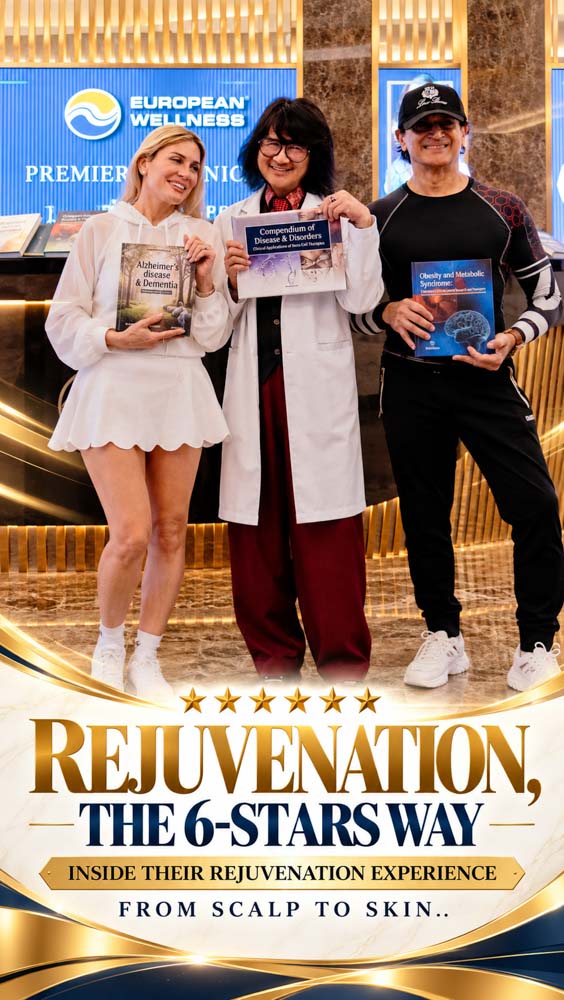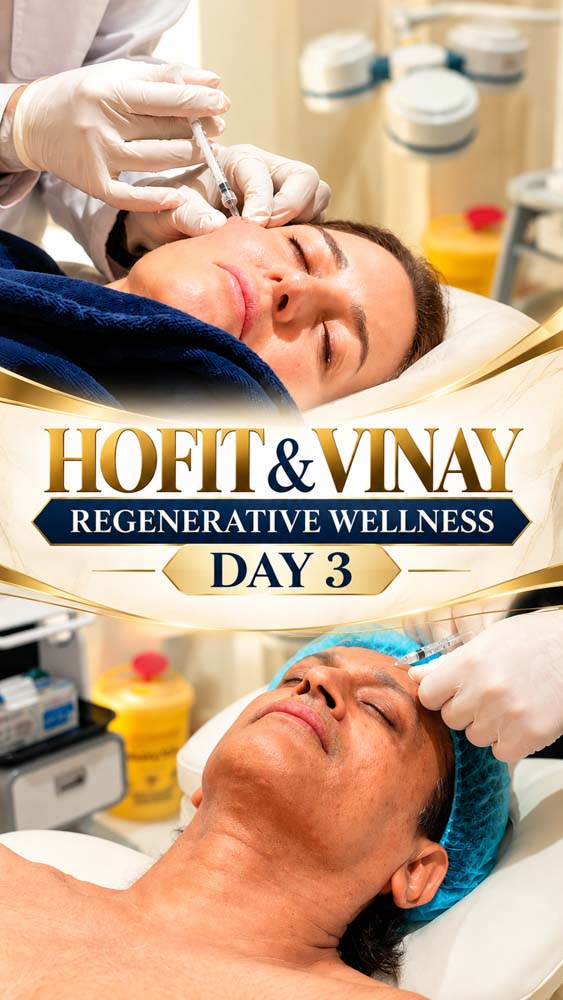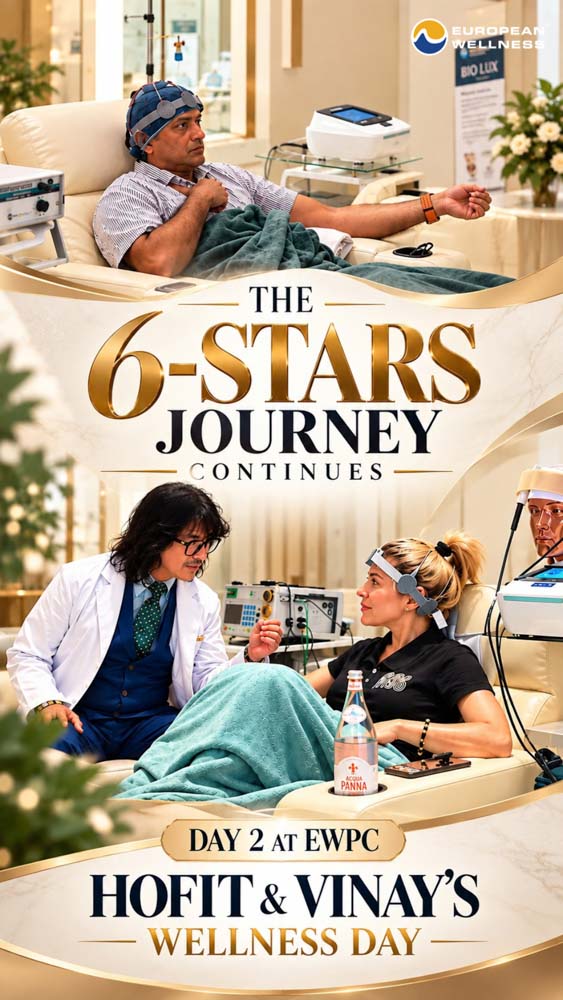
Hofit Golan and Vinay Kapoor’s 6-Stars Celebrities Program continues at European Wellness Premier Center (EWPC)…
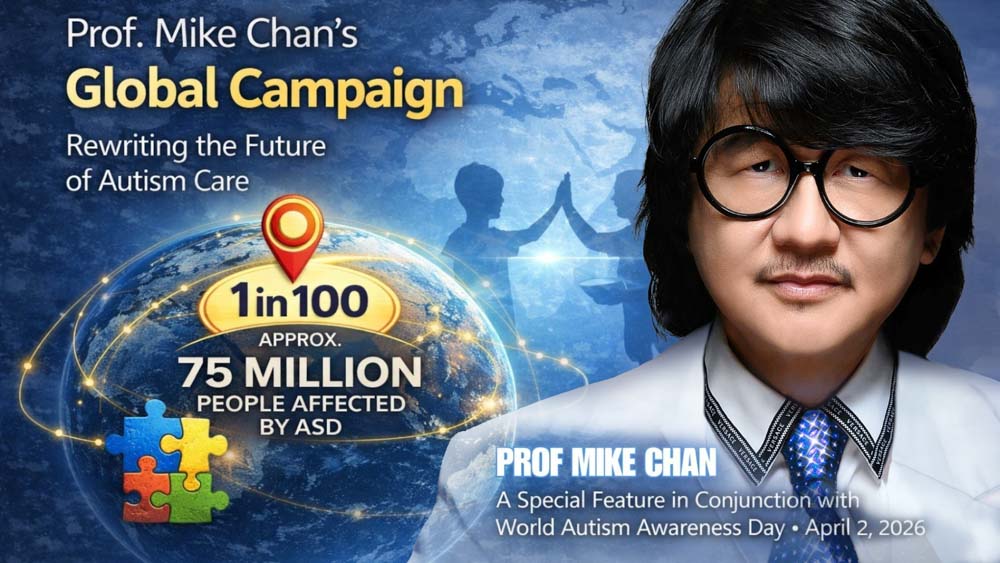
Prof. Mike Chan’s Global Campaign to Rewrite the Future of Autism Care
Autism Spectrum Disorder (ASD) has long presented one of the most complex challenges to families, medical professionals, and policymakers worldwide. In recent years, the numbers have become staggering: the World Health Organization (WHO) estimates that approximately 1 in 100 children globally are affected by the condition, amounting to roughly 75 million people.
In the United States alone, autism diagnoses surged by an alarming 175% between 2011 and 2022. For decades, the prevailing narrative surrounding autism has been one of symptom management, behavioral coping mechanisms, and static limitations.
Enter Prof. Dato’ Sri Dr. Mike Chan, chairman of the European Wellness Biomedical Group (EWBG) and a global pioneer in bioregenerative medicine. For Prof. Chan, the mission to advance autism care is deeply personal.
Born with Asperger’s, he overcame significant early-life challenges to emerge as a leading scientific mind in regenerative medicine. Growing up in the 1960s—when autism was largely misunderstood—he often struggled in school and was not well received by teachers, experiences that would later shape his lifelong commitment to transforming the field.
Armed with over four decades of experience in cellular therapy, stem cell research, and organotherapy, his rallying cry to the medical community and families alike is both simple and profoundly disruptive: “The untreatable is treatable”.
Over the past two years, Prof. Chan has spearheaded a relentless, globe-spanning campaign to shift the paradigm of neurodevelopmental healthcare. From laying the groundwork for world-class research hubs in Baoding, China, to answering the politically charged calls for a cure at the Autism Health Summit in San Diego, and finally culminating in historic royal endorsements in Kuala Lumpur, Prof. Chan is uniting policymakers, parents, and royalty.
His message is clear: autism is not a lifelong, untreatable condition but a metabolic and neurological challenge that can be healed through precision cellular science and global cooperation.
The Baoding Breakthrough: Building the Infrastructure of Hope
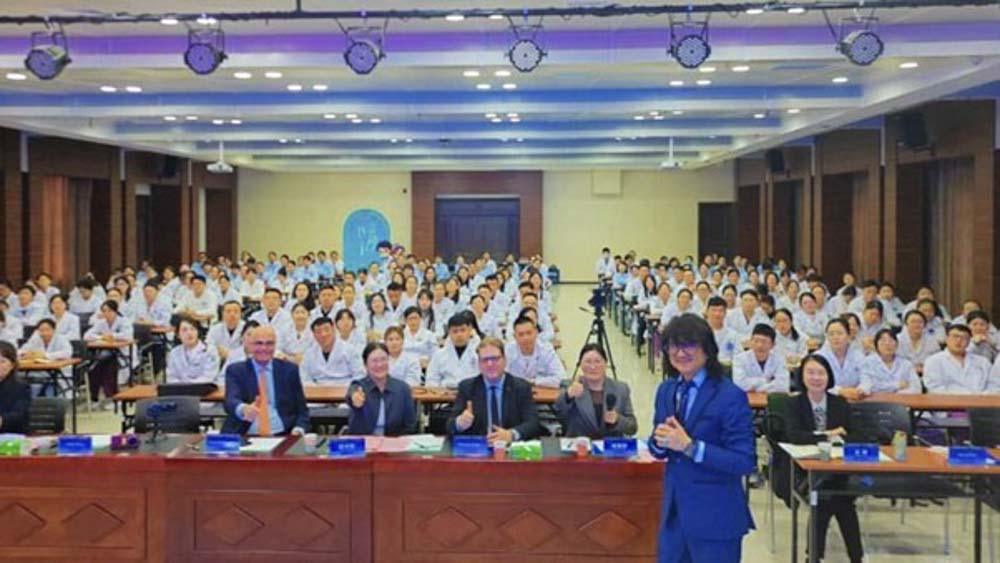
Prof. Chan’s global expansion gained massive traction in Baoding, China, marking a monumental leap for international collaboration in pediatric neurodevelopment. During a landmark visit on March 10-11, 2025—returning after an initial trip in July 2024—Prof. Chan represented Germany as a Senator of the Federal Association for Economic Development and Foreign Trade (BWA) to lay the groundwork for transformative medical infrastructure.
The centerpiece of this initiative was the establishment of the International Stem Cell Therapy Joint Laboratory, a groundbreaking research hub dedicated exclusively to autism treatment and regenerative medicine.
Through high-level meetings with Chinese officials, including Baoding Municipal Party Secretary Dang Xiaolong and Mayor Ma Yimin, Prof. Chan engaged policymakers to secure vital government support and funding for autism research. This collaboration with the Baoding Children’s Hospital strategically partnered leading pediatric specialists with European Wellness experts to integrate precision stem cell therapy into pediatric care.
The highlight of the Baoding mission was a powerful educational outreach event. Prof. Chan delivered an impactful lecture to a packed hall of over 1,000 medical professionals, researchers, and policymakers at the Baoding Children’s Hospital.
He presented the latest advancements in bioregenerative medicine and precursor stem cell therapy, igniting a wide-scale dialogue on how regenerative medicine could revolutionize pediatric healthcare in China and beyond.
“Autistic children are the future of the world and shouldn’t be a stigma to society,”
Prof. Chan declared to the audience.
“Every child, regardless of background, deserves a chance to reach their full potential. With the right support, we can bridge the gap between science and accessibility, ensuring that life-changing treatments are available to all.”
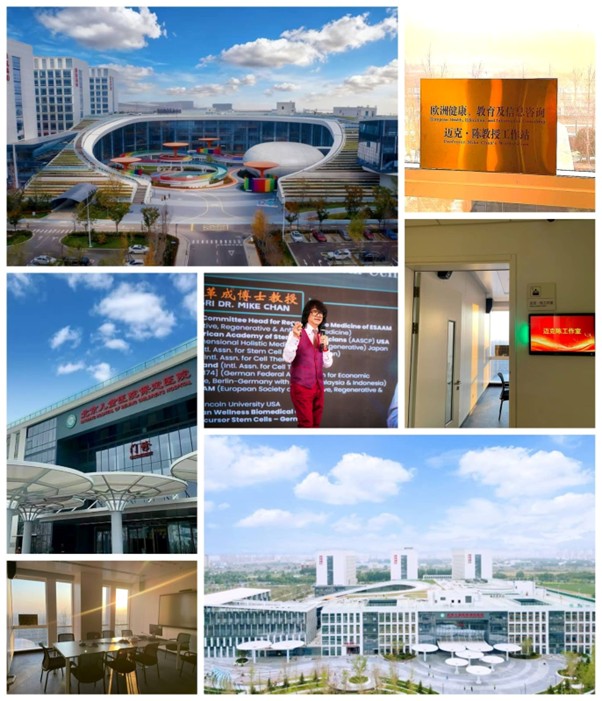
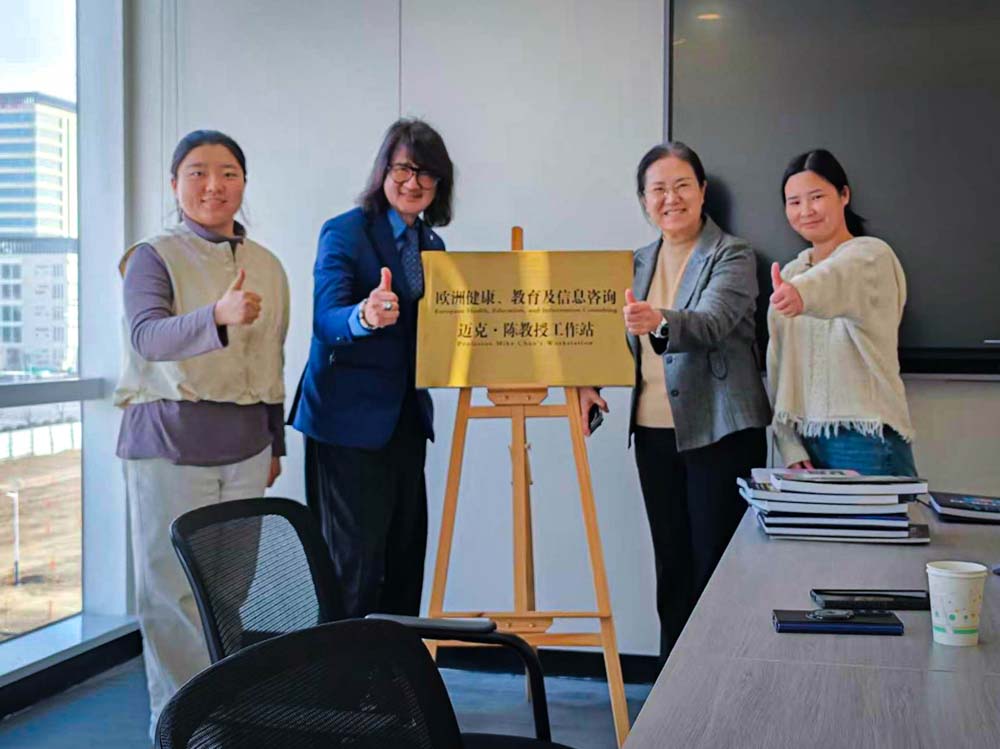
On January 13, 2026, Prof. Chan was formally granted a dedicated workstation at Baoding Children’s Hospital—one of China’s newest and most advanced pediatric medical complexes, with approximately 1,000 beds.
Appointed on the international recommendation of the BWA, this workstation represents far more than an honorary designation. It is a fully operational platform, enabling Prof. Chan to serve as a special advisor, directly shaping autism-related education, clinical research planning, and cross-border medical collaboration.
Prof. Mike Chan said,
“This workstation allows us to work directly with doctors, researchers, and hospital leadership on real clinical challenges. It gives us the space to focus on education, research, and teamwork for children’s health—especially autism.”
By bringing education and precursor stem cell research to Baoding, Prof. Chan helped lay the foundation for regulated stem cell frameworks in China, establishing the region as a rising global hub for autism care.
With the establishment of this permanent operational foothold, Prof. Chan is not only advancing clinical capability, he is building a sustainable ecosystem for autism care in China: one where science, policy, and compassion converge to ensure that no child is left behind—and that society never gives up on them too soon.
The American Front: Warrior Moms, Political Pledges, and Precision Medicine
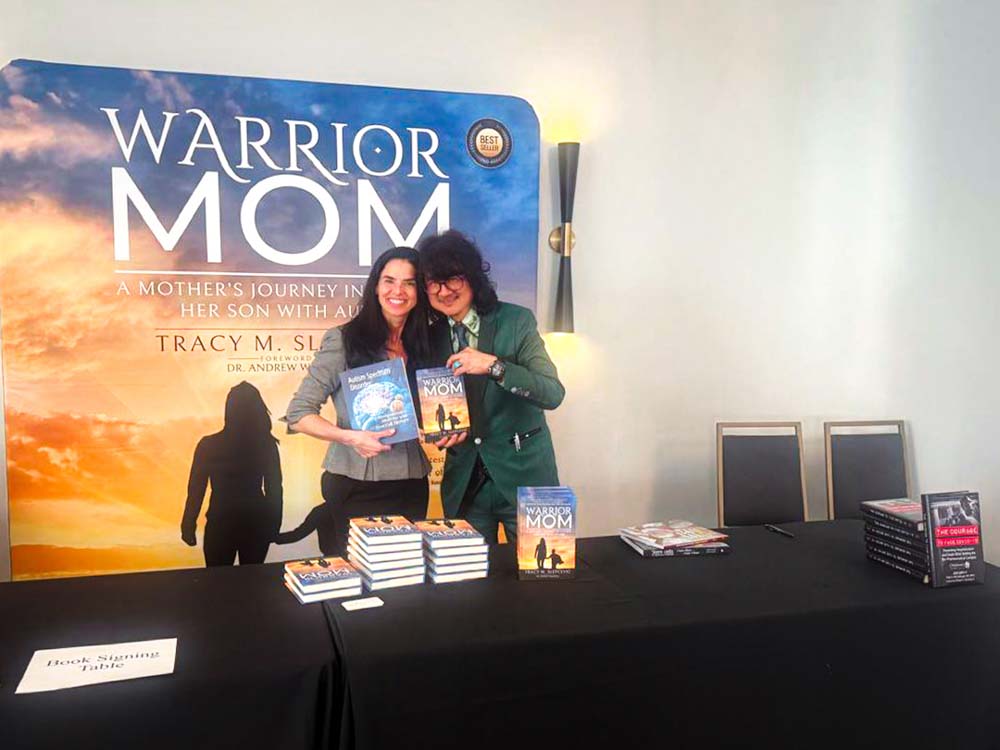
In April 2025, Prof. Chan’s campaign shifted to the United States, taking center stage at the inaugural Autism Health Summit at the Town and Country Resort in San Diego. Themed “Empowering Families Through Science and Solutions,” the summit was a dynamic convergence of medical innovation, intense parental advocacy, and unprecedented political momentum.
It was here that Prof. Chan met Tracy Slepcevic, the summit’s founder and the bestselling author known as the “Warrior Mom.” Slepcevic’s personal journey of refusing to accept a static diagnosis and successfully healing her severely affected, nonverbal son into an independent young adult perfectly mirrored Prof. Chan’s core philosophy.
In their discussions, Prof. Chan emphasized a foundational tenet of his practice: “The greatest doctor for the autistic child is actually the mother.” He noted that while clinicians provide the science, mothers provide the critical daily observation and unwavering dedication required for true healing, stating, “You are the best doctor… Because they [doctors] will never have all the time for your child”.
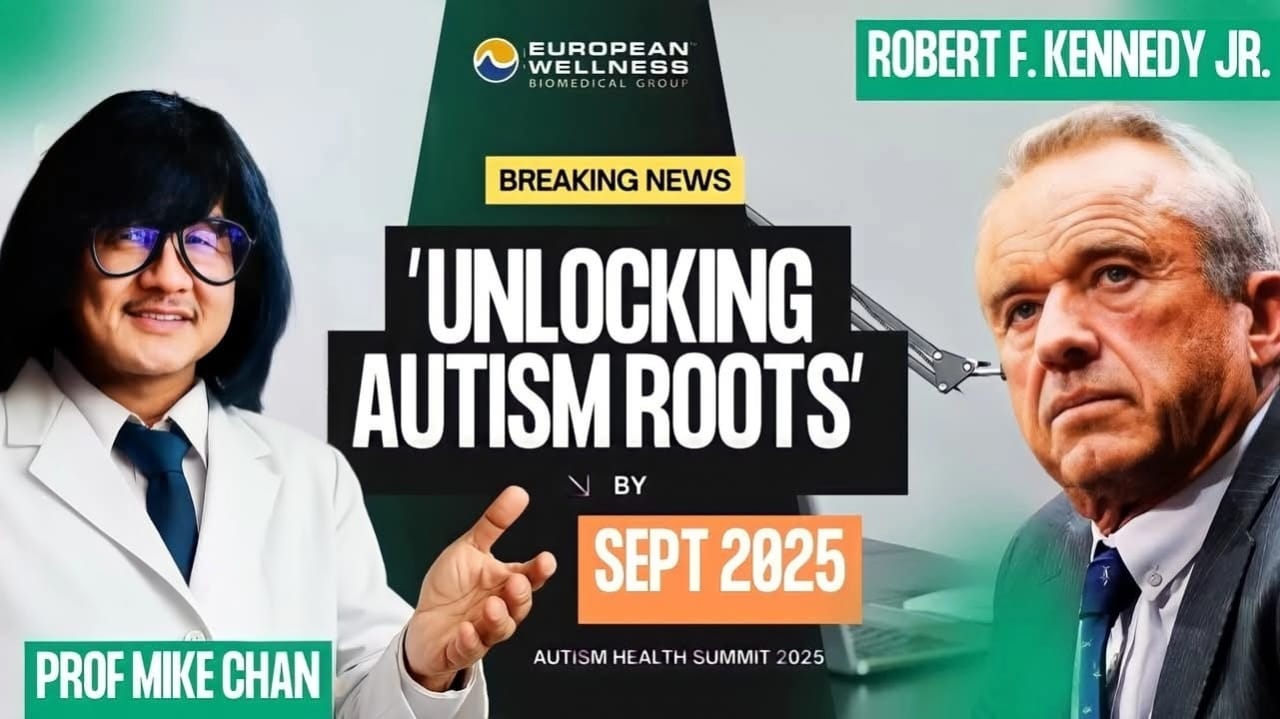
The San Diego summit was also highly politically charged. U.S. Secretary of Health Robert F. Kennedy Jr. delivered a bold pledge to launch a federal initiative investigating environmental contributors to autism—including food additives, pollutants, and vaccines—with the explicit goal of identifying root causes by September 2025.
This was followed by a massive national pledge from President Donald Trump, who called the meteoric rise in autism “among the most alarming public health developments in history.” Trump warned about environmental and pharmaceutical factors, stating, “Taking Tylenol is not good… There has to be something artificially causing this,” and announced the FDA approval of leucovorin for children with cerebral folate deficiency (CFD), a condition linked to ASD.
Prof. Chan commended this political shift, which finally recognized autism not just as a behavioral disorder but as a neurological and metabolic condition that can be biologically treated.
“It is encouraging to see the world finally addressing the biological root causes of autism,” Prof. Chan stated.
However, while politicians pushed for investigations into environmental causes, Prof. Chan provided the biological solution. Addressing the packed summit audience, he presented his multi-targeted approach utilizing organ- and brain-specific precursor stem cells.
“Autism is not a fixed diagnosis—it’s a challenge we can meet with precise, science-backed regenerative solutions,” Prof. Chan explained.
“Autism is not a singular condition but a complex interplay of neurological, immunological, and metabolic dysfunctions. Our integrative approach seeks to address these interconnected systems at the cellular level.”
The Science of Precision: Rewiring the Narrative
At the heart of Prof. Chan’s success is a radical departure from the generalized, broad-spectrum drugs that have long dominated autism care. He champions a “precision medicine” framework, explicitly targeting the biological roots of neurodevelopmental dysfunction rather than merely managing symptoms.
“What we want is precision in medicine. And I call it precision here is the real precision. All must be bull eye,” Prof. Chan insists. He compares his methodology to throwing darts at a dartboard and ensuring every single one hits the center.
“The main thing to do for autism is to prepare and treat the brain. Everything else is secondary,” he explains. “By targeting the frontal lobes and the right cells, we can restore function where it matters most.”
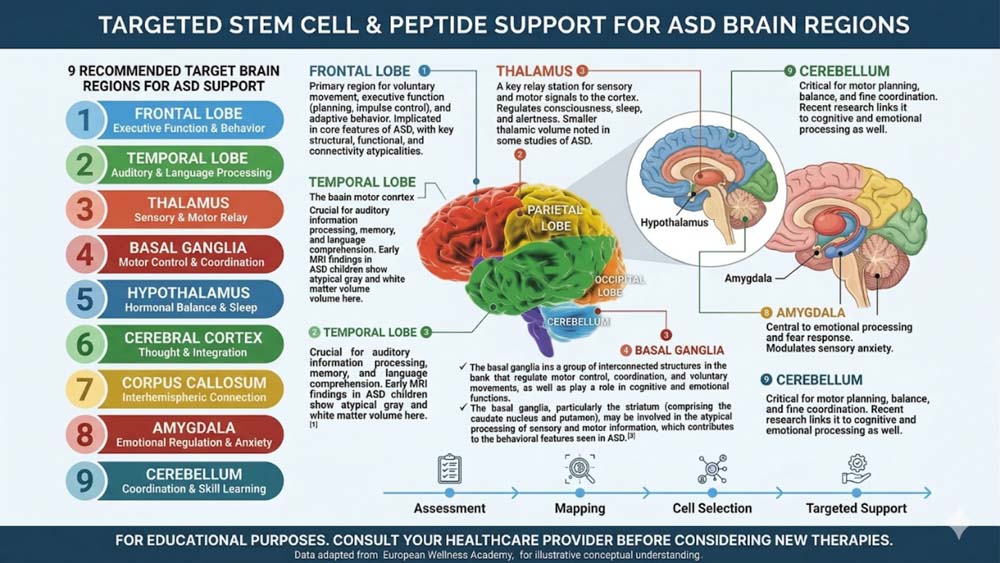
To achieve this, Prof. Chan’s protocol maps therapies to 10 distinct brain structures, acknowledging that the human brain has 52 lobes and 67 types of brain stem cells, each with unique roles. By utilizing targeted precursor brain stem cells, he isolates these exact regions to repair the precise circuits responsible for cognition, behavior, and development:
- Frontal Lobe: Essential for executive functions, emotional regulation, and speech. Targeting this area aims to restore concentration, self-awareness, and adaptive behavior.
- Temporal Lobe: Vital for auditory processing and language comprehension. Repairing pathways here enhances speech and sequencing.
- Amygdala: Central to emotional regulation and fear responses. Modulating this circuitry reduces emotional volatility and sensory anxiety.
- Hippocampus: The seat of memory formation. Regenerative strategies here boost learning and memory consolidation.
- Cerebellum & Basal Ganglia: Critical for coordination, smooth movement, and even language. Restoring these areas improves motor planning and reduces repetitive, stereotypic movements.
- Thalamus, Hypothalamus, Cerebral Cortex, & Corpus Callosum: These regions act as sensory relays, hormone command centers, and interhemispheric connectors, respectively. Targeting them normalizes sleep-wake cycles, sensory integration, and coherence of thought.
This targeted cellular therapy is combined with a holistic “DDRR Protocol” (Diagnose–Detox–Repair–Regenerate). This involves addressing the crucial gut-brain axis, repairing mitochondrial dysfunction through targeted biologics, and utilizing bioregenerative therapies to detoxify heavy metals that disrupt neurodevelopment.
The human impact of this highly individualized science is profound. Take the case of Li Hong Xian, a boy from Yinchuan, China, diagnosed with Global Developmental Delay (GDD).
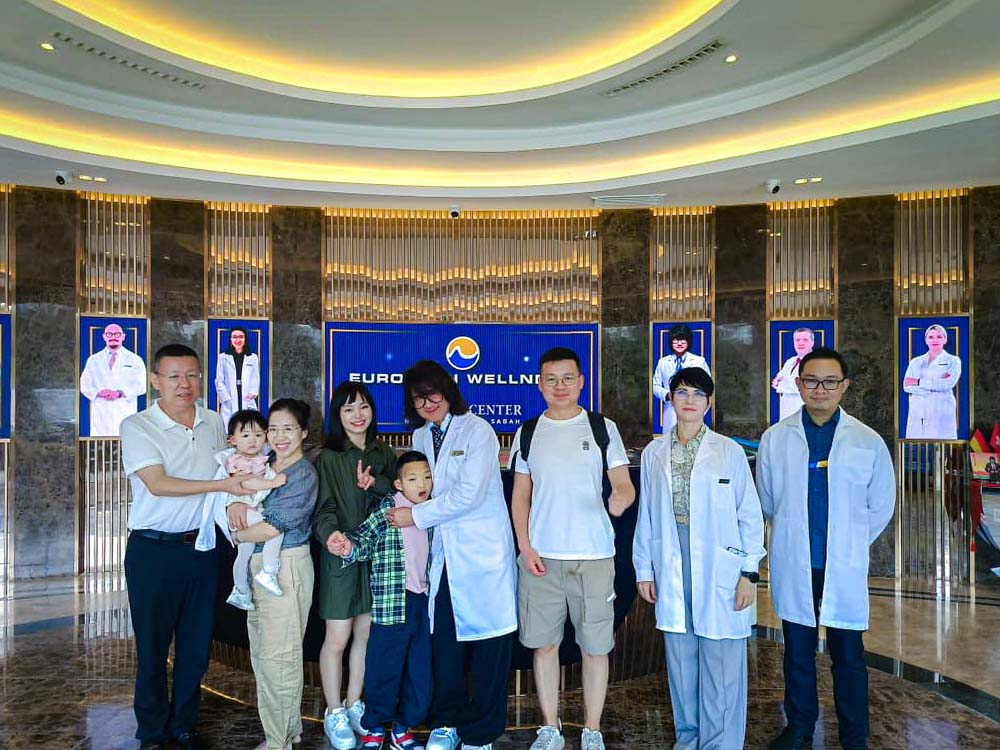
After undergoing Prof. Chan’s advanced regenerative treatments starting in 2022, his mother, Zhao Yi Hui, watched him gradually improve his emotional balance, restore his sleep, and begin to understand instructions—culminating in the simple but monumental act of putting his shoes on the correct feet independently.
Similarly, seven-year-old Raul from Sabah, Malaysia, underwent targeted precursor stem cell therapy and saw undeniable changes. His mother, Norjuanita Abdul Rashid, proudly shared that Raul became more responsive, improved his communication, and even won an award at his mainstream school.
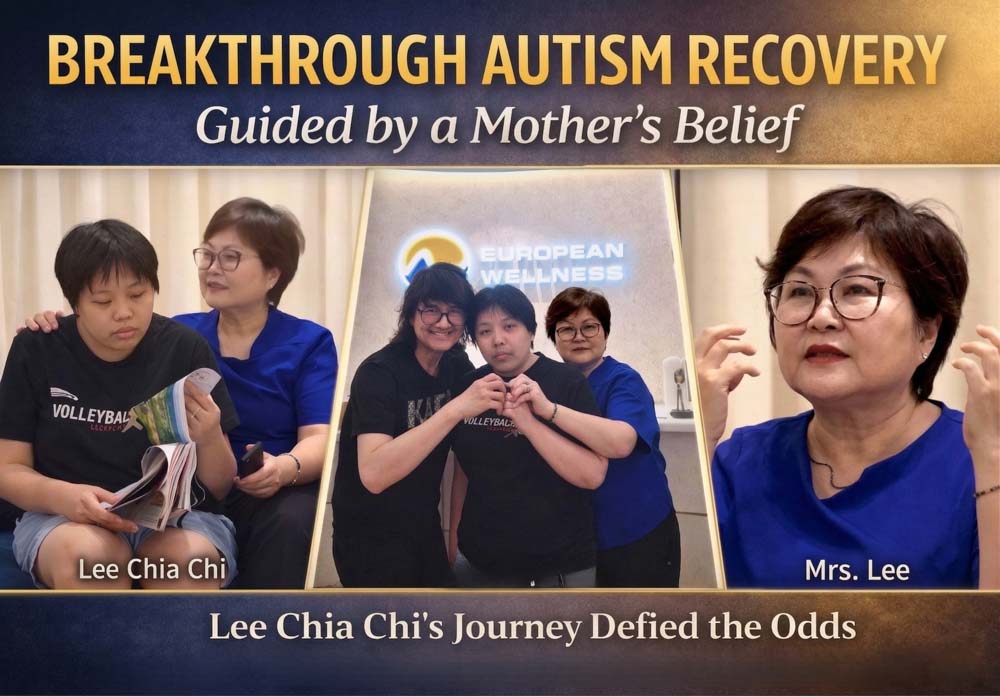
Perhaps most groundbreaking is the story of Lee Chia Chi, a 34-year-old woman from Taiwan with severe autism. Her case shattered the entrenched medical belief that neurological interventions must happen early in life.
After two rounds of Prof. Chan’s precursor stem cell therapy over one year, Chia Chi transitioned from minimal cognition and poor interaction to speaking more clearly, following instructions, and engaging in gymnastics.
Her happy mother, the president of the Autism Society of Taiwan, described the results as “transformational,” proving that it is never too late for neurological regeneration.
Royal Recognition: The Malaysian Perlis Connection
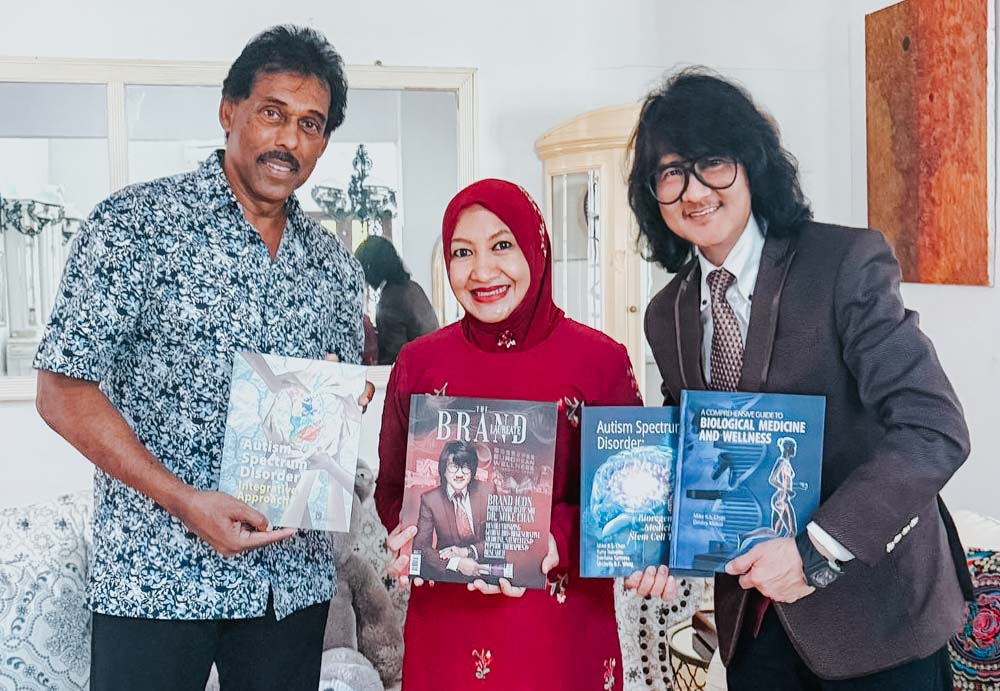
The culmination of Prof. Chan’s campaign over the past two years manifested in high-level national recognition within Malaysia, bridging biomedical innovation with royal humanitarian causes.
The momentum began in August 2025 during a historic official visit to the state of Perlis. Accompanied by dignitaries, Prof. Chan was granted a highly anticipated audience with His Royal Highness Tuanku Syed Sirajuddin, the Raja of Perlis and Malaysia’s 12th Yang di-Pertuan Agong.
During this visit, Prof. Chan toured the A-HEART Autism Centre at Universiti Malaysia Perlis (UniMAP), a transformative educational and therapeutic initiative spearheaded by the Tuanku Syed Putra Foundation. Prof. Chan aligned closely with HRH Tuanku Syed Faizuddin Putra, the Crown Prince of Perlis, engaging in thoughtful dialogues on scaling outreach for autistic children and fostering national collaboration in neurodevelopmental healthcare.
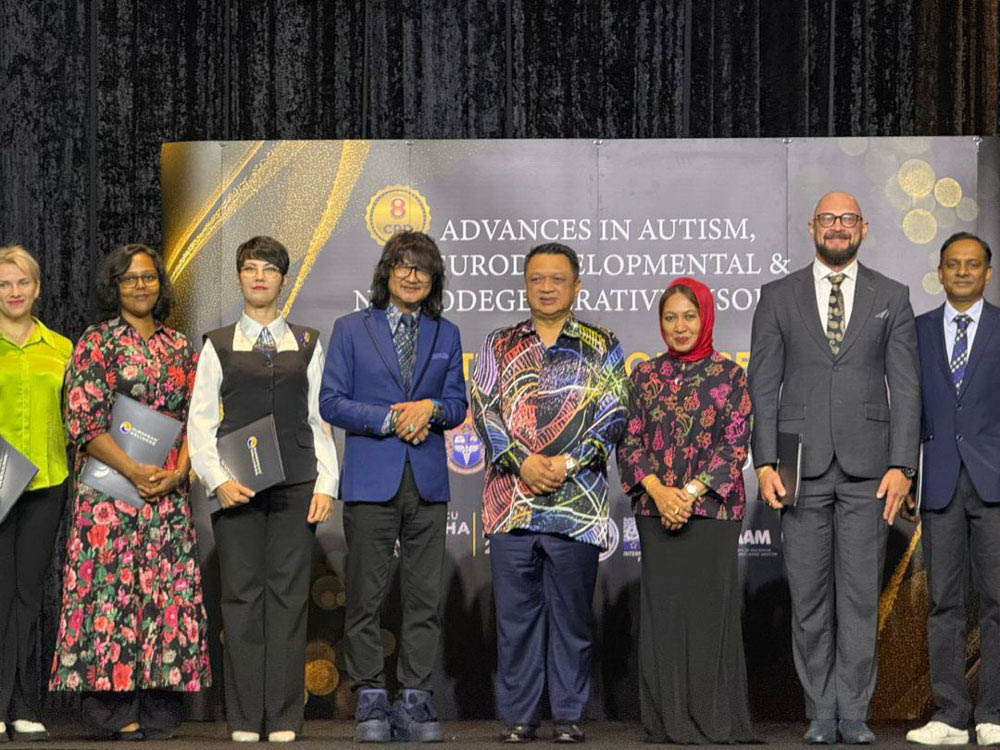
This royal alliance reached a spectacular climax on November 29, 2025, at the International Congress on Advances in Autism, Neurodevelopmental & Neurodegenerative Disorders (ICAANND 2025) held at Glamhall, Damansara in Kuala Lumpur.
The Raja Muda of Perlis, Tuanku Syed Faizuddin Putra, and the Raja Puan Muda, Tuanku Dr. Hajah Lailatul Shahreen Akashah Khalil, personally attended the congress. Their presence at the scientific gathering was a massive national endorsement, sending a clear signal of the rising urgency around autism and neurodevelopmental care.
Addressing nearly 200 delegates from across the globe, Prof. Chan described the royal support and attendance as a critical milestone.
“When royalty stands with clinicians, parents, and educators, it sends a powerful message: that autism support deserves national priority,” Prof. Chan told the audience. “This partnership of compassion and science is how we bring help to children earlier, and with greater impact.”
Prof. Chan presented an Appreciation Plaque to the Raja Muda of Perlis in recognition of his leadership, noting, “We saw the passion of the Perlis royal household firsthand… They care deeply about children, families and the future of autism services in Malaysia”.
It was during this congress that Prof. Chan unveiled his crowning humanitarian achievement: the groundwork for the National Neurodevelopmental Health Foundation, also referred to as the ‘Children of the Lesser God’ Foundation.
This non-profit organization is designed to sponsor state-of-the-art regenerative therapies for underprivileged autistic children who lack financial means, fund R&D grants, provide educational programs for parents, and establish global clinical collaborations.
“Our goal is simple: no child should be left behind,” Prof. Chan declared, cementing his commitment to ensuring that cutting-edge treatments are inclusive and accessible.
Conclusion
Looking back over the whirlwind of the past two years, Prof. Mike Chan’s global campaign has fundamentally rewritten the narrative surrounding Autism Spectrum Disorder. From the hospital halls and joint laboratories of Baoding to the advocacy-driven, politically charged stages of San Diego and finally to the royal endorsements and foundation launches in Kuala Lumpur, his impact has been monumental.
Prof. Chan has proven that autism is not a static, untreatable condition but rather a complex biological challenge that can be met with precision cellular science, holistic metabolic repair, and the unwavering dedication of warrior mothers. By mapping therapies directly to the brain’s unique regions and advocating for biological restoration, he has shifted the world’s focus from mere symptom management to genuine, life-changing healing.
As he looks toward the future of global collaborations and widespread clinical training, his lifelong mission remains anchored in a profound sense of hope and scientific exactitude. As Prof. Chan perfectly summarizes:
“Progress is key. With the right approach, we can help children with autism reach their fullest potential. The future of autism therapy lies in precision medicine, targeted neurological interventions, and global collaboration. All ADHD children, and even adults, are treatable.
“The brain has 52 lobes with 67 different types of specific brain stem cells. Specifically treating the frontal lobe, temporal lobe, basal ganglia, hypothalamus, corpus callosum, amygdala, cerebellum, and thalamus is a must to repair the brain for most autistic children.
“Our mission is to ensure that no child is left behind.”
Bibliography
Chan, M. K. S., et al. A Comprehensive Guide to Biological Medicine and Wellness. European Wellness. https://european-wellness.eu/product/a-comprehensive-guide-to-biological-medicine-and-wellness
Chan, M. K. S., et al. Autism Spectrum Disorder, Integrative Approach. European Wellness. https://european-wellness.eu/product/autism-spectrum-disorder-integrative-approach
Chan, M. K. S., et al. Autism Spectrum Disorder: Bioregenerative Medicine with Stem Cell Therapy. European Wellness. https://european-wellness.eu/product/autism-spectrum-disorder-bioregenerative-medicine-with-stem-cell-therapy
Chan, M. K. S., et al. Compendium of Diseases & Disorders – Clinical Applications of Stem Cells & Peptides with Precision in Regenerative Medicine. European Wellness. https://european-wellness.eu/product/compendium-of-diseases-and-disorders-clinical-applications-of-stem-cells-and-peptides-with-precision-in-regenerative-medicine
Chan, M. K. S., et al. Stem Cells in Regenerative Medicine: Carpe Diem – Carpe Vitam! European Wellness. https://european-wellness.eu/product/stem-cells-in-regenerative-medicine-carpe-diem-carpe-vitam
Chan, M. K. S., et al. The Dawn of New Medicine – Stem Cell Therapy: Old Dogma, New Hope. European Wellness. https://european-wellness.eu/product/the-dawn-of-new-medicine-stem-cell-therapy-old-dogma-new-hope
Follow European Wellness:



Follow European Wellness Academy:
Follow Prof. Dato’ Sri Dr. Mike Chan:

Related Posts