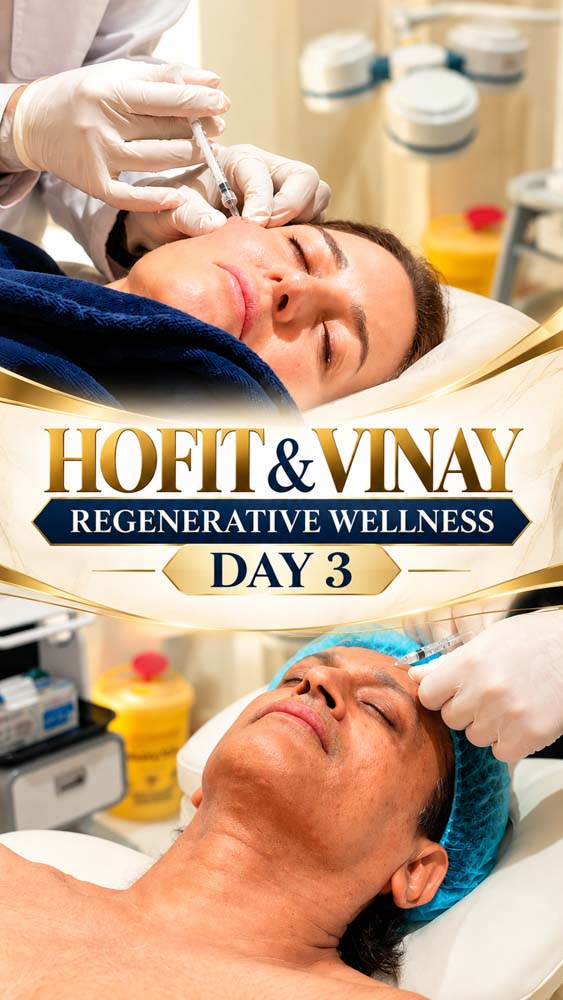
Immerse yourself in a glamorous landscape of emerging trends and lucrative opportunities at Cosmoprof Asia…
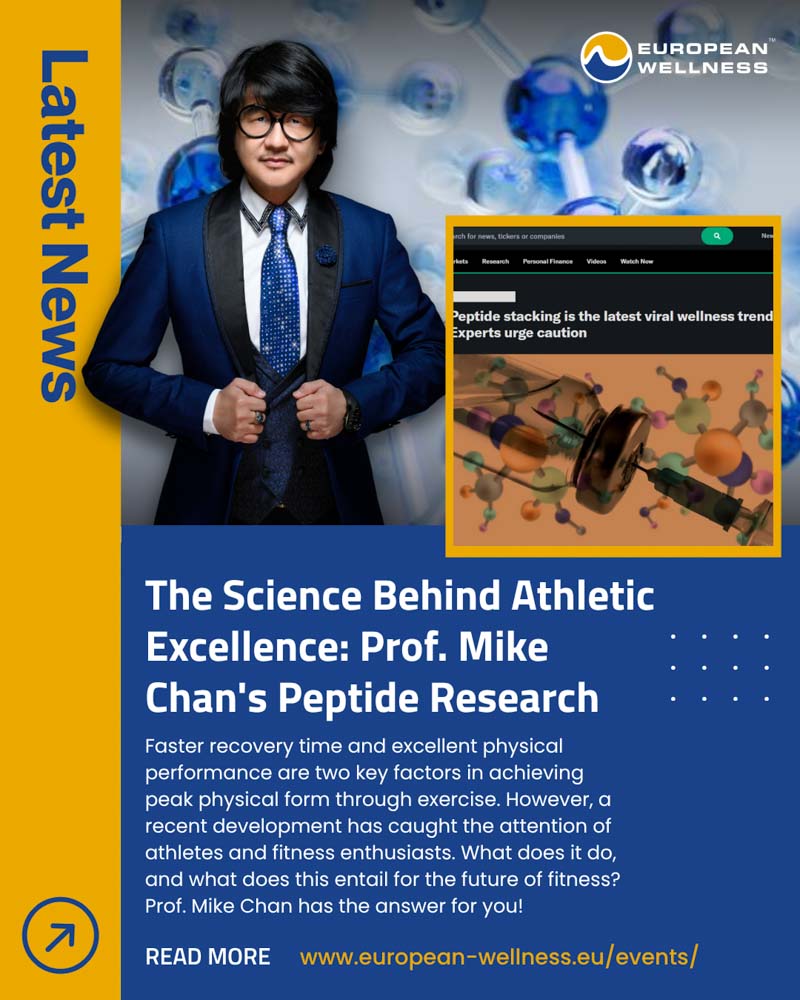
The Future of Athletic Body Re-composition and Bodybuilding: How Prof. Mike Chan’s Peptide Research is Transforming Performance
In the quest for peak physical performance and faster recovery, athletes and fitness enthusiasts are increasingly turning to the world of peptides. But what exactly are these molecules, and how do they work? Leading the charge in this exciting field is Prof. Mike Chan, a world-renowned scientist and pioneer in regenerative medicine. With over 40 years of experience, Prof. Chan has dedicated his career to understanding how the body heals and how we can harness its natural processes to improve our health and well-being.
Prof. Chan is the Chief Scientist of European Wellness Biomedical Group and has traveled around the world treating celebrities, head of states, sports athletes and highly influential individuals. His impressive credentials include authoring over 60 scientific books, publishing more than 130 research papers, and holding 40+ international patents in biopharmaceuticals. Through his global network of over 40 medical wellness centers, Prof. Chan has brought cutting-edge regenerative medicine to patients worldwide.
His latest research paper, “Emerging Anabolic and Regenerative Peptides in Athletic Body Re-composition and Bodybuilding,” delves into the science behind these powerful molecules, offering a clear and evidence-based perspective on their use. In this article, we’ll explore the key findings of Prof. Chan’s study, breaking down the complex science into easy-to-understand concepts.
The Body’s Tiny Messengers
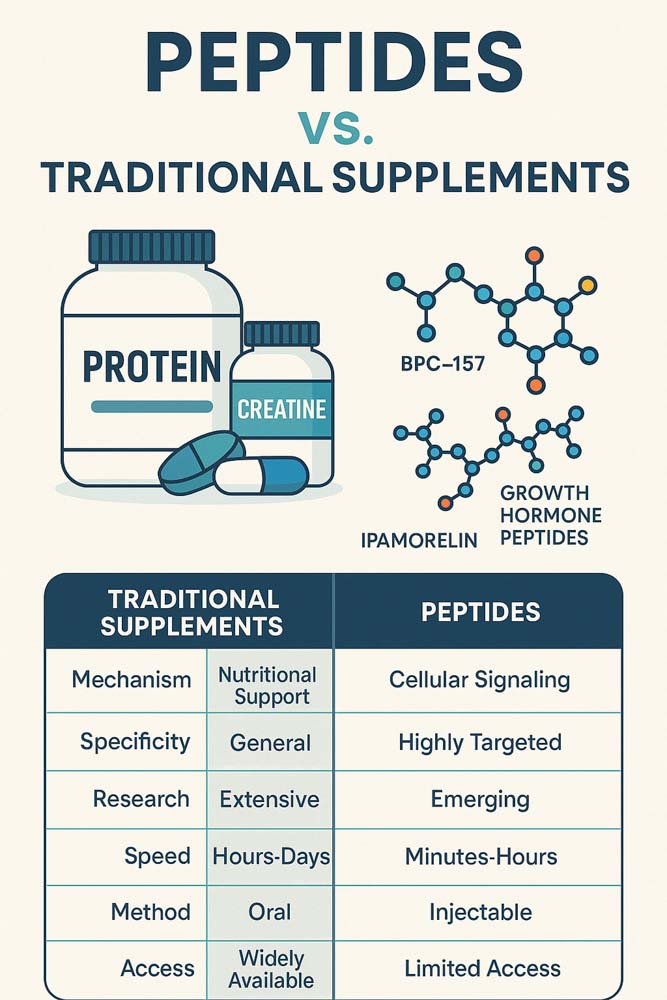
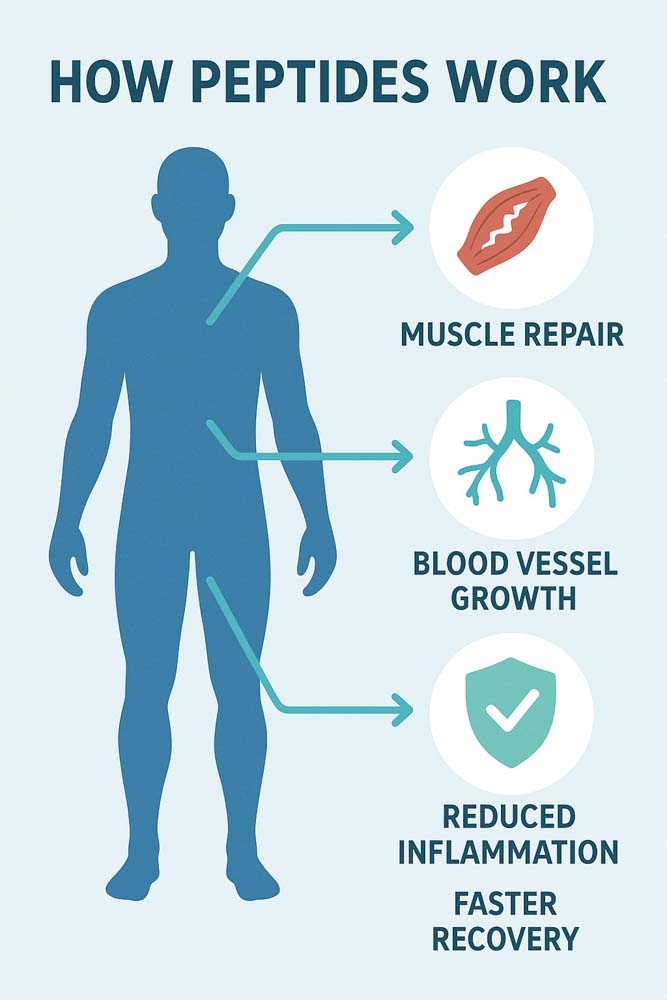
So, what are peptides? Imagine your body is a giant construction site. You have workers (your cells) and building materials (nutrients). Peptides are like the foremen on the site, giving specific instructions to the workers. They are short chains of amino acids, the building blocks of proteins. But unlike proteins, which are like large, complex blueprints, peptides are small and can deliver targeted messages to your cells.
For example, when you get injured, your body sends out specific peptides to tell your cells to start the healing process. They might instruct cells to reduce inflammation, build new tissue, or even create new blood vessels to bring more nutrients to the area. As Prof. Chan explains, “Peptides are the body’s natural signaling molecules. They are the language our cells use to communicate with each other.”
A Closer Look at Key Peptides
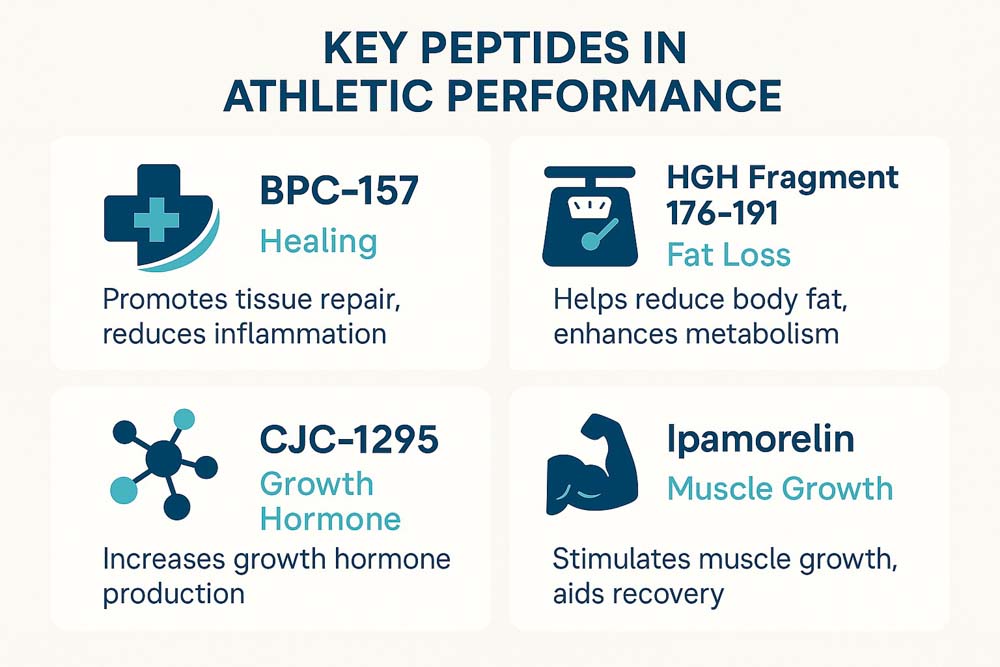
In his research, Prof. Mike Chan highlights several key peptides that have shown promise in athletic performance and recovery. Let’s take a look at a few of them:
- BPC-157: Often called the “Wolverine” peptide, BPC-157 is known for its incredible healing properties. It’s like a super-foreman that can accelerate the repair of muscles, tendons, and even the gut. For an athlete, this could mean a faster recovery from a sprained ankle or a torn muscle.
- HGH Fragment 176-191: This peptide is a fragment of human growth hormone (HGH). But unlike HGH, which can have a wide range of effects, this fragment is specifically targeted to burn fat. Think of it as a specialized worker that only clears away the debris (fat) from the construction site, without interfering with the other work.
- CJC-1295 and Ipamorelin: These two peptides work together to stimulate the body’s own production of growth hormone. It’s like giving the construction site a boost of energy, allowing all the workers to work more efficiently. This can lead to increased muscle growth, improved recovery, and a leaner physique.
Prof. Chan emphasizes that while these peptides show great potential, they are not a magic bullet. “The key is to use them intelligently and in conjunction with a healthy lifestyle. They are tools to support the body’s natural healing and growth processes, not replace them.”
Solutions from Prof. Chan’s Research
Prof. Mike Chan’s comprehensive study reveals several practical solutions for athletes and fitness enthusiasts. His research shows that BPC-157, when administered at doses of 250-500 µg per day, can significantly accelerate tendon and muscle healing by promoting angiogenesis and reducing inflammation. For those struggling with stubborn body fat, HGH Fragment 176-191 offers a targeted approach, specifically activating beta-3 adrenergic receptors to enhance fat burning without the side effects of full growth hormone.
Perhaps most importantly, Prof. Chan’s work demonstrates that combining peptides like CJC-1295 and Ipamorelin can create synergistic effects, naturally boosting growth hormone production while maintaining the body’s natural pulsatile release patterns. This approach mimics the body’s own rhythms rather than overwhelming them with artificial hormones.
A Word of Caution
While the potential benefits of peptides are exciting, Prof. Mike Chan is also quick to point out the importance of safety and regulation. The market is flooded with unregulated products, and it’s crucial to ensure that you are using high-quality, pure peptides from a reputable source.
Furthermore, many of these peptides are still in the research phase, and their long-term effects are not yet fully understood. That’s why it’s essential to work with a knowledgeable healthcare professional who can guide you on the proper use and dosage of these powerful molecules. As Prof. Chan wisely notes, “We must approach this new frontier with both excitement and caution. The potential is immense, but so is the responsibility to ensure safety and efficacy.”
Prof. Chan’s research provides a valuable roadmap for navigating the complex world of peptides. By understanding the science behind these molecules and approaching their use with a cautious and evidence-based mindset, we can unlock their potential to enhance our health and performance.
To learn more about Prof. Mike Chan’s research on peptides, you can read his full paper here: https://european-wellness.eu/publications/emerging-anabolic-and-regenerative-peptides/
Follow European Wellness:



Follow European Wellness Academy:
Follow Prof. Dato’ Sri Dr. Mike Chan:

Related Posts