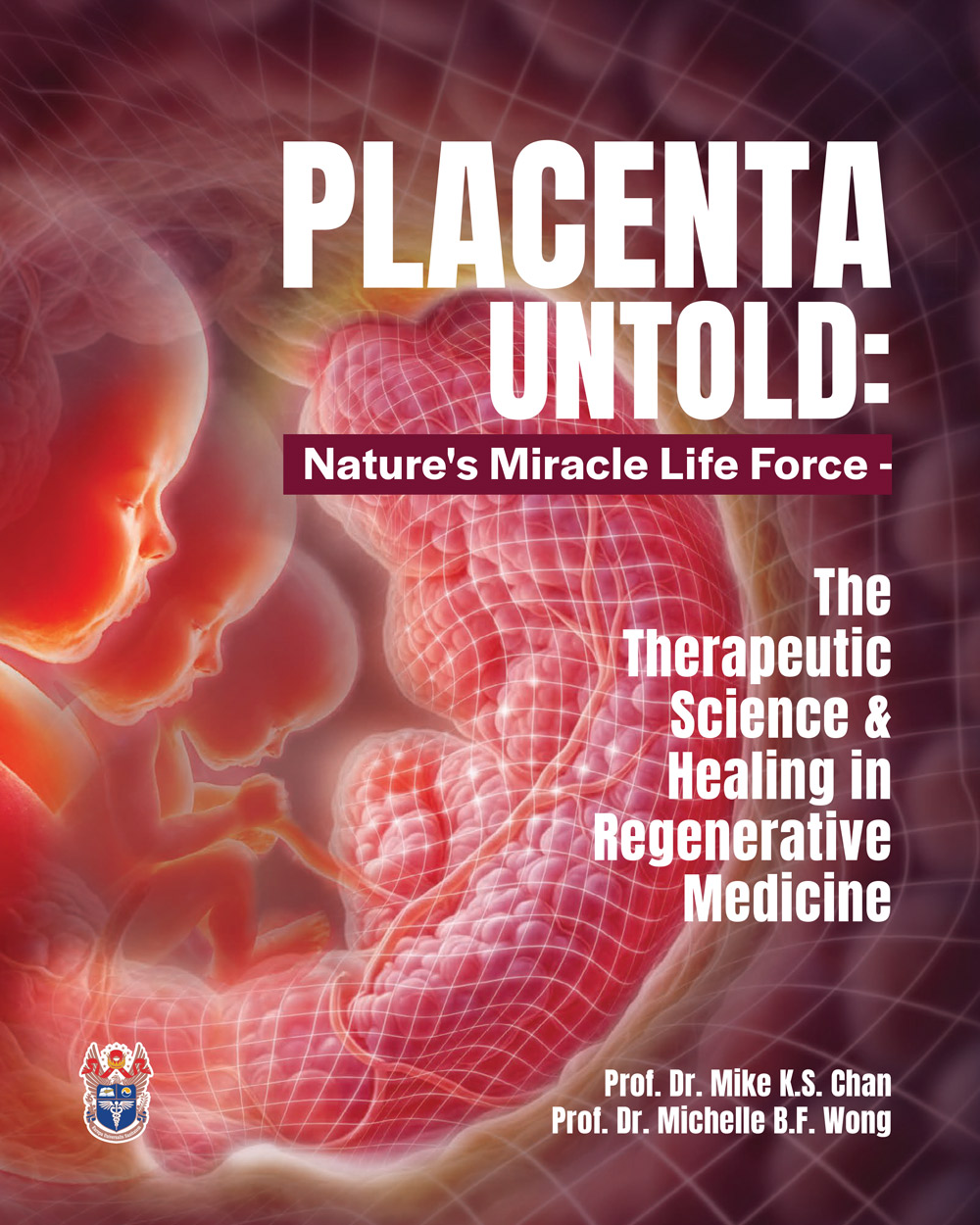
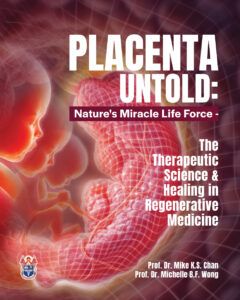
For centuries, the placenta has been regarded as a transient organ—essential for life yet discarded at birth. Placenta Untold challenges this perception and reveals the placenta as a biologically sophisticated organ with immense therapeutic potential. This book explores the science behind the placenta’s remarkable functions: nutrient exchange, immune modulation, hormonal regulation, and cellular communication and moves beyond pregnancy to examine its applications in regenerative medicine. Drawing from historical traditions, modern biomedical research, and biotechnology, the authors highlight how placenta-derived extracts, stem cells, growth factors, and bioactive molecules are being applied in wound healing, cardiovascular and liver health, neuroprotection, immunomodulation, anti-aging medicine, and veterinary therapeutics. Each chapter connects core placental biology with clinical insight, covering proteomics, pharmacological mechanisms, bioethics, and product development. The book repositions the placenta from “medical waste” to a valuable and ethically acceptable source of regenerative biomaterials.
Who should read this book?
Medical doctors, regenerative medicine practitioners, researchers, biomedical scientists, pharmacologists, aesthetic professionals, and postgraduate life science students will find this book highly relevant. It also serves biotechnology innovators and those involved in stem cell and translational research.
Why read this book?
Readers will gain a strong scientific understanding of placental biology, evidence-based insight into therapeutic applications, awareness of regulatory and ethical considerations, and a forward-looking view of how placental science may shape the future of regenerative and personalized healthcare.