Immerse yourself in a glamorous landscape of emerging trends and lucrative opportunities at Cosmoprof Asia…
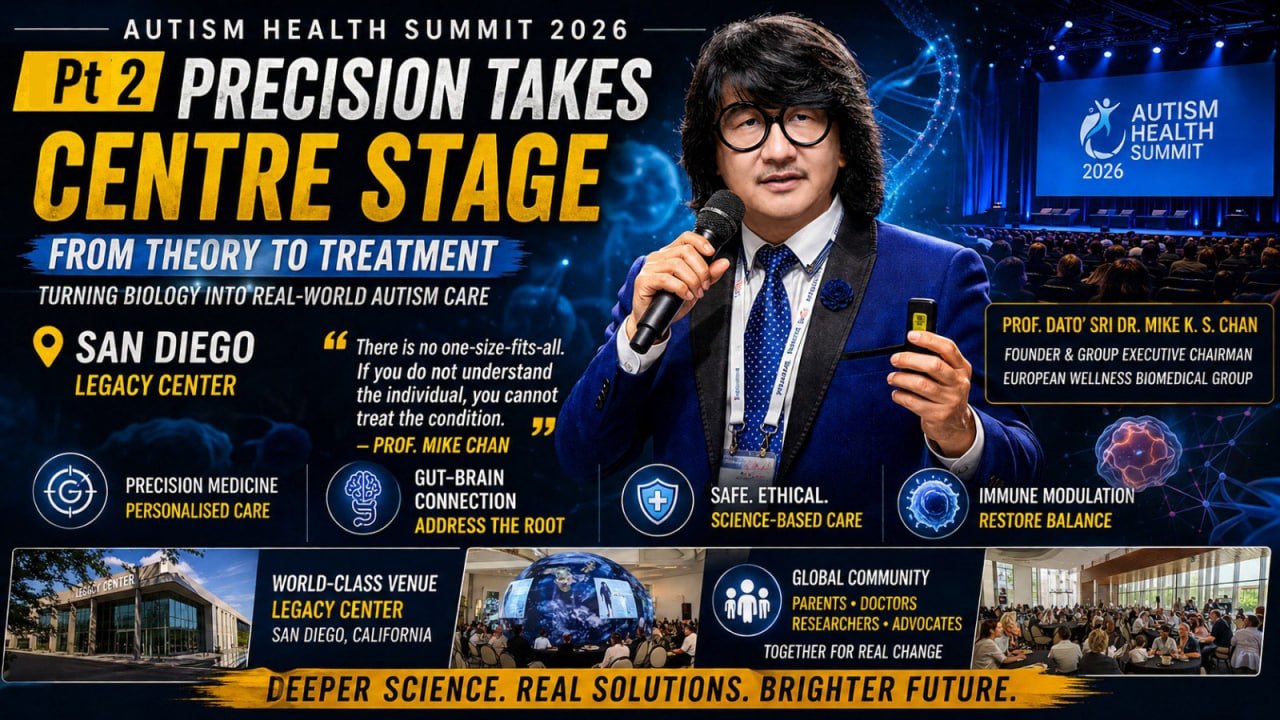
Precision Takes Center Stage as Autism Health Summit Moves From Theory to Treatment
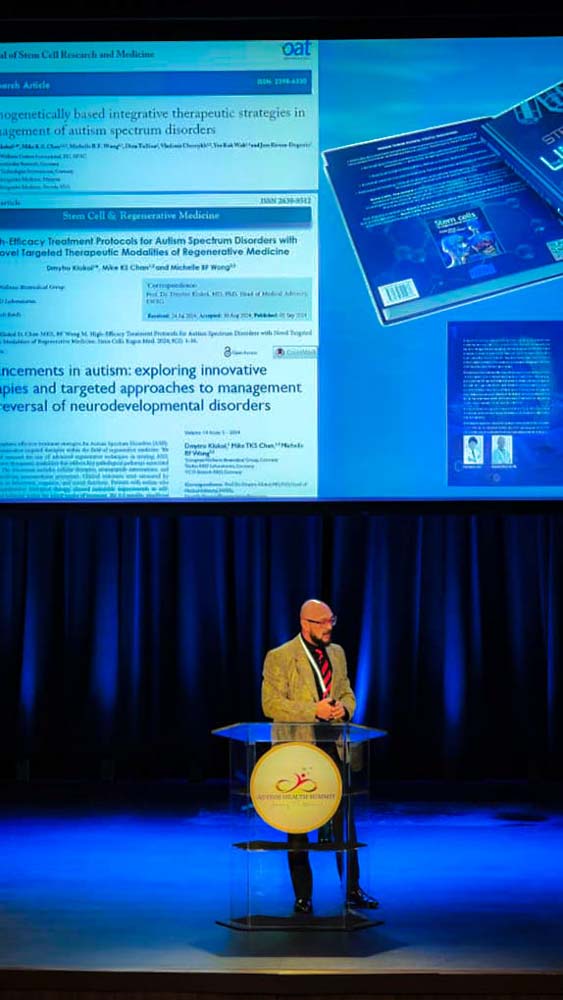
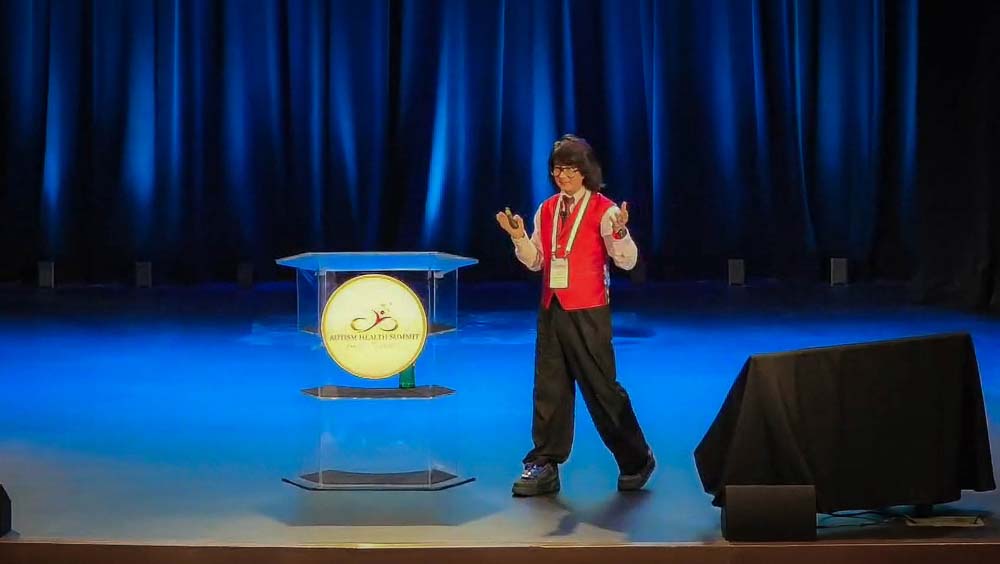
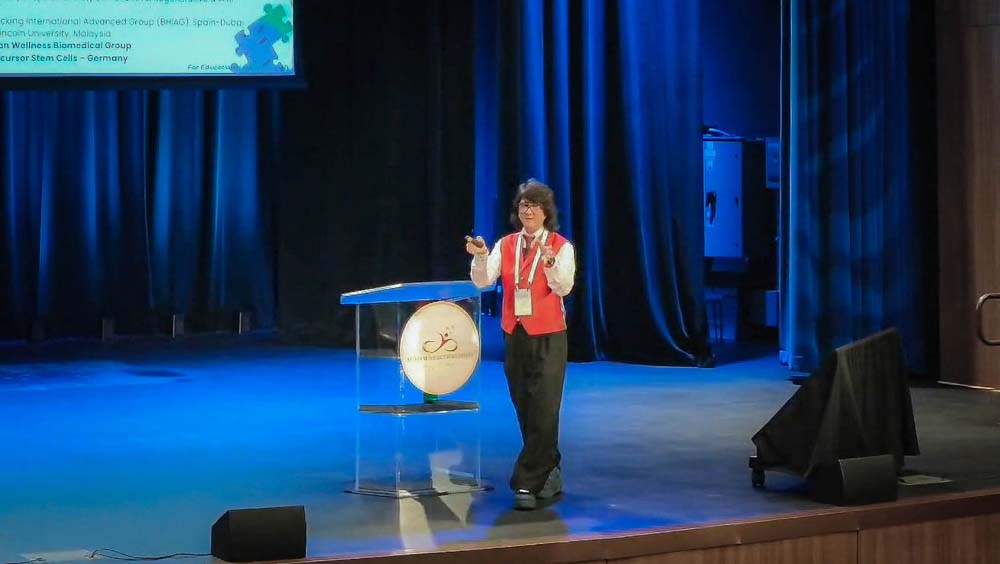
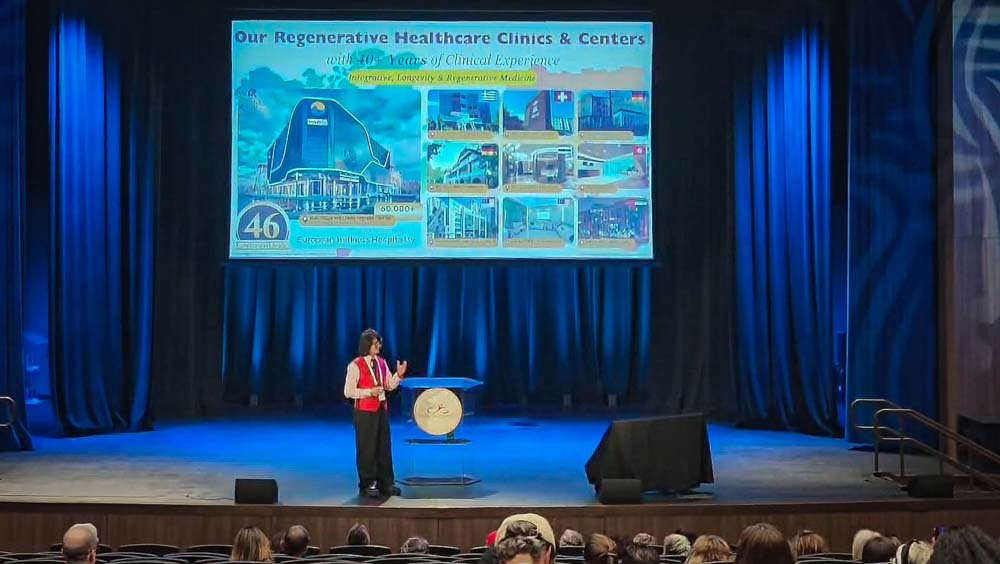
SAN DIEGO (April 26, 2026) — The Autism Health Summit moved from theory to application on its second day, as discussions turned to how emerging biological insights can be translated into real-world autism care.
If Part 1 challenged how autism is understood, Part 2 focused on what can be done next.
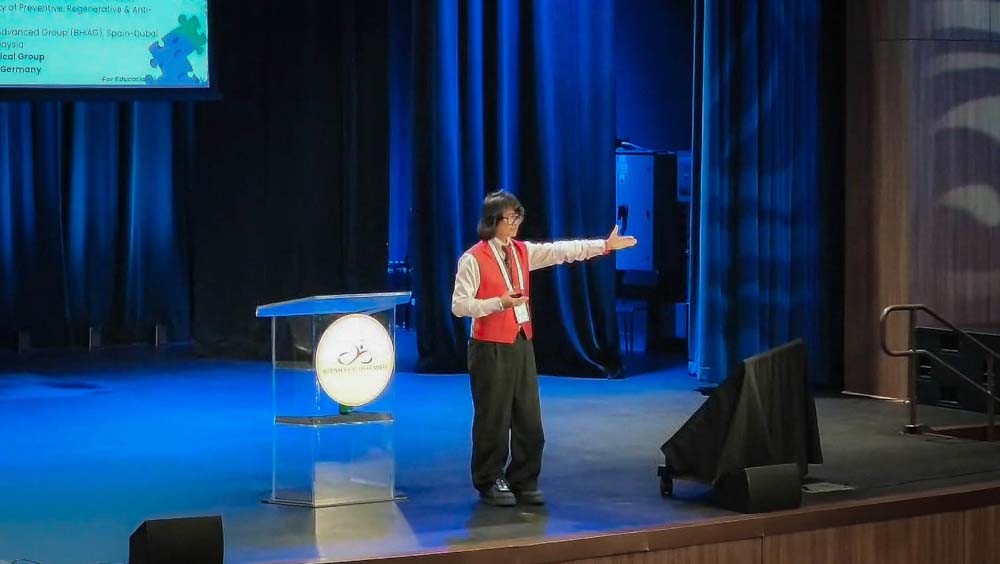
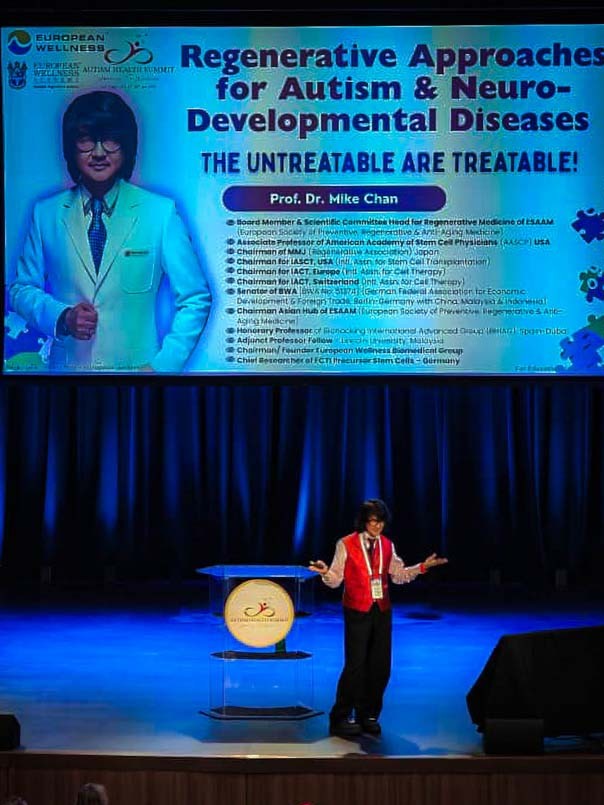
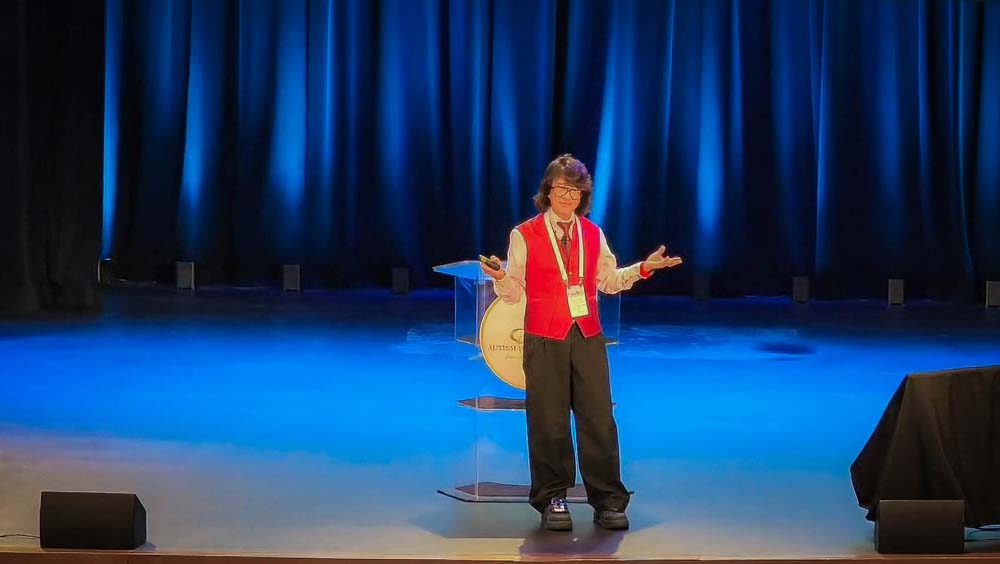
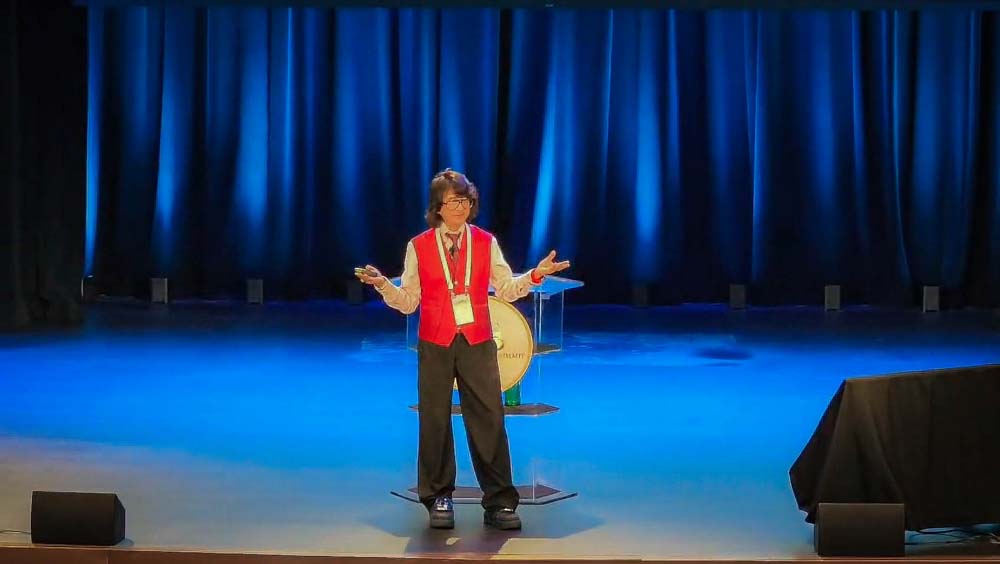
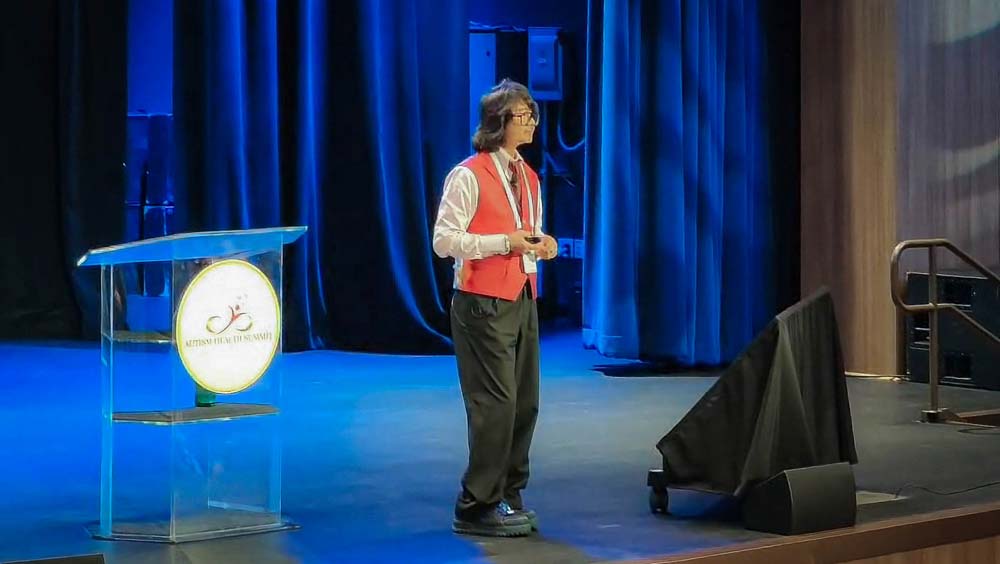
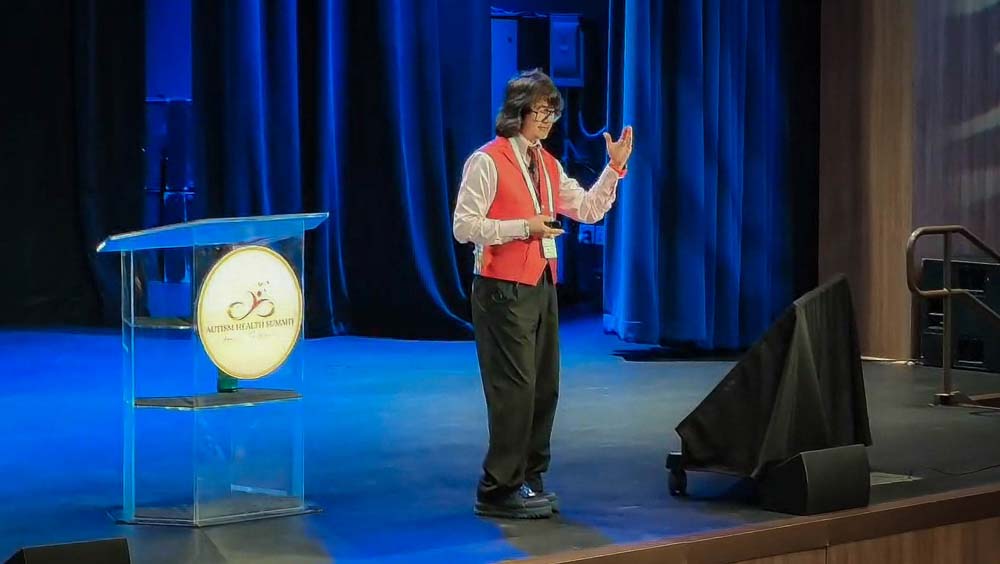
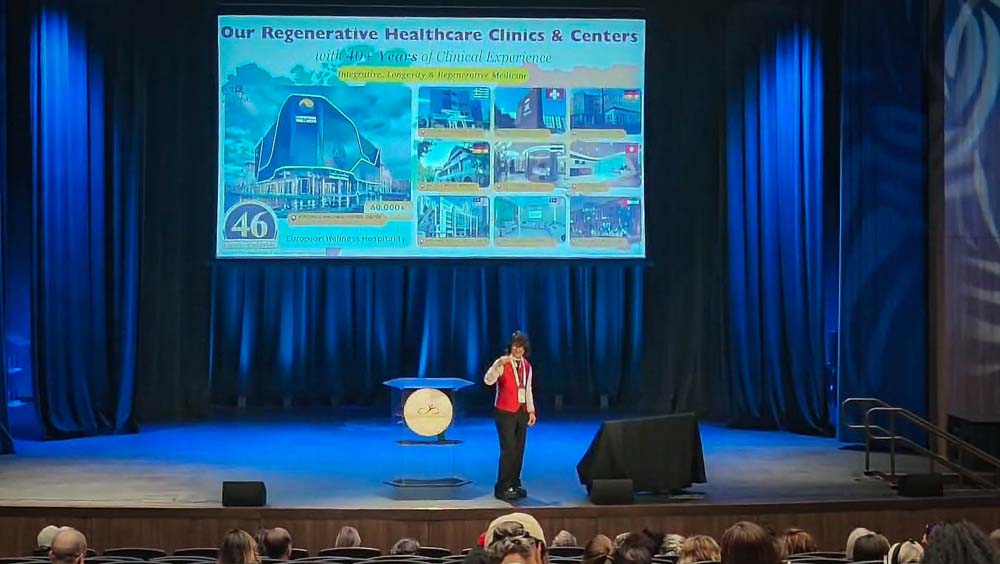
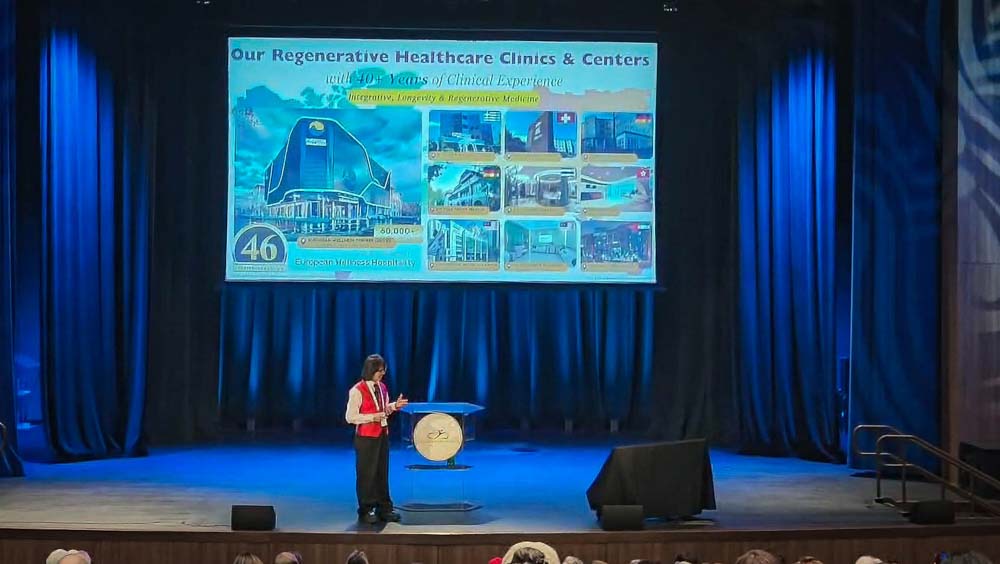
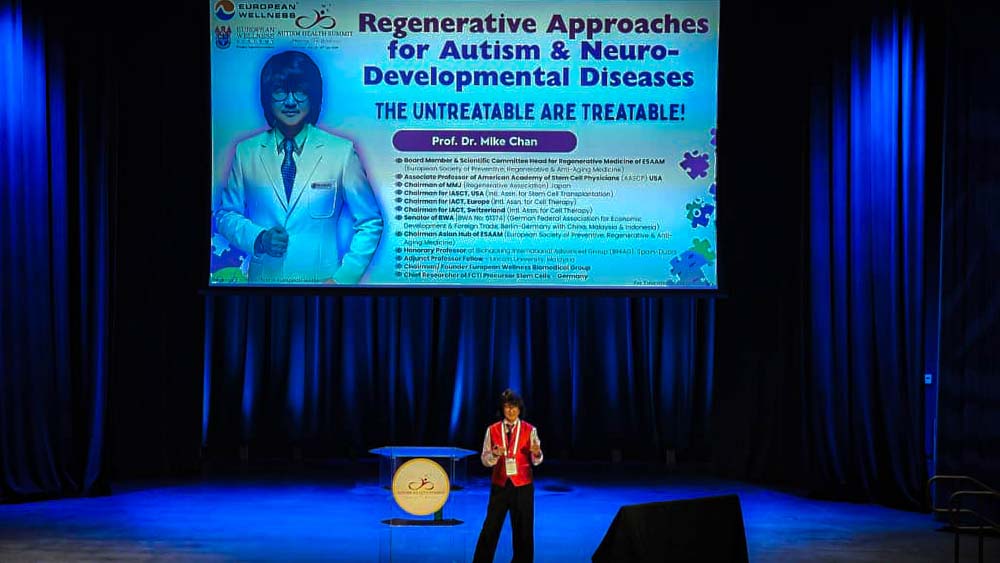
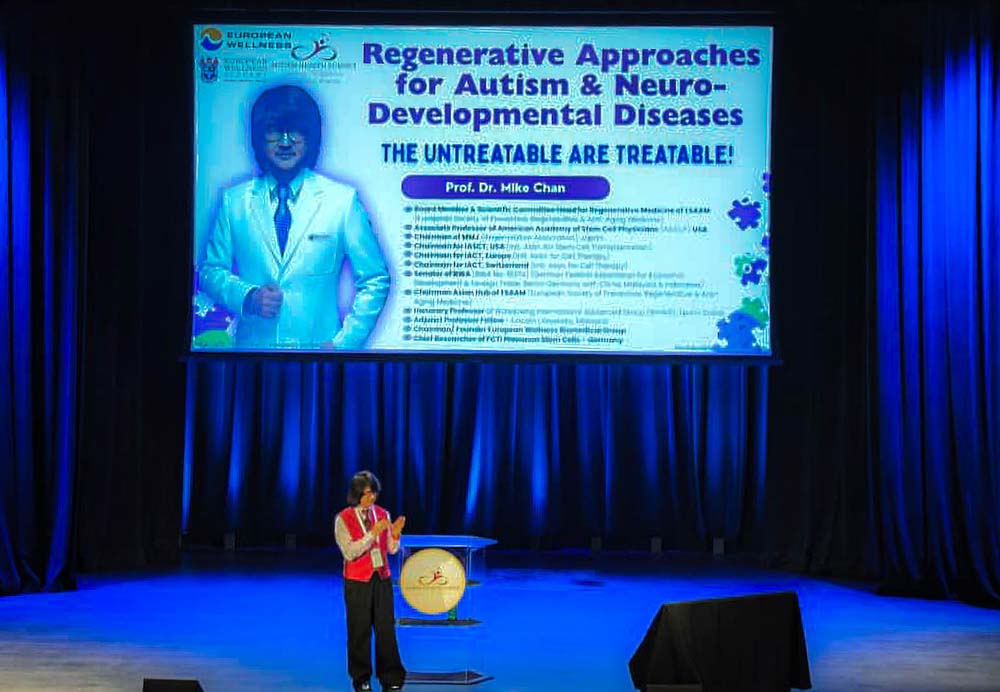
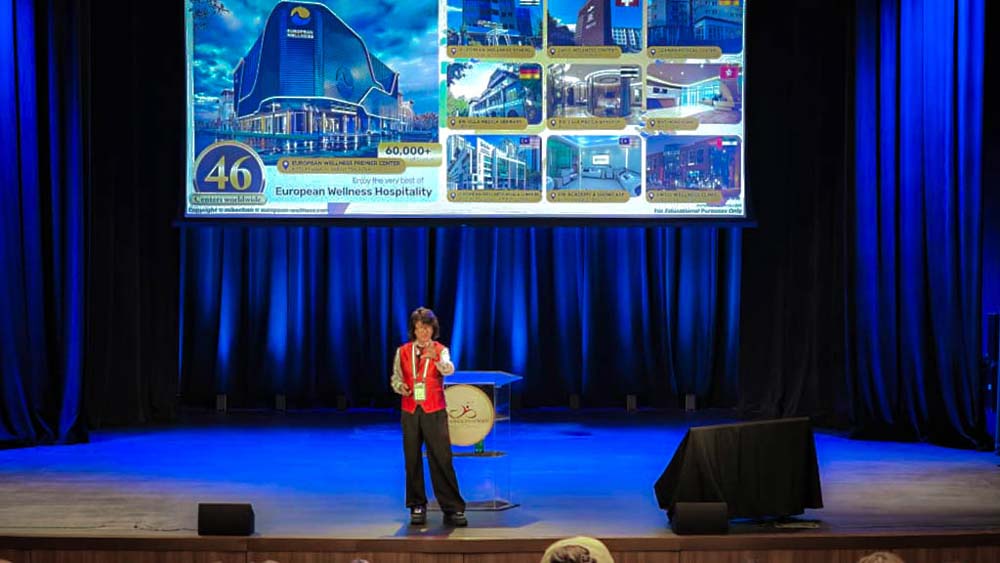
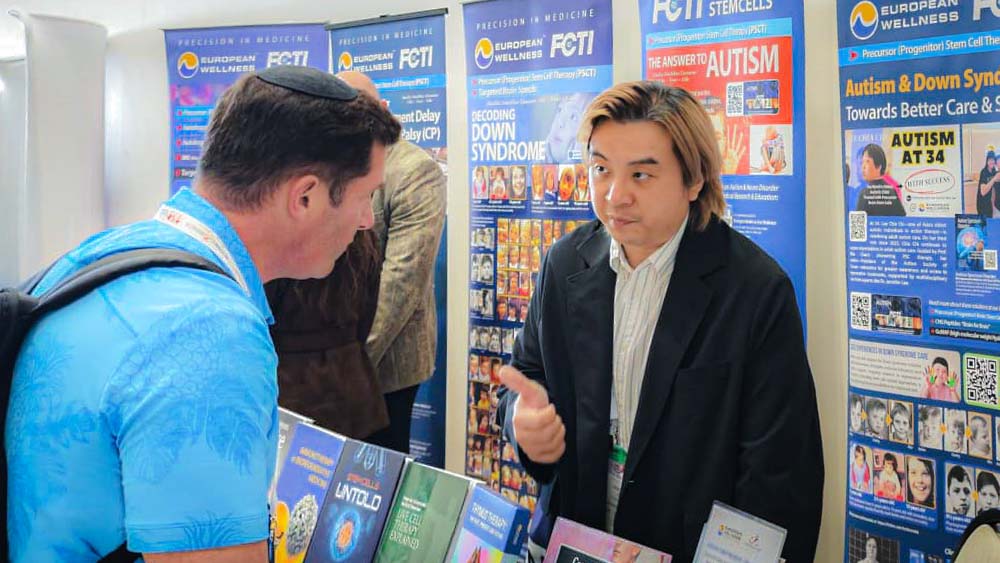
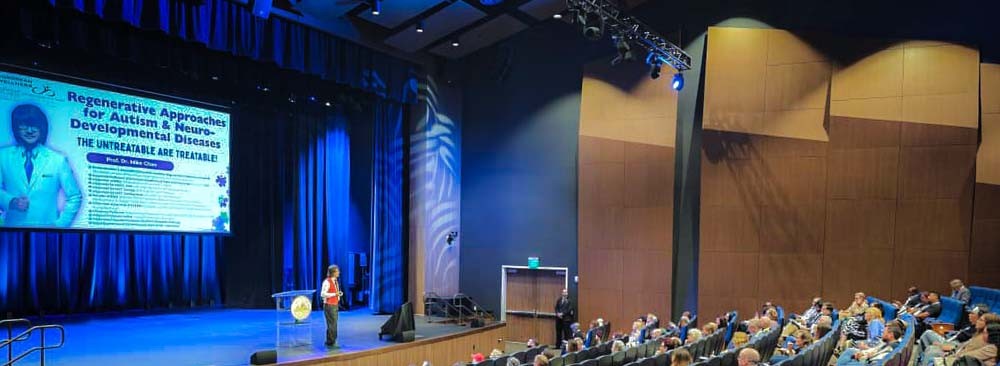
Leading that conversation, Prof. Dato’ Sri Dr. Mike K. S. Chan outlined how precision, biology-driven therapies can be applied in practice — stressing that treatment must be tailored to each child’s unique biological profile.
“There is no one-size-fits-all,” he told delegates. “If you do not understand the individual, you cannot treat the condition.”
From Concept to Clinical Practice
Building on his opening keynote, Chan detailed approaches rooted in bioregenerative medicine. These include organ-specific stem cells, peptide therapies and immune modulation strategies.
His emphasis remained consistent — treatment must match the biology.
“A1 must treat A1. B6 must treat B6. Z10 must treat Z10,” he said. “This is precision medicine. This is not guesswork.”
He said the goal is not simply to manage symptoms, but to restore balance across the body’s systems.
“We are not chasing behavior,” he said.
“We are rebuilding systems.”
The Gut–Brain Connection
A central theme on Day 2 was the role of the gut in neurological health.
“If you do not look at the gut, you are missing half the story,” Chan said.
“The gut communicates with the brain. It affects behavior, mood, immunity and development.”
Sessions across the summit echoed this focus, with experts discussing microbiome health, detoxification and environmental influences on neurodevelopment.
Chan urged deeper investigation into common symptoms.
“We must ask why,” he said.
“Why is the child inflamed? Why is the child not sleeping? Why is the immune system reacting?”
Balancing Innovation with Responsibility
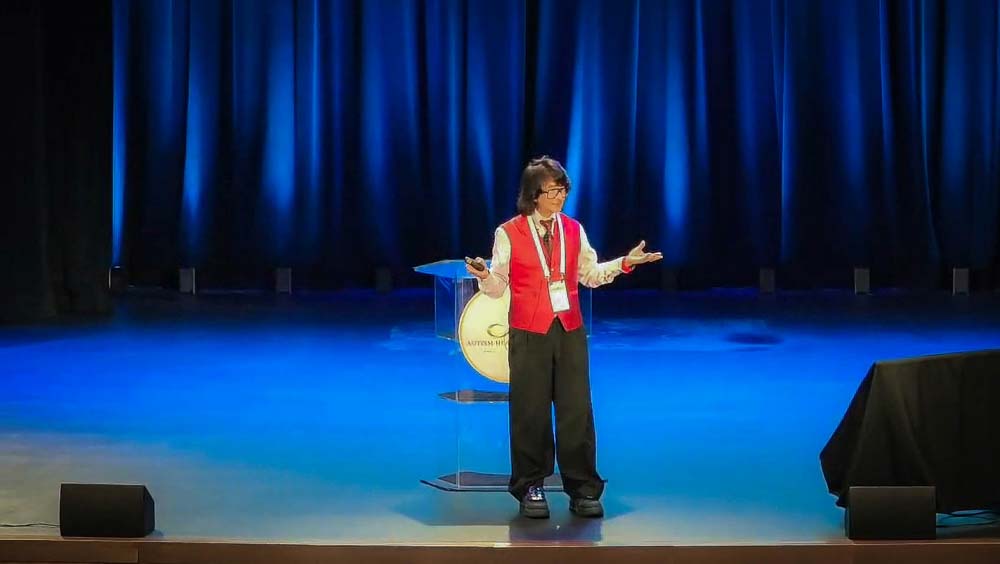
While interest in regenerative therapies continues to grow, Chan cautioned against unrealistic expectations.
“Regenerative medicine is powerful,” he said.
“But it must be safe, it must be precise, and it must be ethical.”
He warned against unregulated treatments and oversimplified solutions, stressing the importance of medical supervision and proper diagnostics.
“I do not like false hope,” he said.
“But I also do not accept hopelessness.”
Families Remain at the Center
Beyond the science, speakers returned to a consistent theme — the lived reality of families.
“The child is not the only patient,” Chan said.
“The parents suffer too. Many are exhausted. Many are searching for direction.”
Parent-led panels throughout the day reinforced this message, highlighting the emotional and practical challenges of navigating autism care systems.
A Broader, Evolving Conversation
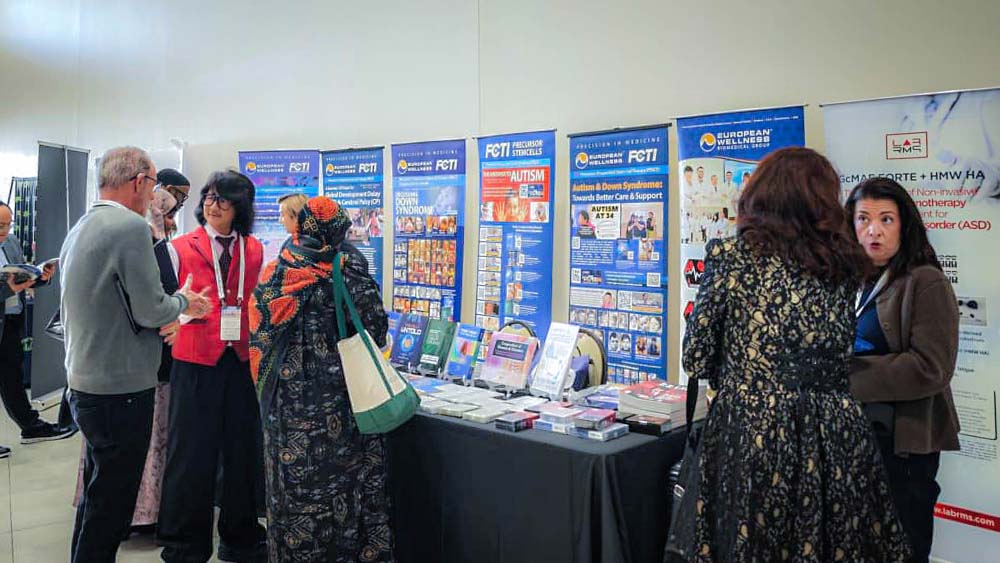
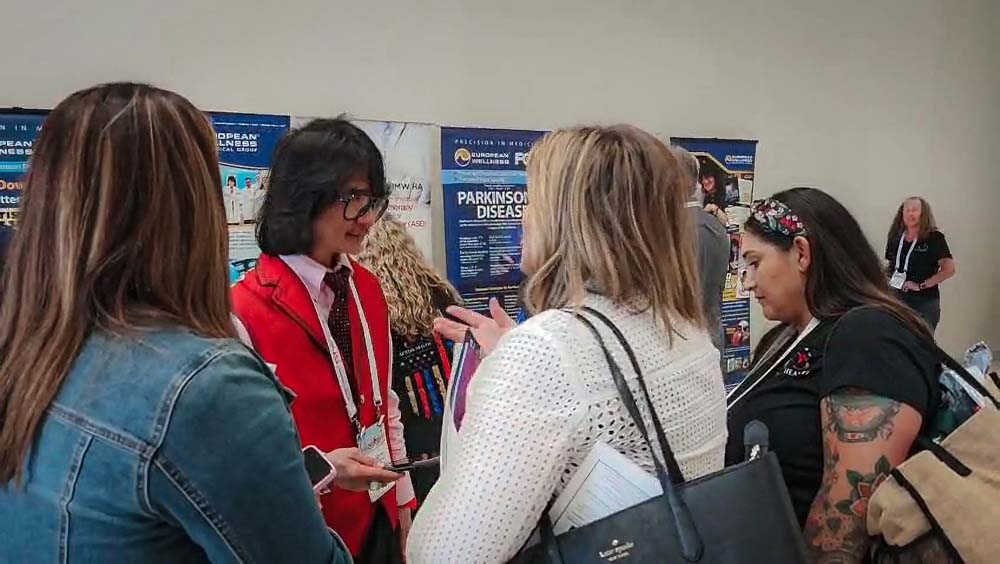
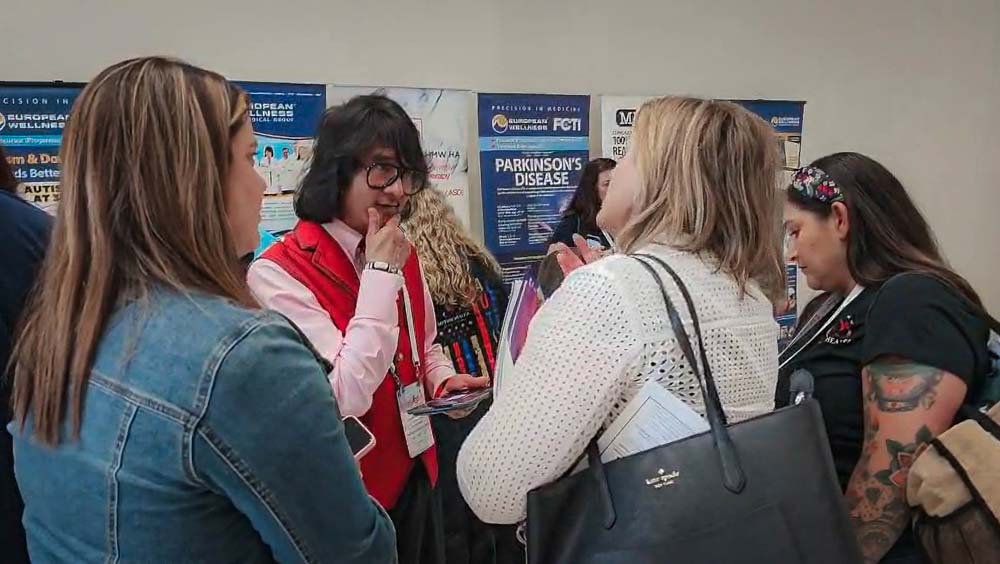
This year’s Autism Health Summit also reflected the growing scope of autism care. Alongside regenerative medicine, sessions explored nutrition, functional medicine, environmental health, advocacy and legal rights.
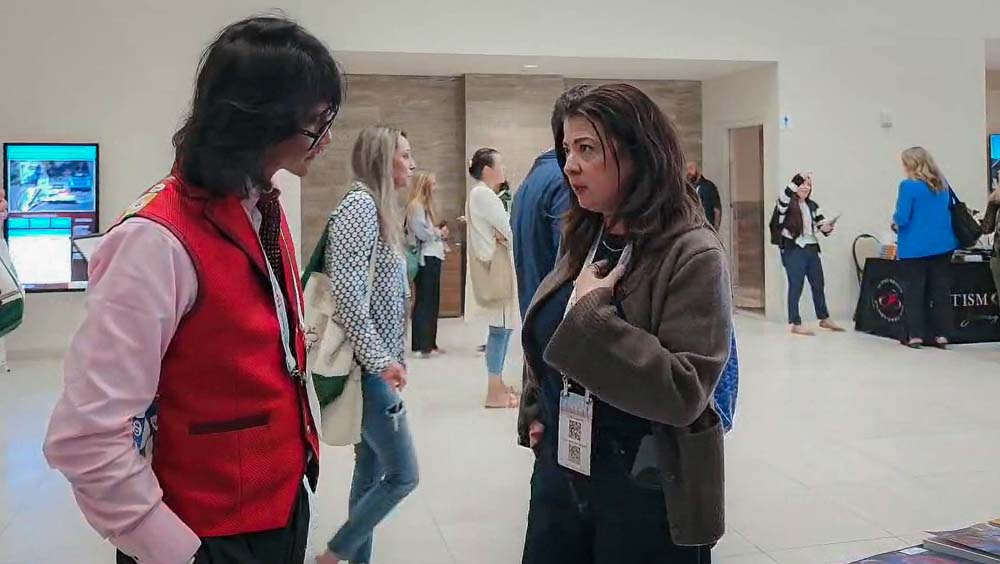
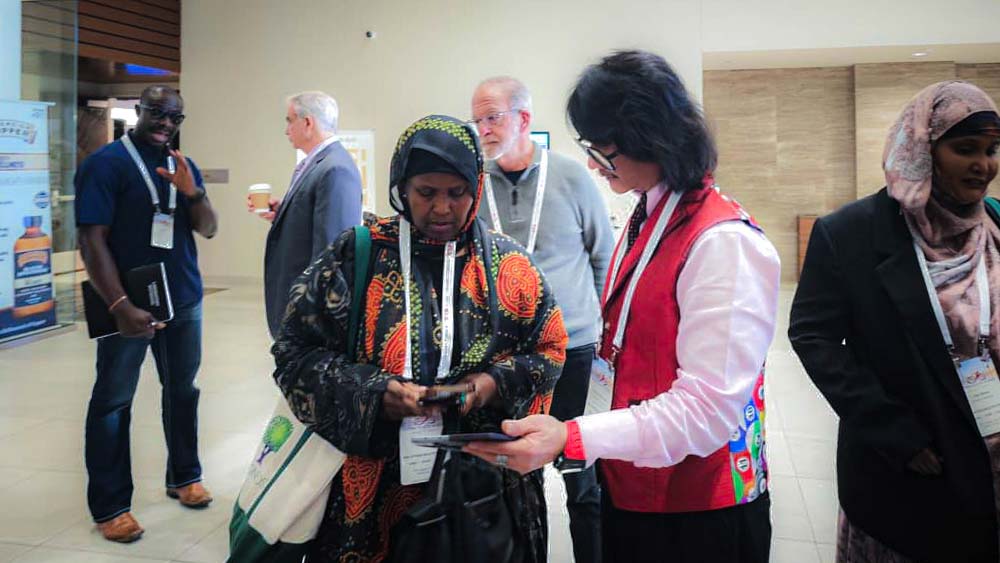
Supported by a global network of clinicians and advocates, the summit has increasingly positioned itself as a platform where science and lived experience intersect.
From keynote lectures to clinical discussions and community panels, the event underscored a broader shift — toward integrating biology, technology and personalized care.
Looking Ahead
As the summit drew to a close, one message stood out.
“The future is precision,” Chan said.
“The future is understanding the body at the cellular level and giving the right support at the right time.”
For many attendees, the takeaway was clear: autism care is entering a new phase — one that moves beyond awareness and toward measurable, biology-based solutions.
And as the global conversation continues to evolve, the summit signaled that the search for answers is no longer just about asking questions — but about applying them with clarity, responsibility and purpose.


Follow European Wellness:



Follow European Wellness Academy:
Follow Prof. Dato’ Sri Dr. Mike Chan:

Related Posts