Immerse yourself in a glamorous landscape of emerging trends and lucrative opportunities at Cosmoprof Asia…
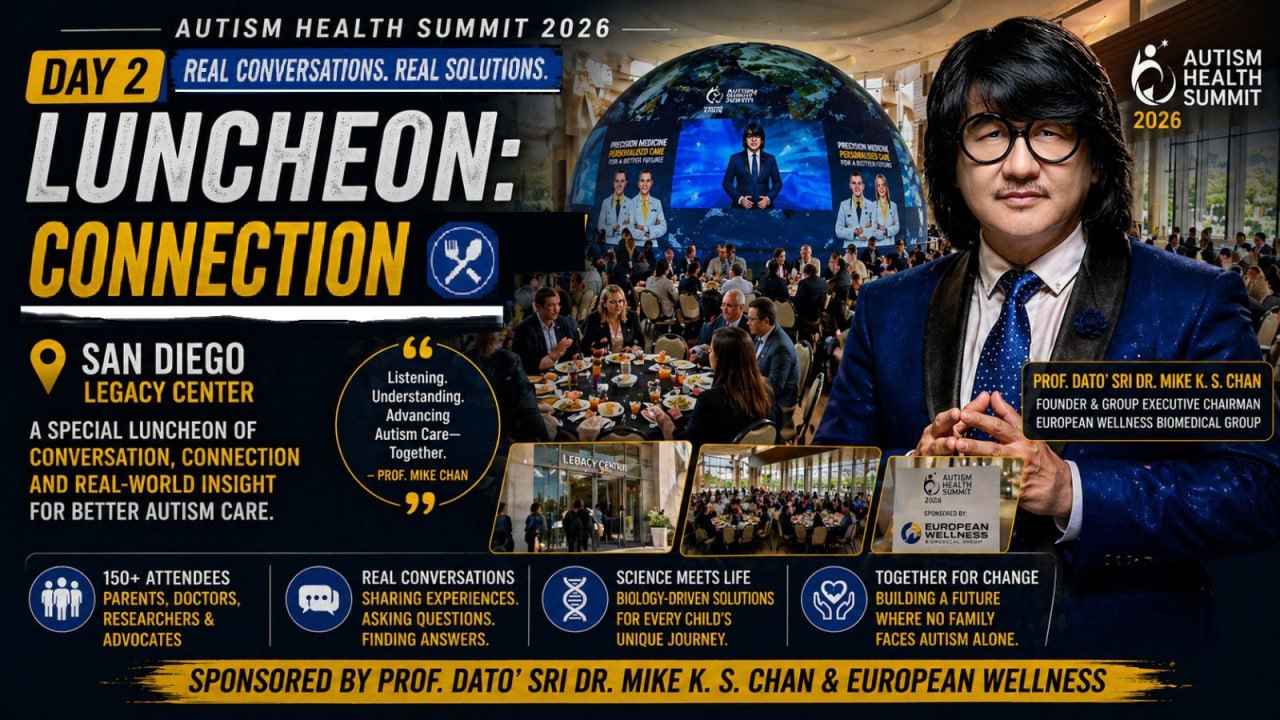
(Day 2) LUNCHEON TALK: EW Sponsored Luncheon Shifts Focus from Speech to Dialogue and Connection
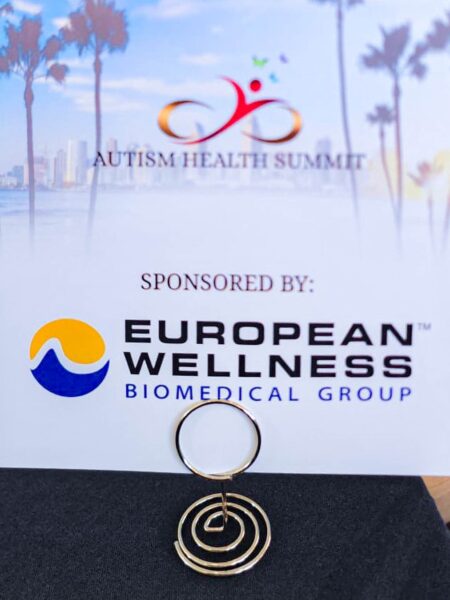
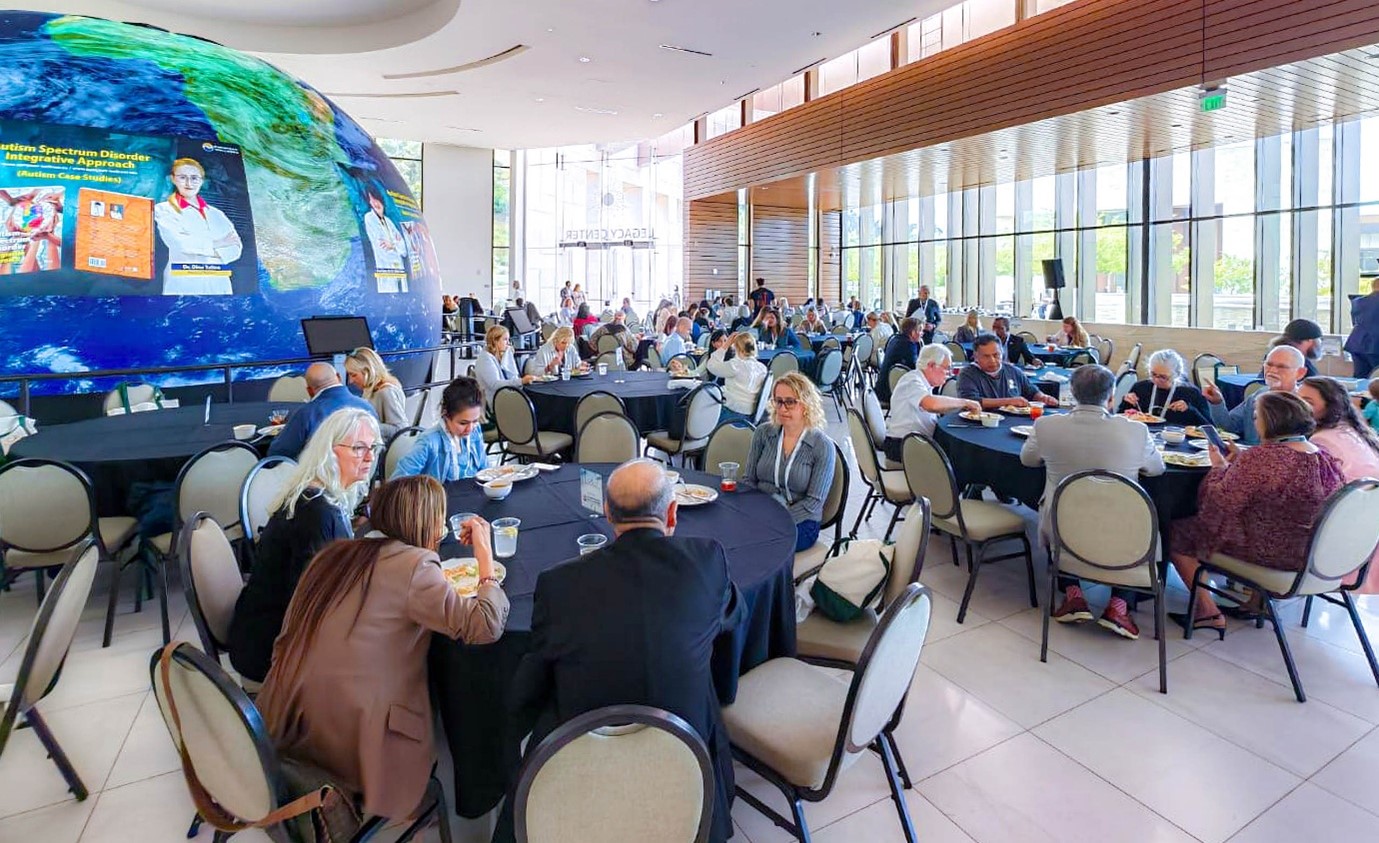
SAN DIEGO (April 26, 2026) — The second day of the Autism Health Summit shifted from stage to table, as more than 150 attendees gathered for a sponsored luncheon that turned a global conference into an intimate exchange of lived experience.
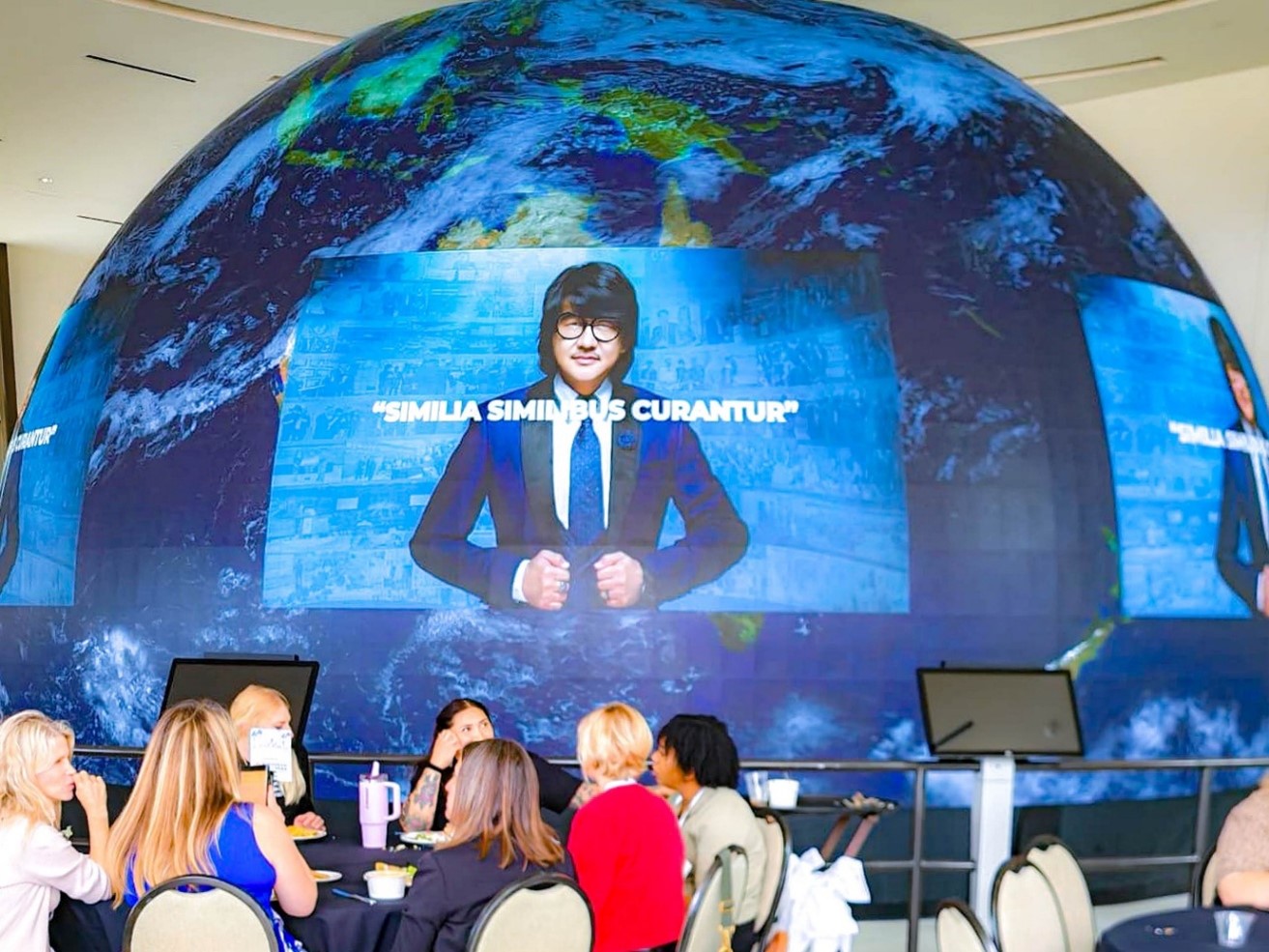
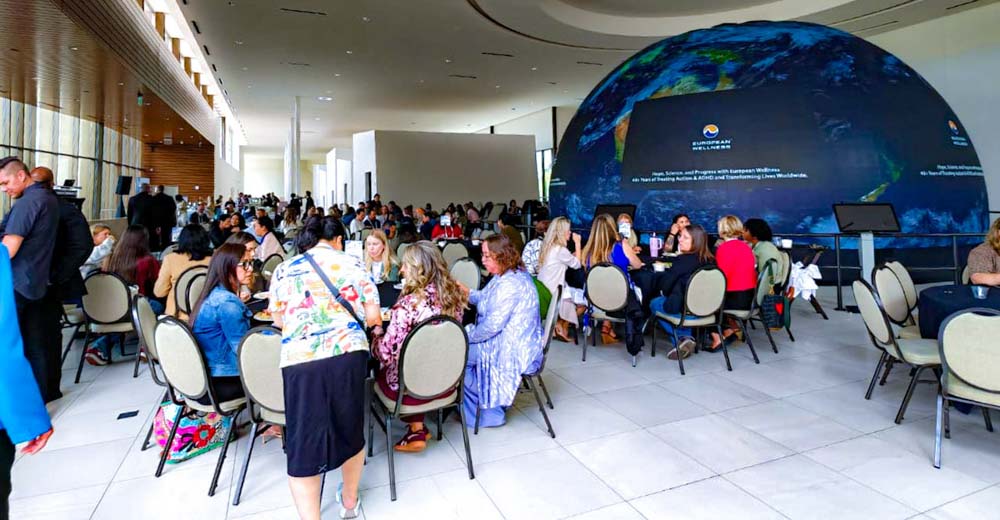
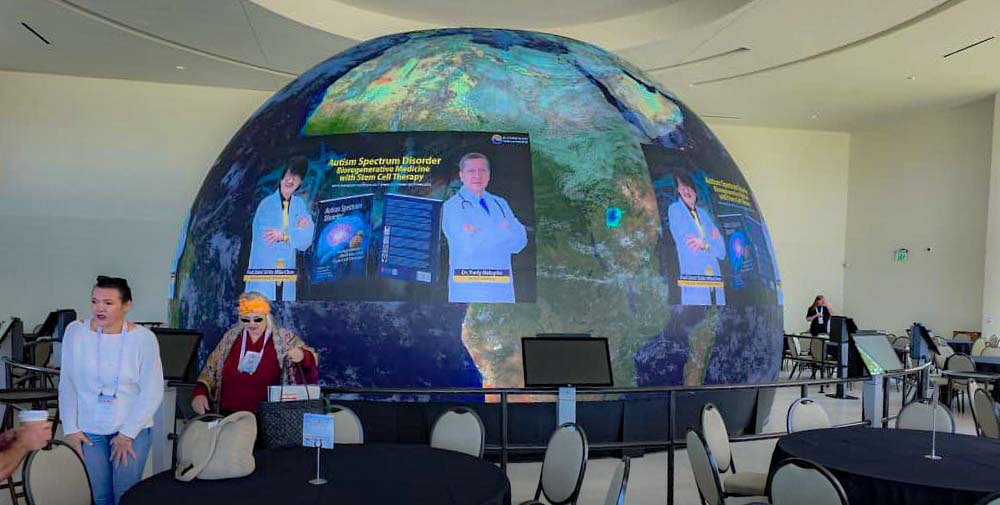
Held at the Legacy Center, the event brought together parents, doctors, researchers, and advocates in a bright, open hall dominated by a towering immersive globe display. Conversations replaced lectures. Plates of food sat alongside notebooks and clinical questions.
The tone was markedly different from the summit’s opening day.
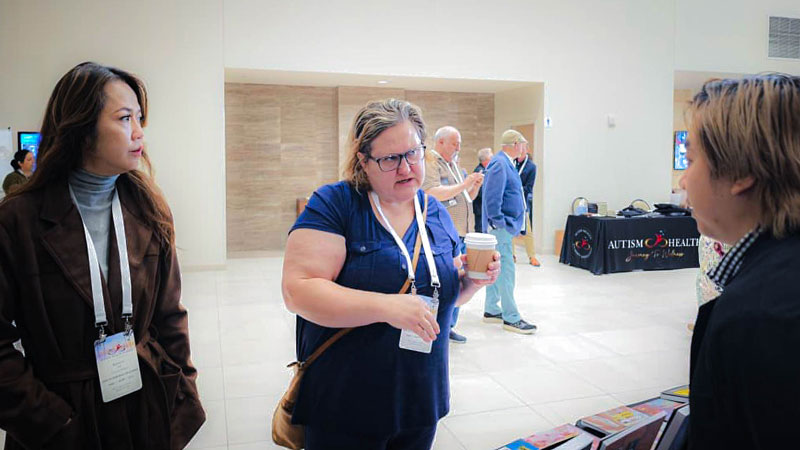
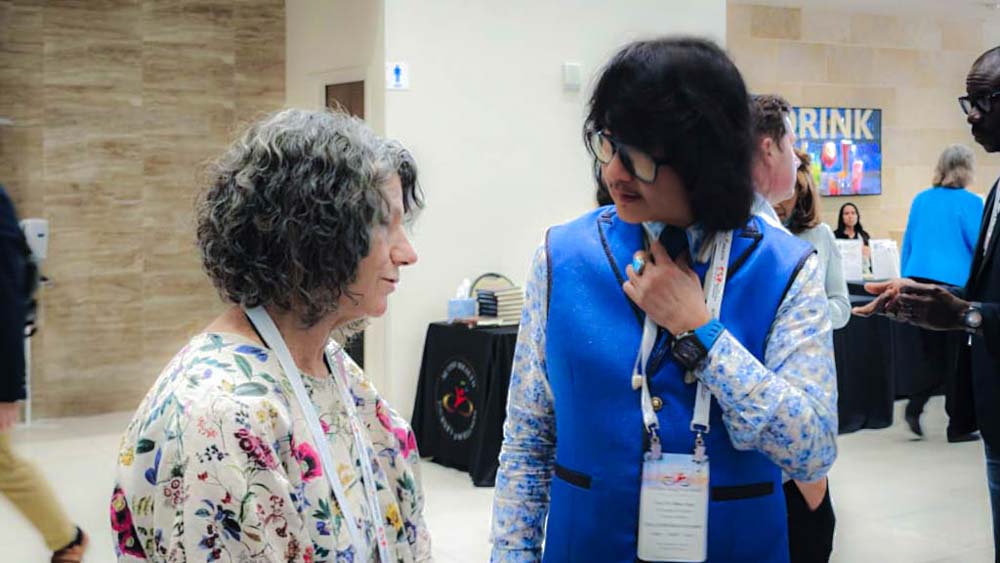
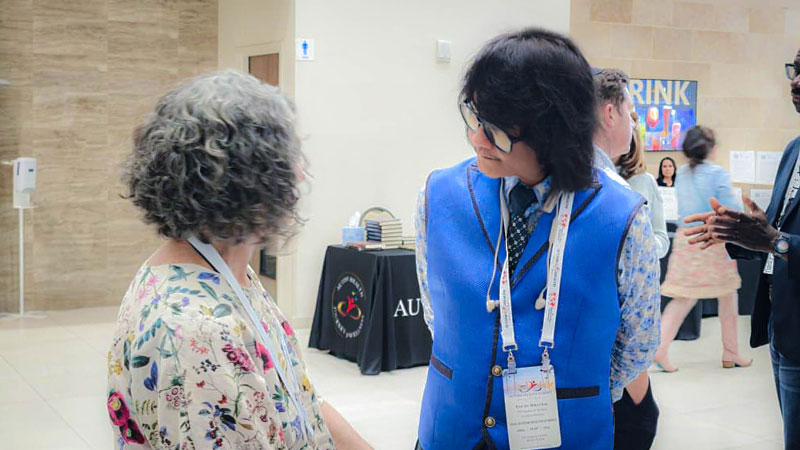
Delegates moved between tables. Some leaned in closely, speaking in hushed tones. Others gestured animatedly as they described treatment journeys, setbacks, and small breakthroughs. The crowd was diverse—young parents, seasoned clinicians, therapists, and international guests, all drawn by a shared urgency to understand autism beyond its surface.
At the center of it was Chan, who moved steadily from table to table.
“There is no one-size-fits-all,” he told a small group gathered near the dome. “If you do not understand the individual, you cannot treat the condition.”
Unlike formal keynote sessions, the luncheon allowed for direct exchange. Families asked about gut health, immune responses, and behavioral changes. Doctors compared notes. Researchers listened.
The Autism Health Summit, an annual gathering in San Diego, has increasingly positioned itself at the intersection of science and advocacy. This year’s program highlighted biological drivers of autism—including the gut–brain axis, inflammation, and metabolic function.
The Day 2 luncheon reflected that shift in a more personal way. For many attendees, the session’s value lay not in new theory, but in connection.
“It’s different when you can ask directly,” said one parent attending from out of state. “You feel heard.”
“Autism is not only behavior,” Chan said. “It involves the brain, the gut, the immune system. We must look deeper.”
As the luncheon wound down, conversations lingered. Business cards were exchanged. Small groups formed near the exits.
In a summit defined by complex science, Day 2 offered something simple and, for many, more powerful: a space where questions could be asked and where the search for answers felt shared.
RFK Jr Returns to the Autism Debate
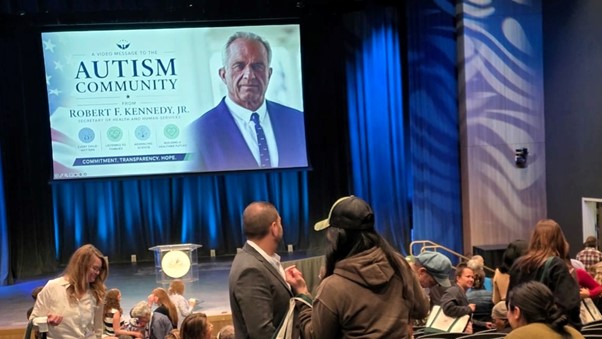
One of the most closely watched moments on Day 2 of the Autism Health Summit came not from the stage but from the screen.
At precisely 3:15 PM, as outlined in the official program, delegates paused for a scheduled “Announcement from the Secretary of HHS,” delivered via a pre-recorded video by Robert F. Kennedy Jr. The auditorium, still buzzing from earlier clinical sessions, settled into a focused silence as attendees turned their attention to the large projection.
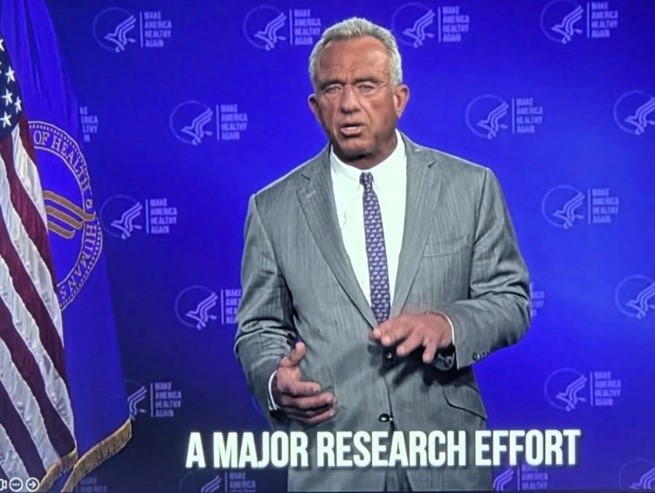
Kennedy, who had ignited global headlines just months earlier with his controversial pledge to “find a cure for autism,” appeared once again at the center of a deeply polarizing conversation. His September remarks had gone viral, drawing both strong support from advocacy groups seeking more aggressive research pathways and sharp criticism from segments of the autism community.
In this latest appearance, his tone was measured but resolute.
Standing against a formal government backdrop, Kennedy spoke of “a major research effort,” signaling renewed federal attention toward understanding autism’s causes and potential interventions.
What made the moment particularly striking was its placement within the Day 2 program.
Following sessions on toxicity, holistic medicine, and emerging stem cell applications, Kennedy’s message landed at a crossroads between policy and possibility. It underscored a growing convergence: government interest, scientific innovation, and patient advocacy are increasingly intersecting—sometimes uneasily.
For many in attendance, the takeaway was not necessarily agreement, but recognition.
The autism conversation is evolving rapidly, and figures like Kennedy continue to influence its trajectory, whether through policy, provocation, or public visibility.
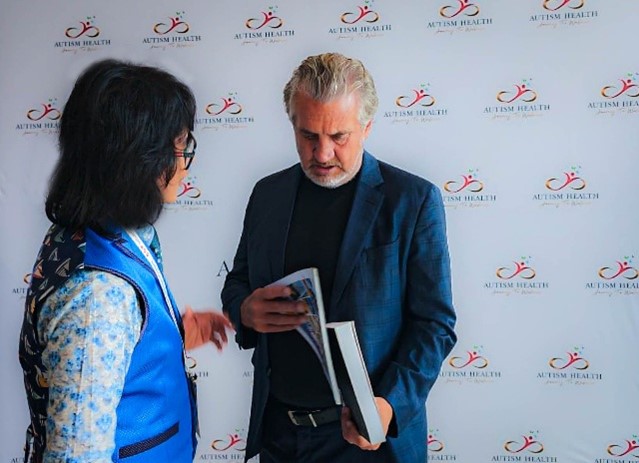
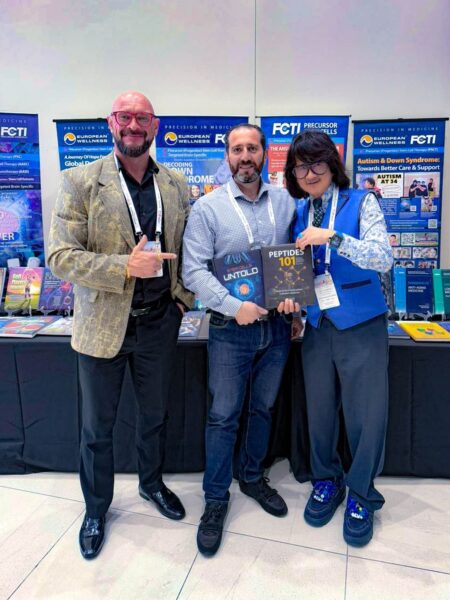
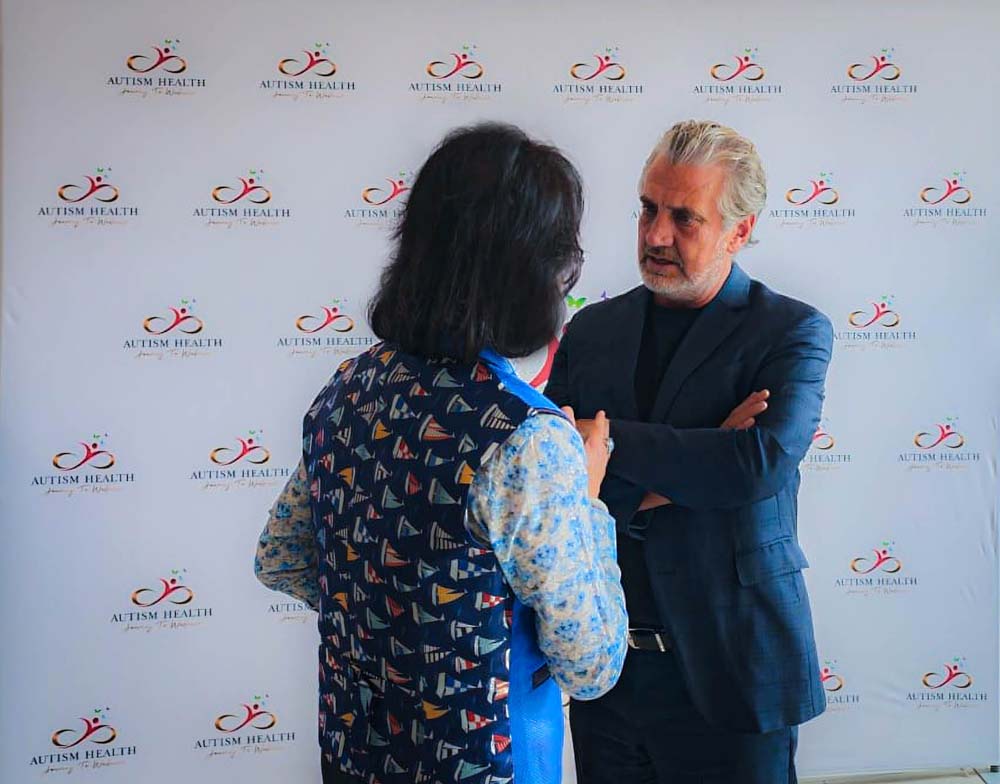
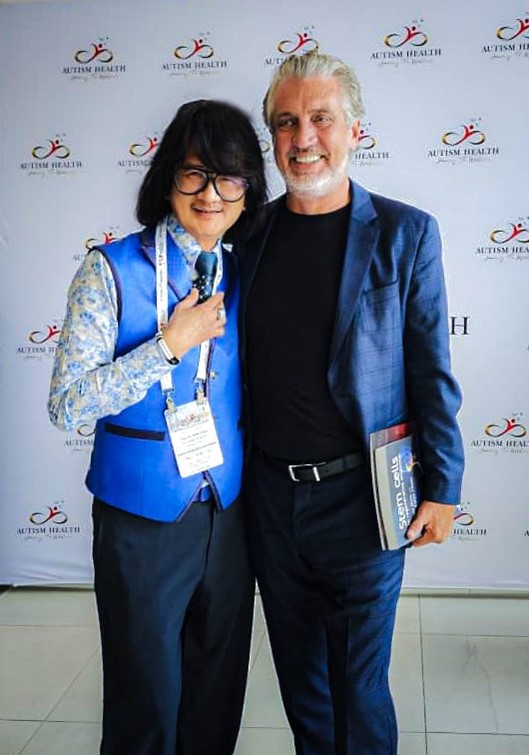
Prof. Mike Chan sharing a moment upon meeting Del Bigtree, notable public speaker and fellow associate of Robert F. Kennedy Jr.
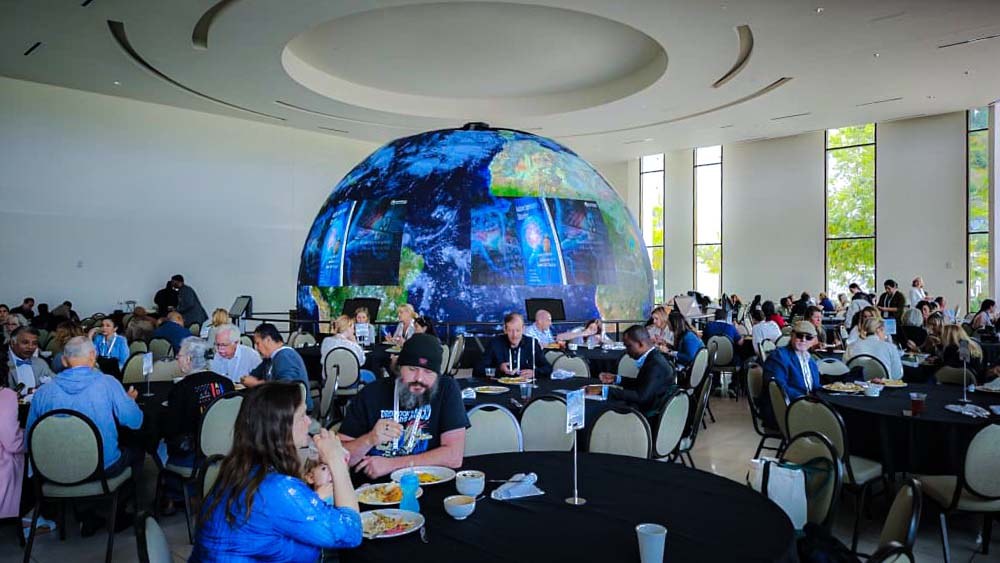
Attendees gather beneath the immersive globe at the Legacy Center, where autism science and real-life conversations intersect during the Day 2 luncheon.
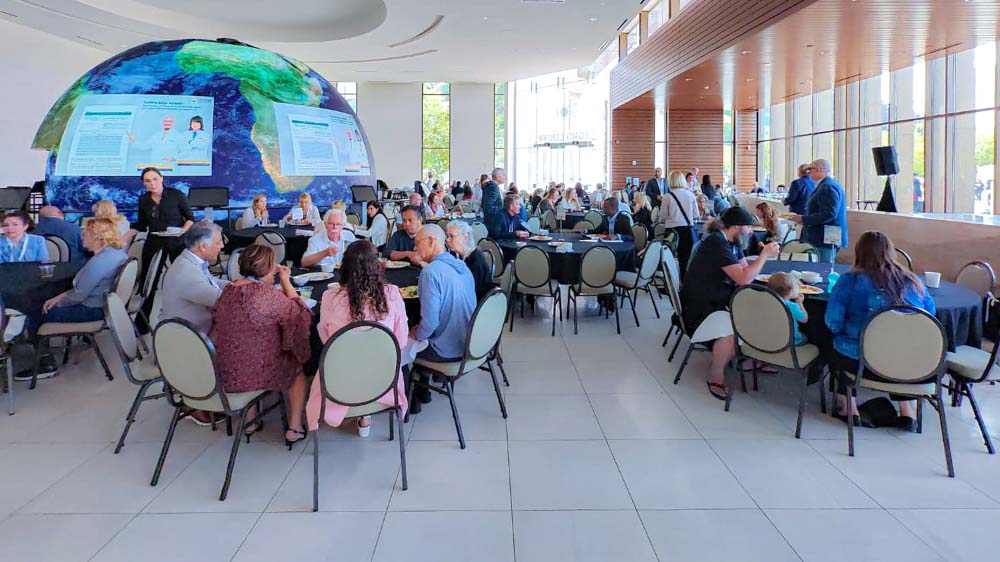
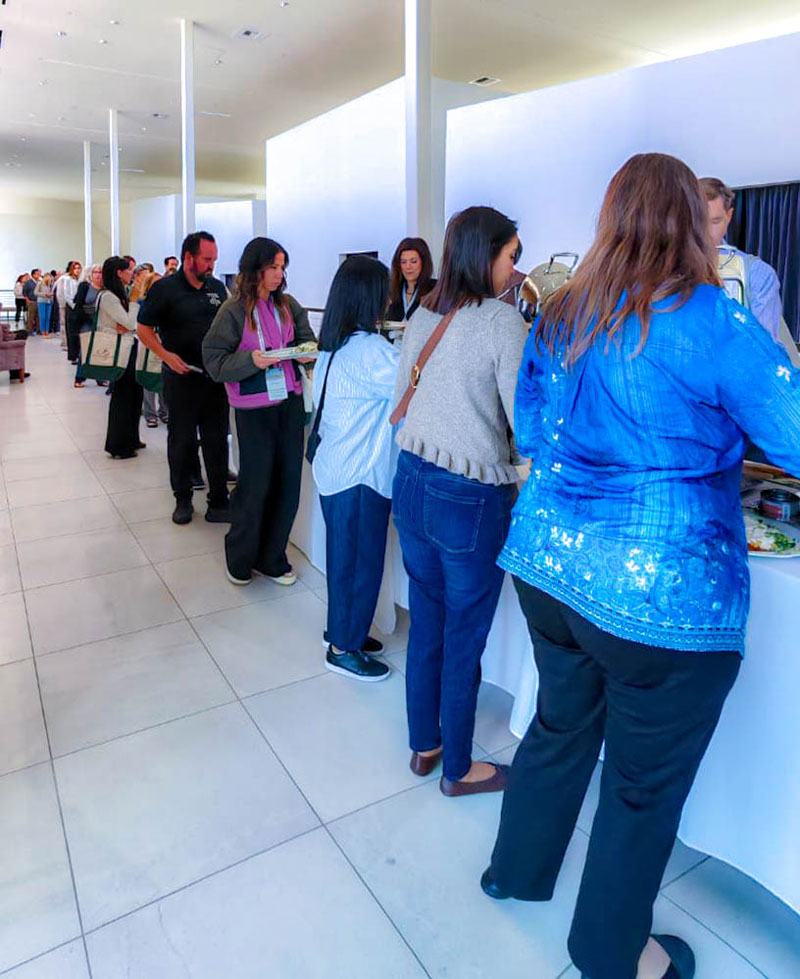
More than 150 parents, clinicians, and advocates share experiences over lunch at the Autism Health Summit in San Diego.
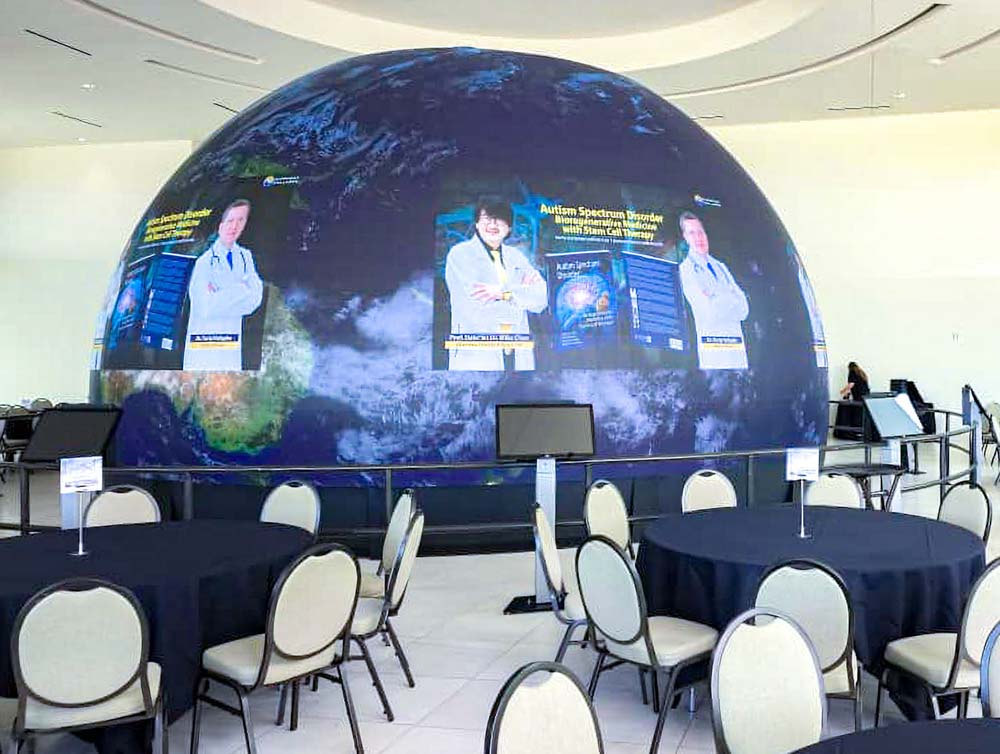
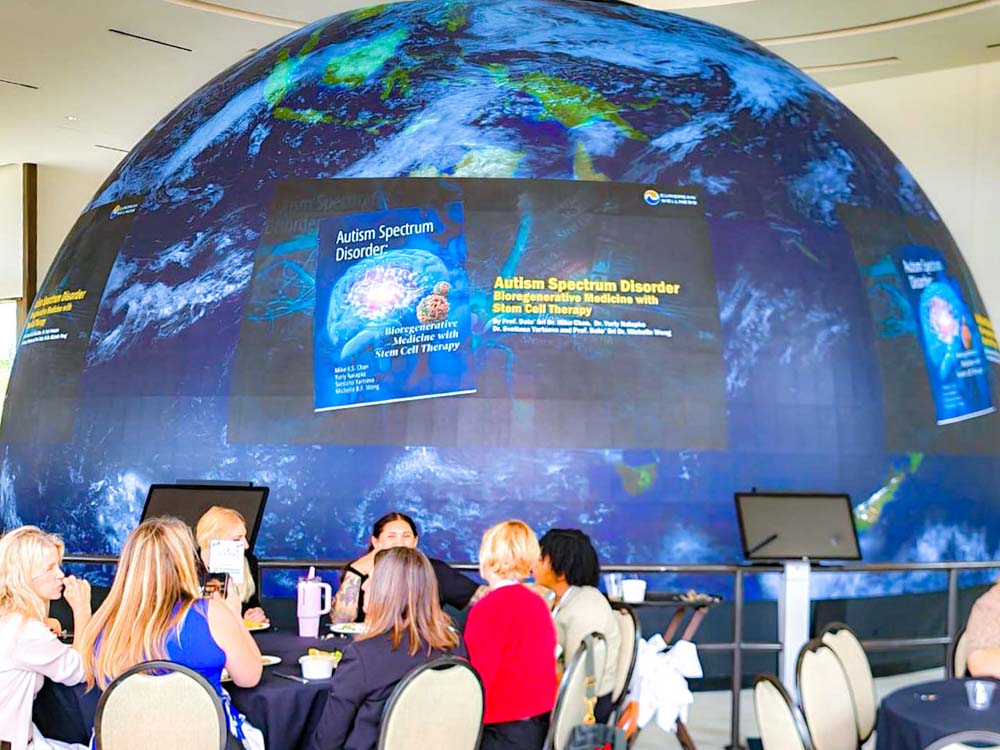
Visuals of Prof. Mike Chan and European Wellness doctors are projected onto the dome, highlighting biological approaches to autism care.
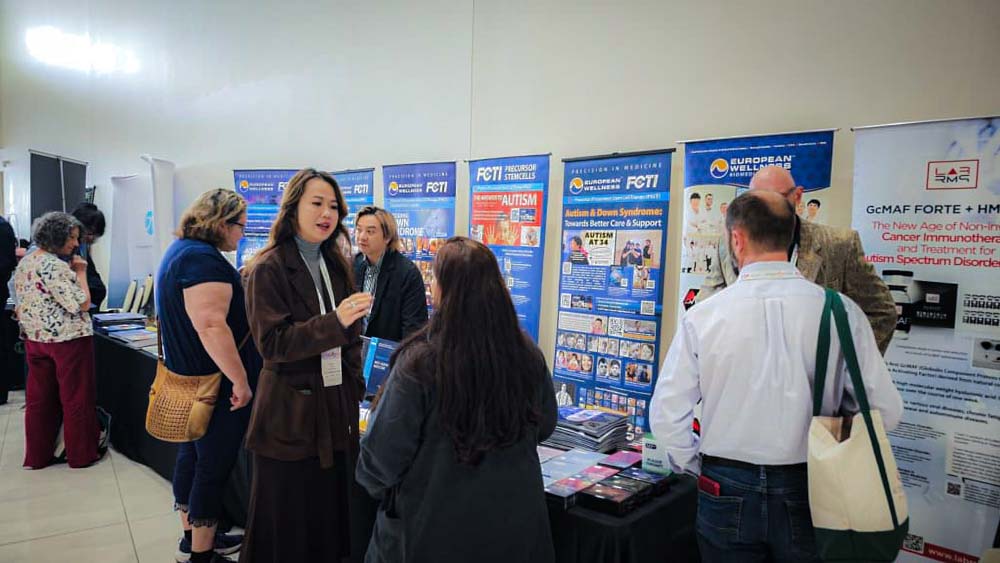
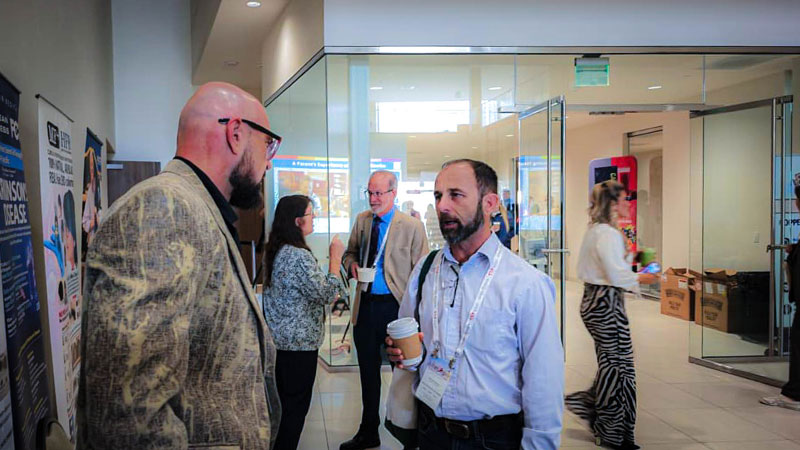
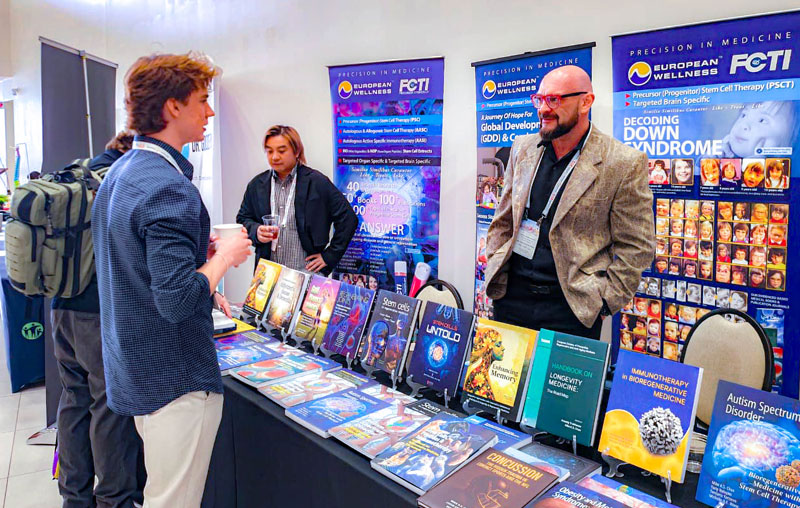
Delegates engage in small-group discussions, exchanging insights on treatment challenges and progress.
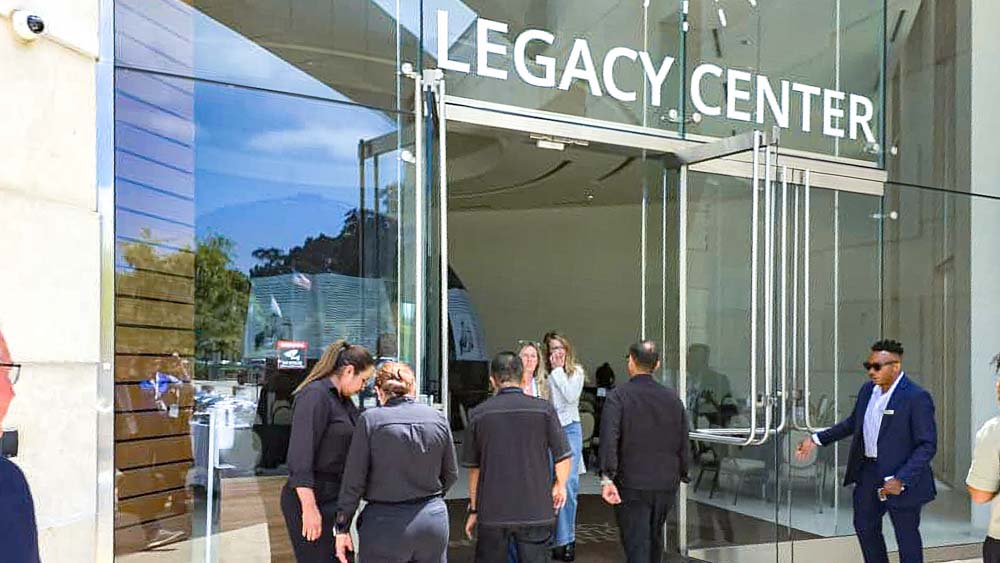
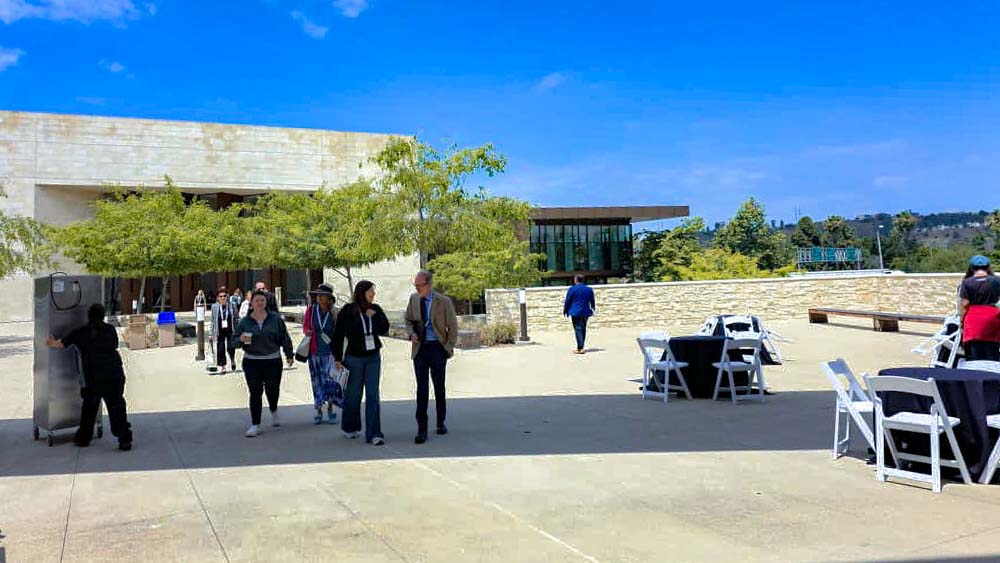
Guests arrive at the Legacy Center, where Day 2 of the summit focuses on connection, dialogue, and real-world application.


Follow European Wellness:



Follow European Wellness Academy:
Follow Prof. Dato’ Sri Dr. Mike Chan:

Related Posts