Immerse yourself in a glamorous landscape of emerging trends and lucrative opportunities at Cosmoprof Asia…
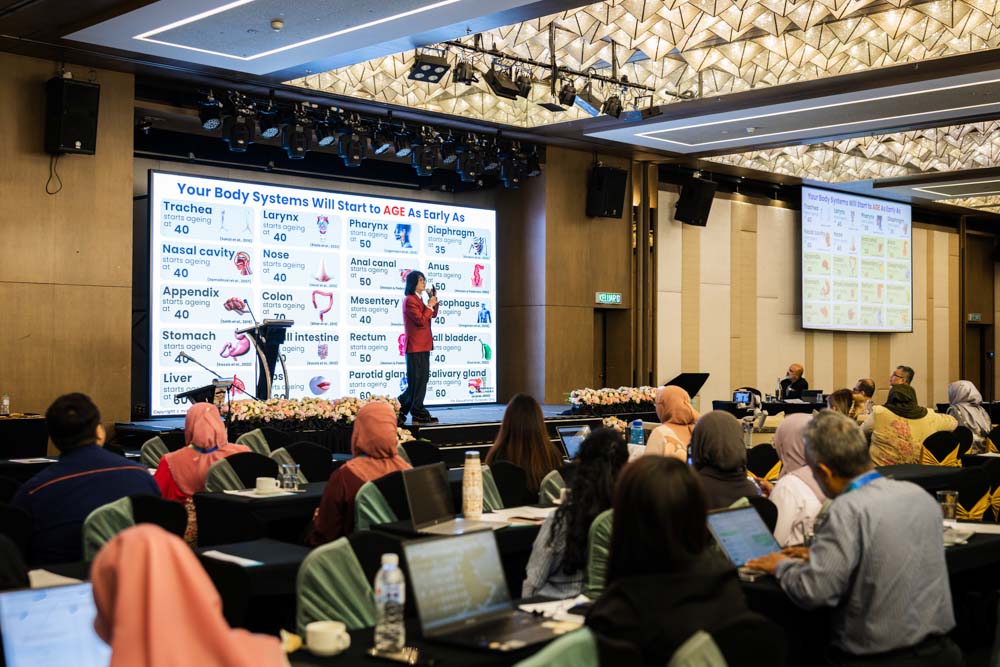
Prof. Mike Chan Champions Precision Cellular Regeneration at International Biotechnology Symposium
KOTA KINABALU, Malaysia (Aug. 27, 2026) — Extending human life has little meaning unless people can remain healthy, active, and independent, Prof. Dato Sri Dr. Mike Chan told delegates at the 9th International Biotechnology Symposium in Kota Kinabalu on Thursday.
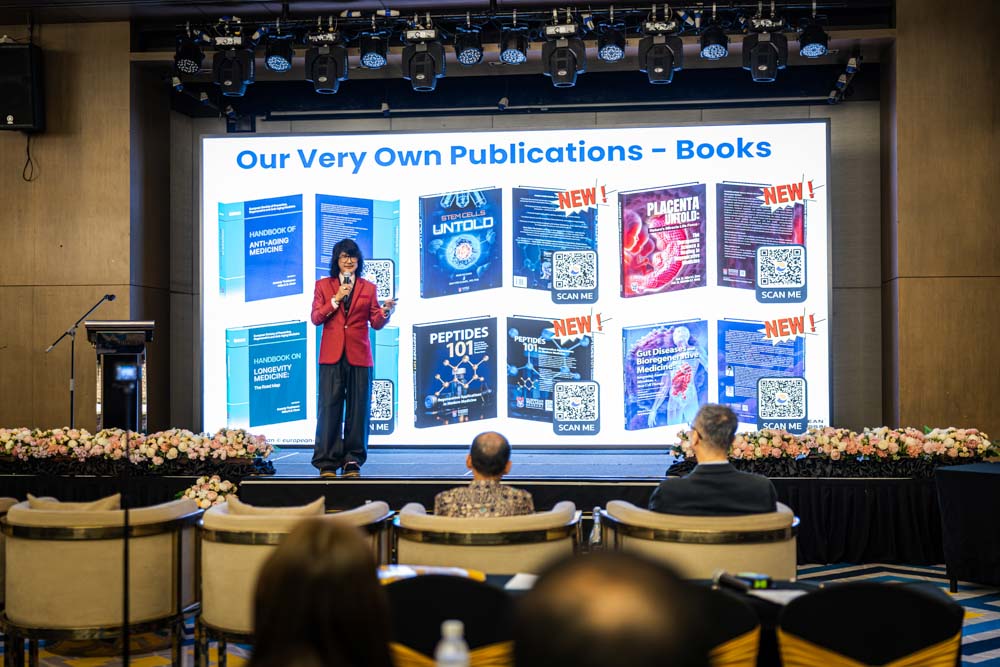
The chairman and chief researcher of European Wellness Biomedical Group placed healthspan—not merely lifespan—at the heart of his plenary presentation, “BioHacking Longevity through Healthspan Extension via Cellular Regeneration with Precision Medicine.”
“Longevity means nothing without healthspan,” Prof. Mike Chan said. “What’s the point of reaching 100 or even 120 if you’re already bedridden at 75?”
He returned to the same question later in the presentation, putting it even more directly: “What’s the point of living longer if you’re still suffering after 75?”
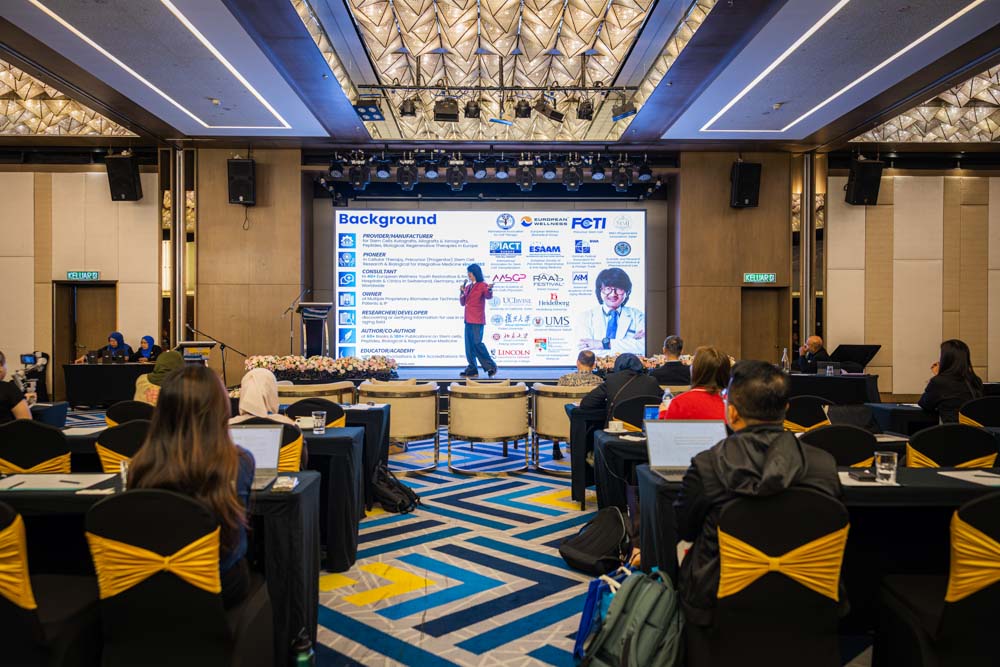
Delivered during the symposium’s third plenary session at Le Méridien Kota Kinabalu, the presentation examined how cellular regeneration, biological-age assessment, and precision medicine might be brought together to address age-related decline. Prof. Mike Chan said the discussion should begin with a clearer understanding of what aging does to the body.
“Ageing is not simply about the number of birthdays we celebrate,” he said. “It is about what is happening to the brain, heart, pancreas, kidneys, immune system, and every other organ as the years pass.”
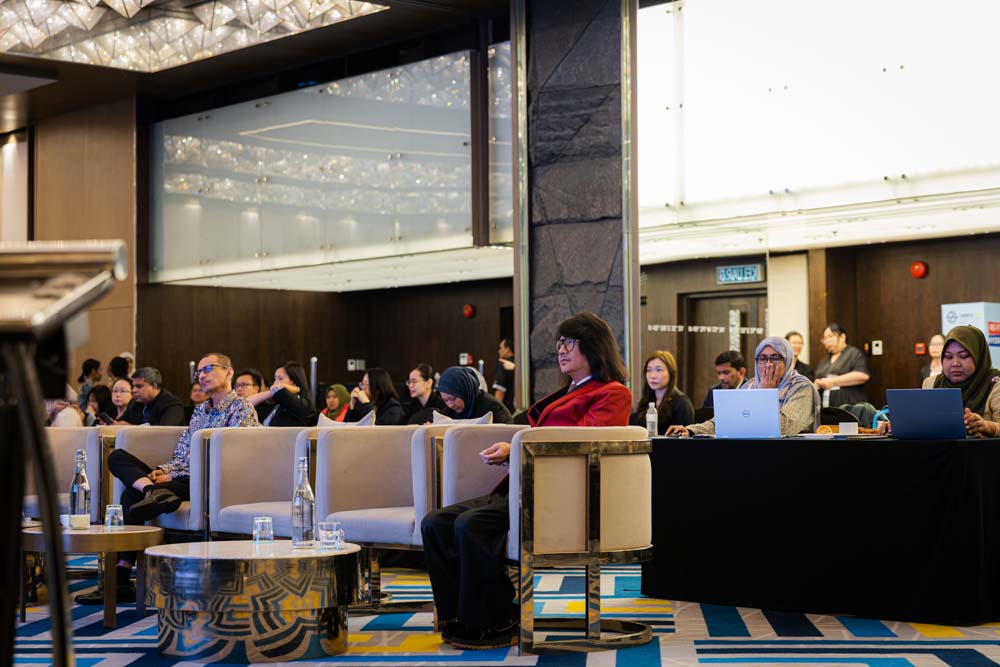
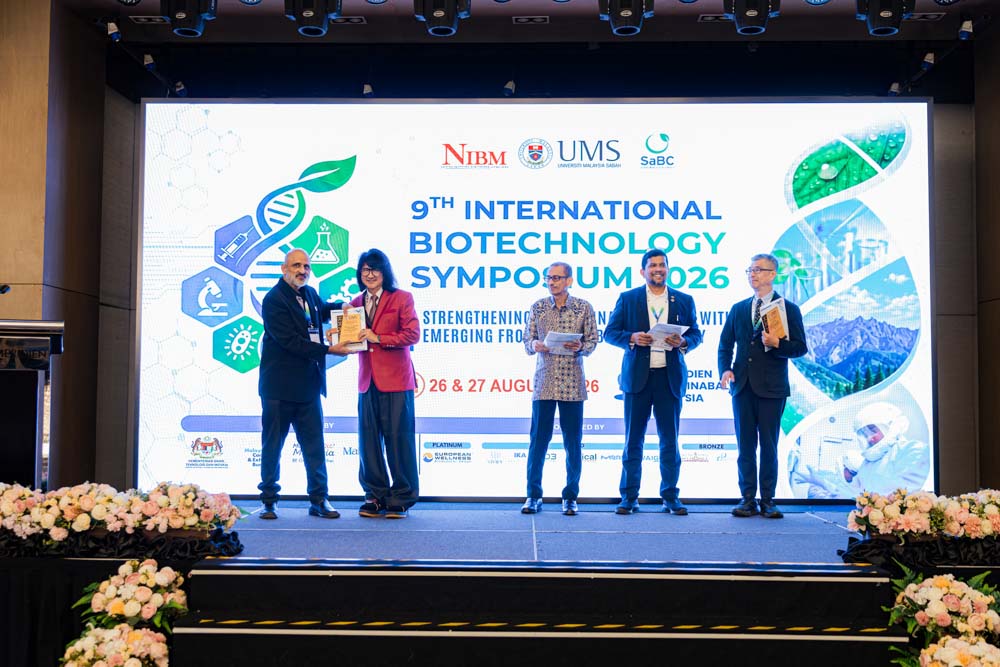
The two-day conference, held at Le Méridien Kota Kinabalu from Aug. 26 to 27, attracted approximately 160 participants from academia, research institutions, and the biotechnology industry.
The program began with registration on Aug. 26, followed by welcoming remarks and the official opening ceremony. The symposium was officiated by Sabah Education, Science, Technology, and Innovation Assistant Minister YB Tuan Jordan Jude Datuk Ellron as a representative of Datuk James Ratib, accompanied by distinguished representatives of Universiti Malaysia Sabah, including its vice-chancellor.
Prof. Mike Chan delivered his plenary address from 12.45pm to 1.15pm on Aug. 27. His session formed part of a wide-ranging program covering emerging developments in medical, agricultural, and industrial biotechnology.
Extending Healthspan, Not Simply Lifespan
Prof. Mike Chan said the goal of longevity medicine should be to preserve physical strength, cognitive function, and independence for as long as possible. “Most organs don’t last 75 years, let alone 120,” he told the audience.
He explained that organs and biological systems do not age at the same rate. An effective longevity program must therefore identify which systems are declining and consider appropriate support before deterioration becomes advanced.
His presentation examined several mechanisms associated with biological aging, including stem-cell depletion, mitochondrial dysfunction, altered gene expression, immune deterioration, and declining organ function. He said these mechanisms should not be addressed in isolation. A comprehensive strategy may involve cellular support, mitochondrial support, peptide bioregulation, immune modulation, precision diagnostics, and lifestyle changes, depending on the individual.
Drawing on his clinical perspective, Prof. Mike Chan said regenerative approaches should focus on the biological condition of the affected tissue rather than rely on a single generalized intervention. “As long as there are dying cells, dying tissues, and dying organs, there are still cells alive,” he said. “You can still do regeneration.”
The statement was part of his broader argument that regenerative medicine must be guided by the condition of the specific organ, the remaining viable tissue, and the evidence available for each case. He also emphasized that outcomes would depend upon the individual and that no intervention should be treated as a universal answer.
Prof. Mike Chan said biological-age assessments could help show how the body is functioning in comparison with a person’s chronological age. Citing his own results, he said his biological age had previously been measured at 46 despite his chronological age being 64.
“You are as old as your biological age, not your chronological age,” he said, while stressing that chronological age remained only one part of the picture.
He said such assessments illustrated the potential of coordinated health and regenerative strategies to influence certain biological markers, although results would vary between individuals. “The objective is not to claim that aging can be stopped,” he said. “The objective is to delay deterioration, support the organs, and preserve their function for as long as possible.”
Precision Over Generalised Treatment
A central message of Prof. Mike Chan’s address was that regenerative medicine must move away from generalized treatment and towards more precise, organ-specific approaches.
He said the biological requirements of the brain, pancreas, heart, kidneys, and other organs were fundamentally different. A single type of cell or treatment should therefore not be presented as a universal solution for unrelated conditions.
“You do not simply inject one type of stem cell and expect it to treat everything,” he said. “Bio-regenerative medicine is about specificity and precision.”
To explain the principle, Prof. Mike Chan compared treatment design with aiming at a target. “You have to throw all the darts into the dartboard and they all must hit the bullseye,” he said. “It’s no point just to throw all the darts and hit all over the place.”
He said cells have different characteristics, including different molecular profiles, frequencies, amino-acid sequences, proteins, transcription factors, and glycation rates. In his view, these differences reinforce the need to match the intervention to the biological problem being addressed.
“The treatment must follow the biology,” he said.
Prof. Mike Chan said this principle was particularly important when addressing neurodegenerative and multi-system disorders, in which different areas of the brain, immune system, gastrointestinal tract, and metabolic system may be involved. Precision medicine should look beyond the diagnostic label and identify the combination of biological dysfunctions present in each patient.
In neurological conditions, for example, he said different brain regions control different functions and may require different forms of cellular support. “Alzheimer’s needs cells for the affected areas of the brain. Parkinson’s involves the substantia nigra. Autism may require attention to both intestinal mucosa and brain precursors,” he said.
Advanced Medicine Begins with Everyday Choices
Despite focusing on biotechnology and cellular science, Prof. Mike Chan reminded delegates that no longevity program could replace the foundations of good health. Nutrition, exercise, adequate sleep, stress management, and early medical screening remained essential to preventing premature deterioration.
He also highlighted the importance of protecting metabolic health and reducing the long-term strain placed on organs such as the pancreas. “Precision medicine does not begin only when a patient becomes seriously ill,” he said. “It begins with understanding the individual early enough to make a meaningful difference.”
The speech also placed healthspan within a wider social context. Referring to communities associated with exceptional longevity, Prof. Mike Chan said good health, happiness, and close social connections were as important to quality of life as medical intervention.
For him, the objective of longevity research is therefore not simply to add years, but to preserve the functions that make those years worthwhile: a healthy brain, functioning organs, physical strength, and independence.
A Call for Scientific Collaboration in Sabah
Prof. Mike Chan connected his healthspan message to the broader purpose of the symposium: bringing researchers, clinicians, universities, and industry closer together.
Reflecting on his international work and his links with research institutions, he said the rapid pace of scientific change made collaboration essential. “No one can claim to be a master, because everyone has to share and learn with each other,” he told delegates. “We have become united as one.”
He also spoke personally about his connection to Sabah and the research activity taking place in the state. “It’s a privilege to work in Sabah because my wife says, ‘As a Sabahan, you have to do something for Sabah,’” he said.
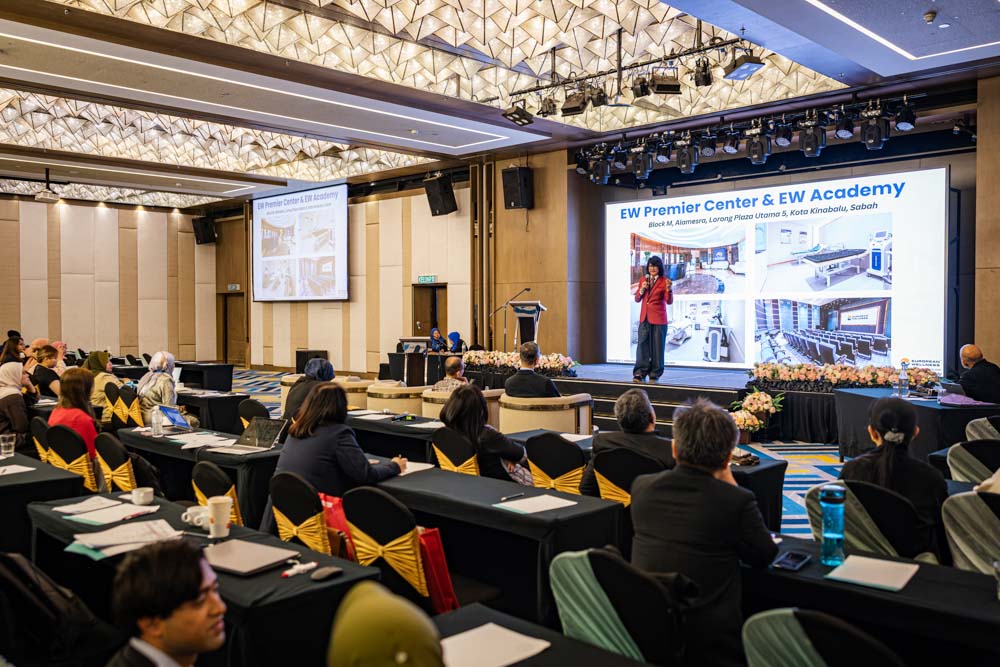
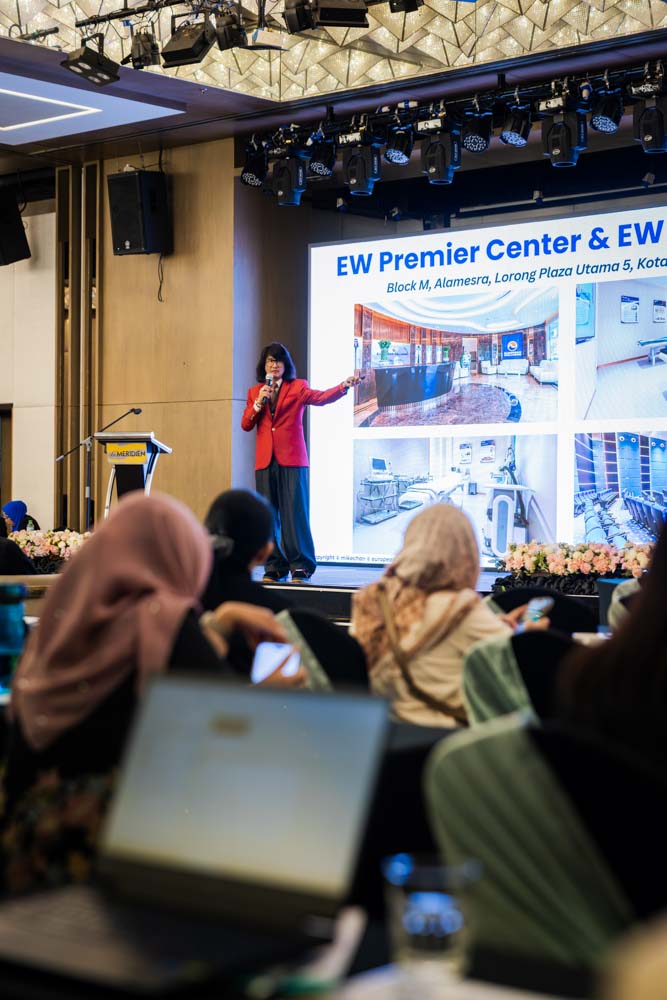
He said European Wellness Biomedical Group maintained a major research and training presence in Sabah and worked with physicians and scientists in regenerative and anti-aging medicine. The remarks underscored his view that Sabah should be not only a venue for scientific meetings, but also an active contributor to biotechnology research, medical education, and responsible clinical translation.
International Speakers Examine Emerging Biotechnology
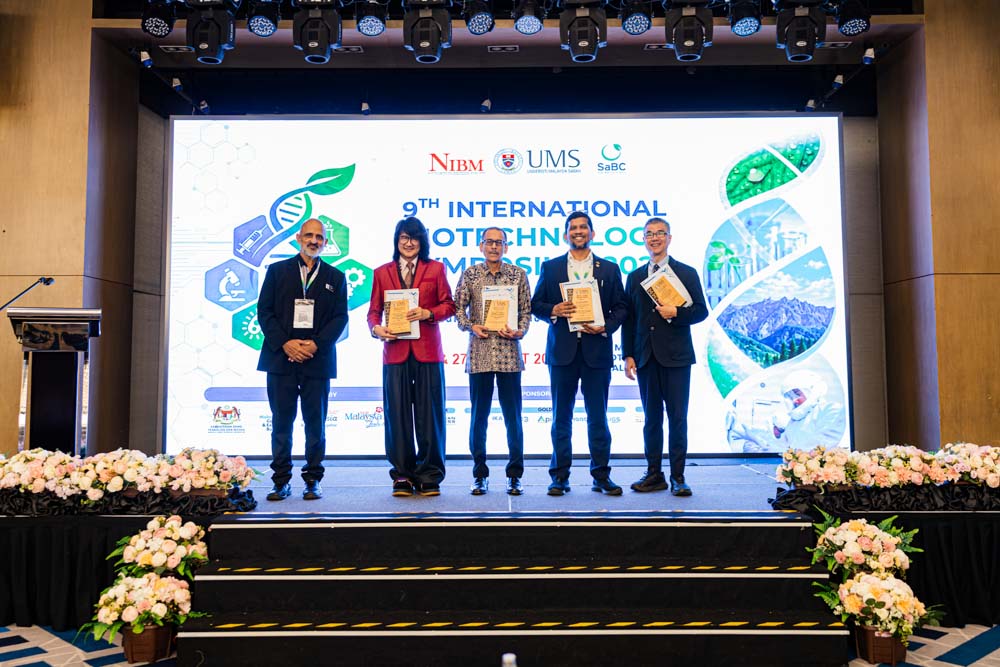
Prof. Mike Chan was among a distinguished group of Malaysian and international speakers featured during the two-day symposium.
The program opened with a keynote address by Prof. Dr. Syarul Nataqain Baharum of Universiti Kebangsaan Malaysia’s Institute of Systems Biology.
Prof. Dr. Chong Kim Phin of Universiti Malaysia Sabah examined new approaches to plant disease management, including biopesticides, microbiome dynamics, and lessons from basal stem rot in oil palm.
Prof. Dr. El Fahmi of the School of Pharmacy at Institut Teknologi Bandung, Indonesia, contributed perspectives from medicinal-plant biotechnology, including pharmacognosy, pharmaceutical botany, plant tissue culture, and natural products.
Other prominent speakers included Prof. Datuk Dr. Asma Ismail of IMU University and Prof. Dr. Nyoman Tri Puspaningsih of Universitas Airlangga, Indonesia. Prof. Nyoman addressed enzyme engineering and its potential as a therapeutic approach against pathogenic bacteria.
On the second day, Ts. Hj. Mohammad Hazani Hj. Hassan of the Malaysian Technology Development Corporation discussed how early-stage funding could support future technological development.
Prof. Dr. Te-Sheng Chang of Taiwan’s National University of Tainan covered biotransformation and natural-product chemistry, while Dr. Kartik Chandran of Celler Therapeutics examined the contribution of emerging biotechnology to a more sustainable future.
The final plenary session turned towards Sabah and Malaysia’s wider biotechnology ecosystem. Victor F. Sikain of the IDS Project Management Centre addressed the role of science in Sabah’s development, while Ken Kartina Khamis of the Sabah Biodiversity Centre discussed how the state’s biological resources could support sustainable national development.
Dr. Faizal Hamid of Bioeconomy Corporation Malaysia examined the country’s research ecosystem and the development of industrial biotechnology.
Alongside the plenary program, researchers presented their work in parallel sessions covering medical, agricultural, and industrial biotechnology.
UMS Provides Platform for Scientific Collaboration
The symposium was organized by the Biotechnology Research Institute of Universiti Malaysia Sabah under the theme “Strengthening a Sustainable Future with Emerging Frontiers in Biotechnology.”
It brought together researchers, academicians, students, and industry representatives to share scientific findings, explore commercial applications, and establish new collaborations.
Research presented during the event covered genomics, transcriptomics, proteomics, metabolomics, bioinformatics, molecular biology, microbiology, bioprocess engineering, natural products, tissue culture, cell biology, drug discovery, biosensors, and biochemistry.
The program also featured poster presentations, networking sessions, and awards recognizing outstanding oral and poster presentations, travel-grant recipients, and mid-career research excellence.
European Wellness Biomedical Group supported the event as a platinum sponsor, reflecting its involvement in biotechnology, regenerative medicine, and the commercial translation of scientific research.
Selected papers from the symposium will be considered for publication in the Scopus-indexed Indonesian Journal of Biotechnology.
Strategic Venue in the Heart of Sabah

Held from Aug. 26 to 27 at Le Méridien Kota Kinabalu, the symposium placed international biotechnology discussions in the heart of Sabah’s capital.
The venue provided a meeting point for scientists, healthcare professionals, academics, investors, and biotechnology industry representatives from Malaysia and abroad. Its location was also fitting for an event examining Sabah’s scientific development and the responsible use of its rich biodiversity.
By combining medical, agricultural, and industrial perspectives, the symposium demonstrated how biotechnology could contribute not only to healthcare, but also to food security, environmental sustainability, economic development, and commercial innovation.
Prof. Mike Chan’s healthspan presentation added the human dimension to that conversation by asking how the same scientific advances could help people remain healthier as they live longer.
“Living longer is not enough,” he said. “The real achievement is to live longer with a healthy brain, functioning organs, physical strength, and independence.”
“That is the purpose of healthspan, and that is where precision regenerative medicine must take us.”
The symposium was co-organized by the National Institutes of Biotechnology Malaysia and Sabah Biodiversity Centre, with support from the Ministry of Science, Technology, and Innovation. Gold sponsors included Vivify, Bios Scientific, Merck, IKA, WAIGS, and Apical.


Follow European Wellness:



Follow European Wellness Academy:
Follow Prof. Dato’ Sri Dr. Mike Chan:

Related Posts