Cellular ageing is often spoken about as though it were a single clock ticking down…
Sabah Opens 9th International Biotechnology Symposium with Focus on Sustainable Innovation
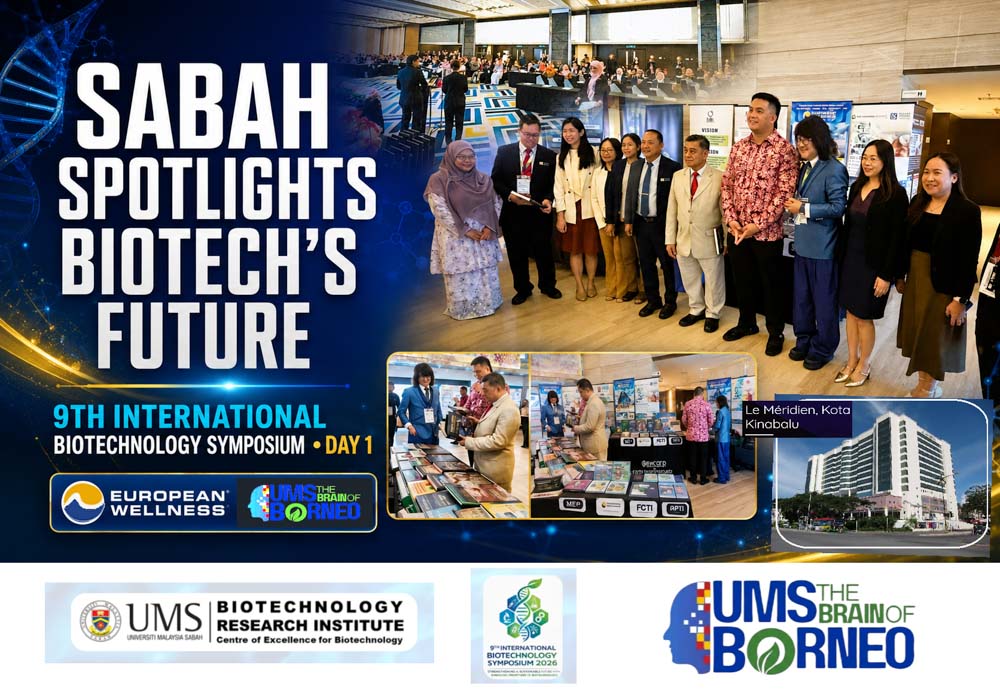
About 160 researchers, academics and industry representatives gather in Kota Kinabalu as medical, agricultural and industrial biotechnology take centre stage
KOTA KINABALU, Malaysia (Aug 26, 2026) — The 9th International Biotechnology Symposium opened at Le Méridien Kota Kinabalu on Wednesday, bringing together approximately 160 researchers, academics, students, and industry professionals to explore new scientific frontiers and strengthen cooperation across the biotechnology sector.
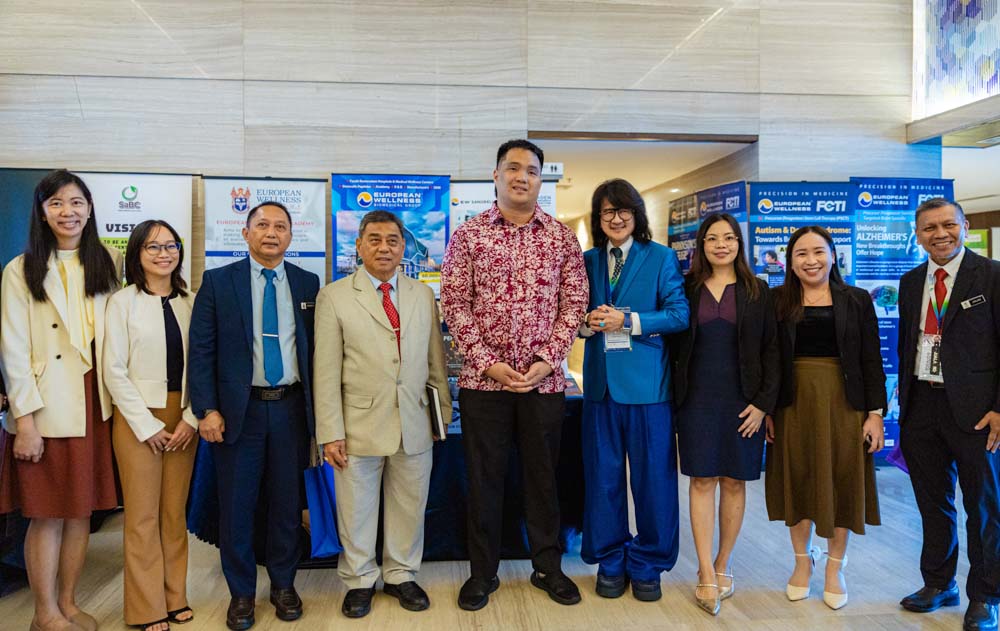
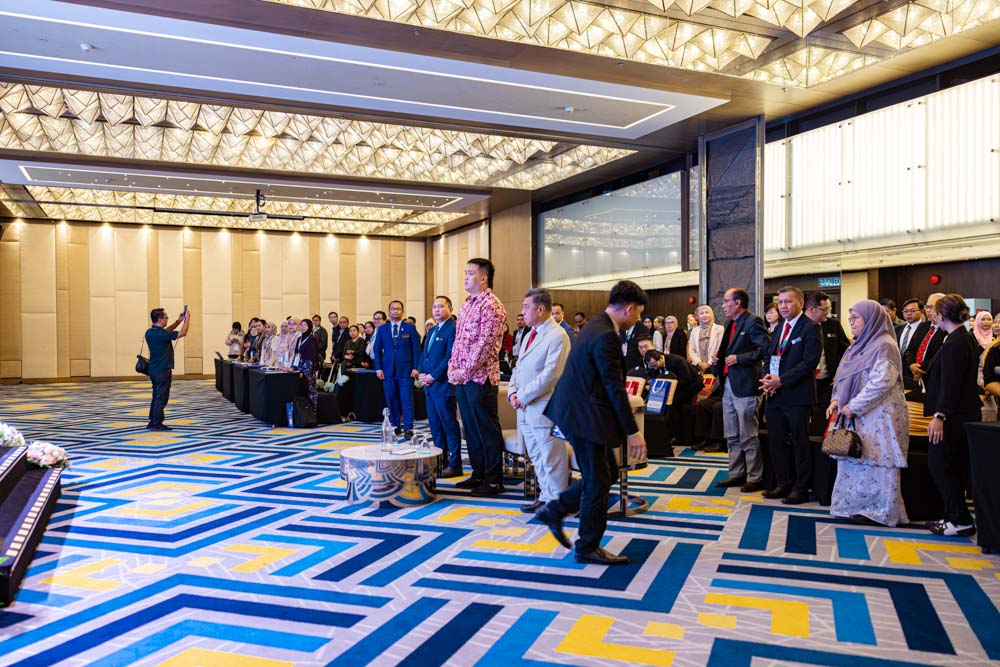
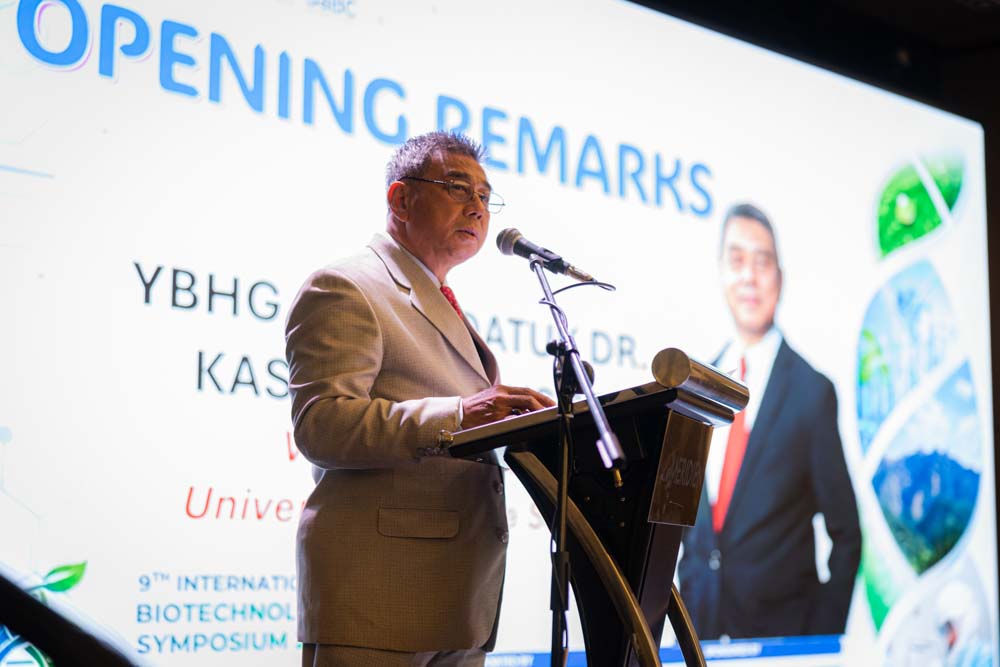
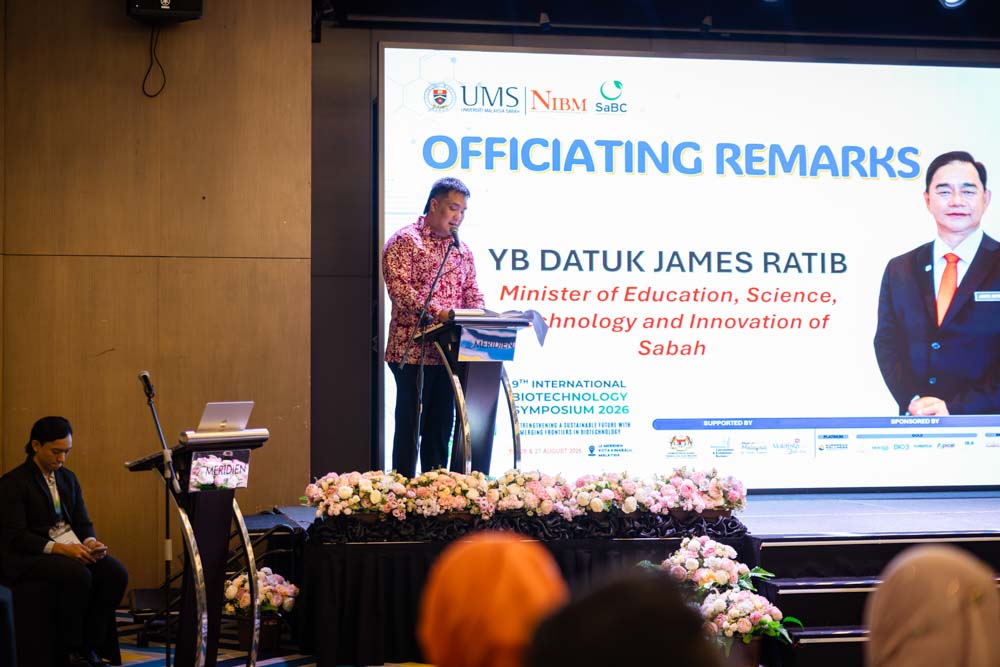
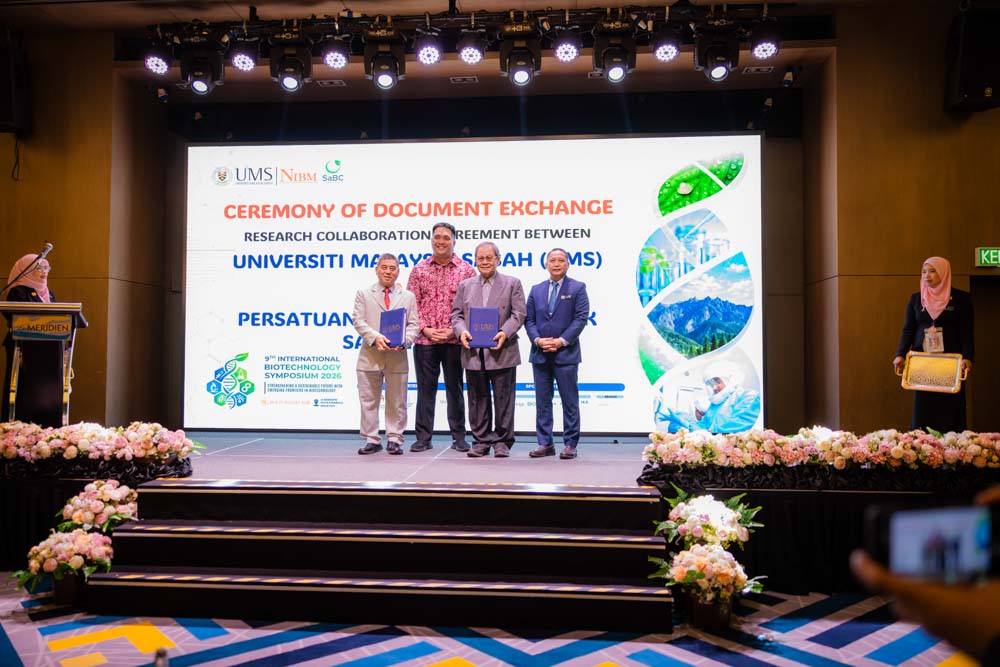
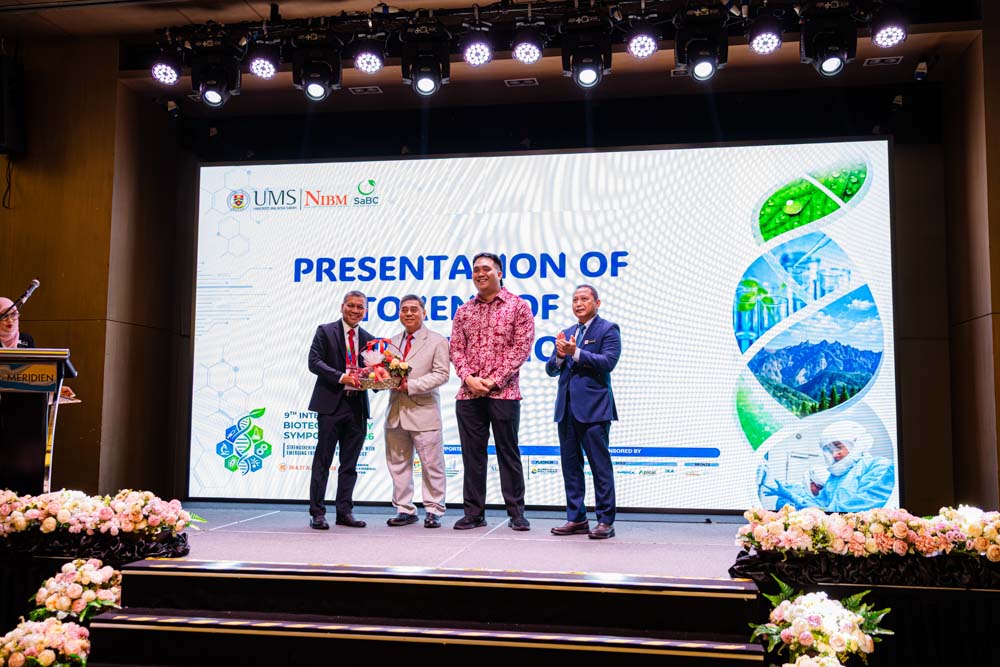
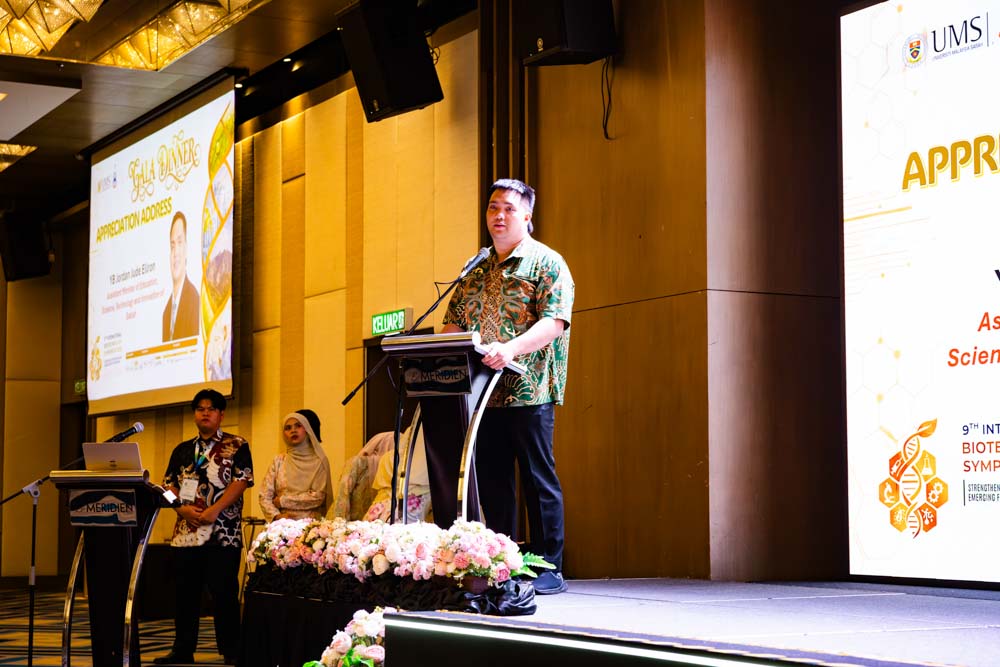
Sabah Education, Science, Technology and Innovation Assistant Minister YB Tuan Jordan Jude Datuk Ellron officiated the opening ceremony alongside distinguished representatives of Universiti Malaysia Sabah (UMS), including the university’s vice-chancellor, Prof. Datuk Dr. Kassim Hj. Mansor.
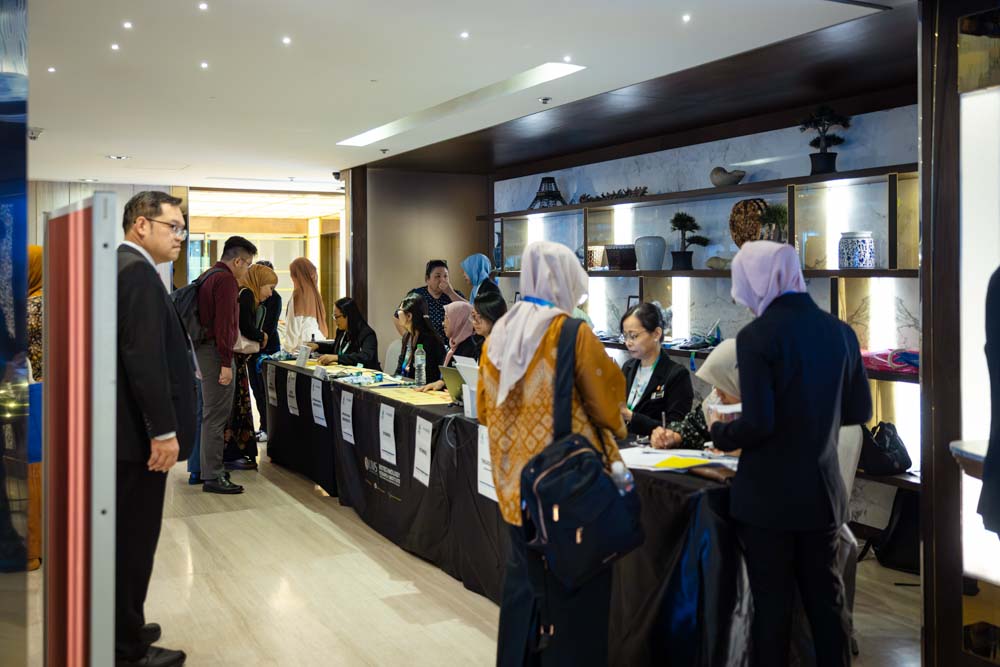
The event began with registration from 8am, followed by welcoming remarks and the official opening ceremony. Delegates later moved into a full program of keynote, plenary, and parallel presentations spanning medical, agricultural, and industrial biotechnology.
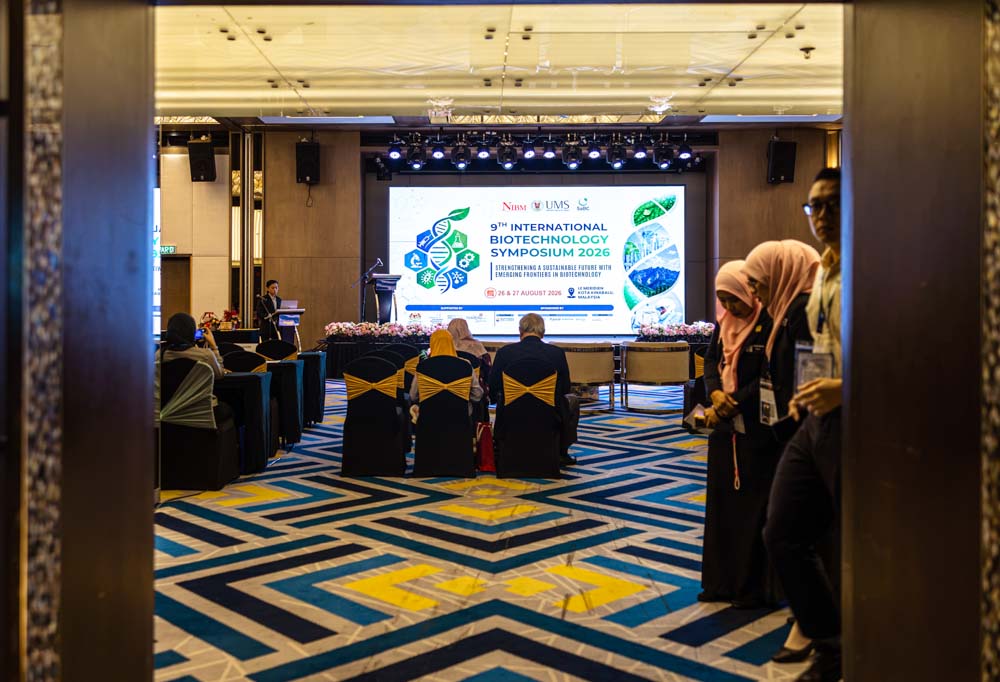
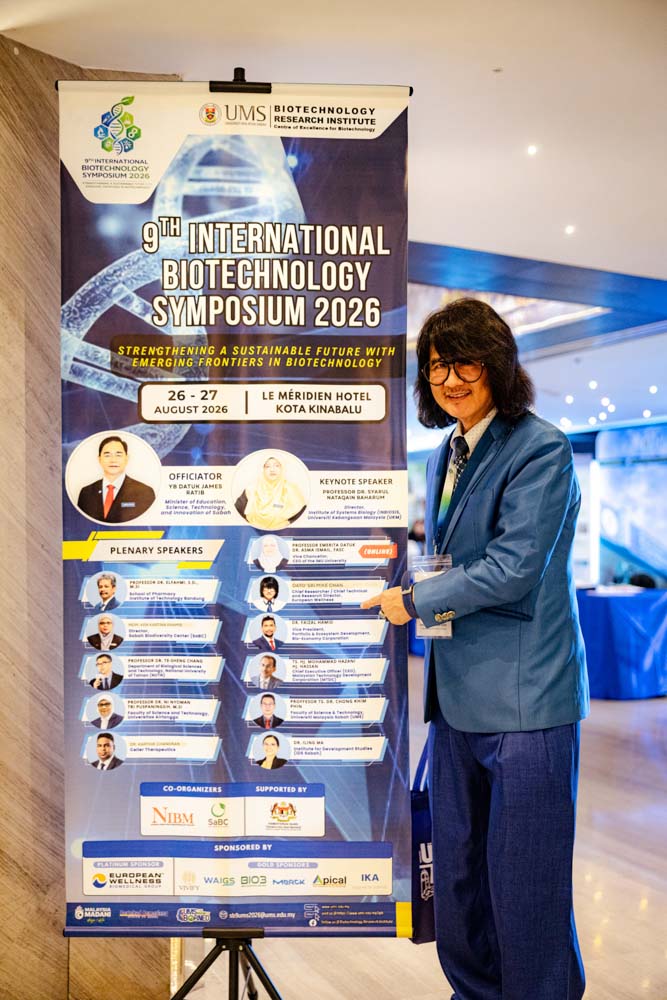
Held under the theme “Strengthening a Sustainable Future with Emerging Frontiers in Biotechnology,” the symposium places strong emphasis on the contribution of science to healthcare, food security, sustainability, industrial development, and the responsible use of biological resources.
It also highlights the importance of public-private partnerships in strengthening research collaboration, accelerating innovation and commercialization, and connecting Malaysian scientific expertise with the wider international biotechnology community.
The Scientific Program Spans Three Major Disciplines
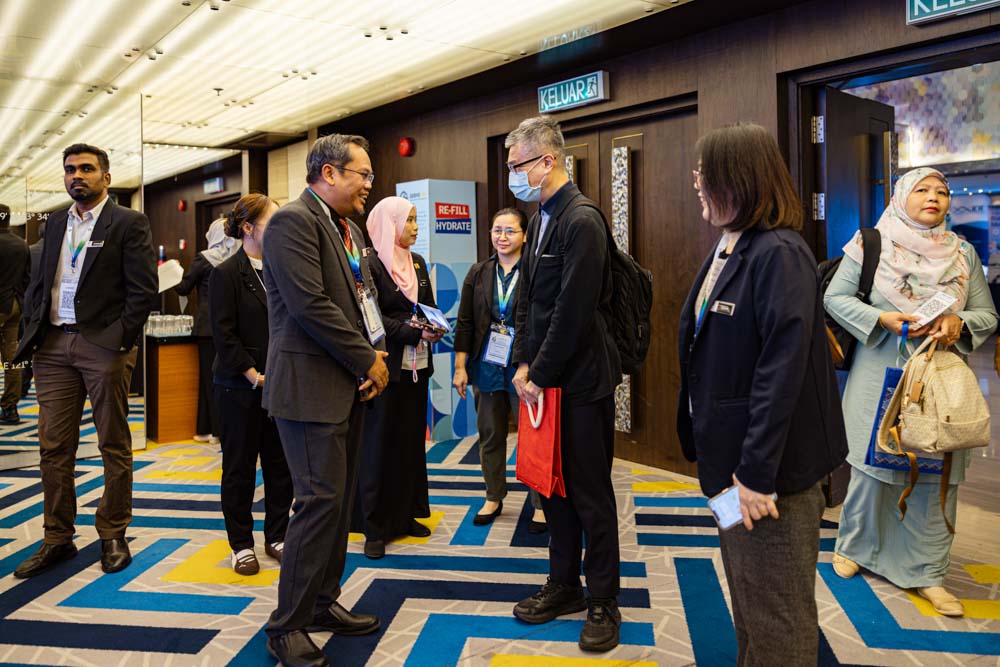
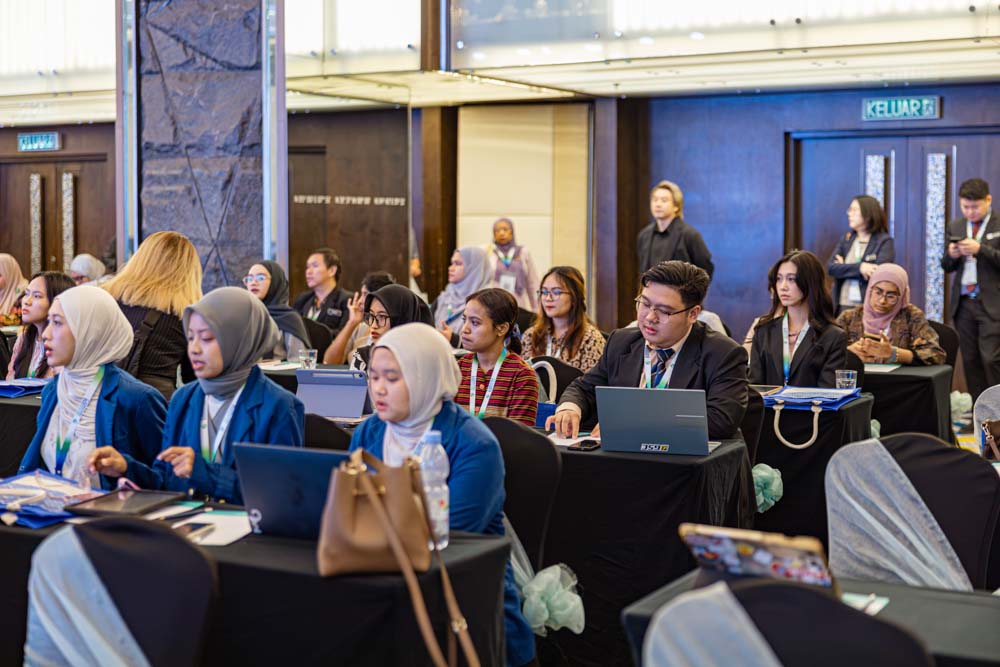
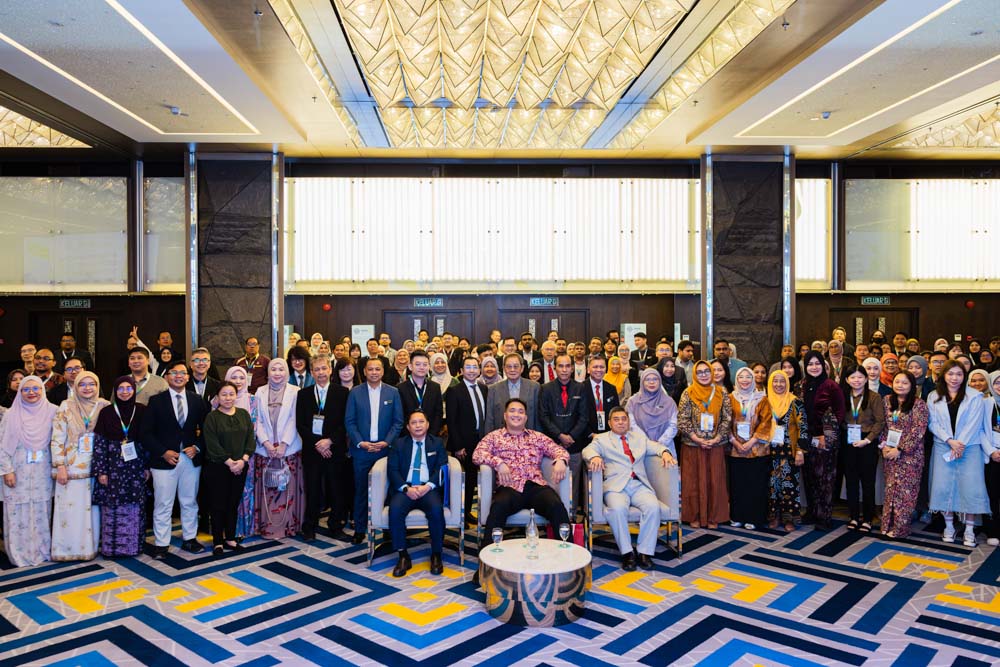
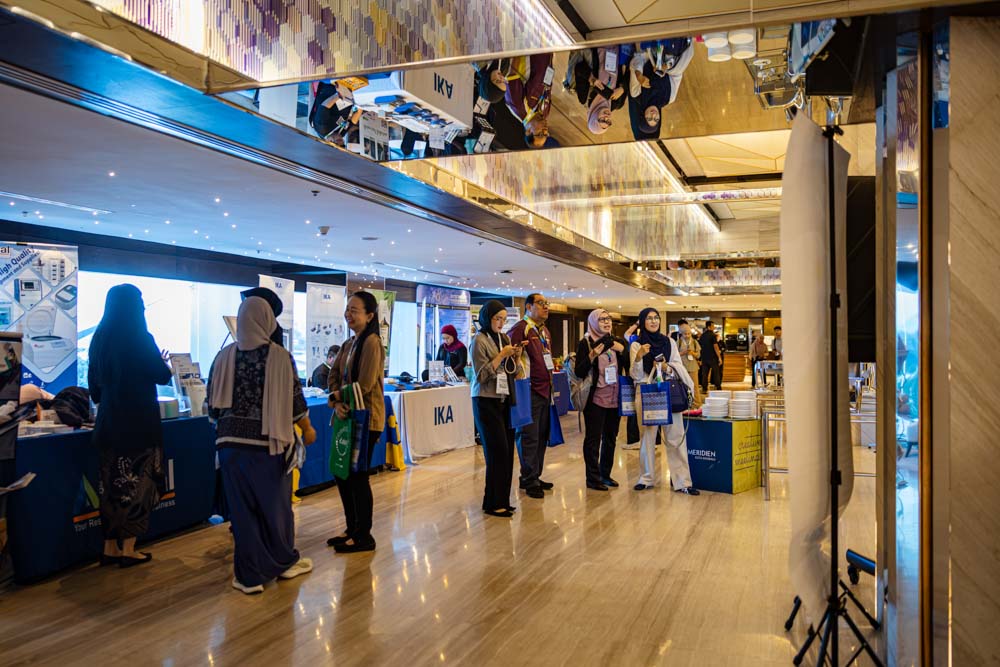
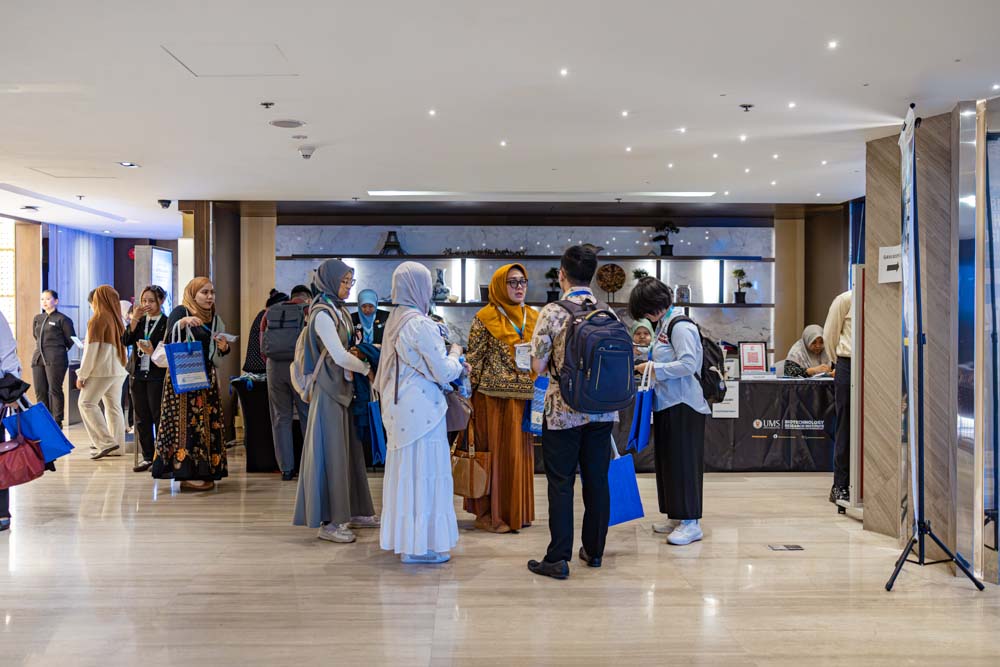
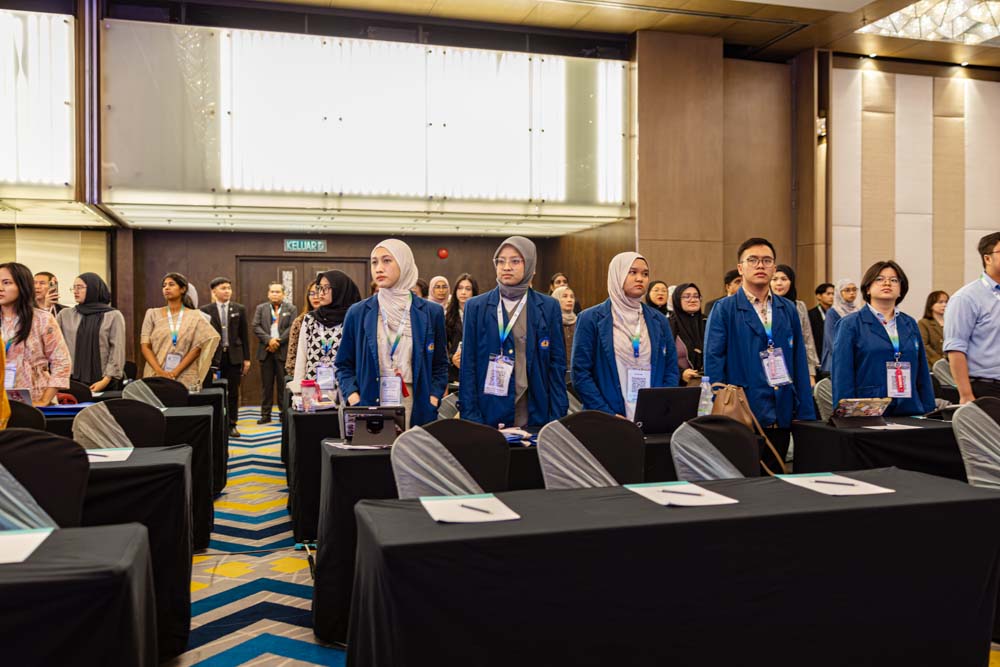
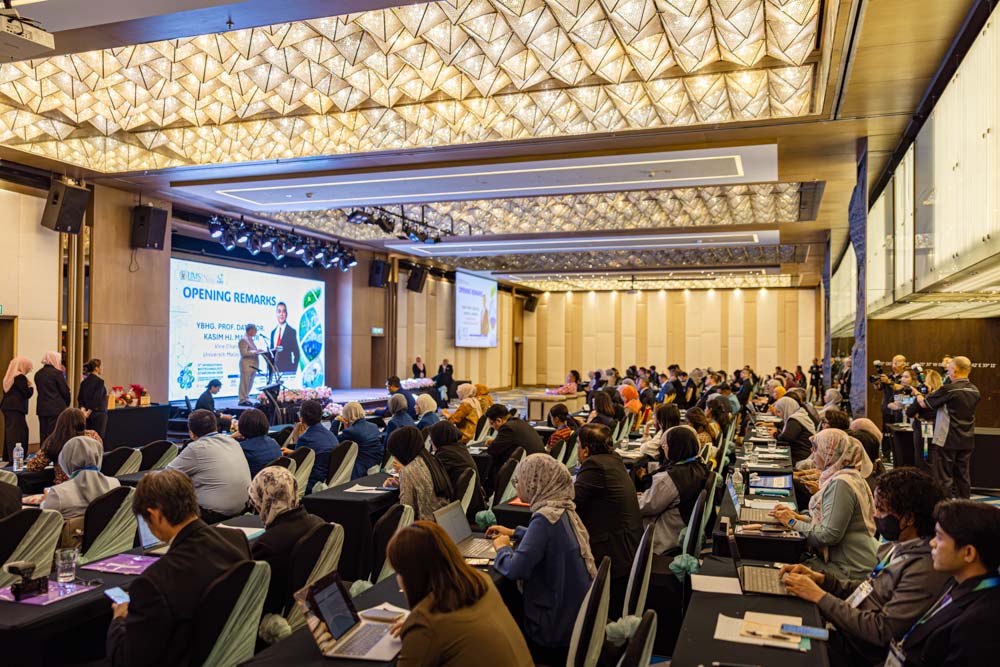
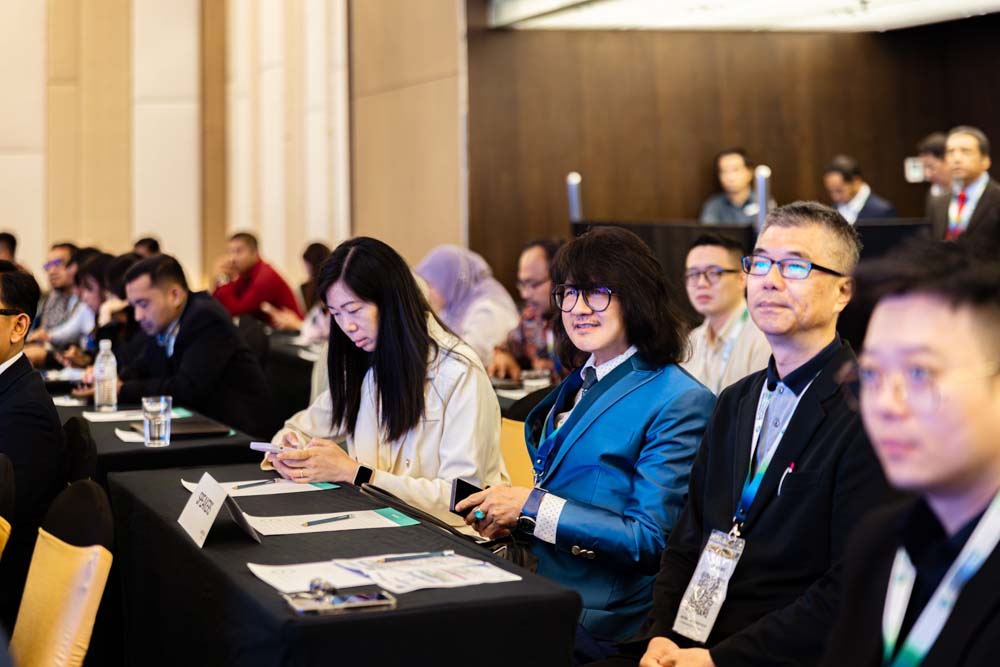
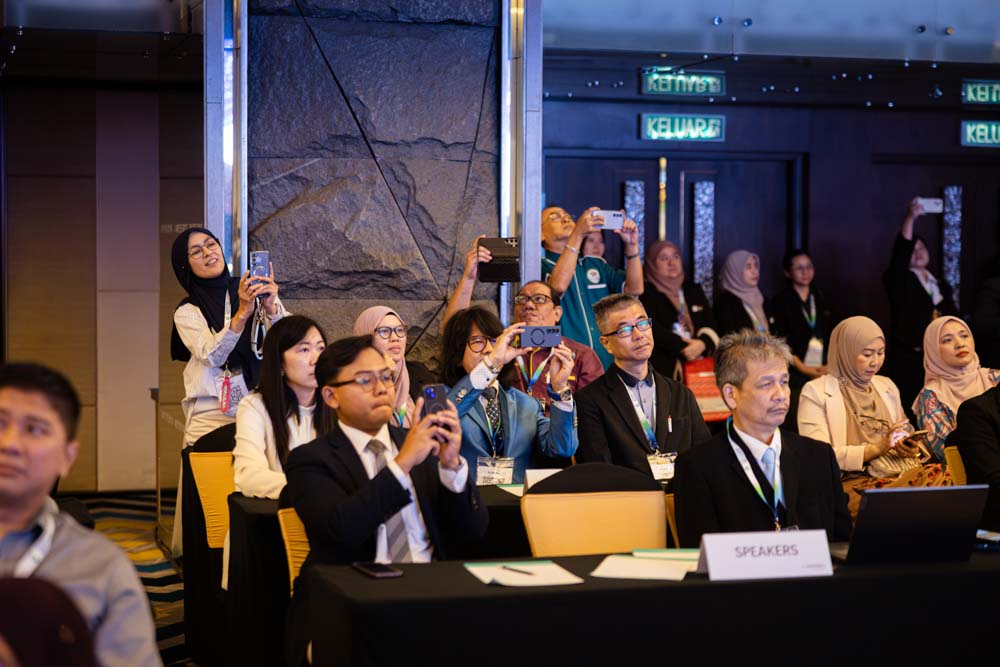
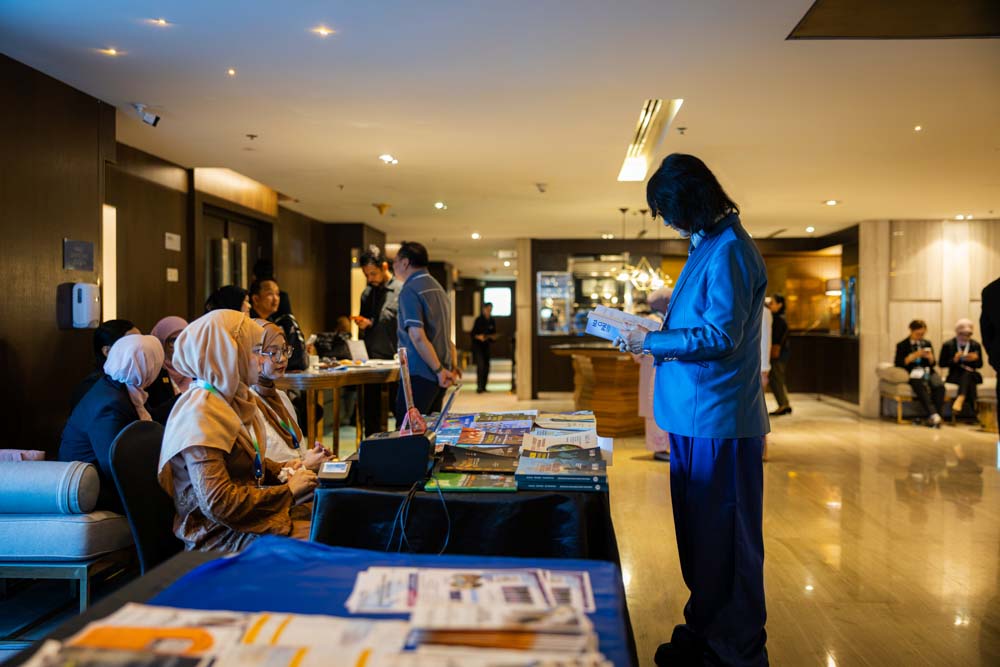
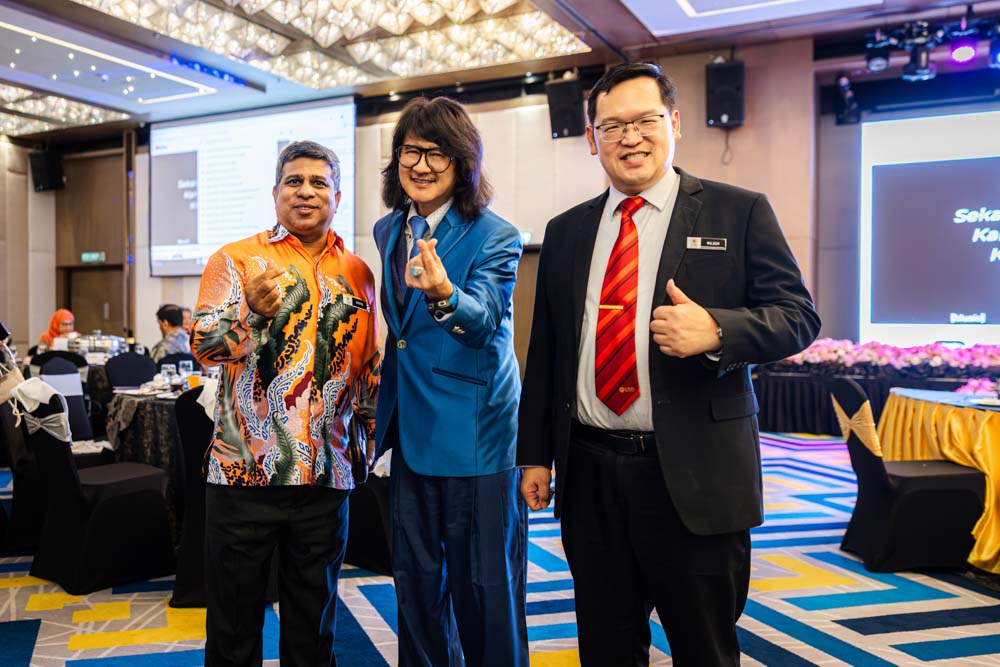
Delegates attend the opening-day program of the 9th International Biotechnology Symposium at Le Méridien Kota Kinabalu on Aug 26, 2026. Approximately 160 researchers, academics, and industry professionals participated in the two-day event.
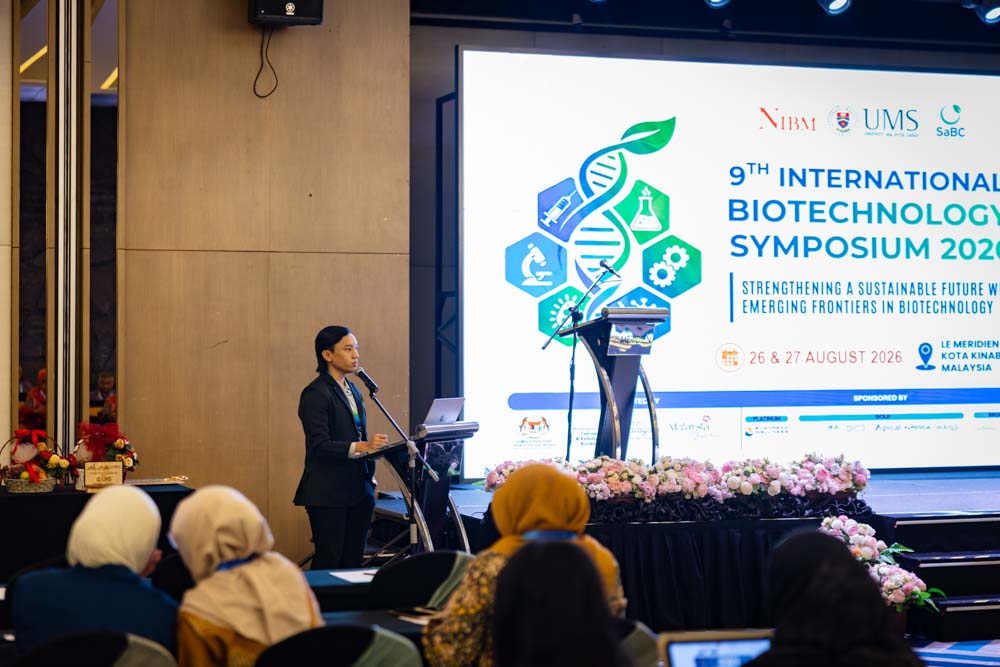
The opening-day program began with a keynote session moderated by Prof. Dr. Jualang Azlan Gansau and featuring Prof. Dr. Syarul Nataqain Baharum of the Institute of Systems Biology at Universiti Kebangsaan Malaysia.
This was followed by the first plenary session, moderated by Prof. Dr. Clemente Michael Wong Vui Ling.
Prof. Dr. Chong Kim Phin of UMS presented “Rethinking Plant Disease Management: Biopesticides, Microbiome Dynamics, and Lessons Learned from Basal Stem Rot in Oil Palm.”
The subject carries particular relevance for Malaysia’s agricultural sector, where basal stem rot remains a serious threat to oil palm productivity. His presentation brought together plant disease management, microbial ecosystems, and biological alternatives to conventional pest control.
Prof. Dr. El Fahmi of the School of Pharmacy at Institut Teknologi Bandung, Indonesia, contributed perspectives from medicinal-plant biotechnology. His specialist areas include pharmaceutical botany, pharmacognosy, plant-tissue culture, and plant-derived natural products.
The afternoon plenary program featured Prof. Datuk Dr. Asma Ismail of IMU University and Prof. Dr. Nyoman Tri Puspaningsih of Universitas Airlangga, Indonesia.
Prof. Nyoman’s presentation examined enzyme engineering as a promising therapeutic approach against pathogenic bacteria, reflecting growing scientific interest in using engineered biological molecules to address infectious diseases and antimicrobial resistance.
Multiple Research Tracks Encourage Wider Participation
Beyond the keynote and plenary presentations, Day 1 featured three rounds of parallel sessions involving more than 30 presenters.
Researchers were divided across medical, agricultural, and industrial biotechnology tracks, allowing specialists to present their findings to audiences working in related fields.
The medical-biotechnology sessions were moderated by Associate Prof. Dr. Zarina Amin, Associate Prof. Dr. Teoh Peik Lin and Associate Prof. Dr. Mohammad Iqbal.
The agricultural-biotechnology tracks were led by Associate Prof. Dr. Kenneth Francis Rodrigues, Dr. Wee Ching Ching and Dr. Ruzaidi Mohd. Mokhtar.
Associate Prof. Dr. Mailin Misson, Dr. Clarence M. Ongkudon and Dr. Suryani Saallah moderated the industrial-biotechnology sessions.
The broad program reflected the symposium’s multidisciplinary scope, which includes genomics, transcriptomics, proteomics, metabolomics, bioinformatics, molecular biology, microbiology, bioprocess engineering, natural products, tissue culture, cell biology, drug discovery, biosensors, and biochemistry.
Poster and networking sessions provided further opportunities for researchers to discuss their projects, receive feedback, and identify potential partners from universities, government-linked institutions, and private companies.
European Wellness Strengthens Industry Participation
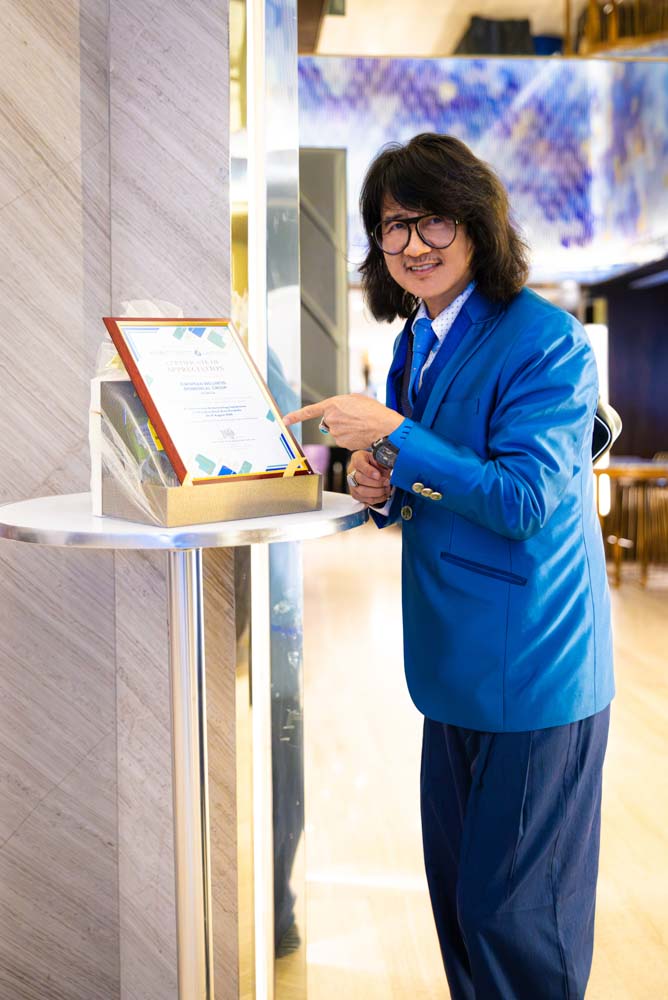
European Wellness Biomedical Group participated prominently as the symposium’s platinum sponsor, supporting the event’s mission of connecting scientific research with practical applications and commercial development.
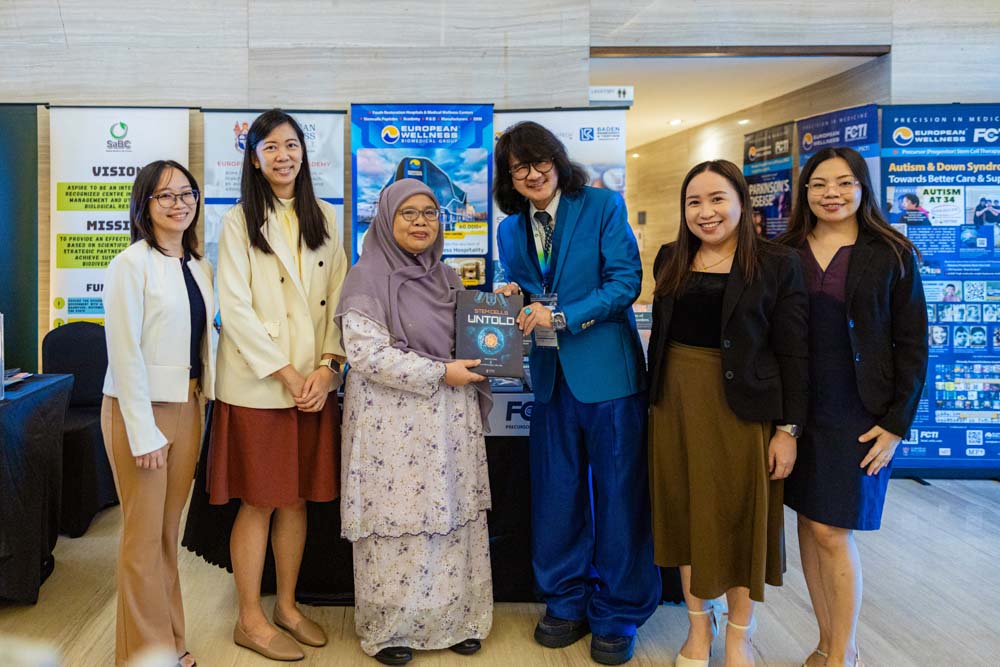
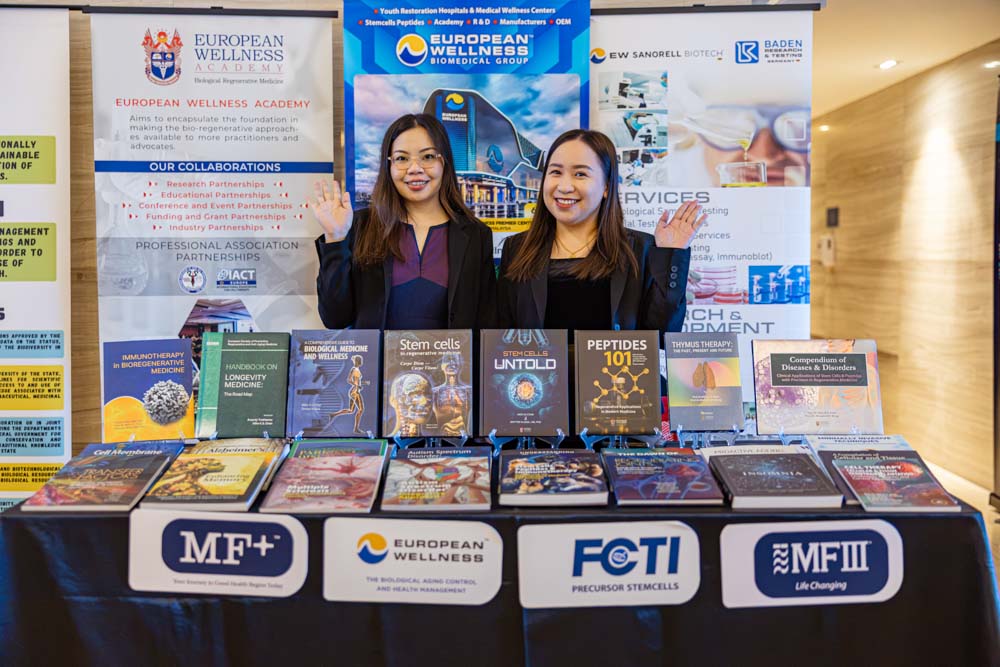
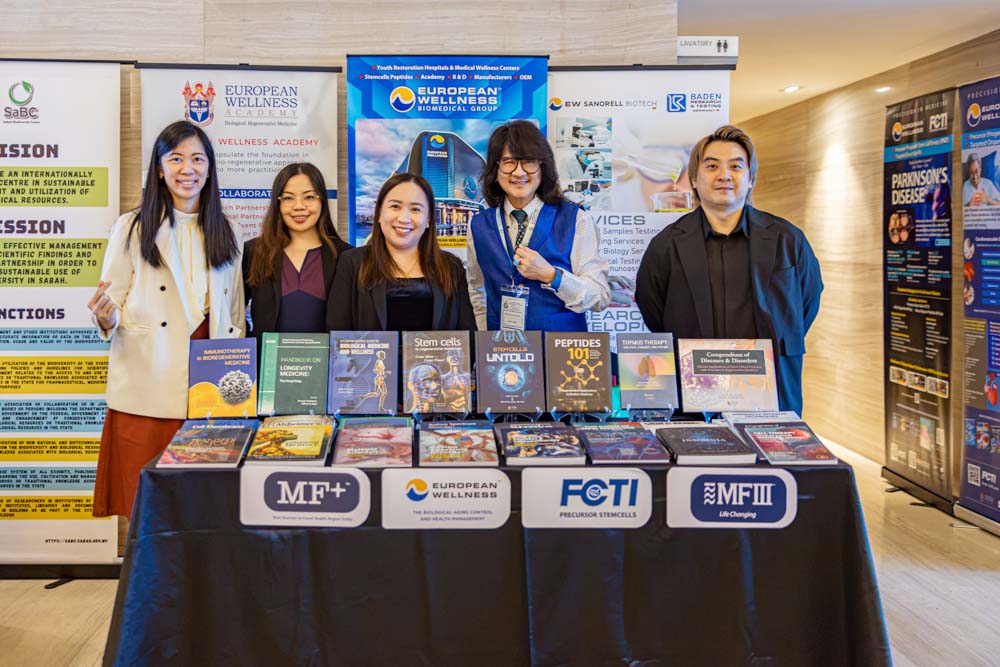
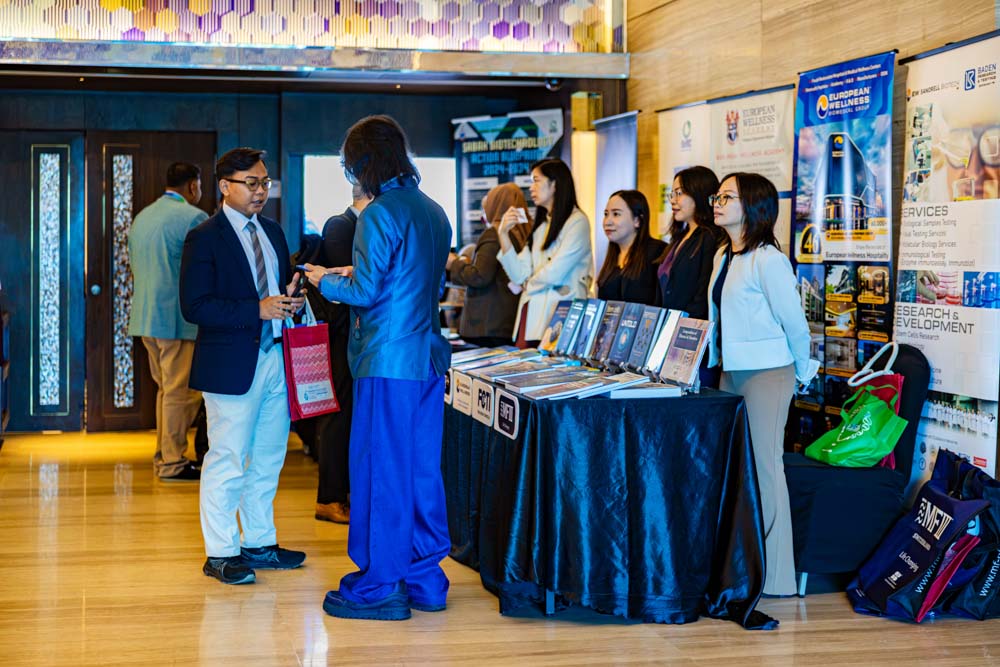
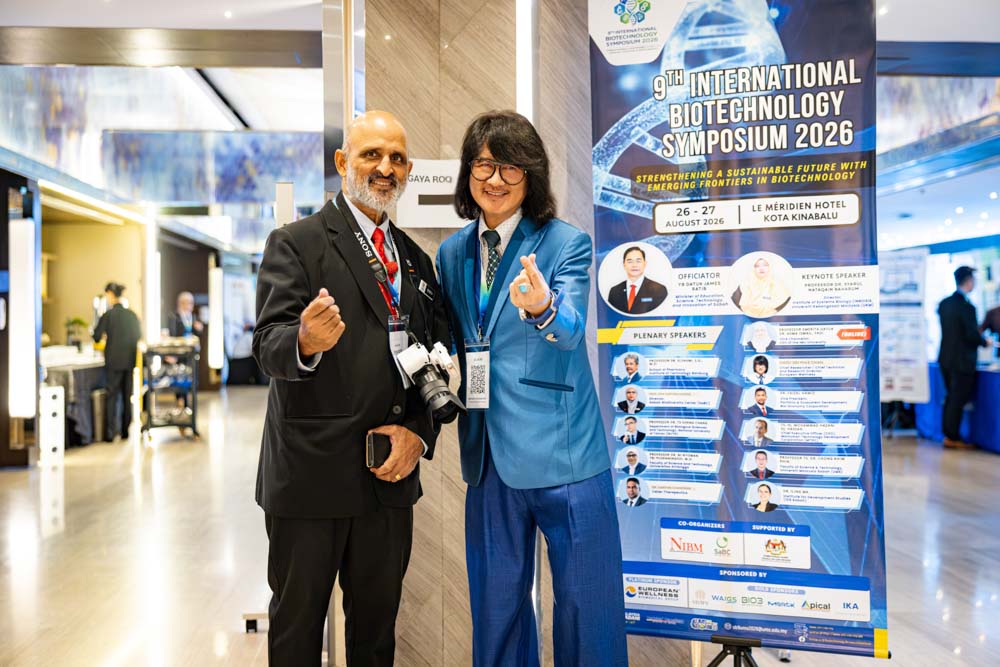
The group’s exhibition displayed a wide selection of scientific and medical publications associated with Prof. Dato’ Sri Dr. Mike Chan, Chairman and Chief Researcher of European Wellness Biomedical Group.
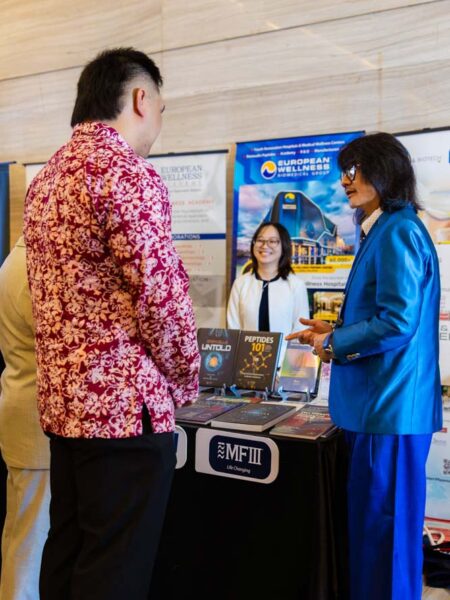
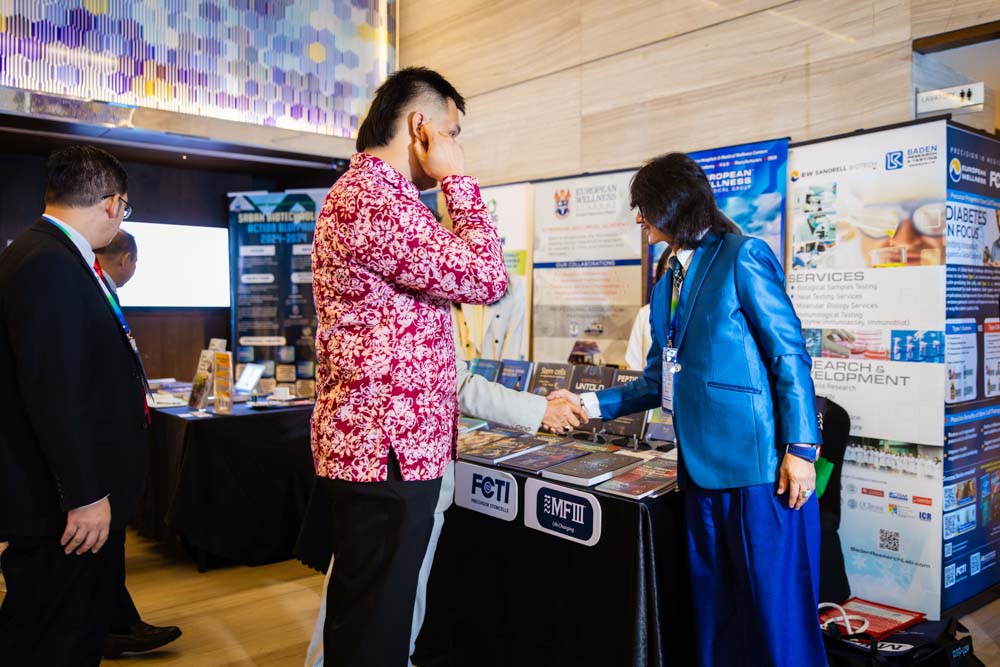
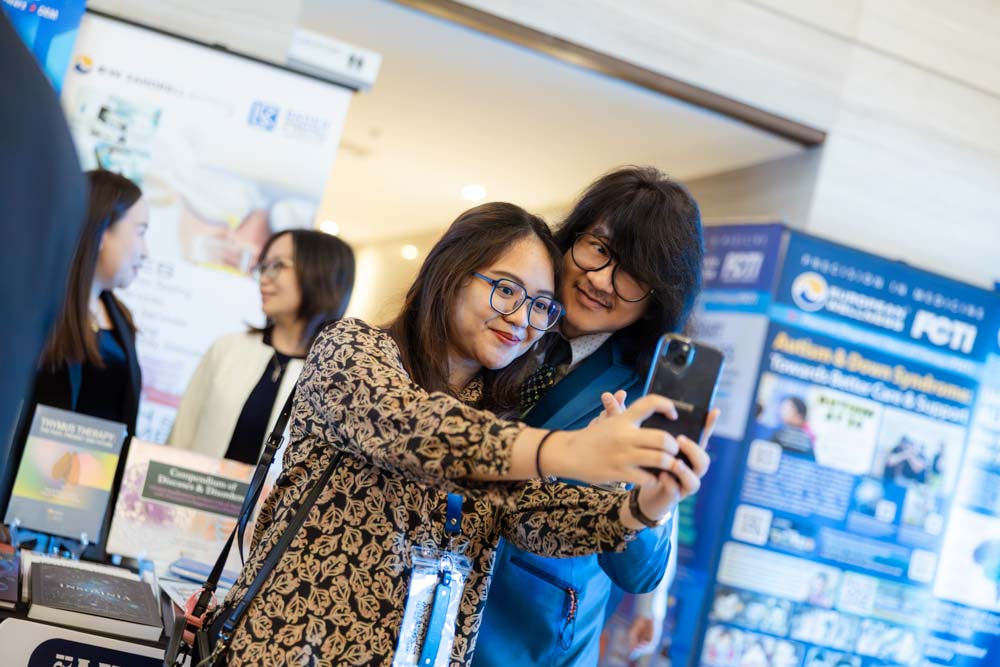
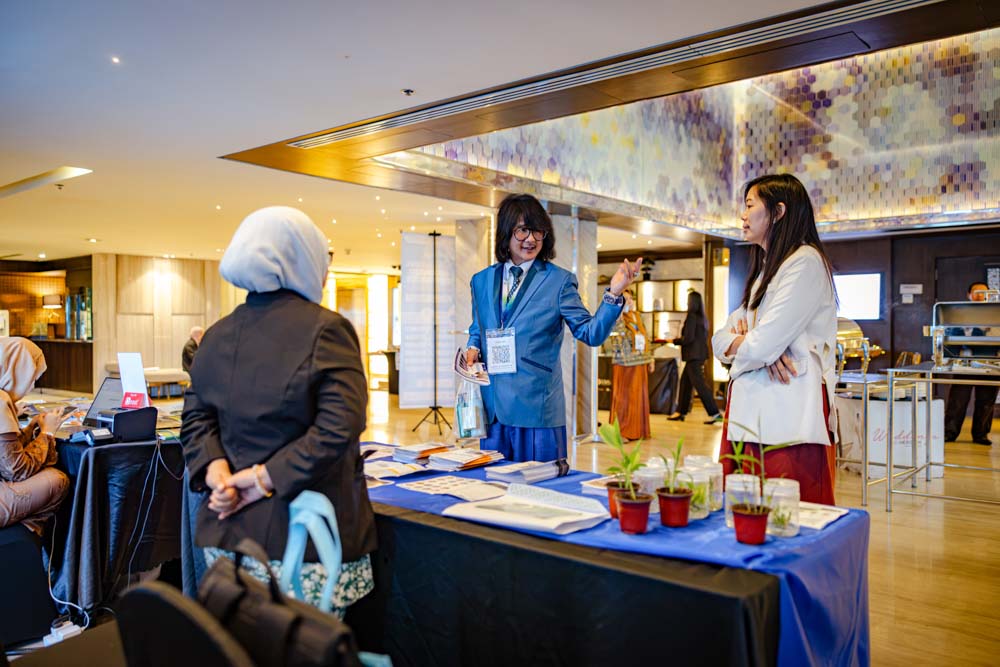
Prof. Chan met delegates and visitors at the exhibition area, where he introduced his publications and exchanged views with representatives from the academic and biotechnology communities.
His presence at the exhibition reflected European Wellness’ wider involvement in regenerative medicine, cellular research, healthspan science, and precision biological approaches.
The display also offered participants an opportunity to examine publications covering regenerative medicine, stem cells, peptides, immunology, biological aging, and other areas connected with the group’s research activities.
European Wellness’ platinum sponsorship was complemented by gold sponsors Vivify, Bios Scientific, Merck, IKA, WAIGS and Apical.
The combination of academic presentations and commercial exhibitions demonstrated the role industry can play in bringing laboratory discoveries into clinical, agricultural and industrial use.
Collaboration Supporting Sabah’s Biotechnology Ambitions
The symposium was organized by the Biotechnology Research Institute of UMS and co-organized by the National Institutes of Biotechnology Malaysia and the Sabah Biodiversity Centre. It also received support from the Ministry of Science, Technology, and Innovation.
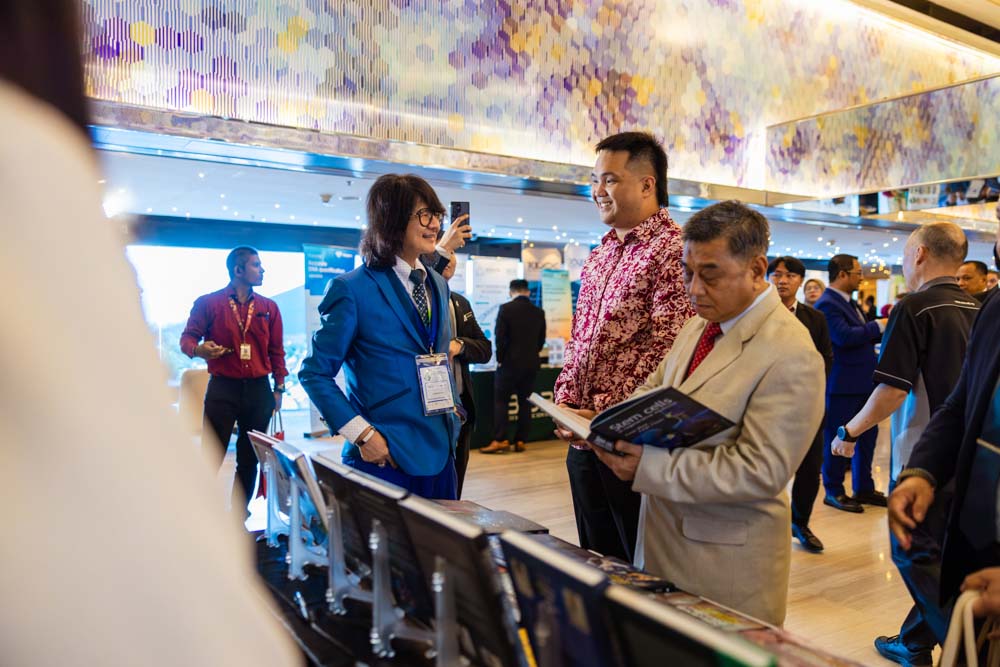
Holding the event in Sabah was especially significant given the state’s extraordinary biological diversity and its potential to support research into natural products, agriculture, pharmaceuticals, and sustainable biotechnology.
The gathering provided a common platform for scientists, government agencies, and commercial organizations to consider how research could be translated into practical benefits for communities and the economy.
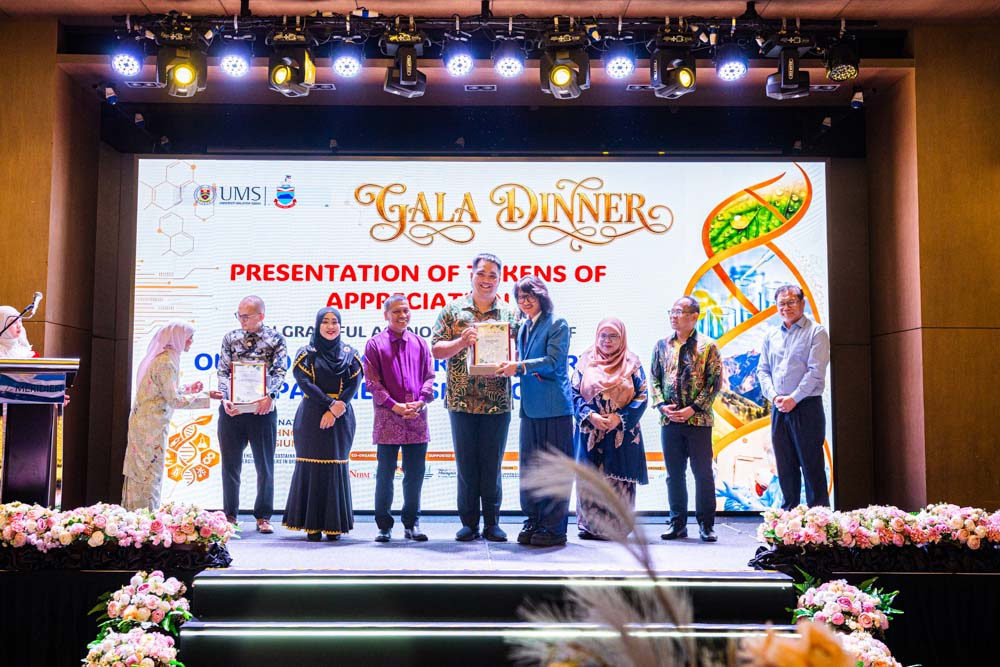
The symposium also included awards and recognition for travel-grant recipients, the best oral and poster presenters, and mid-career academics through the Distinguished Research Excellence Award.
Selected papers will be considered for publication in the Scopus-indexed Indonesian Journal of Biotechnology.
Day 1 concluded after an extensive series of scientific presentations and exchanges, setting a collaborative tone around the symposium’s central message: biotechnology must connect scientific progress with sustainability and real-world impact.


Follow European Wellness:



Follow European Wellness Academy:
Follow Prof. Dato’ Sri Dr. Mike Chan:

Related Posts