Immerse yourself in a glamorous landscape of emerging trends and lucrative opportunities at Cosmoprof Asia…
Prof. Mike Chan Calls for a New Era of Precision Preventive Medicine at PreventMed 2026 International Conference
II International Conference “The Present and Future of Preventive Medicine and Healthy Aging Technologies”
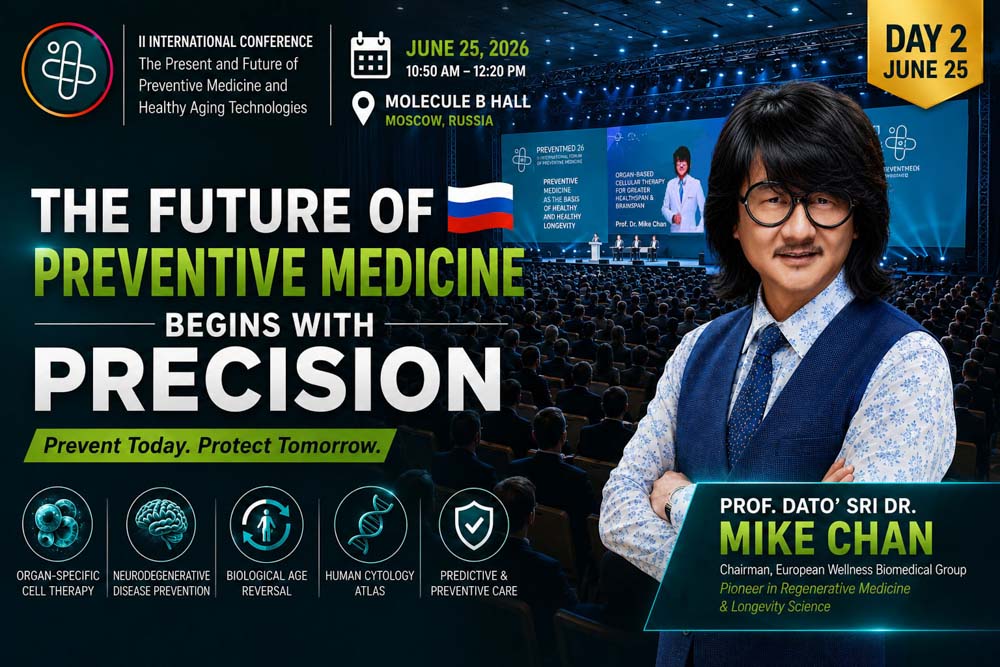
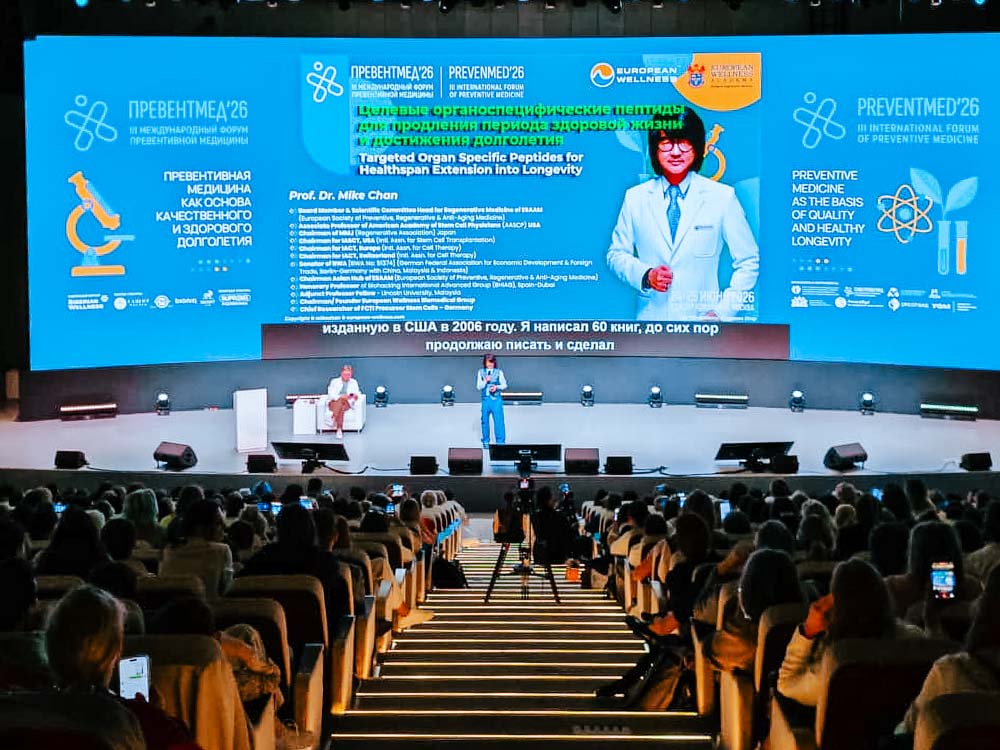
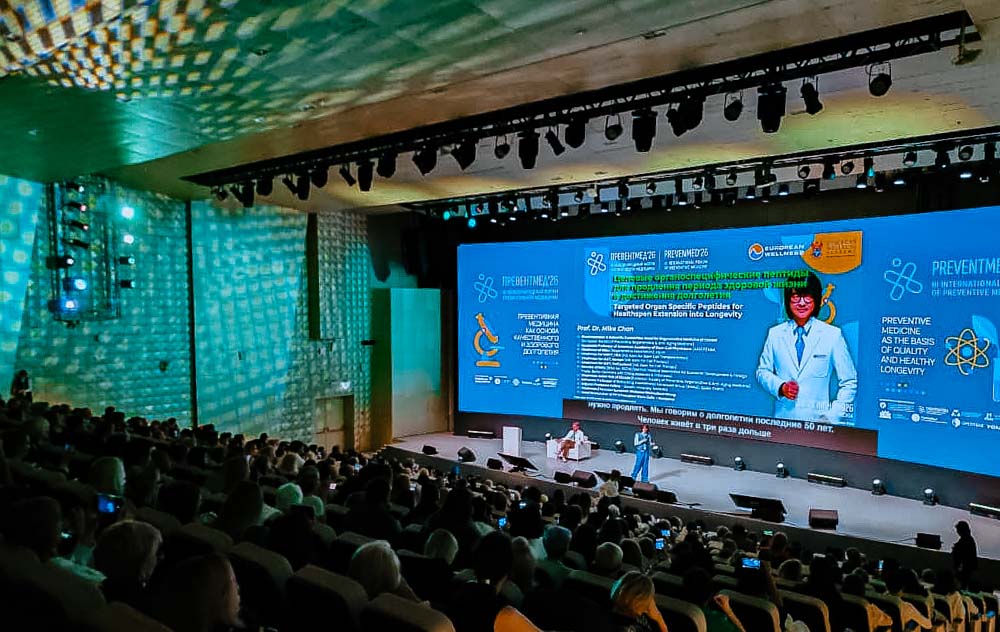
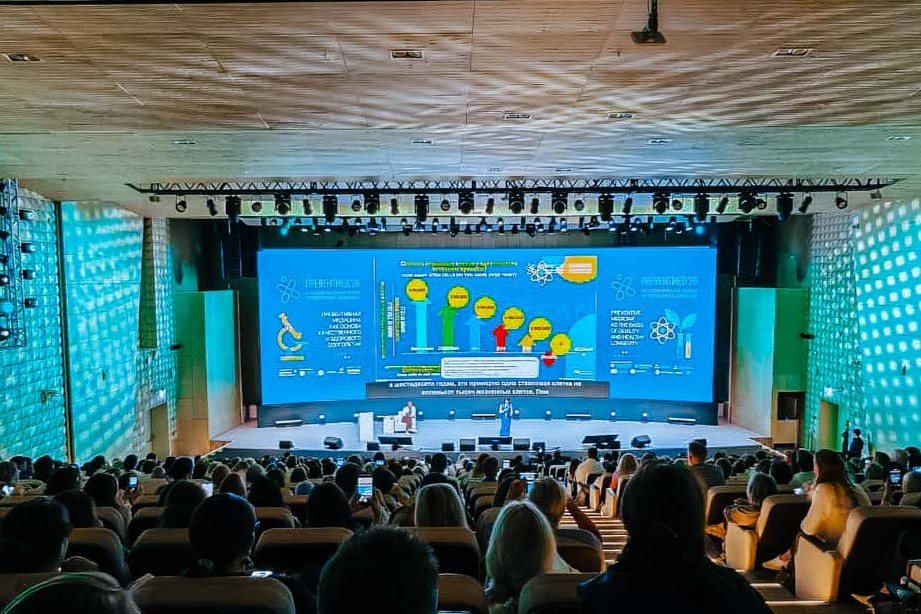
MOSCOW, Russia (June 25, 2026) — As preventive medicine advances beyond treating disease toward preserving lifelong health, Prof. Dato’ Sri Dr. Mike Chan delivered a keynote at PreventMed 2026 that challenged conventional approaches to regenerative medicine and advocated a more precise, personalized model of healthcare.
Speaking during the II International Conference, “The Present and Future of Preventive Medicine and Healthy Aging Technologies,” Prof. Chan drew on more than four decades of scientific research and clinical experience to explain why the next generation of healthcare must embrace organ-specific and cell-specific regenerative strategies rather than generalized therapeutic approaches.
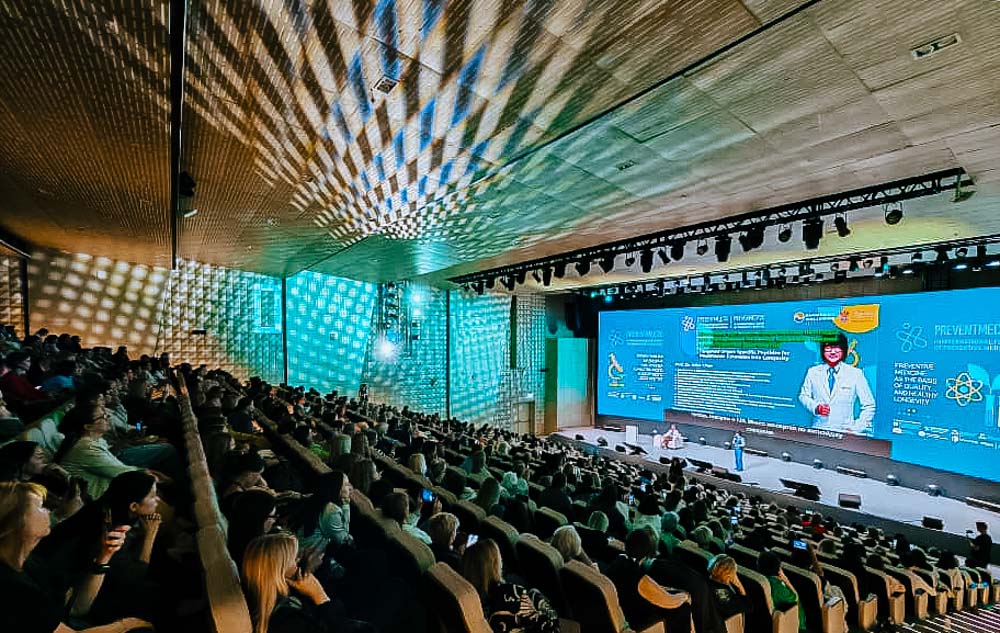
During his presentation at Molecule B Hall from 10.50am to 12.20pm, Prof. Mike Chan explained how precision peptide bioregulation can work alongside regenerative medicine to support organ function, promote healthy aging, and help individuals maintain vitality and functional independence throughout life.
Small Molecules, Big Impact: Understanding Peptide Bioregulators
Unlike conventional pharmaceutical drugs that often target symptoms, peptide bioregulators are naturally occurring short chains of amino acids that function as biological messengers within the body. They help cells communicate, regulate protein synthesis, support tissue repair and maintain normal organ function. During his presentation, Prof. Mike Chan explained that these naturally occurring signaling molecules are emerging as an important component of precision regenerative medicine, complementing other biological therapies by supporting the body’s own repair mechanisms.
Every Organ Speaks a Different Biological Language
Prof. Chan explained that one of the greatest misconceptions in medicine is believing that every organ ages in the same way. The brain, heart, liver, pancreas, kidneys and immune system each possess unique biological characteristics and therefore require different regenerative strategies.
“The future of longevity is not treating the whole body the same way. It is understanding each organ individually. Precision medicine begins when we recognize that every organ speaks a different biological language.” — Prof. Mike Chan
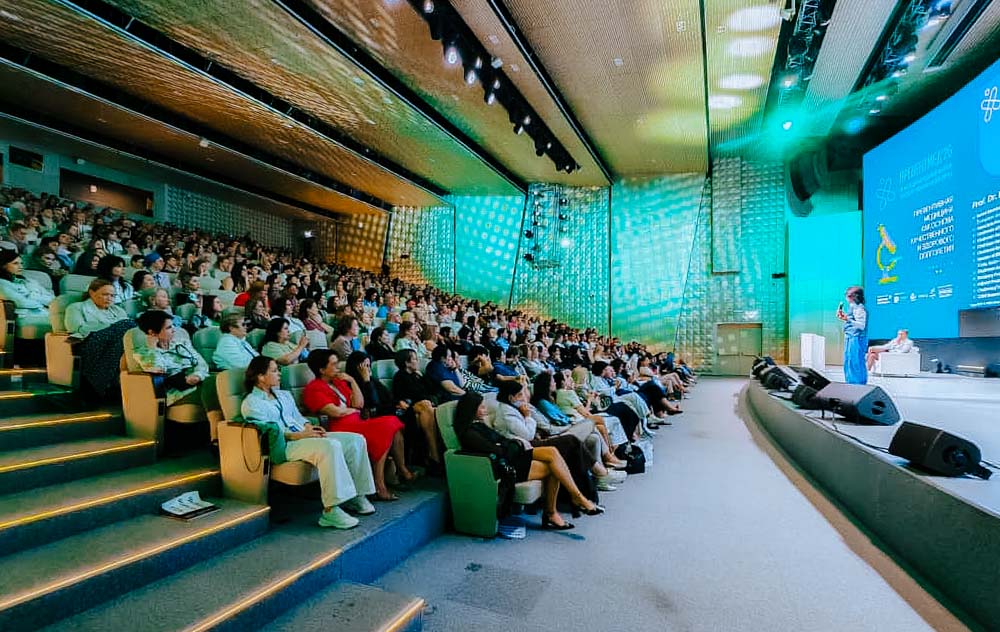
The keynote sparked lively discussions among delegates, with physicians, researchers, and healthcare professionals continuing to exchange ideas well after the session had concluded. Their conversations reflected a growing international interest in personalized, preventive healthcare and the role of regenerative medicine in addressing the challenges of aging populations.
Precision Medicine Begins at the Cellular Level
One of the central messages of Prof. Chan’s presentation was that every organ possesses unique biological characteristics and therefore requires equally precise therapeutic strategies.
He explained that many modern regenerative treatments continue to rely on broad, generalized stem-cell approaches despite the complexity of human biology.
Instead, he advocated targeted precursor cell therapies designed specifically for individual organs and tissues.
“The future of preventive medicine is no longer about treating diseases after they appear,” he explained. “It is about understanding which cells have deteriorated, why they deteriorate, and restoring function before irreversible damage occurs.”
This philosophy forms the foundation of European Wellness’ proprietary Diagnose, Detox, Repair, and Rejuvenate (DDRR) framework, which integrates advanced diagnostics with personalized regenerative therapies.
Delegates also learned about European Wellness’s precision support therapies, including Mito Organelles (MO) and Nano Organo Peptides (NOP). These therapies form part of the group’s broader regenerative medicine platform, supporting cellular repair, organ function, and long-term vitality through targeted biological signaling.
Peptides: The Body’s Cellular Messengers
Throughout the lecture, Prof. Chan described peptides as one of the body’s natural communication systems. Rather than acting as replacements for damaged tissue, peptide bioregulators help regulate cellular signaling, support protein production, encourage healthy tissue maintenance, and promote balanced biological function.
By improving communication between cells, peptides may help create an environment that supports healthier aging and organ performance.
Prof. Chan noted that peptide bioregulators are not intended to replace regenerative medicine, but to complement it. While stem cell therapies aim to provide regenerative potential, peptides help regulate the biological environment by supporting cellular communication, organ function, and tissue maintenance. Together, these approaches represent an increasingly personalized strategy for preventive and regenerative medicine.
Understanding Biological Age
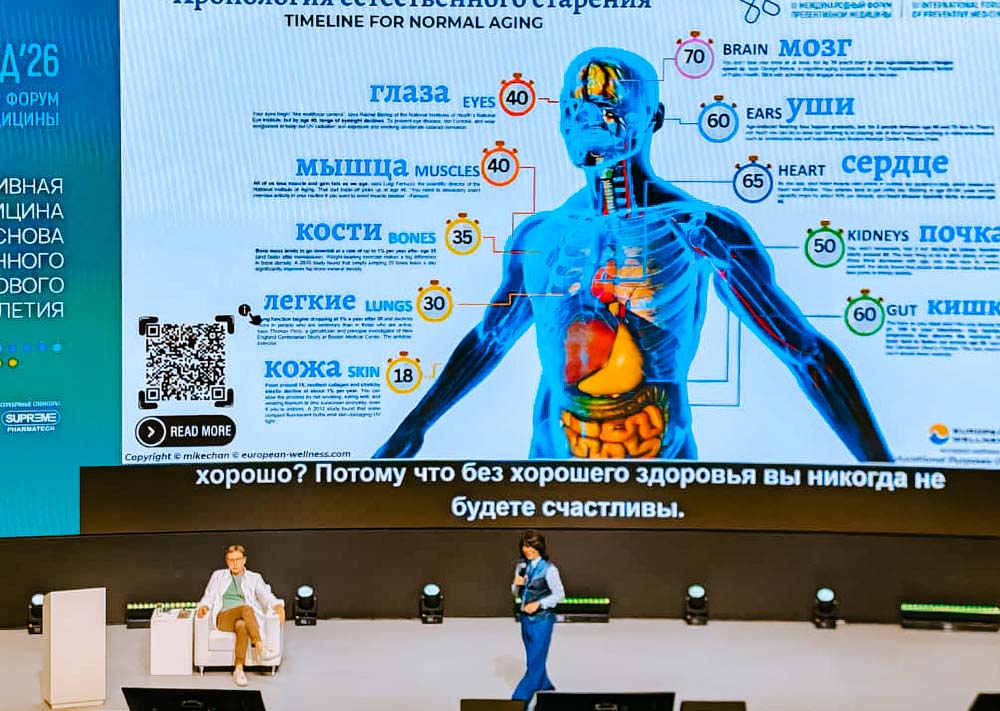
Prof. Chan also discussed the growing importance of biological age as a more meaningful indicator of health than chronological age.
He described aging not simply as the passing of years but as the gradual decline of individual organs, each following its own biological timeline.
By identifying early functional deterioration, physicians can intervene before chronic disease develops, extending not merely lifespan but healthspan—the years spent living in good health.
He shared evidence from his own biological assessments, illustrating how targeted regenerative strategies may help maintain youthful physiological function over time.
Preventing Neurodegenerative Diseases Before Symptoms Appear
A major portion of the lecture focused on neurological disorders, including Alzheimer’s disease, Parkinson’s disease, and autism spectrum disorders.
Prof. Chan argued that successful intervention requires understanding the unique biology of each condition rather than applying identical treatment protocols.
He outlined how different regions of the brain perform specialized functions, making precision targeting increasingly important in future regenerative medicine.
Rather than waiting until significant neurological damage has occurred, preventive medicine should focus on identifying risk factors, preserving neuronal health, and supporting cellular repair long before symptoms become clinically apparent.
The Human Cytology Atlas: A Blueprint for Future Medicine
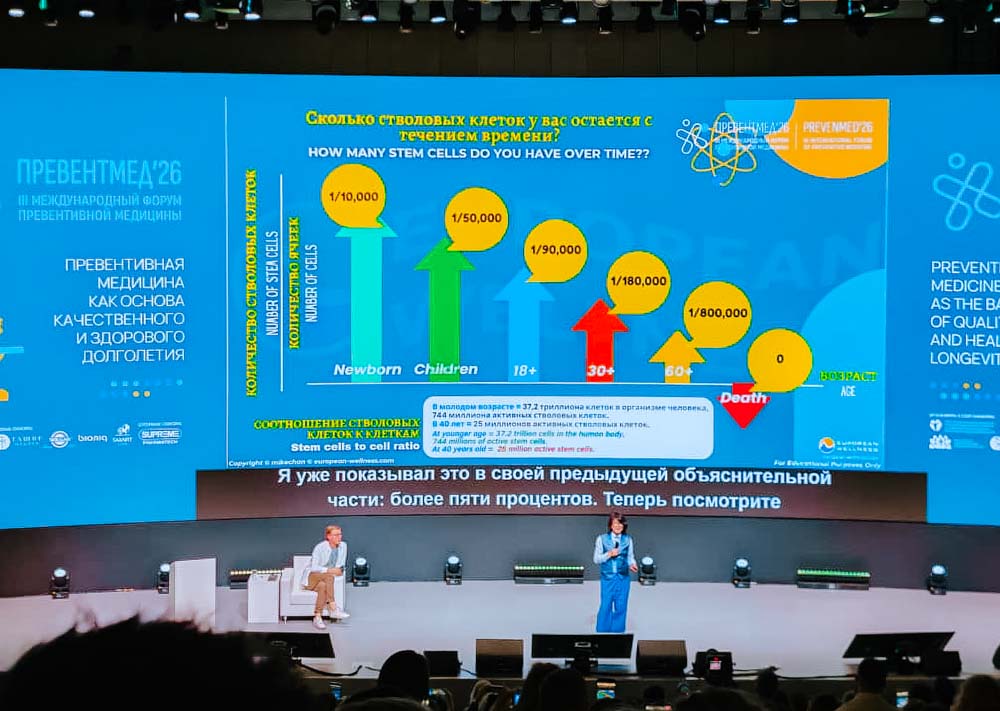
Prof. Chan also highlighted advances arising from the Human Cytology Atlas, an extensive classification of more than 400 human cell types that supports increasingly personalized approaches to regenerative medicine.
The atlas reinforces the concept that every organ contains distinct cellular populations with specialized biological functions.
Understanding these cellular differences, he said, allows clinicians to design far more precise therapeutic strategies than previously possible, moving medicine closer toward truly personalized healthcare.
Extending Healthspan One Organ at a Time
Returning to one of his long-standing themes, Prof. Chan reminded delegates that the ultimate goal is not simply extending lifespan, but preserving healthspan—the years of life lived in good health.
“Healthspan is built one organ at a time. Every organ follows its own aging timeline. By understanding those timelines, we can better support healthier aging. — Prof. Mike Chan
He explained that maintaining the function of individual organs through precision regenerative strategies may help delay biological aging and improve quality of life as people grow older.
Preventive Medicine Is Becoming Predictive Medicine
Looking ahead, Prof. Chan described how preventive medicine is rapidly evolving through advances in artificial intelligence, molecular diagnostics, and regenerative biology.
Future healthcare, he said, will increasingly identify disease risks years before symptoms emerge, enabling physicians to preserve health rather than simply manage illness.
He believes the convergence of precision diagnostics, regenerative medicine, and predictive technologies will fundamentally reshape healthcare over the coming decades.
“The greatest success in medicine,” he told delegates, “is not treating disease—it is preventing disease before patients ever become ill.”
International Exchange for Healthier Aging
The scientific session officially concluded after noon, but the discussions continued well beyond the scheduled program. For more than an hour after his presentation, Prof. Mike Chan was surrounded by doctors, clinicians, and delegates seeking further clarification on peptide bioregulators, precision medicine, and organ-specific regenerative strategies.
Prof. Mike Chan’s presentation formed part of the international scientific program, bringing together physicians, researchers, and healthcare innovators to discuss new technologies aimed at extending healthy human longevity.
His session highlighted the growing role of regenerative medicine within preventive healthcare while encouraging greater international collaboration in developing evidence-based strategies for healthy aging.
The lively exchange reflected the growing international interest in personalized approaches to healthy aging and regenerative medicine, with many participants eager to explore future research collaborations and clinical applications.
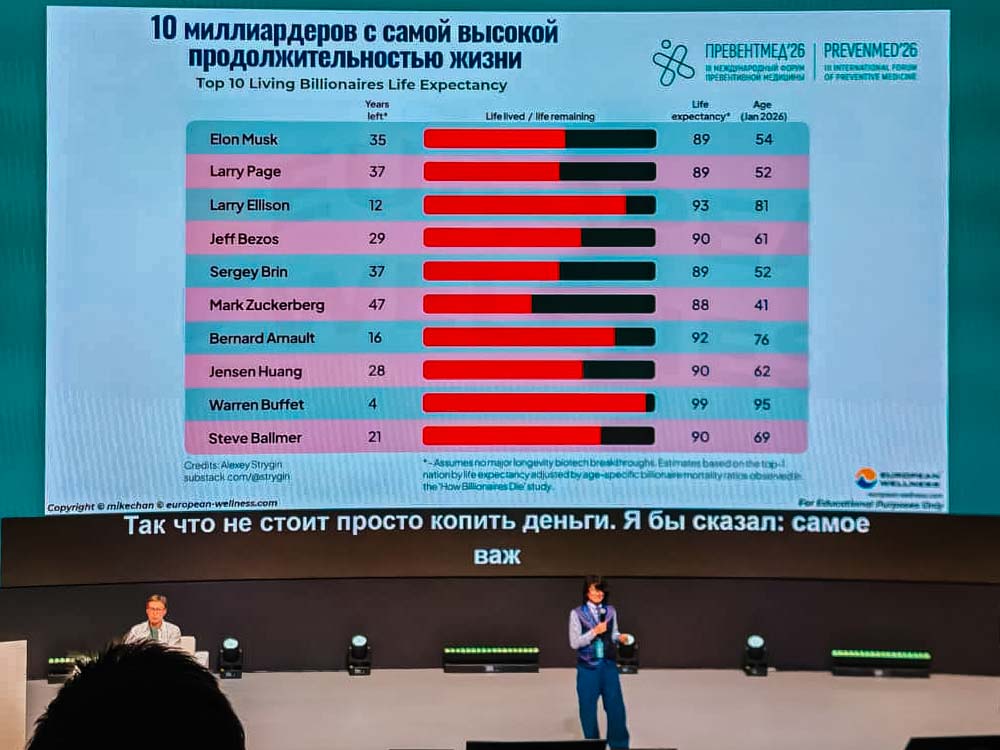
As delegates continued exchanging ideas after today’s session, one message resonated throughout the conference hall:
The future of medicine will not be defined by one-size-fits-all treatments but by precision, personalization, and prevention. For many attending PreventMed 2026, the conversation did not end when the lecture concluded. It was only just beginning.
The Next Chapter of Longevity Medicine
As PreventMed 2026 drew to a close, Prof. Chan said the future of medicine would increasingly combine artificial intelligence, precision diagnostics, organ-specific peptides, and regenerative medicine into highly personalized treatment strategies.
“The future of medicine belongs to precision. When we understand every organ, every cell, and every biological signal, we move closer to truly personalized healthcare.” — Prof. Mike Chan
He concluded that the next generation of preventive medicine will focus not merely on treating disease but on preserving function, extending healthspan, and enabling healthier lives through precision biomedical science.
As healthcare systems worldwide face rapidly aging populations, the conference reinforced a common message shared by many participants: the future of medicine will increasingly focus on prevention, precision, and preserving quality of life.





Testimonials
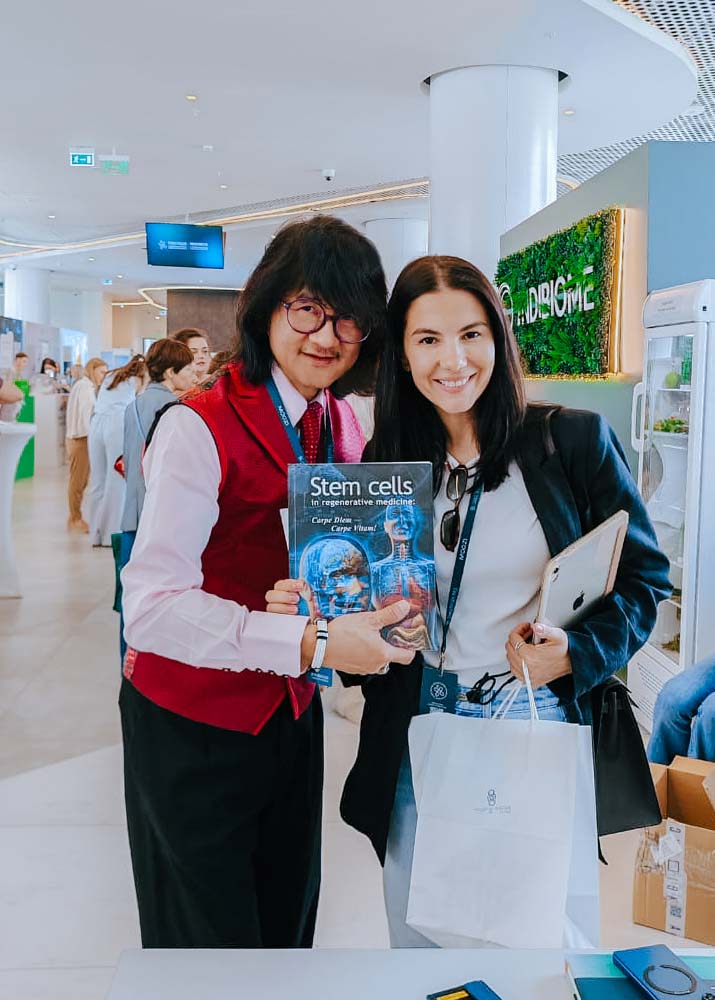
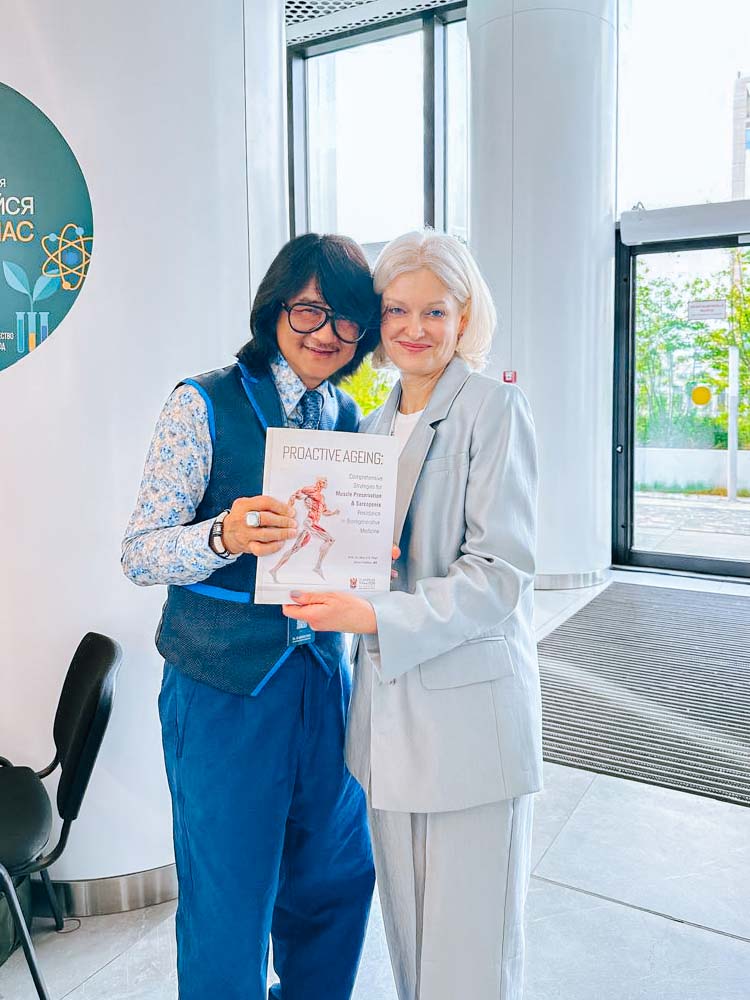
My name is Dr. Anna. I am looking forward to translating your book into Russian.
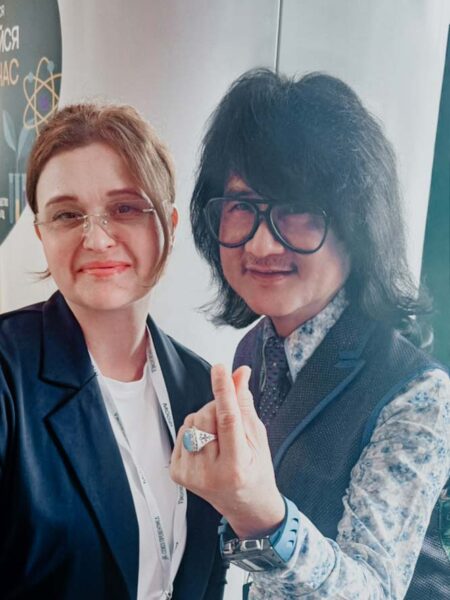
Thank you for the wonderful lecture.
Sincerely, oncologist Natalia.

Dear Professor Mike Chan,
I would like to express my deepest gratitude for the material you kindly shared, as well as for the remarkable energy with which you delivered your presentation at the Prevent Med Forum in Moscow.
As a practicing gastroenterologist from Samara, Russia, I found it especially valuable to discover your approach to systemic restoration of the body through precision cell therapy. Your philosophy, rooted in deep diagnostics and extracellular matrix regeneration, evokes my sincere professional admiration.
I wish you continued success and groundbreaking discoveries for the benefit of global medicine.
With sincere respect,
Dr. Yelena (Elena)
Gastroenterologist, Samara
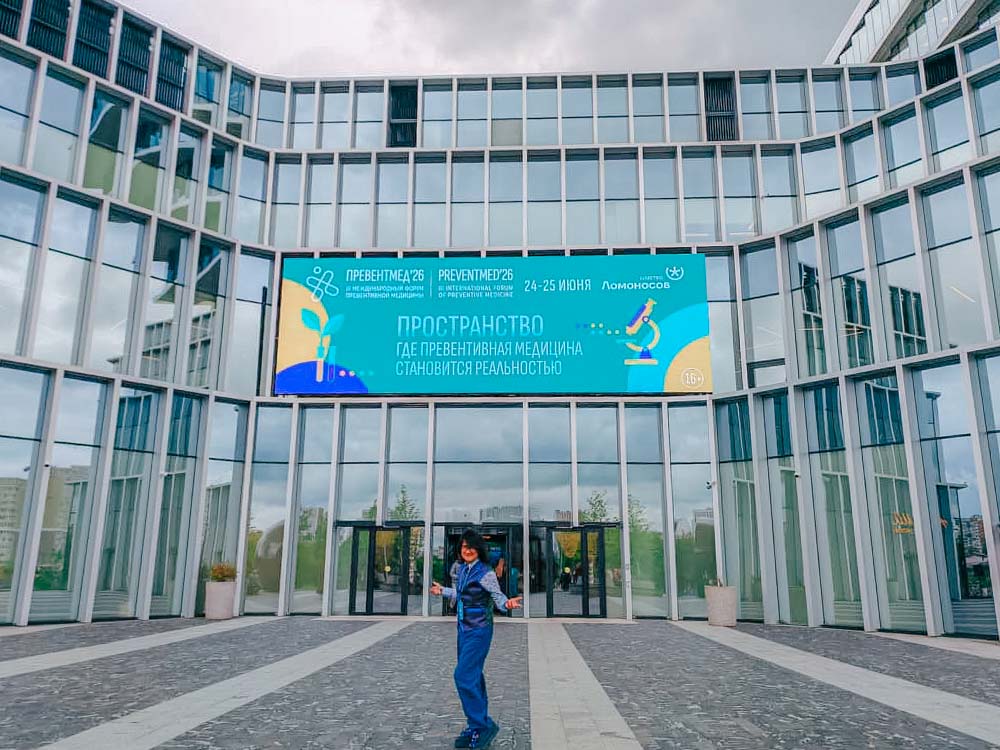
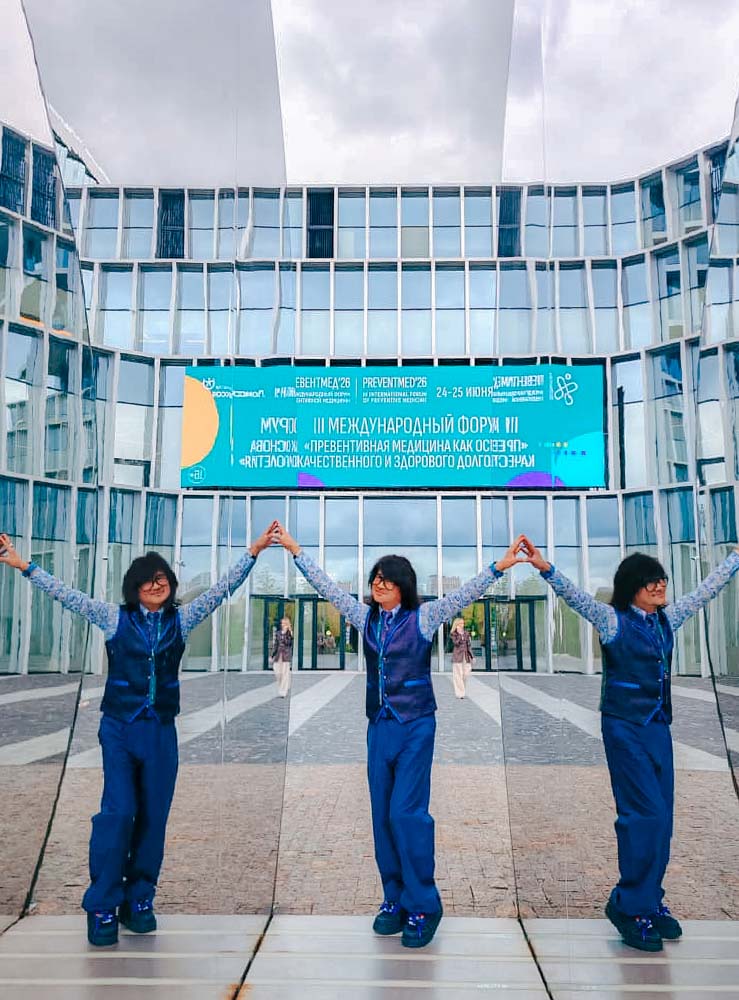

A Reflection of the Future: Standing before the mirrored façade of Moscow’s Lomonosov Cluster, Prof. Dato’ Sri Dr. Mike Chan symbolizes the many lives his research aims to impact. Following two keynote presentations at PreventMed 2026, the multiple reflections serve as a powerful reminder that one scientific breakthrough can inspire countless others across the world.



Follow European Wellness:



Follow European Wellness Academy:
Follow Prof. Dato’ Sri Dr. Mike Chan:

Related Posts