Immerse yourself in a glamorous landscape of emerging trends and lucrative opportunities at Cosmoprof Asia…
Prof. Mike Chan Advances Miri’s Medical Wellness Hub Vision with High-Level State Support
The northern part of Miri, near the mouth of the Baram River, is rapidly transforming from a conceptual master plan into a tangible reality. The estimated RM5 billion Kenyalang Smart City (KSC) integrated development, spearheaded by Imasa Dinasti Sdn Bhd—a subsidiary of TAK Group of Companies—is accelerating its push to become a regional medical innovation hub.
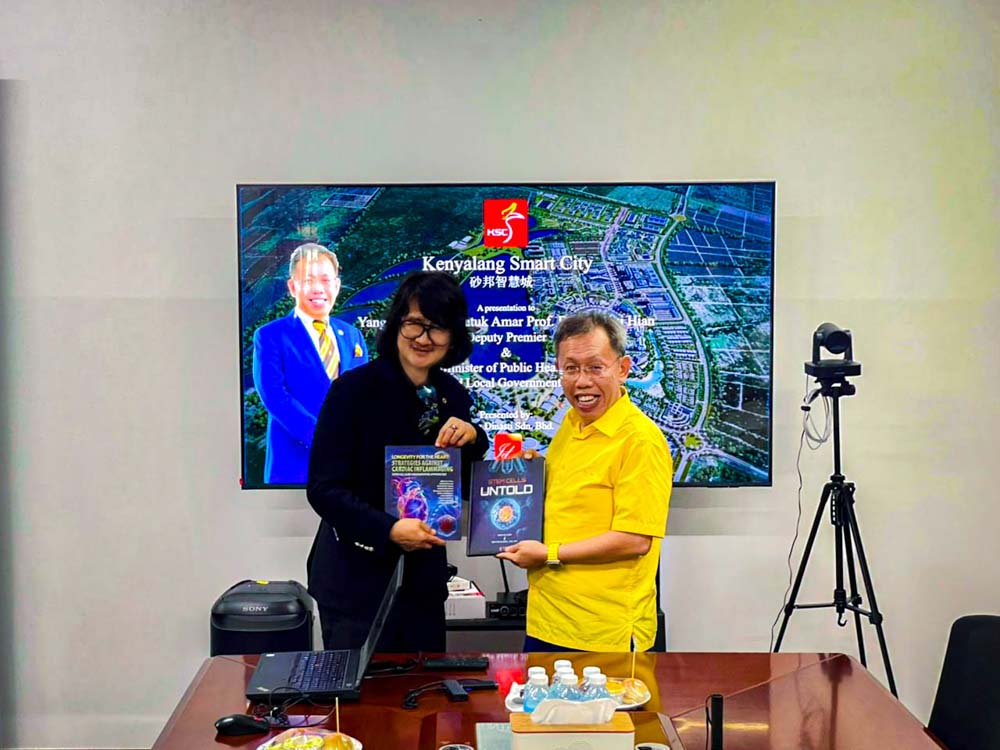
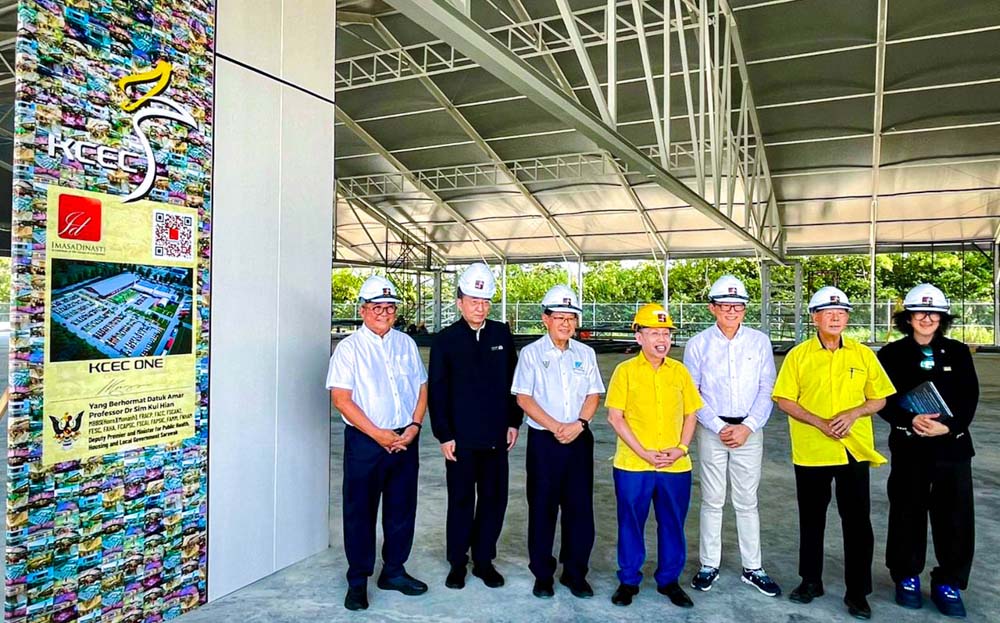
This catalytic development, named after the hornbill, the official bird of Sarawak, received significant momentum on March 28 when Deputy Premier and Minister for Public Health, Housing and Local Government, Datuk Amar Prof Dr Sim Kui Hian, visited the KSC site office.
The high-level visit, which included Prof. Dato Sri Dr. Mike Chan, founder of the European Wellness Biomedical Group (EWBG), YB Dato Sri Lee Kim Shin, Sarawak’s Minister of Transport, YB Adam Yii Siew Sang, Mayor of Miri, and TAK Group chairman Teo Ah Khing, marks a crucial escalation in government commitment. It is the second formal meeting between the key stakeholders since March 2025, signaling a transition from exploratory discussions to active implementation.
Strategic Location with Regional Connectivity
Kenyalang Smart City is well positioned in the northern part of Miri, which is in close proximity to Brunei. The development’s strategic positioning offers significant advantages for regional connectivity and international collaboration. Located near major infrastructure including the Kuala Baram Deep Sea Port, Kuala Belait Deep Sea Port, and the proposed Miri-Mulu International Port, KSC is positioned to leverage regional trade routes and facilitate the movement of medical professionals, researchers, and patients across Southeast Asia.
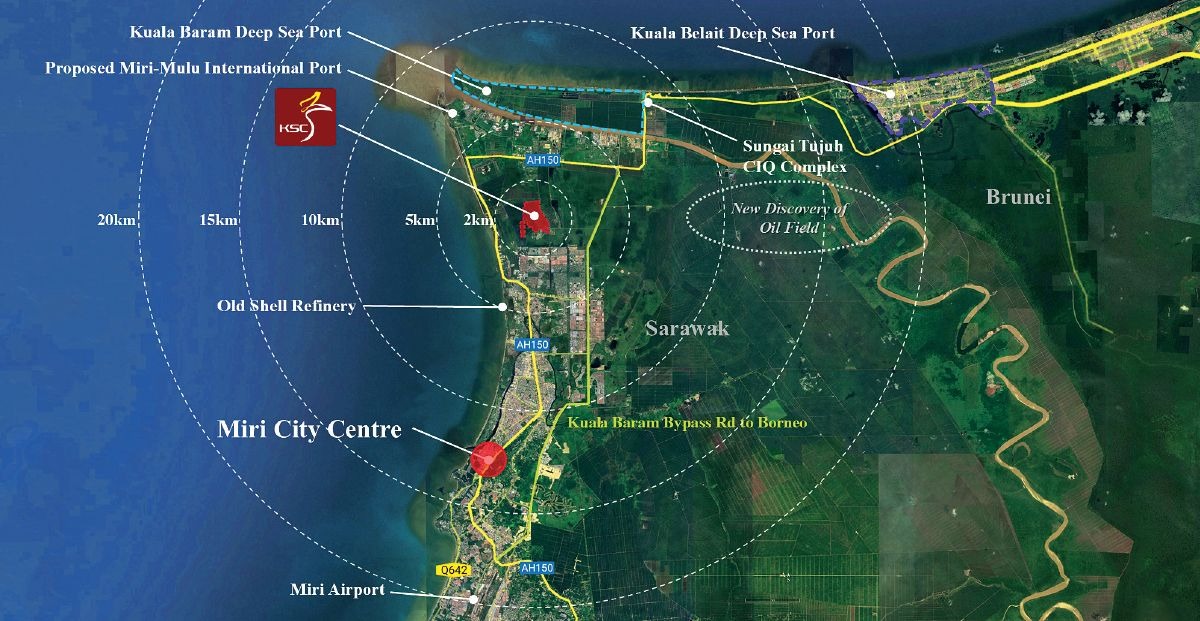
The proximity to Brunei and the region’s existing infrastructure—including Miri Airport, the Kuala Baram Bypass Road to Borneo, and the Sungai Tujuh CIQ Complex—creates a compelling case for Miri as a cross-border medical and wellness destination. This geographic advantage positions KSC to attract not only Malaysian patients but also medical tourists from Brunei and the wider Southeast Asian region.
A Strategic Medical Alliance
Teo, a proud Sarawakian with more than 30 years of experience in architecture and urban design, is leading the team in realizing the KSC master plan. The development aims to offer medical, commercial, leisure, and educational facilities for future generations of Malaysians, as well as interested parties from around the globe.
The presence of Dr Sim at the KSC site office underscores the state government’s active oversight of the project. The initiative aligns seamlessly with Sarawak’s Post Covid-19 Development Strategy 2030, aiming to create a sustainable, technology-driven urban hub that addresses the state’s critical shortage of medical professionals.
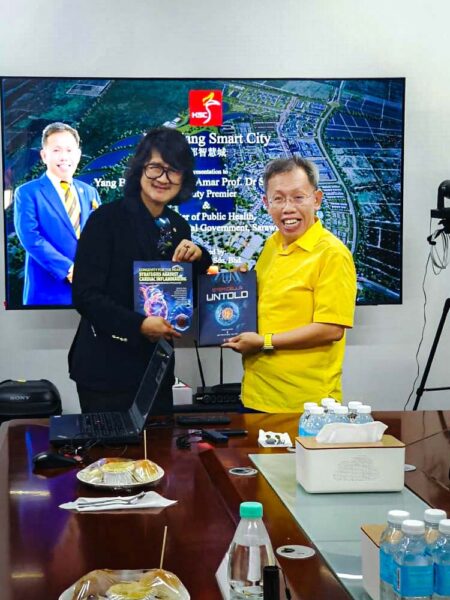
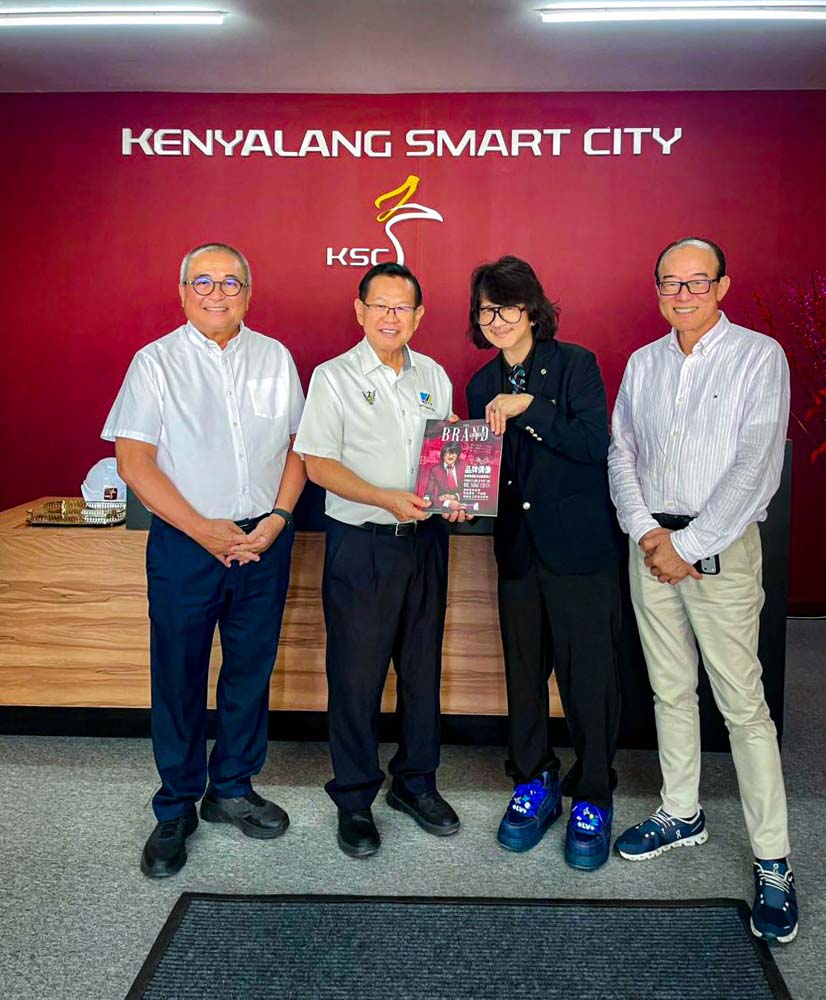
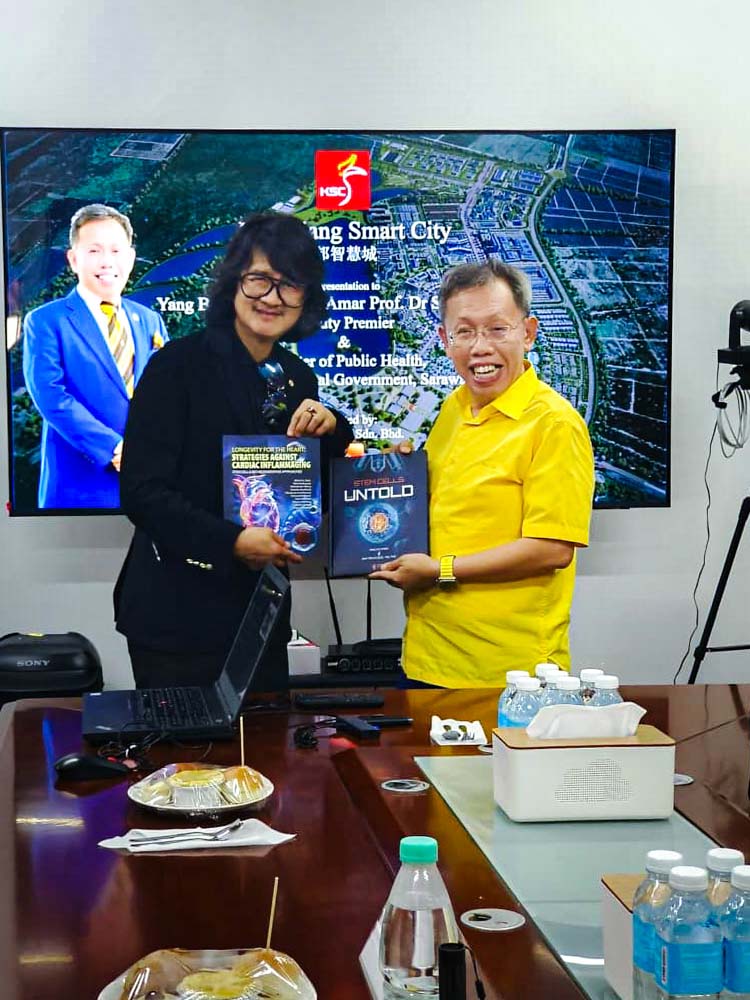
During the meeting, Prof. Mike Chan presented his latest literary contributions to the field of regenerative medicine, including the comprehensive volume Stem Cells Untold. This exchange highlights the core mission of the KSC project: integrating world-class medical research methodologies from the United States, Europe, and Japan directly into Sarawak’s healthcare ecosystem. EWBG will work alongside Fudan University to enhance the city’s role in medical wellness tourism, research, and education.
Prof. Mike Chan, who has traveled around the world treating celebrities, heads of state, sports athletes, and highly influential individuals, brings decades of clinical expertise to the local stakeholders. Speaking about the significance of the KSC initiative, Prof. Mike Chan emphasized the transformative potential of the project.
“European Wellness Biomedical Group will establish its comprehensive operations and facilities at Kenyalang Smart City, bringing world-class regenerative medicine expertise and clinical excellence directly to Sarawak,” Prof. Mike Chan affirmed, underscoring EWBG’s commitment to the project’s success.
“Kenyalang Smart City represents more than just infrastructure development—it is a commitment to democratizing access to advanced regenerative medicine across Southeast Asia. By integrating cutting-edge research with world-class clinical practice, we are creating a model that will serve not only Sarawak but the entire region for generations to come,” Prof. Mike Chan stated.
His involvement is expected to position Miri as a global center for excellence in stem cell education and research.
Infrastructure Taking Shape
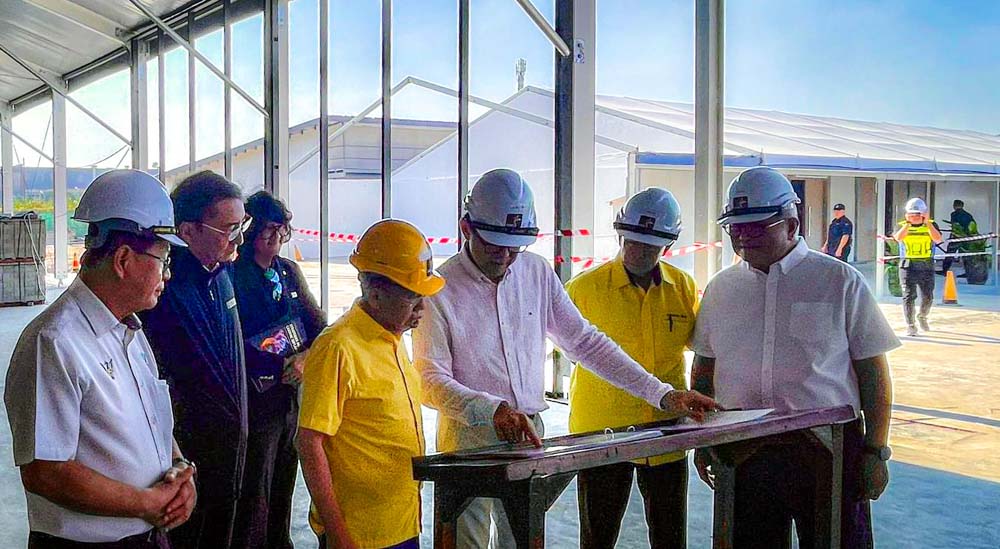
The transition from blueprints to steel and concrete is palpable at the KSC site. The delegation toured the active development zones where the future of Miri’s healthcare infrastructure is currently being built.
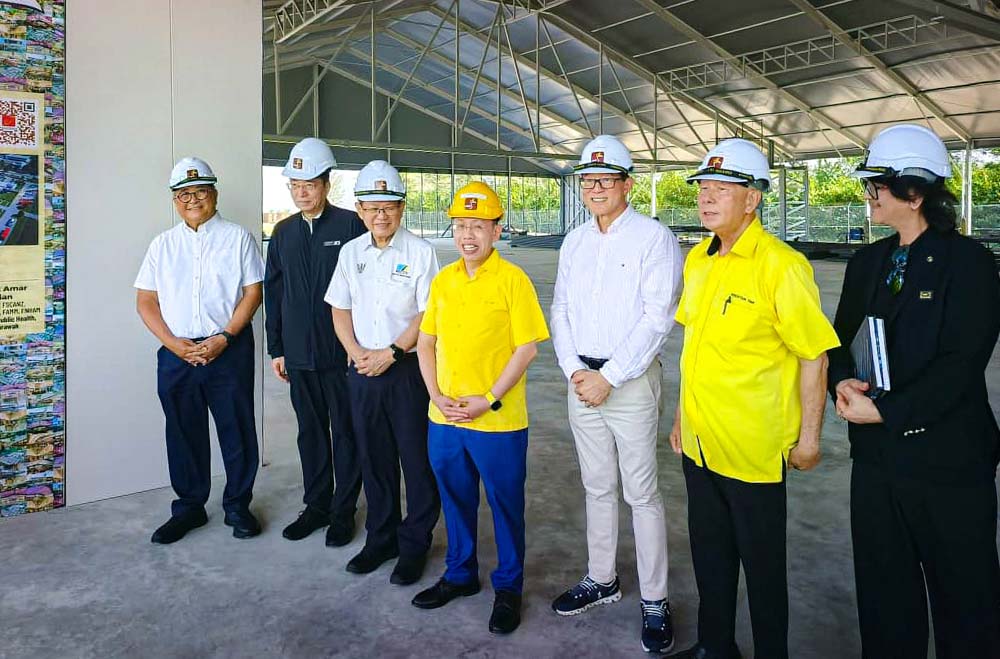
During the March 28 visit, the delegation toured the Kenyalang Convention and Exhibition Centre (KCEC) One, a key facility currently under construction within the development. The convention center is scheduled for completion by the end of May 2026 and is designed to accommodate up to 3,000 people, positioning it as a major venue for international conferences, medical symposiums, and cultural events. The facility exemplifies the scale and sophistication of infrastructure being developed as part of the KSC vision.
A key component of this development is the integration of Fudan University. As part of Phase 1, the institution has committed to repurposing historical buildings—specifically the Old Miri City Council and the Old Resident’s Office—into modern facilities.
These repurposed buildings will house an Artificial Intelligence (AI) clinic, a specialized training center for medical professionals, and a Biodiversity Museum that integrates Traditional Chinese Medicine (TCM) with Sarawak’s rich local biodiversity.
The active participation of Prof. Dong Jing Cheng, President of The Fudan Institutes of Integrative Medicine, during the March 28 site inspection demonstrates Fudan University’s direct involvement in project governance and oversight. Beyond providing facilities and academic programs, Fudan’s leadership is engaged in reviewing construction progress and ensuring alignment with the project’s strategic objectives.
“Fudan University’s participation is expected to help address Sarawak’s doctor shortage through specialized training and research programs,” Teo noted during the initial project briefing.
Collaborative Vision for the Future
The strategic partnership between EWBG, TAK Group, Fudan University, and the Sarawak Government represents a comprehensive commitment to establishing Miri as a center of medical excellence. The collaborative framework ensures that expertise, infrastructure, and resources are aligned toward a common objective: transforming Sarawak’s healthcare landscape.
Reflecting on the partnership’s broader implications, Prof. Mike Chan articulated the vision that drives the initiative forward. “The convergence of government support, academic excellence, and clinical innovation creates a unique opportunity to establish Sarawak as a beacon of medical advancement in Asia,” he stated. “This is not merely about treating patients—it is about advancing the frontiers of regenerative medicine and training the next generation of medical leaders who will serve their communities with compassion and expertise.”
The Economic Ripple Effect
The March 28 meeting reinforces the trajectory of Miri’s transformation. By anchoring the KSC project with EWBG’s expertise in targeted organ-and-brain-specific precursor stem cell therapy and immunotherapy, Miri is positioning itself to attract a global clientele.
The integration of smart city infrastructure—advanced transportation, eco-friendly buildings, and a seamless digital ecosystem—ensures that patients and medical tourists will experience world-class care in a highly optimized, sustainable environment.
The influx of international medical tourists and researchers is expected to significantly boost the local economy, while local residents will gain unprecedented access to advanced therapies previously unavailable in the region.
The March 28 visit represented a comprehensive day of engagement that unified strategic vision-setting through Prof. Chan’s presentation of bioregenerative medicine research, operational oversight through site inspection, and formal government recognition through the plaque-signing ceremony. This integrated approach underscores the coordinated commitment of all stakeholders to positioning Miri as a regional center of medical excellence.
As construction progresses and high-level state backing continues, Miri is well on its way to transitioning from a coastal city to a recognized center of excellence in biotechnology and regenerative health.
Related Coverage:
For additional coverage of this development, see: Sarawak Deputy Premier Visits Kenyalang Smart City Site


Follow European Wellness:



Follow European Wellness Academy:
Follow Prof. Dato’ Sri Dr. Mike Chan:

Related Posts