Authors: Prof. Dr. Mike K.S. Chan and Prof. Dr. Yuriy Nalapko Published by: EUROPEAN WELLNESS…


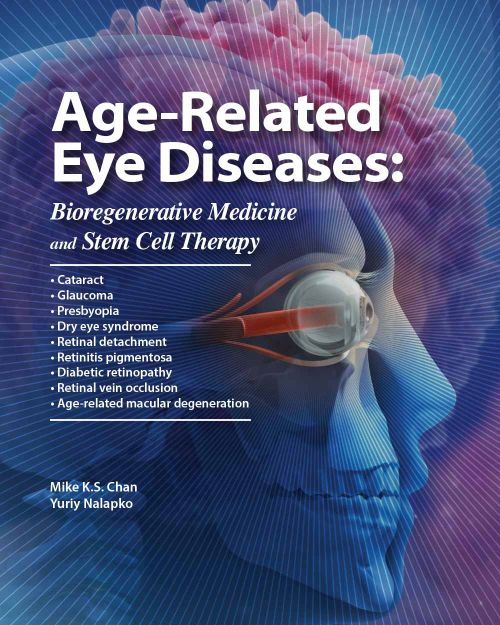
Authors: Prof. Dr. Mike K.S. Chan and Prof. Dr. Yuriy Nalapko
Published by: EUROPEAN WELLNESS ACADEMY
ISBN: 9781662982521 eISBN: 9781662982538
Library of Congress Control Number: 2026955545
English
Chinese Simplified*
Chinese Traditional*
Arabic*
Spanish*
Portuguese*
Japanese*
Korean*
Russian*
Thai*
Vietnamese*
Indonesian*
* This is an AI machine-translated version; for precise information, please refer to the original published English language.
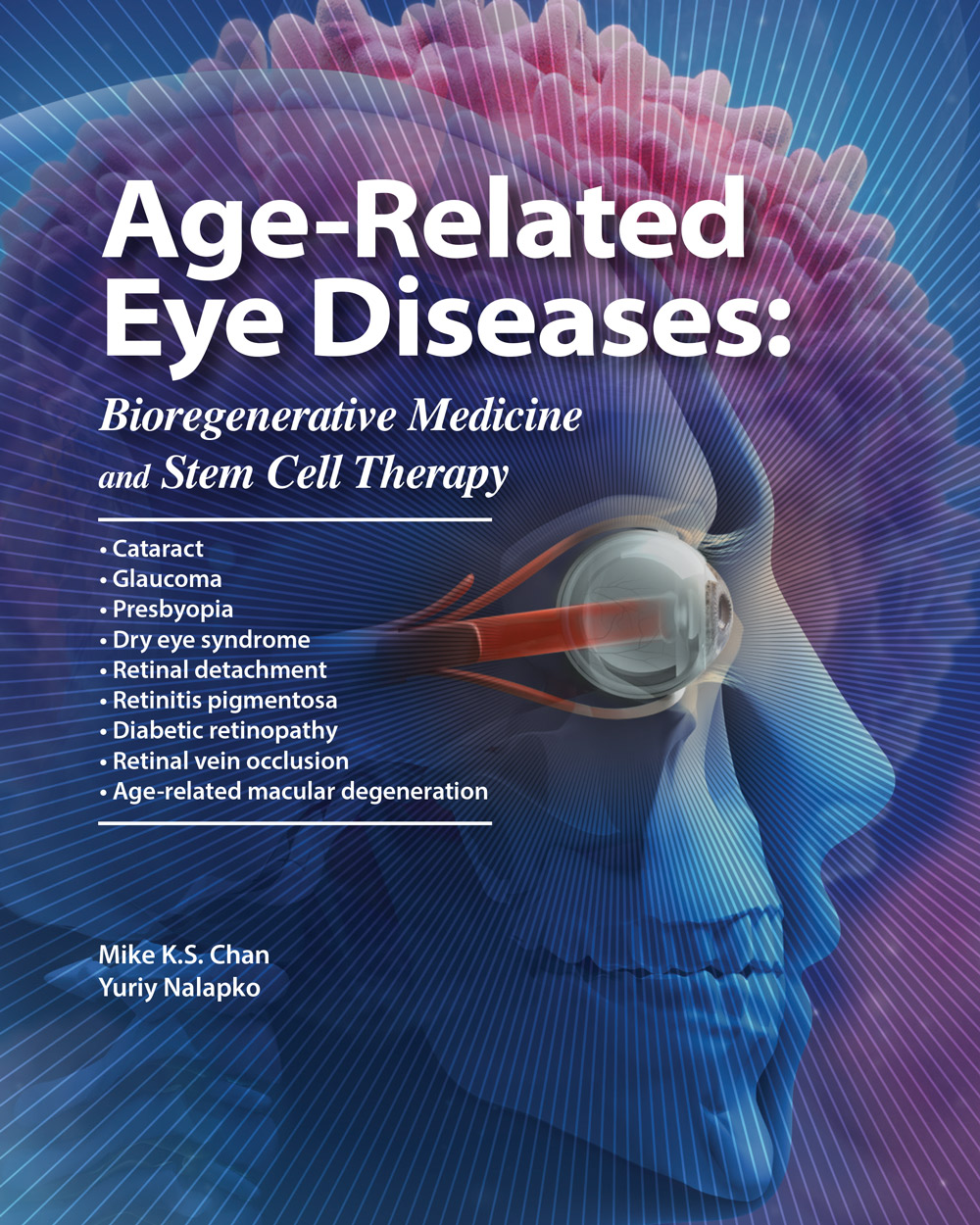
When vision begins to fail, where does hope come from? Age-related macular degeneration — the leading cause of irreversible blindness in the elderly — is no longer a destiny of irreversible decline. This book assembles the emerging science of ocular repair into a single, forward-looking narrative, one in which age-related diseases are understood not merely as a disease of the eye but as a bioenergetic crisis rooted in the failing mitochondria of the eye cells. When aging, genetics, and environmental stress uncouple metabolic partnership of retina, optic nerve, brain, and other organs and tissues, energy supply falters, reactive oxygen species accumulate, and chronic inflammation flourishes. True healing, the authors argue, begins with restoring this metabolic coupling — and no single agent can accomplish it alone.
The path forward is deliberately multimodal. Lifestyle modification eases the pro-inflammatory burden imposed by oxidative stress and airborne pollutants such as motor vehicle exhaust, which accelerate lipofuscin accumulation and drusen formation. Peptide therapies bolster mitochondrial biogenesis. Stem cell transplantation offers a structural replacement for atrophic tissue. Around these cellular strategies, exosome-secreting cells and mitochondrial replacement therapy are being explored to rejuvenate the host tissue environment. The regenerative medicine field already counts more than two hundred interventional trials in ophthalmology — a measure of how swiftly these ideas are moving toward the clinic.
Written for clinicians moving from palliation to prevention, the book pleads for combination over monotherapy. It walks the reader through the pathways that govern mitochondrial biogenesis and antioxidant defense; the omega-3-rich diets and lipid mediators that reinforce retinal epithelial integrity; and the restoration of autophagic flux. It also confronts the field’s unsettled questions: why transplanted cells and peptides must achieve durable metabolic integration and immune tolerance, why drug responses vary so widely among patients, and why early complement blockade may prevent the cascading degeneration of the choroid.
Beneath every strategy lies a single conviction: the aging eye is not beyond repair. The next era of ophthalmology will be defined not by managing blindness, but by preventing it.

| LIST OF ABBREVIATIONS | XI |
| PREFACE | XIII |
| INTRODUCTION | 1 |
PART 1: GENERAL OPHTHALMOLOGY FROM THE PERSPECTIVE OF AGE–RELATED CHANGES |
|
| CHAPTER 1: CLINICAL ANATOMY, HISTOLOGY AND PHYSIOLOGY OF OCULAR STRUCTURES | 7 |
| 1.1. Cornea | 8 |
| 1.2. Lens | 13 |
| 1.3. Retina | 17 |
| 1.4. Ocular muscles | 23 |
| 1.5. Ophthalmic arteries | 25 |
| 1.6. Optic nerve | 28 |
| 1.7. Occipital lobe analyzer | 30 |
| CHAPTER 2: EPIDEMIOLOGY OF AGE–RELATED EYE DISEASES | 33 |
| 2.1. Global prevalence | 34 |
| 2.2. Demographic influences | 36 |
| 2.3. Trends in incidence | 38 |
| CHAPTER 3: CLASSIFICATION OF AGE–RELATED EYE DISEASES | 39 |
| 3.1. Degenerative diseases | 40 |
| 3.2. Vascular diseases | 43 |
| 3.3. Metabolism-related diseases | 44 |
| 3.4. Inflammatory diseases | 46 |
| CHAPTER 4: GENERAL PATHOPHYSIOLOGY OF AGE–RELATED EYE DISEASES | 49 |
PART 2: CLINICAL ASPECTS OF EYE DISORDERS |
|
| CHAPTER 5: PRESBYOPIA | 65 |
| CHAPTER 6: DYSFUNCTIONAL LENS SYNDROME | 73 |
| CHAPTER 7: CATARACT | 79 |
| CHAPTER 8: GLAUCOMA | 85 |
| CHAPTER 9: AGE–RELATED MACULAR DEGENERATION | 93 |
| CHAPTER 10: DIABETIC RETINOPATHY | 101 |
| CHAPTER 11: RETINITIS PIGMENTOSA | 109 |
| CHAPTER 12: RETINAL VEIN OCCLUSION | 115 |
| CHAPTER 13: RETINAL DETACHMENT | 123 |
| CHAPTER 14: DRY EYE SYNDROME | 129 |
PART 3: BIOREGENERATIVE MEDICINE IN AGE-ASSOCIATED EYE DISEASES |
|
| CHAPTER 15: LIFESTYLE MODIFICATION IN AGE–RELATED VISUAL ISSUES | 139 |
| CHAPTER 16: ADVANCED BIOREGENERATIVE APPROACHES IN OPHTHALMOLOGY | 159 |
| 16.1. Stem cell therapy | 162 |
| 16.2. Peptide therapy | 168 |
| 16.3. Exosomes | 172 |
| 16.4. Mitochondrial replacement | 175 |
| CHAPTER 17: BIOREGENERATIVE MEDICINE FOR SPECIFIC EYE DISORDERS | 179 |
| 17.1. Presbyopia | 180 |
| 17.2. Dry eye syndrome | 182 |
| 17.3. Cataract | 185 |
| 17.4. Glaucoma | 187 |
| 17.5. Retinitis pigmentosa | 189 |
| 17.6. Diabetic retinopathy | 191 |
| 17.7. Age–related macular degeneration | 193 |
| 17.8. Retinal detachment | 194 |
| 17.9. Retinal vein occlusion | 196 |
| CHAPTER 18: EYES: PRINCIPLES OF HEALTHY AGEING | 199 |
| SUMMARY | 205 |
| REFERENCES | 207 |