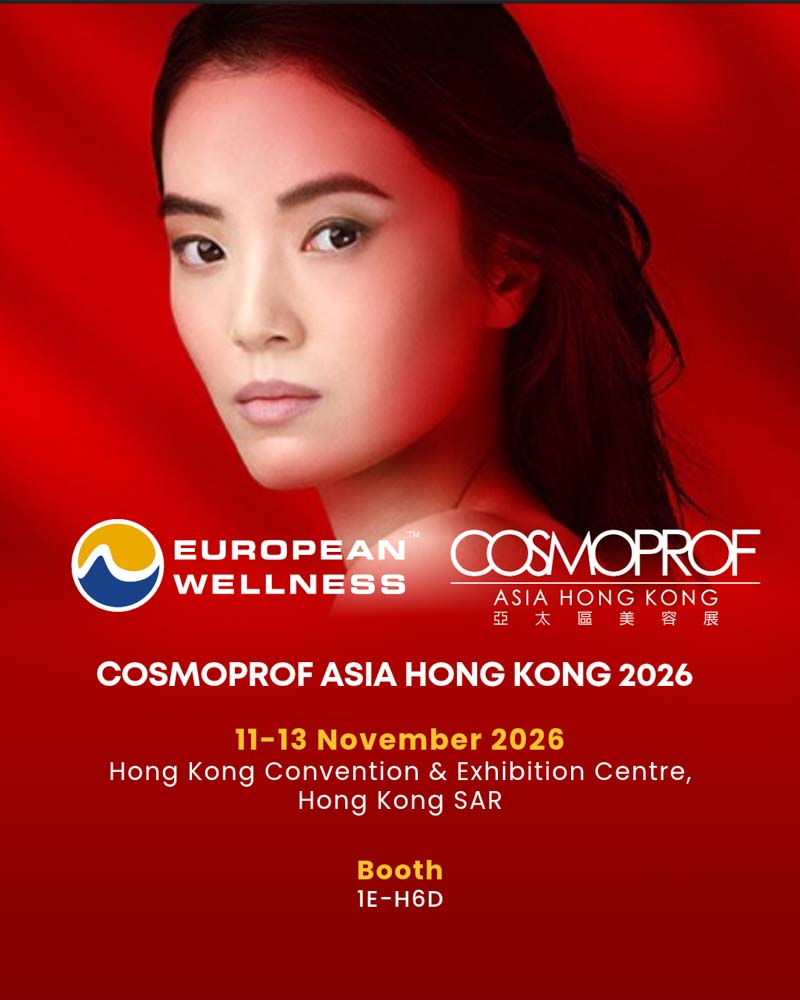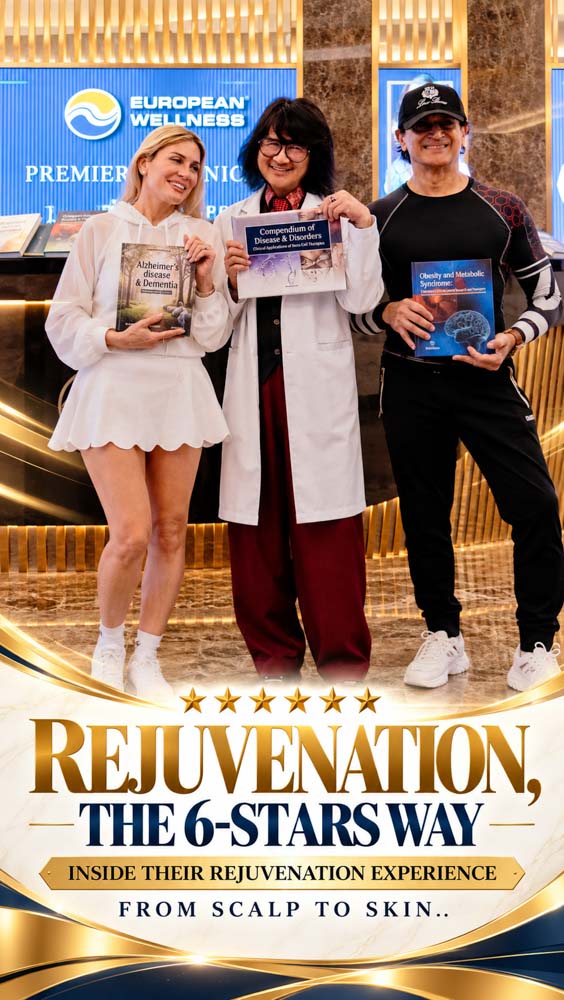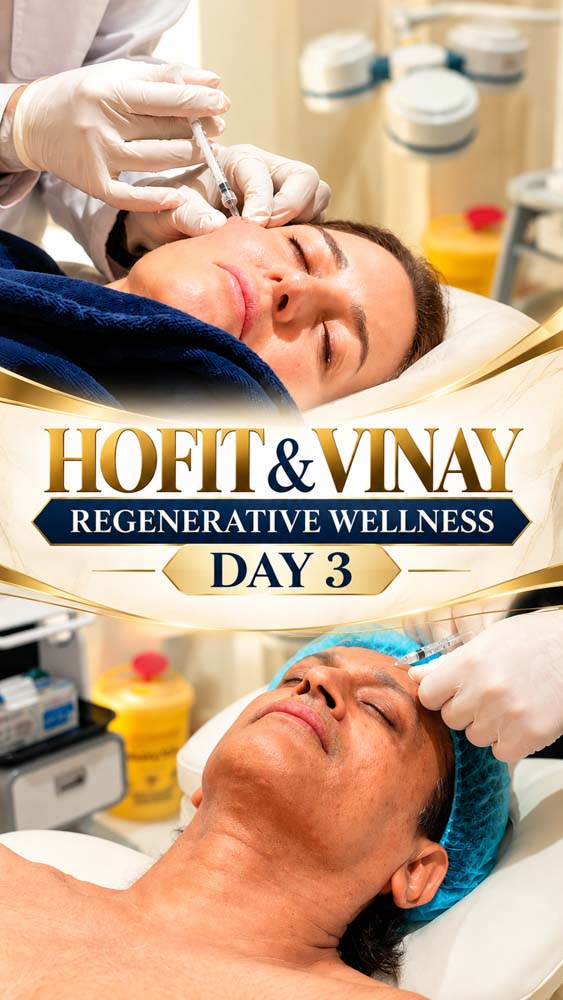
Immerse yourself in a glamorous landscape of emerging trends and lucrative opportunities at Cosmoprof Asia…
The Hidden Power of Life: What Science Is Finally Telling Us About the Placenta
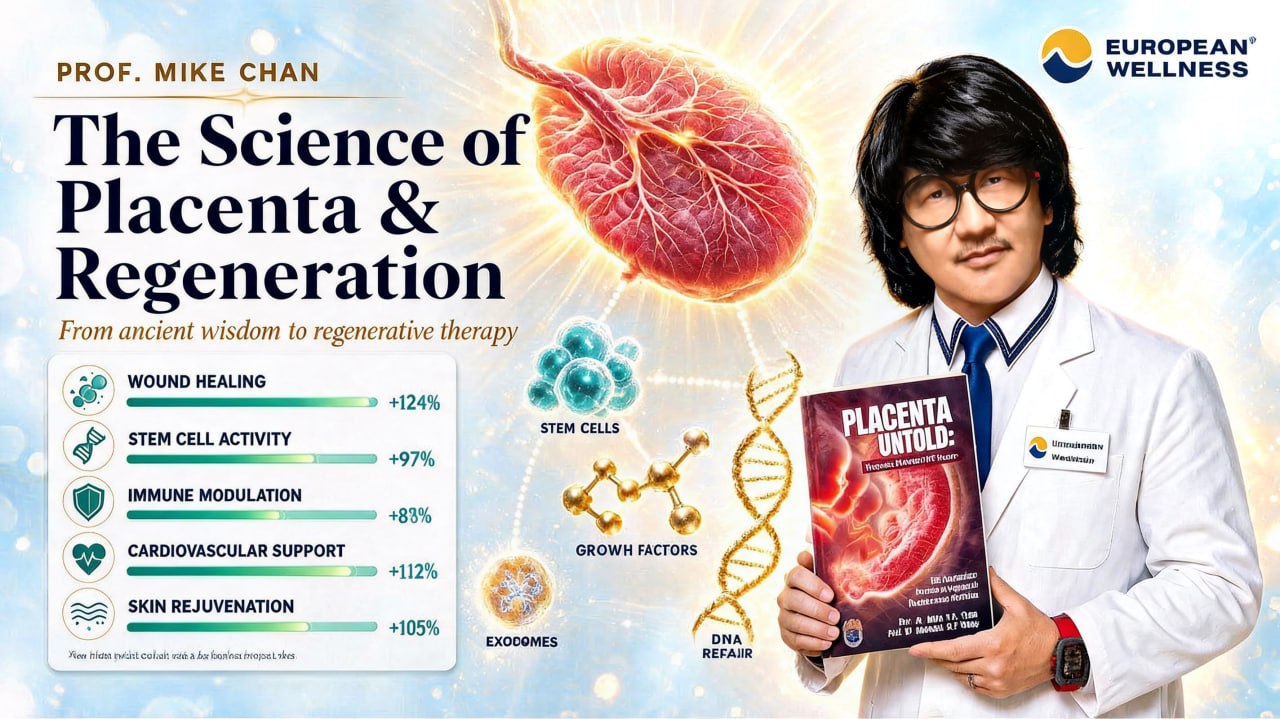
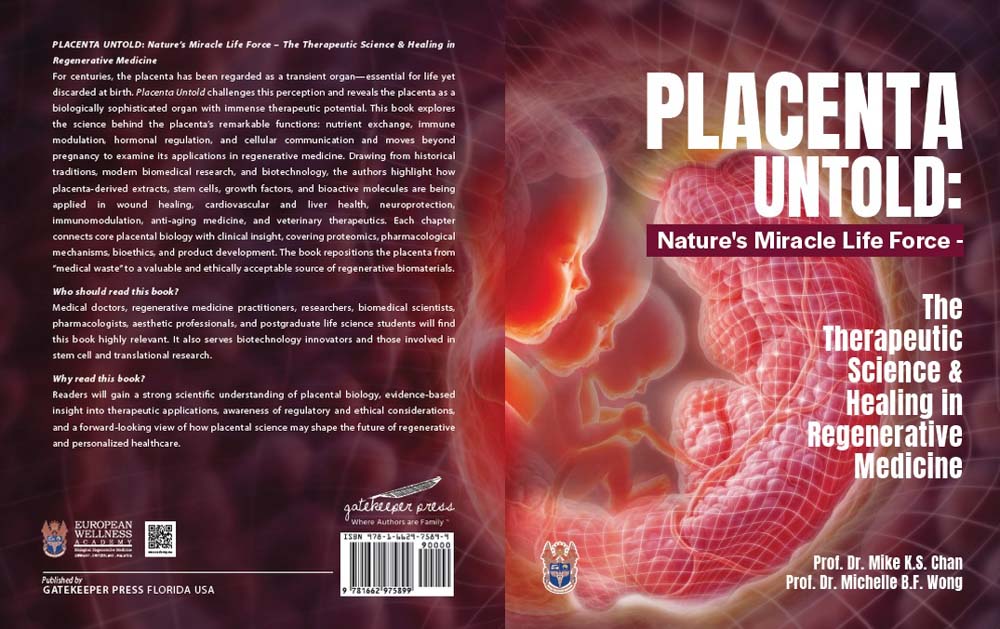
Every year, millions of placentas are discarded in hospitals around the world, treated as nothing more than biological waste. Yet within this organ — the very first to form during pregnancy — lies a biological treasury of stem cells, growth factors, immune-modulating proteins, and bioactive molecules that science is only beginning to understand. In the book Placenta Untold: Nature’s Miracle Life Force — The Therapeutic Science & Healing in Regenerative Medicine, co-authored with Prof. Dr. Michelle B.F. Wong, Prof. Mike Chan and a distinguished team of researchers from institutions across Europe, Malaysia, and beyond, make a compelling case that the placenta deserves a fundamental reassessment — not as waste, but as one of nature’s most sophisticated regenerative tools.
This review offers an accessible exploration of the book’s most important findings, what they mean for everyday health, and why the solutions presented within its pages may shape the future of medicine.
The Organ We Throw Away
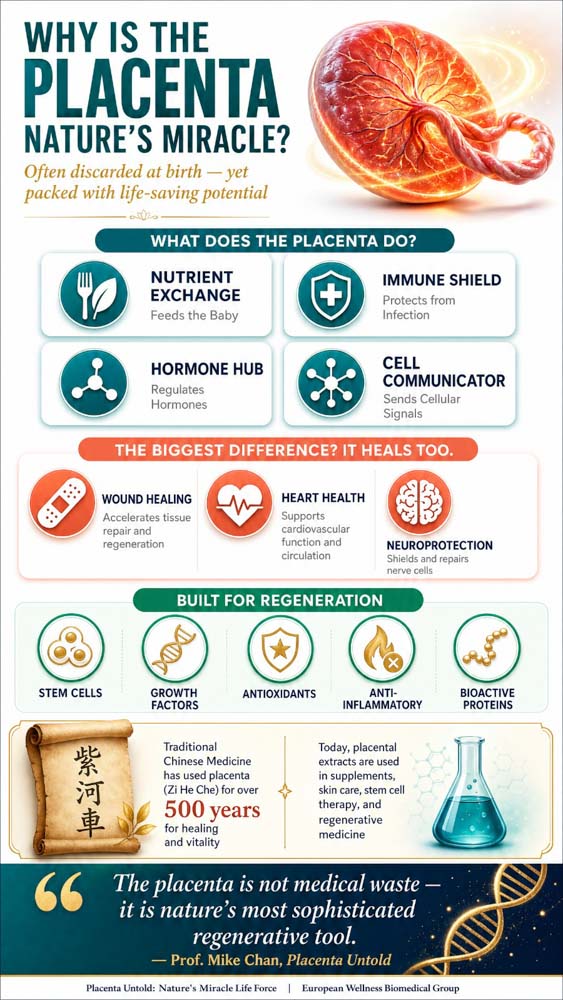
The placenta is the first organ to form in the human body. It builds itself within days of conception, anchoring to the uterine wall and establishing the lifeline between mother and child. For nine months, it performs an astonishing array of functions: delivering oxygen and nutrients to the fetus, filtering out harmful substances, regulating hormones, training the baby’s immune system, and even communicating between cells through tiny biological messengers called extracellular vesicles.
Think of it this way: if the human body were a construction project, the placenta would be the site manager, the supply chain, the security team, and the communications hub — all rolled into one. And yet, the moment a baby is born, this extraordinary organ is typically discarded without a second thought.
Prof. Mike Chan argues that this is a profound missed opportunity. “The placenta is a truly remarkable, multifaceted and indispensable organ. Its complex structure and diverse functions highlight its remarkable adaptability and critical role in both pregnancy and regenerative therapies,” he writes in the book’s introduction.
The central thesis of Placenta Untold is bold but well-supported: the placenta is not the end of its story at birth. It is, in fact, the beginning of a new chapter in medicine.
Ancient Wisdom, Modern Validation
One of the most fascinating aspects of Placenta Untold is its demonstration that the therapeutic use of the placenta is not a modern invention. Cultures around the world have recognized its healing properties for centuries.
In Traditional Chinese Medicine (TCM), dried human placenta — known as Zi He Che (紫河車) — has been documented since the 16th century in the Bencao Gangmu (Compendium of Materia Medica). It was prescribed not only for postpartum recovery but also for conditions such as chronic fatigue, poor immunity, and hormonal imbalance. Ayurvedic medicine in India similarly employed placental preparations for postpartum healing and lactation support. Indigenous communities in Argentina and central India used powdered umbilical cord preparations to treat sick children and support reproductive health.
These traditions were not mere superstition. They were empirical observations, passed down through generations, that something within the placenta had the power to restore and regenerate. Modern biomedical science is now providing the molecular explanation for what ancient healers already knew intuitively.
The book draws a clear and compelling line from these historical practices to today’s biotechnology, showing how the same biological principles that made placenta therapeutically valuable for centuries are now being harnessed with precision and scientific rigor.
What Makes the Placenta So Powerful
To understand why the placenta holds such therapeutic promise, it helps to understand what it is made of. Placenta Untold dedicates significant attention to the proteomic characterization of placental ultrafiltrates — in plain terms, the detailed mapping of the proteins and bioactive compounds found within placental preparations.
The findings are remarkable. Placental extracts contain a rich array of components, each with distinct therapeutic relevance:
| Component | Function | Therapeutic Relevance |
|---|---|---|
| Stem Cells | Self-renewal and differentiation | Tissue repair and regeneration |
| Growth Factors | Stimulate cell growth and proliferation | Wound healing, skin rejuvenation |
| Antioxidant Enzymes (SOD, Catalase, GPx) | Neutralize harmful free radicals | Anti-aging, neuroprotection |
| Anti-inflammatory Proteins | Regulate immune responses | Autoimmune and inflammatory conditions |
| Bioactive Peptides | Cellular signalling and repair | Metabolic and cardiovascular health |
| Extracellular Vesicles | Intercellular communication | Systemic regenerative effects |
To put this in everyday terms: imagine your body’s cells as a city. Free radicals — unstable molecules produced by stress, pollution, and aging — are like vandals causing damage throughout the city. Antioxidant enzymes such as Superoxide Dismutase (SOD) and Catalase act as the city’s clean-up crew, neutralizing these vandals before they can cause lasting harm. The placenta is extraordinarily rich in these protective systems, which is one reason why placental preparations have shown such promise in anti-aging and disease prevention.
Where the Science Points — Six Key Applications
Placenta Untold is organized around specific therapeutic domains, each supported by clinical research and case evidence. Prof. Mike Chan and his co-authors present the following as the most significant areas of application.
Wound Healing. Placenta-derived growth factors accelerate the natural wound-healing process by stimulating cell migration, collagen synthesis, and tissue regeneration. This has particular relevance for chronic wounds — such as diabetic foot ulcers — which are notoriously difficult to treat with conventional methods. Clinical evidence presented in the book demonstrates measurable improvements in healing rates when placental preparations are applied.
Cardiovascular Health. The book examines how placenta-derived substances support cardiovascular function by reducing inflammation in blood vessel walls, improving circulation, and protecting cardiac tissue from oxidative damage. For the millions of people living with heart disease, this represents a meaningful complementary therapeutic avenue.
Liver Health. Metabolic liver disease — including non-alcoholic fatty liver disease (NAFLD), which affects an estimated 25% of the global population — is addressed through the lens of placental pharmacology. The book presents evidence that placental bioactives can reduce liver inflammation, support hepatocyte (liver cell) regeneration, and improve metabolic function.
Neuroprotection. Perhaps one of the most exciting areas covered is the placenta’s potential to protect and repair the nervous system. Placental proteins have been shown to reduce neuroinflammation and support the survival of neurons, suggesting applications in conditions such as Alzheimer’s disease, Parkinson’s disease, and stroke recovery.
Immunomodulation. Placental stem cells possess a unique ability to modulate the immune system — calming it when it is overactive (as in autoimmune diseases) and strengthening it when it is underperforming. This dual capacity makes placental therapies particularly versatile.
Anti-Aging and Skin Rejuvenation. A clinical study cited in the book demonstrated significant improvements in skin hydration, collagen density, melanin regulation, and reduction of fine lines and wrinkles in women aged 20 to 65 following supplementation with placental extract softgels. These are not cosmetic claims — they are measurable, documented outcomes.
Prof. Mike Chan’s Solutions — From Research to Reality
One of the most practical and valuable aspects of Placenta Untold is its translation of research into real-world therapeutic solutions. Prof. Mike Chan and his team at European Wellness Biomedical Group, in collaboration with researchers at Heidelberg University in Germany, have developed a range of placenta-based products that embody the principles outlined in the book.
“What we are striving after is not only to give more years to life, but especially to give more life to years. The regenerative properties of the placenta are key to achieving this vision of holistic wellness.” — Prof. Mike Chan
The book presents three tiers of formulation, each designed to meet different therapeutic needs:
SPE Swiss Evolution represents the most advanced formulation in the range. It combines high-grade sheep placenta extract with marine cellular extract, ubiquinol (the active form of Coenzyme Q10), pyrroloquinoline quinone (PQQ), quercetin, and borage oil. Together, these six active ingredients work synergistically to combat premature aging, boost cellular energy, improve sleep quality, support cardiovascular and cognitive health, and rejuvenate the skin. Each softgel contains a highly concentrated bioactive placenta DNA extract, making it one of the most potent placental supplements available.
PE Evolution Softgels offer an advanced formulation incorporating sheep placenta extract, fish DNA cellular extract, and ubiquinol. The fish DNA cellular extract provides antioxidant, antimicrobial, and anti-photoaging properties, while ubiquinol enhances cellular energy metabolism. This formulation is particularly well-suited for individuals seeking comprehensive cellular regeneration and tissue repair support.
PE Softgels AF is the entry-level formulation, designed for those beginning their journey with placental supplementation. It incorporates sheep placenta extract — estimated to be at least four times more biologically active than conventional freeze-dried placental powders — alongside marine cellular extracts, ubiquinol, Lepidium meyenii (Maca), and Astragalus. The benefits include musculoskeletal tissue regeneration, accelerated wound healing, enhanced stamina and vitality, improved immune function, and skin rejuvenation.
Beyond oral supplementation, the book also addresses injectable placental preparations and topical cosmeceutical applications, demonstrating the versatility of placental bioactives across different delivery methods and therapeutic contexts.
Addressing the Ethical Questions
Placenta Untold does not shy away from the ethical dimensions of placental therapy. A dedicated chapter navigates the bioethical dilemmas surrounding the sourcing, processing, and use of placental materials. The authors make a clear and well-reasoned case that placental therapies — particularly those derived from animal sources or from ethically consented human donations — can be developed and applied within a robust ethical framework.
The book’s position is that the ethical imperative runs in both directions: there is a moral argument not only for ensuring that placental materials are sourced responsibly, but also for not wasting a resource that has the potential to alleviate suffering and improve human health. Discarding the placenta when it could be used therapeutically is, in the authors’ view, a missed opportunity that carries its own ethical weight.
Who Should Read This Book
Placenta Untold is written with both the specialist and the informed general reader in mind. Medical doctors, regenerative medicine practitioners, researchers, pharmacologists, and aesthetic professionals will find rigorous scientific content, detailed proteomic analyses, and evidence-based clinical insights. At the same time, the book’s structure — moving from historical context to biological mechanisms to practical applications — makes it accessible to anyone with a genuine interest in the future of health and medicine.
“The future of regenerative medicine lies in our ability to understand and harness the complex biology of the placenta. It is a resource that has the power to transform healthcare and improve the quality of life for countless individuals.” — Prof. Mike Chan
For those who have long suspected that nature holds answers that conventional medicine has yet to fully explore, Placenta Untold offers both the scientific validation and the practical roadmap to act on that intuition.
A Final Word
The placenta has sustained human life since the beginning of our species. It is, in the truest sense, the origin of each of us. Placenta Untold makes a powerful and evidence-backed argument that our relationship with this organ should not end at birth. By repositioning the placenta from medical waste to a source of regenerative biomaterials, Prof. Mike Chan and his colleagues have opened a serious scientific and clinical conversation — one that has the potential to benefit patients, advance medicine, and honor the extraordinary biology that nature has placed in our hands.
This book is not merely an academic exercise. It is a call to action for the medical community, for researchers, and for anyone who believes that the best solutions to human suffering may sometimes be found not in synthetic compounds, but in the remarkable intelligence of life itself.
Prof. Dato Sri Dr. Mike Chan is the Chairman and Chief Scientist of European Wellness Biomedical Group (Germany), Chief Researcher at Baden Research & Testing Lab and EW Sanorell, and a Professor at the American Academy of Stem Cell Physicians. He has treated celebrities, heads of state, sports athletes, and highly influential individuals across the globe. He is the lead author of “Placenta Untold: Nature’s Miracle Life Force — The Therapeutic Science & Healing in Regenerative Medicine,” published by Gatekeeper Press (2026).
Follow European Wellness:



Follow European Wellness Academy:
Follow Prof. Dato’ Sri Dr. Mike Chan:

Related Posts