Immerse yourself in a glamorous landscape of emerging trends and lucrative opportunities at Cosmoprof Asia…
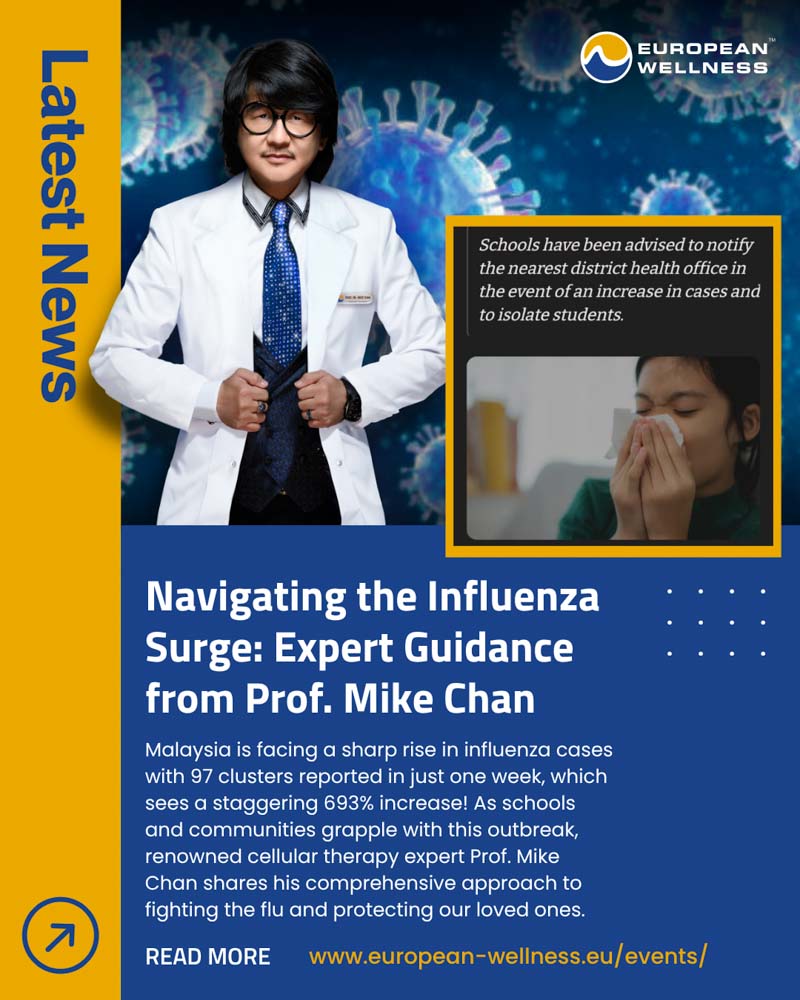
Navigating the Surge in Influenza Cases: A Guide from Prof. Mike Chan
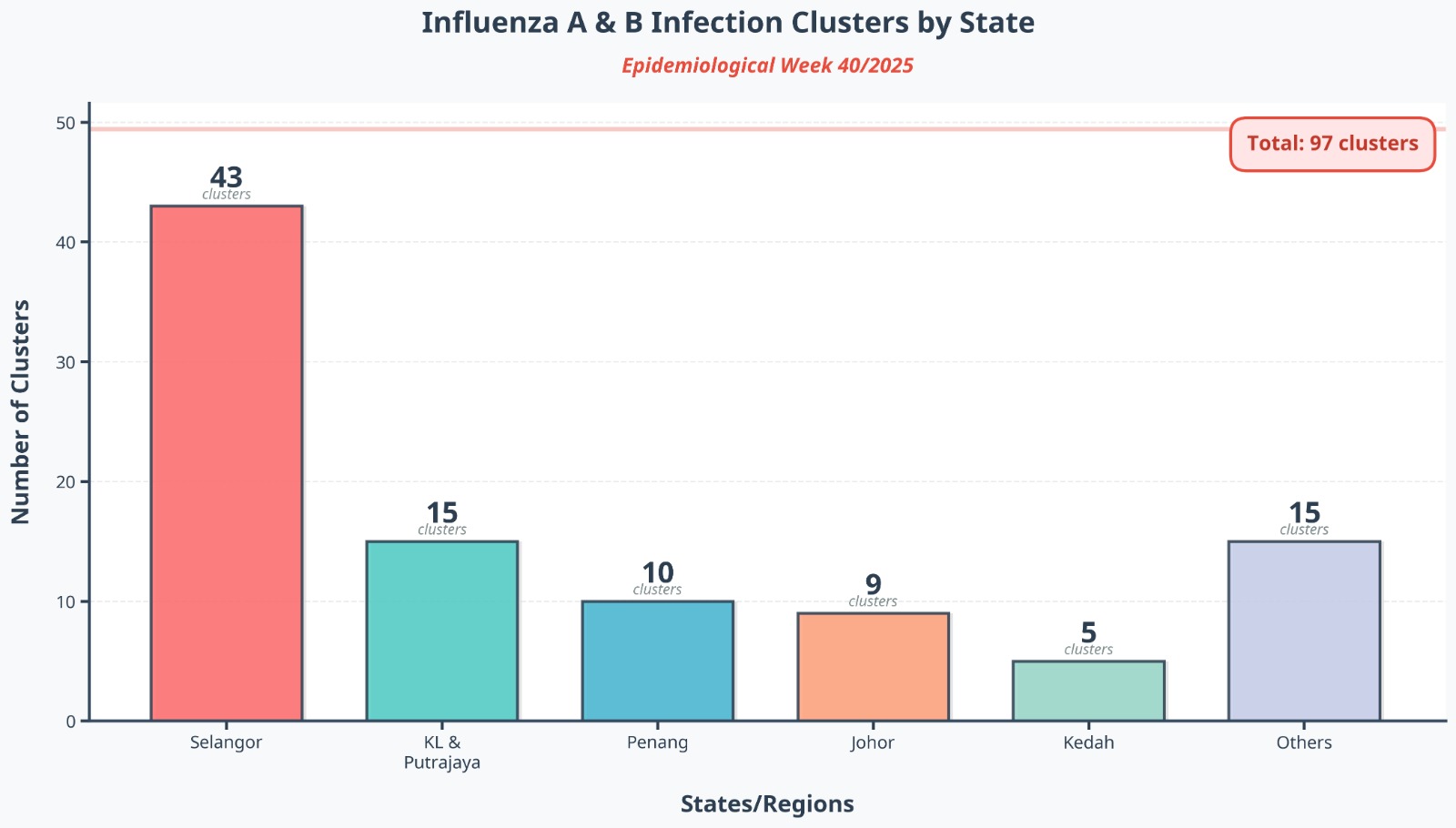
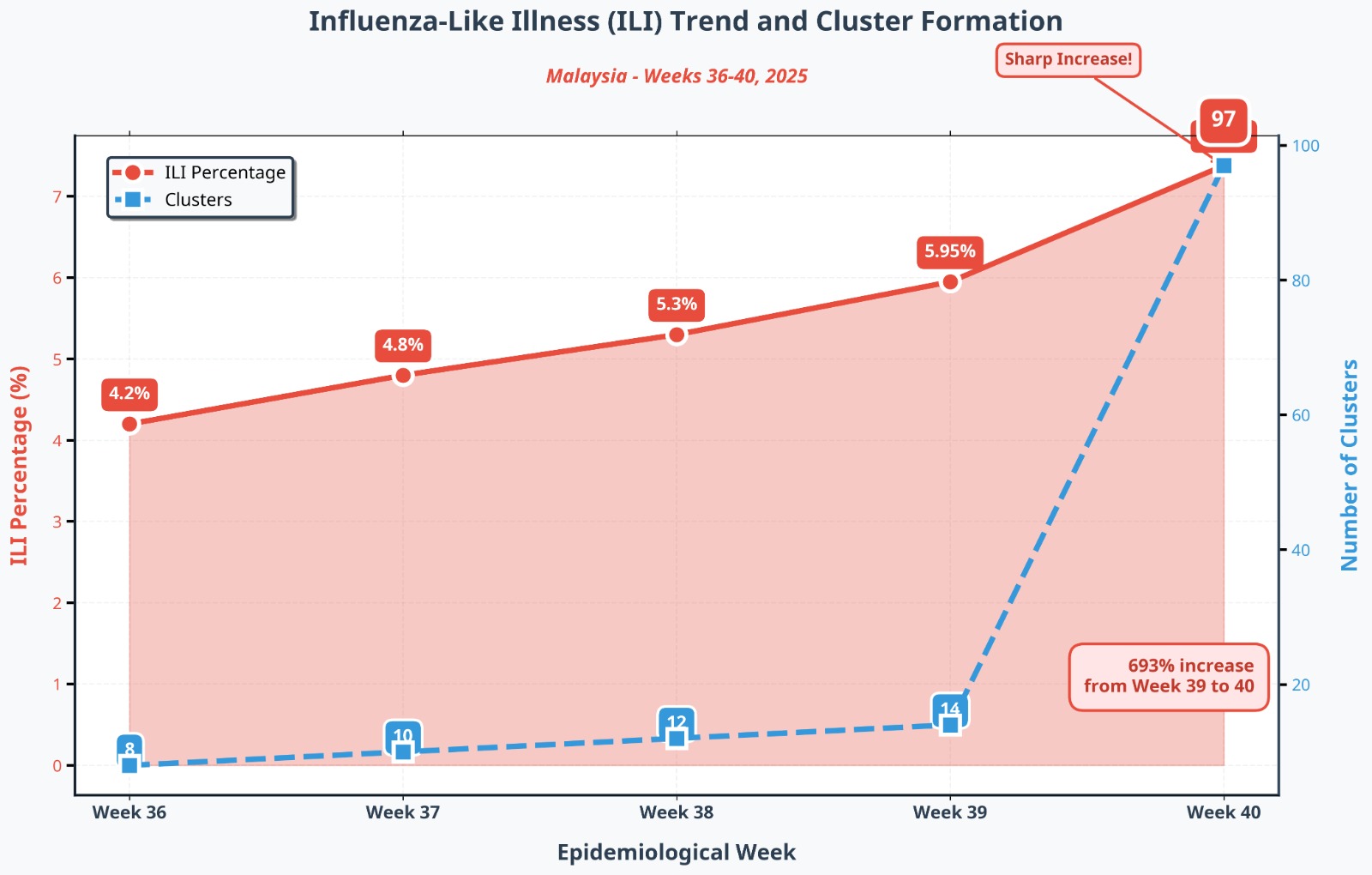
Malaysia is currently witnessing a significant and concerning increase in influenza cases, with health authorities reporting a sharp rise in infection clusters across the nation. According to a recent report from Free Malaysia Today, a total of 97 influenza A and B infection clusters were recorded in Epidemiological Week 40/2025, a stark jump from just 14 clusters the previous week. This surge, primarily driven by the Influenza A (H3) virus, has predominantly affected educational institutions, raising alarms among parents, educators, and health professionals.
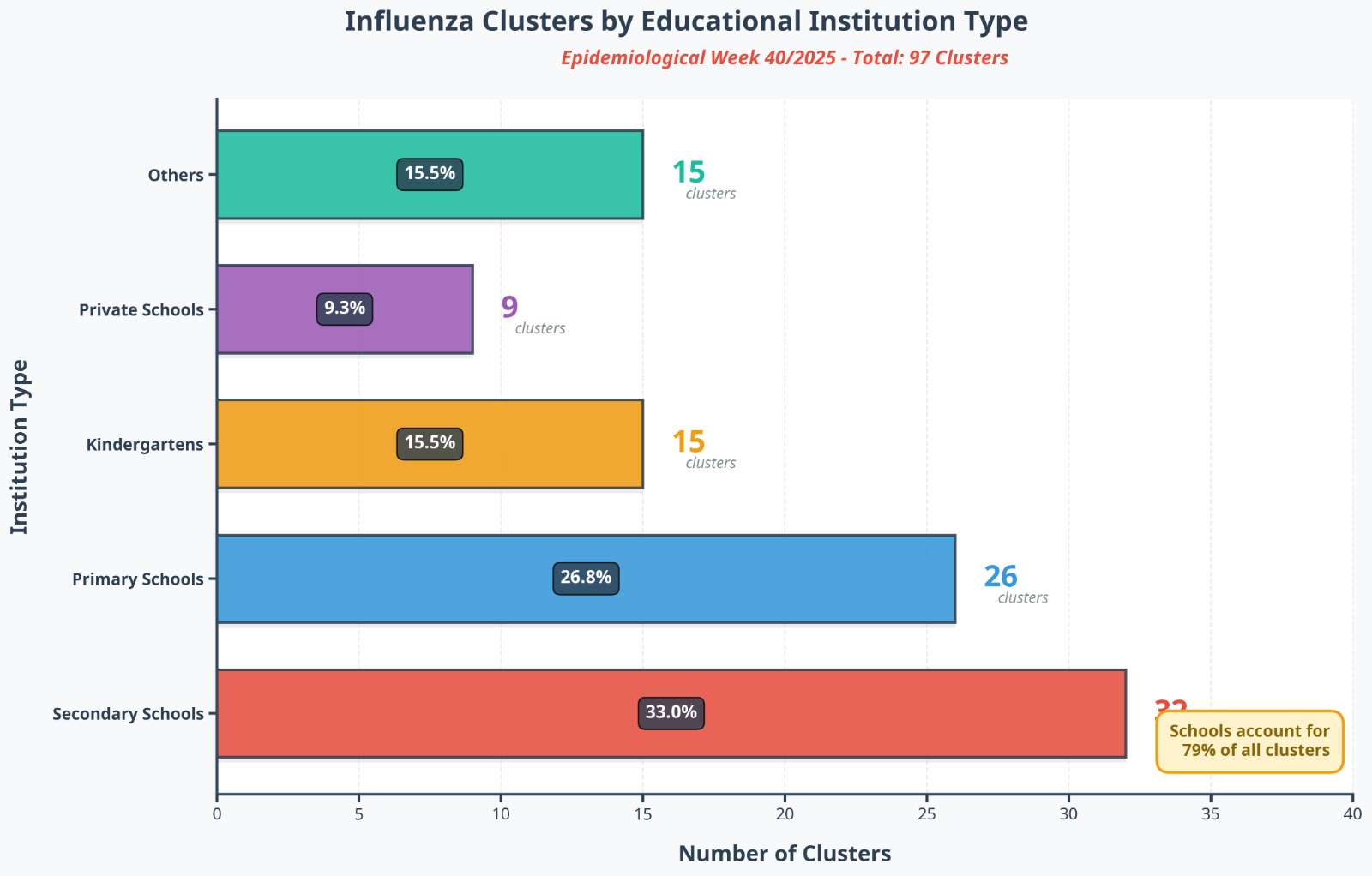
As the charts below illustrate, the outbreak is widespread, with Selangor reporting the highest number of clusters at 43, followed by Kuala Lumpur and Putrajaya with 15 clusters. Secondary schools have been hit hardest, accounting for 32 of the reported clusters, with primary schools following closely at 26 clusters. The rate of influenza-like illness (ILI) has also seen a notable increase from 5.95% to 7.38% over the week, signaling a pressing need for greater public awareness and effective management strategies.
In light of this situation, renowned researcher and expert in cellular therapy, Prof. Mike Chan, offers his perspective on understanding the virus and navigating treatment and prevention. With decades of experience in treating complex health conditions for a global clientele, including celebrities, heads of state, sports athletes, and highly influential individuals, Prof. Mike Chan emphasizes a comprehensive and proactive approach to managing this seasonal threat.
We must recognize that Influenza A is not just a common flu
One of the first steps in tackling the current influenza wave is to understand the nature of the virus. Influenza A is a highly contagious respiratory illness that can lead to serious health complications if not managed properly. Unlike a common cold, its onset is sudden and symptoms are far more severe. Many people underestimate its potential impact, which can range from severe body aches and high fever to life-threatening conditions like pneumonia and Acute Respiratory Distress Syndrome (ARDS).
The tragic case of Taiwanese actress Barbie Hsu serves as a stark reminder of influenza’s deadly potential. At just 48 years old, Hsu died from influenza-induced pneumonia in February 2025 after contracting the virus while vacationing in Japan with her family. Despite seeking medical treatment at multiple healthcare facilities, her condition worsened rapidly, leading to hospitalization and her passing within days. Her untimely death has sparked renewed discussions across Asia about the serious risks of influenza and the critical importance of immune preparedness.
The table below provides a clear comparison between the symptoms of Influenza A and a common cold, highlighting the key differences that can help in early identification.
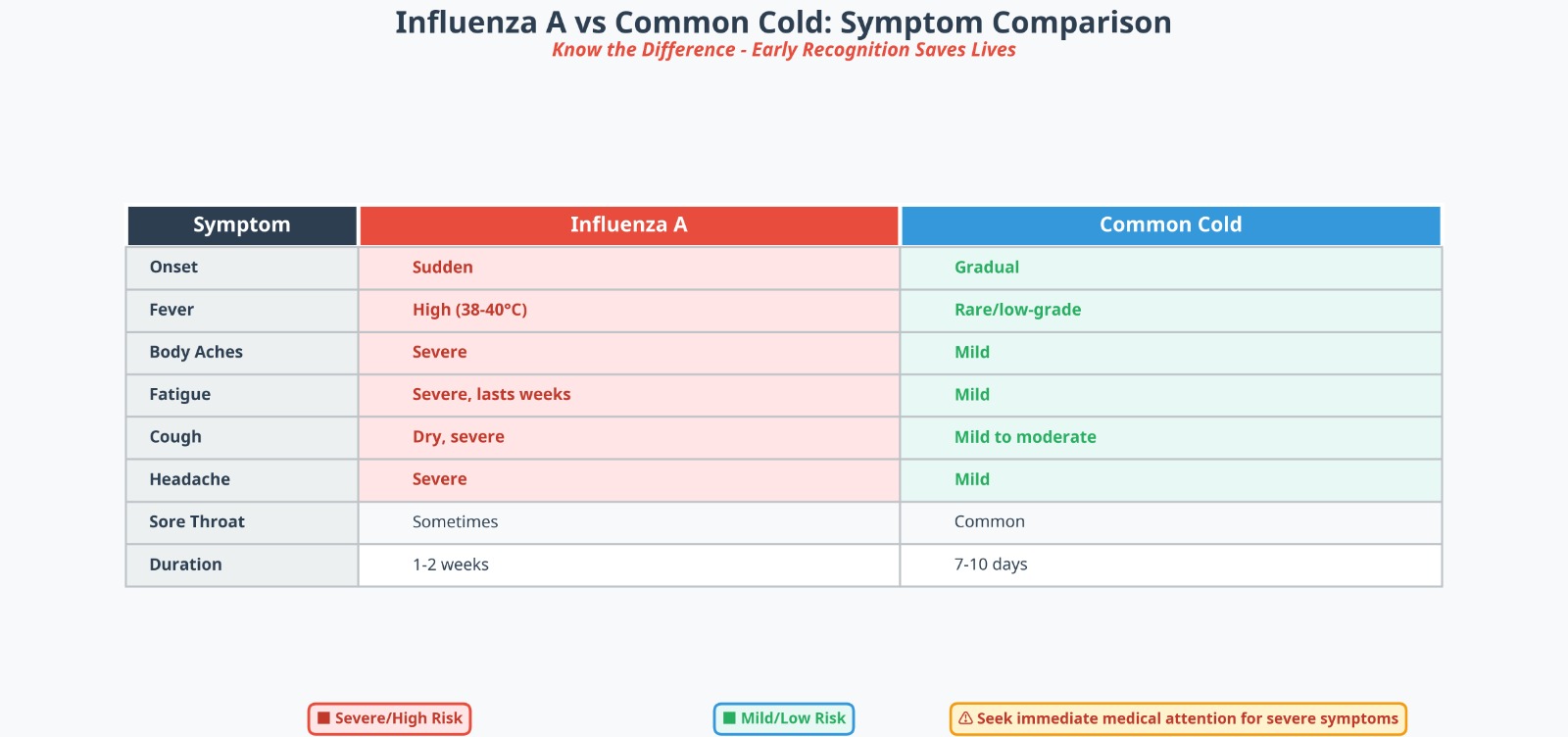
Recognizing these distinctions is crucial for seeking timely medical care. For high-risk groups—including young children under five years old, the elderly aged 65 and above, pregnant women, and individuals with chronic health conditions such as asthma, diabetes, or heart disease—the flu can be particularly dangerous. In the current outbreak, a Special Education Integrated Programme class at Sekolah Kebangsaan Taman Permas Jaya 2 in Johor was ordered to close for ten days after five students, a teacher, and a student management assistant tested positive, with fifteen other students exhibiting symptoms. This case underscores the rapid transmission potential of the virus in educational settings.
Prof. Mike Chan advocates for a multi-faceted strategy to combat the virus effectively
When it comes to treatment, Prof. Mike Chan suggests moving beyond a one-size-fits-all approach. He recommends a comprehensive protocol that integrates conventional medical treatments with advanced holistic therapies to not only fight the virus but also support the body’s recovery and long-term health. His approach is grounded in the principle of strengthening the body from a cellular level.
“Early and decisive action is paramount,” states Prof. Mike Chan. “We cannot afford to wait for the infection to take hold. A comprehensive treatment plan, initiated within the first 48 hours, can significantly alter the course of the illness and prevent severe complications.”
His suggested treatment protocol includes a combination of antiviral medications, which are most effective when started early, alongside powerful supportive therapies. These include molecular hydrogen therapy to reduce inflammation and oxidative stress in the lungs, and a targeted regimen of vitamins and supplements to enhance the immune response.
“Our approach combines the best of conventional medicine, such as antivirals, with advanced holistic therapies,” he explains. “We must look beyond just managing symptoms and focus on supporting the body’s own healing and regenerative capabilities at a cellular level.”
Detailed Treatment Protocol Implementation
Prof. Mike Chan’s treatment approach is structured around several key pillars, each with specific implementation guidelines and expected outcomes. Understanding how to properly execute these protocols can make the difference between a mild illness and severe complications.
Antiviral Medication Protocol
The foundation of conventional treatment begins with antiviral medications, which work by inhibiting the virus’s ability to replicate within the body. Prof. Mike Chan recommends starting antiviral therapy immediately upon diagnosis, ideally within the first 48 hours of symptom onset. The most commonly prescribed medication is Oseltamivir (Tamiflu), administered at 75mg twice daily for five days. For patients who cannot tolerate oral medications, Peramivir can be administered intravenously as a single dose, while those without underlying respiratory conditions may use Zanamivir as an inhaled treatment.
The expected outcome of early antiviral intervention is a reduction in symptom severity by approximately 30-40% and a shortened illness duration of one to two days. More importantly, antivirals significantly reduce the risk of serious complications such as pneumonia, particularly in high-risk populations. Patients typically notice improvement in fever and body aches within 24-36 hours of starting treatment, though the full course must be completed to prevent viral resistance.
Molecular Hydrogen Therapy Implementation
One of the most innovative aspects of Prof. Mike Chan’s protocol is the incorporation of molecular hydrogen therapy, a treatment that has shown remarkable promise in reducing oxidative stress and inflammation in respiratory tissues. This therapy involves inhaling hydrogen gas at a concentration of 2-4% for one to two hours daily throughout the illness period.
The implementation requires a specialized hydrogen inhalation device, which can be used at home or in a clinical setting. Patients sit comfortably while breathing normally through a nasal cannula or face mask connected to the hydrogen generator. The therapy is painless and well-tolerated, with most patients reporting no discomfort during treatment sessions.
The mechanism of action is particularly relevant for influenza infections. When the virus attacks respiratory cells, it triggers an inflammatory cascade and generates harmful free radicals that damage lung tissue. Molecular hydrogen acts as a selective antioxidant, neutralizing these damaging molecules while preserving beneficial oxidative processes necessary for immune function. Research has demonstrated that hydrogen therapy can reduce inflammatory markers by 40-60% and improve oxygen saturation levels in patients with respiratory infections.
Expected outcomes include noticeable improvement in breathing difficulty within 12-24 hours, reduced cough severity after two to three days, and protection against the development of secondary bacterial pneumonia. For severe cases presenting with low oxygen saturation, hydrogen therapy can help prevent progression to Acute Respiratory Distress Syndrome, a life-threatening complication that requires intensive care.
Immune Enhancement Through Targeted Supplementation
Prof. Mike Chan places significant emphasis on supporting the immune system through strategic supplementation, viewing this as essential for both fighting the active infection and preventing future illness. His protocol involves a carefully calibrated combination of vitamins and minerals, each serving a specific purpose in immune function.
Vitamin C Protocol: Patients are advised to take 1000-2000mg of vitamin C daily, divided into two or three doses to maintain consistent blood levels. Vitamin C supports the production and function of white blood cells, particularly neutrophils and lymphocytes, which are critical for fighting viral infections. It also acts as a powerful antioxidant, protecting immune cells from oxidative damage during the inflammatory response. For individuals with active infection, Prof. Mike Chan may recommend higher doses up to 3000mg daily under medical supervision. Expected outcomes include enhanced immune response, faster recovery time, and reduced severity of symptoms. Patients often report improved energy levels and reduced fatigue within three to five days of supplementation.
Vitamin D3 Protocol: Given that vitamin D deficiency is widespread and strongly correlated with increased susceptibility to respiratory infections, Prof. Mike Chan recommends 2000-4000 IU of vitamin D3 daily. This fat-soluble vitamin plays a crucial role in immune modulation, helping to balance the immune response to prevent both inadequate defense and excessive inflammation. During the acute infection phase, a loading dose of 5000 IU daily for the first week may be recommended, followed by maintenance dosing. The expected outcome is improved immune coordination, with studies showing that adequate vitamin D levels can reduce the risk of respiratory infections by 30-50%. For those already infected, vitamin D supplementation helps prevent the cytokine storm phenomenon that can lead to severe complications.
Zinc Protocol: Zinc supplementation at 15-30mg daily is another cornerstone of Prof. Mike Chan’s immune enhancement strategy. Zinc has direct antiviral properties, interfering with viral replication mechanisms, and is essential for the proper functioning of T-cells and natural killer cells. The protocol typically involves taking zinc gluconate or zinc picolinate with food to minimize gastrointestinal upset. For acute infections, Prof. Mike Chan may recommend zinc lozenges every two to three hours during waking hours for the first three days, providing localized antiviral action in the throat. Expected outcomes include reduced duration of symptoms by one to two days and decreased severity of sore throat and cough. It is important not to exceed 40mg daily for extended periods, as excessive zinc can interfere with copper absorption.
Selenium and Probiotics: Selenium supplementation at 100-200mcg daily provides additional antioxidant support through its role in glutathione peroxidase, an enzyme that protects cells from oxidative damage. Probiotics, administered at 10-50 billion colony-forming units daily, support immune function through the gut-immune axis, as approximately 70% of immune cells reside in the gastrointestinal tract. The expected outcome is enhanced overall immune resilience and reduced risk of secondary infections.
Omega-3 Fatty Acids: Prof. Mike Chan recommends 1000-2000mg of omega-3 fatty acids daily, preferably from fish oil containing EPA and DHA. These essential fatty acids help resolve inflammation through the production of specialized pro-resolving mediators, which actively promote the resolution phase of the immune response. This is particularly important in preventing the chronic inflammation that can persist after viral clearance. Expected outcomes include reduced inflammatory symptoms, improved lung function recovery, and decreased risk of post-viral complications.
Nutritional Support and Dietary Modifications
Nutrition plays a critical role in Prof. Mike Chan’s treatment protocol, as the body’s metabolic demands increase significantly during infection. He recommends a high-protein diet providing 1.2-1.5 grams of protein per kilogram of body weight daily to support tissue repair and immune cell production. Excellent sources include lean poultry, fish, eggs, legumes, and Greek yogurt.
Antioxidant-rich foods form another pillar of the dietary approach. Berries, particularly blueberries and elderberries, contain compounds that have demonstrated antiviral properties in research studies. Leafy greens such as spinach and kale provide vitamins A, C, and E, along with numerous phytonutrients that support immune function. Citrus fruits offer additional vitamin C and bioflavonoids that enhance its absorption and effectiveness.
Prof. Mike Chan strongly emphasizes the importance of bone broth, which provides easily digestible protein, minerals, and collagen that support gut health and immune function. The warm liquid also helps maintain hydration and soothes irritated respiratory passages. Patients are advised to consume two to three cups of bone broth daily during the acute illness phase.
Conversely, Prof. Mike Chan recommends strictly avoiding processed foods, refined sugars, and excessive carbohydrates during infection. Research has shown that high sugar intake can suppress immune function for several hours after consumption, impairing the body’s ability to fight the virus. Alcohol should also be avoided, as it interferes with immune cell function and can worsen dehydration.
The expected outcome of proper nutritional support is faster recovery, reduced symptom severity, and decreased risk of complications. Patients who follow these dietary guidelines typically report improved energy levels and appetite within four to six days, compared to seven to ten days for those without nutritional optimization.
Cellular Regeneration and Advanced Therapies
For severe cases or patients with significant underlying health conditions, Prof. Mike Chan may recommend advanced cellular regeneration therapies. These treatments, which draw from his extensive research in regenerative medicine, aim to support the body’s natural healing processes at the cellular level.
Peptide therapy involves the use of specific amino acid sequences that can modulate immune function and promote tissue repair. Thymosin alpha-1, for example, has been shown to enhance T-cell function and may be particularly beneficial for immunocompromised patients with influenza. Growth factors can stimulate the repair of damaged respiratory epithelium, accelerating recovery from viral-induced tissue damage.
In the most severe cases, particularly those involving significant lung damage or multi-organ complications, cellular extracts or stem cell-based approaches may be considered. These advanced therapies work by providing signaling molecules and growth factors that support tissue regeneration and modulate excessive inflammation. While these treatments are typically reserved for hospitalized patients with severe disease, they represent the cutting edge of Prof. Mike Chan’s integrative approach.
Expected outcomes for patients receiving advanced cellular therapies include faster resolution of lung damage, reduced need for mechanical ventilation in severe cases, and improved long-term lung function. Recovery times can be shortened by 30-50% compared to conventional treatment alone, though these therapies require careful medical supervision and are not appropriate for all patients.
Supportive Care and Lifestyle Modifications
Prof. Mike Chan emphasizes that even the most advanced medical treatments cannot compensate for inadequate rest and hydration. He recommends that patients get seven to nine hours of sleep per night, with additional daytime rest as needed during the acute illness phase. Sleep is when the body performs critical immune functions and tissue repair, making it essential for recovery.
Hydration is equally important, with a recommendation of two to three liters of fluids daily. This includes water, herbal teas, clear broths, and electrolyte solutions. Adequate hydration helps thin respiratory secretions, making them easier to expel, and supports all cellular functions including immune responses. Patients should monitor their urine color, aiming for pale yellow as an indicator of adequate hydration.
Isolation during the contagious period, typically five to seven days after symptom onset, is crucial for preventing community spread. Prof. Mike Chan advises patients to remain home from work or school and to maintain distance from household members when possible, especially those in high-risk categories.
Breathing exercises and gentle respiratory physiotherapy can help maintain lung function and prevent complications. Simple techniques such as deep breathing exercises, performed for five minutes every two hours while awake, help expand the lungs fully and prevent the accumulation of secretions that could lead to secondary bacterial infections.
Monitoring and When to Escalate Care
An essential component of Prof. Mike Chan’s protocol is careful monitoring for signs that medical intervention needs to be escalated. Patients or their caregivers should watch for warning signs including difficulty breathing or shortness of breath at rest, persistent chest pain or pressure, high fever above 40°C that does not respond to antipyretics, severe weakness or dizziness, confusion or altered mental state, persistent vomiting, or bluish discoloration of the lips or face.
Any of these symptoms warrant immediate medical attention, as they may indicate the development of serious complications such as pneumonia, myocarditis, or sepsis. Prof. Mike Chan emphasizes that early recognition and treatment of complications can be life-saving, particularly for high-risk individuals.
For most patients following the comprehensive protocol, expected outcomes include resolution of fever within three to five days, significant improvement in respiratory symptoms within one week, and return to normal activities within two weeks. However, some fatigue may persist for several weeks, and Prof. Mike Chan recommends continuing immune support supplementation for at least one month after symptom resolution to ensure complete recovery and reduce the risk of relapse.
Proactive prevention is our strongest defense against influenza
While effective treatments are available, Prof. Mike Chan firmly believes that prevention remains the most powerful tool in combating influenza. Building a resilient immune system and adopting consistent preventive habits are key to protecting oneself and the community.
“While we have effective treatments, the ultimate victory lies in prevention,” Prof. Mike Chan advises. “Optimizing your immune system and practicing diligent hygiene are not just seasonal habits but a year-round commitment to your health and the well-being of the community.”
Annual vaccination is a cornerstone of prevention, especially for high-risk individuals. The flu vaccine, while not perfect, typically provides 40-60% protection against infection and significantly reduces the severity of illness in those who do become infected. Prof. Mike Chan recommends that everyone six months and older receive the annual flu vaccine, ideally before the start of flu season. For those who have already been vaccinated this year, maintaining other preventive measures remains crucial given the current outbreak.
However, a holistic prevention strategy also involves consistent lifestyle choices. This includes maintaining excellent hand hygiene by washing hands with soap and water for at least 20 seconds, especially after being in public spaces, before eating, and after coughing or sneezing. When soap and water are not available, hand sanitizers with at least 60% alcohol content provide effective alternative protection.
Environmental measures are particularly important in the current outbreak affecting schools. Ensuring adequate ventilation in indoor spaces by opening windows when weather permits, using air purifiers with HEPA filters, and regularly disinfecting high-touch surfaces can significantly reduce transmission risk. Schools and workplaces should implement enhanced cleaning protocols and encourage symptomatic individuals to stay home.
Adopting a nutrient-rich diet year-round, getting sufficient rest, managing stress through techniques such as meditation or exercise, and avoiding smoking and excessive alcohol consumption all contribute to a robust immune system. Regular supplementation with immune-boosting vitamins, even when not actively ill, can help maintain optimal immune function and reduce susceptibility to infection.
Advanced Immune Optimization for High-Risk Individuals
In response to cases like Barbie Hsu’s tragic death, Prof. Mike Chan has emphasized the critical importance of advanced immune optimization, particularly for individuals at higher risk of severe influenza complications. He highlights two key elements in immune defense that deserve special attention: the thymus gland and Super Transfer Factor therapy.
The Thymus Gland: Your Immune System’s Training Ground
According to Prof. Mike Chan, the thymus gland is one of the body’s most vital immune organs, playing a crucial role in T-cell production and immune regulation. The thymus serves as the “training ground” for T-cells, which are the immune system’s frontline defenders against infections. It teaches these cells to recognize and attack pathogens, including viruses like influenza.
However, the thymus is most active during childhood and adolescence. As people age, it gradually shrinks and loses its effectiveness through a process known as thymic involution. This natural decline results in a reduced ability to generate new T-cells, making older adults more vulnerable to infections. Prof. Mike Chan explains that as we age, our thymus shrinks and our immune system weakens, which is why older adults and individuals with compromised immune function are more susceptible to severe flu complications.
The professor suggests that supporting thymic function through targeted therapies and lifestyle changes could help maintain immune resilience. This includes nutritional support with specific amino acids and peptides that promote thymic health, as well as lifestyle modifications that reduce the rate of thymic involution.
Super Transfer Factor Therapy: A New Frontier in Immune Enhancement
In addition to thymic health, Prof. Mike Chan advocates for Super Transfer Factor (STF) therapy as a promising method to enhance immune response and adaptability. Super Transfer Factor is an advanced immunotherapy designed to boost the body’s ability to recognize and fight infections. It essentially “educates” immune cells by transferring immunity from healthy donors to individuals with weakened immune systems.
Super Transfer Factor contains specialized molecules that help immune cells identify and respond to pathogens more effectively, reducing the risk of severe infections. These molecules function in three key ways. First, through immune activation, STF enhances immune readiness by stimulating T-cells and other immune defenses. Second, it improves pathogen recognition, helping the immune system recognize harmful microbes and ensuring a faster and more targeted response. Third, it provides immune regulation, preventing overactive immune responses and reducing the risk of excessive inflammation, which can be dangerous in conditions like pneumonia.
Studies have shown that Super Transfer Factor therapy can improve immune response in individuals with compromised immunity, making it a valuable tool in preventing severe flu complications. This therapy is particularly beneficial for high-risk groups, including elderly individuals whose thymus function has declined, people with chronic illnesses that weaken immune function, cancer patients and individuals undergoing immunosuppressive treatments, and children and individuals frequently exposed to viral infections.
Prof. Mike Chan notes that while the flu vaccine is important, we also need to ensure that our immune system is strong enough to fight infections effectively. This is where therapies like Super Transfer Factor and thymic support can play a crucial role. Strengthening immunity through a proactive approach—whether through thymic support, immunotherapy, or lifestyle and nutritional strategies—can make a significant difference in preventing severe flu complications.
Lessons from Barbie Hsu’s Tragic Death
The sudden loss of Barbie Hsu on February 2nd, 2025, served as a wake-up call for many regarding the serious risks of influenza. While the flu is often dismissed as a minor illness, severe cases can lead to life-threatening complications, particularly in those with weakened immune systems. Prof. Mike Chan emphasizes that the key takeaway from this tragedy is the importance of immune preparedness. We cannot take our immune health for granted, he states. Strengthening our body’s natural defenses through thymic support and immunotherapy could be life-saving.
He urges individuals to take proactive steps in boosting their immune health, including getting vaccinated to reduce flu risk, supporting thymic function through nutrition and targeted therapies, considering Super Transfer Factor therapy for enhanced immune response, and maintaining a healthy lifestyle with proper diet, exercise, and stress management.
Prof. Mike Chan concludes with a powerful message: Influenza can be deadly, but we have the tools to protect ourselves. It is time to take immune health seriously and ensure that tragedies like Barbie Hsu’s death do not happen in vain. Influenza is not just a seasonal inconvenience, he reminds us. It is a serious disease that can have fatal consequences. We must take every measure to protect ourselves and our loved ones.
Seeking Personalized Advanced Treatment
For individuals who wish to take their influenza treatment and immune optimization further, Prof. Mike Chan offers personalized advanced treatment programs through European Wellness. These programs are tailored to individual health profiles and may include comprehensive immune system assessment, customized supplementation protocols, molecular hydrogen therapy sessions, Super Transfer Factor immunotherapy, thymic support treatments, cellular regeneration therapies, and ongoing monitoring and adjustment of treatment plans.
Prof. Mike Chan’s insights are deeply informed by his extensive work in the field of regenerative medicine and cellular health. His approach recognizes that respiratory infections like influenza do not merely cause temporary illness but can have lasting effects on cellular health and organ function. By addressing infections comprehensively and supporting cellular regeneration, Prof. Mike Chan’s protocols aim not just to resolve the immediate illness but to protect long-term health and vitality.
As Malaysia confronts this surge in influenza cases, a calm, informed, and proactive response is essential. The Ministry of Health has advised patients to get adequate rest, drink plenty of water, and practice proper cough etiquette and personal hygiene to prevent spreading the infection to others. School authorities have been instructed to monitor students with symptoms, ensure they seek immediate treatment and are isolated, and notify district health offices in the event of increased cases to enable immediate control measures.
By understanding the virus, embracing Prof. Mike Chan’s comprehensive approach to treatment, and committing to robust prevention strategies, we can effectively navigate this public health challenge and safeguard our well-being. The integration of conventional medicine with advanced holistic therapies offers a pathway not only to recovery but to enhanced resilience against future health threats.
Reference:
This article is based on the recent news report from Free Malaysia Today. For the original report, please visit: https://www.freemalaysiatoday.com/category/nation/2025/10/09/influenza-a-and-b-infection-clusters-rise-sharply
For those interested in personalized advanced treatment and immune optimization programs by Prof. Mike Chan, please contact European Wellness for consultation.
Follow European Wellness:



Follow European Wellness Academy:
Follow Prof. Dato’ Sri Dr. Mike Chan:

Related Posts