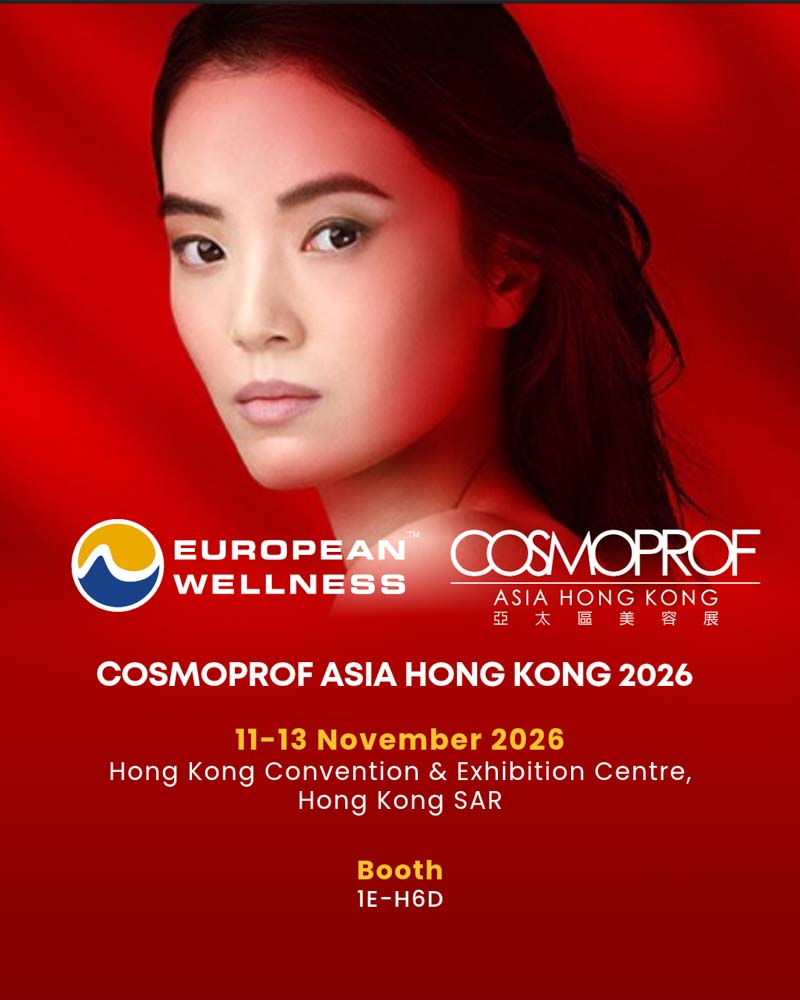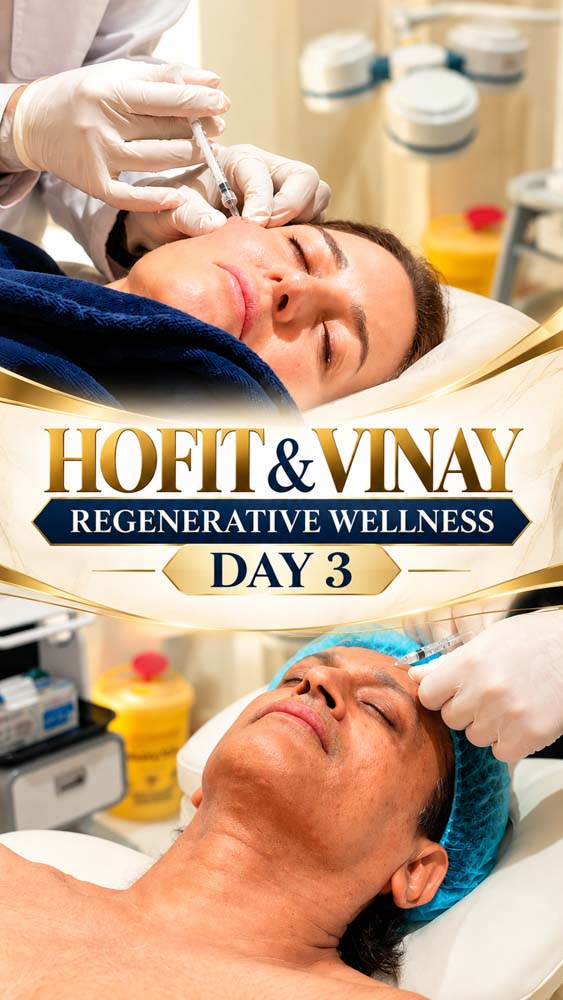
Immerse yourself in a glamorous landscape of emerging trends and lucrative opportunities at Cosmoprof Asia…
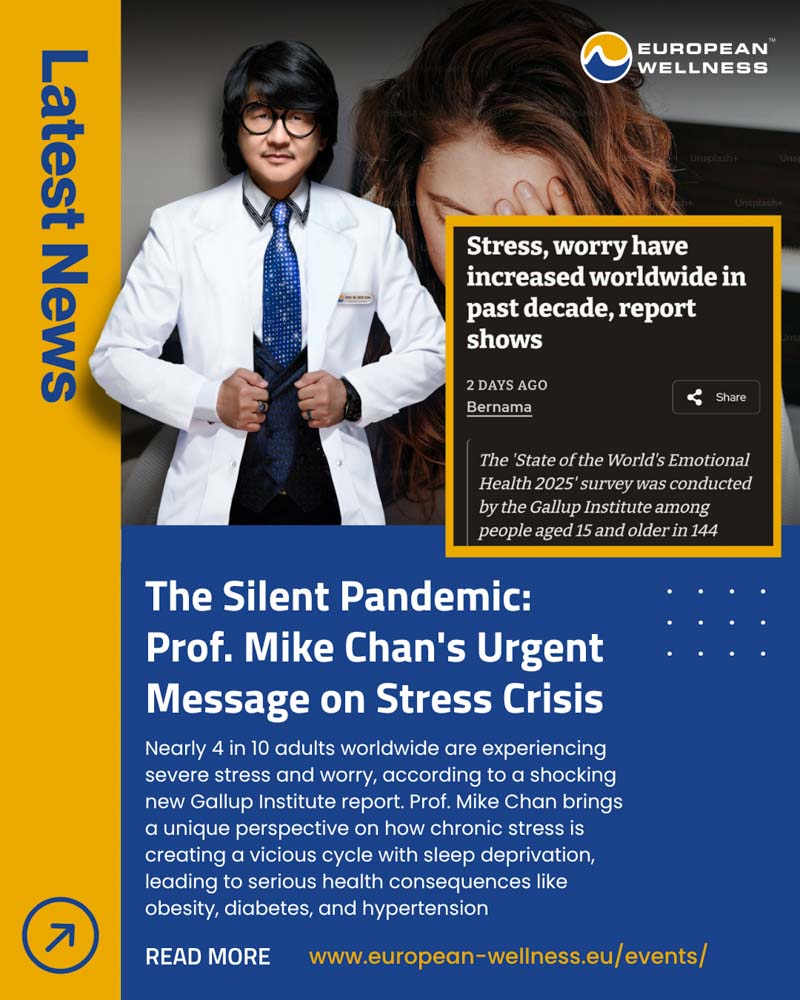
The Silent Pandemic Of Stress Is A Global Crisis We Can No Longer Ignore
In our fast-paced, hyper-connected world, a silent pandemic is unfolding. It doesn’t grab headlines in the same way as a physical virus, but its effects are just as pervasive and debilitating. A recent international report has cast a harsh light on this growing crisis, revealing that stress, worry, and anger have steadily increased across the globe over the past decade. The “State of the World’s Emotional Health 2025” report, conducted by the Gallup Institute across 144 countries, found that nearly four in ten adults reported experiencing significant worry or severe stress. While these feelings are a natural part of the human experience, their sustained and escalating presence points to a deeper societal issue that demands our attention. The study highlights a crucial oversight by global leaders who often prioritize economic indicators over the emotional well-being of their populations, a mistake that could make societies more vulnerable to instability. As we grapple with this reality, the work of experts like Prof. Mike Chan becomes increasingly vital in helping us understand and navigate the complexities of our emotional health.
Prof. Mike Chan explains the intricate connection between our minds and bodies
To address this global rise in stress, we must first understand what it is and how it affects us. Prof. Mike Chan, a distinguished researcher and senior technical consultant with the European Wellness group, has dedicated his career to exploring this very question. He explains that stress is fundamentally the body’s natural defense mechanism, a “fight-or-flight” response to challenges and demands. This response is not inherently negative. In fact, Prof. Mike Chan distinguishes between different types of stress, including “eustress,” which is the positive, energizing feeling you might get from an exciting challenge, like skiing down a mountain. However, the problem arises when stress becomes chronic or overwhelming. He identifies “distress” as the negative form that leaves us feeling overwhelmed and can lead to anxiety and a decrease in performance. Chronic stress, as he describes it, is a prolonged and constant feeling of pressure that can stem from difficult life situations like a demanding job or the breakdown of a relationship. This relentless state of alert, as Prof. Mike Chan notes, slowly “destroys bodies, minds, and lives.” One of the most immediate casualties of this state is our sleep. Stressful events impair our ability to get restorative sleep, and in a cruel twist, sleep deprivation itself worsens our stress patterns, trapping us in a vicious cycle of exhaustion and anxiety.
Our modern world is a breeding ground for chronic stress and its consequences
The findings from the Gallup report, which show that 37% of adults experience high levels of stress, underscore a reality that Prof. Mike Chan has long recognized in his work. Our modern lifestyle, with its constant notifications, demanding work cultures, and societal pressures, has become a perfect breeding ground for chronic and episodic acute stress. The latter, as Prof. Mike Chan defines it, is a state where acute stress becomes a relentless part of daily life, leading to a perpetual state of distress with physical symptoms like tension headaches, migraines, and hypertension. The consequences extend far beyond these immediate feelings of being overwhelmed. In his research, Prof. Mike Chan connects chronic stress to a host of serious health problems, including obesity, diabetes, high cholesterol, and high blood pressure.
Perhaps most alarming is Prof. Mike Chan’s observation that stress itself is one of the main causes of cancer. When we experience chronic stress, our bodies release cortisol, a hormone that is responsible for abnormal changes in the body’s hormonal system. Cancer, as Prof. Mike Chan explains, is fundamentally an abnormal hormonal activity within the human body. This connection between stress-induced cortisol release and cancer development represents a critical health risk that many people overlook. Beyond stress, he notes that our natural aging process also increases cancer vulnerability. The statistics are sobering. After the age of 60, one in two women and one in three men will face a cancer diagnosis. This reality underscores the urgent need to address stress not just as a quality-of-life issue, but as a serious threat to our long-term health and survival.
This aligns with the World Health Organization’s definition of mental health as a state of well-being that allows individuals to cope with the normal stresses of life and contribute to their community. When stress becomes unmanageable, it directly erodes this foundation of well-being, affecting not just our internal emotional state but also our daily lives, our relationships, and our physical health.
Innovative wellness strategies offer new hope for managing our emotional health
Recognizing the scale of the problem is the first step, but finding effective solutions is the critical next one. This is where the forward-thinking approach of Prof. Mike Chan and European Wellness offers a path forward. They operate on a philosophy of integrative biological medicine, moving beyond merely treating symptoms to assessing and preventing chronic health disorders at a cellular level. Their approach is built on “Four Pillars to Optimum Health” a comprehensive framework designed to restore the body’s natural balance. It begins with Diagnosis, using advanced biomedical assessments to identify underlying health risks, not just on a physical level but on a mental and emotional one as well. This is followed by Detoxification, a crucial step that Prof. Mike Chan emphasizes for remedying the adverse effects of stress by cleansing the body of accumulated toxins. The third pillar, Repair, employs integrative therapies to support the body’s natural healing capacity. Finally, Rejuvenation utilizes advanced biological medicine, including cellular therapies, to stimulate the body’s renewal processes. For those battling the direct impacts of stress and anxiety, European Wellness offers specific, non-invasive treatments. For instance, the Theta Chamber is a state-of-the-art therapy designed to guide the brain into a deep Theta state of relaxation, which can help alleviate anxiety, stress, and insomnia. Another example is Flotation Therapy in a sensory deprivation room, where floating effortlessly in a pod of Epsom salt water allows the brain to release endorphins, naturally eliminating tension and improving sleep. These innovative strategies exemplify a shift away from a purely pharmaceutical model towards a holistic one that empowers the body and mind to heal, offering tangible hope in our collective fight against the rising tide of stress.
This article is based on the recent news report from Free Malaysia Today. For the original report, please visit: https://www.freemalaysiatoday.com/category/leisure/2025/10/15/stress-worry-have-increased-worldwide-in-past-decade-report-shows
Follow European Wellness:



Follow European Wellness Academy:
Follow Prof. Dato’ Sri Dr. Mike Chan:

Related Posts