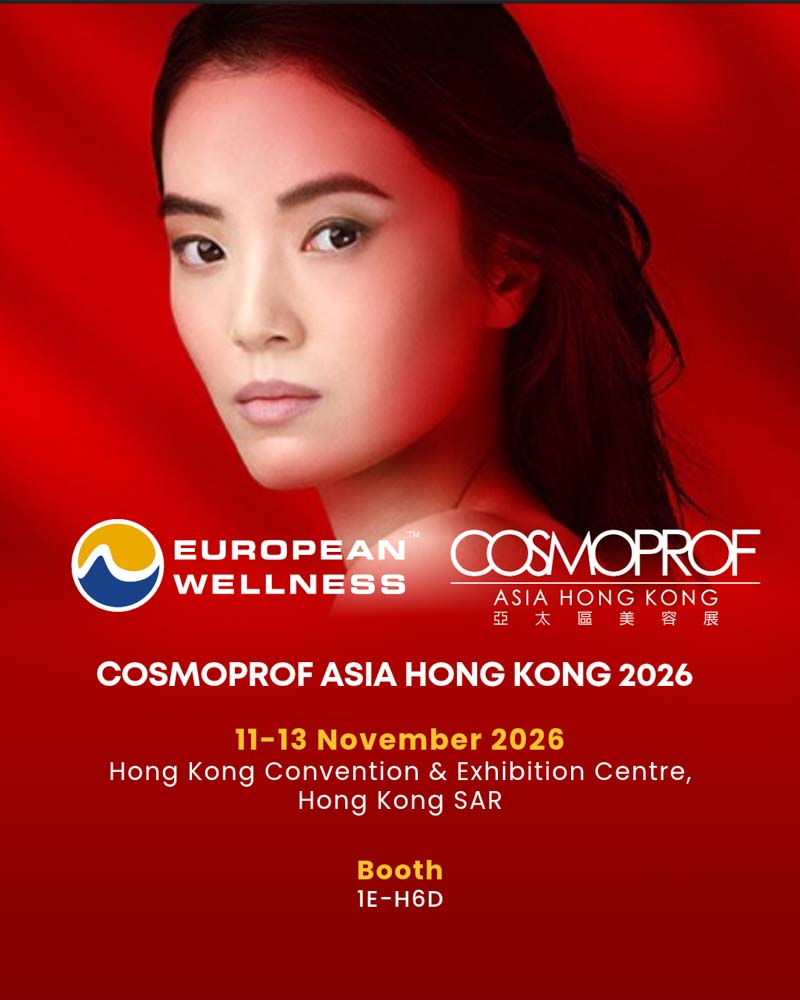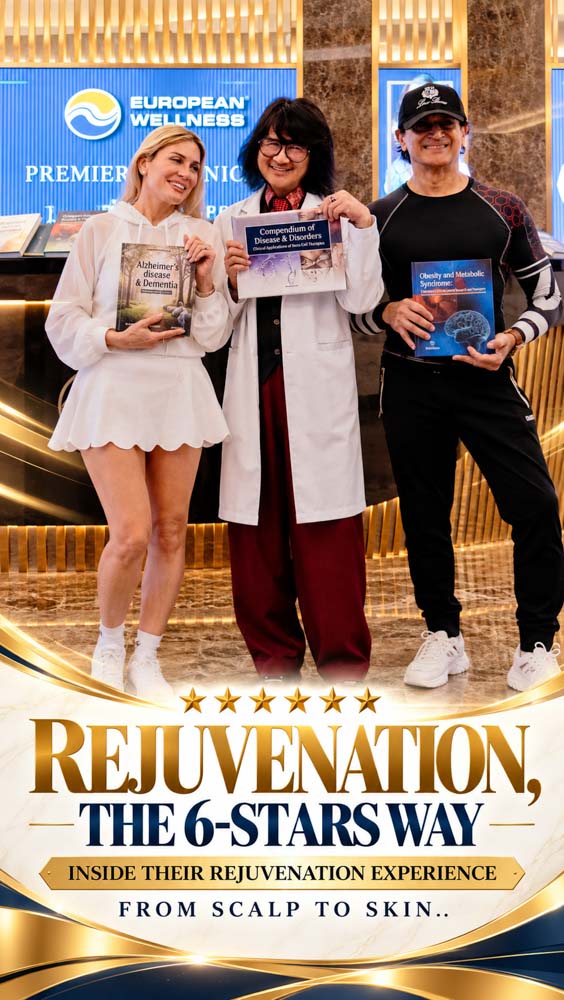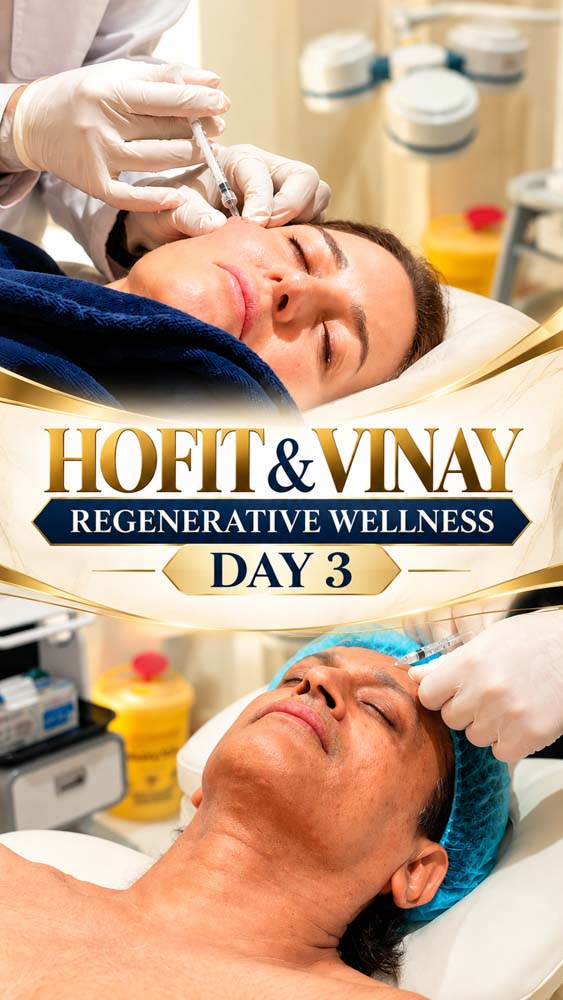
Immerse yourself in a glamorous landscape of emerging trends and lucrative opportunities at Cosmoprof Asia…
RETHINKING PARKINSON’S: Why Symptom Control Is No Longer “Enough,” said Prof. Mike Chan
World Parkinson’s Day 2026
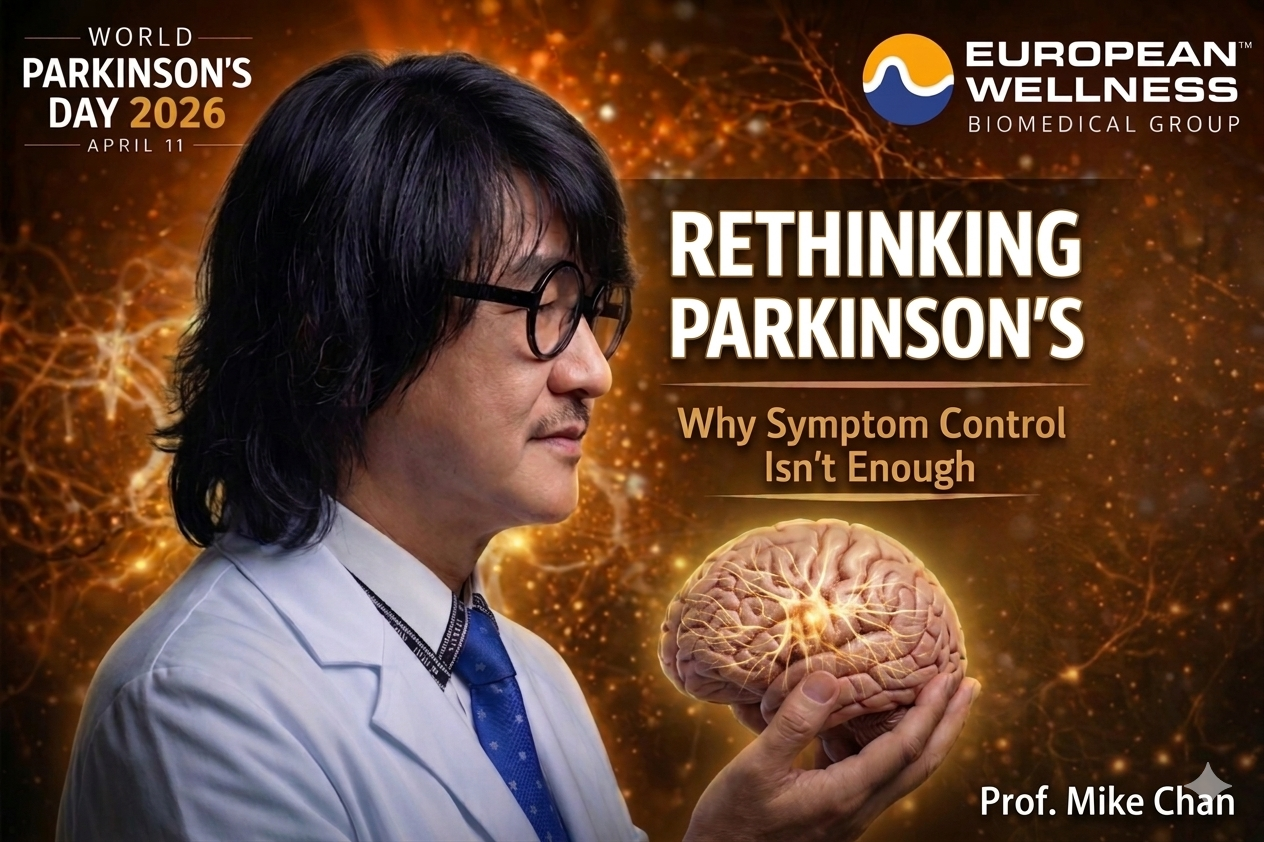
Every year on April 11, World Parkinson’s Day shines a spotlight on one of the world’s fastest-growing neurological disorders. For millions of patients and families, Parkinson’s disease is often understood through its visible signs: trembling hands, stiffness, slowed movement, balance problems, and the gradual loss of independence.
But according to Prof. Dato’ Sri Dr. Mike Chan, that picture is far too narrow.
For decades, Parkinson’s has been treated mainly as a disorder of movement — a condition managed through medication, monitored through worsening symptoms, and endured as a gradual neurological decline. But for Prof. Mike Chan, that framework is too limited, too late, and ultimately incomplete.
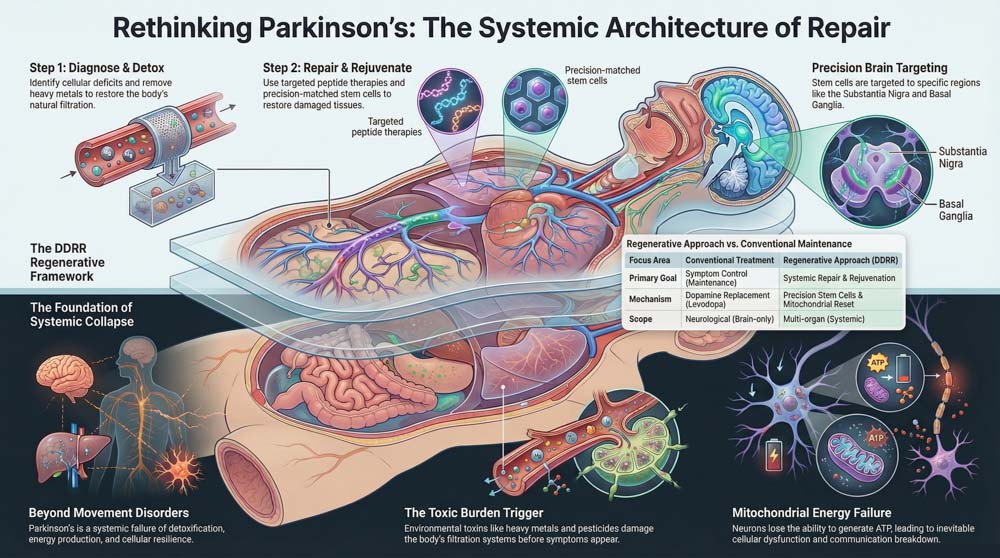
“Parkinson’s is not just a brain disorder,” he says. “It is a systemic failure of repair, detoxification, energy production, and cellular resilience. If you only treat the symptoms, you will never stop the disease.”
In conjunction with World Parkinson’s Day, Prof. Chan is urging a deeper rethink of the disease: not simply as a tremor problem or dopamine deficiency, but as a broader systemic collapse involving detoxification failure, mitochondrial dysfunction, inflammation, toxic burden, and the loss of precise neuronal networks.
A Growing Global Burden — And a Persistent Limitation
Parkinson’s disease is now widely recognized as one of the fastest-growing neurological conditions in the world. As populations age and environmental pressures rise, the burden on patients, caregivers, and healthcare systems continues to grow.
For decades, conventional treatment has centered on symptom relief. Medications such as Levodopa help replenish dopamine, while interventions like Deep Brain Stimulation (DBS) can improve motor control in selected patients. These treatments can be valuable, sometimes dramatically so, but they do not stop the underlying death of dopamine-producing neurons.
“Levodopa replaces dopamine, but it does not stop neurons from dying,” Prof. Chan says. “Over time, patients develop resistance, and complications such as dyskinesia emerge. This is not a solution — it is maintenance.”
That limitation is central to Prof. Chan’s argument. In his view, symptom control may buy time, but it does not change the biology driving the disease.
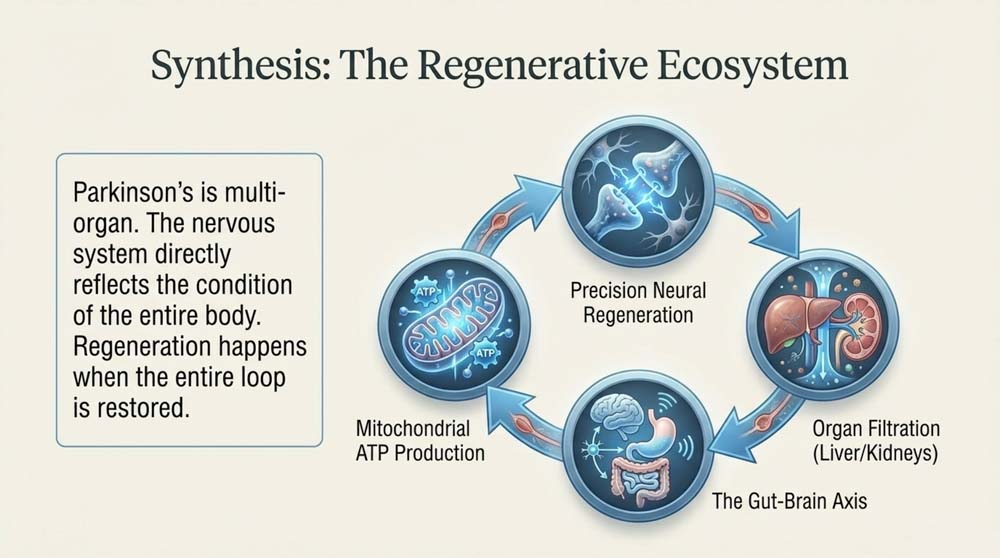
One of Prof. Chan’s key messages is that Parkinson’s should not be treated as a problem confined only to the brain. He points to the role of toxic burden, oxidative stress, inflammatory pathways, metabolic dysfunction, and impaired detoxification systems as part of the wider picture.
“The nervous system reflects the condition of the entire body,” he says. “When filtration fails, when toxicity accumulates, and when cellular energy collapses, the brain suffers.”
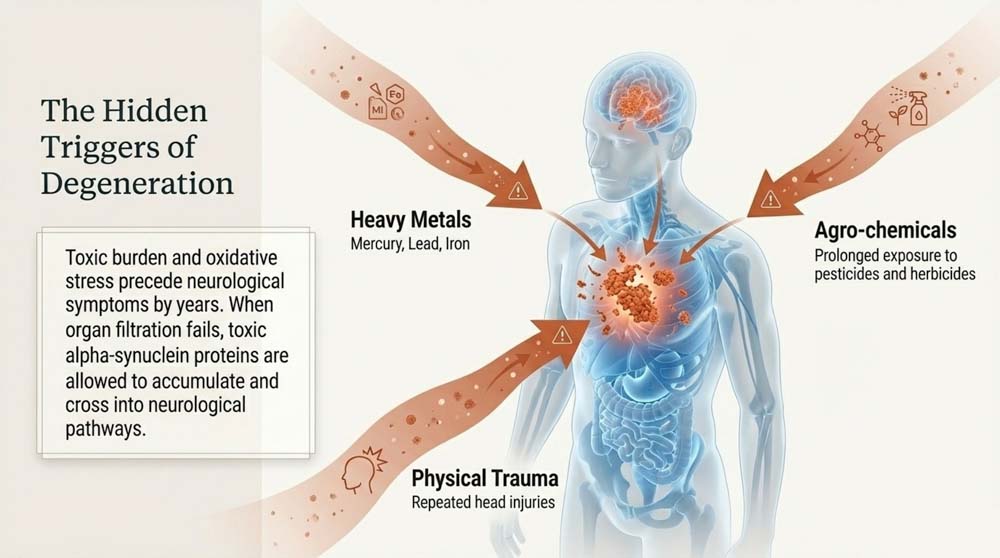
Emerging insights also point to the gut-brain axis and impaired organ filtration as part of that wider story. The buildup of toxic proteins such as alpha-synuclein—potentially linked to weakened detoxification pathways—may precede neurological symptoms by years.
“Disease does not start where symptoms appear,” Prof. Chan says. “It starts where the body first loses its ability to detoxify and repair.”
The Hidden Triggers Behind Degeneration
Prof. Chan’s approach gives weight to environmental and systemic triggers that may accelerate Parkinson’s progression. These include prolonged exposure to pesticides, herbicides, and heavy metals such as mercury, lead, and iron, as well as repeated head trauma.
This broader lens shifts the question from “How do we suppress symptoms?” to “What is still damaging the system?”
That, for Prof. Chan, is where treatment must begin.
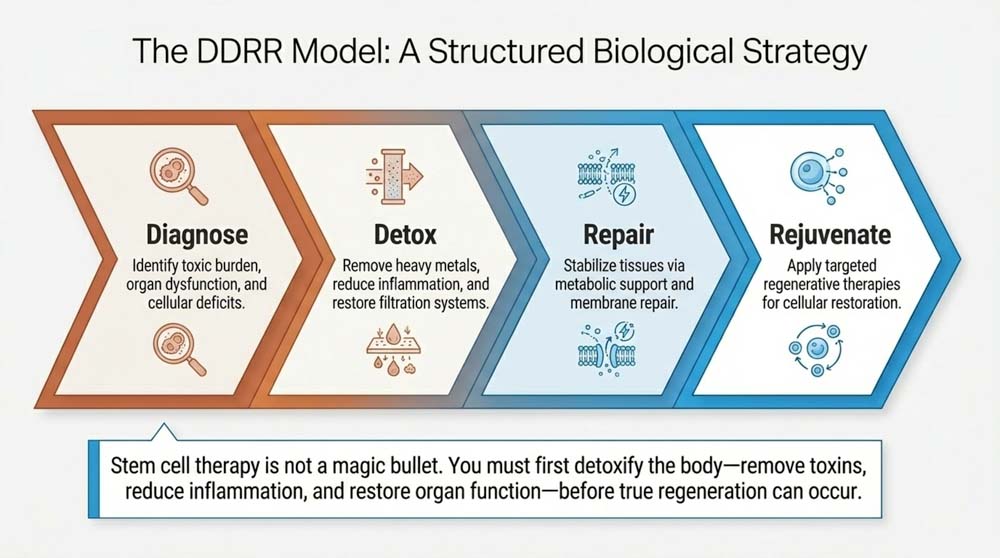
At European Wellness, Parkinson’s care is framed through the DDRR model: Diagnose, Detox, Repair, Rejuvenate — a structured, stepwise approach rather than a single therapy.
- Diagnose—Identify toxic burden, organ dysfunction, and cellular deficits
- Detox — Remove heavy metals, reduce inflammation, restore filtration systems
- Repair—Stabilize tissues through supportive therapies and metabolic support
- Rejuvenate—Apply targeted regenerative therapies for cellular restoration
“Stem cell therapy is not a magic bullet,” Prof. Chan says. “You must first detoxify the body — remove toxins, reduce inflammation, and restore organ function — before true regeneration can occur.”
Why Precision Stem Cells Matter
A defining feature of Prof. Chan’s approach is the use of precision-matched precursor stem cells, rather than generalized cell therapy.
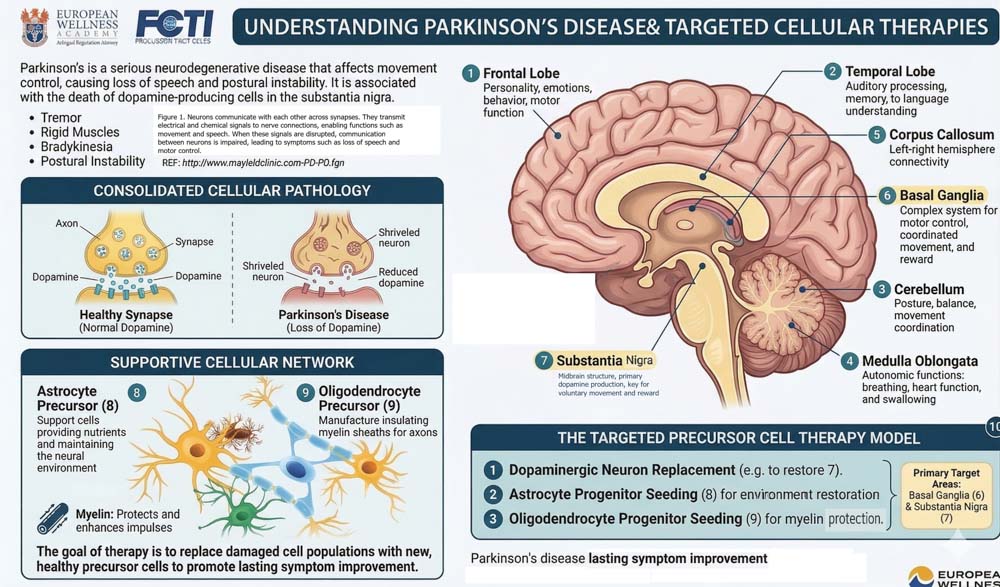
These cells are targeted to specific brain regions affected in Parkinson’s disease, including:
- Substantia nigra (dopamine production)
- Basal ganglia (movement control)
- Frontal and temporal lobes (cognition and speech)
- Cerebellum (balance and coordination)
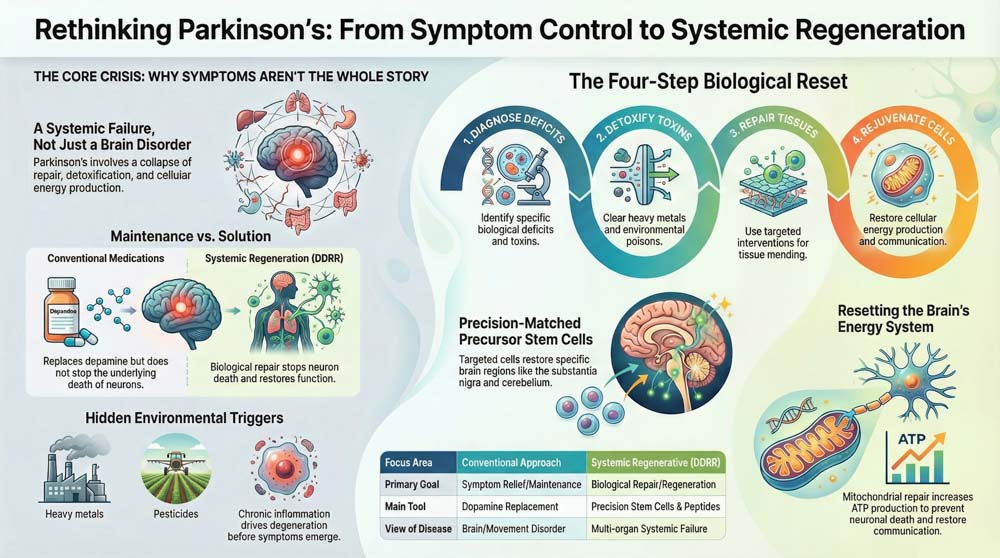
Supportive systems such as the liver, kidneys, adrenal cortex, and immune system may also be addressed, reflecting the understanding that Parkinson’s is multi-organ, not purely neurological.
“These cells are not random,” Prof. Chan explains. “They are designed to reach damaged tissue, restore communication pathways, and support regeneration.”
Resetting the Brain’s Energy System
Another major pillar of this framework is mitochondrial repair.
In Parkinson’s disease, neurons progressively lose their ability to generate ATP—the energy required for survival and communication. This energy deficit contributes directly to cellular dysfunction and degeneration.
Targeted peptide and cellular therapies aim to:
- Increase ATP production
- Reduce oxidative stress
- Prevent neuronal cell death
- Restore cellular signaling
“At the center of neurodegeneration is a failure of energy and communication,” Prof. Chan says. “If the cell cannot produce energy, decline becomes inevitable.”
These therapies include advanced peptide strategies designed to cross the blood-brain barrier, protect neurons, and stabilize mitochondrial function.
Repairing Structure to Restore Function
Beyond cellular energy and regeneration, Prof. Chan highlights the importance of cell membrane integrity.
Healthy membranes are essential for communication between neurons, nutrient transport, and toxin regulation. Damage at this level contributes to the accumulation of pathological proteins such as alpha-synuclein.
“Healthy cells require healthy membranes,” he says. “If we repair the structure, we restore the function.”
This explains why his approach is not built around a single intervention, but a coordinated system of detoxification, cellular repair, mitochondrial support, peptide therapy, and targeted regeneration.
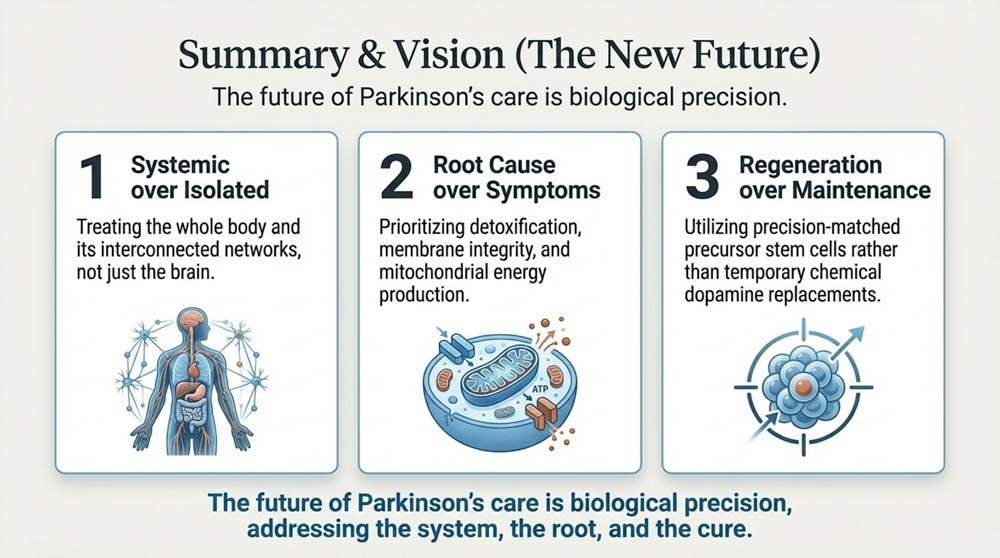
Prof. Chan does not present regenerative medicine as a simplistic cure. Instead, it is framed as a strategic approach to slowing degeneration, repairing tissue, and improving quality of life through biological precision.
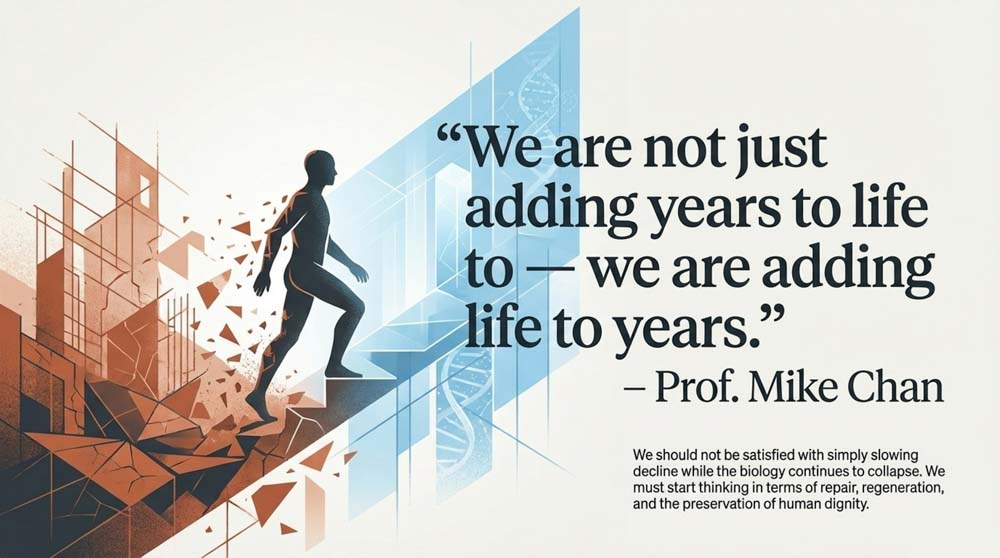
“We are not just adding years to life — we are adding life to years,” he says.
On World Parkinson’s Day, his message reflects a deeper shift—not only in science, but in philosophy.
“We should not be satisfied with simply slowing decline while the biology continues to collapse,” he says.
“We must start thinking in terms of repair, regeneration, and the preservation of human dignity.”
Redefining What Is Possible
For clients facing a diagnosis long associated with irreversible decline, this evolving perspective offers something more than treatment—it offers a reframing of what may be possible.
Not as an endpoint, but as a biological process that, with increasing precision and understanding, may one day be altered, slowed, or even partially reversed.
And that may be the most important shift of all.
Selected References (Parkinson’s & Regenerative Medicine)
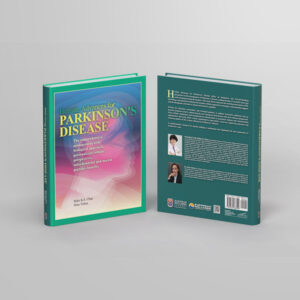
Holistic Advances for Parkinson’s Disease. European Wellness Academy. Chan, M. K. S.
https://european-wellness.eu/product/holistic-advances-for-parkinsons-disease
Key Insight: A comprehensive overview of Parkinson’s care, integrating conventional therapies with regenerative strategies to slow disease progression.
The Dawn of New Medicine – Stem Cell Therapy: Old Dogma, New Hope. European Wellness Academy. Chan, M. K. S.
https://european-wellness.eu/product/the-dawn-of-new-medicine-stem-cell-therapy-old-dogma-new-hope
Key Insight: Explores stem cell therapy for neurodegeneration, highlighting the “homing” principle and clinical applications in Parkinson’s disease.
Compendium of Diseases & Disorders – Clinical Applications of Stem Cells & Peptides with Precision in Regenerative Medicine. European Wellness Academy. Chan, M. K. S.
https://european-wellness.eu/events/new-book-compendium-diseases-disorders/
Key Insight: Details precision “systemic prescriptions,” combining brain-targeted and organ-support therapies for holistic Parkinson’s treatment.
Stem Cells in Regenerative Medicine: Carpe Diem – Carpe Vitam! Troubador Publishing Ltd. Chan, M. K. S., & Klokol, D.
https://european-wellness.eu/product/stem-cells-in-regenerative-medicine-carpe-diem-carpe-vitam
Key Insight: Explains how targeted precursor stem cells cross the blood-brain barrier to drive neurogenesis and neuroprotection.
PEPTIDES 101 – Regenerative Applications in Modern Medicine. European Wellness Academy. Chan, M. K. S., et al.
https://european-wellness.eu/product/peptides-101/
Key Insight: Demonstrates how peptide therapy enhances neuronal survival, cellular communication, and regenerative outcomes.
Cell Membrane Therapy: Clinical Practice in Brain, Liver and Cardiovascular Diseases. European Wellness Academy. Chan, M. K. S.
https://european-wellness.eu/product/cell-membrane-therapy-clinical-practice-in-brain-liver-and-cardiovascular-diseases
Key Insight: Highlights the role of membrane repair and lipid balance in restoring cellular function in neurodegenerative diseases.
A Comprehensive Guide to Biological Medicine and Wellness. Troubador Publishing Ltd. Chan, M. K. S., & Klokol, D.
https://european-wellness.eu/product/a-comprehensive-guide-to-biological-medicine-and-wellness
Key Insight: Introduces the DDRR model—Diagnose, Detox, Repair, Rejuvenate—as the foundation for effective regenerative therapy.
Follow European Wellness:



Follow European Wellness Academy:
Follow Prof. Dato’ Sri Dr. Mike Chan:

Related Posts