Immerse yourself in a glamorous landscape of emerging trends and lucrative opportunities at Cosmoprof Asia…
More Than Medicine: A New Way of Looking at Parkinson’s Disease—with Hope
World Parkinson’s Day 2026
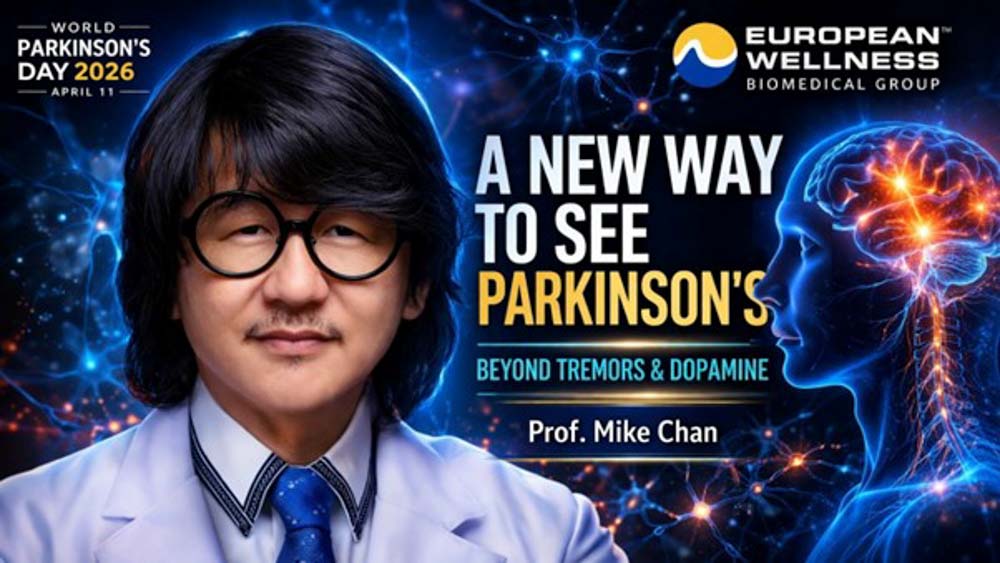
Parkinson’s disease is often described through its symptoms: tremors, stiffness, slowing movement, poor balance, and the gradual loss of motor control. But for those living through it, Parkinson’s is never merely clinical. It reshapes routines, tests confidence, and places quiet emotional weight on the family members who walk the journey alongside the patient.
That is why the human side of Parkinson’s deserves special attention on World Parkinson’s Day, April 11. Behind every diagnosis is not only a medical case, but a household adjusting to uncertainty while trying to preserve normal life, dignity, and hope.
For Prof. Dato’ Sri Dr. Mike Chan, that is where treatment must ultimately prove its value.
“Medicine is not only about keeping people alive. It is about helping them live meaningfully,” he says. “In Parkinson’s disease, that means we must aim higher than maintenance. We must aim for repair.”
When Illness Becomes a Family Reality
Parkinson’s may begin in the body, but it quickly enters the home. Movements that were once automatic can become slow or uncertain. Speech may soften. Expression may fade. Over time, even ordinary tasks can demand more effort, more patience, and more support.
Families feel this change in ways that are often invisible to others. Life becomes more scheduled, more watchful, more careful. There is the practical burden of appointments and daily care, but also the emotional strain of seeing a loved one struggle with functions once taken for granted.
In that sense, Parkinson’s is never borne by the patient alone. It becomes part of the rhythm of family life.
Tan Sri Bakri’s Road Back

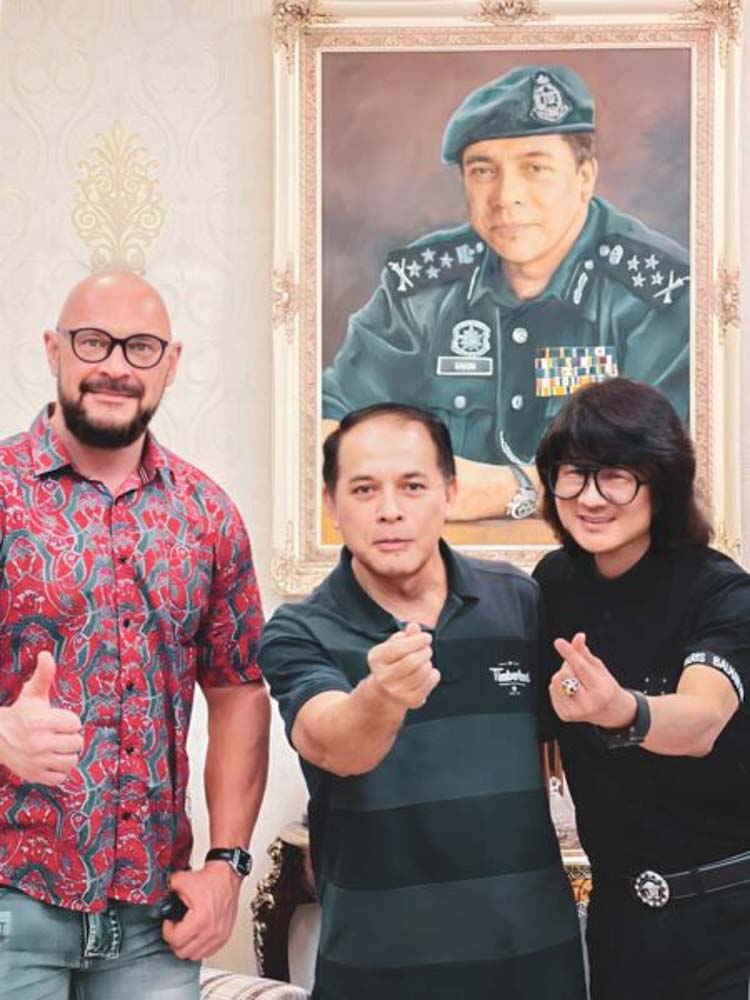
A Legacy of Leadership and Resilience — Malaysia’s former Deputy Inspector-General of Police, Tan Sri Bakri, devoted his life to public service, leading major investigations and safeguarding the nation. Pictured with Dmytro Klokol and Prof. Dato’ Sri Dr. Mike Chan at European Wellness, where he described his Parkinson’s recovery journey as a turning point in restoring his confidence and quality of life.
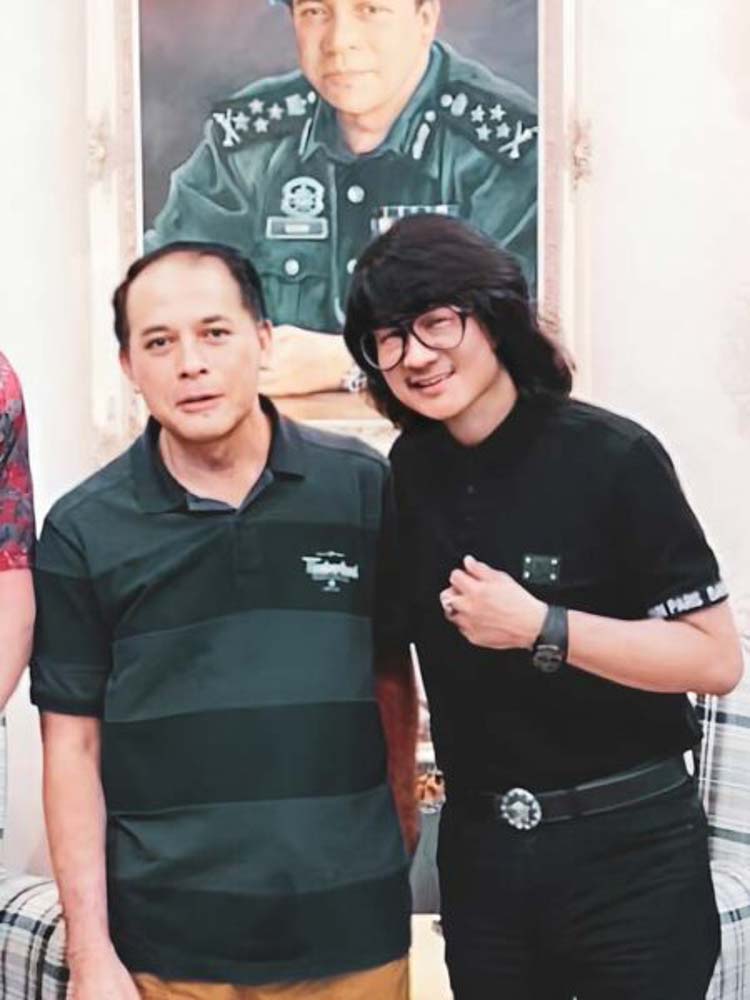
Guided by Expertise, Strengthened by Hope — Tan Sri Bakri with Prof. Dato’ Sri Dr. Mike Chan at European Wellness, where he underwent personalized regenerative therapy. He credited Prof. Chan’s expertise and compassionate care with helping him regain mobility, confidence, and renewed hope in his fight against Parkinson’s disease.
One of the most compelling personal accounts in the materials is that of Tan Sri Bakri, Malaysia’s former Deputy Inspector General of Police and longest-serving CID chief. After a distinguished public career, he faced a very different kind of battle when Parkinson’s disease began to erode his mobility, facial expression, and overall quality of life.
Tan Sri Bakri recounted experiencing severe muscular rigidity, frequent freezing of his legs, and increasing difficulty performing even simple, everyday movements.
Earlier stem cell treatments overseas reportedly did not produce meaningful results. He later sought care at European Wellness, where he underwent targeted precursor stem cell therapy under Prof. Chan’s guidance.
According to his own account, the changes that followed were significant. Tan Sri Bakri reportedly experienced improvements in mobility, speech, facial expression, and overall function. He regained the ability to walk, drive, smile again, and even return to playing pickleball.
His message to others living with Parkinson’s is both simple and deeply human:
“Don’t be ashamed of yourself… it’s not the end of the world. Do something about it—you can regain your confidence and your life.”
That is what gives his story weight. It is not only about treatment. It is about reclaiming self-belief and daily life.
A Wife’s Testimony of Hope
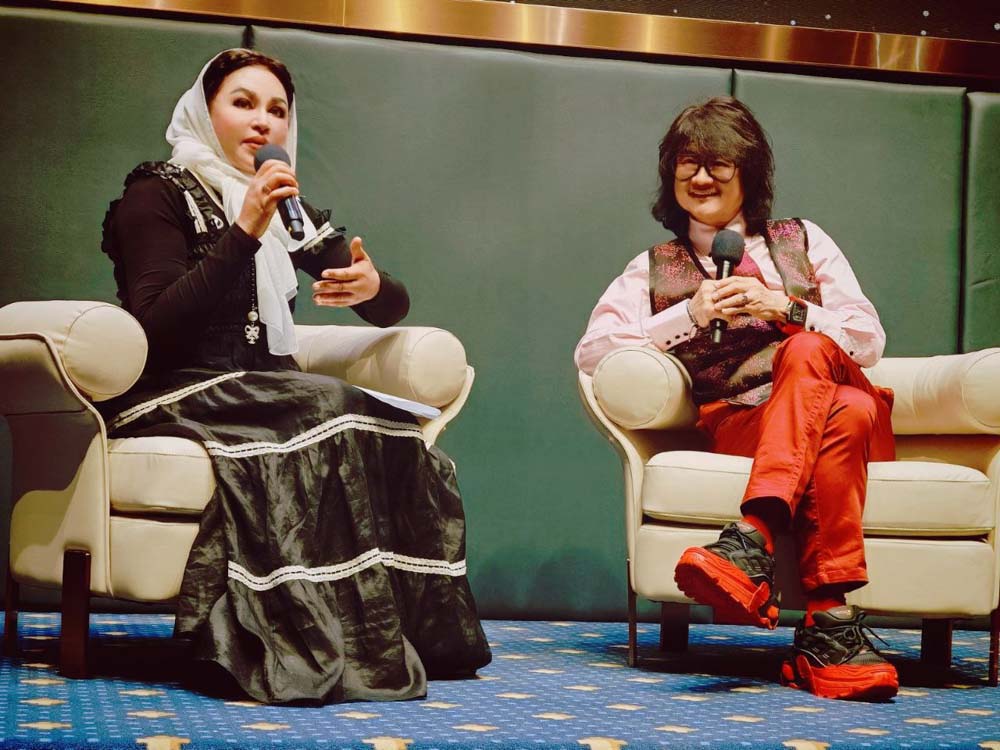
The emotional center of the story comes through in the voice of Puan Sri Nisa Bakri, entrepreneur, celebrity chef, and founder of the Nisabakri food brand. For her, her husband’s progress at European Wellness was not just a medical development. It was a turning point for the family.
“I am incredibly grateful and optimistic to witness Tan Sri Bakri’s health improving through this treatment,” she said. “We both believe that holistic management and unwavering family support play crucial roles in his recovery journey.”
Her words capture something that clinical language often misses. Parkinson’s care does not stop at intervention. It continues at home through encouragement, consistency, patience, and the quiet resilience of loved ones.
She also spoke of how the progress changed daily life in practical terms:
“This treatment has brought about significant changes,” she said. “We now have more time to spend together, engaging in activities we enjoy without the constant worry about health concerns. It has brought us immense joy and renewed hope for the future.”
That is the kind of progress families remember most clearly: not just numbers or observations, but the return of ordinary moments.
What Recovery Means in Real Life
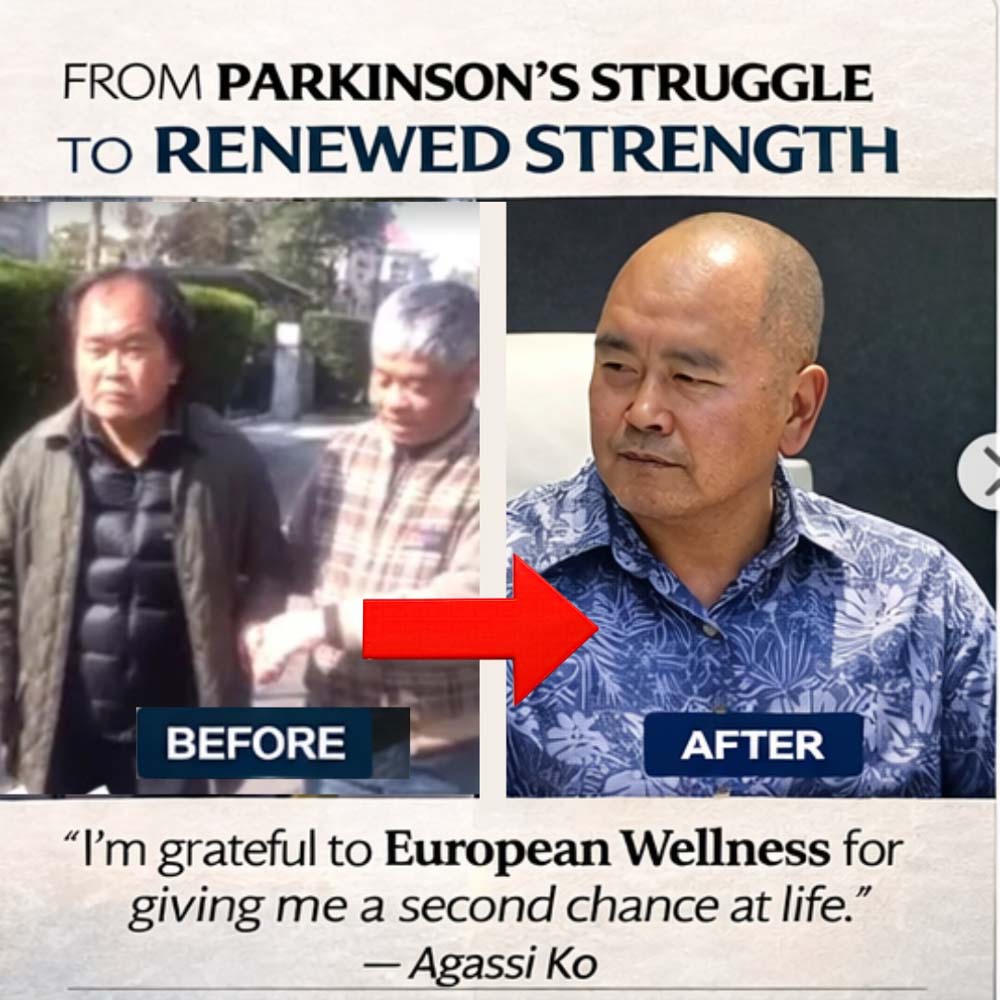
Another testimony mentioned is that of Agassi Ko, whose improvement similarly reinforced the promise of precision-matched cellular therapy in restoring mobility and vitality.
For doctors and clinics, improvement can be tracked through function and observation. For patients and families, it is often measured more personally. Can he walk more easily? Speak with more clarity? Smile again? Spend time with loved ones with less fear and less strain?
That is why stories like Tan Sri Bakri’s resonate. The progress described in the materials is framed not as abstract clinical success but as regained movement, stronger confidence, and a return to daily living.
Prof. Chan says this is the real point of meaningful care.
“These stories matter because they remind us that degeneration is not the only possible direction.
“When the right cells, the right support systems, and the right biological conditions come together, patients can regain function, confidence, and dignity.”
His emphasis on dignity is key. In Parkinson’s care, dignity can mean the return of independence, expression, movement, and presence in everyday life.
European Wellness as Part of the Care Journey
In this story, European Wellness emerges not only as a provider of treatment but also as part of a broader journey of care, recovery, and ongoing support. The materials present its approach as combining regenerative intervention with holistic management and the goal of sustaining quality of life over time.
Its wider framework, described as Diagnose, Detox, Repair, and Rejuvenate, suggests that Parkinson’s care is not seen as a one-off procedure but as a longer process involving treatment, support, follow-up, and maintenance.
In a progressive condition like Parkinson’s, that distinction matters. Maintenance is not passive. It is the ongoing work of preserving gains, supporting function, and helping patients continue life with as much confidence and independence as possible.
The Quiet Strength Behind Care
Caregivers are often the unseen anchors in long-term illness. They manage schedules, lift morale, absorb stress, and keep daily life moving when circumstances become difficult. Puan Sri Nisa Bakri’s testimony speaks gently but clearly to that truth.
Her reflections show that treatment success is not felt by the patient alone. It is shared by everyone who has carried the strain of the journey.
That is why support systems matter so deeply in Parkinson’s care. Treatment may begin improvement, but love, patience, and continuity help sustain it.
A More Human Definition of Progress
Prof. Chan does not frame Parkinson’s care as a simplistic promise. The materials instead present it as a more hopeful and strategic effort to restore function, reduce degeneration, and improve quality of life.
“A diagnosis of Parkinson’s should not mean surrender,” he says. “The future of medicine must be about restoring function, reducing degeneration, and helping patients reclaim as much of life as possible.”
That message feels especially fitting on World Parkinson’s Day. In the end, the purpose of care is not only to manage symptoms, but to help people live better, love better, and worry less.
For families facing Parkinson’s, that may be the most meaningful progress of all.
Selected References (Parkinson’s & Regenerative Medicine)
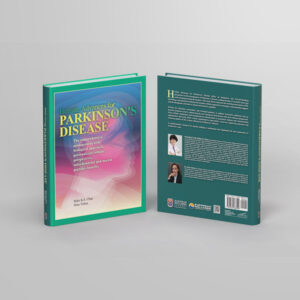
Holistic Advances for Parkinson’s Disease. European Wellness Academy. Chan, M. K. S.
https://european-wellness.eu/product/holistic-advances-for-parkinsons-disease
Key Insight: A comprehensive overview of Parkinson’s care, integrating conventional therapies with regenerative strategies to slow disease progression.
The Dawn of New Medicine – Stem Cell Therapy: Old Dogma, New Hope. European Wellness Academy. Chan, M. K. S.
https://european-wellness.eu/product/the-dawn-of-new-medicine-stem-cell-therapy-old-dogma-new-hope
Key Insight: Explores stem cell therapy for neurodegeneration, highlighting the “homing” principle and clinical applications in Parkinson’s disease.
Compendium of Diseases & Disorders – Clinical Applications of Stem Cells & Peptides with Precision in Regenerative Medicine. European Wellness Academy. Chan, M. K. S.
https://european-wellness.eu/events/new-book-compendium-diseases-disorders/
Key Insight: Details precision “systemic prescriptions,” combining brain-targeted and organ-support therapies for holistic Parkinson’s treatment.
Stem Cells in Regenerative Medicine: Carpe Diem – Carpe Vitam! Troubador Publishing Ltd. Chan, M. K. S., & Klokol, D.
https://european-wellness.eu/product/stem-cells-in-regenerative-medicine-carpe-diem-carpe-vitam
Key Insight: Explains how targeted precursor stem cells cross the blood-brain barrier to drive neurogenesis and neuroprotection.
PEPTIDES 101 – Regenerative Applications in Modern Medicine. European Wellness Academy. Chan, M. K. S., et al.
https://european-wellness.eu/product/peptides-101/
Key Insight: Demonstrates how peptide therapy enhances neuronal survival, cellular communication, and regenerative outcomes.
Cell Membrane Therapy: Clinical Practice in Brain, Liver and Cardiovascular Diseases. European Wellness Academy. Chan, M. K. S.
https://european-wellness.eu/product/cell-membrane-therapy-clinical-practice-in-brain-liver-and-cardiovascular-diseases
Key Insight: Highlights the role of membrane repair and lipid balance in restoring cellular function in neurodegenerative diseases.
A Comprehensive Guide to Biological Medicine and Wellness. Troubador Publishing Ltd. Chan, M. K. S., & Klokol, D.
https://european-wellness.eu/product/a-comprehensive-guide-to-biological-medicine-and-wellness
Key Insight: Introduces the DDRR model—Diagnose, Detox, Repair, Rejuvenate—as the foundation for effective regenerative therapy.
Follow European Wellness:



Follow European Wellness Academy:
Follow Prof. Dato’ Sri Dr. Mike Chan:

Related Posts